This article contains advertising. My booking links are routed through a partner that adds commission tracking automatically, so if you book through one I earn a commission from the provider, at no extra cost to you. It never affects what I recommend. Affiliate disclosure
There is something about meeting an animal face to face that no screen can match, and the Cotswolds is wonderfully rich in places to do it. From King Penguins and giraffes to rare-breed lambs, crocodiles and a field full of friendly alpacas, the region’s animal attractions are some of its very best family days out. As a parent, I have watched children light up at the penguin feed and giggle at a goat nibbling their sleeve, and this guide gathers all the best places to get close to nature’s residents.
Below you will find the best animal attractions in the Cotswolds, from wildlife parks and rare-breed farms to bird gardens, a crocodile zoo and alpaca walks, with the practical details parents need on prices, what’s special and the best bits for kids. It works alongside our complete Cotswolds family holidays guide and our pick of the best family days out.

Cotswold Wildlife Park: The Region’s Mini Safari
If you only visit one animal attraction, make it Cotswold Wildlife Park & Gardens near Burford. Set in 160 acres around a Georgian Gothic manor built in 1804, it is home to giraffes, rhinos, lemurs, big cats and a fascinating reptile house, with many walk-through enclosures that bring you wonderfully close to the animals. Children love the narrow-gauge railway and the brilliant Skymaze adventure playground, making it a full day rather than a quick zoo trip.
Tickets are around £19.50 for adults and £14 for children, with a saving for booking online, and it is well worth pre-booking in the summer holidays as it can sell out. The gardens are a delight in their own right, so there is plenty for grown-ups too. It is consistently rated among the best family days out in the region, and rightly so. Our dedicated Cotswold Wildlife Park guide has the full visitor information.
Rare-Breed Farms and Hands-On Encounters
For hands-on animal fun, the rare-breed farms are unbeatable. Adam Henson’s Cotswold Farm Park at Guiting Power, run by the Countryfile presenter, is the most famous, with more than fifty rare-breed flocks and herds, a Touch Barn where children can meet smaller animals, and tractor-trailer rides around the farm. Its spring lambing season (roughly mid-February to April) is hugely popular, letting families watch live births and meet newborn lambs and kids.
For a bigger play element alongside the animals, Cattle Country at Berkeley and All Things Wild at Honeybourne both combine farm animals with huge indoor and outdoor play, the latter adding a life-size dinosaur park. These farms are perfect for younger children, who get to feed, stroke and learn about the animals up close. Tickets are usually pre-booked. Our Cotswold Farm Park guide covers the most famous of them in depth.

Birdland: Penguins, Parrots and Dinosaurs
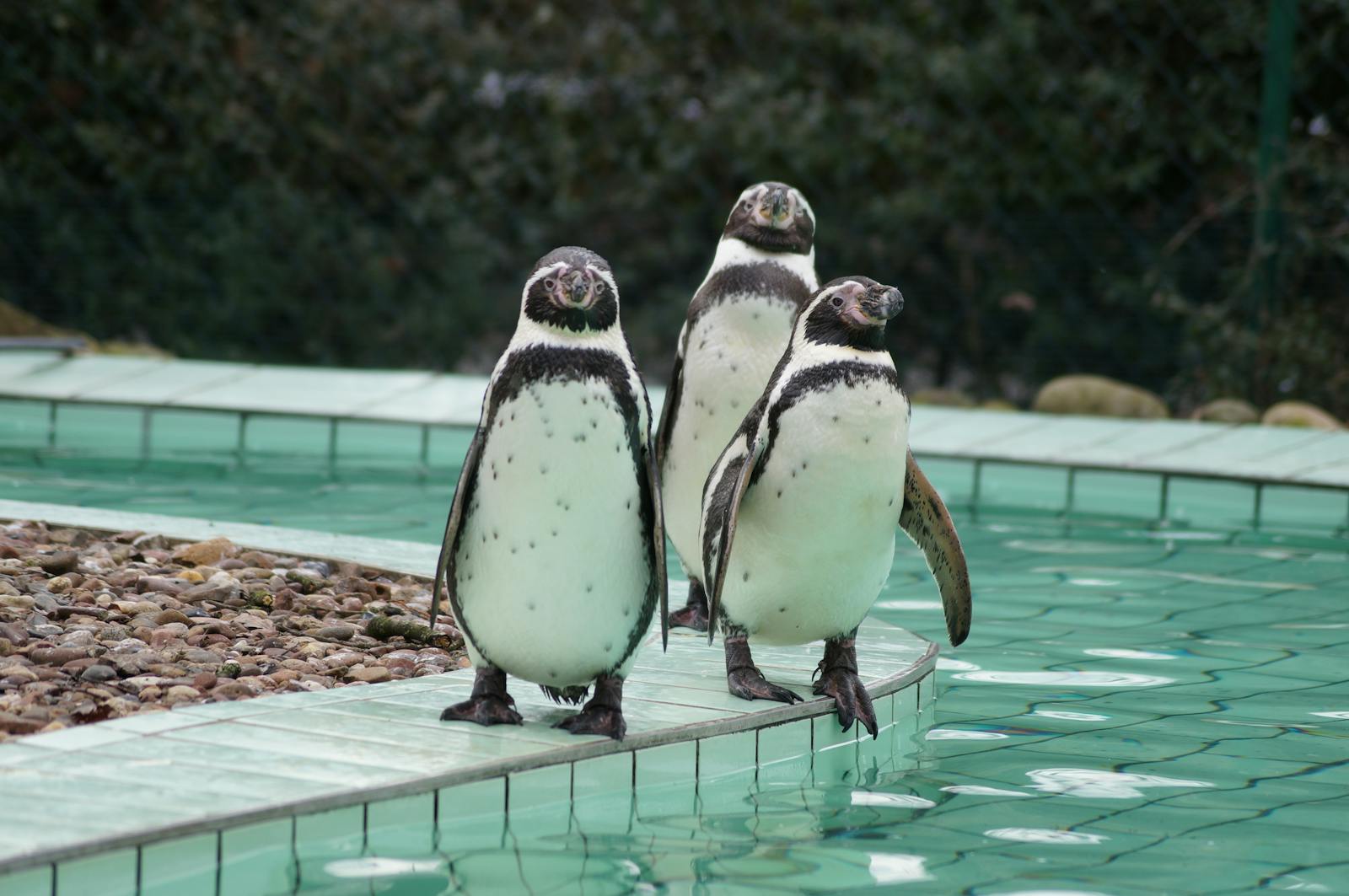
In the heart of Bourton-on-the-Water, Birdland Park & Gardens is a long-standing family favourite set in nine acres along the River Windrush. Its star residents are the penguins, including England’s only breeding group of King Penguins, alongside Humboldt penguins, with a daily penguin feeding at 3pm that children adore. There are owls, parrots, a tropical Desert House and more than 500 birds in all.
The big bonus for families is the “Jurassic Journey” woodland trail of life-size dinosaurs, which delights younger children, plus a play area. Adult tickets are around £14.95, and being right in Bourton it pairs perfectly with the village’s other attractions and a paddle in the river. It is one of the most enjoyable and accessible animal days out in the Cotswolds. Our guide to the most family-friendly villages has more on Bourton’s cluster of attractions.
Crocodiles, Reptiles and the Unusual
For something a bit different, Crocodiles of the World at Brize Norton is the UK’s only crocodile zoo, home to crocodiles, alligators, caimans, a Komodo dragon and giant Galápagos tortoises. With daily feeding talks and a “Gator Golf” mini-golf course, it is a thrilling day out, and because it is largely indoors, it makes a great rainy-day choice too. Adult tickets are around £16 and children £12.50.
Reptile fans will also enjoy the reptile house at Cotswold Wildlife Park, while the various farm parks keep a menagerie of more unusual residents from meerkats to capybaras. These attractions are a great way to introduce children to the more exotic end of the animal kingdom, safely and up close, with knowledgeable keepers on hand to answer the endless questions. Our guide to rainy day activities flags which animal attractions work best under cover.

Alpaca Walks and Free Wildlife Spotting
For a gentler, more personal animal experience, several Cotswold farms offer alpaca walking, where families can lead these gentle, curious creatures on a countryside stroll. Operators around Cheltenham, Stroud and Cirencester run bookable experiences, usually an hour or so, that delight children and adults alike, though they must be booked in advance and may have minimum ages, so check before turning up.
You can also meet animals for free. Greystones Farm nature reserve near Bourton (run by Gloucestershire Wildlife Trust) is free to visit, with wildlife trails, a replica Iron Age roundhouse and the chance to spot water voles and birds along the River Eye. The Cotswold countryside itself teems with wildlife, from deer beneath Broadway Tower to red kites overhead, and a simple walk can become a free safari with a pair of binoculars. Our guide to free things to do with kids has more wildlife-spotting ideas.
Animal Attractions by Age
Different attractions suit different ages. For toddlers and pre-schoolers, the hands-on farm parks are ideal, with touch barns, small friendly animals and gentle tractor rides that are just the right scale, plus dedicated toddler play areas to break up the day. Birdland’s penguins and the Jurassic Journey dinosaurs are also a big hit with little ones, who can see plenty without too much walking.
Primary-age children are well served everywhere, from the big cats and giraffes at the Wildlife Park to the crocodiles at Brize Norton and the rare breeds at the farm parks, with enough variety to hold their interest for a full day. Older children and teenagers tend to enjoy the more exotic and educational angles, the reptile houses, the keeper talks, the conservation stories behind the rare breeds, and the chance to learn something alongside the fun. The bigger attractions cater to all ages at once, which is ideal for mixed-age families.
Animal Experiences and Encounters
For a really memorable day, many attractions offer special animal experiences over and above general entry. Birdland runs a “Feed the Penguins” experience, the farm parks offer bottle-feeding lambs in spring and animal-handling sessions, and Crocodiles of the World has junior keeper experiences. These bookable extras get children closer to the animals than a normal visit and often become the highlight of the trip.
The alpaca walks mentioned earlier are another lovely encounter, as are the keeper talks and feeding displays that run through the day at most of the parks, timed so you can plan your visit around them. If your child is mad about a particular animal, it is worth checking what experiences are available and booking ahead, as the popular ones, especially the seasonal lamb feeding, fill up fast. These encounters turn a good day out into an unforgettable one. Our family holidays guide has more ideas for memorable days.
Seasonal Animal Highlights
The animal calendar shifts beautifully through the year. Spring is the magical season, with lambing in full swing at the farm parks, newborn animals everywhere and the countryside coming alive; it is the busiest and most joyful time to visit a farm. Summer brings long days perfect for the wildlife parks and outdoor enclosures, with animals at their most active and special holiday events laid on.
In autumn, the farm parks run Halloween and harvest events, while winter sees some attractions reduce hours or close for a maintenance break, though the indoor crocodiles and reptile houses carry on regardless, and Christmas brings festive animal events at several farms. Checking what is on for the season, and confirming opening times before you travel, ensures you catch the highlights and avoid a closed gate. Our guide to school holiday activities details the seasonal animal events.
Tips for Visiting With Children
A few practical pointers make animal days run smoothly. Pre-book the popular parks, especially Cotswold Wildlife Park and Cotswold Farm Park, which use timed tickets and sell out in the school holidays. Arrive early to enjoy the animals before the crowds and the midday heat, when many creatures retreat to the shade. And time your visit around the feeding times and keeper talks, which are the most engaging moments of the day.
Bring hand sanitiser or wipes for after animal contact (the farms have washing stations, but it is good practice), dress for the outdoors with layers and sturdy shoes, and pack a change of clothes for younger children who get hands-on. Pushchairs are fine at most parks, though the farm terrain can be uneven, and under-twos usually go free. With these basics covered, an animal attraction is one of the most reliable family hits the Cotswolds offers. Our guide to family-friendly villages helps you base near the best of them.
Eating, Facilities and Value
Most of the bigger animal attractions have cafés, picnic areas and good facilities, including baby-changing and family toilets, so they are easy to spend a whole day at. Bringing a picnic keeps costs down, though the on-site cafés are generally child-friendly. Many also have gift shops that children will inevitably want to visit, so a small souvenir budget saves negotiation later.
On value, several attractions offer annual passes or memberships that pay for themselves on a second visit, which is well worth considering if you are local or returning, and family tickets bring down the per-head cost. Mixing a paid animal attraction with a free wildlife walk or the Greystones Farm reserve keeps a holiday affordable while still getting the children up close to nature. Booking online usually saves a little too. It all adds up to excellent value for a guaranteed family-pleasing day. Our guide to free things to do with kids has budget-friendly wildlife ideas.
Conservation, Learning and Rare Breeds
Part of what makes the Cotswolds’ animal attractions special is the genuine conservation story behind them. Cotswold Farm Park was founded specifically to protect rare and native British breeds, and its founder helped establish the Rare Breeds Survival Trust, so a visit is also a lesson in saving heritage livestock. The wildlife parks take part in international breeding programmes for endangered species, and Birdland’s King Penguin colony is part of a coordinated European effort.
For children, this adds a meaningful layer to the fun: they are not just looking at animals but learning why these creatures matter and how people are working to protect them. The keeper talks often touch on conservation, and many attractions have education programmes and signage pitched at young visitors. It is a gentle, hands-on introduction to the natural world and our responsibility to it, which sticks with children long after the day is over. Our guide to the best family days out has more attractions that combine fun with learning.
Planning an Animal-Themed Holiday
With so many animal attractions in a compact area, you could easily build a whole family holiday around them. A few days based centrally, say near Bourton or Burford, puts the Wildlife Park, Birdland, the Farm Park and Crocodiles of the World all within easy reach, with an alpaca walk and a free nature reserve to round things off. Spreading them across your stay, rather than cramming two into one day, keeps the magic fresh and the children keen.
Pace is everything with young animal-lovers: one big attraction a day, with time to linger at the feeds and play areas, beats a frantic dash. Pair each animal day with something gentler, a village wander, a river paddle or a playground, and you have a beautifully balanced family week. The sheer variety on offer means even the most animal-obsessed child will not run out of new creatures to meet. Our guide on family cottages helps you find the perfect base.
From the smallest chick in a touch barn to a giraffe towering overhead, the Cotswolds gives children the chance to connect with animals in a way that is increasingly rare and always magical. It is one of the things the region does best for families, and a near-guaranteed source of the wide-eyed wonder that makes a holiday with children so rewarding.
Wherever you go, take a moment to let the children simply watch the animals quietly rather than rushing to the next enclosure; some of the best memories come from those unhurried minutes spent eye to eye with a curious goat, a dozing big cat or a waddling penguin, and they cost nothing but a little patience.
Whichever attractions you choose, you will find the Cotswolds an exceptionally welcoming place to share the animal kingdom with children, and a region where a love of nature comes easily to the youngest visitors.
Frequently Asked Questions
What is the best animal attraction in the Cotswolds?
Cotswold Wildlife Park near Burford is the standout, with giraffes, rhinos, lemurs and a reptile house plus an adventure playground and railway. Birdland in Bourton (penguins and dinosaurs) and Adam Henson’s Cotswold Farm Park (rare breeds) are also superb.
Where can children feed and pet animals in the Cotswolds?
The rare-breed farms are best for hands-on encounters: Cotswold Farm Park’s Touch Barn, Cattle Country and All Things Wild all let children meet and feed smaller animals. Several farms also offer bookable alpaca walks.
Can you see penguins in the Cotswolds?
Yes. Birdland Park & Gardens in Bourton-on-the-Water is home to England’s only breeding group of King Penguins, plus Humboldt penguins, with a daily penguin feeding display at 3pm that families love.
When is lambing season at Cotswold Farm Park?
Lambing season at Adam Henson’s Cotswold Farm Park runs roughly from mid-February to April, spanning February half-term and Easter. It is one of the UK’s largest lambing events, with the chance to watch live births and meet newborn lambs and kids.
Are there free animal attractions in the Cotswolds?
Greystones Farm nature reserve near Bourton is free, with wildlife trails and a roundhouse. The wider countryside offers free wildlife spotting, from deer at Broadway Tower to birds along the rivers, though most farm and wildlife parks charge for entry.
Meet the Locals
From King Penguins and giraffes to rare-breed lambs, crocodiles and friendly alpacas, the Cotswolds offers an extraordinary variety of animal encounters for families. Mix a big wildlife park with a hands-on farm and some free wildlife spotting, book the popular ones ahead, and you have the makings of an unforgettable animal-filled holiday. For more, see our guides to the best family days out and playgrounds and adventure parks. To feed everyone afterwards, our guide to Cotswolds pubs with playgrounds covers the ones with space to run about.