This article contains advertising. My booking links are routed through a partner that adds commission tracking automatically, so if you book through one I earn a commission from the provider, at no extra cost to you. It never affects what I recommend. Affiliate disclosure
There is something gloriously unexpected about rounding a corner of an English country estate and finding a giraffe peering back at you over a honey-stone wall. That is the magic of Cotswold Wildlife Park & Gardens, a 160-acre park near Burford where rhinos, lions and lemurs share the grounds of a Victorian Gothic manor house. It is part zoo, part botanical garden and part stately-home parkland, and it has been delighting families for over fifty years.
If you are travelling with children, this is one of the very best days out in the region, and even without them it is a wonderfully relaxing place to wander. This Cotswold Wildlife Park guide covers everything you need to know: the animals and gardens, ticket prices and how to save, opening times, feeding times, the narrow-gauge railway, and the practical details on parking, dogs and getting there. It is a star turn among the family things to do in the Cotswolds.
Cotswold Wildlife Park at a Glance
The park opened in 1970 in the grounds of Bradwell Grove, a Gothic-Revival manor house dating from 1804, and it has grown steadily ever since into one of the most loved attractions in the area. Today it is home to more than 260 species spread across 160 acres of beautifully landscaped parkland and gardens, with low fences and open paddocks that give it the feel of a “walking safari” rather than a traditional zoo.
What sets it apart is that blend of wildlife and horticulture. The animal enclosures are woven through mature trees, exotic borders and a Victorian walled garden, so even between the headline creatures there is always something lovely to look at. Allow at least four hours for a visit; most families find a whole day slips by easily.
The Animals: Rhinos, Lions, Penguins & More
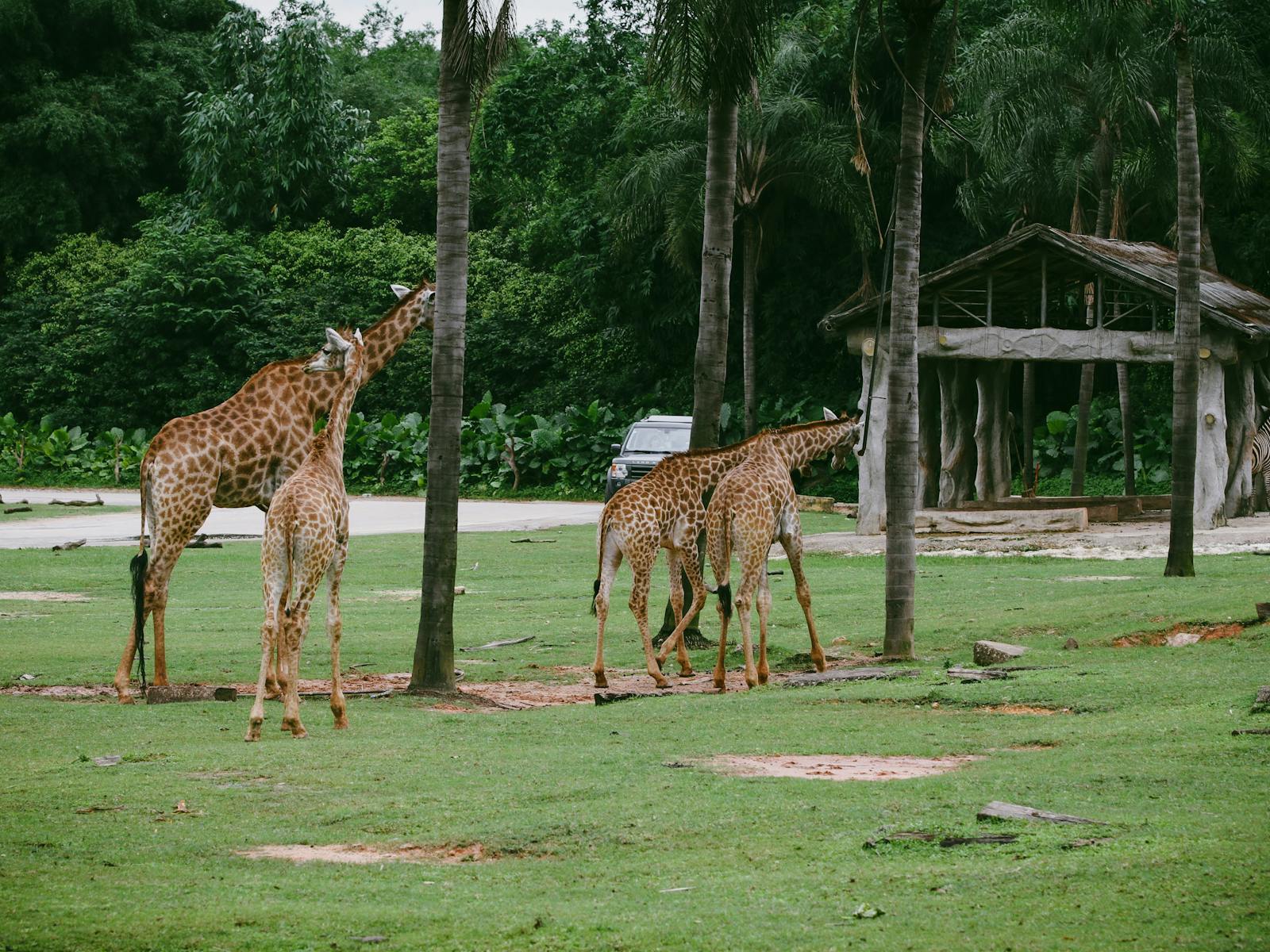
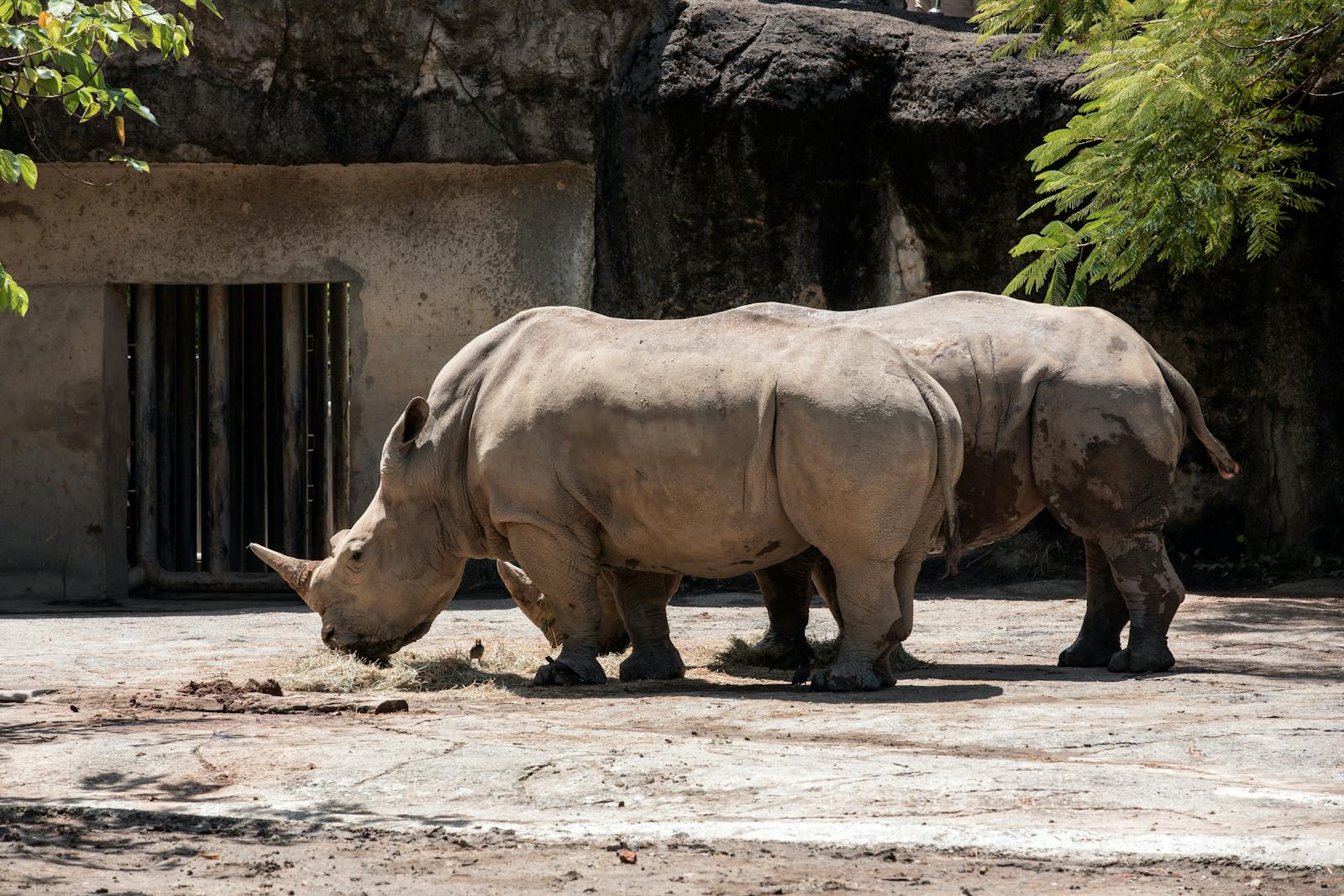
The star residents are impossible to miss. A breeding group of southern white rhinos grazes the parkland in front of the manor house, often alongside giraffes and zebra, in one of the park’s most memorable scenes. Elsewhere you will find Asiatic lions, clouded leopards, Canadian timber wolves on the Wolf Walkway, and a particular favourite of mine, the red pandas dozing in the trees near the house.
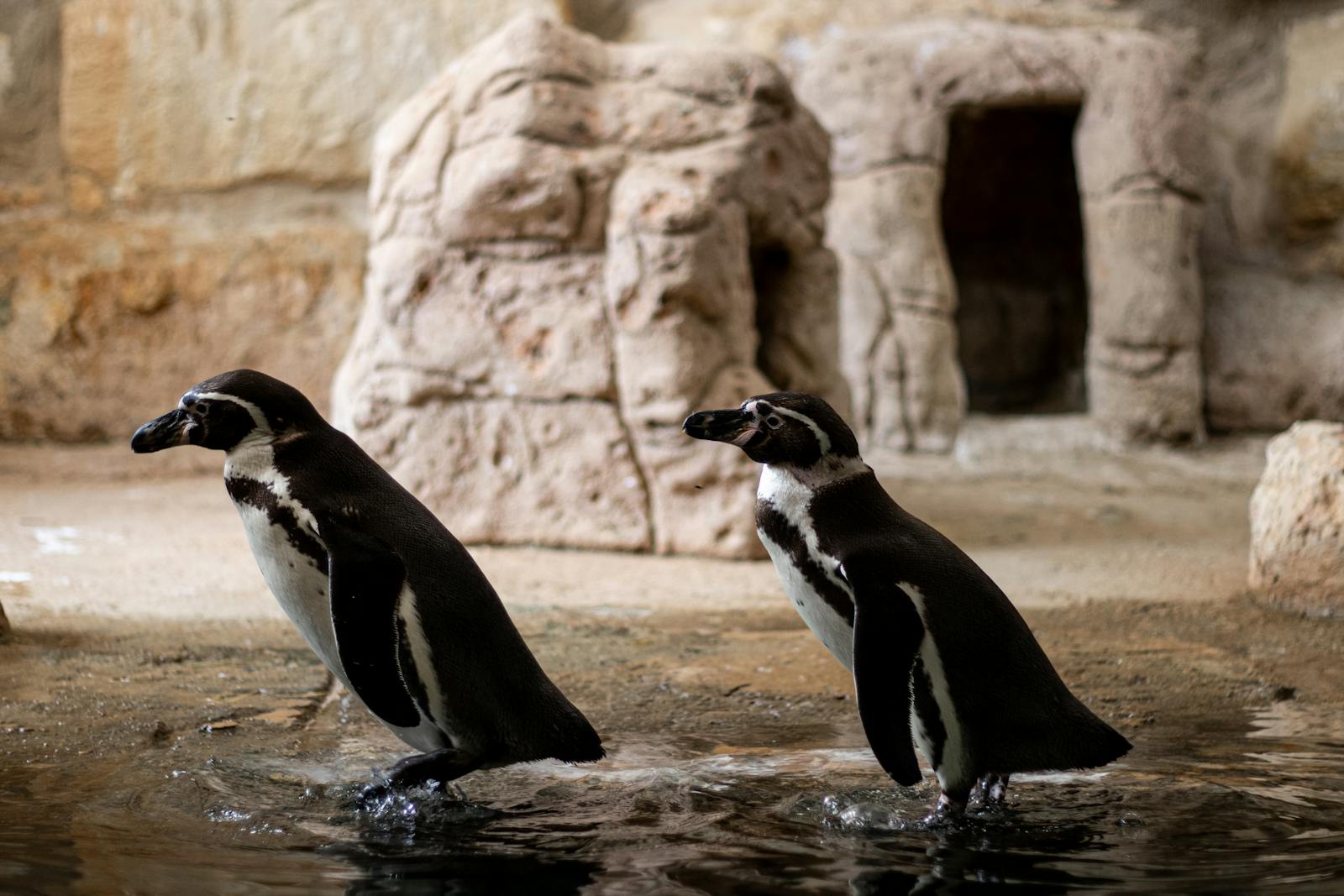
Smaller residents are no less charming. The walk-through Madagascar exhibit lets you wander among free-roaming lemurs, while meerkats, otters, wallabies, capybara, giant anteaters and Bactrian camels all have their fans. Indoors, the Reptile House, Bat House, invertebrate house and the Tropical House, where sloths move slowly through the canopy, are perfect for a rainy spell. Down by the lake, a colony of Humboldt penguins is one of the park’s biggest crowd-pleasers.
The Gardens, Walled Garden & Manor House
It is easy to focus on the animals and overlook the fact that Cotswold Wildlife Park is also a genuinely impressive garden. The Victorian Walled Garden, once the manor’s kitchen garden, is now a horticultural showpiece filled with exotic and tropical planting, from towering bananas and tree ferns to dozens of varieties of bamboo, and it doubles as home to the penguins, meerkats and marmosets. The wider grounds are dotted with specimen trees, including some magnificent old oaks, and exuberant seasonal borders.
The Gothic-Revival manor house at the centre of it all adds a touch of fairy-tale grandeur, though it is not generally open to visitors. It makes a striking backdrop for that famous rhino-and-giraffe paddock, and it is a reminder that this was once a private country estate. Garden lovers exploring the area should also see our guide to the best gardens in the Cotswolds.
Feeding Times, Talks & the Narrow-Gauge Railway
To get the most from your day, plan around the daily talks and feeds. The penguins are fed at 11.00am and 3.00pm, and there is a lemur talk and feed around noon in the Madagascar enclosure, along with other keeper talks dotted through the day. A quick but important note: for the welfare of the animals, visitors are not permitted to feed them themselves.
One of the most popular features for younger visitors is the narrow-gauge railway, which runs a circuit of the grounds from April to October, roughly noon to 4.00pm, weather permitting. It costs a small extra fare on top of admission (around £2 for adults and £1 for children, under-3s free; check on the day), and it is a lovely way to rest little legs while still enjoying the park.
Family Facts: Playground & Facilities
Cotswold Wildlife Park is brilliantly set up for families, which is why it features in our guide to the Cotswolds with kids. The standout is the Skymaze adventure playground, a thrilling tangle of interconnecting treehouses, jungle bridges and slides rising over 20 feet, with a separate gentler “Mini Manor” play area for little ones. There is also a children’s farmyard, a restaurant, picnic shelters and lawns where you are very welcome to bring your own food and eat overlooking the rhino and giraffe paddocks, a simple way to keep costs down alongside the region’s many free things to do.
The site is flat and almost entirely accessible, with wide, well-maintained paths suitable for wheelchairs and pushchairs, so it works well for visitors of all ages and abilities.
Tickets, Prices & How to Save
One quirk worth knowing in advance: you generally pay at a kiosk from your car as you arrive, then park for free and walk in. As a guide to current pricing (always check the official website, as prices change), day tickets are around £19.50 for adults and £14 for children aged 3 to 16 and seniors, with under-2s free. Buying e-tickets online in advance is cheaper, at roughly £17.50 and £12.50, and during busy summer holidays the park can sell out, so booking ahead is strongly recommended.
If you visit often, a family season ticket can quickly pay for itself. For more ways to keep a family trip affordable, see our guide to the Cotswolds on a budget.
Opening Times & the Best Time to Visit
The park is open almost all year round. In summer (British Summer Time) it usually opens 10.00am to 6.00pm, with last admission at 4.00pm; in winter it closes earlier, at 4.00pm with last admission at 3.00pm. It closes on Christmas Day, and for a couple of weeks in deep winter it opens at weekends only for essential maintenance, so check ahead if you are visiting in January or February.
For the best experience, come on a spring or summer weekday, when the railway is running, the gardens are at their most exotic and the full opening hours give you time to see everything. Early in the day is quietest. Our month-by-month guide to the best time to visit the Cotswolds can help you plan around the seasons.
Getting There, Parking & Dogs
Cotswold Wildlife Park is at Bradwell Grove, about two miles south of Burford on the A361, roughly 20 miles west of Oxford and 22 miles east of Cheltenham. A handy tip: for satnavs, the postcode OX18 4JJ tends to bring you to the entrance more reliably than the official address postcode. Parking is free and plentiful.
Public transport is tricky here, as there is no direct bus or nearby station, so a car is by far the easiest option; our guide to getting around the Cotswolds has more. Good news for dog owners: well-behaved dogs on leads are welcome in much of the park, though not in indoor houses, the children’s farmyard, the restaurant or any free-roaming-animal areas.
A Suggested Route Around the Park
With 160 acres to cover, a little planning helps you see the best of the park without doubling back. From the entrance, I like to head first towards the manor house lawns to see the rhinos, giraffes and zebra grazing together, often the highlight of the whole visit, before the midday crowds build. From there, loop round to the Walled Garden in good time for the 11am penguin feed, taking in the meerkats and the Tropical House with its sloths along the way.
After a picnic or a stop at the restaurant, aim for the Madagascar walk-through to catch the lemur talk around noon, then wander the wooded paths to the red pandas, otters and the Wolf Walkway. Save the indoor Reptile, Bat and invertebrate houses for the middle of the day or any rainy spell, and finish by letting the children loose on the Skymaze adventure playground. If the railway is running, a circuit makes a lovely, restful way to round things off. Allow a full day in summer; there is more than enough to fill it.
Conservation & Breeding Success
Behind the family fun, Cotswold Wildlife Park takes its conservation role seriously and has a genuinely impressive record of breeding rare and endangered species. The park is well known for its successful breeding of southern white rhinos, with several calves born here over the years, as well as Asiatic lions, red pandas and a host of smaller species, contributing to international breeding programmes that help safeguard threatened animals.
Knowing this adds an extra dimension to a visit: the animals you are enjoying are part of a wider effort to protect their species for the future. The keepers’ talks dotted through the day are a great way to learn more, and they are well worth catching, both for the information and for the obvious affection the staff have for the animals in their care. It is this blend of a grand day out with a serious purpose that makes the park feel like more than just a zoo.
Food, Facilities & Accessibility
The park is well set up for a comfortable day out. There is a restaurant serving hot meals and snacks, along with kiosks and ice-cream stops dotted around, and you are also very welcome to bring a picnic and use the picnic shelters and lawns, several of which look out over the rhino and giraffe paddocks for the best lunch view in the Cotswolds. A gift shop near the exit is hard to escape with children in tow.
In terms of accessibility, the site is largely flat with wide, well-maintained paths, making it suitable for wheelchairs and pushchairs, and only a small number of areas (such as the upper floor of the Bat House) are harder to reach. Baby-changing and toilets are provided around the park, and the free, generous car park means you can return to your vehicle during the day if you need to. All of this makes it an easy, low-stress choice for families and multi-generational groups alike.
Combining Your Visit with Burford & Beyond
Because the park sits just south of Burford, it is easy to turn a half-day at the animals into a full Cotswold day out. Burford itself, with its steep medieval high street tumbling down to the River Windrush, is one of the loveliest towns in the area and full of tearooms, pubs and independent shops, perfect for a relaxed afternoon after the park.
From there you are also within easy reach of Bibury and the Coln Valley, the market town of Witney and the wider Oxfordshire Cotswolds. Families could even pair the wildlife park with Cotswold Farm Park on a longer trip, for two very different but equally brilliant animal days out. If you are making a weekend of it, our guide to where to stay in the Cotswolds covers the best bases near Burford, and you will find more ideas in our Cotswolds itineraries.
A Closer Look at the Animal Houses
It is easy to spend all your time with the big outdoor animals, but the park’s indoor houses are some of its most fascinating corners and worth seeking out. The Reptile House is home to an impressive collection of snakes and lizards, including some genuinely formidable species, while the warm, humid Tropical House lets you walk beneath free-roaming sloths and tropical birds. The Bat House, dark and atmospheric, is a hit with older children, and the invertebrate house reveals the strange beauty of leaf-cutter ants, tarantulas and more.
These indoor spaces are also a blessing on a wet or cold day, giving you somewhere warm and dry to enjoy when the weather turns, which in the Cotswolds it sometimes does, as our guide to Cotswolds weather and what to pack makes clear. Together with the gardens and the open paddocks, they help explain why so many visitors find a whole day disappears here without their noticing.
Best Time to Visit & Avoiding the Queues
For the fullest experience, aim for a spring or summer weekday, when the railway is running, the gardens are at their most exotic and the longer opening hours give you time to see everything at a relaxed pace. The park warns that it can sell out during the busy summer holidays, so booking discounted e-tickets online in advance is strongly recommended, both to guarantee entry and to save money.
Arriving early in the day means easier parking, quieter enclosures and the chance to see the animals at their most active before the midday lull. If you visit in winter, you will find a calmer, cheaper park (though the railway is closed and hours are shorter), with the indoor houses coming into their own. Whenever you come, it is a wonderfully rewarding day out, and one our guide to the Cotswolds with kids recommends highly.
Frequently Asked Questions
How much does Cotswold Wildlife Park cost?
Day tickets are around £19.50 for adults and £14 for children aged 3 to 16 and seniors, with cheaper e-tickets (about £17.50 and £12.50) bought online in advance. Under-2s go free. Prices change, so check the official website before you visit.
How long do you need at Cotswold Wildlife Park?
Allow at least four hours. With 160 acres, more than 260 species, gardens and a large adventure playground, many families spend most of a day here.
Are dogs allowed at Cotswold Wildlife Park?
Yes, dogs on leads are welcome in much of the park, but not inside the animal houses, the children’s farmyard, the restaurant, or near free-roaming animals such as the lemurs. Assistance dogs are welcome throughout.
Is there a train at Cotswold Wildlife Park?
Yes. A narrow-gauge railway runs a circuit of the grounds from April to October (around noon to 4pm, weather permitting) for a small extra fare on top of admission, typically about £2 for adults and £1 for children.
What animals can you see at Cotswold Wildlife Park?
Highlights include white rhinos, giraffes, Asiatic lions, red pandas, Humboldt penguins, lemurs, meerkats, otters, wolves and wallabies, plus reptile, bat and tropical houses that are home to sloths, snakes and more.
Plan Your Family Day Out
Cotswold Wildlife Park combines a world of animals with beautiful gardens and brilliant play areas, making it one of the best family days out in the region. Pair it with a visit to nearby Burford, or for more animal encounters head to Adam Henson’s Cotswold Farm Park. You will find plenty more inspiration among our 50 best things to do in the Cotswolds.