This article contains advertising. My booking links are routed through a partner that adds commission tracking automatically, so if you book through one I earn a commission from the provider, at no extra cost to you. It never affects what I recommend. Affiliate disclosure
Imagine drifting silently over the Cotswolds just after dawn: honey-stone villages waking below, mist pooling in the river valleys, a patchwork of green and gold fields stitched together by drystone walls, and the whole rolling landscape glowing in the soft early light. There is simply no better way to see this beautiful region than from the basket of a hot air balloon, floating wherever the breeze chooses to take you. A balloon flight over the Cotswolds is the kind of once-in-a-lifetime experience people remember forever — and this guide tells you everything you need to make it happen.
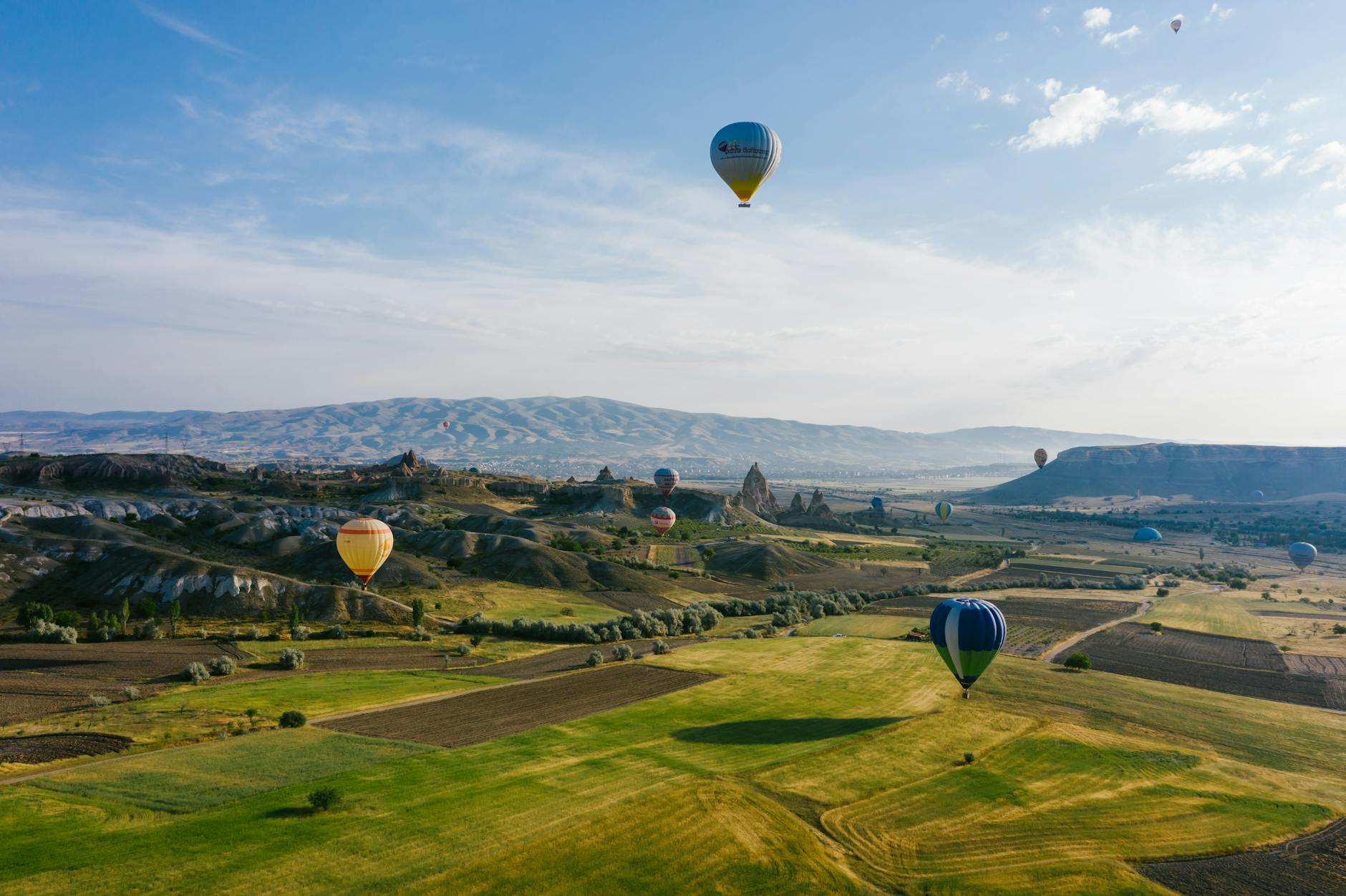
Below I cover exactly what a flight involves, when you can fly, the all-important weather factor, the operators and launch sites, what it costs, who can take part, and how to give yourself the best chance of getting airborne. I will also point you to the spectacular Bristol Balloon Fiesta if you would rather watch a hundred balloons take off than fly in one. Let’s get you up, up and away.
Why fly over the Cotswolds?
The Cotswolds were practically made to be seen from the air. From a thousand feet up, the things that make the region so special — the honey-coloured villages, the patchwork of small fields, the winding rivers, the great houses and the dramatic western escarpment — all lay themselves out beneath you like a living map. It is a perspective you simply cannot get any other way, and on a clear morning the views stretch for miles.
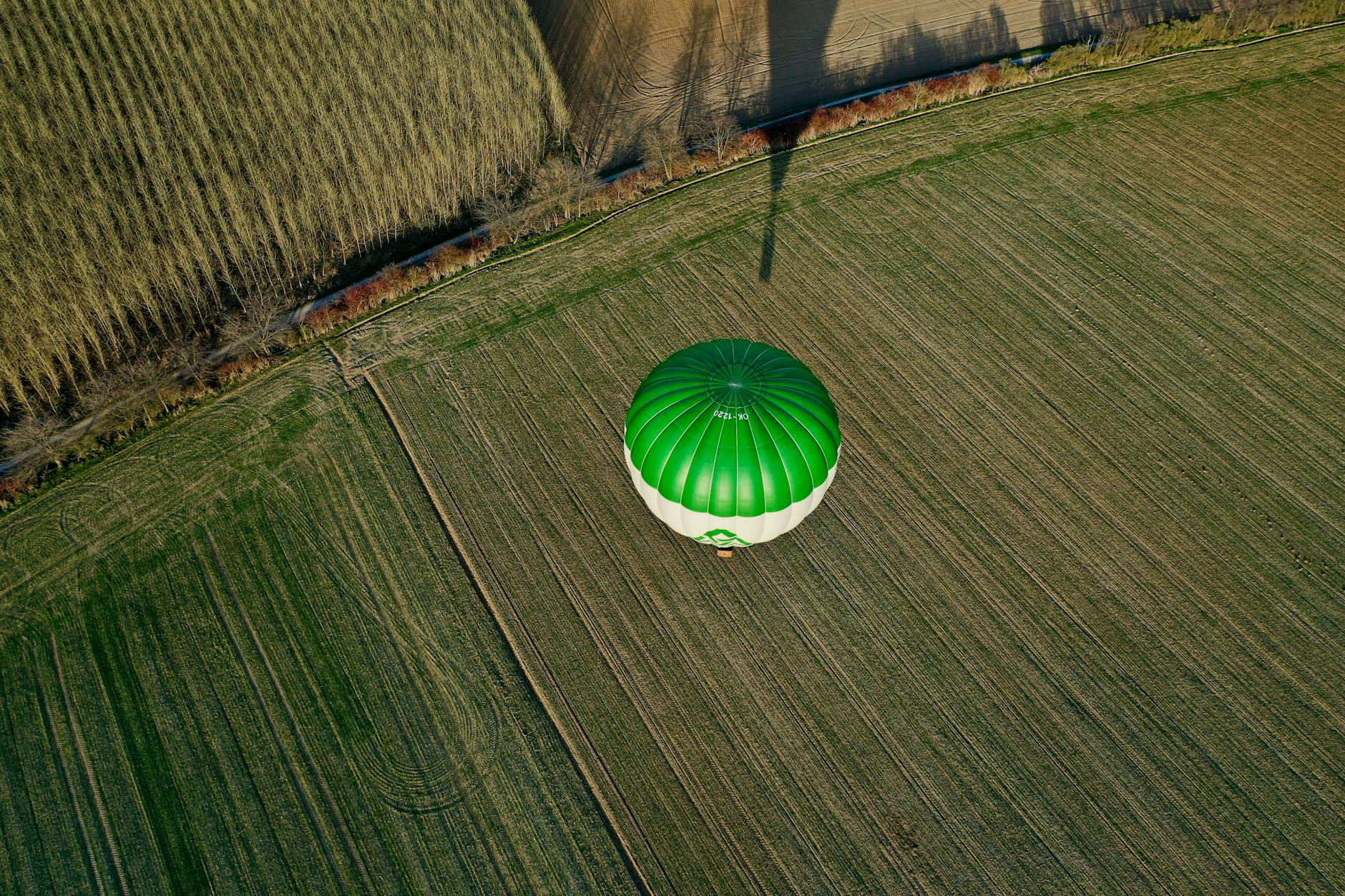
But it is the feeling, as much as the view, that people fall in love with. Because a balloon travels with the wind, there is no rushing air and no engine noise — just an extraordinary, floating silence, broken only by the occasional roar of the burner. You drift serenely, gently turning, watching the world slide by below, with a sense of peace and wonder that is hard to put into words. It is the most magical and romantic of all Cotswolds outdoor activities, and a genuine bucket-list experience.
What to expect on a flight
A balloon flight is a wonderful, slightly old-fashioned adventure, and it is worth knowing how the whole morning (or evening) unfolds. Although you will be airborne for around an hour, you should set aside up to four hours for the complete experience, as there is a lot more to it than the flight itself. You will meet at the launch site, where the friendly, highly experienced pilot gives a full safety briefing, and then watch the spectacle of the great balloon being unrolled, inflated with huge fans and brought upright with blasts from the burner.
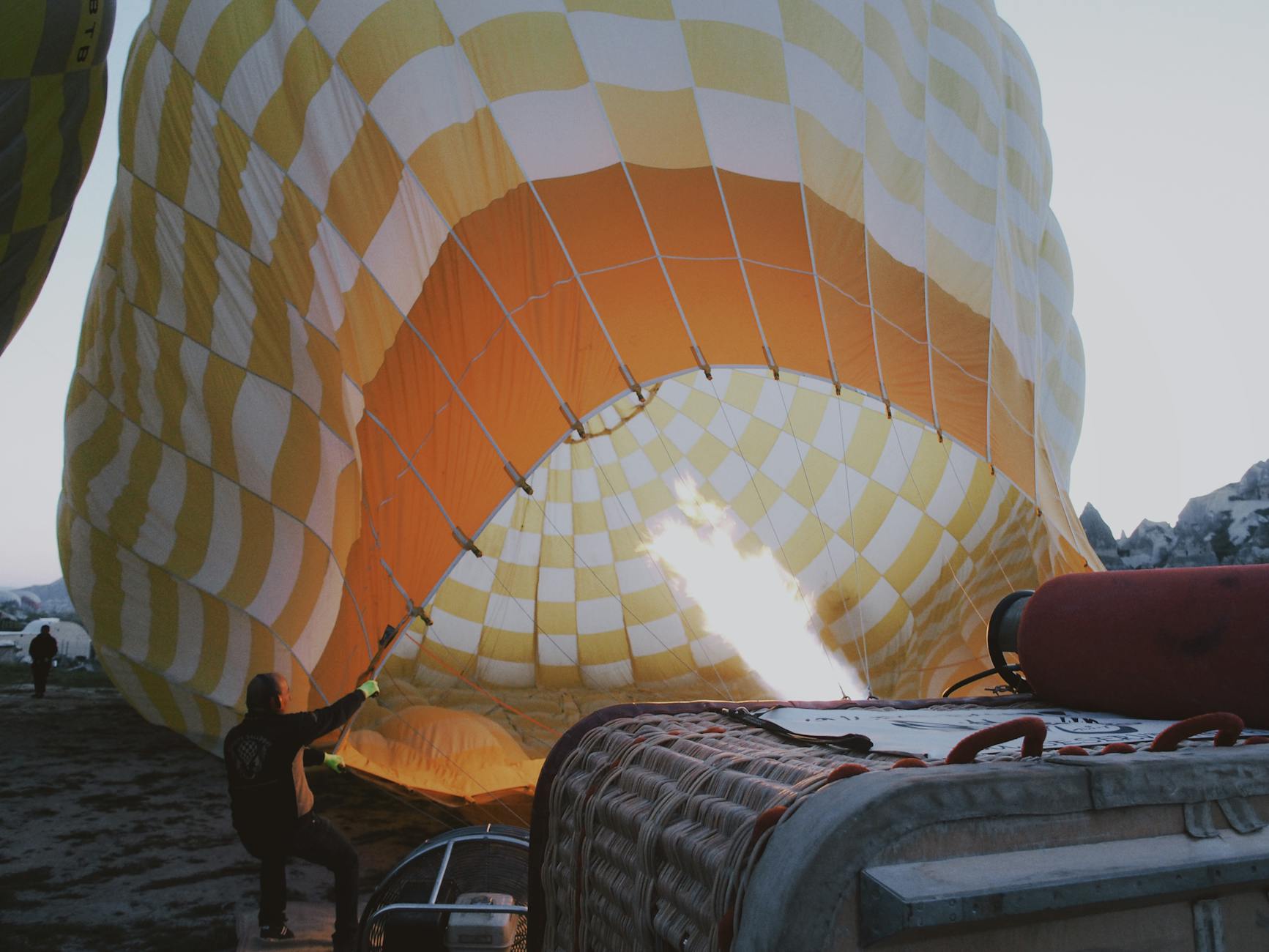
Then you climb aboard the basket, the pilot fires the burner, and you lift gently and almost imperceptibly into the sky. For the next hour you drift across the countryside, the pilot adjusting your height to catch different winds, while you soak up the views and the serenity. When it is time to land, the pilot picks a suitable field, you come down with a gentle bump (hold on tight), and the adventure ends with a time-honoured ballooning tradition: a celebratory glass of champagne and a flight certificate. A chase crew, who have followed you across country, then packs everything away and drives you back to the start. It is all part of the fun.
When can you fly? Season and timing
Hot air ballooning is a seasonal, time-of-day-specific business, dictated by the need for calm, stable air. The main flying season runs from around April to the end of October, when the weather is most reliable. Flights only take place early in the morning, soon after dawn, or in the late afternoon and early evening, because these are the times when the air is calmest and most stable — the middle of the day, when the sun heats the ground and stirs up thermals and gusts, is no good for ballooning.
Of the two options, a dawn flight is the one I would always recommend if you can face the early start. There is something utterly magical about lifting off as the sun rises, with the landscape still and misty and the light at its most golden — it is worth setting the alarm for. Evening flights, ending as the sun sinks, are lovely too, and a little kinder on the body clock. Either way, you are flying at the most beautiful times of the Cotswold day.
The all-important weather factor
Here is the single most important thing to understand about ballooning: it is entirely dependent on the weather, and flights are frequently rescheduled. A balloon can only fly safely in light winds, dry conditions, good visibility and with firm ground for take-off and landing, and British weather being what it is, conditions are often unsuitable. This is completely normal and is purely a matter of safety — you absolutely want a pilot who will only fly when it is right.
In practice, this means you will usually be asked to telephone the operator a few hours before your scheduled flight to check whether it is going ahead, and you should be prepared for last-minute cancellations and to rebook for another day. The golden rule is to build in flexibility: book well ahead, choose a date with spare days around it in case of postponement, and try not to leave your flight to the very last day of a trip. Patience is part of the deal, but the reward, when you finally get up on a perfect still morning, is more than worth the wait.
Operators and launch sites
Several established, professional operators run passenger balloon flights over the Cotswolds, including the well-known national company Virgin Balloon Flights as well as regional specialists who have been flying these skies for decades. All commercial balloon pilots are highly trained and regulated by the Civil Aviation Authority, so you are in very safe hands.
Launch sites are dotted across the region and its fringes, including Bourton-on-the-Water, Cheltenham, Cirencester, Cotswold Lakes (formerly Cotswold Water Park), Stroud, Tetbury and Gloucester, with more to the north around Tewkesbury, Evesham and Stratford-upon-Avon. When you book, you will be allocated a launch site, though remember that where you actually land depends entirely on the wind on the day. It is worth choosing an operator and launch site reasonably convenient to where you are staying, given the early start.
Cost, gift vouchers and special occasions
The cost of a balloon flight varies depending on the operator, the time of year, and whether you choose a shared flight (in a larger basket with other passengers) or a more exclusive private one. It is not a cheap activity, but as a one-off, bucket-list experience, most people find it worth every penny. Many operators sell gift vouchers, which make a wonderfully memorable present and are hugely popular for big birthdays, anniversaries and Christmas.
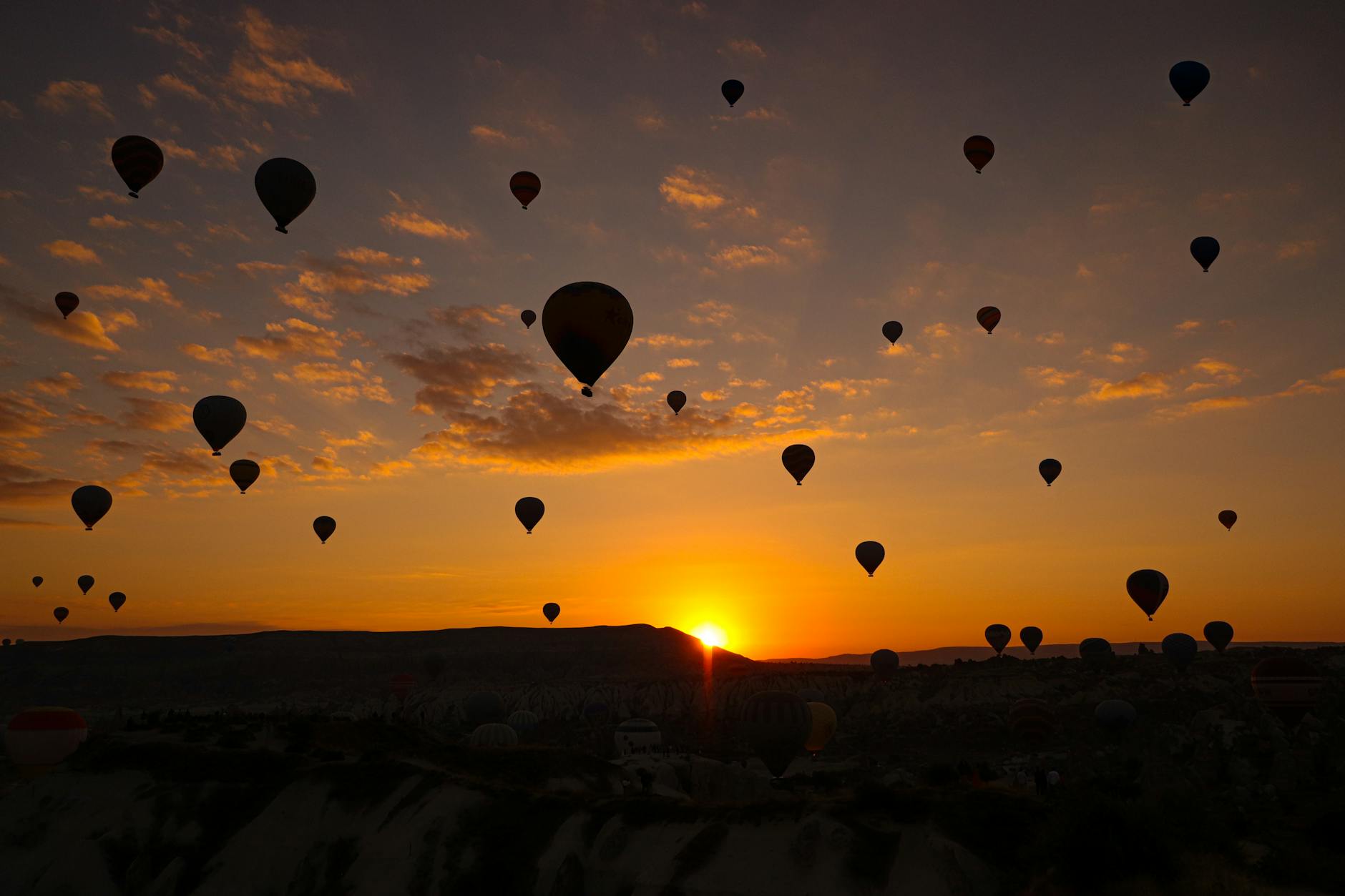
A balloon flight is also one of the most romantic experiences imaginable, which makes it a favourite for marriage proposals and special celebrations — pilots are well used to helping a nervous partner pop the question at altitude. If you are planning something special for two, a private flight at dawn, champagne in hand and the Cotswolds glowing below, takes some beating; our guide to romantic Cotswolds has more ideas for couples. Whatever the occasion, book early, as the best dates and private flights fill up fast.
Who can fly, and what to wear
Ballooning is open to most people, but there are some sensible restrictions, so always check with the operator before booking. There is usually a minimum age (often around seven or eight), and because you need to stand for the duration of the flight and climb in and out of a fairly high-sided basket, a reasonable level of mobility and fitness is required. Operators also have maximum weight limits and generally advise against flying if you are pregnant, so it is always best to ask if you have any concerns.
As for what to wear, keep it casual and practical. Flat, sturdy shoes such as trainers or walking shoes are essential — no heels — as you may be walking across fields and standing for an hour. Dress in layers, as it can be chilly on the ground at dawn even if it is mild aloft (the burner keeps the basket surprisingly warm), and wear clothes you do not mind getting a little grassy or dewy. A hat and sunglasses are useful, and bring your camera or phone, securely attached, for those unforgettable aerial photographs.
Prefer to watch? The Bristol Balloon Fiesta
If the idea of going up does not appeal, or you simply love the spectacle, the nearby Bristol International Balloon Fiesta is an unmissable alternative. Held over several days in early August just beyond the south-western edge of the region, it is the largest ballooning event in Europe, featuring mass ascents of more than a hundred hot air balloons lifting off together, twice daily at dawn and dusk — an utterly magical sight as the sky fills with colour.
The fiesta also features special-shaped balloons, family entertainment and the famous “nightglow,” when tethered balloons are lit up in time to music after dark, followed by fireworks. It is free to attend the main arena, making it a brilliant and very affordable family day out, though it does get extremely busy, so plan ahead. Watching a hundred balloons drift over the landscape is a wonderful way to enjoy the magic of ballooning with your feet firmly on the ground.
What you’ll see from the air
Because a balloon goes wherever the wind takes it, no two flights are ever the same, which is part of the thrill. Depending on the day’s breeze and your launch site, you might drift over a string of postcard villages, their honey-stone cottages and church towers laid out below, or trace the silver thread of a river such as the Windrush or the Coln winding through its water meadows. You may float past one of the great houses and its parkland, or sail along the dramatic western escarpment with the whole Severn Vale spread out beyond.
From above, you really appreciate the texture of the Cotswold landscape: the intricate patchwork of small fields bounded by drystone walls, the dark blocks of beech woodland, the sheep dotted across the wolds, and the way the villages nestle so snugly into folds in the hills. Wildlife is often easier to spot from the air too, from deer in the fields to birds of prey hanging at your eye level. It is a privileged, ever-changing view that puts the whole region into context in a way no map or photograph ever could.
The history and magic of ballooning
Part of the romance of a balloon flight is that you are taking part in the very oldest form of human flight. The first manned hot air balloon ascent took place in France in 1783, courtesy of the Montgolfier brothers, more than a century before the first aeroplane — so when you lift off, you are following in the footsteps of the earliest aviators. Little about the basic principle has changed since: heat the air, and you rise.
That champagne toast on landing is a tradition with roots in those pioneering days, too. The story goes that early French balloonists carried champagne to offer alarmed farmers whose fields they landed in, as a peace offering and proof they were not demons falling from the sky. Whether or not that is strictly true, raising a glass in a Cotswold field after your flight, the deflating balloon beside you and the adventure still fizzing in your veins, is a delightful way to toast your own little piece of aviation history.
Tethered flights and gentler options
A full free flight is not the only way to experience a balloon. At some events and special occasions, you may come across tethered balloon rides, where the balloon rises a short distance into the air while remaining attached to the ground by ropes. These offer a taste of the experience — the burner’s roar, the lift, a bird’s-eye view — in a shorter, gentler and often cheaper form, which can suit those who are nervous, short of time, or unable to commit to a full hour aloft.
For anyone who cannot manage the standing and climbing involved in a conventional flight, it is always worth discussing your needs with an operator, as some may be able to make arrangements. And of course, watching the balloons — whether a single dawn ascent over your village or the mass spectacle of a fiesta — is a joy in itself, and open to absolutely everyone. There really is a way for almost anyone to share in the magic of ballooning.
Tips for booking a balloon flight
To give yourself the best shot at a successful flight, a little strategy helps. Book well in advance, as flights are popular and the prime dawn slots in summer fill up quickly. Crucially, build flexibility into your plans: choose a date with spare days on either side so you can rebook if the weather forces a postponement, and never pin your only chance on the last day of your holiday. Always make the pre-flight phone call to confirm before setting off, especially if you have a long drive to the launch site.
Manage your expectations about the weather, treat any postponement as part of the adventure rather than a disappointment, and you will enjoy the whole thing far more. Charge your camera, dress sensibly, set your alarm, and get ready for one of the most breathtaking experiences the Cotswolds can offer. For ideas on capturing the views, our guide to Cotswolds photography spots is a lovely companion, even from the air.
Frequently asked questions about hot air ballooning in the Cotswolds
How long is a hot air balloon flight over the Cotswolds?
The flight itself usually lasts around an hour, but you should allow up to four hours for the whole experience, including the safety briefing, inflating the balloon, the champagne toast on landing, and the chase crew driving you back to the launch site. It is a leisurely morning or evening adventure rather than a quick ride.
When is the best time to take a balloon flight?
The flying season runs from around April to the end of October, with flights taking place at dawn or in the late afternoon and early evening, when the air is calmest. A dawn flight is especially magical, lifting off as the sun rises over the misty, golden landscape. Flights never run in the middle of the day due to thermals and gusty conditions.
Why do balloon flights get cancelled so often?
Ballooning depends entirely on the weather, and flights can only go ahead safely in light winds, dry conditions and good visibility, which British weather does not always provide. Cancellations and rescheduling are common and are purely about safety. Always phone to confirm a few hours before, and build spare days into your plans in case of postponement.
Is hot air ballooning safe?
Yes. Commercial balloon flights are operated by highly trained pilots regulated by the Civil Aviation Authority, and flights only take place in suitable, safe conditions. There are some restrictions around minimum age, mobility, weight and pregnancy, and you will receive a full safety briefing before take-off, so always check the requirements with your operator when booking.
Floating silently over the honey-stone villages and rolling hills at dawn, champagne waiting at the end, is about as magical as a Cotswold experience gets — and well worth the early start and the patience the weather demands. Book ahead, stay flexible, and get ready to see this glorious region as the birds do. To plan more adventures, see our guide to Cotswolds outdoor activities, or for more ways to make a trip special, our guide to romantic Cotswolds. If that has given you a taste for it, our guide to Cotswolds adventure activities covers quad biking, climbing and more. A dawn flight makes a memorable occasion — our guide to romantic things to do in the Cotswolds suggests plenty more. It is also a popular place to ask a certain question — see our guide to the best proposal spots in the Cotswolds.


