This article contains advertising. My booking links are routed through a partner that adds commission tracking automatically, so if you book through one I earn a commission from the provider, at no extra cost to you. It never affects what I recommend. Affiliate disclosure
Mention the Cotswolds and most people picture rolling green hills and honey-stone villages, not a shimmering lakeland of 180 lakes. Yet tucked into the southern corner of the region, near Cirencester, lies one of the country’s best-kept outdoor secrets: Cotswold Lakes (formerly Cotswold Water Park), a vast watery playground bigger than many a national park, where you can swim, sail, paddleboard, fish, cycle, watch otters and herons, or simply flop on an inland beach with an ice cream. It is the single best place in the Cotswolds to get out on, or beside, the water.
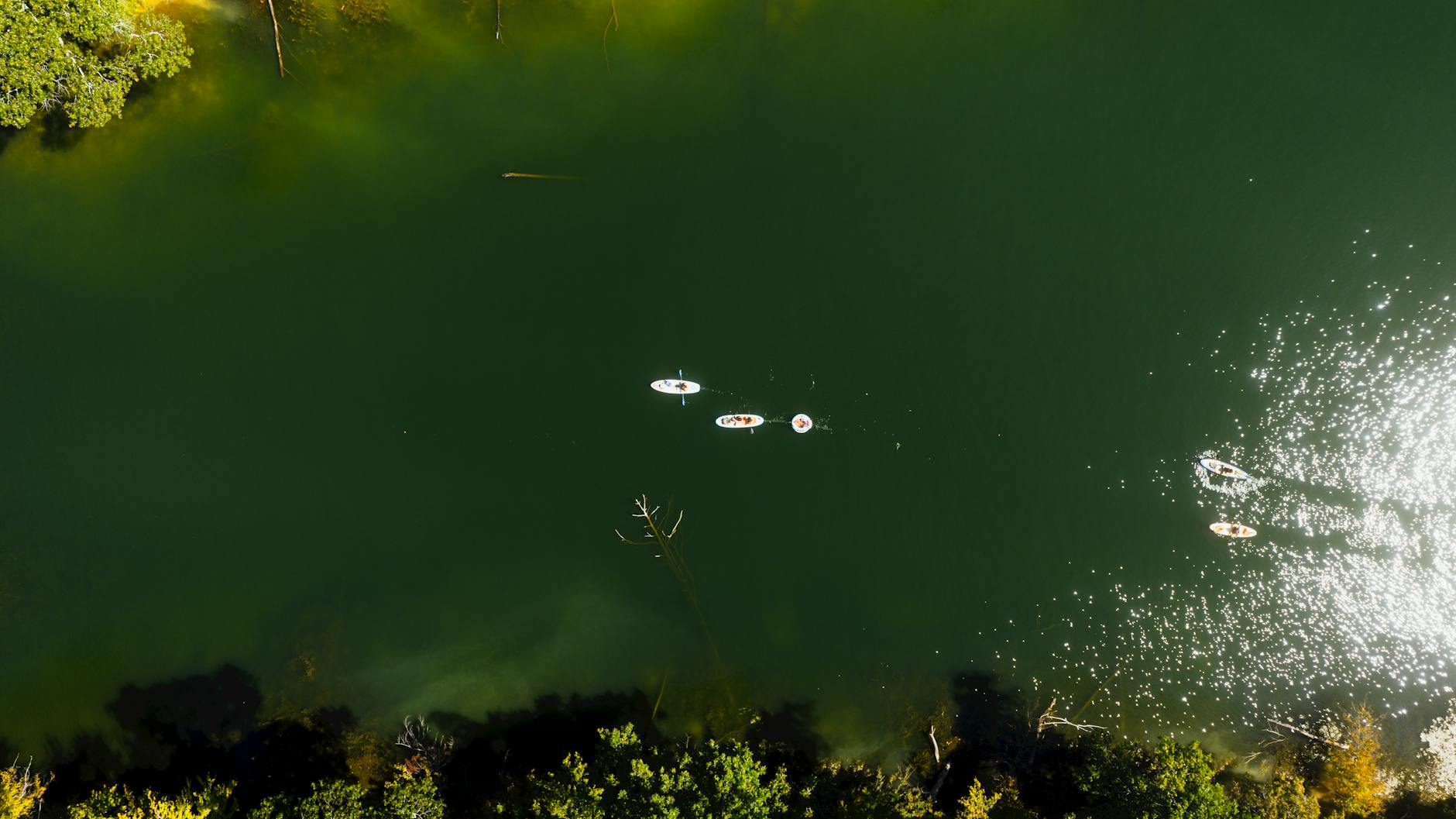
This guide covers the whole of Cotswold Lakes: what it actually is, the family-friendly beach, the huge range of watersports, where you can swim, the cycling and walking trails, the extraordinary wildlife, the fishing, and where to stay in a lakeside lodge with a hot tub. Whether you are planning a thrill-packed family day or a peaceful weekend by the water, here is everything you need to know.
What is Cotswold Lakes?
Cotswold Lakes is the UK’s largest network of inland lakes — a sprawling mosaic of around 180 lakes spread across roughly 42 square miles of Gloucestershire and Wiltshire, near South Cerney and Cirencester and close to the source of the River Thames. The lakes are not natural: they were created over the last seventy years or so by the extraction of sand and gravel, with the worked-out pits gradually flooding to form the watery landscape you see today.
The result is a remarkable dual-purpose landscape. Many lakes are given over to recreation and watersports, others to private nature reserves and angling, and a good number to lakeside holiday homes, while the whole area has matured into a haven for wildlife. It is one of the most distinctive of all Cotswolds outdoor activities destinations, and unlike anywhere else in the region. A word of orientation: Cotswold Lakes is not a single gated attraction but a large area with many different sites, lakes and access points, so it pays to decide what you want to do and head for the right spot.
Cotswold Country Park and Beach
For families, the obvious place to start is the Cotswold Country Park and Beach, near Shorncote, which is home to the UK’s largest inland beach. On a sunny day it is a brilliant, buzzing spot: a sandy beach beside a clean swimming lake, where younger children can paddle in the shallows, build sandcastles and splash about exactly as they would at the seaside, only without the salt and the long drive to the coast.
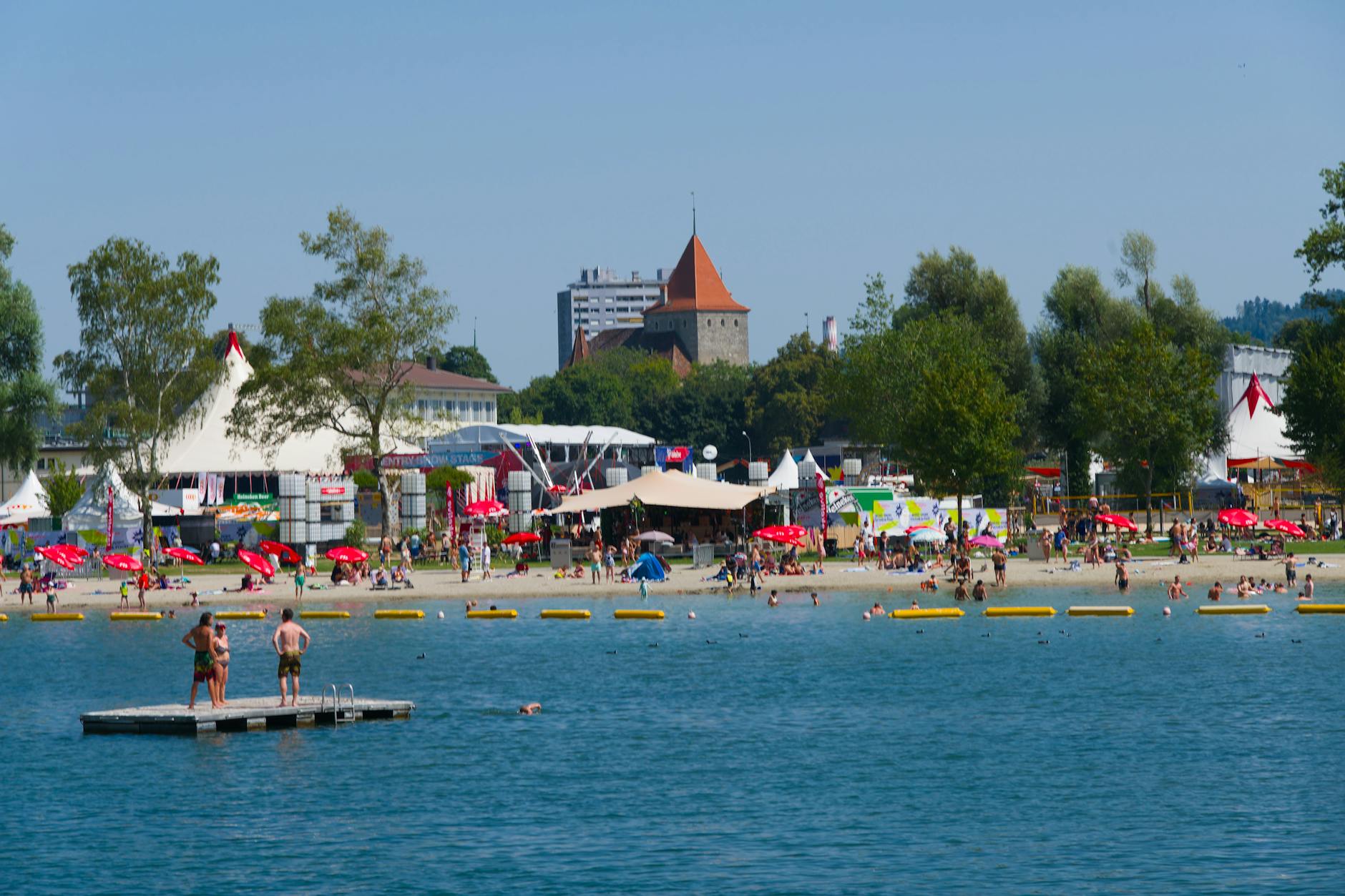
There is far more than just sand, though. The star attraction for older children and the young at heart is AquaVenture, a giant inflatable aqua park floating on the lake, packed with slides, climbing walls, trampolines and obstacles to bounce, scramble and splash across — brilliant, exhausting fun. You can also hire swan pedalos, stand-up paddleboards, kayaks and little electric boats, and there is a café, picnic areas and high ropes nearby. It does get very busy on hot summer days and at weekends, so arrive early and consider booking key activities in advance. It is one of the best family days out in the Cotswolds.
Watersports galore
For anyone who loves being on the water, Cotswold Lakes is paradise. The sheer number of lakes means there is room for just about every watersport you can think of, with various clubs and activity providers offering lessons, hire and taster sessions. Stand-up paddleboarding has become hugely popular — gliding across a glassy lake on a calm morning is blissful — alongside kayaking and open canoeing, which are gentle enough for families and beginners.
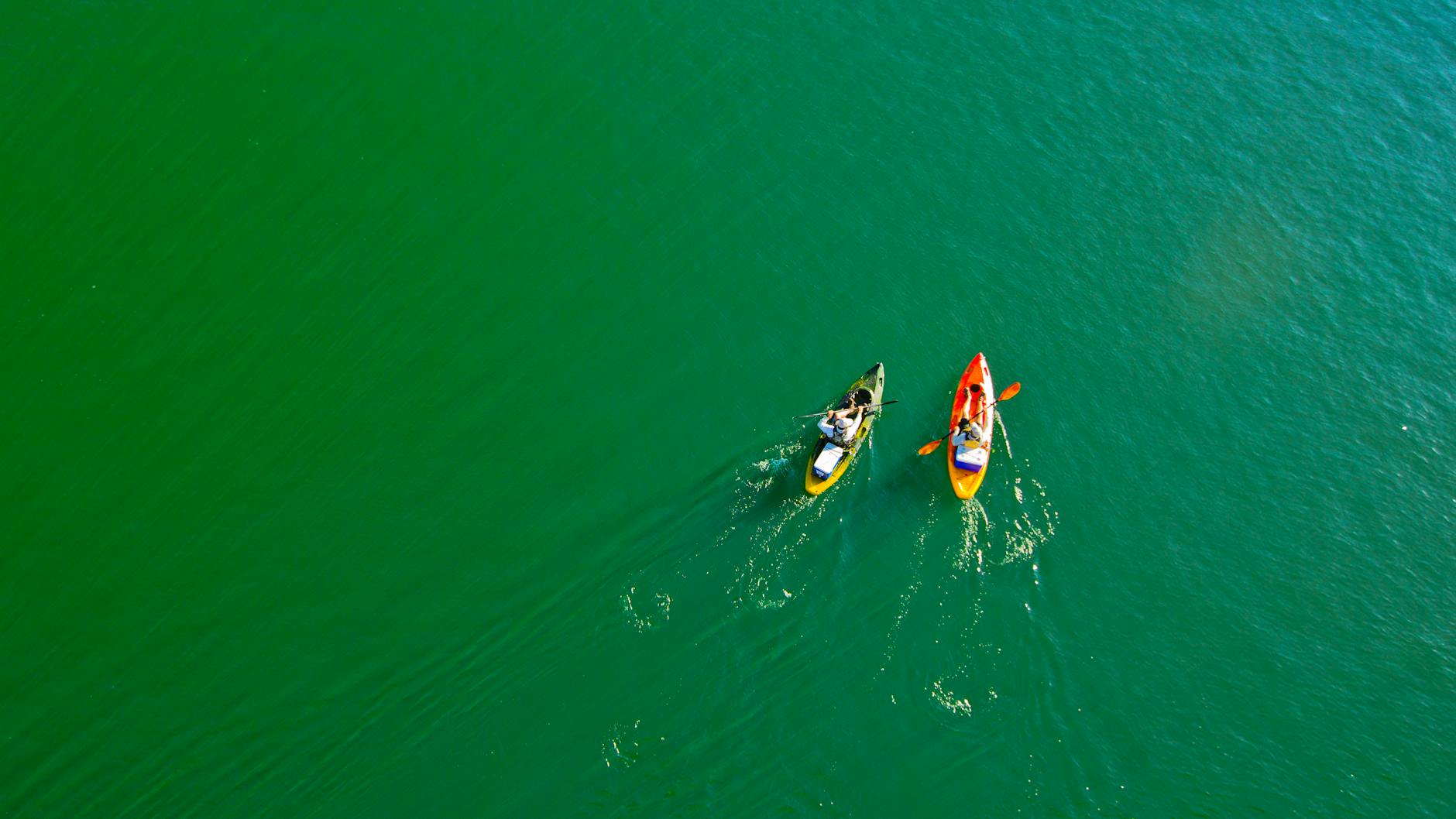
For those seeking more of a thrill, there is sailing and windsurfing on the breezier lakes, plus waterskiing, wakeboarding and inflatable “ringo” rides on the dedicated tow lakes. Established outdoor centres in the area run courses and sessions for all ages and abilities, so whether you want to learn to sail, master a paddleboard or simply be dragged across a lake on an inflatable while screaming with laughter, there is something for you. No experience is needed for most taster activities, and all the kit is provided.
Open-water swimming
Open-water swimming has boomed in popularity, and Cotswold Lakes is one of the best places in the region to enjoy it safely. Several lakes are specifically designated and supervised for swimming, including dedicated venues where you can pay to swim in clean, monitored water, often with wetsuit hire, changing facilities and safety cover. The beach swimming area is perfect for a gentle family dip, while the open-water venues attract everyone from triathletes in training to wild-swimming enthusiasts.
A crucial safety note, though: never be tempted to swim in the many lakes that are not designated for swimming. Old gravel pits can be deceptively deep and cold, with steep, unseen drop-offs, underwater hazards and no safety cover, and cold-water shock is a real danger even in summer. Stick to the official swimming venues, where the water is managed and supervised, and you can enjoy this wonderful activity with complete peace of mind.
Cycling, walking and land activities
You do not have to get wet to enjoy Cotswold Lakes. The area is threaded with flat, largely traffic-free cycling and walking trails that weave between the lakes, making it one of the easiest and most family-friendly places to cycle in the whole region — a blessing in the hilly Cotswolds. You can hire bikes locally and spend a happy few hours pedalling gently from lake to lake, with plenty of spots to stop for a picnic or to watch the wildlife. Our guide to cycling in the Cotswolds has more on these gentle routes.
Beyond cycling, the activity providers in the area offer a surprising range of land-based adventures too, from archery and high ropes to forest schools and even rally driving experiences. It all adds up to a destination where you could happily spend several days and never run out of new things to try, on land or water, whatever the weather and whatever the ages in your party.
Wildlife and nature reserves
What makes Cotswold Lakes special is that it is not just a playground but one of the most important wildlife sites in southern England. As the old gravel pits have matured, they have become a haven for nature, and the area is now internationally important for its birdlife, with up to two hundred species recorded each year and huge numbers of wildfowl overwintering on the lakes. Otters and water voles patrol the margins, bitterns boom from the reedbeds, nightingales sing in the scrub, and the area supports an astonishing fourteen of Britain’s eighteen bat species.
Several lakes are managed as nature reserves — Cleveland Lakes, with the largest reedbed in the park, is a particular highlight — and the flower-rich meadows include nationally important populations of the rare snake’s-head fritillary. With hides, trails and the work of the Cotswold Lakes Trust, it is a wonderful place for wildlife watching in any season, but especially in winter for the wildfowl spectacle. Keen birders should read our guide to bird watching in the Cotswolds, while the winter birdlife also features in our guide to the Cotswolds in winter.
Fishing on the lakes
With so much water, it is no surprise that Cotswold Lakes is also a renowned destination for anglers. Many of the lakes are managed specifically for fishing and are stocked with coarse fish, including some specimen carp that draw serious anglers from far and wide, as well as bream, tench, roach and pike. Day tickets and syndicate memberships are available depending on the lake, and there are venues to suit everyone from the casual family angler to the dedicated specimen hunter.
If you fancy wetting a line, it is essential to fish only on lakes where you have the correct permit, and remember that anyone coarse fishing in England also needs a national rod licence. For a full rundown of where and how to fish across the region, including Cotswold Lakes, see our dedicated guide to fishing in the Cotswolds. A peaceful day beside a Cotswold lake, rod in hand and kingfishers flashing past, is a very different but equally rewarding way to enjoy the water.
Lakeside lodges and staying over
Cotswold Lakes has become one of the most popular places in the region for a self-catering break, thanks to its many lakeside lodges and holiday homes. Spread across numerous lake developments, these range from cosy one-bedroom cabins to large, luxurious lodges sleeping a crowd, and the best of them come with decking that overhangs the water, private hot tubs for stargazing, and direct access to the lake for swimming or paddleboarding from your own doorstep.
Staying right on the water is a magical experience, with misty mornings, glorious sunsets reflected in the lake, and ducks for neighbours. Some developments have their own spas, restaurants and on-site activities, making them brilliant bases for families and groups. With dozens of lodges to choose from across the park, there is something for every budget and party size, and it makes an excellent base for exploring the wider Cotswolds as well as the lakes themselves.
A short history of Cotswold Lakes
It is worth knowing how this extraordinary landscape came to be, because it is a genuine modern success story. For most of the 20th century, this flat, gravel-rich corner of the upper Thames valley was quarried intensively to supply sand and gravel for the nation’s roads and buildings. As each pit was worked out, it filled with water from the high water table, and slowly, almost by accident, a whole new lakeland emerged where there had been farmland and quarries.
Rather than leave behind an industrial scar, careful planning and decades of restoration have turned the worked-out pits into the recreation and wildlife haven we enjoy today — a rare example of industry giving way to something genuinely better. Gravel extraction continues in places even now, with new lakes still being created and restored, so Cotswold Lakes is a living, evolving landscape. The Cotswold Lakes Trust and various partners work to manage the nature reserves and improve public access, ensuring the park benefits both people and wildlife for generations to come.
Cotswold Lakes through the seasons
Cotswold Lakes changes character with the seasons. Summer is the headline act, when the beach, the aqua park and the watersports are in full swing and the lakes sparkle under blue skies — this is the busy, buzzing, family-holiday face of the park, and the time to come for swimming and sun. Late spring and early autumn are quieter and often lovely, ideal for paddleboarding, cycling and wildlife in gentler crowds.
Do not write off winter, though. When the watersports wind down, the lakes come into their own for nature, filling with thousands of overwintering ducks, geese and swans, and the bare trees make birdwatching easier. A crisp winter walk around the reserves, wrapped up warm with binoculars in hand, is a wonderful and very different way to enjoy the park. In truth, there is something to do here in every season, which is a big part of its appeal.
Where to eat and visitor facilities
You will not go hungry. The Cotswold Country Park and Beach has its own café and food outlets, and there are cafés, farm shops and several traditional pubs dotted through the surrounding villages such as South Cerney, Somerford Keynes and Ashton Keynes, perfect for a post-paddle lunch or a pint by the water. Many of the lakeside lodge developments also have their own bars or restaurants.
Facilities vary from site to site across the park, so it is worth checking ahead what is available wherever you are headed — the main beach and activity centres have parking, toilets, changing areas and refreshments, while quieter nature reserves and fishing lakes may have little more than a car park. Cirencester, the handsome “Capital of the Cotswolds,” is only a short drive away with its full range of shops, restaurants and attractions, making it easy to combine a day at the lakes with a wider Cotswold visit.
Planning your visit
Because Cotswold Lakes is a large, dispersed area rather than a single attraction, a little planning helps enormously. Decide first what you want to do — the beach and aqua park for a classic family day, a specific outdoor centre for watersports, a designated venue for swimming, a nature reserve for wildlife, or simply the cycle trails for a gentle potter — and head for the right location, as they are spread across the park.
Summer weekends and school holidays are busiest, particularly at the beach, so arrive early, book key activities ahead, and bring everything you would for a day at the seaside: swimwear, towels, sun cream, water shoes and a picnic. Many attractions are seasonal, with the beach and watersports busiest from late spring to early autumn, while winter is the time for wildlife. Check opening times and book in advance where you can, and you will have a wonderful day on the water.
Frequently asked questions about Cotswold Lakes
What is there to do at Cotswold Lakes?
Loads. You can enjoy the inland beach and inflatable aqua park at Cotswold Country Park and Beach, try watersports such as paddleboarding, kayaking, sailing and waterskiing, swim in designated open-water venues, cycle and walk the flat lakeside trails, fish, watch wildlife in the nature reserves, and stay in a lakeside lodge. There is something for every age and interest.
Can you swim at Cotswold Lakes?
Yes, but only in designated, supervised swimming venues, including the beach at Cotswold Country Park and Beach and several dedicated open-water swimming lakes. You must never swim in the many lakes that are not designated for swimming, as old gravel pits can be deep, cold and hazardous with no safety cover.
How many lakes are there at Cotswold Lakes?
There are around 180 lakes spread across roughly 42 square miles of Gloucestershire and Wiltshire, near Cirencester and South Cerney. They were created by gravel extraction over the past several decades, making it the largest network of inland lakes in the UK.
Is Cotswold Lakes good for families?
Excellent. The Cotswold Country Park and Beach offers a sandy beach, safe swimming, paddling, sandcastles, pedalos and the AquaVenture inflatable aqua park, while the flat, traffic-free cycle trails are ideal for children. Add watersports taster sessions, high ropes and wildlife watching, and it is one of the best family destinations in the Cotswolds.
Cotswold Lakes is the region’s wonderful watery surprise — a place to swim, paddle, sail, cycle, fish and unwind beside 180 glittering lakes, with some of the best wildlife in southern England thrown in. Whether you come for a high-energy family day at the beach or a peaceful lakeside escape, it offers a completely different side of the Cotswolds. To plan more adventures, see our guide to Cotswolds outdoor activities, or for the lakes’ superb angling, our guide to fishing in the Cotswolds.
The nearest real town to the lakes is four miles north, and it is a better base than most people realise — a Roman museum, a free amphitheatre, two market days and somewhere to eat on a Monday. See our Cirencester guide for what to do with a wet afternoon or an evening off the water.
Swimming in the lakes is only allowed at managed venues, but there are good ones: supervised open-water sessions at Cotswold Country Park & Beach and on Waterhay Lake at Cleveland Lakes, plus organised events such as the Cotswold Big Swim. Our guide to wild swimming in the Cotswolds covers where you can swim, how cold the water gets and how to check its quality.


