This article contains advertising. My booking links are routed through a partner that adds commission tracking automatically, so if you book through one I earn a commission from the provider, at no extra cost to you. It never affects what I recommend. Affiliate disclosure
Here is a secret the locals would rather keep to themselves: winter might be the most magical time of all to visit the Cotswolds. Once Christmas is packed away and the coach parties have gone home, the famous villages fall blissfully quiet, frost glitters on the honey-coloured stone, woodsmoke drifts from cottage chimneys, and you can have whole hillsides and entire village greens almost to yourself. Add roaring pub fires, carpets of snowdrops and the drama of big winter skies, and the off-season reveals a Cotswolds that summer visitors never get to see.
This is your complete guide to the Cotswolds in winter — where to find the best snowdrops, how to spend a frosty morning, where to watch thousands of wild swans, and which cosy pubs and spas to retreat to when the cold bites. Yes, the days are short and you will need to wrap up, but in exchange you get peace, atmosphere, value and a real sense of the countryside at rest. Let me show you how to do winter the Cotswold way.
Why visit the Cotswolds in winter?
The case for a winter visit is simple but compelling. The honeypot villages that heave in summer — Bibury, Bourton-on-the-Water, Castle Combe — are calm and uncrowded, so you can actually savour them. Accommodation is at its most affordable, particularly in January and February, and there is a deep, restorative quiet to the landscape that the busier seasons simply cannot offer. For lovers of cosy pubs, crisp walks and peaceful villages, it is heaven.
There are trade-offs, of course. The days are short, the weather can be cold and wet, and some attractions reduce their hours or close for the winter, so a little planning is essential. But the rewards — frosty mornings, firelit evenings, snowdrops and solitude — are more than worth it. For how winter sits against the rest of the year, see our guide to the best time to visit the Cotswolds.
Snowdrops: the first sign of spring
The undoubted floral highlight of the Cotswold winter is the snowdrop. From late January through February, gardens and woodlands across the region carpet themselves in millions of these delicate white blooms, a quietly uplifting promise that spring is on its way. Snowdrop-spotting is a genuine winter pilgrimage here, and the region has some of the finest displays in the country.
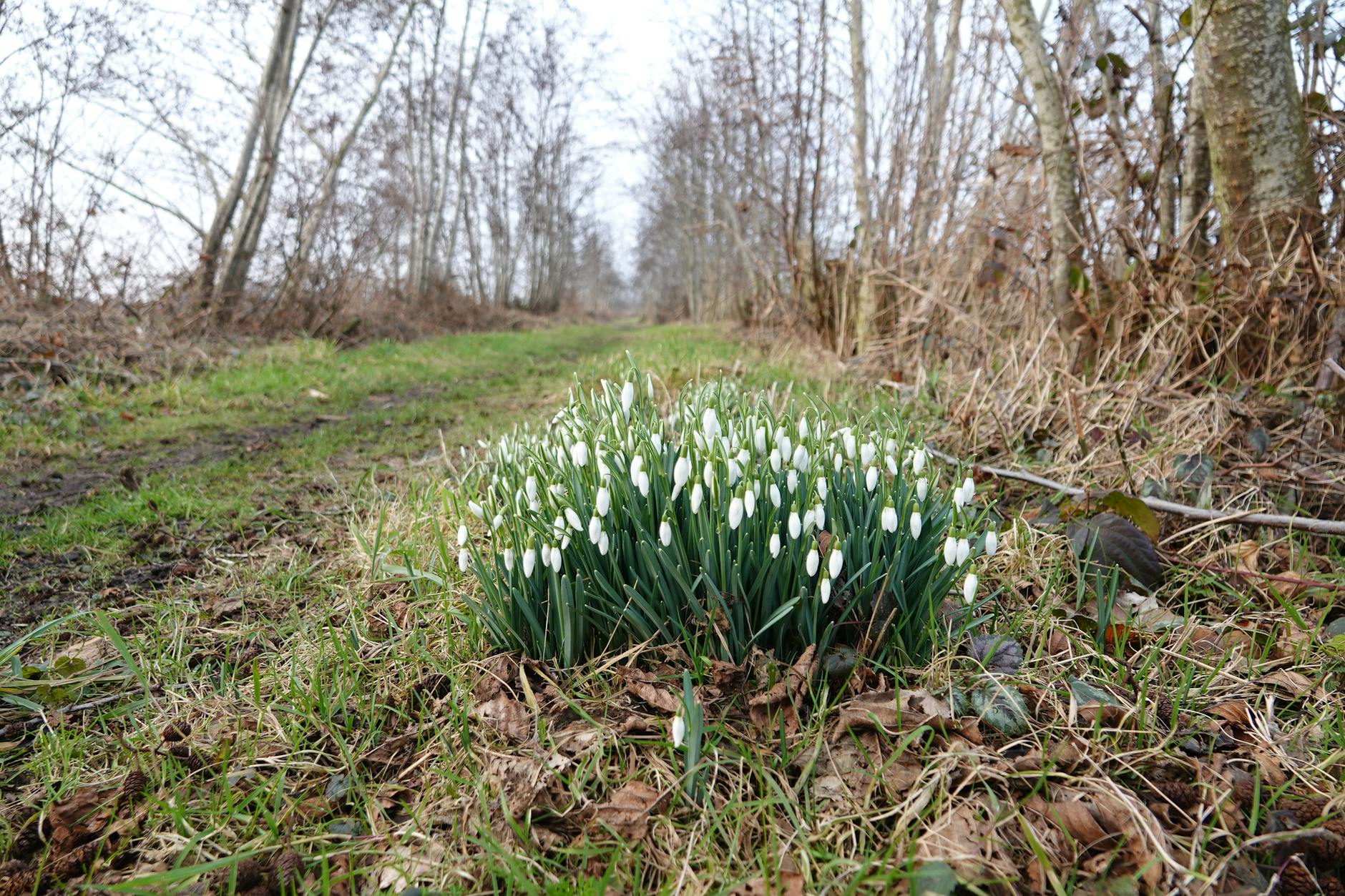
Pride of place goes to Colesbourne Park, near Cheltenham, where over 300 varieties are spread across approximately ten acres of gardens, woodland and lakeside, open on selected weekends through the season. Equally enchanting is Painswick Rococo Garden, the only complete Rococo garden in England, tucked into a hidden valley, whose famous Snowdrop Grove erupts into a sea of blooms beneath the ancient trees. The National Trust’s Newark Park and Batsford Arboretum also put on lovely displays. Do check opening dates before you travel, as the snowdrop season is short and gardens open on limited days.
Frosty walks and big winter skies
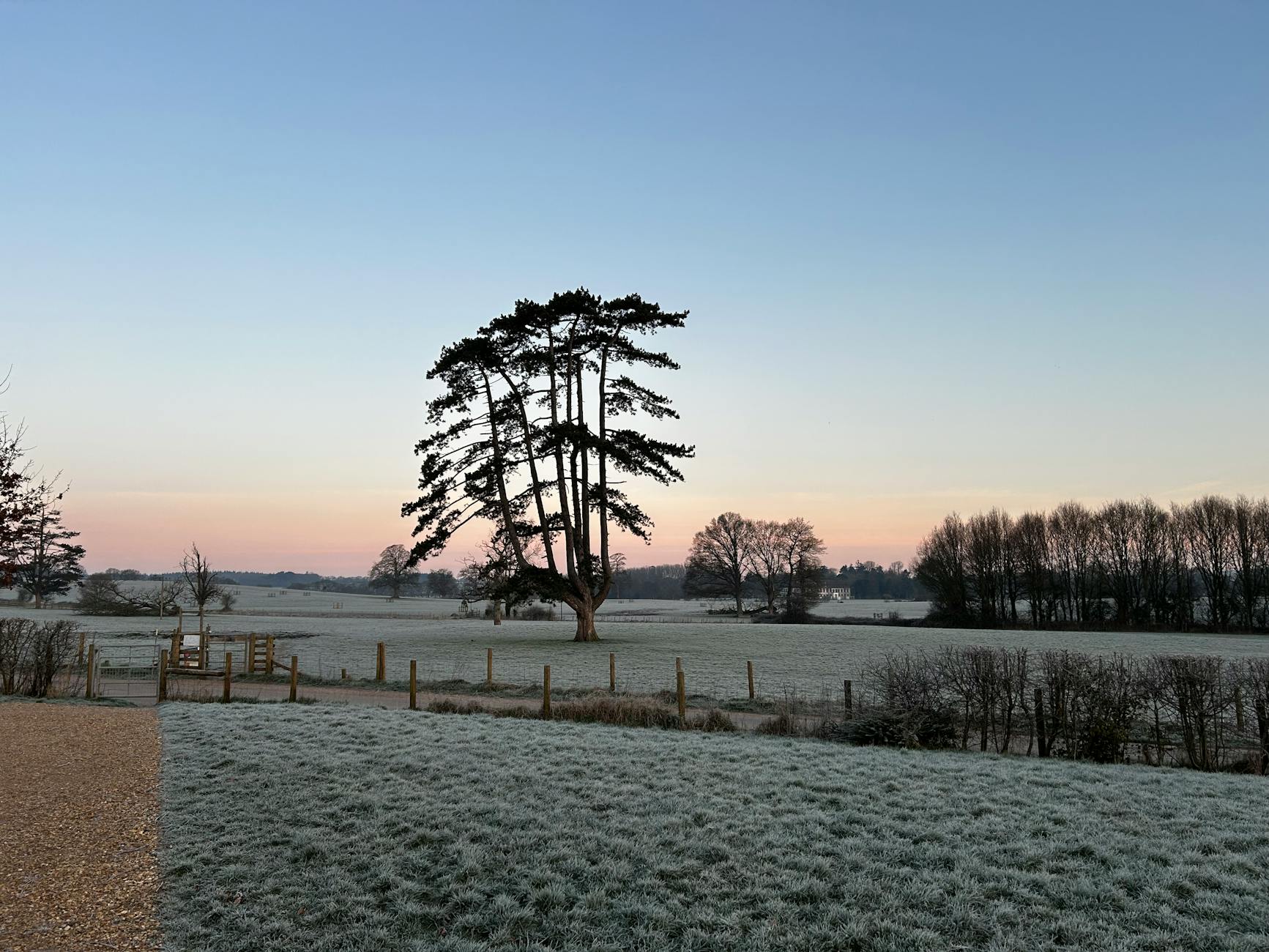
For me, nothing beats a Cotswold walk on a cold, clear winter morning. Hoarfrost rimes the hedgerows and drystone walls, the low sun throws long shadows across the bleached gold grass, and the bare trees reveal long views you never get in summer. The escarpment paths and the long-distance Cotswold Way are spectacular now, with crystal-clear vistas over the Severn Vale, and the literary Slad Valley near Painswick is a particular winter delight.
Snow is never guaranteed, but when it does dust the high wolds the landscape becomes something out of a fairy tale — just take extra care on the roads. Whatever the weather, winter walking demands proper preparation: warm layers, a hat and gloves, a good waterproof and sturdy, grippy footwear for icy or muddy paths. Set out early to make the most of the short daylight, carry a torch, and reward yourself afterwards with a fireside pint. Our guide to the region’s woodland walks has plenty of sheltered winter routes.
Winter wildlife spectacles
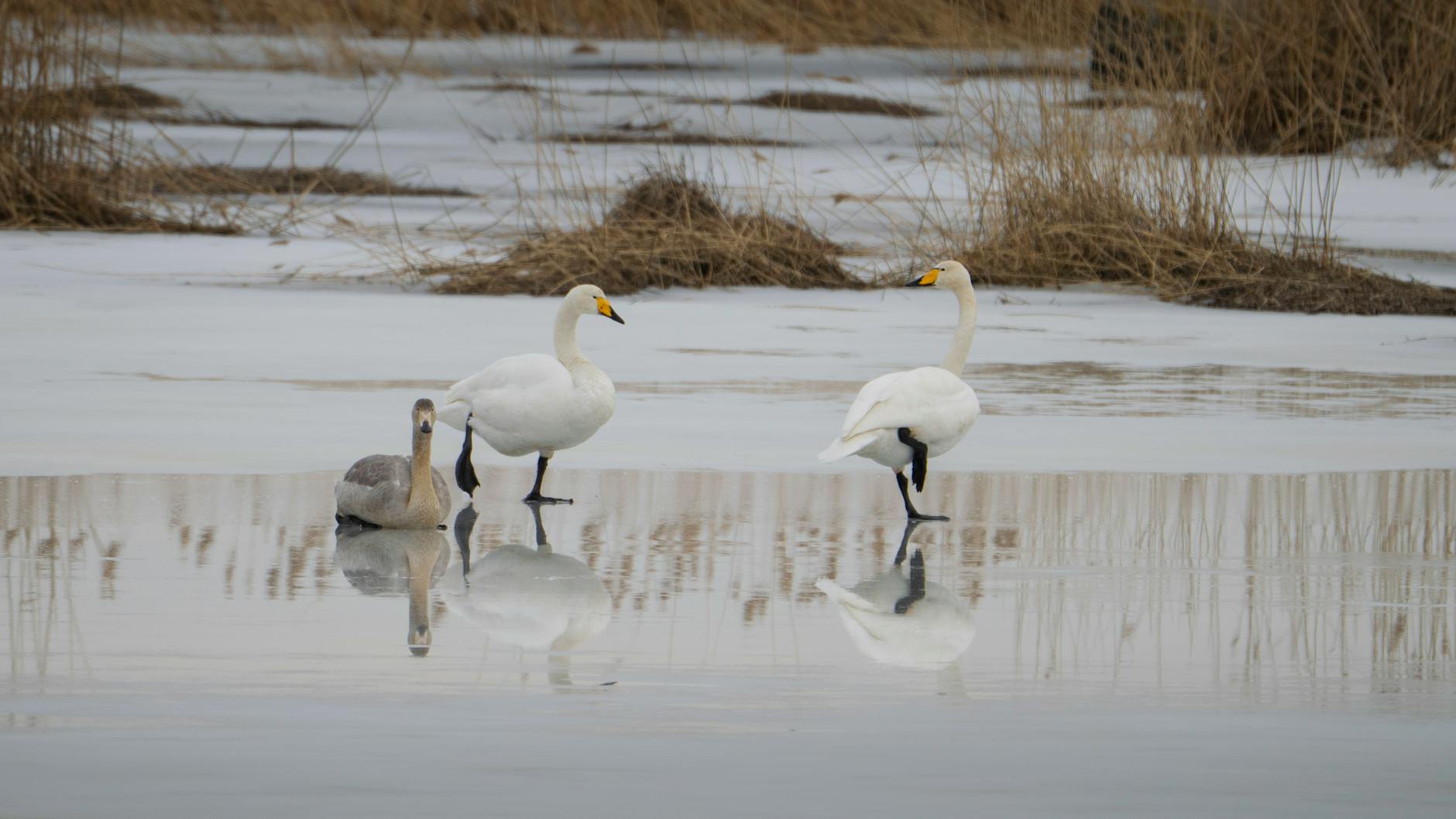
Winter is one of the best seasons for wildlife in the Cotswolds, and the star attraction is on the region’s western edge. The WWT Slimbridge wetland centre, on the Severn, fills each winter with thousands of wild ducks, geese and swans that fly in to escape the Arctic, including the graceful Bewick’s swans. Slimbridge’s hugely popular floodlit “evenings with the swans” let you watch and hear hundreds of birds gather on the lake at dusk — an unforgettable, slightly otherworldly experience.
Closer to the heart of the region, the lakes of Cotswold Lakes (formerly Cotswold Water Park) host more than twenty thousand overwintering birds, and on winter evenings vast murmurations of starlings swirl and pulse over the reedbeds before dropping in to roost — one of nature’s great free shows. Bring binoculars, wrap up warmly for standing still in the cold, and time your visit for late afternoon to catch the birds coming in to roost as the light fades.
Cosy pubs, fires and comfort food
If there is a more perfect winter institution than the Cotswold pub, I have yet to find it. Coming in from the cold to a low-beamed bar with a fire blazing in a great stone inglenook, the windows steamed up against the dark, is the very essence of a Cotswold winter. The region’s historic coaching inns and village locals were built for exactly this, and they do hearty winter food — steaming pies, slow braises, proper roasts and sticky puddings — with real heart.
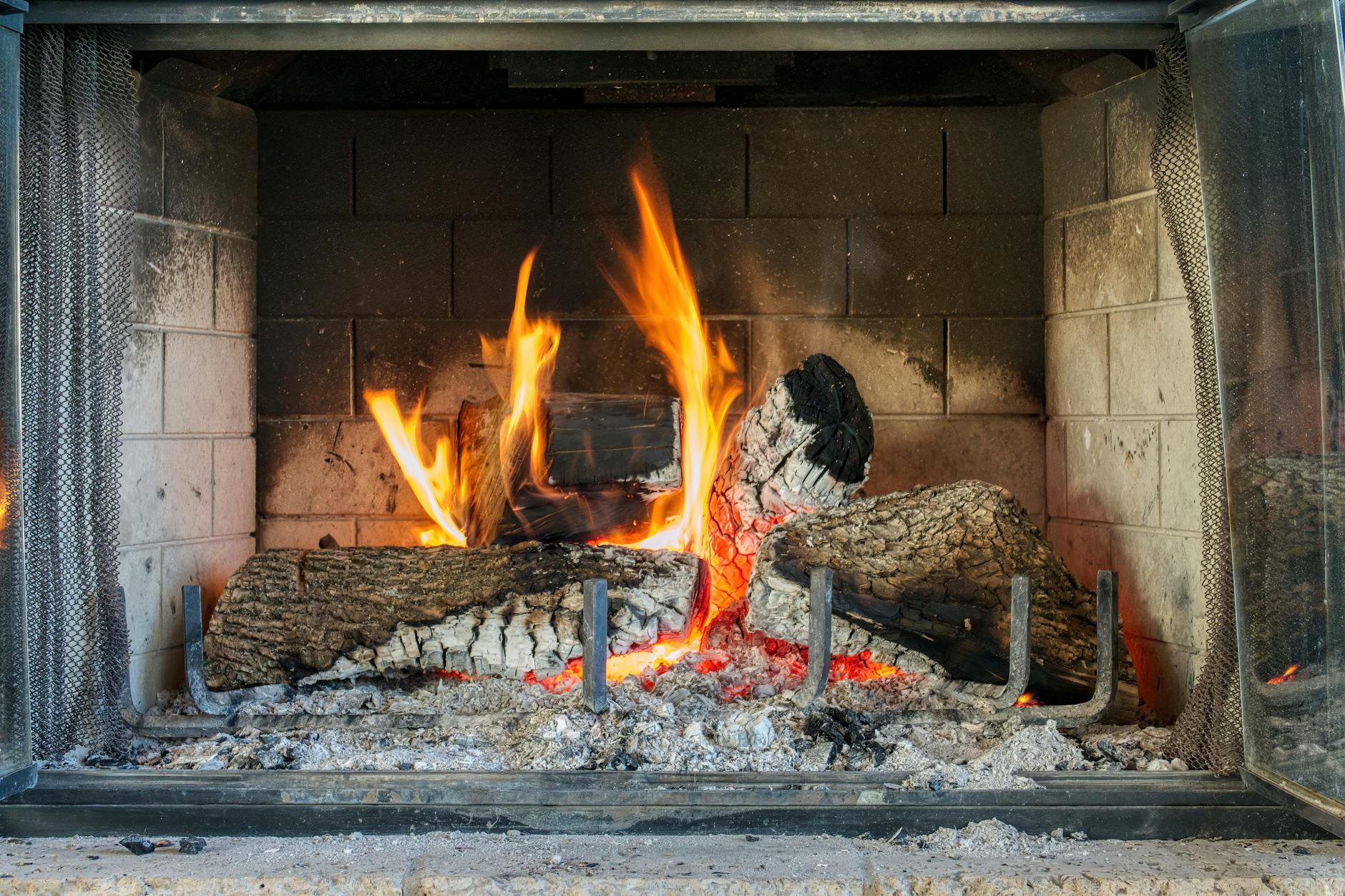
Best of all, many of these pubs have rooms, so you can settle in for an evening by the fire and simply totter upstairs afterwards. Celebrated examples around Kingham and beyond pair fireside cosiness with excellent food and snug bedrooms. To find the warmest welcomes, see our guides to the best pubs in the Cotswolds and the most historic pubs, several with fires that have warmed travellers for half a millennium.
Spa breaks and winter retreats
Winter is the season to be cosseted, and the Cotswolds excel at the pampering retreat. The region’s country-house spa hotels come into their own when it is cold and grey outside, offering steaming pools, saunas, treatments and roaring lounge fires — the perfect antidote to a frosty walk. There are few finer feelings than sinking into a hot tub or a steam room while the winter landscape glitters beyond the glass.
Self-catering cottages with wood-burners, and increasingly with outdoor hot tubs for stargazing on a clear, cold night, are another wonderful way to hunker down. For ideas on where to indulge, see our guide to the best Cotswolds spa hotels. A winter spa break, bookended by bracing walks and fireside dinners, is one of the most restorative escapes you can give yourself.
Christmas, New Year and festive winter
Of course, winter’s biggest draw is the festive season. December transforms the Cotswolds into a living Christmas card, with markets, mile-long light trails, steam-train Santa specials and that famous floating Christmas tree in the river at Bourton-on-the-Water. We have a whole guide devoted to Christmas in the Cotswolds to help you plan the magic.
The week between Christmas and New Year is a gloriously peaceful time to walk off the excess, and seeing in the New Year among the honey-coloured stone, by a fire, is a gentle alternative to a city countdown. Even January and February, often dismissed as bleak, have their own quiet rewards — Burns Night suppers, Valentine’s getaways, pancake races on Shrove Tuesday and the first stirrings of spring in the snowdrop gardens.
Winter photography in the Cotswolds
Photographers who brave the cold are richly rewarded in winter. The low, raking sunlight lasts most of the day rather than just at dawn and dusk, casting long shadows and a soft golden glow over the frosted landscape. Hoarfrost edging every twig and blade of grass, mist pooling in the valleys, bare trees silhouetted against pink winter dawns, and the famous villages dusted with frost or snow all make for unforgettable images — and with so few people about, you can capture the honey-stone streets completely empty.
The snowdrop gardens offer beautiful close-up subjects, while the escarpment viewpoints deliver those crisp, clear, long-range vistas that summer haze so often hides. The big-sky sunrises over the Severn Vale are particularly special at this time of year. Wrap up warmly, keep a spare battery somewhere warm (cold drains them fast), and head out early; our guide to the best Cotswolds photography spots will point you to the finest viewpoints.
Romantic winter escapes
Few places do romance better than the Cotswolds in winter. The combination of crackling fires, candlelit pub dinners, snug cottages and crowd-free, frost-dusted villages is tailor-made for a cosy couples’ getaway, and February’s Valentine’s weekend sees hotels and restaurants lay on special romantic packages. A bracing walk hand in hand followed by an afternoon by the fire is about as romantic as a winter break gets.
For more ideas on where to whisk away someone special — from intimate restaurants to luxurious boltholes — see our guide to romantic Cotswolds breaks. The quietness of the off-season is part of the appeal: with the day-trippers gone, you can wander a moonlit village or linger over dinner with the place almost to yourselves.
Winter food, drink and warming flavours
Winter is a wonderful time to eat and drink your way around the Cotswolds. This is comfort-food season, with game still on the menus, rich stews and roasts, and puddings designed to defeat the cold, all best enjoyed beside a fire. The region’s farm shops are stocked with seasonal produce and local cheeses, perfect for assembling a hearty meal back at your cottage.
Winter is also a good time for a cosy indoor tasting, and some of the Cotswolds’ distilleries and breweries run tours and tastings that are all the more inviting on a cold afternoon — a warming gin or a pint of local ale goes down well after a frosty walk. Check with each one before you go. Add a steaming mug of mulled wine or hot chocolate from a village café, and the season’s flavours more than make up for the chill outside.
What’s open in winter?
The single most important thing to know about a winter visit is that opening hours change, so always check ahead. Some outdoor attractions, smaller museums and grand gardens close or reduce their hours from around November to February, and a few country pubs trim their days midweek in the depths of winter. The snowdrop gardens, by contrast, open specifically for the winter season.
The good news is that much of what matters most in winter carries on as usual: the cosy pubs, the market towns and their independent shops, the great churches and cathedrals, and the countryside itself, which is there to walk all year. The villages, blissfully crowd-free, are arguably at their most photogenic under frost or a dusting of snow, so a winter trip rarely disappoints — you just need to plan around the daylight and double-check what is open.
Practical tips for a winter visit
A quick steer through the cold months. December is all about Christmas, so book well ahead for festive weekends. January is a good month for a peaceful escape, and in a typical year the first snowdrops start flowering in late January. February brings the snowdrop gardens into full swing and the first hints that spring is near, making it a lovely time for garden lovers.
Whenever you come, dress for genuine cold and wet in warm layers, pack waterproofs and proper boots, and plan your days around the limited daylight — aim to be out walking by mid-morning and back before dark. Drive carefully on frosty, untreated lanes, keep a torch and a flask handy, and always have a cosy indoor option in reserve. Do that, and you will discover the Cotswolds at their most peaceful and atmospheric.
A perfect winter weekend in the Cotswolds
To pull it all together, here is the kind of winter weekend I would happily repeat every year. Arrive on Friday and check into a cottage with a wood-burner or a snug pub with rooms, then settle in for a hearty fireside dinner. Spend Saturday on a crisp escarpment walk while the light is good, lunch by a fire in a country pub, and round off the afternoon at a snowdrop garden such as Colesbourne or Painswick if the season is right.
On Sunday, make an early start for the wildlife — the wild swans at Slimbridge or a starling murmuration over the Water Park — before a long, lazy Sunday roast to send you home glowing. Swap the walk for a spa afternoon if the weather turns truly foul, and you have a weekend that captures everything winter does best. The joy of the season is that you can pitch it as bracing or as indulgent as you like, and the crowd-free villages are yours to enjoy either way.
Whatever shape your trip takes, the golden rule is to embrace the cold rather than resist it: get outside for the short, bright daylight, then earn your place by the fire. Do that, and a Cotswold winter will reward you with a peace and beauty that the summer crowds never get to see.
Frequently asked questions about the Cotswolds in winter
Is it worth visiting the Cotswolds in winter?
Absolutely. Winter brings peaceful, crowd-free villages, the most affordable accommodation, frosty walks under big skies, carpets of snowdrops and the cosiest of firelit pubs. As long as you wrap up warm, plan around the short daylight and check opening hours, it is one of the most atmospheric and rewarding times to visit.
Where can I see snowdrops in the Cotswolds?
The finest displays are at Colesbourne Park near Cheltenham, with its collection of more than 300 varieties, and Painswick Rococo Garden, with its snowdrop grove. Newark Park and Batsford Arboretum are also excellent. The season runs roughly from late January through February, and gardens open on selected dates, so check before visiting.
Does it snow in the Cotswolds?
It can, particularly on the higher wolds, and a snowy Cotswolds is breathtakingly beautiful — but it is far from guaranteed in any given winter. Frost is much more common than snow, and either makes the honey-coloured villages look magical. If snow does fall, take extra care driving on the rural lanes.
What is open in the Cotswolds in winter?
Most pubs, market towns, shops, churches and cathedrals carry on through winter, the countryside is there to walk all year, and the snowdrop gardens open specially for the season. However, some attractions, smaller museums and grand gardens reduce their hours or close for part of the winter, so always check opening times before you travel.
Winter is the Cotswolds stripped back to their quiet, essential beauty — frost and firelight, snowdrops and solitude, big skies and warm welcomes. Give the off-season a chance and it may just become your favourite way to experience these hills. As the snowdrops give way to daffodils and the days lengthen, read our guide to the Cotswolds in spring, or return to the pillar guide on Cotswolds events, festivals and seasons. For the events that punctuate the quieter months, see our guide to the best Cotswolds festivals.
The best reason to come in late winter is underfoot. Painswick Rococo Garden’s snowdrops are usually at their best from late January into early February, and Colesbourne Park opens its collection of more than 300 varieties on selected weekends. Our guide to the best places to see snowdrops in the Cotswolds has the dates, prices and walks.
Long winter nights have a bonus: the stars. From the high wold, away from village lights, a clear, frosty night shows Orion, the Pleiades and the winter Milky Way, and the Geminid meteor shower peaks in mid-December. Our guide to dark skies in the Cotswolds has the best spots and a beginner’s kit list.
Each winter month has its own character. January is one of the coldest months, with New Year’s Day racing at Cheltenham, wassails in the orchards and, in a mild winter, the first snowdrops at Painswick. Our guide to the Cotswolds in January has the dates, the weather and what is open.