This article contains advertising. My booking links are routed through a partner that adds commission tracking automatically, so if you book through one I earn a commission from the provider, at no extra cost to you. It never affects what I recommend. Affiliate disclosure
For the angler, the Cotswolds are something close to heaven. This is a region of clear, gravel-bottomed trout streams winding through water meadows, of vast lakes stocked with specimen carp, and of well-run fisheries where you can cast a fly all year round. Whether you dream of stalking a wild brown trout on a gin-clear chalk-style river, hauling a double-figure carp from a quiet lake, or simply teaching the children to fish on a sunny afternoon, the Cotswolds have water to suit you — and some of the loveliest surroundings in England to fish in.

This guide covers fishing across the Cotswolds: the famous trout rivers, the stillwater fly fisheries, the huge coarse-fishing lakes of Cotswold Lakes (formerly Cotswold Water Park), family-friendly Bibury Trout Farm, and the all-important rules on licences, permits and close seasons. Tight lines — let’s find you some water.
Why the Cotswolds are great for fishing
The Cotswolds offer an unusually rich variety of fishing, which is a big part of their appeal. The region’s rivers, fed by springs filtering up through the limestone, run wonderfully clear and support healthy populations of wild trout and grayling, giving fly anglers river fishing of real quality. At the same time, the gravel-pit lakes of Cotswold Lakes provide some of the best coarse and specimen fishing in the country, while a number of dedicated stillwater fisheries offer reliable trout sport for those who prefer a lake to a river.
Add to that the sheer beauty of the surroundings — honey-stone villages, willow-lined banks, kingfishers darting past — and you have angling that nourishes the soul as much as it fills the net. Fishing is one of the most peaceful and rewarding of all Cotswolds outdoor activities, and there is something here for every kind of angler, from the dedicated fly fisher to the family having their first go.
Fly fishing the Cotswold rivers
For the fly fisher, the Cotswold rivers are the jewel in the crown. The best known is the River Coln, widely regarded as the finest of the Cotswold trout streams, which runs gin-clear through the famously pretty village of Bibury and holds good wild brown trout along with grayling. The River Windrush, flowing for more than forty miles, is another popular and rewarding river famous for its brown trout and grayling, while the crystal-clear River Leach, which joins the Thames at Lechlade, holds a tremendous head of wild trout and abundant fly life.

Fishing these rivers is a delicate, absorbing business, stalking individual fish in clear water and matching the hatch — chalk-stream-style fishing of the classic English kind. Much of the best water is controlled by clubs and syndicates: the Cotswold Flyfishers Club, for example, manages several beats on both the Coln and the Windrush, and membership or a guest invitation is often the way in. Some stretches and fisheries do offer day tickets, however, and a local guide can open doors to water you could not otherwise access, so do not assume the rivers are off-limits to visitors.
Stillwater trout fisheries
If river access proves tricky, or you simply prefer lake fishing, the Cotswolds have excellent stillwater trout fisheries that are open to all. The best known is Lechlade and Bushyleaze Trout Fishery, near Lechlade, which offers fly fishing on two lakes plus a stretch of river, with day, half-day and evening tickets available all year round. It is renowned for its large, hard-fighting rainbow trout, and is a great place both for experienced anglers chasing a specimen and for newcomers wanting a reliable day’s sport.
These managed fisheries are an ideal introduction to fly fishing, as they are regularly stocked, well maintained, and usually offer tackle hire and tuition on site. Because there is no close season on most stillwaters, you can fish them through the winter as well as the summer, making them a brilliant year-round option. For many visiting anglers, a day on a stillwater trout fishery is the easiest and most productive way to enjoy fly fishing in the region.
Coarse fishing at Cotswold Lakes
For coarse anglers, Cotswold Lakes is the headline destination. Among its many lakes, well over a hundred are given over to fishing, stocked with a wonderful variety of species — including some genuinely huge specimen carp that draw dedicated anglers from across the country, along with bream, tench, roach, perch and pike. Whether you fancy a relaxed family session targeting silver fish or a serious campaign after a forty-pound carp, there is a lake to suit.
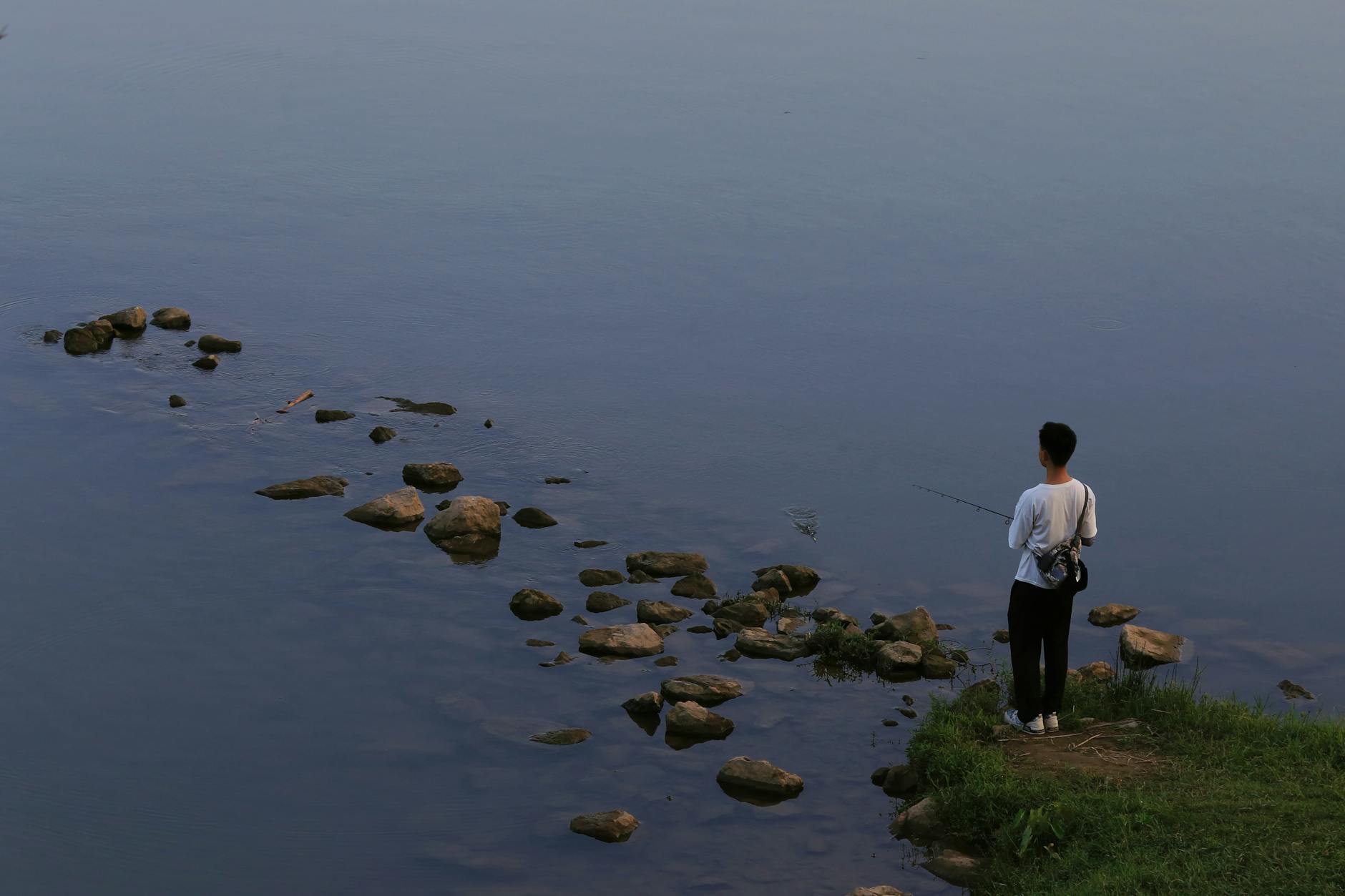
Venues range from day-ticket waters where anyone can turn up and fish, to exclusive syndicate lakes that require membership, so it pays to research the specific lake before you go. Nearby, Horseshoe Lake at Lechlade is another renowned specimen water, and the upper reaches of the River Thames also offer coarse fishing. For everything else the lakes have to offer, from swimming to wildlife, see our full guide to Cotswold Lakes.
Bibury Trout Farm: fishing for all the family
If you are travelling with children, or simply want a relaxed, guaranteed catch, Bibury Trout Farm is a delight. Set across fifteen acres of the lovely Coln Valley, this working farm has been breeding trout since the 1900s, and visitors can feed the fish, watch them at every stage of growth, and try the popular “catch your own” fishing, where even complete beginners are all but guaranteed to land a trout from the well-stocked pools.
It is wonderfully family-friendly and far less technical than river or specimen fishing — perfect for introducing youngsters to the joys of angling. You can buy your catch to take home, or pick up fresh and smoked trout from the farm shop, and the village of Bibury, with its famous Arlington Row, is right on the doorstep. As there is no close season on stillwater, the farm is open year-round, making it a reliable day out whatever the season.
Licences, permits and the rules
Before you cast a line anywhere in the Cotswolds, there are two things you almost always need. First, a rod fishing licence from the Environment Agency, which is a legal requirement for anyone aged thirteen and over fishing for trout, salmon, coarse fish or eels in England. It is quick and inexpensive to buy online, and the fines for fishing without one can run to thousands of pounds, so never skip it. Second, you need permission to fish the particular water, usually in the form of a day ticket, club membership or syndicate place — the rod licence alone does not grant you the right to fish anywhere you like.

It is also vital to respect close seasons, which protect fish while they spawn. There is a traditional close season for coarse fishing on rivers, streams and some other waters, running from mid-March to mid-June, and game fishing has its own dates — on the Coln, for instance, the trout season runs from April to the end of September. Most enclosed stillwaters have no close season, so they remain open year-round. The rules can be intricate and do change, so always check the current regulations and the specific fishery’s rules before you set out.
Guided fishing and tuition
If you are new to fishing, or new to the area, hiring a local guide or instructor is the smartest thing you can do. The Cotswolds have several excellent fly-fishing guides who offer tuition for beginners and guided days for more experienced anglers, often including all the equipment, the necessary permits and access to private water you simply could not fish on your own. It is a brilliant way to shortcut the learning curve and to fish the best beats.
A good guide will teach you to cast, read the water, choose the right fly and play a fish, all in a relaxed, encouraging way, and many people find a single day’s tuition transforms their fishing. Even seasoned anglers visiting from elsewhere benefit hugely from local knowledge of where the fish are lying and what they are taking. For a first taste of fly fishing in beautiful surroundings, a guided day is money very well spent.
What you can catch: the fish of the Cotswolds
Part of the fun is knowing what you are fishing for. On the clear rivers, the prize is the wild brown trout, beautifully marked and hard-won in gin-clear water, alongside the grayling, often called the “lady of the stream,” which fights well and can be caught into the winter. The stocked stillwaters add hard-fighting rainbow trout to the mix, sometimes of specimen size, giving fly anglers a reliable target year-round.
On the coarse-fishing lakes, the headline act is the carp, with Cotswold Lakes holding some genuine specimens that draw dedicated carpers, but you will also find bream, tench, roach, perch and hard-hitting pike, especially in winter. The upper Thames adds chub, dace and more to the list. It is this sheer variety, across both game and coarse disciplines, that makes the Cotswolds such a satisfying place to fish whatever your preferred quarry.
Fishing through the seasons
Fishing here has a lovely seasonal rhythm. Spring brings the opening of the trout season and the first rises to hatching flies, while summer offers long evenings of dry-fly fishing on the rivers and steady sport for carp on the lakes, the fish feeding hard in the warm water. Early mornings and late evenings are often the most productive in high summer, when the fish are most active and the banks are quiet.
Autumn is prime time for grayling on the rivers and for big lake fish feeding up before winter, with the added bonus of golden foliage reflected in the water. And when the rivers close, the stillwater trout fisheries and the pike lakes keep the sport going right through the cold months — there are few finer ways to spend a crisp winter day than fishing a misty Cotswold lake. There really is no closed season for the keen Cotswold angler.
Fishing holidays and where to stay
The Cotswolds make a superb base for a fishing holiday, and there is accommodation to match every kind of trip. Anglers heading for the coarse lakes will find lakeside lodges and cottages right at Cotswold Lakes, some with fishing on the doorstep, while those after river trout often prefer a cosy pub or B&B in a riverside village such as Bibury, Burford or Lechlade, within easy reach of the water.
Some fisheries and estates even offer dedicated fishing breaks, combining guided days on the water with comfortable lodging and good food. Because the region offers so much else besides — pretty villages, fine pubs and plenty for non-fishing companions to enjoy — a fishing trip here is easy to build into a wider Cotswold break, keeping everyone happy whether or not they ever pick up a rod.
More than fishing: the riverbank wildlife
One of the quiet joys of angling in the Cotswolds is everything that happens while you wait. The clear rivers and lake margins teem with wildlife, and a patient angler is perfectly placed to see it: the electric-blue flash of a kingfisher, a heron standing sentinel in the shallows, dragonflies hovering over the water on a summer’s day, and, if you are very lucky, the ripple of an otter at dusk.
This intimate connection with nature is, for many of us, as much a part of fishing as the fish themselves. Cotswold Lakes in particular is a nationally important wildlife site, so a day’s fishing there comes with a free wildlife spectacle thrown in. If watching the birdlife appeals as much as catching fish, our guide to bird watching in the Cotswolds makes a perfect companion read for any angler.
Tips for fishing in the Cotswolds
A few pointers to keep your trip smooth. Always sort your rod licence first — buy it online before you travel — and then arrange the right permit or day ticket for the water you want to fish, checking the close-season dates and any fishery-specific rules in advance. Match your method and tackle to the venue: light fly gear for the clear rivers and stillwaters, stronger coarse or specimen tackle for the carp lakes.
Treat the fish and the environment with care: use barbless hooks and unhooking mats where required, handle fish gently with wet hands, and follow any catch-and-release rules. Respect the banks, the wildlife and the landowners whose permission makes your sport possible, take all your litter (and any discarded line) home, and fish quietly, especially on the clear rivers where trout spook easily. Do all that, and the Cotswolds will reward you with some of the most beautiful and peaceful fishing in the country.
Frequently asked questions about fishing in the Cotswolds
Do I need a licence to fish in the Cotswolds?
Yes. Anyone aged 13 or over needs a valid Environment Agency rod fishing licence to fish for trout, coarse fish, salmon or eels in England, available cheaply online. On top of the licence, you also need permission to fish the specific water, usually a day ticket, club membership or syndicate place. Fishing without a licence can result in heavy fines.
Where is the best trout fishing in the Cotswolds?
The River Coln, which runs through Bibury, is the most famous Cotswold trout stream, along with the Windrush and the Leach, though much river fishing is controlled by clubs and syndicates. For open-access trout fishing, Lechlade and Bushyleaze Trout Fishery offers day tickets year-round, while Bibury Trout Farm is ideal for families and beginners.
Where can I go coarse fishing in the Cotswolds?
Cotswold Lakes is the premier coarse-fishing destination, with well over a hundred lakes stocked with carp, bream, tench, roach, perch and pike, ranging from day-ticket waters to exclusive syndicate lakes. Horseshoe Lake at Lechlade and the upper Thames also offer good coarse fishing. Always check whether a lake is day-ticket or members-only before you go.
Can children go fishing in the Cotswolds?
Yes, and Bibury Trout Farm is the ideal spot, with “catch your own” fishing where beginners are almost guaranteed a trout, plus fish to feed and a farm shop. Children under 13 do not need a rod licence. Many stillwater fisheries also welcome families and offer tuition, making the Cotswolds a great place to introduce youngsters to fishing.
From a delicate wild brown trout on the Coln to a specimen carp from one of the Cotswold Lakes, fishing in the Cotswolds is as varied as it is beautiful — and, with the right licence and permit, open to everyone from absolute beginners to seasoned anglers. Sort your paperwork, pick your water, and enjoy some of the finest and most peaceful fishing in England. To plan more adventures, see our guide to Cotswolds outdoor activities, or explore the lakes in full in our Cotswold Lakes guide. For another unhurried day outdoors, see our guide to the golf courses in the Cotswolds. For the protected countryside these rivers run through, see our guide to the Cotswolds National Landscape.
Spend a day on the Coln or the Windrush and you will share the river with far more than trout. Kingfishers, grey wagtails and banded demoiselles are regular company, otters have returned to most of the catchment, and the mayfly hatch brings every swallow on the valley down to the water. Our guide to wildlife in the Cotswolds covers the rivers alongside the commons, woods and lakes.


