This article contains advertising. My booking links are routed through a partner that adds commission tracking automatically, so if you book through one I earn a commission from the provider, at no extra cost to you. It never affects what I recommend. Affiliate disclosure
Look up almost anywhere in the Cotswolds and you are likely to see a bird worth a second glance: a buzzard wheeling lazily over a field, the unmistakable forked tail of a red kite tilting in the wind, or a skylark pouring out its song high above the wolds. Look a little harder, and the region reveals itself as one of the richest in England for birdlife — home to ancient woodlands alive with woodpeckers, clear rivers patrolled by kingfishers, and, on its western edge, a world-famous wetland where tens of thousands of swans and geese gather each winter. For birdwatchers of every level, the Cotswolds are a joy.

This guide covers everything you need to enjoy birdwatching in the Cotswolds: the unmissable reserve at Slimbridge, the wildlife-rich Cotswold Lakes, the best places to see birds of prey, woodland and river species, what to look for in each season, and practical tips to get the most from your binoculars. Whether you are a seasoned birder with a life list or a curious beginner, let’s go and find some birds.
Why the Cotswolds are great for birdwatching
The secret to the Cotswolds’ rich birdlife is its variety of habitats packed into a relatively small area. Flower-rich limestone grasslands hum with skylarks and yellowhammers; ancient beech woods shelter woodpeckers, nuthatches and warblers; clear, fast rivers draw kingfishers and dippers; and the great wetlands of the Severn and the gravel-pit lakes host internationally important numbers of waterbirds. Add the open farmland and the dramatic escarpment, and you have an extraordinary range of birds within easy reach.
This diversity makes the region rewarding all year round and suitable for everyone, from the absolute beginner watching their first robin to the dedicated twitcher chasing a rarity. Many of the best sites have hides, trails and visitor facilities, so you can birdwatch in comfort, and the surrounding scenery is, of course, magnificent. Birdwatching is one of the most relaxing and rewarding of all Cotswolds outdoor activities, costing little more than patience and a pair of binoculars.
WWT Slimbridge: the jewel in the crown
No birdwatching guide to the region would be complete without WWT Slimbridge, one of the most important and historic wetland reserves in the world. Founded in 1946 on the banks of the River Severn by the artist and naturalist Sir Peter Scott — the birthplace, in many ways, of the modern conservation movement — this 2,000-acre reserve supports thousands of birds across some 200 species, and is an essential pilgrimage for any nature lover.

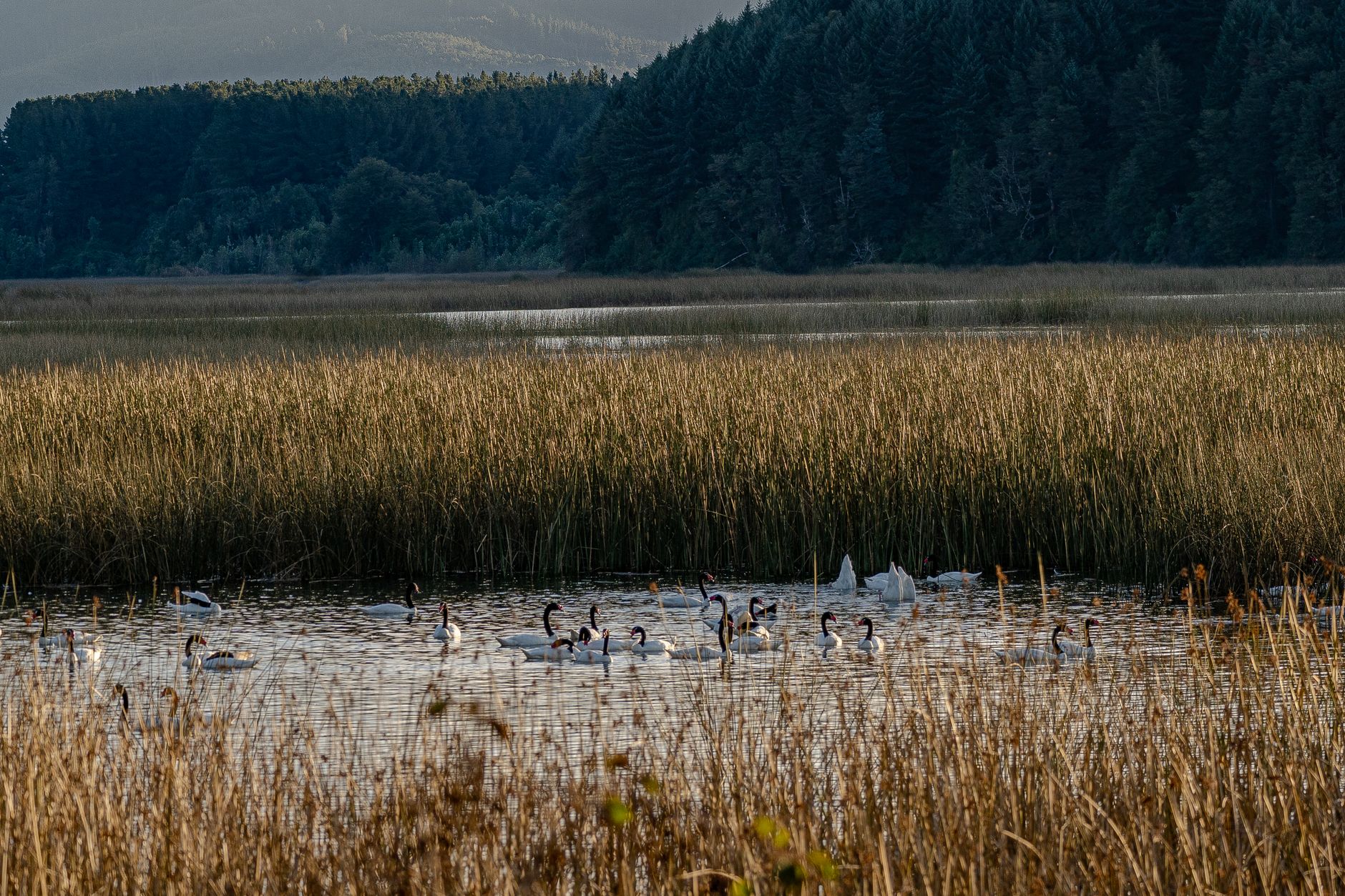
Winter is the headline season, when up to thirty thousand wild ducks, geese and swans descend on the reserve, including the much-loved Bewick’s swans that fly in all the way from Arctic Russia, alongside wigeon, pintail and golden plover in spectacular numbers. The famous floodlit “evenings with the swans” let you watch and hear these birds at close range. But Slimbridge is wonderful year-round, with breeding cranes (reintroduced through the pioneering Great Crane Project), kingfishers, avocets and warblers in the warmer months, plus resident flamingos and a network of thirteen excellent hides. The South Lake Observatory hide, with its big windows and comfy seating, is brilliant for families and beginners. Slimbridge also stars in our guide to the Cotswolds in winter.
Cotswold Lakes for birds
The other great wetland destination is Cotswold Lakes (formerly Cotswold Water Park), whose 180 gravel-pit lakes have matured into a haven for birdlife of national importance, with up to two hundred species recorded each year. It is a vital stopover for migrating birds in spring and autumn, and fills with waterbirds and gulls in winter, while summer brings breeding species including common terns, hobbies, little ringed plovers, red-crested pochard and even nightingales singing from the scrub.
Several lakes are managed as nature reserves with hides and trails, making Cotswold Lakes a superb and accessible place to watch birds in any season. Otters, water voles and dragonflies add to the spectacle, and the flat, easy paths make it ideal for a relaxed day’s birding. For the full picture of this remarkable lakeland, including its wildlife and nature reserves, see our dedicated Cotswold Lakes guide.
Birds of prey: red kites and buzzards
One of the great wildlife success stories of recent decades is unfolding right above your head in the Cotswolds. Buzzards, once persecuted to the brink in many areas, have bounced back spectacularly and are now a common sight, soaring in slow circles over the fields or perched on fence posts and telegraph poles, their plaintive mewing call a familiar sound of the countryside.
Even more thrilling is the spread of the red kite. Reintroduced to nearby areas after being driven to near-extinction in Britain, these magnificent raptors — instantly recognisable by their rusty colour, five-foot wingspan and deeply forked tails — have moved into the Cotswolds and can increasingly be seen drifting and twisting effortlessly on the thermals. Look out too for hovering kestrels, dashing hobbies in summer, peregrines on the cliffs, and the barn and tawny owls that hunt the field margins at dusk. Watching the region’s birds of prey is one of the simplest and most uplifting pleasures of a Cotswold day out.
Woodland and farmland birds
The Cotswolds’ beech woodlands and the great forests on their fringes are alive with birds. In the trees you can find all three British species of woodpecker, along with nuthatches, treecreepers, and a chorus of warblers in spring and summer. The famous RSPB reserve at Nagshead, in the neighbouring Forest of Dean, is renowned for its breeding pied flycatchers — whose nestboxes have been monitored continuously since 1948 — as well as hawfinches and woodpeckers, while RSPB Highnam Woods near Gloucester is one of the best places in the area to hear the song of the nightingale in spring.
Out on the open farmland and limestone grassland, listen for the rich song of yellowhammers from the hedgerows, the ascending trill of skylarks over the wolds, and the calls of meadow pipits and linnets. Winter brings flocks of fieldfares and redwings stripping the hedgerow berries, and the occasional hunting owl. A gentle woodland walk is one of the best ways to enjoy this birdlife — our guide to Cotswolds woodland walks has plenty of bird-rich routes.
River and wetland birds
The Cotswolds’ clear, gravel-bottomed rivers — the Coln, the Windrush, the Eye and others — are home to some of the most beautiful birds in Britain. The undisputed star is the kingfisher, that breathtaking flash of electric blue and orange darting low over the water, which, with patience, can be seen along many of the region’s waterways. Where the water runs faster, look for the dipper, bobbing on a midstream rock before plunging underwater to feed, and the elegant grey wagtail flitting along the bank.
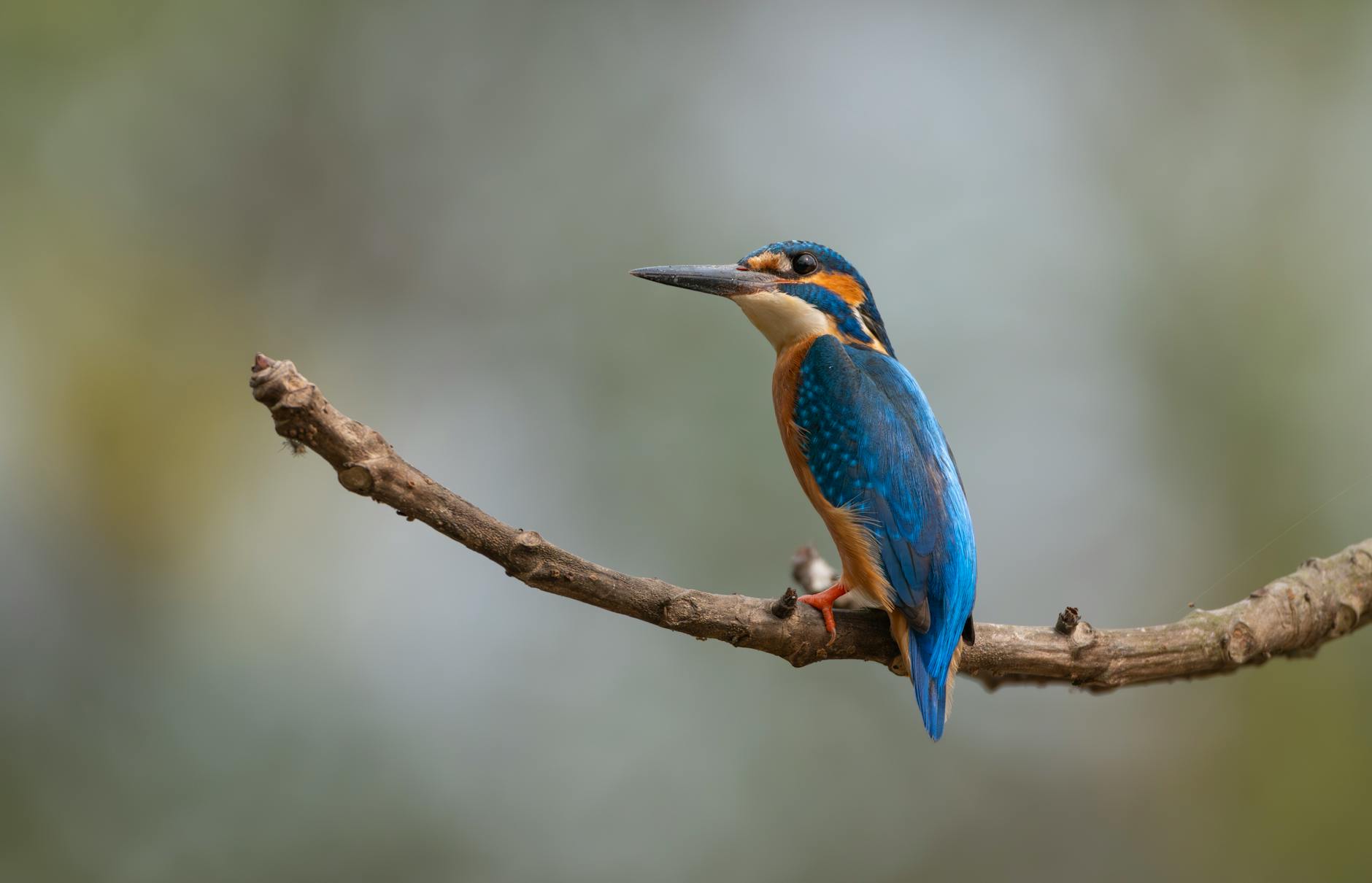
Herons stand sentinel in the shallows, little egrets have become an increasingly common sight, and on quiet stretches you may spot moorhens, coots and the occasional otter. The rivers are wonderful places to combine birdwatching with a gentle riverside stroll, a picnic or even a spot of fishing — anglers, sitting quietly for hours, often enjoy the best wildlife sightings of all, as we note in our guide to fishing in the Cotswolds.
Birdwatching through the seasons
Birdwatching in the Cotswolds rewards you differently in every season. Spring is magical, with returning migrants such as warblers, swallows and the celebrated nightingale, the dawn chorus at its glorious peak, and birds in their finest breeding plumage. Summer is the time for breeding activity, with young birds everywhere and species like hobbies hawking for insects over the lakes, though the woods fall quieter as the season wears on.
Autumn brings passage migration, when the wetlands and lakes host waders and other travellers pausing on their journeys south, and the first winter thrushes arrive. But for many birdwatchers, winter is the prize season: this is when Slimbridge and Cotswold Lakes fill with vast numbers of wildfowl, when starling murmurations wheel over the reedbeds at dusk, and when the bare trees make woodland birds far easier to spot. There is genuinely no bad time of year to go birding here.
A beginner’s guide to common Cotswold birds
You do not need to chase rarities to enjoy birdwatching here, because even the common, everyday birds are a delight once you start to notice them. In gardens, hedgerows and woods you will easily spot robins, blackbirds, wrens, blue tits and great tits, chaffinches and the cheerful song thrush, while wood pigeons coo from the trees and pheasants strut across the fields. Learning to recognise these familiar species, by sight and by song, is the perfect, confidence-building first step for any new birdwatcher.
From there, it is a small leap to the slightly showier birds that make the region special: the soaring buzzard, the riverside kingfisher, the yellowhammer singing its “little bit of bread and no cheese” from a hedge top. Part of the joy is that your list grows naturally the more you look, and the Cotswolds offer such a range of habitats that there is always a new species just around the corner. Do not worry about knowing everything — simply enjoy watching, and the identification comes with time.
Birdwatching with children and families
Birdwatching is a brilliant, screen-free way to get children connected with nature, and the Cotswolds make it easy. Slimbridge is superb for families, with hand-feeding opportunities, accessible hides, play areas, pond dipping and plenty of close-up encounters that keep young attention spans engaged — few things beat the delight on a child’s face when a flamingo or a friendly duck comes close. Cotswold Lakes and the various farm parks with their ducks and wildfowl are great for little ones too.
To keep children keen, give them their own cheap binoculars and a simple spotting sheet to tick off, turn it into an I-spy game, and keep outings short and snack-fuelled. Feeding the ducks, watching a bird of prey display or simply spotting a robin in the garden can spark a lifelong love of wildlife. It all ties in beautifully with our wider guide to family days out in the Cotswolds.
Bird of prey centres and guided experiences
If you would like to get truly close to birds, the Cotswolds and their fringes have several falconry and bird-of-prey centres where you can meet, handle and even fly magnificent owls, hawks, falcons and eagles under expert guidance. These hands-on experiences, including hawk walks where a bird follows you through the countryside and returns to your glove, are unforgettable for adults and children alike, and offer a real insight into these spectacular hunters.
For wild birds, guided birdwatching walks led by knowledgeable local experts are a wonderful way to learn, especially for beginners, as a good guide will help you find and identify birds you would walk straight past on your own, and teach you to recognise songs and calls. Whether you want a captive encounter with an owl or a dawn walk in search of nightingales, there is a guided experience to suit, and it can transform a casual interest into a real passion.
Best sites and how to plan
To plan a birding trip, start with the two great wetland reserves — Slimbridge and Cotswold Lakes — which between them will fill several rewarding days and offer hides, trails and facilities. Add the RSPB woodlands of the Forest of Dean fringe, such as Nagshead and Highnam, for woodland specialities, and explore the commons and escarpment viewpoints like Cleeve Common and Crickley Hill for grassland birds and soaring raptors.
Local nature reserves run by the Gloucestershire Wildlife Trust, such as Greystones Farm near Bourton-on-the-Water, are excellent and often quiet, and joining a local group such as the North Cotswold Ornithological Society is a great way to tap into expert knowledge and find out what is about. Many sites are free to access, while Slimbridge charges admission (free for WWT members), so it is worth checking before you go. With a little planning, you can build an itinerary taking in wetland, woodland, river and grassland in a single trip.
Tips for birdwatching in the Cotswolds
A few pointers to help you see more. A decent pair of binoculars is the single most useful piece of kit, and a field guide or a bird-identification app will help you name what you see. Go early: the hours around dawn are by far the most productive, when birds are most active and vocal and other people are still in bed. Move slowly and quietly, use hides where available, and simply sit and wait — patience is rewarded far more than restless wandering.
Dress in muted colours and warm layers, as you will often be standing still in exposed spots, and bring a flask for chilly mornings in a hide. Above all, put the birds first: keep your distance, never disturb nesting birds or flush feeding flocks, follow signs and stick to paths, and leave no trace. Responsible birdwatching keeps these wonderful sites thriving for the birds and for the next visitor. Beginners should not feel intimidated — everyone starts somewhere, and the friendly folk in the hides are usually delighted to help you spot and identify your first special bird.
Frequently asked questions about birdwatching in the Cotswolds
Where is the best place to watch birds in the Cotswolds?
WWT Slimbridge, on the River Severn, is the standout site, famous for its huge winter gatherings of swans, geese and ducks and its 13 hides. Cotswold Lakes is another superb wetland destination with up to 200 species a year, while the RSPB woodlands of the Forest of Dean and the commons of the escarpment offer woodland and grassland birds.
When is the best time for birdwatching in the Cotswolds?
Every season has its highlights. Winter brings spectacular numbers of wildfowl to Slimbridge and Cotswold Lakes, plus starling murmurations; spring offers returning migrants, nightingales and the dawn chorus; summer is for breeding birds; and autumn brings passage migrants. Early morning is the most productive time of day whatever the season.
Can you see red kites in the Cotswolds?
Yes. Red kites, with their rusty colour and distinctive forked tails, have spread into the Cotswolds following successful reintroductions nearby and can increasingly be seen soaring on the thermals. Buzzards are also very common, along with kestrels, hobbies, peregrines and owls, making the region excellent for watching birds of prey.
Do I need special equipment to go birdwatching?
Not much. A pair of binoculars and a field guide or bird-identification app are all you really need to start, along with warm, muted clothing and patience. Many reserves, including Slimbridge, have hides, telescopes and knowledgeable staff or volunteers on hand, making them ideal places for beginners to enjoy birdwatching in comfort.
From the thrill of a red kite overhead to the magic of thirty thousand swans at dusk, birdwatching in the Cotswolds connects you to the wild heart of this beautiful region in the most rewarding way. Grab your binoculars, pick a reserve, and discover just how much life fills these hills, woods and wetlands. To plan more ways to enjoy the outdoors, see our guide to Cotswolds outdoor activities, or explore the wildlife-rich lakes in our Cotswold Lakes guide. Many of the same reserves and trails make excellent running routes — see our guide to running in the Cotswolds.
Birds are only part of the picture. The same commons that hold skylarks and meadow pipits are covered in orchids in June, the river valleys where kingfishers hunt also hold otters and wild brown trout, and the escarpment woods shelter horseshoe bats and hundreds of kinds of fungi. Our wider guide to Cotswolds wildlife covers every habitat, with a month-by-month calendar.
Many of the best birding sites are managed nature reserves, from Lower Moor Farm’s hides at the Cotswold Lakes to the escarpment woods at Crickley Hill. Our guide to Cotswolds nature reserves covers access, parking and the best month for each.


