This article contains advertising. My booking links are routed through a partner that adds commission tracking automatically, so if you book through one I earn a commission from the provider, at no extra cost to you. It never affects what I recommend. Affiliate disclosure
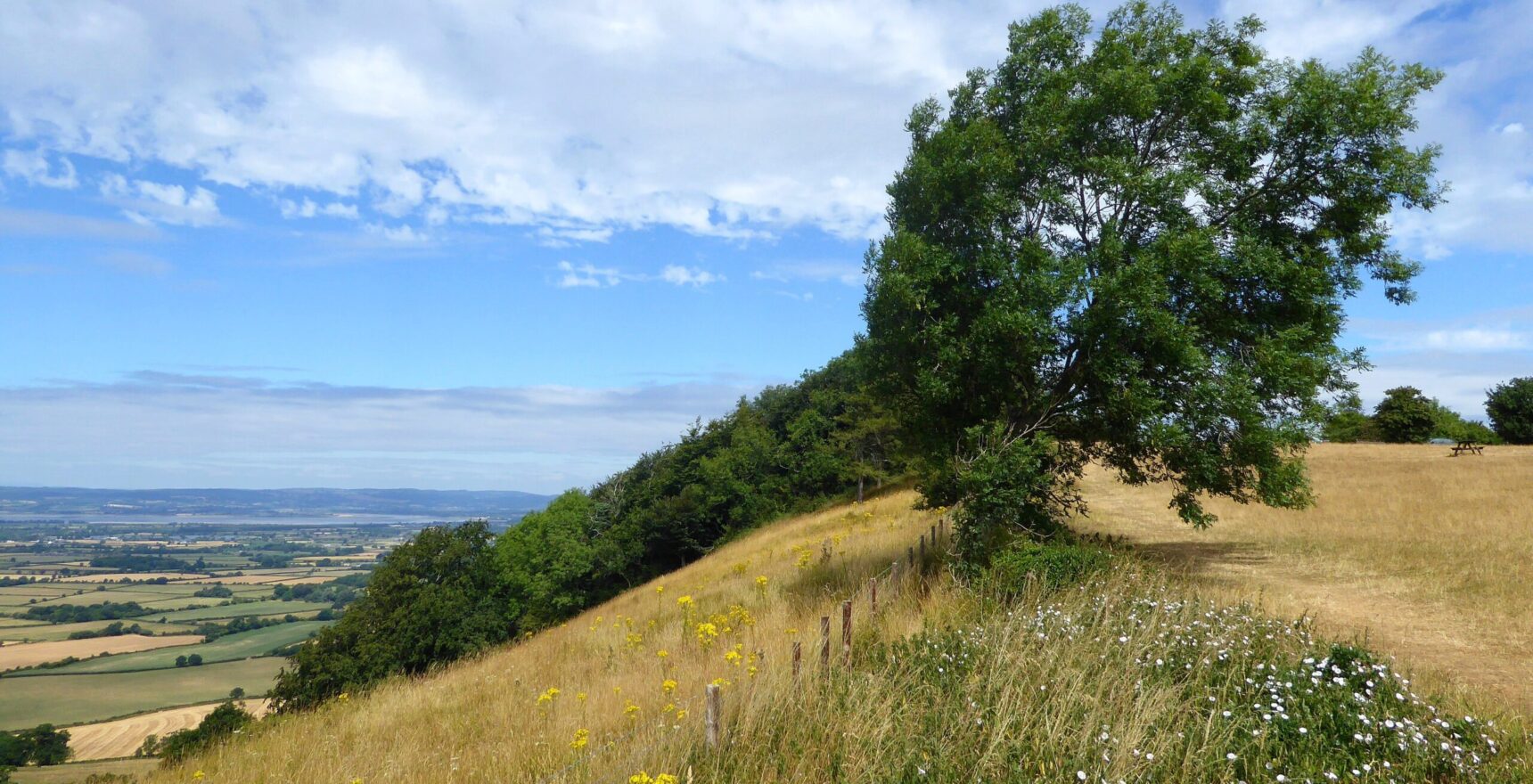
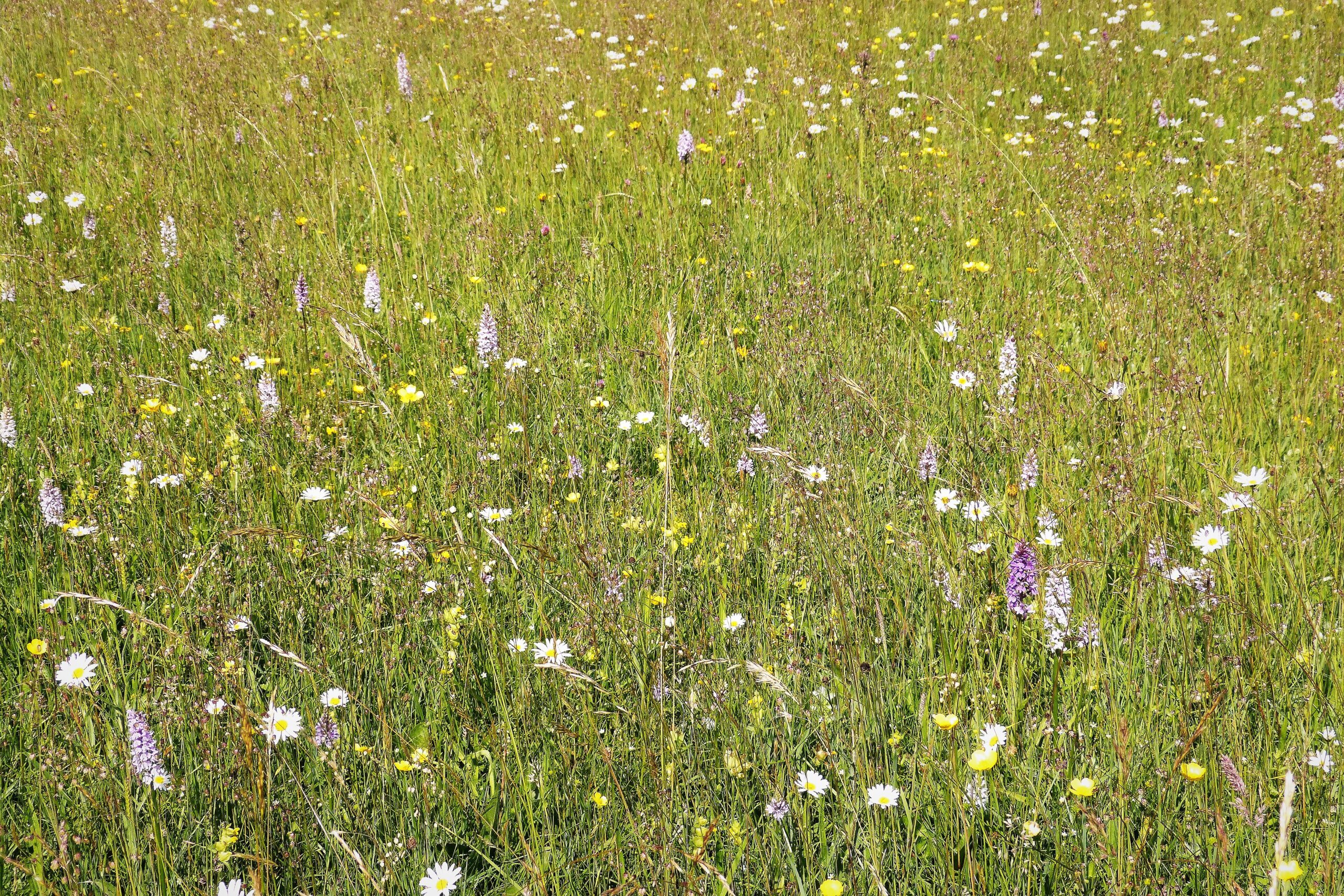
Not so long ago, the field beside the car park at Coaley Peak was ploughed and sown like any other on the top of the escarpment. On a warm afternoon in June it is now pink with sainfoin, yellow with rattle and trefoil, and loud with grasshoppers, while walkers on the Cotswold Way stop at the edge of the scarp to look out over the Severn to the Forest of Dean. It is a small, hopeful example of what the best Cotswolds nature reserves do: they protect the rare places that survived — the old commons, banks and woods — and, increasingly, they bring back what was lost.
This guide picks out the reserves worth visiting, from big, easy, family-friendly sites with cafés and car parks to tiny banks that exist for a single butterfly. For each one you will find who looks after it, what lives there, when to go, how to get in and what it costs — which, in most cases, is nothing. There is also a month-by-month planner, three reserve-hopping days out, and a few words on how to visit without doing harm.
The best nature reserves in the Cotswolds at a glance
| Reserve | Looked after by | Habitat | Best time | Parking and cost |
|---|---|---|---|---|
| Crickley Hill, near Birdlip | National Trust and Gloucestershire Wildlife Trust | Limestone grassland, beechwood, Iron Age hill fort | May–August; autumn | £2.50 all day; café and visitor centre |
| Coaley Peak, near Nympsfield | Gloucestershire Wildlife Trust | Restored wildflower meadow, viewpoint, long barrow | June–July | Large free car park |
| Chedworth Nature Reserve | Gloucestershire Wildlife Trust | Old railway line and limestone banks | May–August | Free; small site |
| Daneway Banks, Sapperton | Gloucestershire Wildlife Trust with the Royal Entomological Society | Limestone grassland; large blue butterflies | Mid-June to early July | Lay-by; free |
| Siccaridge Wood, Sapperton | Gloucestershire Wildlife Trust | Ancient coppiced woodland | Late April–May | Lay-by; free |
| Rodborough and Minchinhampton Commons | National Trust | Grazed limestone commons | May–August | NT car parks, dawn to dusk; free |
| Cotswold Commons and Beechwoods | Natural England and partners (National Nature Reserve) | Beech hangers and flowery commons | April–May; October–November | Roadside spaces; free |
| Woodchester Park | National Trust | Wooded valley and lakes | April–May; October | £4 for non-members |
| Foxholes, near Bruern | Berks, Bucks and Oxon Wildlife Trust | Ancient woodland | May | Lay-by past Bruern; free |
| North Meadow, Cricklade | Natural England (National Nature Reserve) | Ancient hay meadow | Mid to late April | Free |
| Lower Moor Farm and Clattinger Farm | Wiltshire Wildlife Trust | Lakes, hides and unimproved meadows | April–June; winter for birds | Free entry |
Parking charges and opening details checked October 2026 — confirm before you travel, as charges and access arrangements change.
What makes a Cotswold nature reserve special?
Most of the Cotswolds is farmland, and most of its wildlife-rich habitat survives in small pieces: the steep limestone banks that were never ploughed, the commons that kept their grazing rights, and the old beech hangers on the escarpment. Around half of the country’s remaining flower-rich Jurassic limestone grassland lies within the Cotswolds National Landscape, and many of the best fragments are protected as Sites of Special Scientific Interest — SSSIs — the legal designation Natural England gives to the most important wildlife and geological sites. The very best have National Nature Reserve status on top.
Day to day, the reserves are looked after by a patchwork of organisations. Gloucestershire Wildlife Trust manages the largest number in the Cotswolds proper; the Berks, Bucks and Oxon Wildlife Trust covers the Oxfordshire side; Wiltshire Wildlife Trust looks after the reserves around the Cotswold Lakes; and the National Trust owns several of the great commons and woods. Most reserves are free to visit and rely on members, donations and volunteers. If you enjoy them, joining your local Wildlife Trust is the single most useful thing you can do. Our guide to the Cotswolds National Landscape explains how the wider protection works.
Crickley Hill
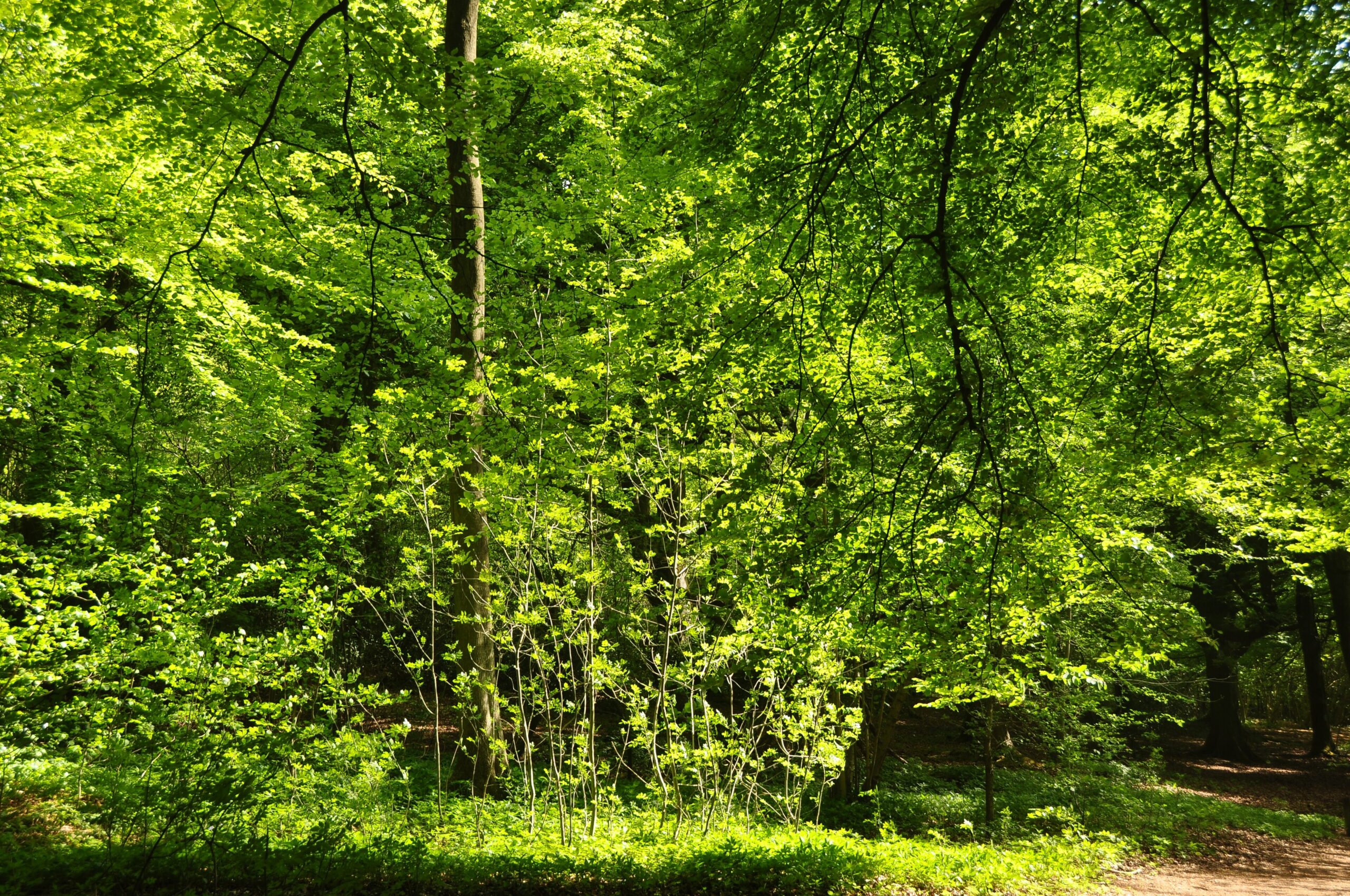
Crickley Hill, on the escarpment near Birdlip, is the easiest reserve in the Cotswolds to enjoy and one of the most rewarding. It is jointly owned by the National Trust and Gloucestershire Wildlife Trust, and it packs a remarkable amount into a small space: flower-rich limestone grassland kept in shape by conservation grazing, beechwoods on the slopes, an Iron Age hill fort on the promontory, and one of the finest views on the whole Cotswold edge, out over Gloucester and Cheltenham to the Malverns and the Welsh hills. The archaeology goes back further still — people were living and fighting on this hilltop long before the hill fort was built.
In summer the grassland is full of orchids, wild thyme and butterflies, and in autumn the beechwoods colour beautifully; ash dieback has meant some felling in recent years. The site is open from 6am to 9pm from April to September and 6am to 6pm from October to March. Parking costs £2.50 for the whole day, payable around the clock by cash, phone or app, and the Wildlife Trust runs a café on site. The Cotswold Way passes through, so it is easy to stretch a visit into a longer walk along the edge.
Coaley Peak
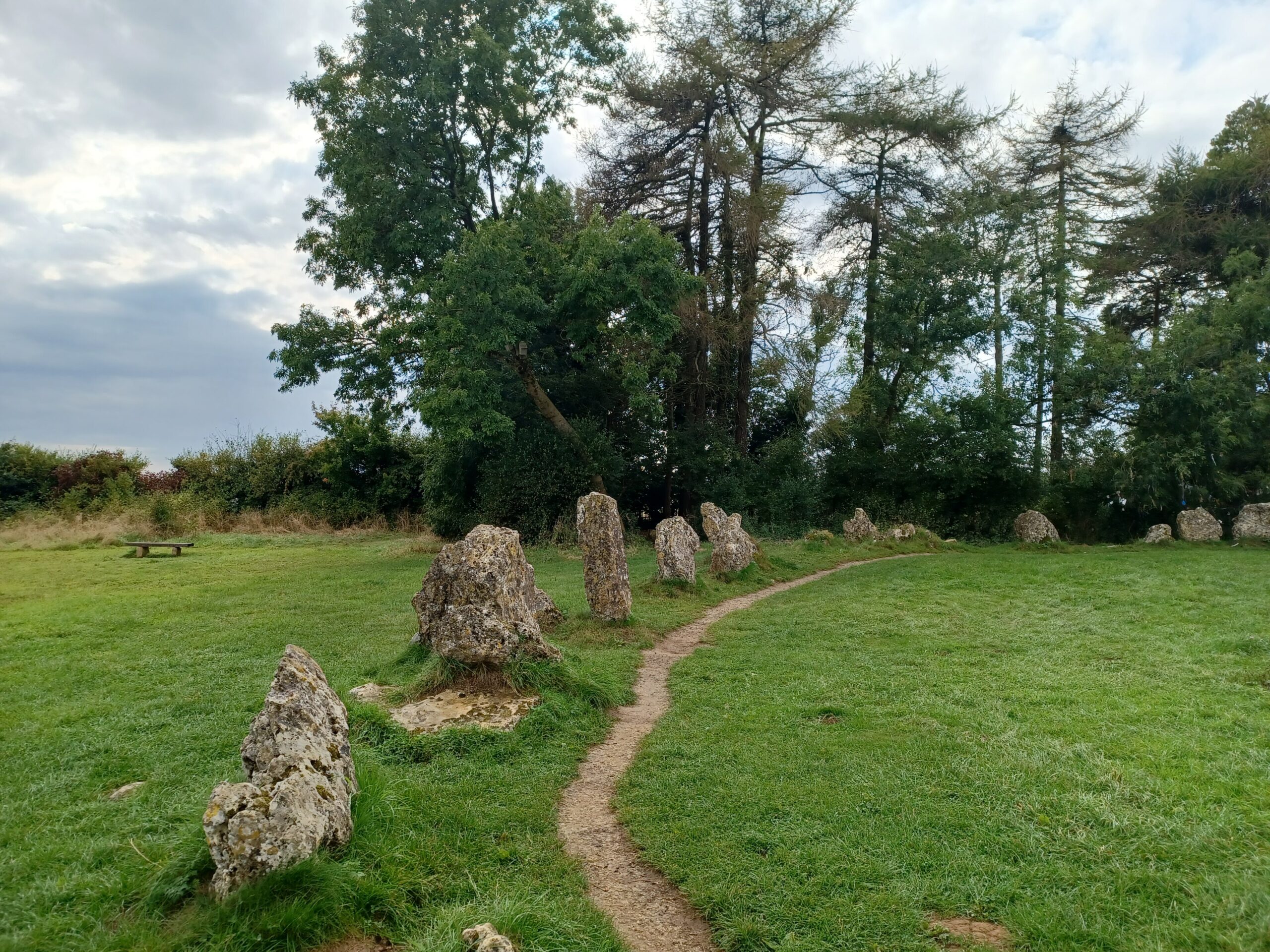
Coaley Peak, on the B4066 about four miles south-west of Stroud, is a picnic site, a viewpoint and, since Gloucestershire Wildlife Trust adopted it in 2016, a nature reserve. Its twelve acres of former arable land are being turned back into a wildflower meadow, and every year more species move in: sainfoin, yellow rattle, clovers, orchids, red campion, black medick and rough hawkbit among them. In June and July it hums with bees and butterflies. The view west across the Severn Vale to the Forest of Dean is one of the best on the escarpment, and the site also holds Nympsfield Long Barrow, an excavated Neolithic burial chamber.
The car park is large and free (postcode GL10 3TP), the site is open all year and the Cotswold Way passes along the edge, which makes this one of the easiest reserves to visit with children, grandparents or a picnic. On a fine summer weekend you will not be alone, but there is plenty of room. Our guide to short walks in the Cotswolds has more easy routes like this.
Chedworth Nature Reserve
Chedworth Nature Reserve is a quiet, fifteen-acre strip of an old railway line between Chedworth and Withington, bought by Gloucestershire Wildlife Trust in 1969 as one of its very first reserves. The trains have long gone, and the cutting and banks have become a sheltered corridor of limestone grassland and scrub, good for wildflowers and butterflies in summer and for birds all year. The neighbouring woods and the old railway tunnel are recognised as important wildlife sites in their own right, though access to the woodland is on the public footpath only.
It is a small, modest place rather than a destination, but it combines well with a visit to the National Trust’s Chedworth Roman Villa nearby, one of the largest Roman villas in Britain, and a walk through the Coln valley. Our guide to the Roman Cotswolds covers the villa.
Daneway Banks and Siccaridge Wood
These two neighbouring Gloucestershire Wildlife Trust reserves near Sapperton, in the Golden Valley, are a perfect pairing. Daneway Banks is a steep, flowery limestone bank run with the Royal Entomological Society, and it is the best place in Britain to see the large blue, a butterfly that became extinct here in 1979 and has been carefully brought back. It flies from around mid-June into early July, only in sunshine. Daneway supplied many of the caterpillars that helped return the large blue to Rodborough Common in 2019.
Siccaridge Wood, across the lane, is an ancient semi-natural wood of beech, ash and silver birch with dense bluebells in late April and early May and a stile-free loop of about a mile and a half. Parking for both is very limited: there is a lay-by on the far side of the bridge from the Daneway Inn, and space for a couple of cars at the start of the ridgetop path opposite the Daneway Banks entrance. Our guide to bluebell woods in the Cotswolds has more on Siccaridge in spring.
Rodborough and Minchinhampton Commons
The two big National Trust commons above Stroud and Nailsworth are among the largest areas of limestone grassland in the country, and Rodborough is protected at the highest European level for it. They are open, grazed and enormous, with orchids, wild thyme and chalkhill blues in summer, skylarks overhead from early spring and views over the Stroud valleys. Commoners’ cattle are turned out from mid-May and roam freely, including over the roads. Rodborough was the scene of the UK’s largest reintroduction of large blue butterflies in 2019, when around 1,100 larvae were released; about 750 adults emerged the following summer. The National Trust car parks are open from dawn to dusk. Our Nailsworth and Minchinhampton guide has the pubs and cafés nearby.
The Cotswold Commons and Beechwoods
The National Nature Reserve between Painswick, Cranham and Cooper’s Hill brings together steep beechwoods and small, flower-rich commons, and it is one of the richest wildlife sites in the region. The commons hold more than 130 species of wildflowers and fifteen kinds of orchid; Buckholt Wood alone has recorded more than 780 species of fungi; and the woods are home to tawny owls, buzzards, wood warblers in spring, silver-washed fritillaries in summer and the scarce Duke of Burgundy butterfly. There are no visitor facilities, just paths, roadside spaces and the Cotswold Way. Come in late April and May for bluebells and birdsong, or in October and November for colour and fungi.
Woodchester Park
The National Trust’s Woodchester Park, south of Stroud, is a secluded wooded valley with five lakes, a nineteenth-century boathouse and, at the bottom, the unfinished Woodchester Mansion, whose roof spaces hold breeding colonies of greater and lesser horseshoe bats. The woods are good for bluebells in spring and colour in autumn, and herons and kingfishers fish the lakes. Parking at Tinkley Gate or Buckholt costs £4 for non-members and is free for National Trust members.
Cleeve Common and Leckhampton Hill
Above Cheltenham, two large open spaces add some of the best grassland in the north of the region. Cleeve Common, around the highest point in the Cotswolds at 330 metres, is a huge expanse of common land and a Site of Special Scientific Interest, with skylarks, meadow pipits, orchids and butterflies, and Iron Age earthworks on the scarp. Leckhampton Hill and Charlton Kings Common, on the southern edge of town, mix flowery grassland with old quarry faces, woodland and the famous Devil’s Chimney. Both are easy to reach from Cheltenham on foot, and both have wide views from the top.
Greystones Farm, Bourton-on-the-Water
If you are staying in Bourton-on-the-Water and want to escape the crowds for an hour, Gloucestershire Wildlife Trust’s Greystones Farm is the answer: a working farm and nature reserve on the edge of the village, with traditional hay meadows by the river that flower beautifully in early summer and the earthworks of an Iron Age camp. It is a short walk from the village centre and a completely different experience from the busy riverside. Our Bourton-on-the-Water guide covers the rest of the village.
Foxholes, Oxfordshire
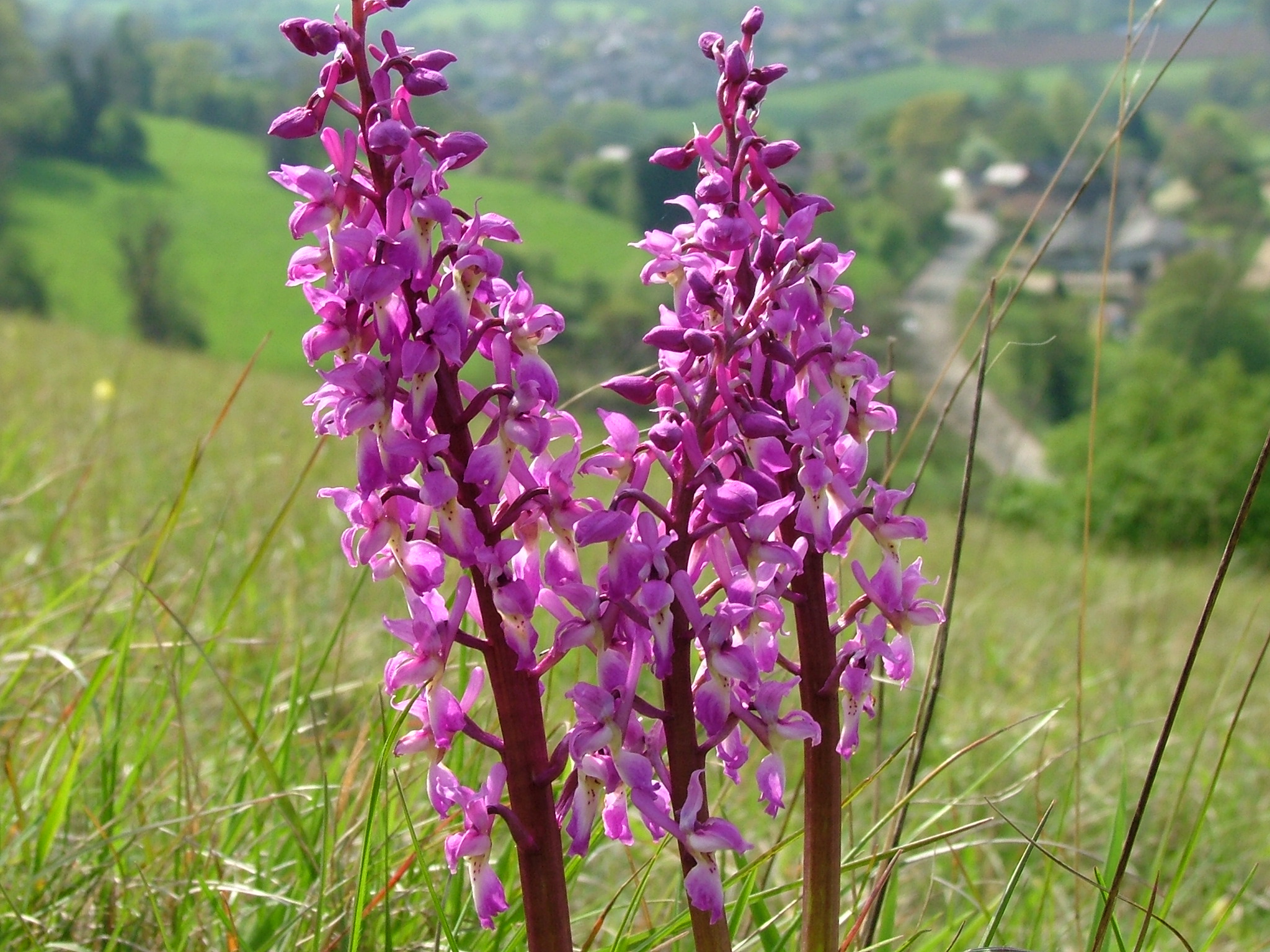
On the eastern side of the Cotswolds, the Berks, Bucks and Oxon Wildlife Trust’s Foxholes reserve near Bruern is an ancient wood in the Evenlode valley, a fragment of the royal forest of Wychwood. It is one of the best bluebell woods in Oxfordshire in May, with primroses, violets and early purple orchids before them and foxgloves after, and a 1.75-mile Wildlife Walk waymarked with badger signs. Parking is limited to a lay-by just past Bruern — the track to the reserve is badly potholed — but you can walk in from Kingham station, 1.7 miles away along the Oxfordshire Way. Dogs are welcome on leads.
North Meadow and the Cotswold Lakes reserves
At the southern edge of the region, around Cricklade and the Cotswold Lakes, the habitat changes to river meadows and water. North Meadow at Cricklade is a National Nature Reserve and an ancient hay meadow beside the Thames that holds around four-fifths of Britain’s wild snake’s-head fritillaries; for a week or two in mid to late April it is purple and white with them.
A few miles west, Wiltshire Wildlife Trust’s Lower Moor Farm has lakes, hides and easy paths through a mosaic of wetland and woodland, and next door Clattinger Farm is a set of old hay meadows that have never been ploughed or treated with artificial fertiliser — fritillaries in spring, orchids in early summer. The Cotswold Lakes Trust’s Cleveland Lakes reserve adds reedbeds and open water. In winter, the lakes hold thousands of ducks and grebes. Our guides to bird-watching in the Cotswolds and Cotswold Lakes go into more detail.
A reserve for every month
| Month | Go to | For |
|---|---|---|
| January–February | Lower Moor Farm and the Cotswold Lakes | Wintering ducks, grebes and the odd rarity |
| March | Cleeve Common; Rodborough | The first skylarks singing over the commons |
| April | North Meadow, Cricklade; Siccaridge Wood | Snake’s-head fritillaries; the first bluebells |
| May | Foxholes; Cotswold Commons and Beechwoods | Bluebells, birdsong, early orchids, Duke of Burgundy |
| June | Daneway Banks; Crickley Hill; Coaley Peak | Large blues, orchids, meadow flowers |
| July | Rodborough and Minchinhampton; Chedworth | Marbled whites, wild thyme, summer butterflies |
| August | Rodborough; Leckhampton Hill | Chalkhill blues and late-summer flowers |
| September | Greystones Farm; Clattinger Farm | Late meadows, swallows gathering to leave |
| October–November | Woodchester; Buckholt and Cranham woods | Autumn colour and fungi |
| December | Cleveland Lakes; Lower Moor Farm | Winter wildfowl, short bright days |
Three reserve-hopping days out
The Stroud reserves
Start at Daneway Banks and Siccaridge Wood in the Golden Valley — large blues in late June, bluebells in early May — then drive to Rodborough Common for the grassland and the view. Finish at Coaley Peak for a picnic and the evening light over the Severn. It is a lot of variety for very little driving.
The Cheltenham escarpment
Spend the morning at Crickley Hill, with coffee at the Wildlife Trust café, then walk or drive on to Leckhampton Hill and the Devil’s Chimney. In the late afternoon, head north to Cleeve Common for the biggest skies in the Cotswolds.
Water and meadows
In mid to late April, combine North Meadow’s fritillaries with Clattinger Farm and the hides at Lower Moor Farm. In winter, swap the meadows for the lakes and spend the day with binoculars. Cirencester makes a good base for both.
For more walking ideas, see our round-ups of Cotswold woodland walks and walking in the Cotswolds.
Nature reserves with children
Children usually enjoy reserves more than adults expect, as long as there is something to find. Coaley Peak is the easiest place to start: free parking right beside the meadow, plenty of room to run, a picnic site, and an excavated Neolithic long barrow whose stone chambers are open to the sky. Crickley Hill has the café and visitor centre, and the ramparts of the hill fort make a natural adventure playground with a view. At the Cotswold Lakes, the hides at Lower Moor Farm are a good introduction to bird-watching — take a pair of binoculars each and a simple identification chart.
On a warm, sunny day in summer, any grassland reserve becomes a safari. A bug pot and a magnifying glass will turn up grasshoppers, beetles, spiders and caterpillars in minutes; just put everything back where you found it, and keep to the paths on the orchid banks. Our guides to family walks in the Cotswolds and free things to do with kids have more ideas.
Visiting Cotswold nature reserves responsibly
- Dogs: on open access land, dogs must be on a short lead from 1 March to 31 July to protect ground-nesting birds, and at all times near livestock. Many reserves ask for leads all year; a few do not allow dogs at all.
- Grazing animals: cattle, sheep and ponies are how most grassland reserves are managed. Give them space and close every gate.
- Stay on paths: especially in bluebell woods and on orchid banks, where trampling does lasting damage.
- Do not pick or dig: uprooting wild plants without permission is illegal, and orchids and bluebells are especially vulnerable.
- Park considerately: many reserves have only a lay-by. If it is full, come back another time rather than blocking a gateway or a narrow lane.
- Give something back: most reserves are free to visit. Join a Wildlife Trust, drop a donation in the box, or volunteer on a work party.
Frequently asked questions about Cotswolds nature reserves
What is the best nature reserve in the Cotswolds?
For an easy visit with facilities, Crickley Hill. For wildflowers, the Cotswold Commons and Beechwoods and Rodborough Common. For rare butterflies, Daneway Banks in late June. For birds, the reserves around the Cotswold Lakes in winter.
Are Cotswold nature reserves free to visit?
Almost all are free to enter. Crickley Hill charges £2.50 to park for the day, and Woodchester Park charges £4 for parking to non-members of the National Trust.
Which Wildlife Trust covers the Cotswolds?
Gloucestershire Wildlife Trust looks after most of the reserves in the Cotswolds proper. The Berks, Bucks and Oxon Wildlife Trust covers the Oxfordshire Cotswolds, Wiltshire Wildlife Trust the southern edge around the Cotswold Lakes, and the Avon, Warwickshire and Worcestershire trusts the fringes.
What is an SSSI?
A Site of Special Scientific Interest — the legal designation for the most important wildlife and geological sites in England, given by Natural England. Many Cotswold commons and woods are SSSIs.
Is there a nature reserve near Bourton-on-the-Water?
Yes. Gloucestershire Wildlife Trust’s Greystones Farm is on the edge of the village, with hay meadows by the river and an Iron Age camp.
Can I take my dog to Cotswold nature reserves?
Usually, on a lead. Dogs must be on a short lead on open access land from 1 March to 31 July and near livestock at all times, and some reserves have their own rules.
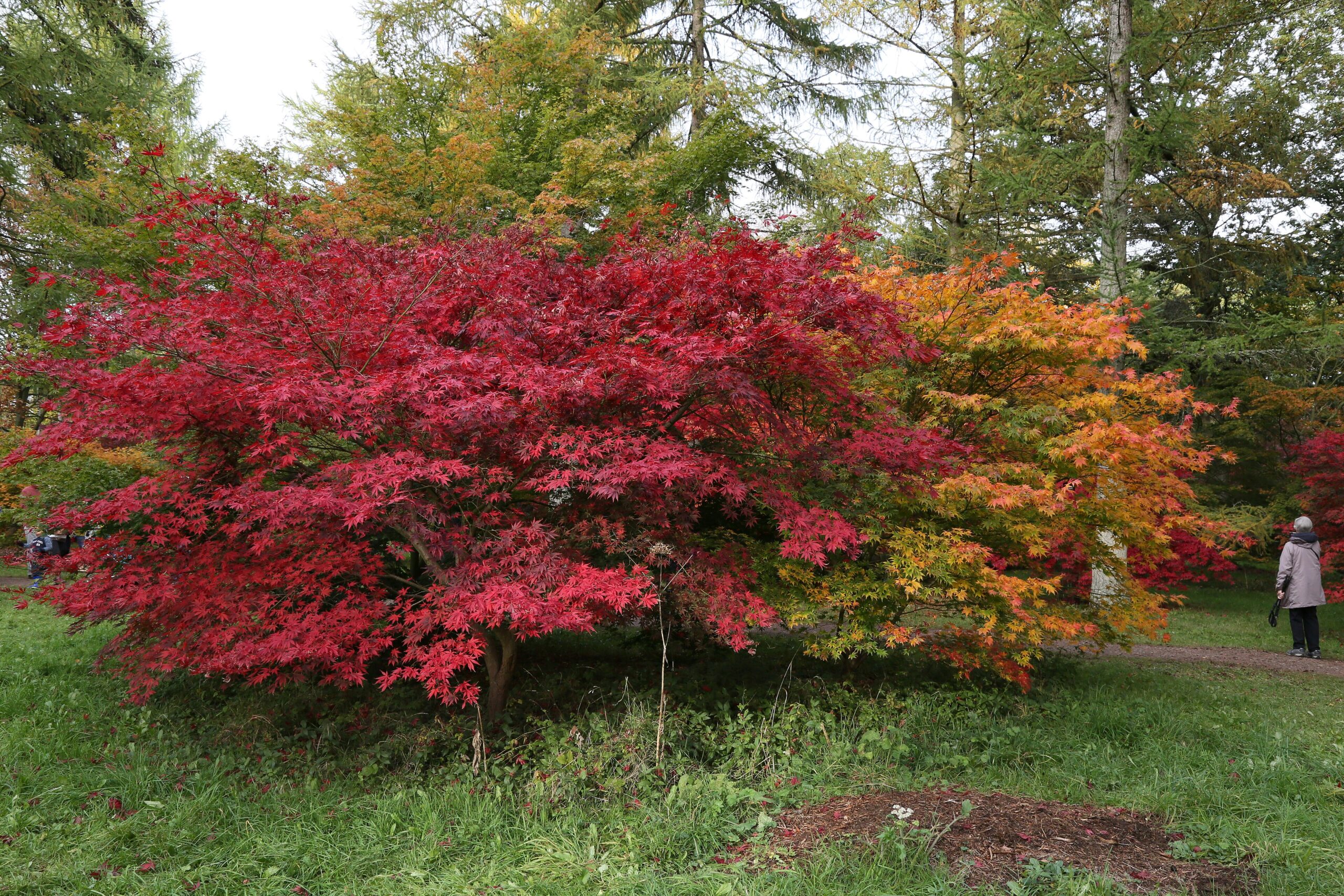
For the wider picture — which habitats hold which wildlife, and when — see our guide to Cotswolds wildlife and nature. And if you are on the high wold after dark, our guide to stargazing in the Cotswolds covers the region’s darkest skies, while our guide to autumn colour shows where the reserves’ woods are at their most beautiful.
For a closer look at the plants that make these reserves special — fifteen kinds of orchid, cowslips, thyme and the fritillaries of the Thames meadows — see our guide to wildflower meadows in the Cotswolds, with a month-by-month flowering calendar and a quick orchid identification guide.
Photo Credits
Summer grassland on the escarpment at Coaley Peak: Coaley Peak Gradiant by Ethan Doyle White, CC BY-SA 4.0, via Wikimedia Commons.
Beechwood at Crickley Hill Country Park: Forest in Crickley Hill Country Park (3909) by Nilfanion, CC BY-SA 4.0, via Wikimedia Commons.
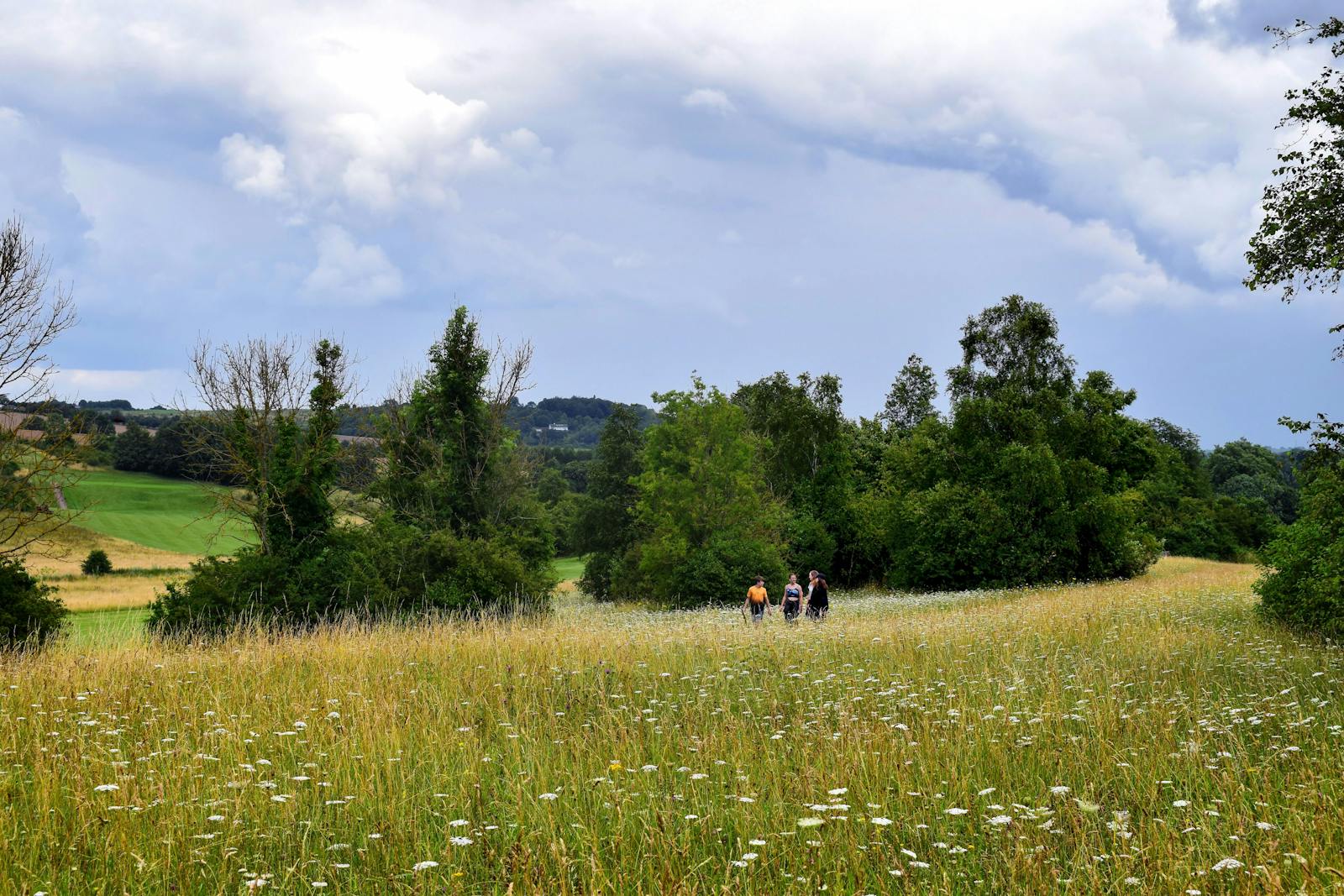
Cooper’s Hill from Crickley Hill: Cooper’s Hill from Crickley Hill Country Park (3917) by Nilfanion, CC BY-SA 4.0, via Wikimedia Commons.
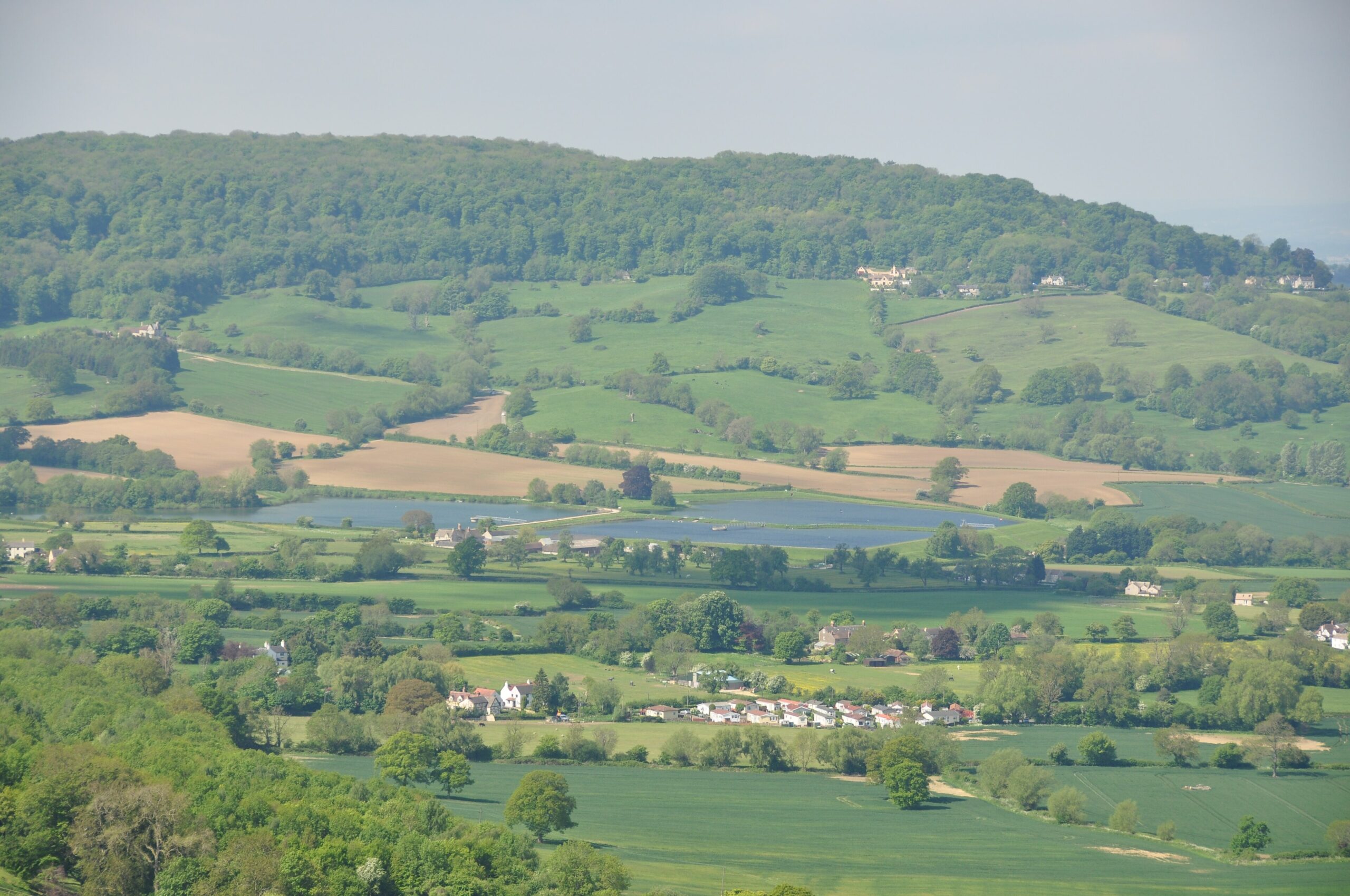
Orchid meadow at Lower Moor Farm: Wild Flower meadow (42282349660) by gailhampshire from Cradley, Malvern, U.K, CC BY 2.0, via Wikimedia Commons.
Leave a Reply