This article contains advertising. My booking links are routed through a partner that adds commission tracking automatically, so if you book through one I earn a commission from the provider, at no extra cost to you. It never affects what I recommend. Affiliate disclosure
Not everyone wants to plan a Cotswold walking trip from scratch, and the good news is that you do not have to. Whether you fancy a fully organised inn-to-inn trek along the Cotswold Way with your bags carried for you, a sociable group holiday with a knowledgeable leader, or just a half-day guided ramble to learn the landscape, there is an operator and a format to suit. Handing the logistics to someone else can transform a walking trip, and this guide explains all the options.
Below I explain the difference between self-guided and fully guided holidays, what each typically includes, who they suit and roughly what they cost, plus the practical things to check before you book. The aim is to help you choose the right kind of trip with confidence. It works alongside our wider guide to walking and hiking in the Cotswolds and our complete Cotswold Way walking guide.
Self-Guided vs Fully Guided: What’s the Difference?
The first decision is between self-guided and guided. On a self-guided holiday, the operator books your accommodation, transfers your luggage between stops and provides detailed route notes, maps and back-up support, but you walk independently, at your own pace, without a leader. You get the freedom to walk alone or as a couple, stopping when you like, with all the planning hassle removed. This is the most popular format for the Cotswold Way and suits independent walkers who still want the logistics handled.
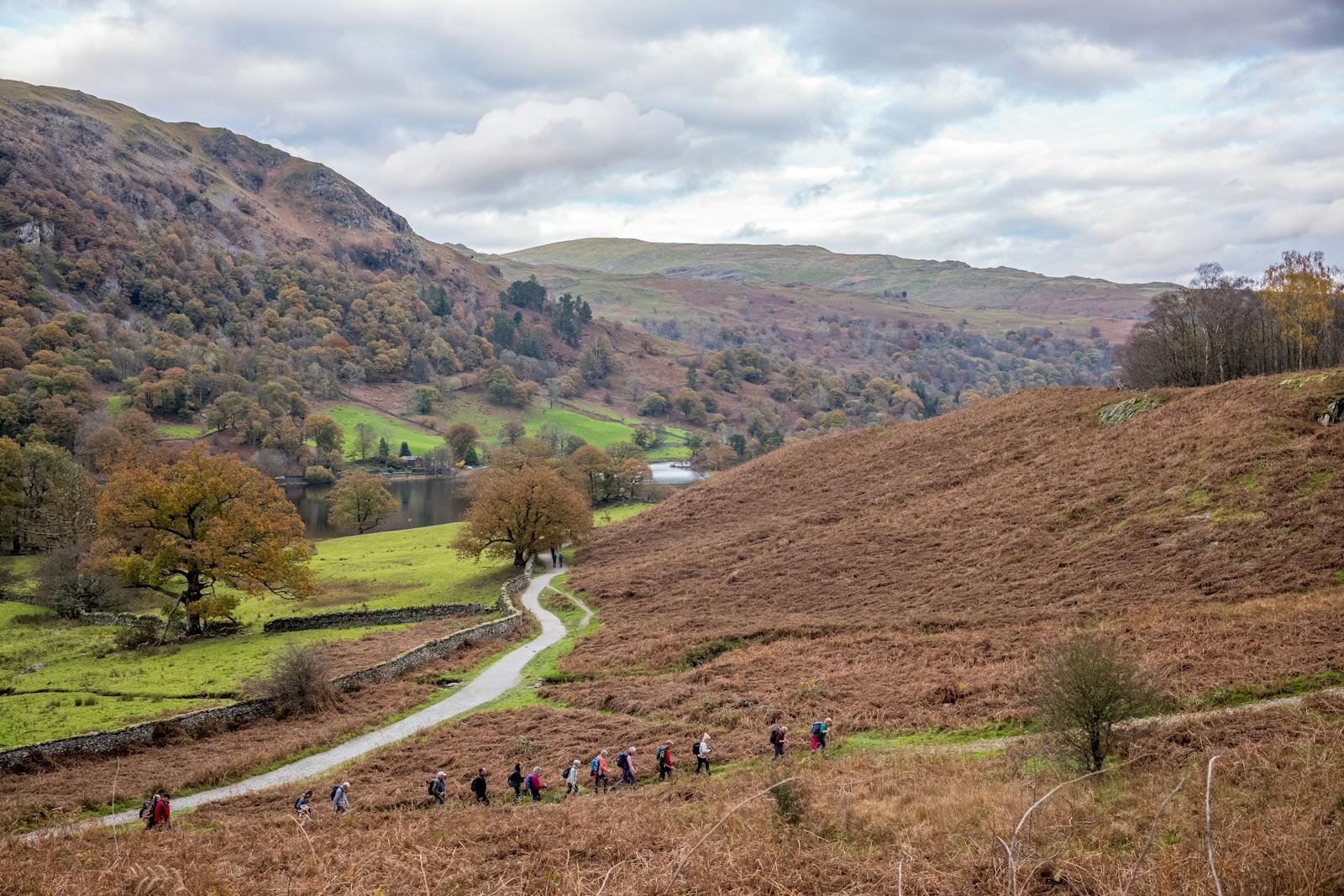
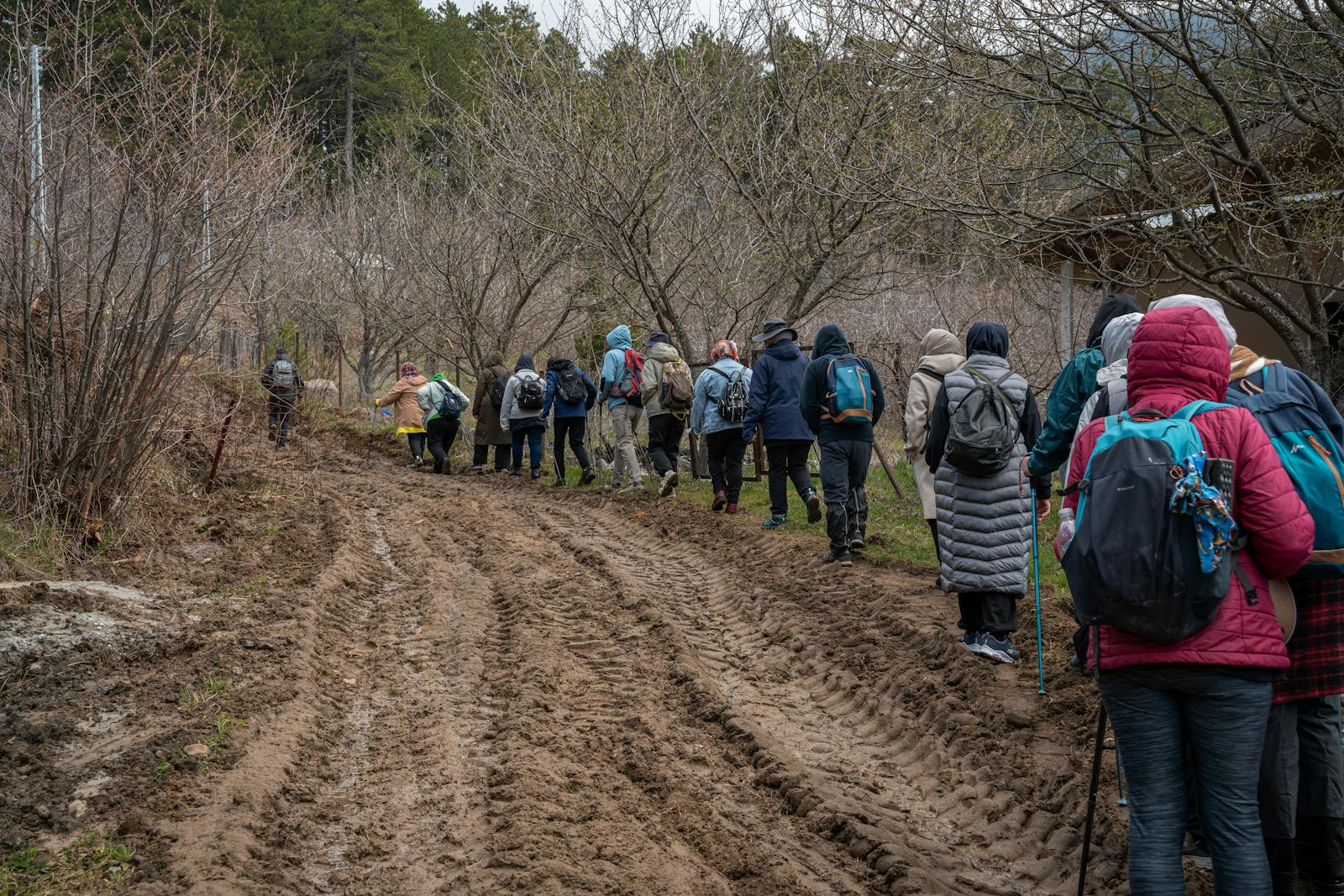
On a fully guided holiday, you walk as part of a group led by an experienced guide who knows the route, sets the pace, navigates and brings the landscape to life with local knowledge. It is more sociable, removes any worry about navigation, and often includes evening meals and a shared base, but it offers less flexibility and means walking to the group’s schedule. Which is right for you comes down to whether you value independence or company and reassurance. Both take the stress out of organising a trip.
What’s Usually Included
Packages vary, but a typical self-guided holiday includes pre-booked B&B or hotel accommodation each night, daily luggage transfer so you carry only a daypack, detailed route notes and maps (often with a GPS file), and a back-up phone number in case of problems. Breakfast is usually included; lunches and dinners often are not, though some packages add them. You simply turn up at the start, walk each day’s stage and find your bag waiting at the next night’s accommodation.
A fully guided holiday usually includes the services of the guide, accommodation (often at a single base or a series of hotels), most meals, and sometimes transport to and from the walking each day. Group sizes are typically small to mid-sized. Always check exactly what is and is not included, particularly meals, transfers and any single-room supplements, so you can compare like with like and budget accurately for the trip.
The Main Operators
Several established companies offer Cotswold walking holidays, and it is worth getting quotes from a few. For self-guided trips, well-known specialists include Cotswold Journeys (a local, Cotswold-based operator), Macs Adventure, Contours Walking Holidays, Celtic Trails and Mickledore, all of which package the Cotswold Way and shorter Cotswold itineraries with accommodation booking and luggage transfer. They differ in price, the standard of accommodation and the flexibility of their itineraries, so compare carefully.
For fully guided group holidays, the big names are HF Holidays and Ramblers Walking Holidays, both of which run guided Cotswold weeks from country-house bases with a choice of daily walks at different grades. There are also smaller, local guides and companies offering bespoke private guiding and short walks. Always check recent reviews, confirm what is included, and make sure the walking grade matches your fitness before you book. Prices vary widely with the length of trip and standard of accommodation.
Short Guided Walks and Day Tours
You do not have to commit to a whole holiday to benefit from a guide. Short guided walks and day tours are a wonderful way to learn about the landscape, history and wildlife of the Cotswolds from someone who knows it well, and they suit visitors short on time or new to the area. Local guides and walking groups run themed walks, while some tour companies combine a guided stroll with visits to villages and viewpoints as part of a day out.
The Cotswold Voluntary Wardens also run a programme of led walks across the Cotswolds National Landscape through much of the year, often free or low-cost, covering everything from gentle strolls to longer hikes with an expert volunteer leader. These are a brilliant, low-commitment way to explore with local insight. For combined sightseeing-and-walking days, our guide to Cotswolds tours and day tours covers the options.
How to Choose the Right Holiday for You
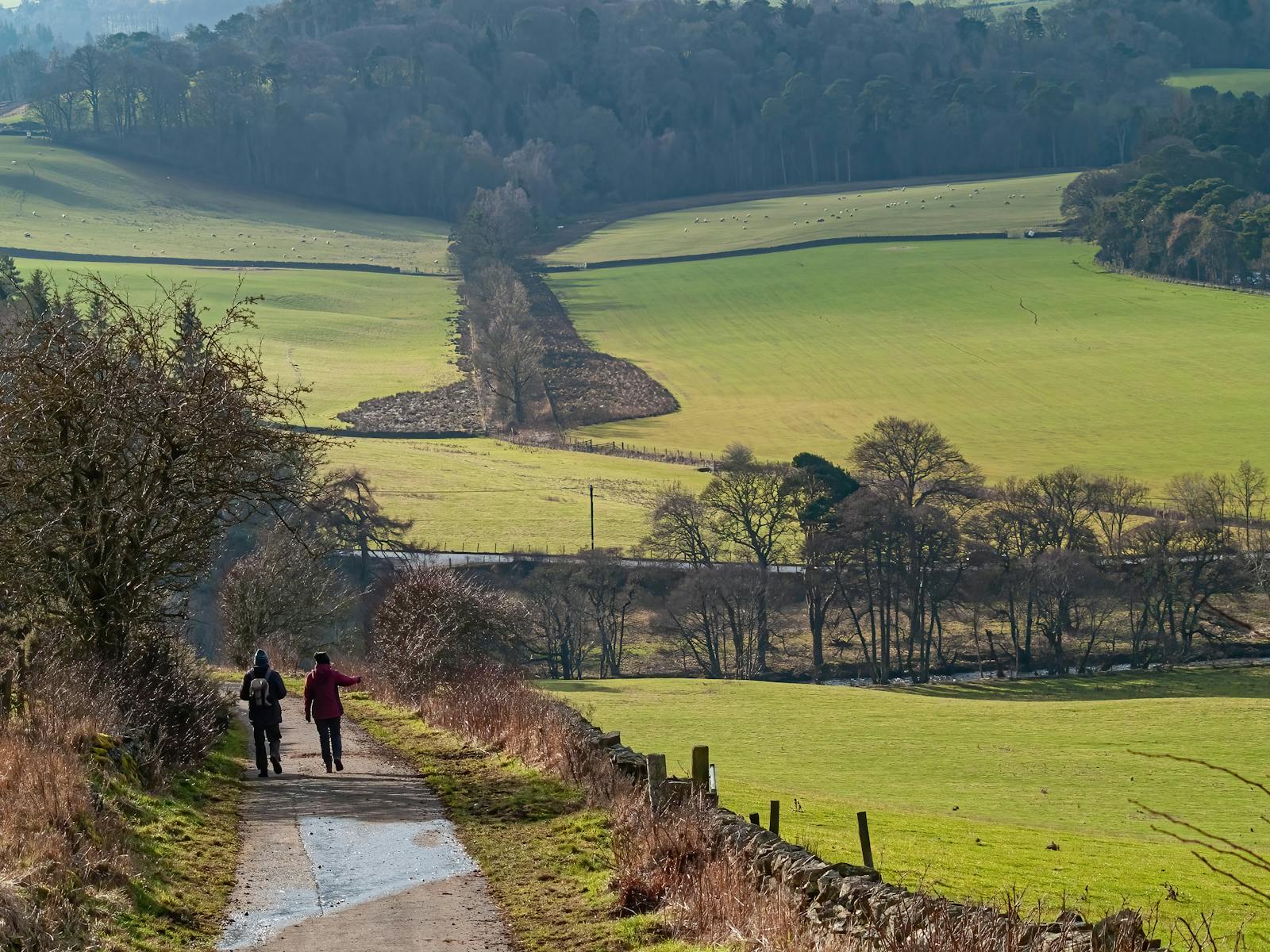
Start with how you like to walk. If you value independence and walking alone or as a couple, choose self-guided; if you prefer company, reassurance and not having to navigate, choose guided. Then match the distance and grade honestly to your fitness: the Cotswold Way is hilly and a full traverse is a serious undertaking, but most operators offer shorter, gentler itineraries and the option to walk it in sections over several trips.
Consider the standard of accommodation (from simple B&Bs to country hotels), whether you want meals included, and any single-room supplements if you are travelling solo. Read recent reviews, check the cancellation and bad-weather policies, and confirm the luggage-transfer arrangements. Booking well ahead is wise for popular routes in spring and summer. Get these details right and a guided or self-guided holiday is a wonderfully relaxing way to experience the Cotswolds on foot.
What a Cotswold Walking Holiday Costs
Prices vary a great deal with the length of the trip, the standard of accommodation and what is included, so treat any figures as a rough guide and always get a current quote. As a broad indication, a self-guided Cotswold Way holiday is often priced per person per night, with the total depending on how many nights you take to walk the route and whether you choose simple B&Bs or smarter hotels. Shorter three- or four-night highlights trips cost considerably less than a full seven-to-ten-night traverse.
Fully guided group holidays are usually sold as a package for a set number of nights, typically including accommodation, most meals and the guide, which makes them look dearer per night than self-guided but often better value once meals are factored in. Watch for single-room supplements if you travel solo, and check whether transport to the trailhead, lunches and any rest-day activities are extra. The cheapest option of all is to walk independently using a standalone luggage-transfer service and book your own accommodation.
Popular Routes and Itineraries
The Cotswold Way, the 102-mile National Trail from Chipping Campden to Bath, is the headline route and the one most operators build their holidays around, typically walked over seven to ten days, or in shorter sections. But it is far from the only option. Many companies offer shorter highlights itineraries, often three to five days, that string together the prettiest villages and best stretches of escarpment without committing to the whole trail.
Others base you in one or two locations for a centre-based week, walking a different circular route each day and returning to the same comfortable base each night, which avoids packing and unpacking. There are also themed trips, such as villages-and-gardens walks or shorter weekend breaks, and bespoke private itineraries tailored to your interests and pace. Whatever your time and ambition, there is a format to match, from a long weekend to a fortnight. Our Cotswold Way walking guide covers the classic route in full.
When to Go on a Walking Holiday
The Cotswold walking season runs roughly from spring to autumn, with the operators’ main programmes typically spanning April to October. Late spring (May and June) and early autumn (September) are the sweet spots, offering long daylight, settled weather, comfortable walking temperatures and fewer crowds than high summer. Spring brings wildflowers and bluebells, while autumn offers golden beech woods and crisp, clear days, both wonderful for walking.
High summer is popular but can be hot for long days and busy on the famous routes and in the honeypot villages, so book early if you want peak-season dates. Some operators run trips into the shoulder months, but winter walking holidays are rare, given the short days and muddy conditions. Whenever you choose to go, book well ahead for spring and summer, as the best accommodation on the popular routes fills early. Our guide to the best time to visit the Cotswolds has more on the seasons.
Walking Groups, Clubs and Meetups
If you would rather walk regularly with others than book a one-off holiday, the Cotswolds has a thriving community of walking groups. Local Ramblers groups run year-round programmes of led walks of varying lengths and grades, welcoming visitors and new members, and are a great way to discover routes and meet fellow walkers. The Cotswold Voluntary Wardens, mentioned above, also lead a full programme of public walks across the National Landscape.
For something more informal, online platforms and social walking meetups organise group rambles, and many are free to join. These options suit solo walkers wanting company and safety in numbers, those new to the area, and anyone keen to learn the paths with experienced locals. They are also a low-cost alternative to a commercial guided holiday, with the bonus of local knowledge and good company thrown in.
Booking Tips and What to Check
Before you book, run through a few checks. Confirm exactly what is included, especially meals, luggage transfer, transport to the start and finish, and any single supplements. Match the daily distances and ascent honestly to your fitness, as the Cotswold Way is genuinely hilly, and ask about the easiest and hardest days. Read recent independent reviews, and check the operator’s cancellation, bad-weather and rescheduling policies, which matter more than ever for an outdoor trip.
Ask about the standard and location of accommodation, whether your bags are guaranteed to arrive each day, and what back-up support is provided if you have a problem on the trail. For guided trips, ask about group size and the guide’s experience. Finally, book early for spring and summer, and consider travel insurance that covers walking holidays. A little due diligence ensures your trip lives up to expectations. To plan the logistics yourself, see our guide to Cotswold Way accommodation and logistics.
Holidays for Solo Walkers and First-Timers
If you are walking alone or trying a walking holiday for the first time, a guided group trip is often the easiest way in. You get company, a leader who handles the navigation, and the reassurance of walking with others, which takes away the two things that worry first-timers most: getting lost and going it alone. Operators like HF Holidays and Ramblers Walking Holidays are well used to welcoming solo travellers, though it is worth asking about single-room supplements when you book.
That said, plenty of solo walkers love the freedom of a self-guided trip, with the safety net of pre-booked beds, a clear route and a back-up phone number. If you are nervous about navigation, choose a well-waymarked route like the Cotswold Way, download the GPS files, and build in shorter days to start. Either way, tell someone your plans, carry a charged phone and a map, and you can walk the Cotswolds solo with complete confidence.
Beyond the Cotswold Way
While the Cotswold Way dominates the holiday market, guided and self-guided trips are available on other routes too. Some operators package the Thames Path from its source near Kemble, or string together circular walks based in a single village, while local guides will tailor private days around your interests, whether that is photography, history, wildlife or simply the prettiest villages. If you want a gentler trip than the hilly Cotswold Way, ask specifically about flatter, valley-based itineraries.
There is also a growing number of walking-and-extras holidays that pair the walking with food, gardens or wellbeing, reflecting the Cotswolds’ strengths beyond the trail. Whatever you choose, the region’s compact size and dense path network mean a walking holiday here is never far from a village, a pub or a station, which makes it one of the most accessible and rewarding walking destinations in the country, whether you go guided, self-guided or strike out on your own with our walking and hiking guide in hand.
The right trip is out there whatever your experience, budget and pace; the only real task is to be honest about what you want from your days on the trail, and then to let the right operator take care of the rest.
Frequently Asked Questions
What is the difference between a self-guided and a guided walking holiday?
On a self-guided holiday the operator books your accommodation, transfers your luggage and provides route notes, but you walk independently at your own pace. On a guided holiday you walk in a group led by an experienced guide who navigates and shares local knowledge, which is more sociable but less flexible.
Who offers Cotswold walking holidays?
Self-guided specialists include Cotswold Journeys, Macs Adventure, Contours Walking Holidays, Celtic Trails and Mickledore, while HF Holidays and Ramblers Walking Holidays run fully guided group weeks. Get quotes from a few and compare what is included and the standard of accommodation.
Is luggage transfer included on a Cotswold Way holiday?
On most self-guided packages, yes: your main bag is moved to your next accommodation each day so you carry only a daypack. Always confirm this is included, as it transforms the walking experience. Standalone luggage-transfer services can also be booked separately.
Are there free or low-cost guided walks in the Cotswolds?
Yes. The Cotswold Voluntary Wardens run a programme of led walks across the Cotswolds National Landscape for much of the year, often free or low-cost, with expert volunteer leaders and routes for all abilities.
How fit do I need to be for a Cotswold walking holiday?
It depends on the itinerary. The full Cotswold Way is hilly and demanding, but operators offer shorter, gentler trips and graded group walks, so there is something for most fitness levels. Match the daily distance and ascent honestly to your ability when booking.
Let Someone Else Do the Planning
From fully supported inn-to-inn treks to sociable group weeks and free led rambles, a guided or self-guided holiday is the easiest way to enjoy the Cotswolds on foot without the logistical headache. Decide between independence and company, match the grade to your fitness, compare a few operators, and book ahead. For more, see our complete Cotswold Way walking guide and our guide to Cotswold Way accommodation and logistics.