This article contains advertising. My booking links are routed through a partner that adds commission tracking automatically, so if you book through one I earn a commission from the provider, at no extra cost to you. It never affects what I recommend. Affiliate disclosure
Walking the Cotswold Way is one of the great long-distance experiences in England, but the walking is only half the challenge. The other half is the logistics: where to sleep each night, how to get your bag from one stop to the next, how to reach the start and get home from the finish, and how to break 102 miles of hilly trail into sensible daily stages. Get the planning right and the walking takes care of itself. This guide is all about that planning.
Below you will find practical advice on accommodation along the Cotswold Way, luggage-transfer services, transport to and from the trail, how to plan your stages, and when to book. It is the companion to our route-focused Cotswold Way walking guide, which covers the walking itself, and it works alongside our wider guide to walking and hiking in the Cotswolds. Whether you walk independently or book a package, this is what you need to know.
The Route in Brief: Start, Finish and Direction
The Cotswold Way runs for 102 miles between Chipping Campden and Bath, tracing the western escarpment with its big views over the Severn Vale. Most walkers go north to south, starting at the market cross in Chipping Campden and finishing at Bath Abbey, which keeps the prevailing wind and sun mostly behind you and builds to the satisfying finale of arriving in the Georgian city. Walking south to north is perfectly possible too, and has its own logic if Bath is easier for you to reach first.
Knowing your direction shapes everything else: where you sleep, how you reach the start and where you head home from the end. The trail is well waymarked throughout with the National Trail acorn, so navigation is rarely the issue; accommodation and transport are the things that need planning. The route passes through or near a string of towns and villages, but the gaps between places with beds vary, which is the key thing to map out before you book. Our full walking guide details the stages.
Where to Stay Along the Trail
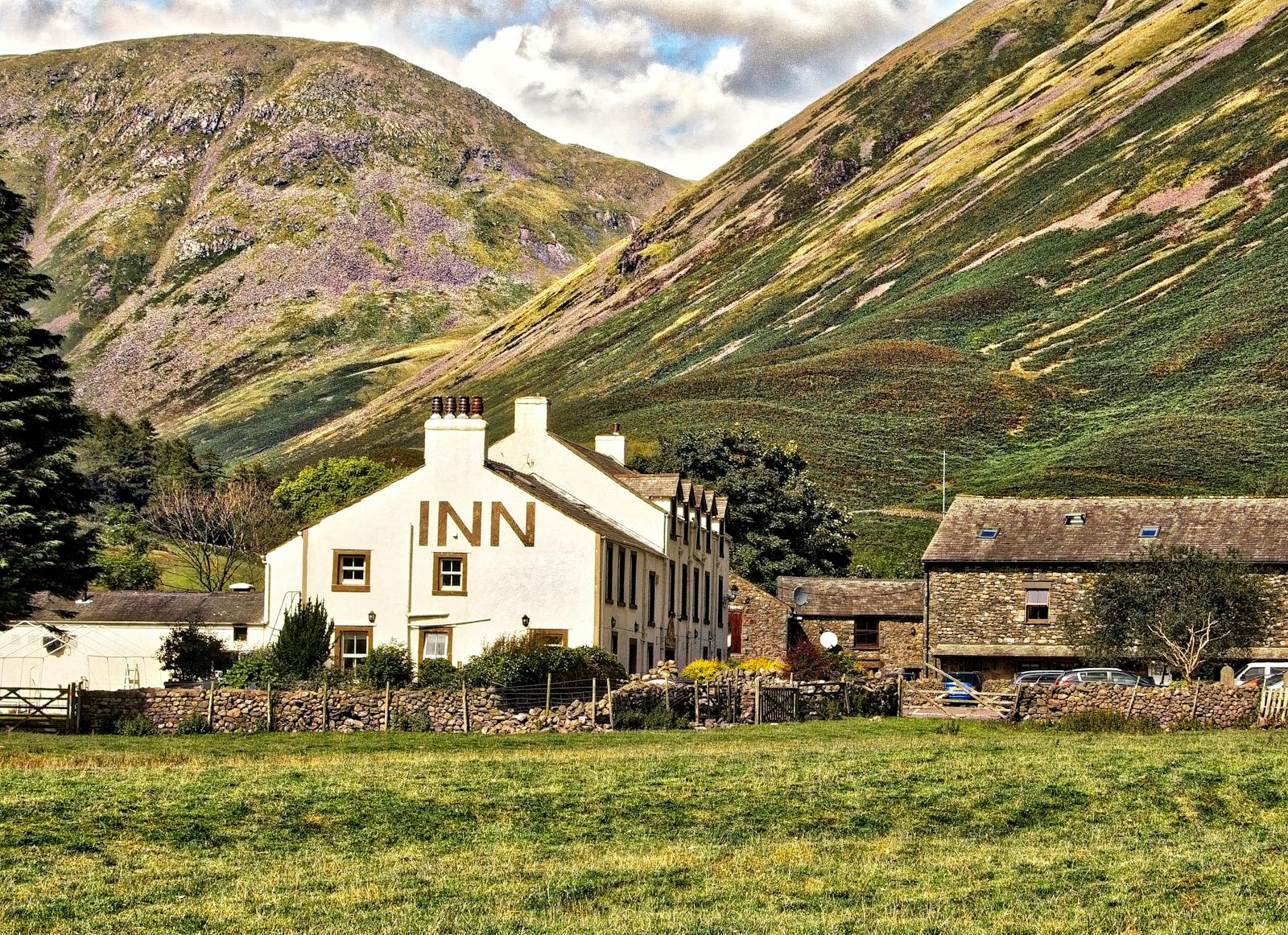
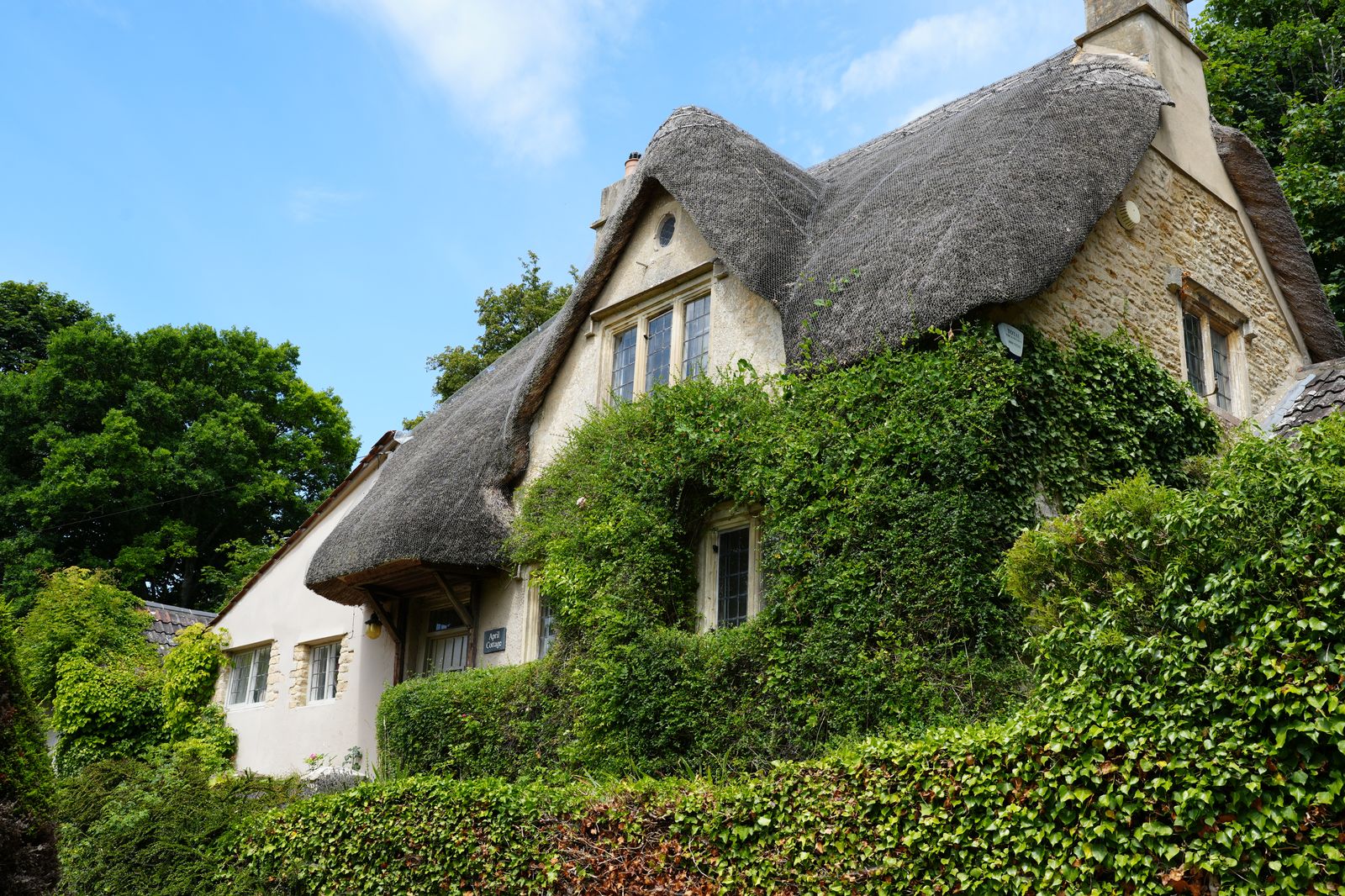
Accommodation along the Cotswold Way is mostly B&Bs, village inns and small hotels, with the larger towns offering the widest choice. Key overnight bases include Chipping Campden, Broadway, Winchcombe, Cheltenham (a short hop off-route), Painswick, Stroud, Dursley, Wotton-under-Edge and Bath, with smaller villages in between. The honey-stone inns and farmhouse B&Bs are part of the pleasure of the walk, offering a warm welcome, a hearty breakfast and often a good dinner.
The catch is that some stretches have limited accommodation, so you may need to stay slightly off-route and use a taxi or local bus to bridge the gap, or adjust your daily mileage to match where the beds are. Hostels and campsites exist but are sparse, so most walkers rely on indoor accommodation. Book early, especially in spring and summer, as the best places fill months ahead. Our guides to Cotswold B&Bs and where to stay in the Cotswolds have more options.
Luggage Transfer: Walk With a Daypack
One of the best decisions you can make is to use a luggage-transfer service, which moves your main bag from one night’s accommodation to the next while you walk with only a light daypack. On a hilly 102-mile trail, this transforms the experience, sparing your back and knees and letting you enjoy the walking rather than enduring it. Several companies serve the Cotswold Way, and most self-guided holiday packages include the service as standard.
If you are walking independently, you can book a transfer service directly: you leave your bag at your accommodation in the morning and it is waiting at the next one by the time you arrive. Your daypack then needs only water, snacks, a map, a waterproof and a few essentials. It costs extra, of course, but most walkers who try it never go back to carrying everything. Arrange it in advance and confirm the pick-up and drop-off details with each accommodation.
Getting To the Start and Home From the Finish
Because the Cotswold Way is linear, transport to the start and from the finish takes a little thought, but it is very doable by public transport. For the classic north-to-south walk, the nearest railway stations to the Chipping Campden start are Moreton-in-Marsh and Honeybourne, both a short bus or taxi ride away. The Bath finish could not be easier, as Bath Spa is a major station with fast trains to London, Bristol and beyond, so you can step off the trail and onto a train home.
This is one reason many walkers prefer the north-to-south direction: it ends at a well-connected city. If you drive to the start, you will need to get back to your car at the end, so either leave it at the Bath end and travel to the start by train and bus, or use one of the transfer services. Buses serve many of the towns along the route, useful for bridging accommodation gaps. Our guide to getting to and around the Cotswolds has the transport details.
Planning Your Daily Stages
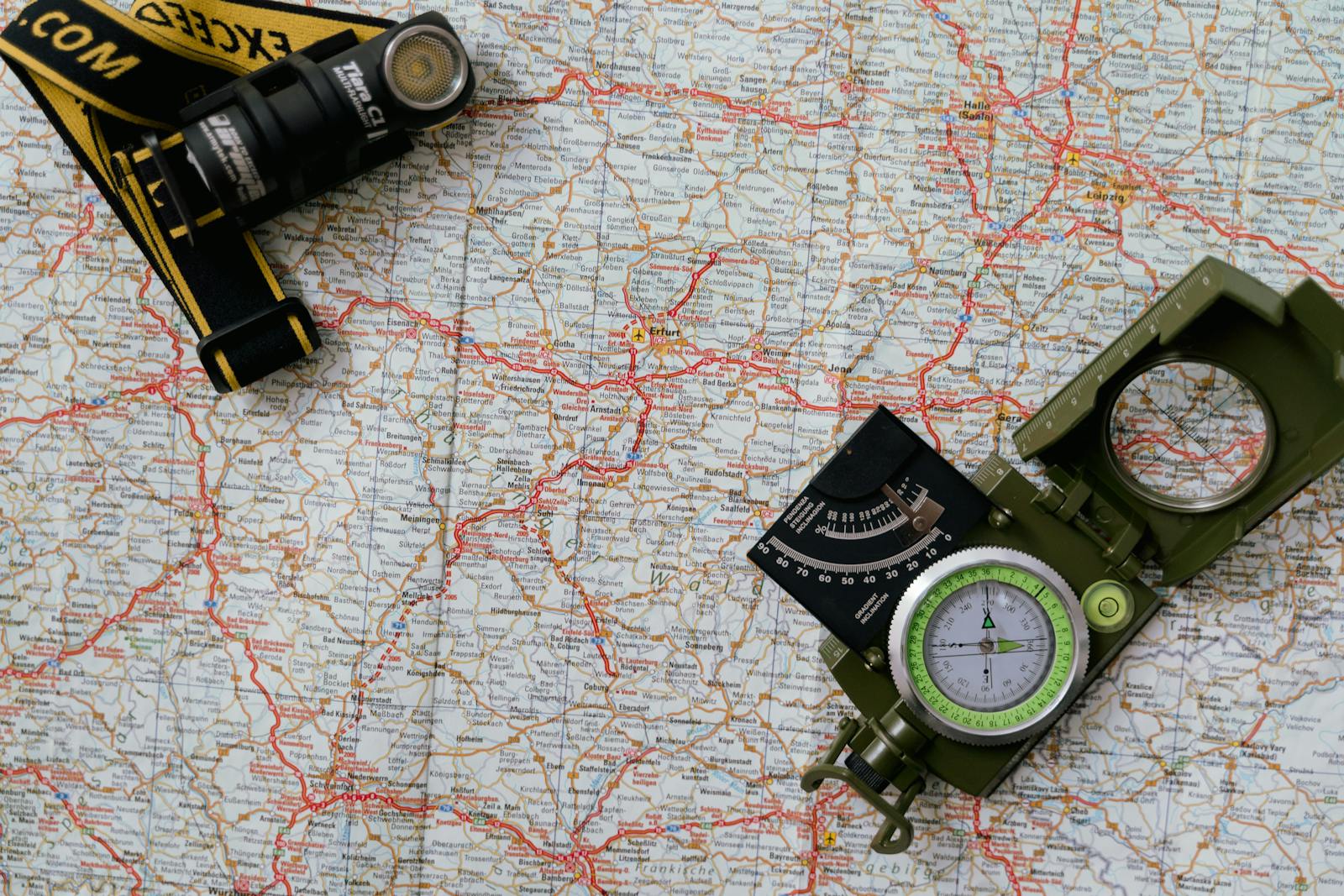
Most walkers complete the Cotswold Way in seven to ten days, giving daily distances of around ten to fifteen miles. The trail is hilly, with a lot of cumulative ascent up and down the escarpment, so the mileage feels harder than the same distance on the flat; be realistic and err on the side of shorter days, especially early on while you find your rhythm. Faster, fitter walkers do it in less, while others take a fortnight and savour it.
The smart way to plan is to let the accommodation set your stages: work out where there are beds, then divide the route to end each day at one of those places, rather than fixing arbitrary mileages first. Build in a rest day or two on a longer trip, plan an easier finish on the hardest stages, and keep some flexibility for weather. Walking the route in sections, over a series of weekends or short breaks, is also a popular and practical alternative to one continuous trip.
When to Walk and When to Book
The best months for the Cotswold Way are late spring and early autumn: May, June and September offer long daylight, settled weather, firmer paths and fewer crowds, with spring flowers or autumn colour as a bonus. High summer is popular but can be hot for long, exposed days and busy in the honeypot villages, while winter walking is possible but means short daylight, mud and reduced accommodation, so most walkers stick to the April-to-October season.
Whenever you go, book accommodation as far ahead as you can, particularly for spring and summer and around bank holidays, as the limited B&Bs and inns on the popular stages fill months in advance. If you are using luggage transfer or a self-guided package, book that early too. A little forward planning is the single biggest factor in a smooth, enjoyable Cotswold Way walk. Our guide to the best time to visit the Cotswolds has more on the seasons.
Types of Accommodation and What to Expect
The backbone of Cotswold Way accommodation is the bed and breakfast, from farmhouses and village homes to small guesthouses, typically offering a comfortable room, a generous cooked breakfast and a warm, personal welcome. Many are run by people well used to walkers, happy to dry your boots, fill a flask or point you to the path in the morning. Village inns with rooms are the other classic option, with the bonus of dinner and a pint downstairs without having to go out again.
In the towns you will also find small hotels and, at the Bath and Cheltenham ends, a full range up to the luxurious. A few hostels and bunkhouses and some campsites exist for budget walkers, but they are sparse and rarely fall exactly where you need them, so most people mix and match. Wherever you stay, ask about an evening meal or the nearest pub when you book, as some villages have no other option for dinner. Our guides to Cotswold B&Bs and budget accommodation have more.
Suggested Stage Plans
As a starting point, a comfortable seven-to-eight-day plan might run Chipping Campden to Stanton or Winchcombe, on to Cheltenham or Dowdeswell, then Painswick, Stroud or King’s Stanley, Dursley, Wotton-under-Edge, Tormarton or Old Sodbury, and finally into Bath. The exact splits depend entirely on where you can find beds, which is why the rule is always to fix your accommodation first and let it define the stages, rather than the other way round.
If you want gentler days, stretch the same route to ten days or more by adding overnight stops and trimming the longest, hilliest stages, which is well worth it on the demanding middle section. Conversely, strong walkers can compress it into five or six long days. Add a rest day in Cheltenham, Stroud or Bath if you fancy a break, and remember you can always walk the route in sections over several visits rather than in one continuous push.
What to Pack for the Cotswold Way
If you are using luggage transfer, your daypack needs only the essentials for the day: water, snacks or a packed lunch, a map or GPS, a waterproof jacket, a warm layer, sun cream and a small first-aid kit. Your transferred bag can hold everything else, evening clothes, washkit, chargers and a change of footwear to rest your feet in the evening. If you are carrying everything yourself, keep the total weight down ruthlessly, as every kilo tells over the escarpment’s climbs.
Footwear is the priority: sturdy, well-broken-in walking boots or shoes with good grip, plus quality socks, as the paths can be muddy and the descents hard on the feet. Pack for changeable weather whatever the forecast, bring walking poles if you like them for the descents, and carry a power bank to keep your phone and navigation app going. Get the kit right and the walking is a pleasure; get it wrong and even the prettiest stage becomes a slog.
Budgeting Your Walk
The cost of walking the Cotswold Way depends mostly on your accommodation and whether you self-cater or eat out. B&Bs and inns are the biggest expense, multiplied by your number of nights, so a longer, gentler trip costs more in beds than a faster one. Add luggage transfer if you use it, your evening meals (often the second-biggest cost, as many B&Bs do not provide dinner), lunches and the train and bus fares to and from the trail.
You can trim the budget by choosing simpler B&Bs over hotels, carrying your own bag, making packed lunches and using the occasional hostel or campsite, or push the other way for a more comfortable trip with smarter hotels and a self-guided package that bundles it all together. Whatever your budget, work it out per night before you commit, and book early to secure the better-value places, which go first. Our guide to budget accommodation in the Cotswolds can help keep costs down.
Walking the Cotswold Way in Sections
You do not have to walk all 102 miles in one go. Many people tackle the Cotswold Way in sections, over a series of day walks, weekends or short breaks, returning to pick up where they left off. This spreads the cost, lets you choose good weather, and fits the trail around the rest of life, which is ideal if you cannot take a week or more off at once. The well-placed railway stations and bus routes along the way make section-walking surprisingly practical.
Good natural break points include Broadway, Winchcombe, Cheltenham, Painswick, Stroud and Wotton-under-Edge, several of which have public transport links to get you back to your car or onward home. Walked this way, individual stretches such as Chipping Campden to Broadway or Winchcombe to Cheltenham make superb linear day walks in their own right, with a pub or station at the end. Our guide to the best long-distance walks in the Cotswolds has more on tackling routes in sections.
Safety and a Few Final Tips
The Cotswold Way is not a wilderness trail, but the escarpment is exposed and the weather can turn, so take the usual sensible precautions: check the forecast, carry waterproofs and warm layers, set off early enough to finish each stage in daylight, and tell someone your plans. Carry enough water and food, as some stages pass few shops or pubs, and check the National Trail website for any current path diversions before you set out.
Above all, be honest about your fitness when planning the stages, build in some slack, and do not be afraid to shorten a day or take a bus if the weather or your legs demand it. The Cotswold Way is there to be enjoyed, not endured. With your accommodation booked, your bags sorted and your stages sensibly planned, you are free to soak up one of the finest walking routes in England, mile after glorious mile of honey-stone villages, beech woods and far-reaching escarpment views.
Frequently Asked Questions
How many days does it take to walk the Cotswold Way?
Most walkers take seven to ten days for the 102-mile route, giving daily stages of around ten to fifteen miles. The trail is hilly, so allow for the ascent, and many people walk it in sections over several trips instead.
Which direction should I walk the Cotswold Way?
Most walk north to south, from Chipping Campden to Bath, which keeps the prevailing weather behind you and finishes at well-connected Bath. South to north works too, especially if Bath is easier for you to reach first.
Is there luggage transfer on the Cotswold Way?
Yes. Several companies offer luggage transfer, moving your main bag to your next accommodation so you walk with just a daypack. Most self-guided packages include it, and independent walkers can book it separately. It transforms the experience on a hilly trail.
How do I get to the start and home from the finish?
For Chipping Campden, the nearest stations are Moreton-in-Marsh and Honeybourne, a short bus or taxi away. The Bath finish is served by Bath Spa station, with fast trains to London and Bristol, making north-to-south the easiest direction for public transport.
When should I book accommodation for the Cotswold Way?
As early as possible, especially for spring, summer and bank holidays. Accommodation on the popular stages is limited and fills months ahead, so book your beds, and any luggage transfer or package, well in advance.
Plan Well, Walk Happy
The Cotswold Way rewards good planning more than almost any other trail: sort your stages, beds, bags and transport in advance, and you are free to enjoy 102 miles of glorious escarpment walking. Book early, consider luggage transfer, and let the accommodation shape your daily distances. For the route itself, see our complete Cotswold Way walking guide, and for a fully organised trip, our guide to guided and self-guided walking holidays.