This article contains advertising. My booking links are routed through a partner that adds commission tracking automatically, so if you book through one I earn a commission from the provider, at no extra cost to you. It never affects what I recommend. Affiliate disclosure
Ask ten people when to visit the Cotswolds and you will get ten answers, all of them right. The hills look lovely in May blossom and lovely under January frost, and the place rewards you in every month if you turn up with the correct expectations. The real question is not when the Cotswolds is at its best, but when it is at its best for you.
Because the trade-offs are real. June gives you long golden evenings and full gardens, but also full car parks and peak hotel rates. February hands you whole villages to yourself and snowdrops by the million, in exchange for short days and cold fingers. This guide goes through the year month by month, with honest notes on weather, crowds, prices and what is actually happening, so you can match the season to the trip you want. It pairs naturally with our wider complete guide to visiting the Cotswolds.
The short version: when to visit the Cotswolds
If you want the answer before the detail, here it is. For the best balance of decent weather and bearable crowds, aim for May, June or September. For the warmest weather, that is July and August, the school summer holidays, so book ahead. For peace and the lowest prices, go in January, February or November, and pack for the cold. For autumn colour, target mid-October into early November. And for Christmas-card frost and festive markets, December is the one.
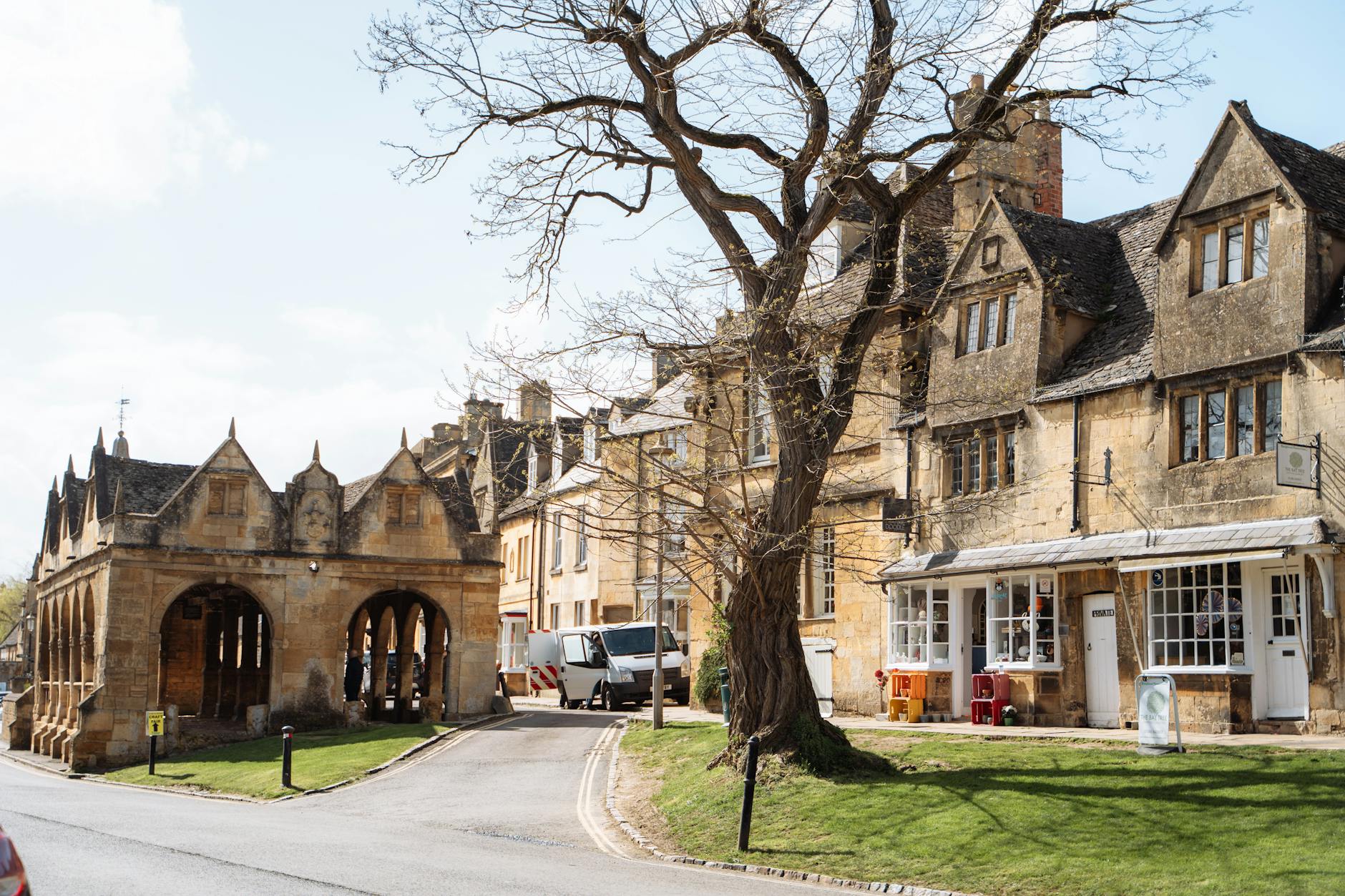
One thing worth saying up front: crowd levels in the Cotswolds are wildly uneven. Even in the busiest week of August, the famous trio of Bourton-on-the-Water, Bibury and Broadway can be heaving while a village ten minutes away sits empty. Where you go matters as much as when. Our roundup of the prettiest villages in the Cotswolds flags the quiet alternatives to the honeypots.
Spring in the Cotswolds (March to May)
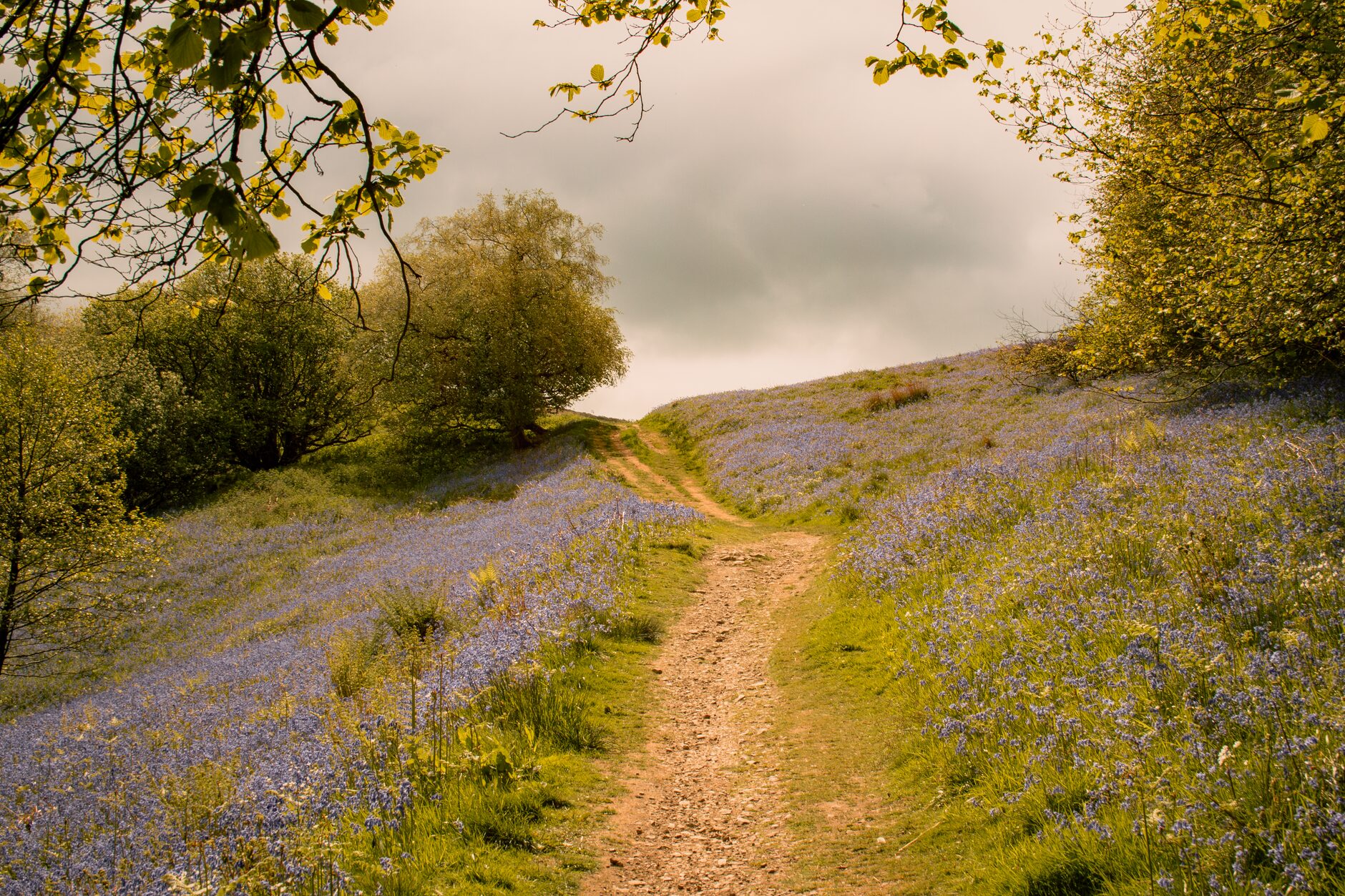
Spring is when the region shrugs off winter and turns vivid. The wolds green up almost overnight, cottage gardens fill with daffodils and then tulips, lambs appear in the fields, and the woods stage their bluebell show. Days lengthen fast, attractions reopen for the season, and the crowds have not yet arrived in force. For many regulars, this is the loveliest stretch of the year.
March
Early spring, and the verges and churchyards fill with daffodils. Snowdrops belong to late winter, and by now the daffodils are taking over at gardens like the Painswick Rococo Garden; check the garden’s website for flowering updates. Average highs sit around 10 to 11°C, with cold mornings and changeable skies, so layers and a waterproof are essential. Visitor numbers are still low, which makes March a fine month for unhurried village walks. The Cheltenham Festival, the big jump-racing meeting, fills Cheltenham for four days in the middle of the month, but it barely touches the wider countryside beyond a few busier pubs.
April
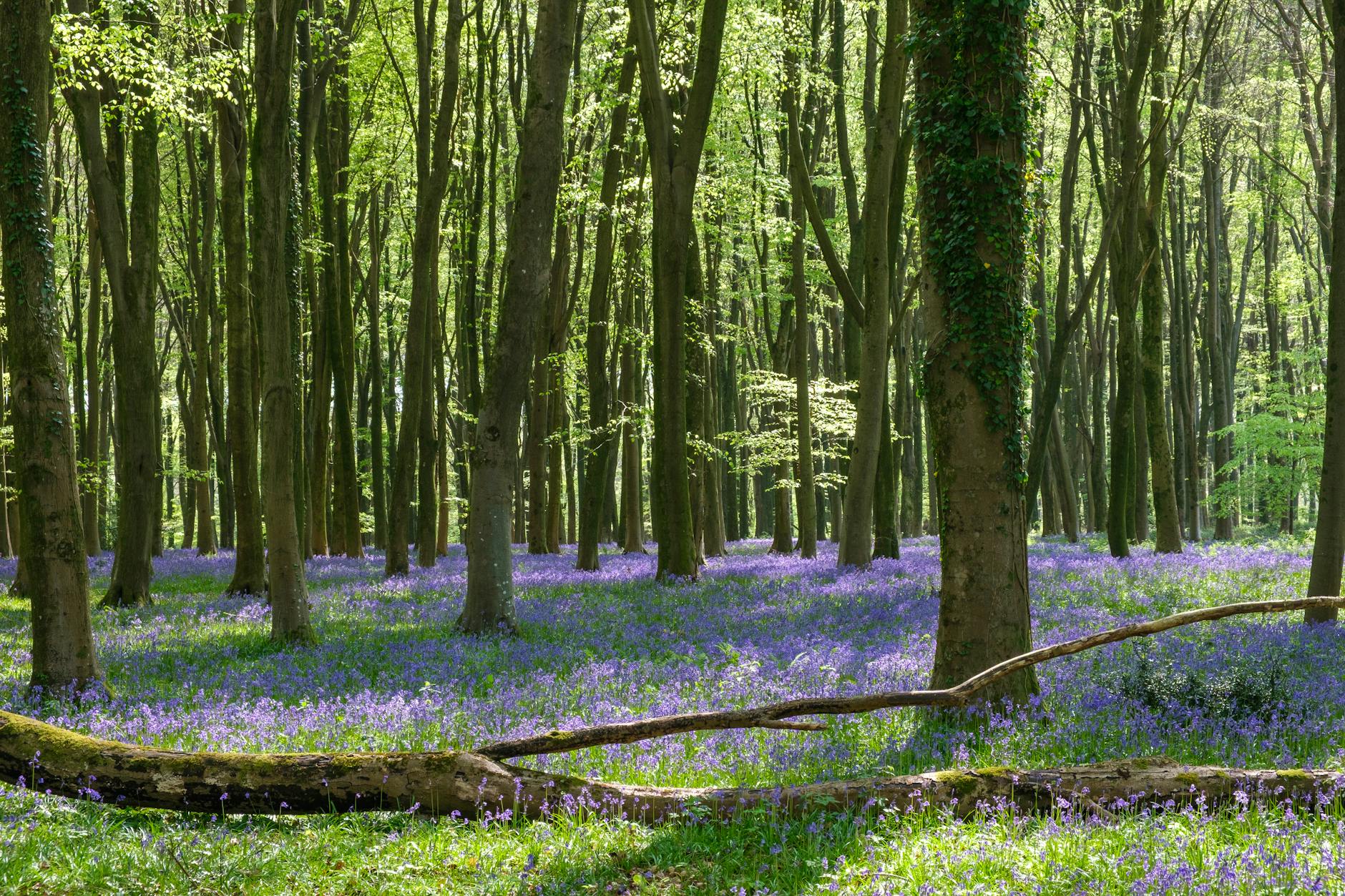
April is genuinely beautiful here, and it is when the bluebells start to carpet the woodland floors. The hanging beechwoods around Painswick and the woods near Chedworth are among the best places to catch them, usually from mid-month onwards. Gardens such as Hidcote, Kiftsgate and Batsford come into their spring colour. Average highs climb to around 13°C, but April weather is famously two-faced, sunshine and a sharp shower within the same hour, so do not be caught out. Easter is the first holiday weekend of the year, so book ahead if you want a room in a popular village such as Bourton-on-the-Water or Broadway.
May
May is hard to beat. The countryside is at its freshest green, hawthorn blossom froths in the hedges, wildflowers fill the verges and the bluebells peak early on. The weather is often warm and bright without the heavy heat of summer, and the light in the evenings is long and kind. There are two bank holidays, at the start and end of the month, and those weekends get busy, but a midweek visit in May is about as good as the Cotswolds gets. The events calendar wakes up too, with food festivals, open gardens and village fêtes filling the diary; our guide to Cotswolds events and festivals tracks what is on.
Summer in the Cotswolds (June to August)
Summer is peak season, and it earns the title. The days are at their longest, the weather at its warmest, and the calendar bursting with shows, fêtes and open-air events. The cost is real: busier roads and fuller villages. Handled well, with early starts and clever choices about where to go, a summer trip is a joy. Handled badly, it is a queue for a car park in Bourton at noon.
June
June brings the longest days of the year, with light lingering past nine in the evening. Roses tumble over the honey-stone cottages, and the lavender at Cotswold Lavender near Snowshill usually begins to colour up towards the end of the month. Average highs are around 19°C. The schools have not yet broken up, so while numbers are rising, the worst of the crush is still to come. It is a wonderful month for pairing village wandering with long evening walks, and weddings fill the country-house hotels, so book ahead if you want a room.
July
School holidays begin in the second half of July and families arrive in number. Average highs sit around 21°C and can push well past 25°C in a hot spell. The lavender fields near Snowshill are usually at or near their peak, a glorious sight but a popular one, so go early or late in the day. The honeypot villages, Bourton, Bibury and Broadway above all, are very busy from mid-morning to mid-afternoon; the trick is to see them before ten or after four and spend the middle of the day somewhere quieter. Accommodation fills up, so book well ahead.
August
August stays busy right through the school holidays. The harvest gets going in the fields, giving the wolds a golden, stubbled look, and food and drink events fill the calendar. Average highs hold around 21°C. Book ahead for the late August bank holiday weekend. If you are travelling in August, do yourself a favour and lean on the lesser-known villages, places like Guiting Power, Naunton and Stanton, where you can still find a quiet lane and a free table at the pub. For ideas on filling the days, our guide to how many days you need in the Cotswolds helps shape a summer itinerary.
Autumn in the Cotswolds (September to November)
Autumn might be the most underrated season here. The summer crowds melt away when the schools go back, the light turns golden and low, and the food scene hits its stride with harvest menus and game on the board. The walking is at its best, with comfortable temperatures and long views, and the woods put on a show in October that rivals anything in England.
September
September is the other sweet spot alongside May, and arguably the better of the two. The children are back at school, visitor numbers drop sharply, and the weather is frequently still warm and settled. Average highs are around 18°C. Harvest is in full flow, so farm shops and restaurants lean into seasonal produce, and the Saturday farmers’ market at Stroud is at its most abundant. The countryside is just beginning to turn, hotel and cottage prices ease back from the summer peak, and the visibility for walking is superb. If you can only escape once in the second half of the year, make it September.
October
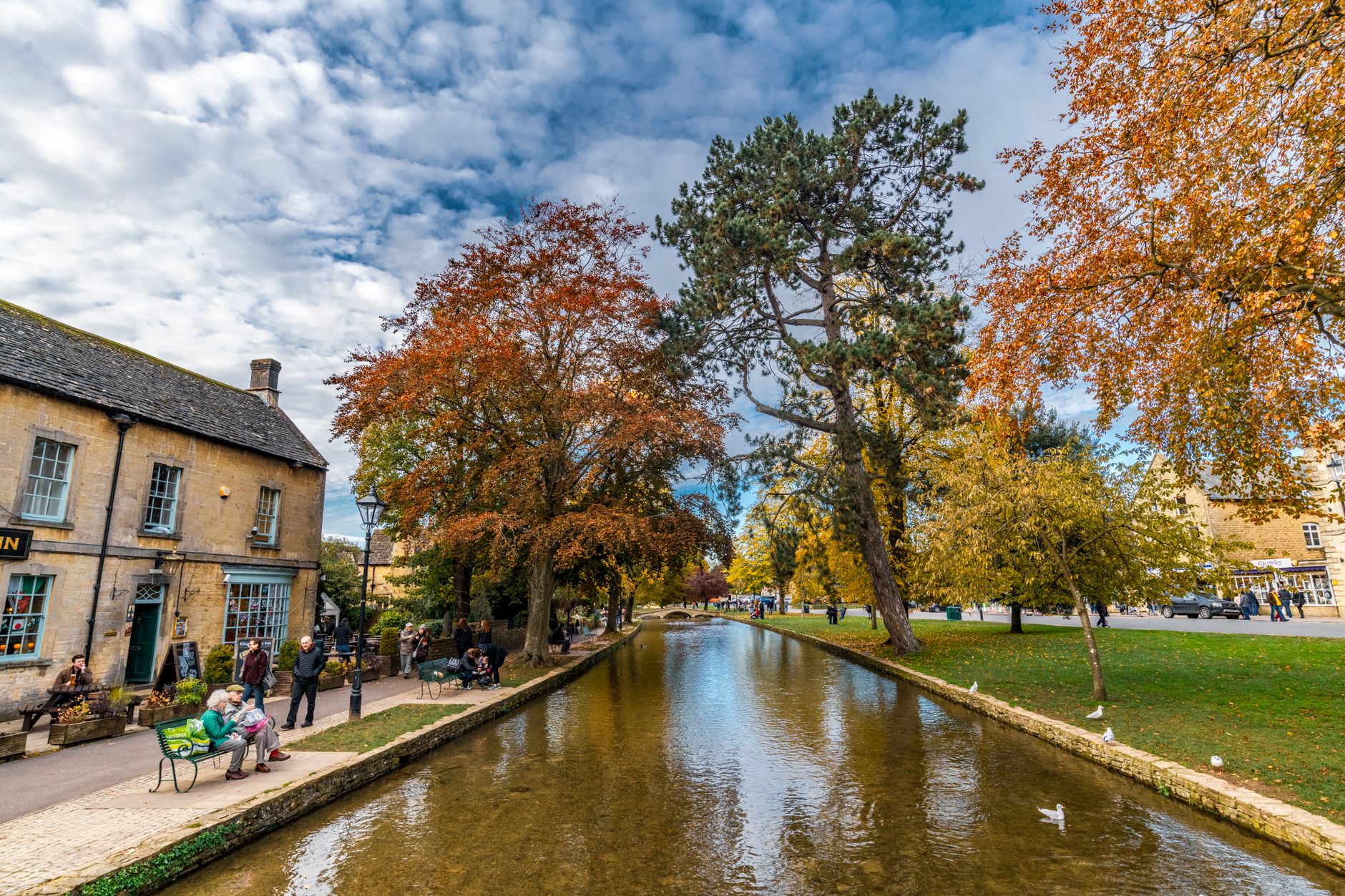
Peak autumn colour, and it is spectacular. From the middle of the month the arboretums at Westonbirt and Batsford blaze with red, orange and gold, drawing visitors from across the country, and the beechwoods along the escarpment glow. Average highs slip to around 14°C, and the half-term week towards the end of October brings a brief bump in numbers. This is prime time for conker-strewn walks finished off with a pub lunch beside a freshly lit fire. It suits walkers and couples especially well; you will find more on the seasonal calendar in our events and festivals guide.
November
Quieter, colder and deeply atmospheric. Early November still holds some autumn colour before the leaves come down. Bonfire Night on the fifth is marked in villages and towns across the region, and the average highs drop to around 9°C. The days shorten markedly, so plan your daylight. Festive events start in mid-month: in 2026 Blenheim’s Christmas season and market begin on 13 November, and Cirencester’s Advent Markets run on 28–29 November. Rooms are usually easy to book now, which makes November the month for anyone who values empty footpaths, a warm pub and complete quiet over long hours of daylight.
Winter in the Cotswolds (December to February)
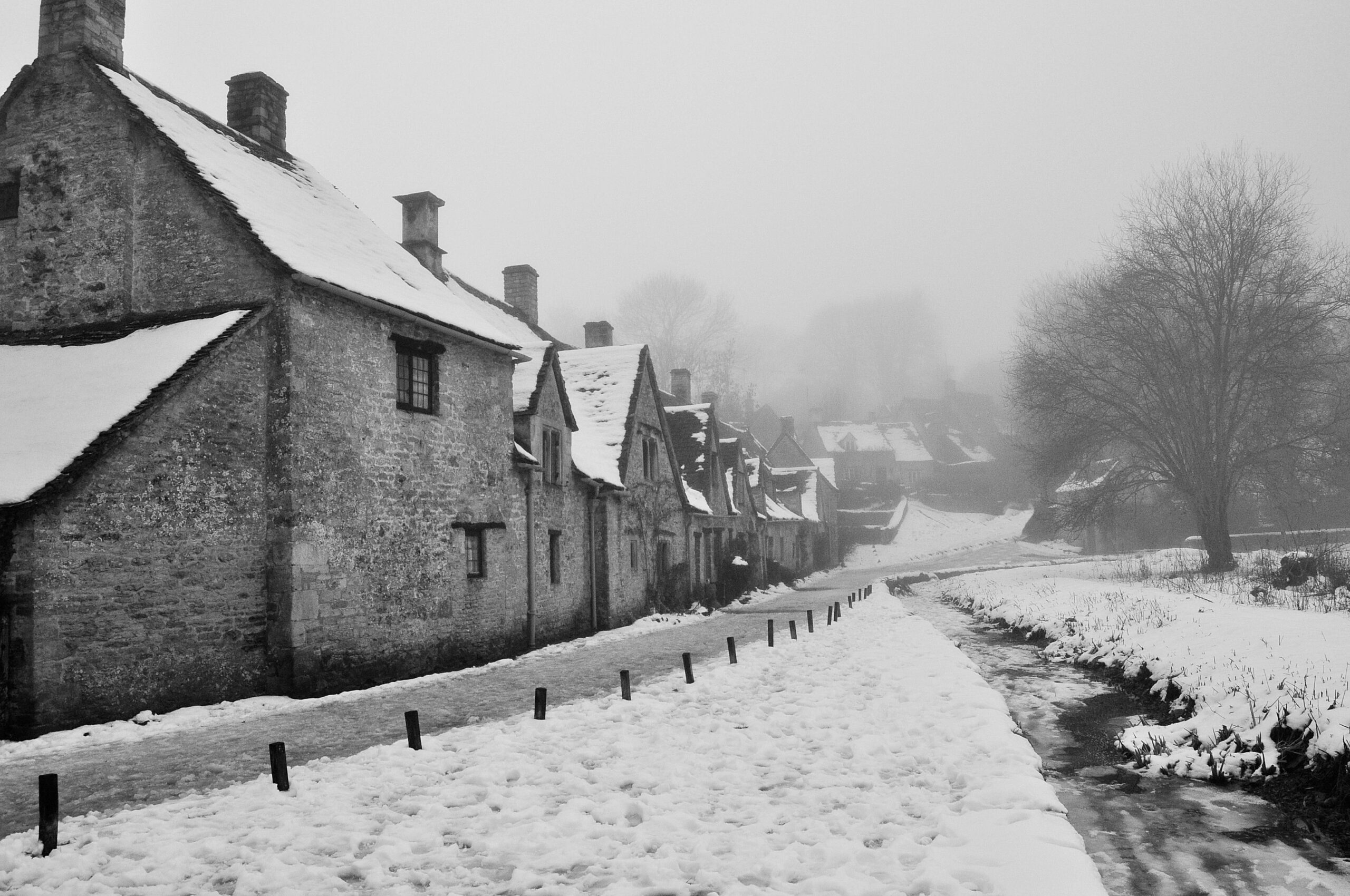
Winter turns the Cotswolds into something special and quietly magical. Frosted mornings, smoke curling from chimneys, empty lanes and log fires in low-beamed pubs: this is the season that surprises people. It can rival any summer visit, provided you accept short days and dress for the cold. And it has two genuine draws all of its own, Christmas and the snowdrops.
December
Christmas in a honey-stone village is hard to beat. Festive markets pop up in Cirencester, Chipping Campden, Broadway and at Blenheim Palace, and the independent shops of Tetbury, Stow and Burford dress their windows and stock gifts you will not find on any high street. Average highs are around 7°C, with frosty mornings common and the occasional, magical dusting of snow. Many hotels and restaurants run festive packages, so a winter break here can feel properly indulgent. Couples in particular do well; see our guide to romantic Cotswolds breaks.
January
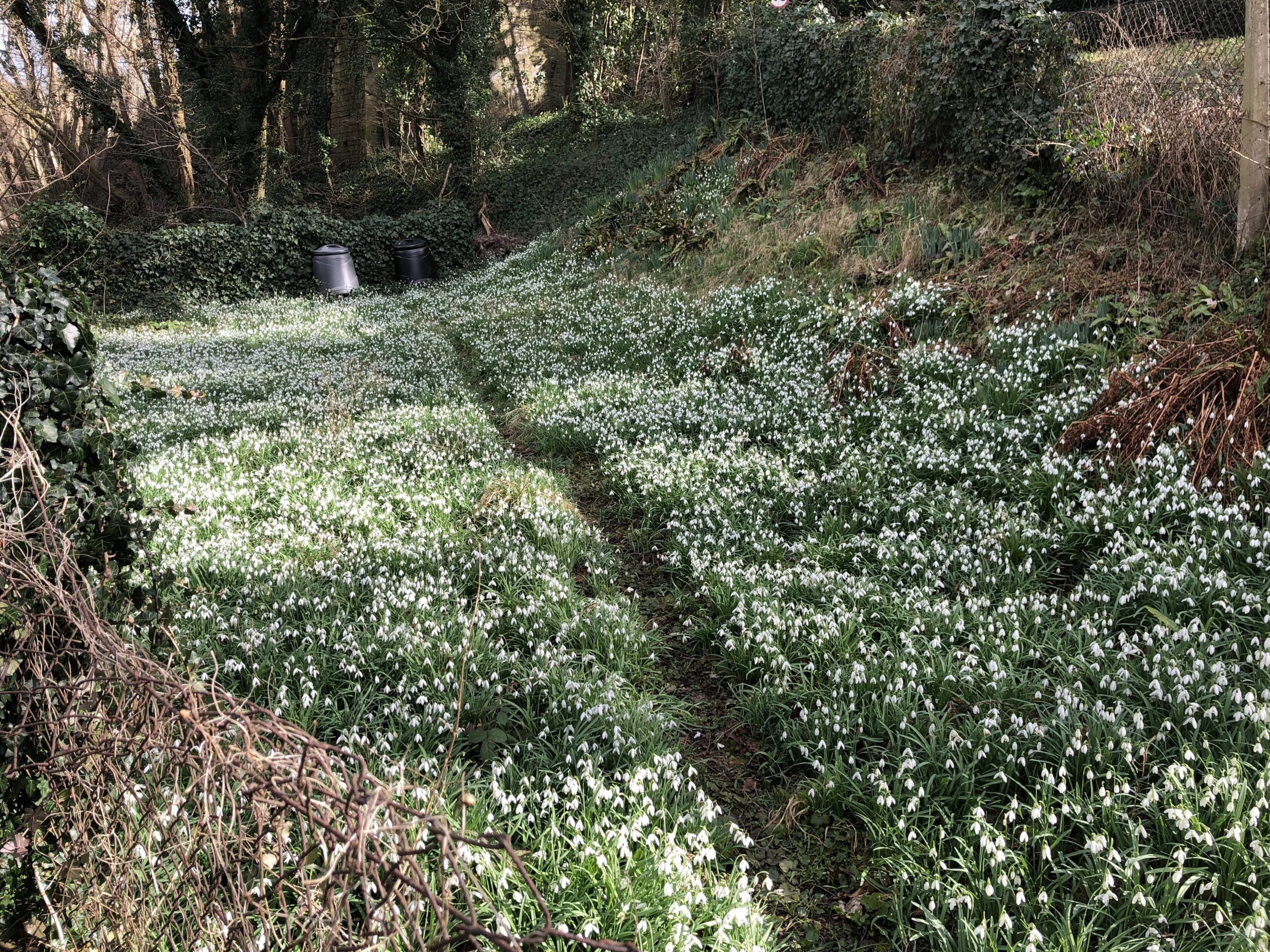
The quietest month of the lot. Villages are hushed, and the bare winter landscape has a stark beauty all its own. Average highs hover around 6°C with frequent overnight frosts, so wrap up. Towards the end of the month the first snowdrops appear, and gardens like the Painswick Rococo Garden and Colesbourne Park become destinations in their own right. If your idea of a good trip is having a whole village to yourself and a footpath with nobody on it, January delivers like no other month.
February
Snowdrop season hits its peak. The slopes of the Rococo Garden in Painswick turn white with millions of flowers, and it ranks among the finest snowdrop displays in the country. The days are noticeably lengthening, and average highs creep back to around 7°C. Valentine’s weekend makes mid-February a popular time for a romantic break, so the best hotels and restaurants book up; outside that weekend it stays very quiet. By the end of the month, spring is not far off.
Cotswolds weather, month to month
The Cotswolds has a temperate maritime climate, mild by most measures but rarely predictable. Average highs reach about 21°C in July and August, winter average lows sit near 1°C and frost is common. Rain falls fairly evenly across the year, though March is the driest month on average and the stretch from October to January the wettest. The western escarpment, catching the weather first, is reliably wetter than the gentler eastern slopes.
The single most useful rule, whatever the month, is to pack layers and a waterproof. A bright Cotswold morning can cloud over and drizzle by lunch, and the reverse happens just as often. Decent waterproof footwear earns its place year-round, because the field paths and village lanes are uneven and turn to mud after rain. For a fuller breakdown and a packing list, see our dedicated guide to Cotswolds weather and what to pack.
Crowds and prices through the year
If you want to dodge the worst of the crowds, the calendar is straightforward. The quietest stretch is November to February, with the obvious exceptions of the Christmas and New Year week and Valentine’s weekend. The shoulder months of March, April (outside Easter), September and October (outside half-term) are moderate. The May bank holidays, the summer school holidays, Easter, October half-term and the Christmas market weekends are the times when it pays to book rooms and tables ahead.
Prices track the crowds closely. In the low season from November to February, excluding Christmas, rates are usually lower than at peak times, and many hotels push winter packages to fill rooms. The shoulder seasons offer the best value of all, with reasonable prices and frequently lovely weather. High season, from May through August plus Christmas and Easter, commands premium rates, and the best places book up two to three months ahead. Whatever the season, midweek nights are usually cheaper than weekends, so a Sunday-to-Thursday stay is worth pricing against Friday and Saturday. For more ways to keep costs down, see our guide to the Cotswolds on a budget, and for help planning the route, our Cotswolds itineraries.
Best time to visit for what you want to do
Different trips suit different seasons, so it helps to start from what you actually want out of the visit.
For walking: September and October are hard to beat, with comfortable temperatures, firm-ish ground and clear long-distance views from the escarpment. May is the spring equivalent. Our guide to walking and hiking in the Cotswolds has routes for every level.
For gardens and flowers: late winter for the snowdrops, April and May for bluebells and spring borders, June and July for roses and lavender. The big arboretums save their best for October.
For food and drink: autumn, when harvest produce and game fill the menus and the farmers’ markets are at their richest. The Cotswolds food and drink scene is good year-round, but September and October are its high point.
For families: the summer holidays are busiest but also when outdoor attractions, festivals and long daylight make life easiest with children. Our guide to Cotswolds family holidays goes into detail.
For peace and a bargain: January, February and November, every time. You trade daylight and warmth for empty villages, open footpaths and the lowest prices of the year.
Frequently Asked Questions
What is the best month to visit the Cotswolds?
May and September are widely held to be the best, both offering pleasant weather, fine scenery and fewer crowds than the summer peak. May edges it for wildflowers and bluebells; September for harvest produce, early autumn colour and reliably quiet villages once the schools go back.
Is the Cotswolds worth visiting in winter?
Very much so. Winter brings frosty landscapes, log fires, empty walking trails, the lowest accommodation prices and the magic of Christmas markets in honey-stone towns. January’s snowdrops and February’s lengthening days have a quiet beauty of their own. Just pack warm layers and plan around the short daylight hours.
When is lavender season in the Cotswolds?
Cotswold Lavender near Snowshill typically flowers from mid-June to early August, with the colour usually at its peak in late June and July. Bloom times shift with the weather each year, so check the farm’s website before travelling, and go early or late in the day to beat the crowds.
When are the Cotswolds least crowded?
January and February are the quietest months, followed by November. For pleasant weather with thinner crowds, aim for midweek visits in May, early June or September, and favour the lesser-known villages over the famous honeypots at any time of year.
Does it rain a lot in the Cotswolds?
Rainfall is moderate and spread fairly evenly through the year, much like the rest of southern England, and the region is not notably wetter than London or Oxford. The western escarpment catches more than the eastern slopes. Always pack a waterproof, but do not let the prospect of a shower put you off, as some of the most atmospheric moments here happen under grey skies.
When is the best time to avoid crowds but still get good weather?
The shoulder months are the answer: late April and May before the schools break up, and September into early October once they return. You get a good chance of warm, settled days without the peak-summer crush, and prices that sit below the high-season rates.
Related guides
Plan the wider trip with our complete guide to visiting the Cotswolds and work out the length with how many days you need in the Cotswolds. Check the detail in our Cotswolds weather guide, see what is on through the year with Cotswolds events and festivals, and decide where to base yourself with where to stay in the Cotswolds.
If January appeals — empty villages, frosty walks, log fires and the lowest prices of the year — our guide to the Cotswolds in January covers it in detail, with the month’s weather figures, the 2027 race days at Cheltenham, when the snowdrop gardens open and which attractions close for the winter.
February is the sleeper pick of the winter. The snowdrops are at their peak, the days are noticeably longer and drier than in January, and half term brings lambing at Cotswold Farm Park. Our guide to the Cotswolds in February has the weather figures, the 2027 dates and what is open.