This article contains advertising. My booking links are routed through a partner that adds commission tracking automatically, so if you book through one I earn a commission from the provider, at no extra cost to you. It never affects what I recommend. Affiliate disclosure
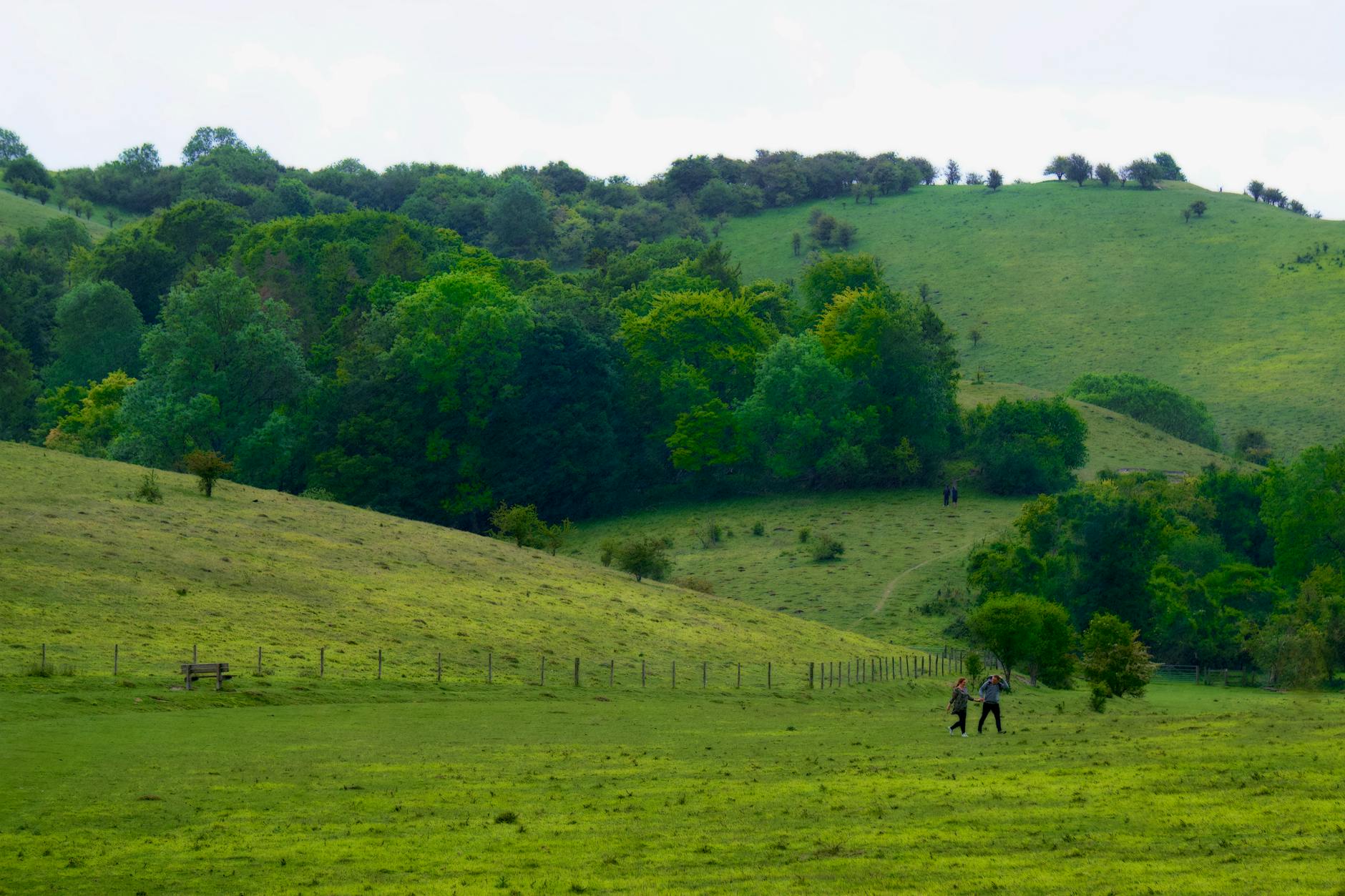
The Cotswolds is one of England’s great walking destinations — a landscape of gently rolling limestone hills, lush green valleys, ancient woodland, wildflower meadows, and a network of over 3,000 miles of public footpaths connecting honey-stone villages that look as though they have not changed in centuries. From the 102-mile Cotswold Way that seasoned long-distance hikers come to tackle to a gentle stroll from village to pub, the Cotswolds offers walking for every ability, every season, and every mood.
This is your complete guide to Cotswolds walks and hiking. We cover the best routes — from famous long-distance trails to our favourite short circular walks — along with practical information on maps, gear, terrain, seasonal conditions, and everything else you need to plan the perfect walking experience in this beautiful corner of England.
For general travel planning, see our Complete Guide to Visiting the Cotswolds. For help finding the right place to stay, see Where to Stay in the Cotswolds, and for refuelling after a long walk, see our Cotswolds Food and Drink Guide.
Why the Cotswolds Is Perfect for Walking
Several factors combine to make the Cotswolds an exceptional walking destination. The terrain is varied but generally moderate — rolling hills and gentle valleys rather than steep mountains, making it accessible to walkers of most fitness levels while still providing enough ascent and descent to feel genuinely satisfying. The landscape is consistently beautiful, with the distinctive Cotswold limestone giving everything — villages, field walls, farm buildings, even the soil — a warm, honeyed glow that makes walking here a visual feast at every step.
The network of public rights of way is extraordinary. Around 3,000 miles of public footpaths crisscross the Cotswolds. You are never far from a path, a village, or a welcoming pub. The villages themselves are one of the great rewards of Cotswolds walking — arriving on foot at a place like Bourton-on-the-Water, Bibury, or Stanton after a morning’s walk through rolling countryside is immeasurably more satisfying than arriving by car.
The Cotswolds is also remarkably well-served by walking infrastructure. Ordnance Survey maps (Explorer OL45 covers the entire Cotswolds), downloadable GPX routes, guidebooks, and waymarked trails make navigation straightforward. Accommodation is abundant and varied — from luxury hotels and charming B&Bs to camping and hostels — and many walking-friendly pubs and tearooms provide the fuel and motivation to keep going.
The Cotswold Way National Trail
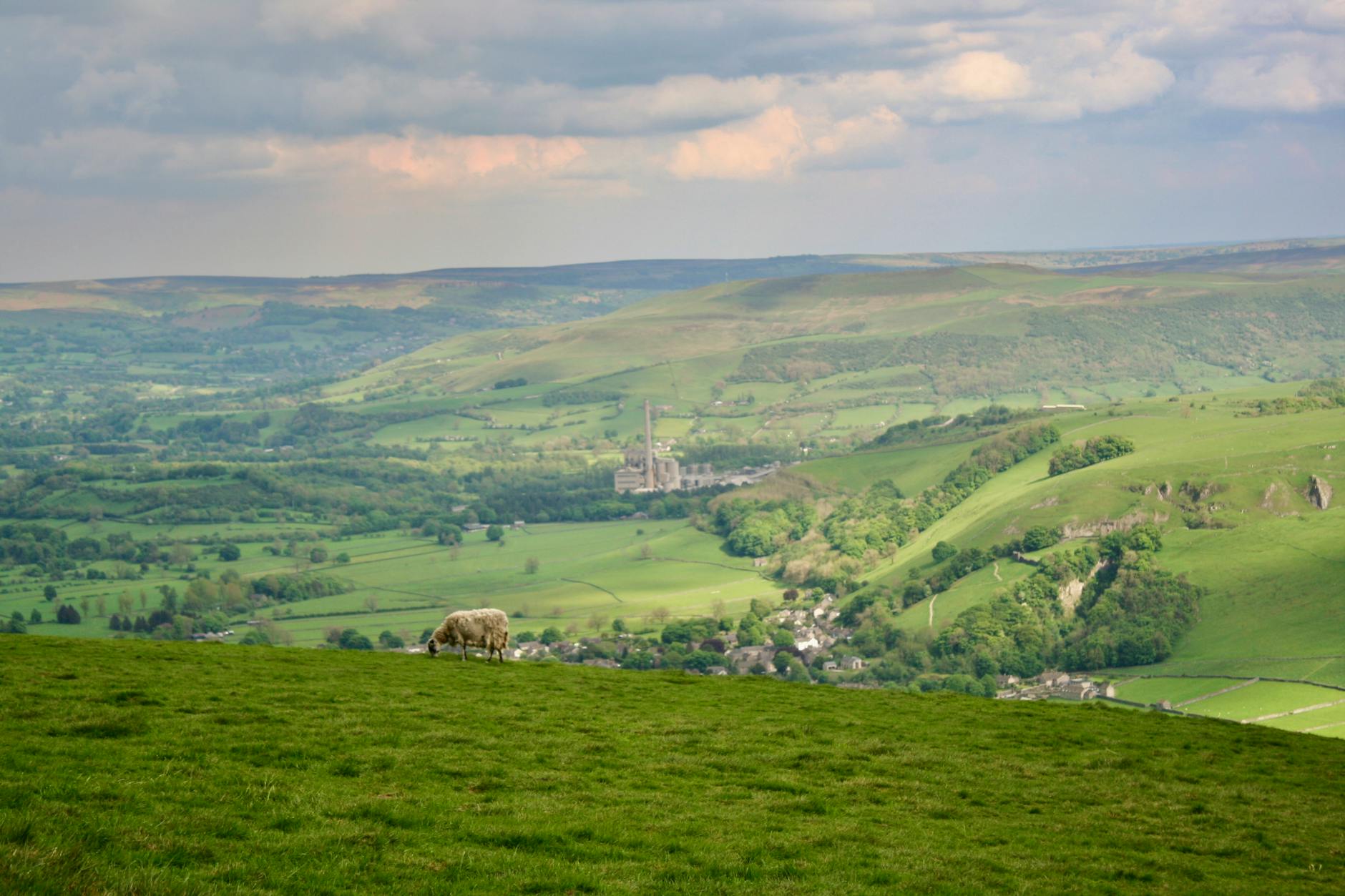
The Cotswold Way is the undisputed flagship walking route of the Cotswolds — a 102-mile (164 km) National Trail stretching from the market town of Chipping Campden in the north to the city of Bath in the south. Designated a National Trail in 2007, it follows the western edge of the Cotswold escarpment, offering some of the most spectacular panoramic views in southern England. On clear days, you can see across the Severn Vale to the Black Mountains and Brecon Beacons of Wales — a magnificent sight.
The trail passes through or near some of the finest villages and towns in the Cotswolds, including Broadway, Winchcombe, Painswick, and Dursley, and visits historic sites ranging from the Neolithic long barrow at Belas Knap to Broadway Tower, the Iron Age hill fort at Cleeve Common, and the Roman city of Bath itself. The terrain is varied — open hilltop ridges, wooded valleys, pastoral farmland, and village streets.
The official guidebook suggests seven to ten days for the Cotswold Way, which works out at roughly 10 to 15 miles per day. A popular itinerary breaks the trail into stages between villages and towns with accommodation. Luggage transfer services allow you to walk with just a daypack while your bags are transported to your next overnight stop — a service that makes the walk accessible to those who do not want to carry a heavy pack.
The best time to walk the Cotswold Way is May to October. Late spring (May and June) offers long days, wildflowers, and manageable temperatures. Summer brings the warmest weather and the longest daylight. September and October are excellent — quieter trails, beautiful autumn colours, and typically pleasant weather. Winter walking is possible but some sections can be very muddy and slippery, and shorter daylight hours limit your daily distance.
For our comprehensive route guide with stage breakdowns, maps, and accommodation recommendations, see The Cotswold Way: Complete Long-Distance Walking Guide. For logistics planning, see Walking the Cotswold Way: Accommodation and Logistics Guide.
Best Short Walks in the Cotswolds
You do not need to commit to a multi-day trek to enjoy world-class walking in the Cotswolds. Some of the most rewarding walks in the region are short circular routes that can be completed in a morning or afternoon, leaving the rest of the day free for village exploring, pub lunches, or visiting attractions.
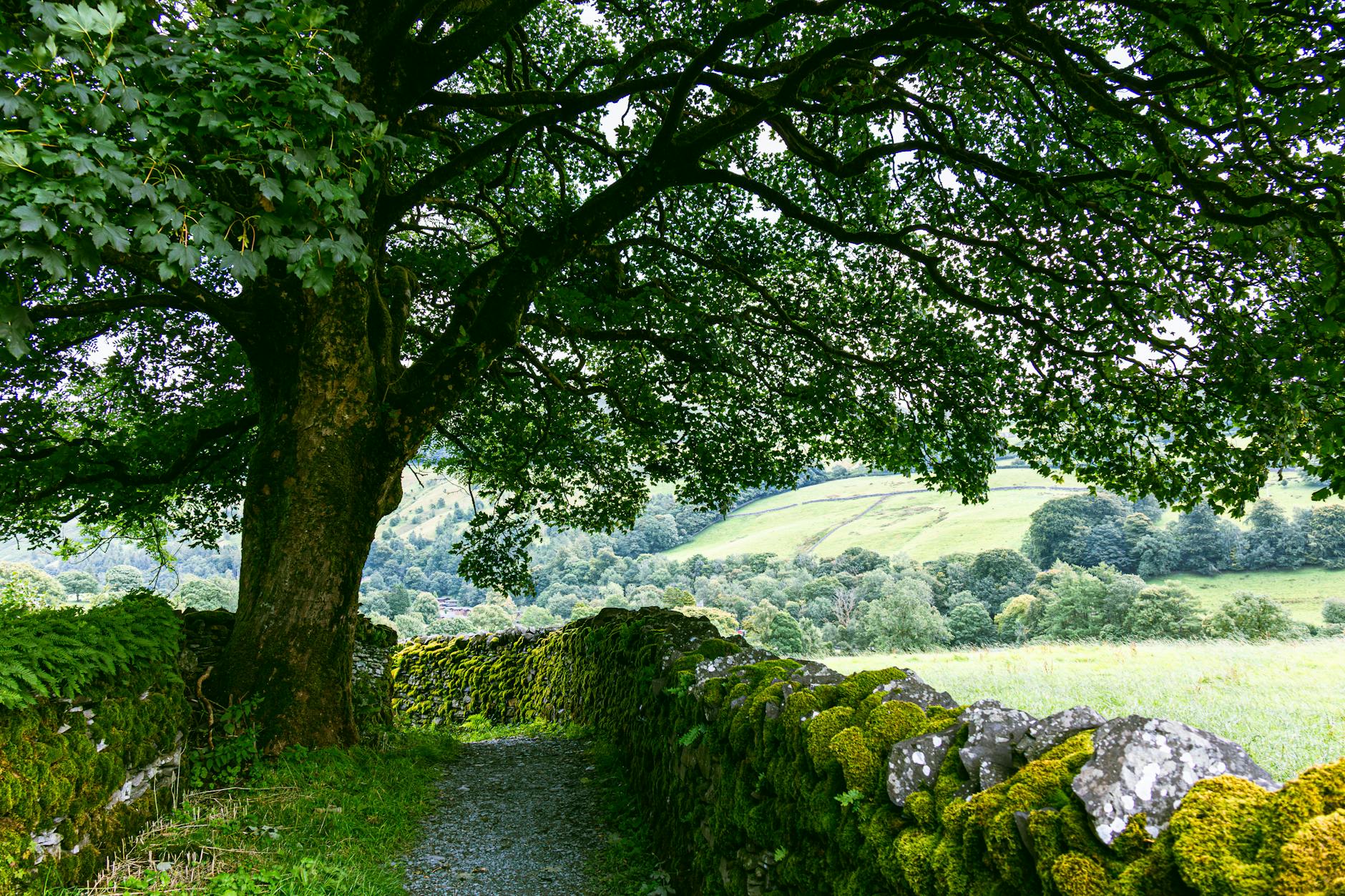
Bourton-on-the-Water to the Slaughters. This gentle circular walk is one of the most popular in the Cotswolds — and for good reason. Starting from Bourton-on-the-Water, you follow the River Windrush through water meadows to Lower Slaughter, with its picture-perfect millpond and stone cottages. Continue upstream along the River Eye to Upper Slaughter, then return to Bourton via quiet lanes and field paths. The walk is mostly flat, well-waymarked, and passes through some of the most beautiful scenery in the Cotswolds. Take it at a leisurely pace, with time to stop in both Slaughters.
Broadway and Broadway Tower circular (4 miles). This rewarding walk climbs from the elegant village of Broadway to the iconic Broadway Tower — an 18th-century folly perched at 1,024 feet, the second-highest point in the Cotswolds. The National Trail grades the circuit moderate, with some steep sections and stiles, and the panoramic views from the top are wide on a clear day. Allow 2½ to 3 hours without stops.
Chipping Campden to Dover’s Hill (4½ miles). A circular walk from Chipping Campden, home to the finest High Street in the Cotswolds, up to Dover’s Hill — a natural amphitheatre managed by the National Trust with magnificent views across the Vale of Evesham. This is the first section of the Cotswold Way and includes some moderate climbing. The views from the top are among the finest in the Cotswolds. Allow 2½ to 3½ hours, or 1½ to 2½ hours on the shorter 3-mile option.
Painswick to Painswick Beacon. Starting from Painswick, the “Queen of the Cotswolds,” this circular walk climbs to Painswick Beacon — a former Iron Age hill fort with spectacular 360-degree views across the Severn Vale to the Malvern Hills and the Forest of Dean. The route passes through Painswick’s famous yew-lined churchyard and across open common land.
Bibury circular via Coln St Aldwyns (6 miles). A beautiful walk through the Coln Valley, starting from Bibury‘s famous Arlington Row, following the crystal-clear River Coln through water meadows to the pretty village of Coln St Aldwyns, and returning via quiet lanes and field paths. Mostly flat and easy going. Allow about 3 hours.
For our full collection of short routes, see Best Short Walks in the Cotswolds Under 5 Miles.
Best Circular Walks (5 to 12 Miles)
For walkers seeking a more substantial day out, the Cotswolds offers excellent circular walks in the 5 to 12 mile range — long enough to feel like a proper hike but easily completed within a day.
Winchcombe to Belas Knap and Sudeley Castle (5.5 miles). This varied circular route from the medieval town of Winchcombe follows the Cotswold Way uphill to Belas Knap — a Neolithic long barrow from around 3000 BC, restored after excavations in 1928–30, with panoramic views — then returns through the Winchcombe countryside, with Sudeley Castle a short diversion. The route includes some notable ascent and gives a wonderful sense of the Cotswolds’ deep history. Allow 2 to 2.75 hours.
Bourton-on-the-Water and Stow-on-the-Wold loop. A classic full-day circular walk connecting two of the most popular Cotswolds villages via the Slaughters, Naunton, and rolling countryside. The route follows river valleys, crosses open wold, and passes through five villages — each offering a potential refreshment stop. How far you walk depends on the paths you link, so plan the route on your map beforehand.
The Rollright Stones circular. Starting from the village of Long Compton, this atmospheric walk visits the mysterious Rollright Stones — a Neolithic stone circle, a single standing stone (the King Stone), and a group of stones called the Whispering Knights. The route crosses open farmland with wide views and a real sense of ancient landscape. Routes from Long Compton vary in length, so choose one to suit the day.
Cleeve Hill and Cleeve Common (6 miles). Cleeve Hill is the highest point in the Cotswolds at 1,083 feet (330 metres), and this circular walk across Cleeve Common offers wide views. The common is a rare surviving area of unimproved limestone grassland, rich in wildflowers in summer, with a wild, open character quite different from the enclosed farmland elsewhere. Allow 3.5 to 4.5 hours; a shorter 4-mile route is also available.
For our full selection of circular routes with maps and directions, see Best Circular Walks in the Cotswolds.
Other Long-Distance Walking Routes
While the Cotswold Way is the most famous long-distance route, the Cotswolds has several other multi-day trails that offer different perspectives on the landscape.
The Monarch’s Way is a long-distance route tracing the escape route of Charles II after the Battle of Worcester in 1651. It crosses the Cotswolds, offering a fascinating combination of history and scenery. The Diamond Way is a 60-mile circular route through the North Cotswolds, passing through some of the region’s most beautiful villages. The Windrush Way follows the River Windrush from its source near Taddington to its confluence with the Thames at Newbridge — a peaceful, largely flat walk through pastoral Cotswold landscape. The Gloucestershire Way is a 100-mile route from Chepstow to Tewkesbury that crosses the western Cotswolds with outstanding escarpment views.
For detailed information on all these routes, see Best Long-Distance Walks in the Cotswolds.
Pub Walks — Combining Scenery and Sustenance
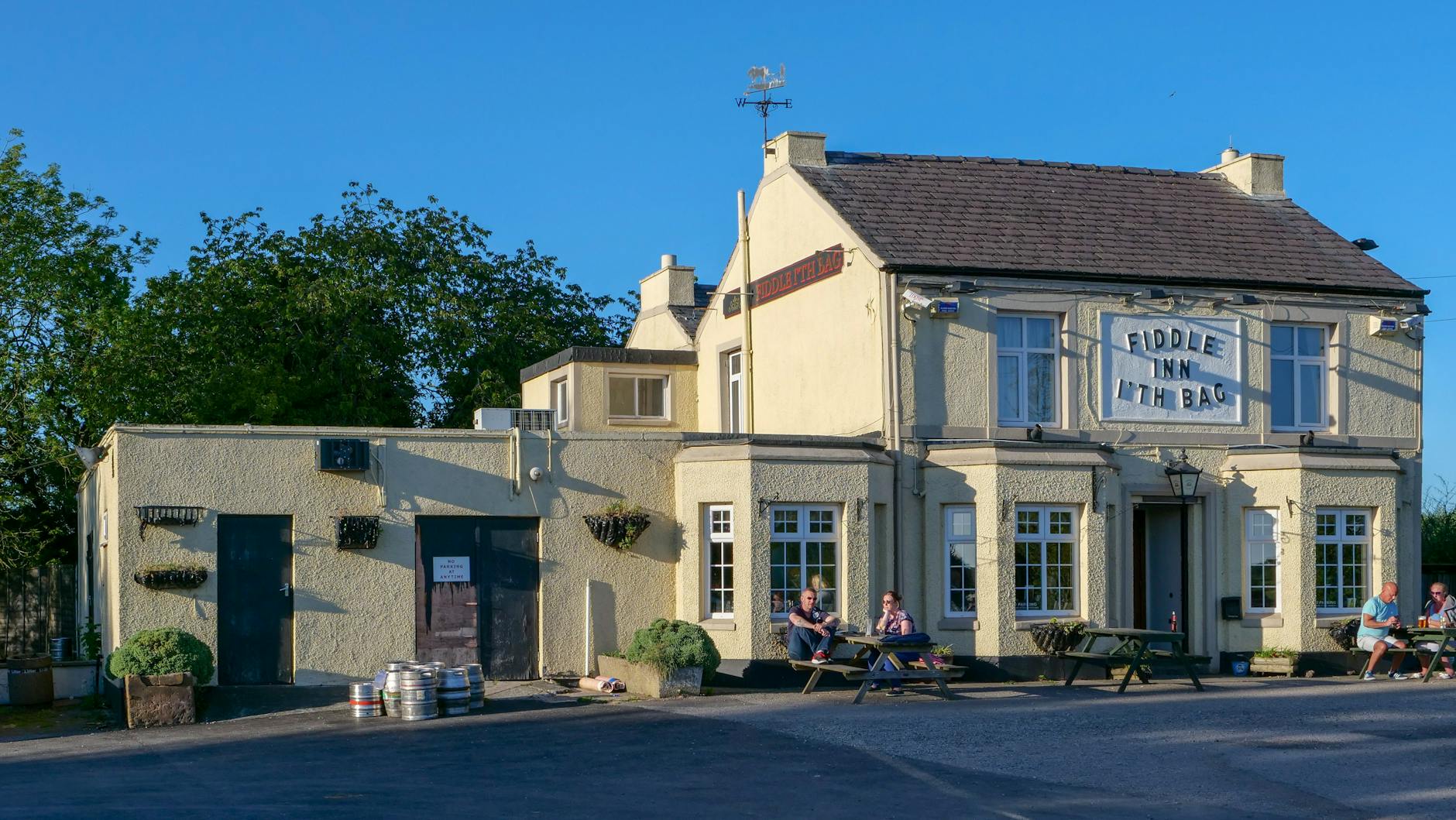
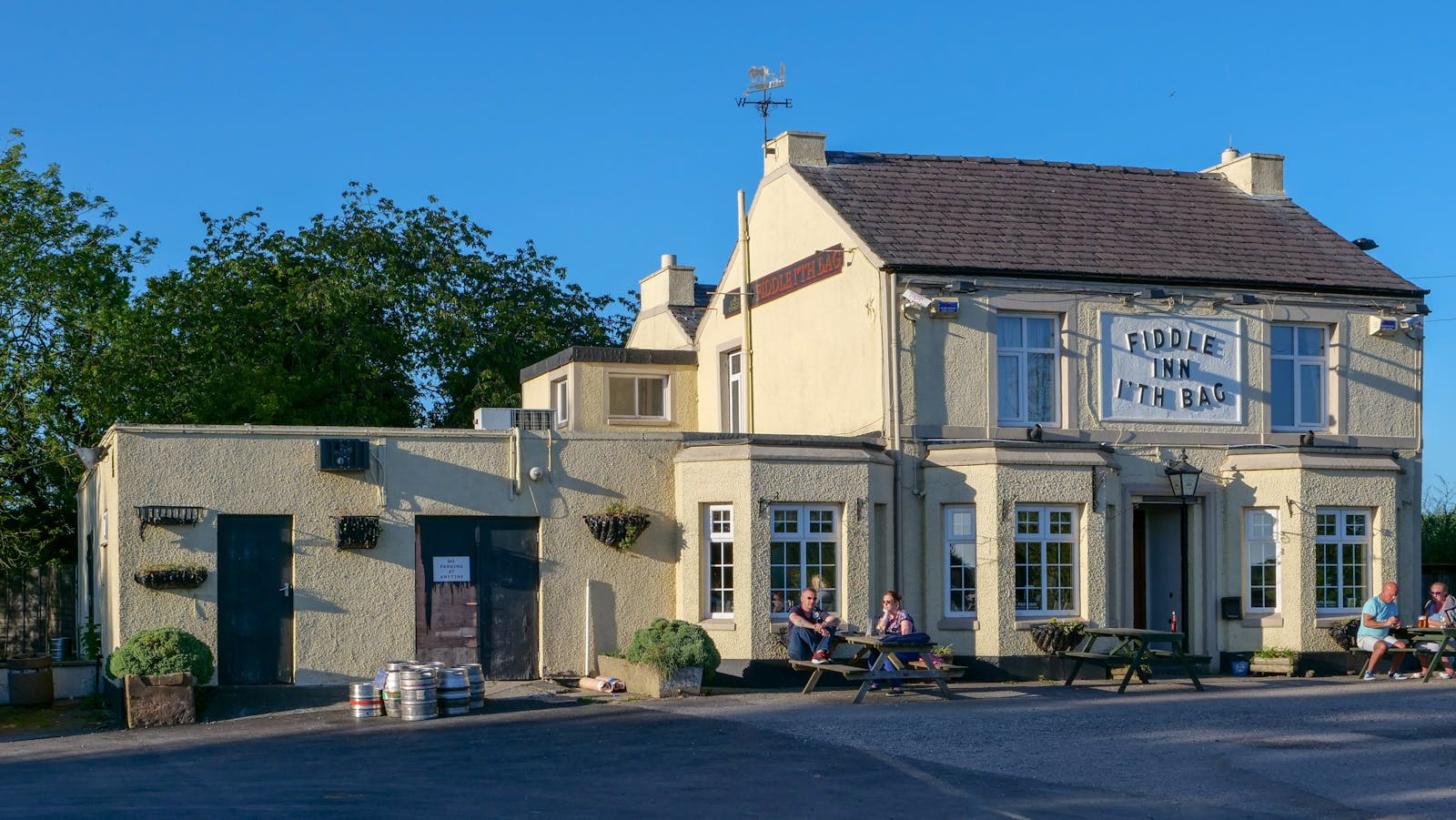
The pub walk is a uniquely British institution, and the Cotswolds may be its spiritual home. The combination of beautiful walking routes and welcoming, food-serving pubs at regular intervals makes it possible to plan walks that begin and end at a great pub — or, even better, include a pub stop halfway round for a well-earned pint and a ploughman’s lunch.
Some of our favourite pub walk combinations include the walk from Broadway to Snowshill ending at The Snowshill Arms (5 miles), the circular route from Bledington taking in the Kings Head Inn (4 miles), and the walk from Guiting Power to Naunton via the Black Horse Inn (6 miles).
The key to a great pub walk is timing — plan to arrive at the pub around lunchtime and check its food hours and opening days before you set out. Many village pubs close on certain days of the week, particularly Mondays and Tuesdays.
For our full collection, see Best Pub Walks in the Cotswolds.
Dog-Friendly Walking
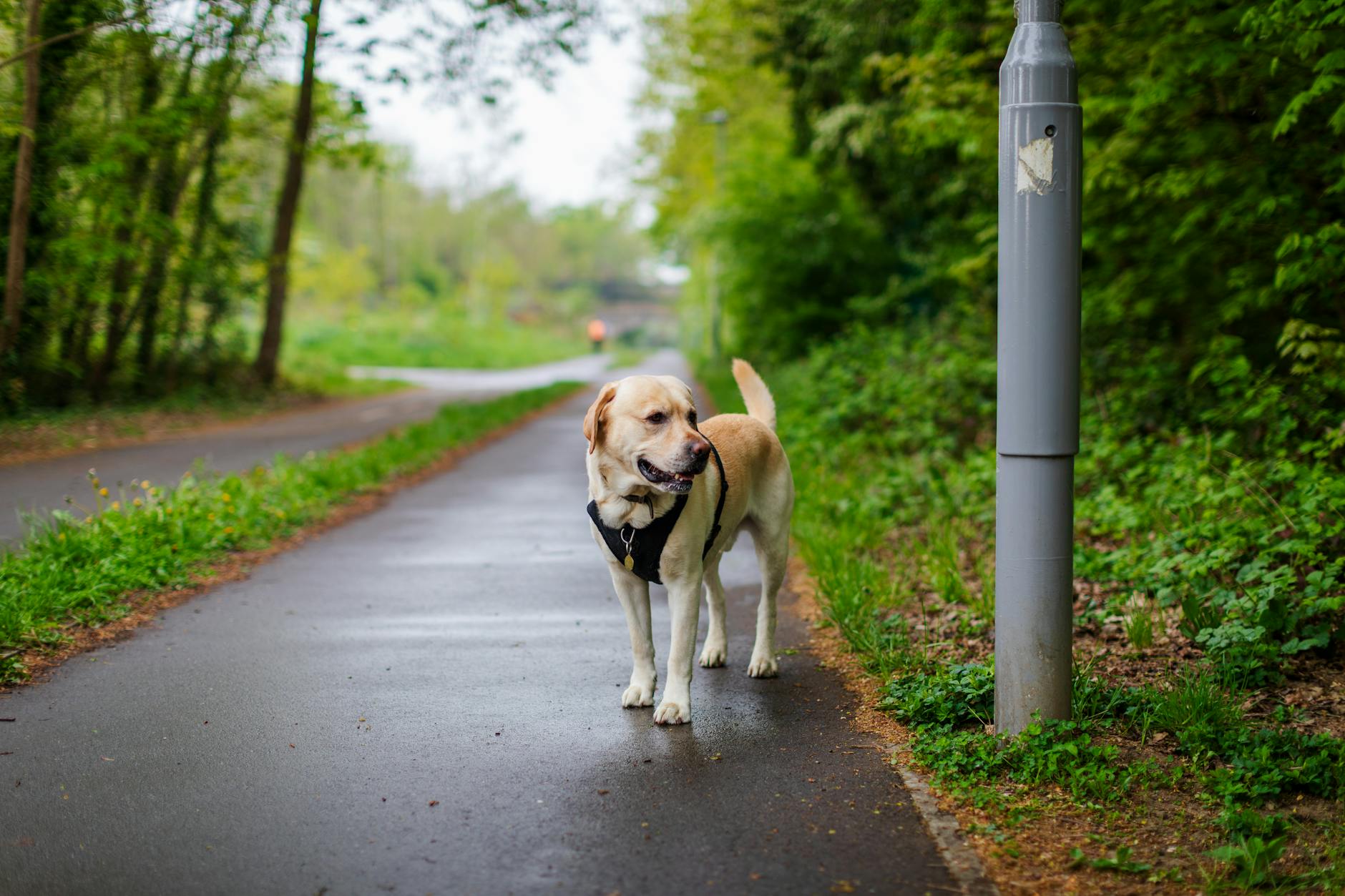
The Cotswolds is a wonderful destination for walking with dogs, with hundreds of miles of footpaths through beautiful countryside and numerous dog-friendly pubs for refuelling. However, there are some important considerations to keep in mind.
Livestock awareness is the single most important issue for dog walkers in the Cotswolds. This is working agricultural land, and many footpaths cross fields containing sheep, cattle, and horses. Dogs must be kept on leads near livestock at all times — this is not just good practice, it is a legal requirement in England. During lambing season (typically February to April), extra vigilance is essential, and some landowners temporarily close paths or request that dogs are not brought through certain fields.
Stiles can be a challenge for larger dogs. Many Cotswolds footpaths cross dry stone walls via traditional stone stiles, which can be difficult or impossible for large or elderly dogs to negotiate. Some stiles have been replaced with kissing gates (which are much easier), but not all. If you have a large dog, research your route in advance and look for routes described as “stile-free” or with minimal stile crossings.
Off-lead running is possible in many areas, particularly on open common land like Cleeve Common, on quiet riverside paths, and in dedicated walking areas. However, always be ready to put your dog back on the lead if you encounter livestock, other walkers with nervous dogs, or busy roads.
For our dedicated guide with specific route recommendations, see Dog-Friendly Walks in the Cotswolds.
Woodland Walks and Nature

The Cotswolds is not all rolling open hills — the region contains some magnificent woodland, much of it ancient, that offers a completely different walking experience. In spring, many of these woods are carpeted with bluebells — one of nature’s most magical sights, and a powerful reason to visit the Cotswolds in late April and May.
Outstanding woodland walks include the ancient beechwoods above Painswick, which are particularly beautiful in autumn when the canopy turns to gold and copper. Cranham Woods and Buckholt Wood (a National Nature Reserve) near Cheltenham harbour exceptional wildflower displays and old-growth trees. The STIHL Treetop Walkway at Westonbirt Arboretum offers a unique perspective, carrying you 300 metres through the canopy at a height of 13 metres. Wychwood Forest near Burford holds the surviving fragments of an ancient forest recorded as a royal forest in the Domesday Book of 1086.
For our full guide, see Cotswolds Woodland Walks: Bluebells, Ancient Forests and Nature.
Walking by Season

The Cotswolds offers excellent walking year-round, but each season brings a different character to the landscape and different practical considerations.
Spring (March-May) is arguably the finest season for Cotswolds walking. The countryside comes alive with wildflowers — primroses in hedgerows, bluebells in woodland, cowslips on limestone grassland — and the new green of fresh foliage against honey stone is ravishing. Lambs in the fields add charm, though you must keep dogs on leads. Paths can be muddy in March and early April but generally dry out as spring progresses. Daylight is generous from April onwards.
Summer (June-August) brings the longest days and warmest temperatures. Wildflower meadows peak in June and July. Paths can be very hard and dry, water sources may be reduced, and some exposed sections (particularly the Cotswold Way escarpment) can be uncomfortably hot in heatwave conditions. Carry plenty of water and sun protection.
Autumn (September-November) is a favourite among experienced Cotswolds walkers. The crowds thin, the temperatures moderate, and the autumn colours — particularly in wooded areas like Westonbirt, Cranham, and the beechwoods above Painswick — are spectacular. October is particularly rewarding for walking, with comfortable temperatures, reasonable daylight, and a rich, golden atmosphere. Paths become muddier as autumn progresses.
Winter (December-February) offers a quieter, more atmospheric Cotswolds. Frosty mornings, bare trees silhouetted against pale skies, and the chance of snow on the hilltops create a stark beauty. However, paths are often muddy, slippery, and waterlogged, daylight is limited, and some rural paths may be poorly defined under fallen leaves or snow. Good waterproof boots and navigation skills are essential.
Practical Walking Tips

Maps and navigation. The Ordnance Survey Explorer map OL45 (The Cotswolds) is a 1:25,000 map covering Burford, Chipping Campden, Cirencester and Stow-on-the-Wold and is a good walking companion; check its edges against your route. For digital navigation, the OS Maps app, Komoot, and AllTrails all have comprehensive Cotswolds route databases. Always carry a paper map as a backup — mobile phone signal is patchy throughout the Cotswolds, and batteries do not last forever. Many walks are well-waymarked with yellow arrows (footpaths) and blue arrows (bridleways), but waymarks can be missing or obscured, so map-reading ability is important.
Footwear. For short village walks on surfaced paths, trainers are fine. For anything longer or involving field paths, proper walking boots with ankle support and good grip are strongly recommended. Cotswolds paths can be slippery when wet (the limestone mud is notoriously adhesive), and uneven surfaces, stiles, and stream crossings all benefit from proper footwear. Break in new boots before your trip.
Clothing. Dress in layers and always carry a waterproof jacket, even in summer. English weather is unpredictable, and conditions on the exposed Cotswold escarpment can change rapidly. In winter, add warm layers, a hat, and gloves. In summer, carry sun protection and at least a litre of water per person.
Rights of way. Cotswolds footpaths cross private land under the legal right of way system. You have the right to walk the path, but you must stay on it — do not stray into adjacent fields or land. Close all gates behind you, do not damage walls or fences, do not pick crops, and take all litter home. Respect the Countryside Code and maintain the goodwill between walkers and landowners.
Mud. The Cotswolds’ clay soil produces legendary mud, particularly from November through March. Paths through fields and woodland can be ankle-deep in places. Waterproof boots and gaiters are essential for winter walking, and lower your expectations for speed — muddy paths slow you down significantly.
Guided Walking and Walking Holidays
If you prefer someone else to handle the logistics — route planning, accommodation booking, luggage transfers, and navigation — several companies offer guided and self-guided walking holidays in the Cotswolds.
Self-guided walking holidays are the most popular option. Companies like Macs Adventure, Contours Walking Holidays, and Celtic Trails provide detailed route notes, maps, accommodation bookings, and luggage transfer services, leaving you to walk at your own pace without the burden of a heavy pack. The official guidebook suggests seven to ten days for the 102-mile Cotswold Way, and shorter sections are available.
Guided group walks are offered by various organisations, from local walking groups (many are free to join) to commercial walking tour operators. These range from gentle half-day walks led by knowledgeable local guides to fully supported multi-day hiking holidays. The Cotswolds Voluntary Wardens lead a programme of free guided walks throughout the year — an excellent way to explore areas you might not find on your own.
For our full guide, see Guided Walking Tours and Holidays in the Cotswolds.
Start Walking the Cotswolds
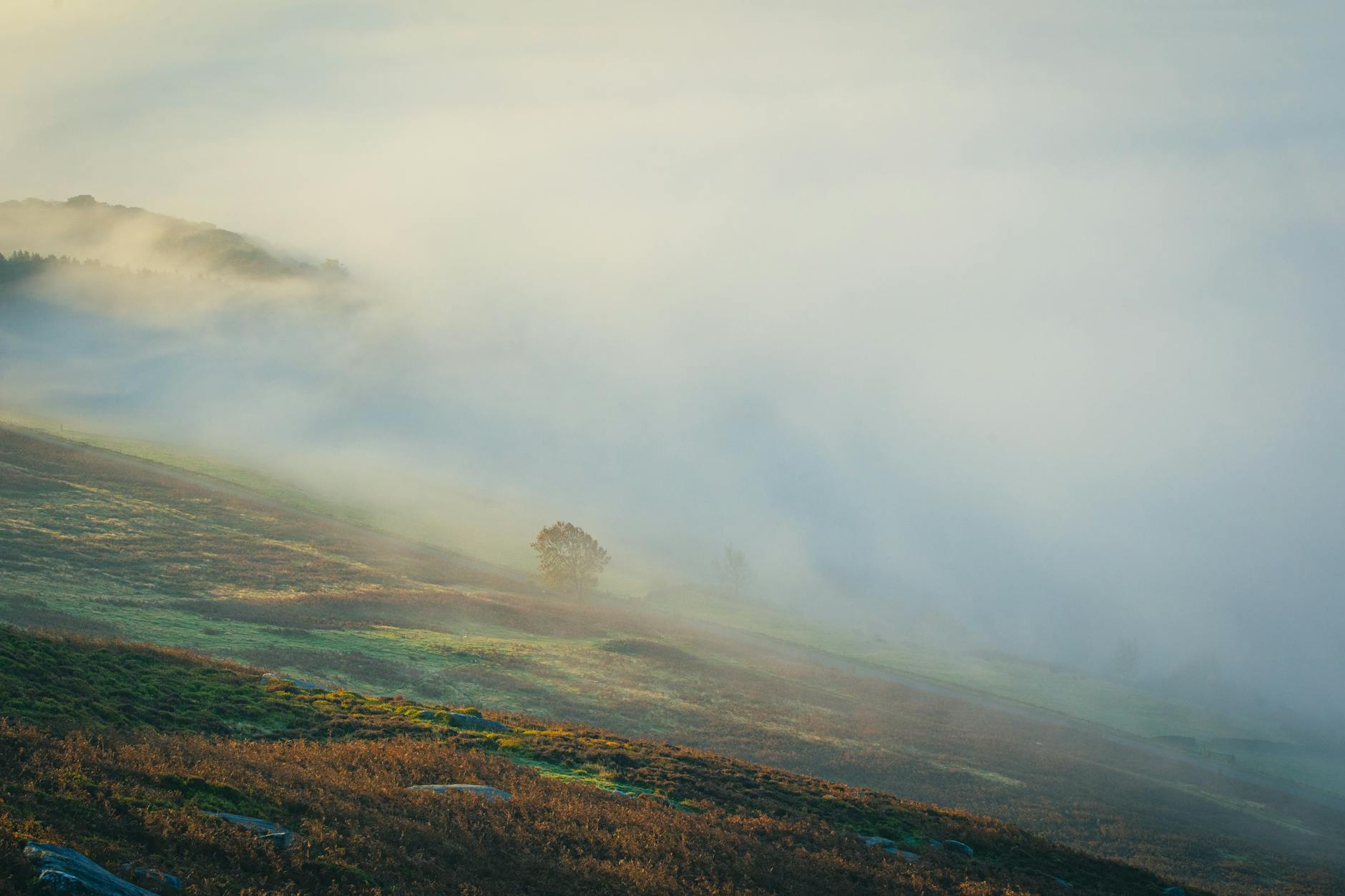
You might be drawn to the epic challenge of the Cotswold Way, the gentle pleasure of a riverside stroll from village to pub, the magic of a bluebell woodland in spring, or the exhilaration of standing on the Cotswold escarpment with Wales stretching out before you. Whatever the appeal, the Cotswolds has a walk that suits you. The landscape is varied, the infrastructure is excellent, the pubs are welcoming, and the views are magnificent. All you need is a good pair of boots and the willingness to put one foot in front of the other.
Explore our detailed walking guides: The Cotswold Way, Short Walks Under 5 Miles, Best Circular Walks, Walks for Beginners, Long-Distance Walks, Dog-Friendly Walks, Woodland Walks, Pub Walks, and Guided Walking Holidays.
For more ways to explore on foot, see the best things to do, wander the prettiest villages, and use our complete guide to visiting the Cotswolds to plan the rest of your trip.
Walking is only one way to get out into the landscape. For cycling, riding, water sports, ballooning and more, see our guide to outdoor activities and adventures in the Cotswolds, and take the children along with the Cotswolds family holiday guide.
For sheer density of good walking, nothing in the region beats the five valleys that meet at Stroud — Laurie Lee’s Slad, the beech hangers above Woodchester, Rodborough and Minchinhampton Commons and the Haresfield Beacon stretch of the Cotswold Way. See our Stroud guide for where each valley starts and which one suits the day you have.
Time a summer walk for mid-June and the escarpment paths run through some of the most flower-rich grassland in Britain, from Selsley Common and Coaley Peak to the commons around Cranham. Our guide to Cotswolds wildflower meadows picks out the best stretches and the orchids to look for.