This article contains advertising. My booking links are routed through a partner that adds commission tracking automatically, so if you book through one I earn a commission from the provider, at no extra cost to you. It never affects what I recommend. Affiliate disclosure
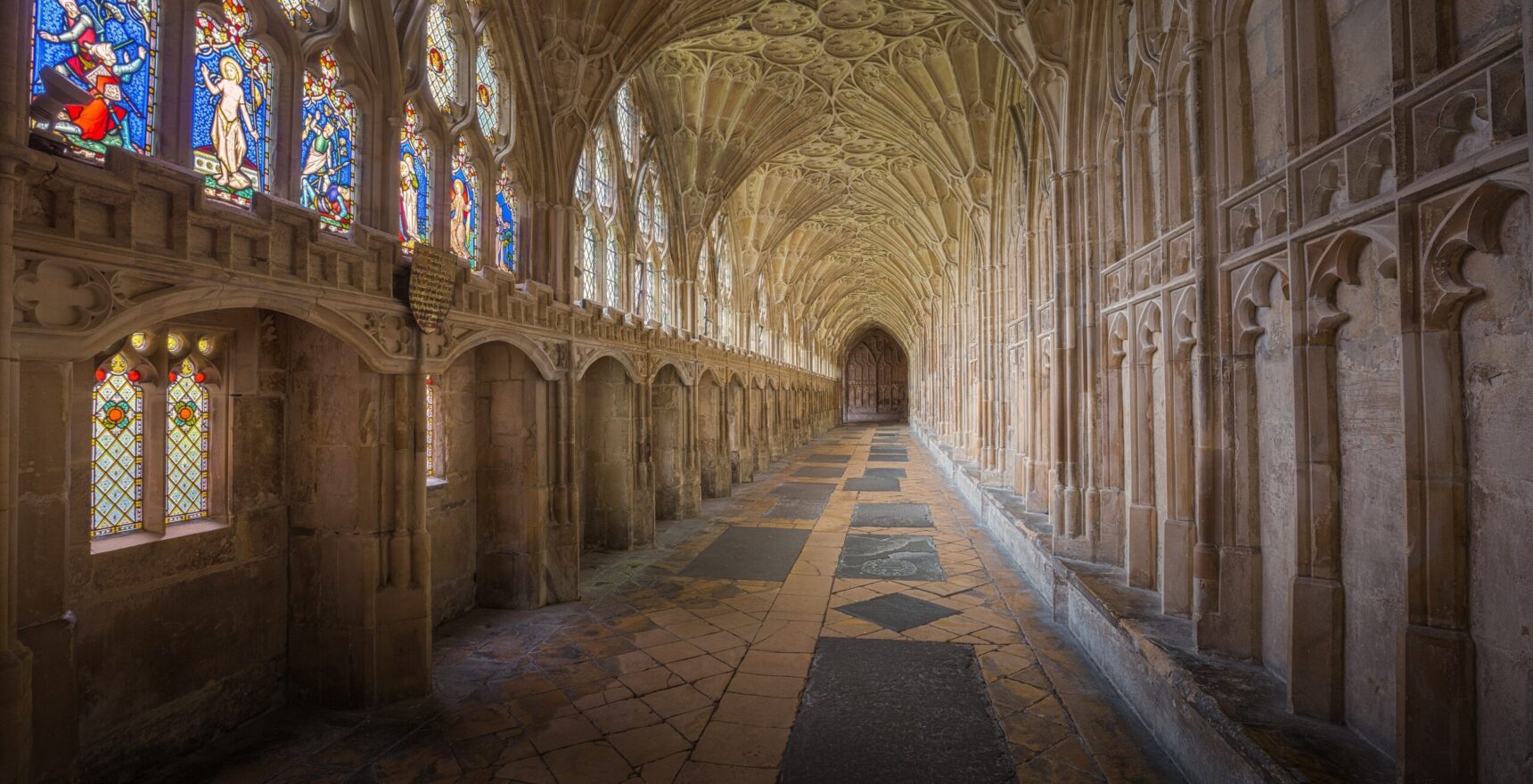
Stand at the end of the south walk of Gloucester Cathedral’s cloisters on a quiet weekday morning and wait for the corridor to empty. The fan vaulting spreads overhead like frozen lace, the light comes through the stained glass in coloured bars across the flagstones, and within about thirty seconds a child — it is nearly always a child — will say, loudly, “This is where they walked to the common room.” They are right. That is the pleasure of the Harry Potter Cotswolds trail: the places are not sets or theme-park recreations but real medieval buildings, and the films simply borrowed them for a while.
Two locations on the edge of the region supplied some of the most memorable Hogwarts interiors in the early films. Gloucester Cathedral’s cloisters became the school’s corridors in three films, and Lacock Abbey in Wiltshire provided classrooms, corridors and the room where Harry first finds the Mirror of Erised. Lacock village played the Potters’ home and the hideaway of Professor Slughorn. This guide explains exactly which scenes were filmed where, how to visit each place, how long you need and how to link them in a single day — plus the other Potter locations within reach of the Cotswolds.
Harry Potter locations in the Cotswolds at a glance
| Location | What was filmed | Films | Cost to visit |
|---|---|---|---|
| Gloucester Cathedral cloisters | Hogwarts corridors — the walk to Gryffindor common room, the Chamber of Secrets message | Philosopher’s Stone, Chamber of Secrets, Half-Blood Prince | Free entry; donation welcome |
| Lacock Abbey | Snape’s and Quirrell’s classrooms, the Mirror of Erised room, corridors | Philosopher’s Stone, Chamber of Secrets | National Trust — members free |
| Lacock village | The Potters’ house in Godric’s Hollow; Budleigh Babberton, where Slughorn hides | Philosopher’s Stone, Half-Blood Prince | Free to walk around |
| Blenheim Palace | The Echo Tree by the lake, in Snape’s memory | Order of the Phoenix | Paid |
Opening times checked September 2026 — both the cathedral and the Abbey close for services and events, so check on the day.
Gloucester Cathedral
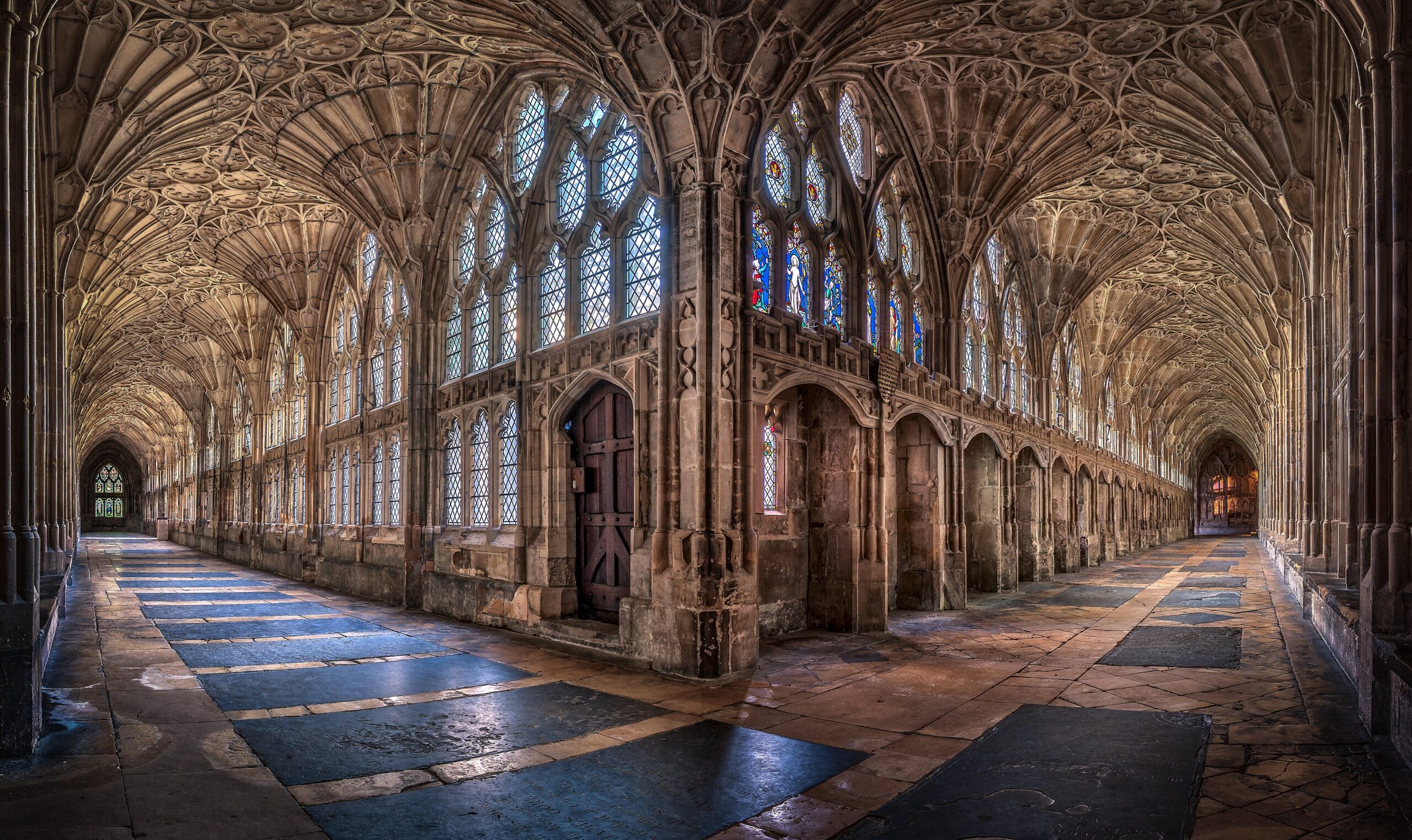
Gloucester Cathedral is one of the great medieval buildings of England, and the only part of it the films used is the cloisters — which also happen to be its most beautiful space. The four walks of the cloister form a square around a small garden, each covered by a fan vault built in the second half of the fourteenth century. It is the earliest fan vaulting to survive anywhere, and it is the reason the location scouts came.
The production worked carefully to protect the building. Modern electrical sockets and fittings were hidden behind panels painted to look like stone, and filming was scheduled around the life of a working cathedral. Once you know that, you start seeing the cloisters the way the crew did: as a set of long, lit corridors, each of which could be turned into a different part of Hogwarts.
Which scenes were filmed where
- The south walk — in Harry Potter and the Philosopher’s Stone, this is the corridor down which Percy leads the new first-years towards the Gryffindor common room. It is the most recognisable of the four, with the stained glass on one side and the stone carrels — little study bays where monks once read and copied — on the other.
- The north walk — in Harry Potter and the Chamber of Secrets, this is where the students find the chilling message about the Chamber of Secrets written on the wall, with Mrs Norris hanging petrified beside it.
- The west walk — in Harry Potter and the Half-Blood Prince, Harry and Ron stand here looking down at other students going to class.
The north walk also holds the lavatorium, the long stone trough where the monks washed before meals — one of the best-preserved in the country and a good thing to point out to children who are only there for the wizards.
Visiting Gloucester Cathedral
Entry is free, with a suggested donation. Typical visiting hours are Monday to Friday 10:00–17:00, Saturday 10:00–16:00, and Sunday 12:00–14:30 and 16:00–17:00, but they vary with services and special events, so check the cathedral’s daily “What’s On” listing before you set out. The cloisters are reached from inside the cathedral, through the north side of the nave.
Allow twenty minutes for the cloisters alone and at least an hour for the whole building. Beyond the cloisters, the cathedral holds the tomb of Edward II, a great Norman nave with enormous round columns, and the Great East Window, glazed around 1350 and roughly the size of a tennis court. Children who have run out of Potter enthusiasm often perk up at the whispering gallery and the idea of a king’s tomb.
Right beside the cathedral, in College Court, is the House of the Tailor of Gloucester, the shop Beatrix Potter drew for her story of the same name — a different Potter entirely, and a charming five-minute stop for families. Gloucester Docks, ten minutes’ walk south, has cafés, the National Waterways Museum and the Gloucester Quays shopping outlet.
Getting there
Gloucester station is about ten minutes’ walk from the cathedral, with trains from London Paddington, Birmingham, Bristol and Cheltenham, which makes this one of the easiest film locations in England to reach without a car. Drivers should use the city-centre car parks; there is no parking at the cathedral itself.
Worth it? Unreservedly. Even if you have never seen the films, Gloucester’s cloisters are among the loveliest spaces in England, and they cost nothing to see. If you visit only one Potter location in this guide, make it this one.
Lacock Abbey
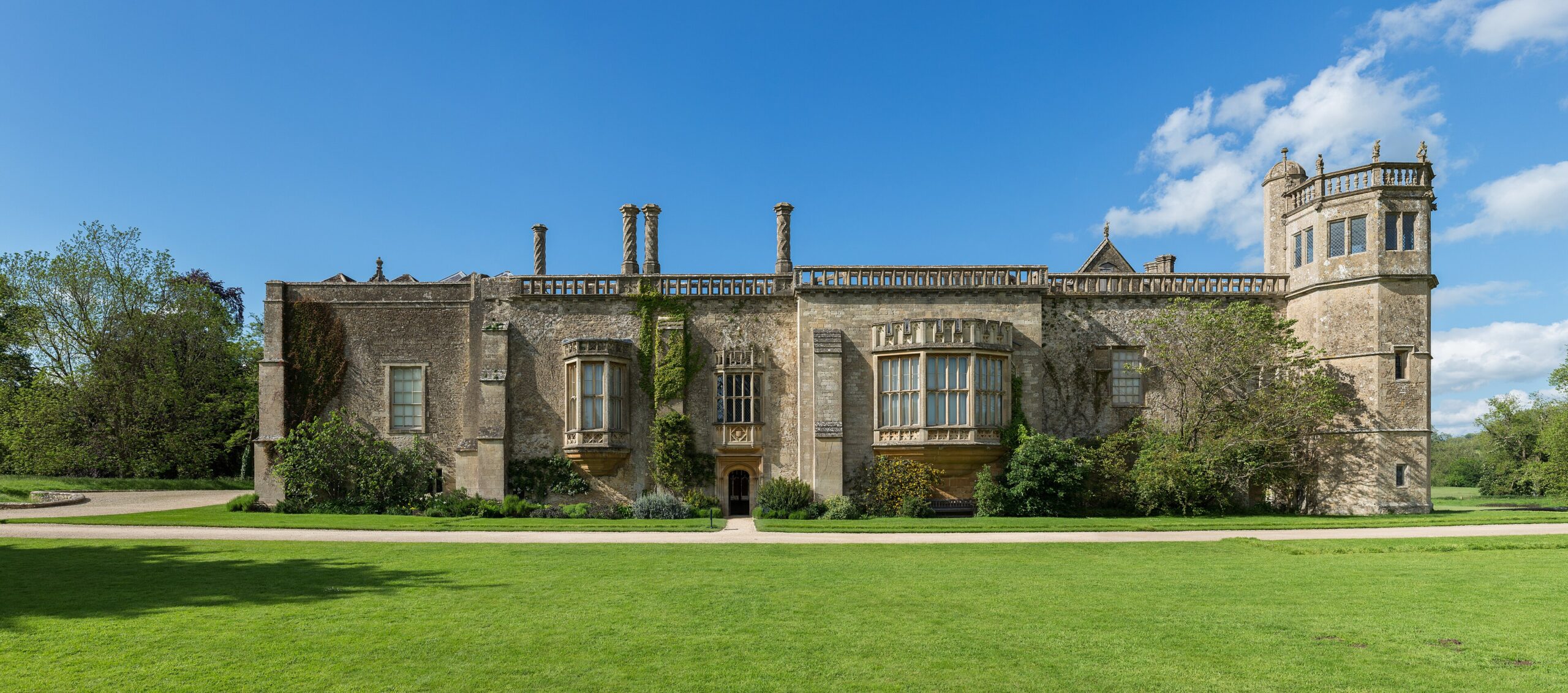
Lacock Abbey began life in 1232 as a nunnery founded by Ela, Countess of Salisbury. At the Dissolution it was bought by William Sharington, who turned it into a country house — but, crucially, he kept the medieval cloisters and the rooms around them. Those rooms, with their vaulted ceilings, stone floors and deep windows, are what the Harry Potter team used. The Abbey later passed to the Talbot family, and it was here that William Henry Fox Talbot made the earliest surviving photographic negative in 1835. The house was given to the National Trust in 1944.
Which rooms were filmed
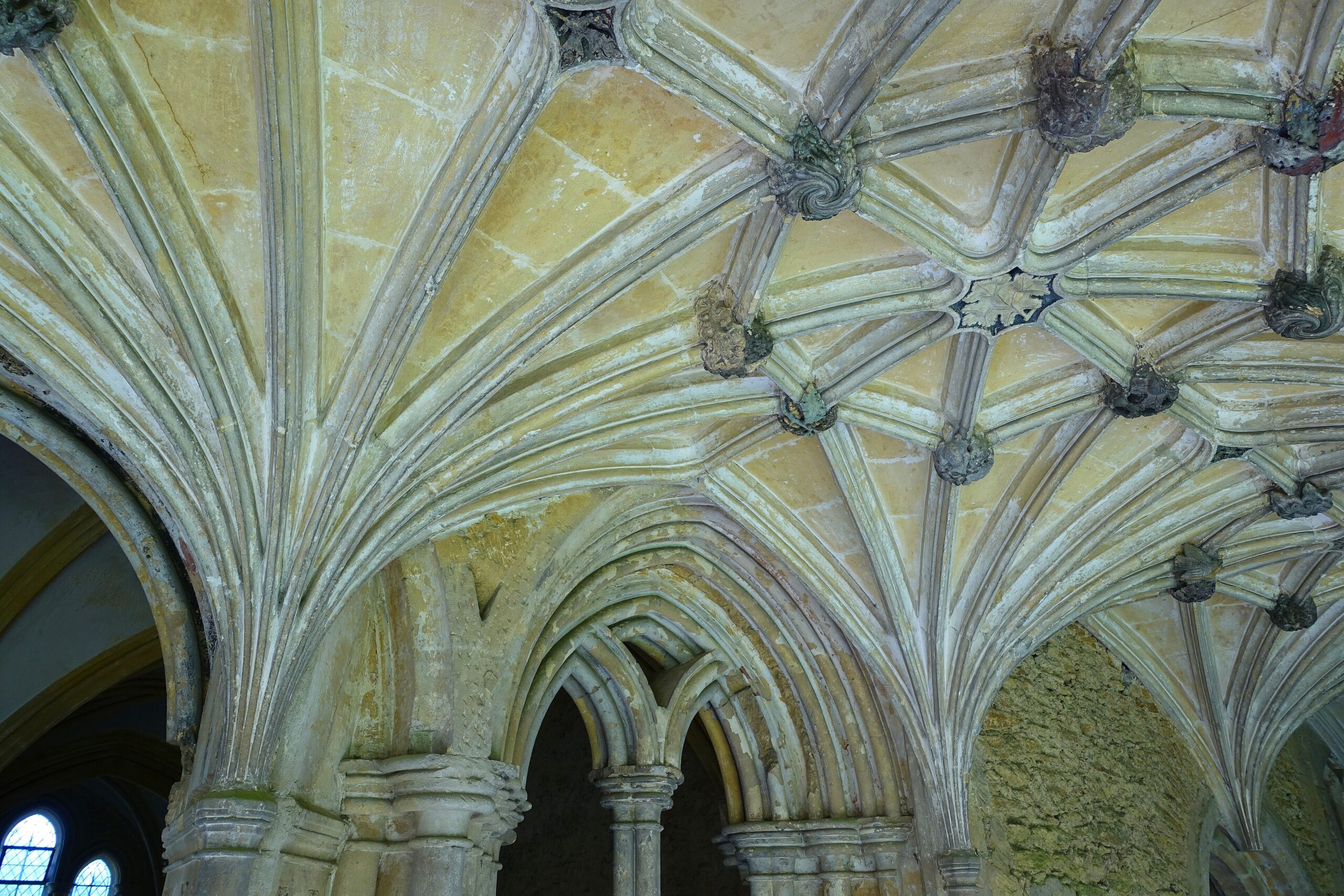
- The Sacristy — Snape’s potions classroom in Harry Potter and the Philosopher’s Stone. Look for the arches and large windows that appear behind him as he stalks between the desks.
- The Warming Room — Professor Quirrell’s Defence Against the Dark Arts classroom in the same film. This was the only room in the medieval nunnery where the nuns were allowed a fire, and even then only from November to Easter. The great cauldron in the room is a favourite with children.
- The Chapter House — the vaulted room where Harry discovers the Mirror of Erised and sees his parents for the first time. It appears again in Chamber of Secrets as a place where students revise for exams.
- The Cloisters — used throughout for Hogwarts corridors, just as at Gloucester, though Lacock’s are smaller, simpler and a century older in parts.
Visiting Lacock Abbey
The Abbey, its cloisters, the Fox Talbot Museum and the grounds are run by the National Trust. National Trust members get in free; everyone else pays an admission charge — check the National Trust website for current prices and for the days when the house and cloisters are open, which vary through the year. The cloisters and the rooms around them can usually be seen even when the upper floors of the house are closed.
Allow an hour for the Abbey and cloisters, and another half-hour for the Fox Talbot Museum, which tells the story of the invention of photography in the building where it happened. The grounds include a botanic garden and a greenhouse, and there are spring displays of crocuses and snowdrops.
Lacock village
The village itself, almost all of it owned by the National Trust, played two roles in the Potter films.
- The Potters’ house in Godric’s Hollow — a cottage on Church Street appears in Harry Potter and the Philosopher’s Stone, in the flashback to the night Voldemort came for Lily and James. Later films used a purpose-built set instead.
- Budleigh Babberton — in Harry Potter and the Half-Blood Prince, Lacock’s streets became the Muggle village where Harry and Dumbledore find Horace Slughorn hiding, and a house on Chapel Hill played his temporary home.
Both are private homes. Look and photograph from the street, and do not knock or walk into gardens — these are houses where people live, and they have been asked “Is this Harry’s house?” more times than anyone could count.
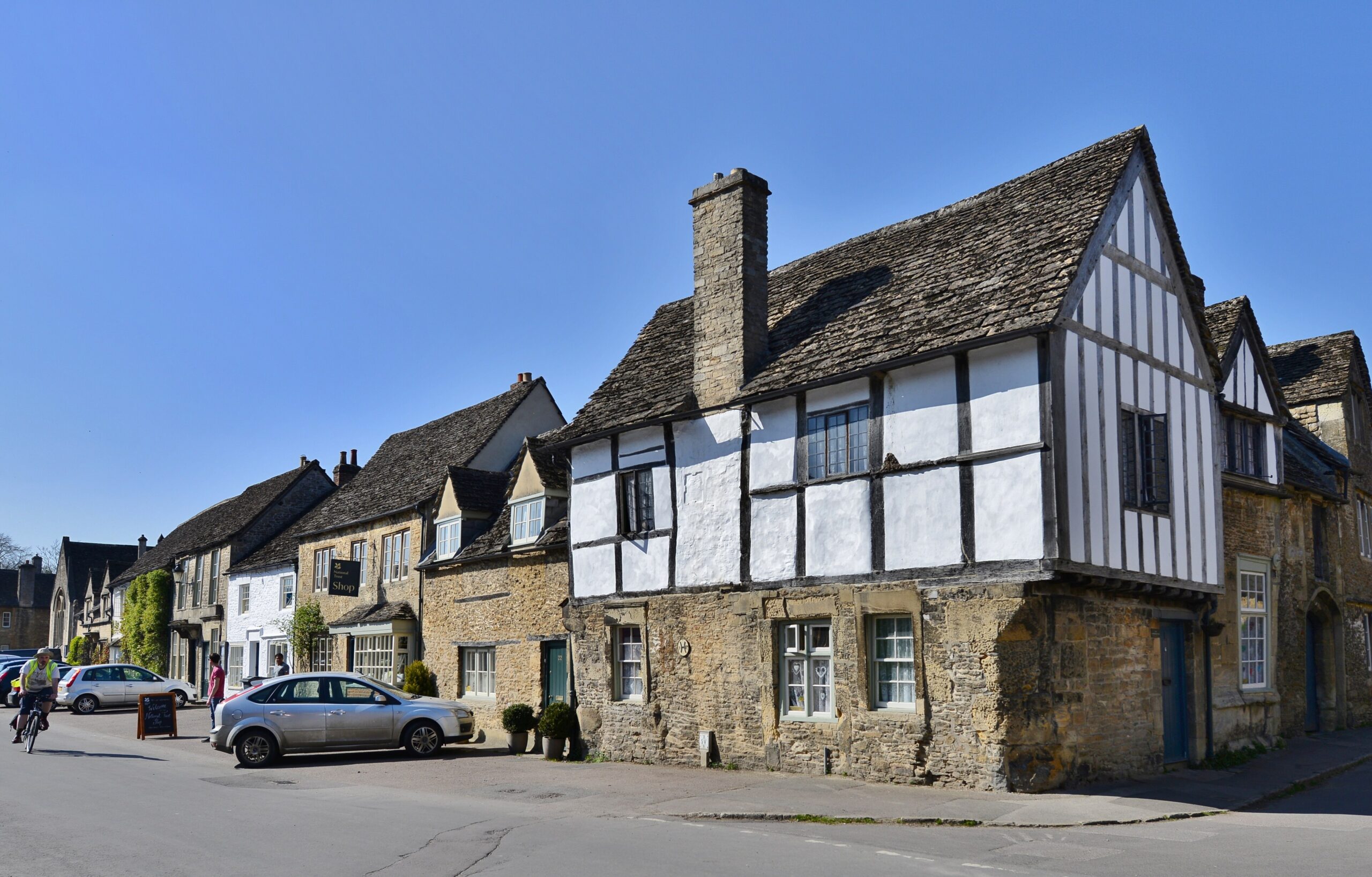
Lacock is one of the most filmed villages in Britain — it has also appeared in Pride and Prejudice, Cranford, Wolf Hall and the Downton Abbey film — and it is lovely to walk around even without a film in mind. Its four main streets form a rough square around the church, with a medieval tithe barn, timber-framed houses and a packhorse bridge and ford at the bottom of the village. Use the visitor car park on the edge of the village; parking in the streets is not allowed for visitors.
Worth it? Yes. Lacock Abbey is the richest Potter location in the region for fans, because you can walk into several of the actual classrooms, and the village is a pleasure in its own right. Go early — Lacock gets very busy on summer afternoons.
Blenheim Palace and the Echo Tree
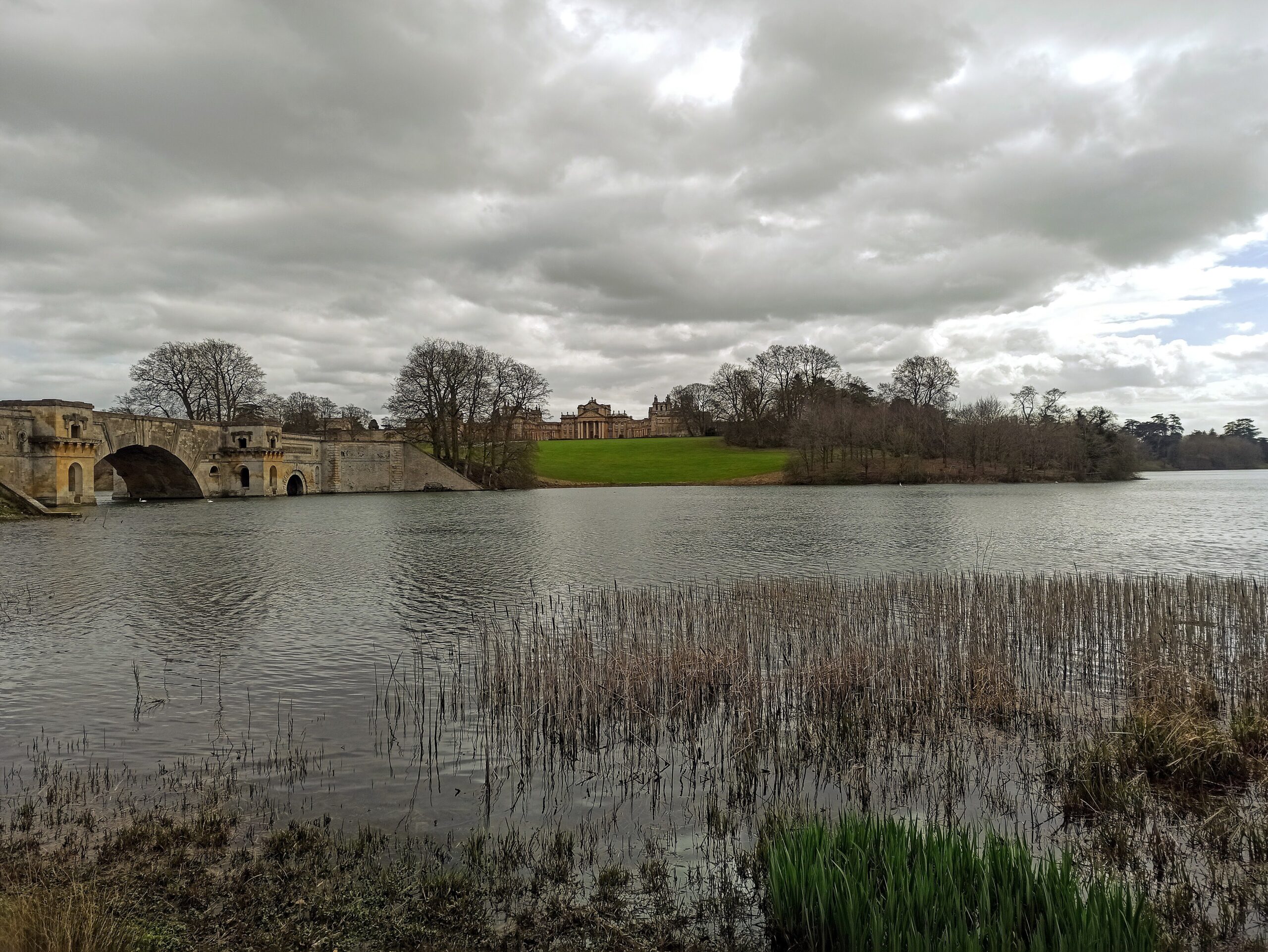
One more Cotswold-edge location belongs on the list. At Blenheim Palace, near Woodstock, a tree on the bank of the Great Lake appears in Harry Potter and the Order of the Phoenix, in the memory Harry sees in the Pensieve: the young Severus Snape sits beneath it before being taunted by James Potter and his friends. Blenheim’s own film trail marks the spot. Blenheim is a long way from Gloucester and Lacock, so it fits better into a separate day — see our Blenheim Palace guide.
A one-day Harry Potter route
Gloucester and Lacock are about forty-five miles apart — an hour on the motorway, or an hour and a half on the much more beautiful A46, which runs down the western edge of the Cotswolds through Painswick, Stroud and Nailsworth. With an early start, you can see both in a day and still have time for Castle Combe, another film star, on the way.
| Time | What to do |
|---|---|
| 10:00 | Gloucester Cathedral at opening — the cloisters first, before the groups arrive |
| 11:00 | The rest of the cathedral; coffee in College Court |
| 12:00 | Drive south on the A46 through Painswick and Stroud |
| 13:15 | Lunch in Nailsworth or Castle Combe |
| 14:30 | Lacock Abbey — the Sacristy, Warming Room, Chapter House and cloisters |
| 16:00 | The Fox Talbot Museum, then a walk around the village to Church Street and Chapel Hill |
| 17:00 | Tea in Lacock |
If you prefer to reverse it, Lacock at opening time and Gloucester in the afternoon works just as well — though check Gloucester’s afternoon hours, especially on Sundays. Our guides to Painswick, Nailsworth and Minchinhampton and Castle Combe cover the stops on the way.
Without a car
Gloucester is easy by train. Lacock is harder: the nearest station is Chippenham, a few miles away, and from there a taxi is the most reliable option. Doing both in a day by public transport is possible but tight, so consider splitting them or joining an organised tour. Several companies run Harry Potter–themed day tours that take in Lacock and Gloucester, sometimes with Oxford. Our guide to the Cotswolds by train explains the rail connections.
More Harry Potter within reach of the Cotswolds
If you are building a longer Potter trip, two other places are within easy reach.
Oxford
About an hour from Gloucester and forty minutes from much of the Cotswolds, Oxford has several key locations. The staircase leading to the Great Hall at Christ Church appears in the first two films, and the hall itself inspired the film set of Hogwarts’ Great Hall. At the Bodleian Library, the medieval Divinity School became the Hogwarts infirmary and Duke Humfrey’s Library became the school library. New College‘s cloisters appear in Harry Potter and the Goblet of Fire, including the scene in which Malfoy is turned into a ferret. Our day trip from Oxford shows how to combine the city with the Cotswolds.
Warner Bros. Studio Tour London
The Making of Harry Potter studio tour at Leavesden, near Watford, is where the films were actually made, with the Great Hall, Diagon Alley, the Hogwarts Express and a vast model of the castle. It is about two hours’ drive from the central Cotswolds. Tickets must be booked in advance for a timed entry, and it is a full half-day at least. If your children want a theme-park experience, this is it; Gloucester and Lacock are the real buildings behind the sets.
When to visit
Both locations are at their best when they are quiet, and timing matters more than the season.
- Weekday mornings in term time are ideal. You may have a cloister walk at Gloucester entirely to yourself, which is the only way to get the classic empty-corridor photograph.
- School holidays bring families and tour groups to both, particularly Lacock on summer afternoons. Arrive at opening and do the popular rooms first.
- Winter has its own magic. Low sun slanting through Gloucester’s cloister windows looks wonderful, and the cathedral’s Christmas services and concerts are atmospheric — though they also mean restricted visiting hours, so check first. Lacock in frost looks exactly like a Christmas card, and the village is at its quietest in January and February.
- Sundays are the trickiest day at Gloucester, with visiting squeezed between services. Saturday or a weekday is far easier.
What you will not find in the Cotswolds
It helps to know which famous Potter locations are elsewhere, so nobody in the car is disappointed. The exterior of Hogwarts and the flying lessons were filmed at Alnwick Castle in Northumberland and created with models and effects. The Hogwarts Express crosses the Glenfinnan Viaduct in the Scottish Highlands. Platform 9¾ is at King’s Cross station in London, where there is a photo spot and a shop. The Great Hall, Diagon Alley and Gryffindor common room were studio sets, now displayed at the Warner Bros. Studio Tour. What the Cotswolds and its edges offer is different and, for many fans, more rewarding: the real medieval rooms that gave those sets their look.
Tips for families
- Manage expectations. Gloucester and Lacock are not attractions built for fans — there are no animatronics, no wand shops and no queue for a ride. Children who know the films well love recognising the rooms; younger children may need a story or two to make it come alive.
- Watch the films first. Philosopher’s Stone and Chamber of Secrets are the key ones for both locations. Seeing them the night before makes the next day far more fun.
- Dress up if you like. Children in robes and scarves are a normal sight in both cloisters, and staff are used to it. Keep wand duels quiet — Gloucester is a working cathedral.
- Plan for rain. Both locations are mostly indoors or under cover, which makes this one of the best wet-weather days out in the region. See our guide to rainy-day activities in the Cotswolds for more.
- Budget. Gloucester is free; Lacock is free for National Trust members. For a family of four, that can make this one of the cheapest big days out in the region. For more family ideas, see our Cotswolds family holidays guide.
Is a Harry Potter trip to the Cotswolds worth it?
For fans of the films — and particularly of the first two — yes. Gloucester and Lacock give you something the Studio Tour cannot: the thrill of standing in the real rooms, with centuries of real history around you. Both are also superb places in their own right, which means the adults in the group will enjoy them as much as the children.
If you are only a casual viewer, you will not need to plan around the films, but they add a layer of fun to two places that deserve a visit anyway. Gloucester’s cloisters in particular are one of the architectural wonders of England, and it costs nothing to walk through them.
Frequently asked questions about Harry Potter in the Cotswolds
Where was Harry Potter filmed in the Cotswolds?
Gloucester Cathedral’s cloisters, Lacock Abbey and Lacock village, and the Echo Tree by the Great Lake at Blenheim Palace.
Which Harry Potter films used Gloucester Cathedral?
Philosopher’s Stone, Chamber of Secrets and Half-Blood Prince. Only the cloisters were used.
Is Gloucester Cathedral free to visit?
Yes. Entry is free, with a suggested donation. Opening times vary around services, so check the cathedral’s website on the day.
Which rooms at Lacock Abbey were in Harry Potter?
The Sacristy (Snape’s classroom), the Warming Room (Quirrell’s classroom), the Chapter House (the Mirror of Erised) and the cloisters (Hogwarts corridors).
Can you see Harry’s parents’ house in Lacock?
Yes, from the street — it is a cottage on Church Street. It is a private home, so please do not knock or enter the garden.
Can you visit Gloucester and Lacock in one day?
Yes. They are about an hour apart by car. Start at one when it opens and finish at the other in the afternoon.
Harry Potter is only one chapter of the region’s screen story. For Downton’s village at Bampton, Bridgerton at Blenheim and Badminton, Father Brown’s Blockley and more, see our complete guide to Cotswolds filming locations, and for Bridgerton in detail, our guide to the Bridgerton filming locations.
Lacock rewards a longer stay than a dash through the Hogwarts rooms. Walk the four streets, the fourteenth-century tithe barn and the ford at the bottom of the village, and leave time for the Fox Talbot Museum, where the story of photography begins. Our Lacock village guide has the rest of the village, the prices and where to eat.
Photo Credits
The south walk of Gloucester Cathedral’s cloisters: Gloucester Cathedral Cloisters 1 by Michael D Beckwith, CC0, via Wikimedia Commons.
A corner of the Gloucester Cathedral cloisters: The Cloisters at Gloucester Cathedral by Christopher JT Cherrington, CC BY-SA 4.0, via Wikimedia Commons.
The south front of Lacock Abbey: Lacock Abbey from south, Wiltshire, UK – Diliff by Diliff, CC BY-SA 3.0, via Wikimedia Commons.
Vaulting in the Lacock Abbey cloisters: Cloisters – Lacock Abbey – Wiltshire, England – DSC00862 by Daderot, public domain, via Wikimedia Commons.
Leave a Reply