This article contains advertising. My booking links are routed through a partner that adds commission tracking automatically, so if you book through one I earn a commission from the provider, at no extra cost to you. It never affects what I recommend. Affiliate disclosure
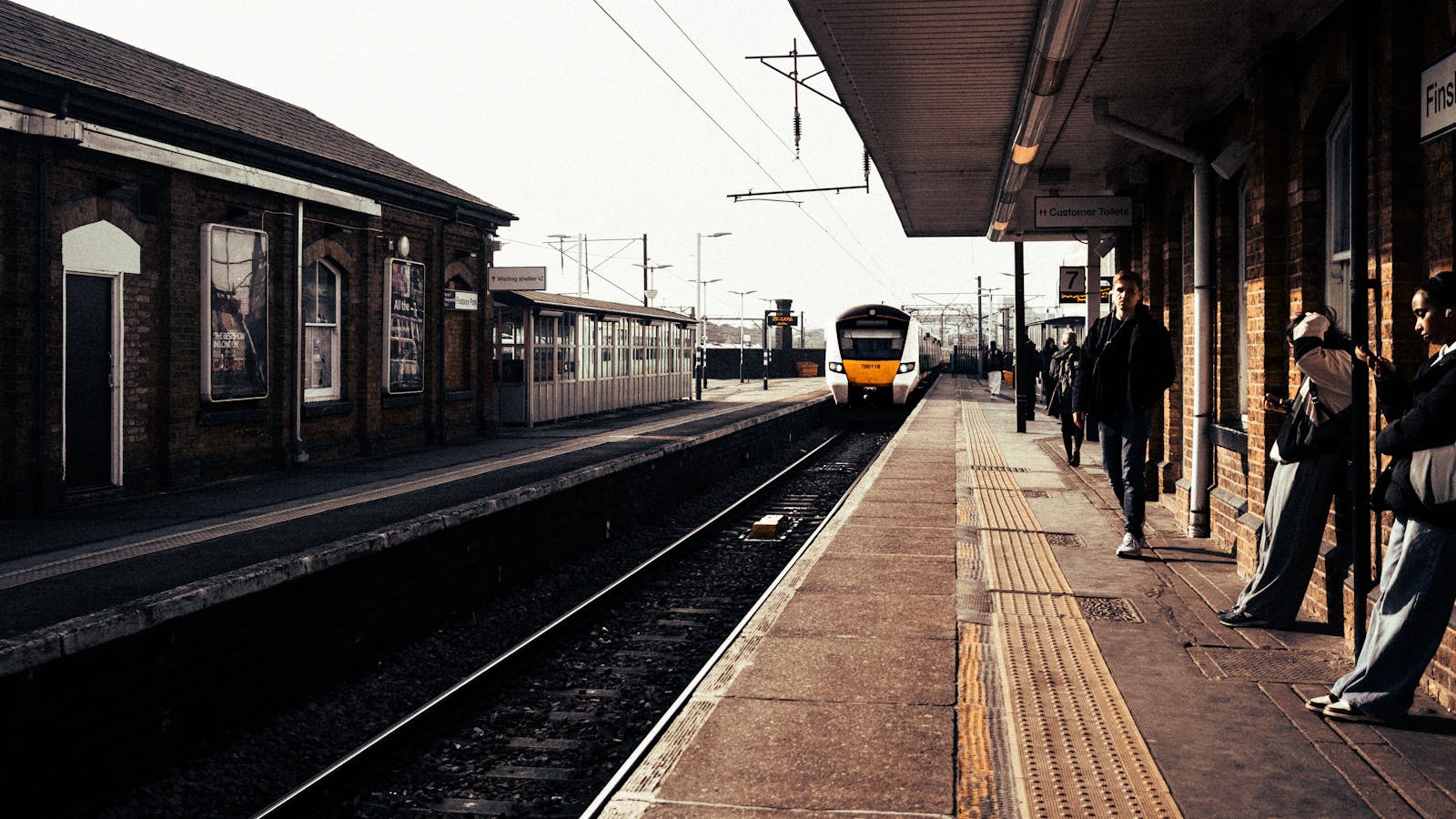
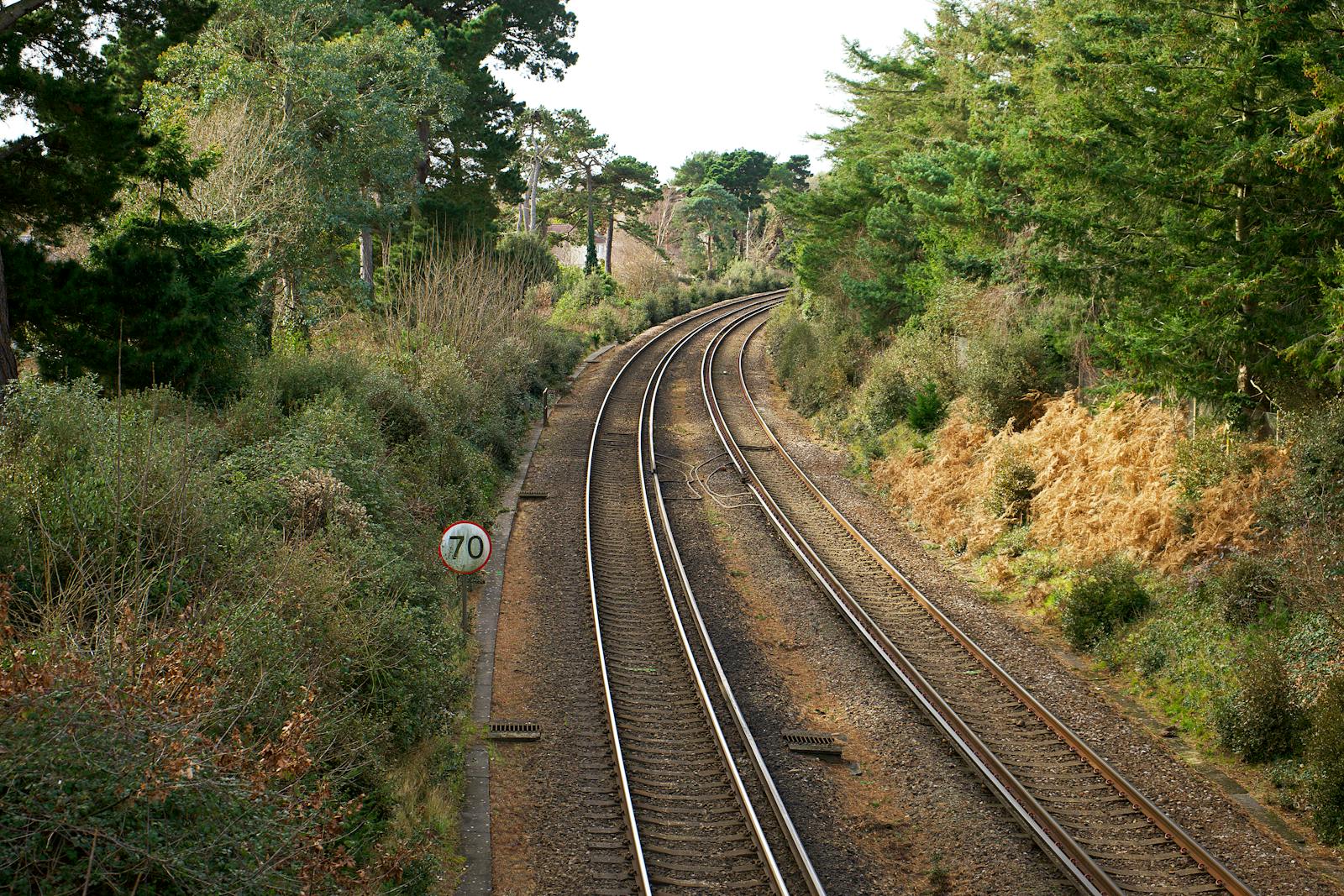
There is something rather wonderful about arriving in the Cotswolds by train. You step off at a little country station, the city left behind, and the honey-stone and green hills are right there. The Cotswolds is better served by rail than many visitors realise, with two main lines from London threading through and around the region, and from the right station you can reach a great deal without ever touching a car. This guide maps it all out: the lines, the stations, and how to build a trip around them.
I will cover the two railway lines and every useful station, which towns and villages each one serves, journey times from the major cities, suggested rail itineraries, and even the heritage steam line that runs through the heart of the region. It works alongside our guide to London to the Cotswolds and our complete guide to getting around the Cotswolds.

The Two Main Railway Lines
The Cotswolds is served by two Great Western Railway lines, both running from London Paddington. The Cotswold Line heads via Oxford towards Worcester and Hereford, skirting the northern and eastern Cotswolds with stations at Hanborough, Charlbury, Kingham, Moreton-in-Marsh and Honeybourne. This is the line most associated with the classic Cotswold villages.
The Golden Valley line (also called the Gloucester line) runs via Swindon to Kemble, Stroud, Gloucester and Cheltenham Spa, serving the southern and western parts of the region. Cheltenham Spa is also served by CrossCountry and Transport for Wales trains, linking it to Birmingham, Bristol and beyond. Between them, these two lines put much of the Cotswolds within easy reach by rail, and choosing the right one for your destination is the first step in planning a train trip.
The Key Stations and What They Serve
Moreton-in-Marsh is the star of the show: a walkable market town with the station right in the centre and the hourly 801 bus to Stow, Bourton and Cheltenham, making it the best base for car-free visitors. Kingham is billed as a “gateway to the Cotswolds” and is handy for Stow and the Slaughters, but it is rural, so you will usually need a taxi or the limited local bus onward. Charlbury, with its lovely Brunel-designed station, suits the Wychwood area and Oxfordshire villages.
On the southern line, Kemble is the station for Cirencester (a few miles away by bus or taxi) and Tetbury, Stroud drops you straight into a characterful valley town, and Cheltenham Spa is the largest gateway, an elegant Regency town with buses fanning out across the region. Hanborough serves Blenheim Palace and Woodstock. Choosing the station nearest your destination, and checking the onward bus or taxi, is the key to a smooth rail trip. Our guide to Moreton-in-Marsh has more on the best-connected town.

Journey Times From the Major Cities
The Cotswolds is closer by rail than many expect. From London Paddington, direct trains reach Moreton-in-Marsh in around 1 hour 30 minutes, Kemble in about 1 hour 15, Stroud in roughly 1 hour 30, and Cheltenham Spa in around 2 hours. These are some of the fastest ways into the region, and with an Advance ticket they can be very affordable.
From Birmingham, you can reach Moreton-in-Marsh in around 2 hours with a change at Oxford, or take a direct CrossCountry train to Cheltenham Spa. From Bristol, frequent CrossCountry trains run to Cheltenham Spa in well under an hour. Overseas visitors can connect from Birmingham Airport, which has its own station with onward trains. Wherever you start, the rail network makes the Cotswolds an easy and scenic destination. Our guide to the nearest airports covers arriving by air.
Suggested Rail Itineraries
Here are a couple of car-free ideas. For the classic villages, base yourself at Moreton-in-Marsh and use the train to arrive, then the 801 bus to explore Stow and Bourton, with day trips further along the line to Charlbury or Kingham. For a town-and-country mix, base in Cheltenham, with its Regency architecture and shopping, and take buses out to Winchcombe, Broadway and the escarpment, plus the train to Gloucester or Stroud.
For a linear journey, you could even ride the Cotswold Line from end to end, stopping at Charlbury, Kingham and Moreton along the way, or combine the two lines into a loop taking in Oxford, the villages and Cheltenham or Gloucester. The combined train-and-bus Cotswolds Discoverer pass can be good value for such days. The key is to let the railway shape your itinerary, basing yourself where the trains and onward buses make exploring easy.

The Gloucestershire Warwickshire Steam Railway
No rail guide to the Cotswolds is complete without the Gloucestershire Warwickshire Steam Railway, a wonderful heritage line that runs for fourteen miles along the edge of the escarpment between Cheltenham Race Course and Broadway, via Winchcombe and Toddington. Restored steam and heritage diesel trains carry you through the Greet Tunnel and over the Stanway Viaduct, with grand views over the Vale of Evesham, in beautifully kept vintage carriages.
It runs on most days through the main season, with special events through the year, though it closes for maintenance in the depths of winter, so check the current timetable before visiting. It is a destination in its own right rather than practical transport, but a ride is one of the loveliest things to do in the northern Cotswolds, especially with children. You can reach it car-free via Cheltenham and the local buses. Our guide to the best things to do in the Cotswolds has more days out like this.
A Tour of the Cotswold Line Stations
It is worth knowing each station on the Cotswold Line in turn. Hanborough, the first of interest heading out from Oxford, is the gateway to Blenheim Palace and Woodstock, with a bus or a pleasant walk to the palace. Charlbury follows, a handsome small town with a restored Brunel station, popular with car-free visitors and well placed for the Wychwood. Kingham comes next, marketed as the “gateway to the Cotswolds”, though it is set in open countryside and needs a taxi or limited bus to reach Stow or the Slaughters.
Then comes Moreton-in-Marsh, the jewel for visitors, with the station in the heart of a walkable market town and the 801 bus outside the door. Beyond it, Honeybourne serves the Broadway and Chipping Campden side, with a bus link to Broadway. Each station opens up a different slice of the northern and eastern Cotswolds, so match your choice to where you want to be. If in doubt, Moreton-in-Marsh is the safest bet for ease of onward travel. Our guide to Burford covers one of the eastern villages reachable from this side.
A Tour of the Golden Valley Line Stations
The southern line has its own appeal. Kemble is the station for Cirencester, the “capital of the Cotswolds”, four miles away by frequent bus or a short taxi, and also serves Tetbury and the Westonbirt Arboretum direction. Stroud, further along, is a lively, creative valley town set among the “five valleys”, with good onward buses to Painswick and Tetbury and some lovely walking from the doorstep.
Beyond Stroud, Stonehouse and Gloucester serve the western edge, while Cheltenham Spa is the grand finale, a handsome Regency spa town that is one of the best gateways of all, with buses radiating from its Royal Well station to the whole northern and central Cotswolds. Because Cheltenham is also on the Birmingham–Bristol axis, it is especially easy to reach from those directions. This southern line is the better choice for the Cirencester, Stroud and southern Cotswolds areas.
Getting the Cheapest Train Tickets
Rail fares reward a bit of planning. The cheapest option is almost always an Advance ticket, released around twelve to thirteen weeks before travel and sold in limited numbers tied to a specific train, with fares to Moreton-in-Marsh sometimes starting around £15 to £20 one way against a walk-up Anytime fare of roughly £42. The earlier you book, the better the price, so plan ahead where you can.
Beyond Advance fares, travel off-peak to avoid the priciest commuter trains, and consider a railcard, as the Two Together, Family & Friends, Senior, 16–25 and Network cards all cut up to a third off and soon pay for themselves. Buy direct from GWR or National Rail to dodge booking fees. For days exploring once you arrive, check whether a combined train-and-bus ticket such as the Cotswolds Discoverer works out cheaper than separate fares. These small steps can dramatically reduce the cost of a rail trip.
Connecting From Train to Village
The one thing to understand about Cotswold rail travel is that the stations rarely sit in the villages you have come to see, so the connection matters. From Moreton-in-Marsh, the 801 bus runs to Stow and Bourton; from Cheltenham Spa, buses fan out to Winchcombe, Broadway and beyond; from Kemble, the 882 bus reaches Cirencester and Tetbury; and from Kingham, a pre-booked taxi is usually needed for Stow and the Slaughters.
Always check the onward connection before you travel, including its frequency and last departure, and remember that the bookable Robin minibus can bridge gaps within Gloucestershire. Planning the train-to-village leg is the difference between a smooth arrival and a frustrating wait, so it pays to work it out in advance. Our guides to the Cotswolds bus routes and the Cotswolds without a car set out the connections in detail.
Combining Rail With Walking and Cycling
One of the best ways to use the railway is as a launchpad for walking and cycling. Several stations sit on or near the footpath network, so you can take the train out, walk a stretch of countryside or a section of the Cotswold Way, and catch a train or bus back from the far end. Moreton-in-Marsh and Charlbury both have bike hire nearby or in town, letting you arrive by rail and explore the lanes on two wheels.
For walkers, the railway makes linear walks possible without a car: start at one station, walk across country, and finish at another or at a bus stop for the ride back. This rail-and-ramble approach is one of the great pleasures of the Cotswolds, combining effortless travel with the freedom of the footpaths. Our walking and hiking guide has plenty of routes that pair well with the train.
Tips for Rail Travel in the Cotswolds
A few pointers smooth the journey. Check for engineering works before you travel, as both lines see occasional weekend closures with replacement buses, particularly in summer. Travel light, since some rural stations have steps, no taxi rank and a walk to your accommodation. And note the last train back, especially on Sundays and in winter when services thin out and the early dark can catch you out.
It is also worth downloading your train operator’s app for live running information and platform updates, and a journey planner such as Traveline for the onward buses. Trains can be busy on summer weekends and on race days around Cheltenham, so reserve a seat on longer journeys if you can. With these small precautions, rail travel in the Cotswolds is reliable, relaxing and genuinely scenic, a far nicer start to a holiday than a motorway crawl.
Above all, embrace the train as part of the experience rather than just a way to arrive. Watching the suburbs give way to fields and then to the unmistakable honey-stone of the Cotswolds, all without lifting a finger to drive, is one of the quiet joys of visiting this corner of England by rail. By the time you step onto the platform, the holiday has already begun.
Using the Train as a Day-Trip Base
The railway also makes the Cotswolds brilliant for day trips, not just from London but from Oxford, Birmingham, Bristol and Bath, all within easy reach by rail. You can be in a Cotswold village within an hour or two from any of these cities, spend the day exploring, and be home by evening, with no driving or parking to worry about. This makes a spontaneous day out genuinely easy, weather permitting.
If you are based in one of these cities for a longer stay, the Cotswolds make a perfect rail day trip alongside your main visit, and our guide to a Cotswolds day trip from London sets out the best one-day plans. Pair an early train with a focused itinerary of two or three nearby villages, and you will get a real taste of the region in a single, easy, car-free day.
However you use it, the rail network is the quiet backbone of a car-free Cotswolds, and with a little planning around the stations and their onward connections, it can take you almost anywhere you want to go.
There is a real romance to discovering a region by rail, and the Cotswolds suits it perfectly, its little country stations and gentle scenery made for the unhurried traveller. Plan around the lines and their onward connections, pack light, and you can swap the stress of driving for the simple pleasure of watching the countryside unfold from the carriage window, holiday already begun before you arrive.
Frequently Asked Questions
What is the best train station for the Cotswolds?
Moreton-in-Marsh is the best all-round station: it is a walkable market town with the hourly 801 bus to Stow, Bourton and Cheltenham. Kemble suits Cirencester, Cheltenham Spa is the largest gateway, and Charlbury and Kingham serve the eastern villages.
How long is the train from London to the Cotswolds?
Direct Great Western Railway trains from London Paddington reach Moreton-in-Marsh in around 1 hour 30 minutes, Kemble in about 1 hour 15, and Cheltenham Spa in around 2 hours. Book Advance tickets for the cheapest fares.
Can you get around the Cotswolds by train alone?
The trains get you into the region and between the main towns, but most villages need a connecting bus, taxi or walk, as the stations are spread out. Combining the train with the 801 bus and The Robin minibus is the key to car-free travel.
Which train line goes through the Cotswolds?
Two Great Western Railway lines serve the region: the Cotswold Line (London–Oxford–Worcester) with stations at Charlbury, Kingham and Moreton-in-Marsh, and the Golden Valley line (London–Swindon–Gloucester) with stations at Kemble, Stroud and Cheltenham Spa.
Is there a steam train in the Cotswolds?
Yes. The Gloucestershire Warwickshire Steam Railway runs heritage trains for fourteen miles between Cheltenham Race Course and Broadway via Winchcombe and Toddington, on most days in the main season. It is a scenic day out rather than everyday transport.
All Aboard for the Cotswolds
Arriving in the Cotswolds by train is fast, scenic and easier than most people expect. Choose the line and station nearest your destination, base yourself somewhere well connected like Moreton-in-Marsh or Cheltenham, and combine the rail network with local buses to explore widely. For more, see our guides to the Cotswolds bus routes and the Cotswolds Discoverer pass. To fill the gaps the railway leaves, our guide to the best Cotswolds tours covers the operators who collect you from the station. Oxford makes an especially easy rail base — see our guide to a Cotswolds day trip from Oxford.
If you are arriving by rail and want a town at the other end rather than a taxi rank, Cheltenham Spa is the best-connected station in the region — about two and a quarter hours from London Paddington, with the 801 bus running out from the centre to Bourton-on-the-Water, Stow-on-the-Wold and Moreton-in-Marsh. Our Cheltenham guide covers what to do once you are off the train.