This article contains advertising. My booking links are routed through a partner that adds commission tracking automatically, so if you book through one I earn a commission from the provider, at no extra cost to you. It never affects what I recommend. Affiliate disclosure
There is a particular thrill, in a region as private as the Cotswolds, in being allowed through a gate you usually only glimpse from the lane. Behind the high honey-coloured walls of these villages lie some of the most beautiful private gardens in England, and for a handful of days each year their owners fling open the gates, set out the homemade cake, and let the rest of us wander in. Garden open days are one of the loveliest, most quintessentially English things you can do in the Cotswolds — and one of the best-value, too, with most of the money going to charity.

This is your guide to garden open days and garden trails in the Cotswolds: how the wonderful National Garden Scheme works, what to expect from a village open-gardens weekend, which famous gardens to seek out, and how to find and plan it all. Whether you are a serious plantsperson hunting for ideas or simply someone who enjoys a nose around a lovely garden with tea and cake at the end, you are in for a treat.
What are garden open days?
Garden open days are exactly what they sound like: occasions when gardens that are normally private — or only open to a privileged few — welcome the public for a day or two, usually in aid of charity. They range from a single cherished cottage plot opening its gate for an afternoon, to whole villages banding together to open a dozen gardens at once, to the great showpiece gardens laying on special charity days.
The appeal is twofold. First, you get to see gardens you could never otherwise visit, often tended with extraordinary love and skill by the very people who own them. And second, there is something deeply heart-warming about the whole enterprise: neighbours pulling together, money raised for good causes, and a slice of Victoria sponge eaten among the roses. It is gardening, community and charity all rolled into one very civilised day out.
The National Garden Scheme and the “Yellow Book”
At the heart of it all is the wonderful National Garden Scheme, or NGS. Founded back in 1927, the scheme opens private gardens “of quality, character and interest” to the public on selected dates, raising money for nursing and health charities in the process. It is a beloved national institution, and the Cotswolds, with their abundance of beautiful gardens, are one of its richest hunting grounds.
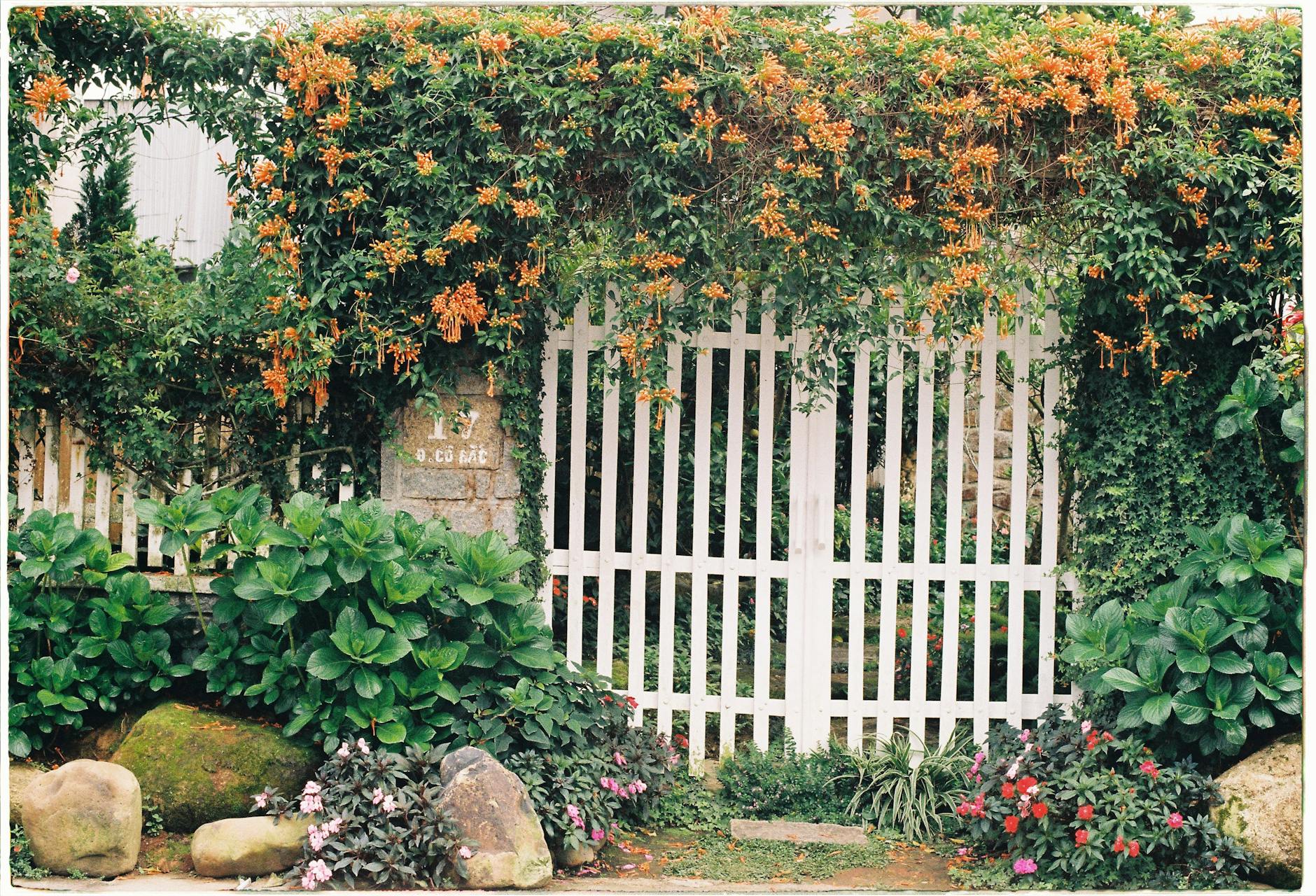
The gardens are listed in the scheme’s annual guide, long known affectionately as the “Yellow Book” and now published as the Garden Visitor’s Handbook, with helpful symbols showing whether each garden has refreshments, plants for sale, wheelchair access, dogs welcome and so on. Each garden is vetted by local volunteers and is expected to offer at least “45 minutes of interest.” The sums raised are staggering: through entry fees and all that tea and cake, the scheme has donated tens of millions of pounds over the decades to charities including Marie Curie, Macmillan Cancer Support and Hospice UK. Visiting an NGS garden is a genuinely feel-good afternoon.
Village open garden trails
My personal favourite is the village open-gardens day, when a whole community opens its garden gates on the same afternoon for charity. You buy a single ticket or map, then wander from house to house along the village lanes, peeking into walled courtyards, cottage plots, grand rectory gardens and productive vegetable patches, all in one go. It is a wonderful, sociable way to spend a day and to see the astonishing variety hidden within a single Cotswold village.
These trails have a lovely community spirit: there is usually tea and homemade cake in the village hall or church, plant stalls run by green-fingered locals, and plenty of cheerful chat over the garden fence. You will pick up ideas, swap tips, and very likely come away with a plant or two and a full stomach. Keep an eye on parish noticeboards, local press and the NGS listings, as many villages run their open day on the same weekend each year.
The famous Cotswold gardens and their open days
Alongside the modest private plots, the Cotswolds are home to some genuinely world-class gardens, several of which open regularly or hold special charity days. Kiftsgate Court Gardens, perched on the escarpment near Chipping Campden with views to the Malvern Hills, is one of the most romantic gardens in Britain, the creation of three generations of women gardeners and home to the vigorous, legendary Kiftsgate rose. Just across the lane sits the more famous Hidcote, the National Trust’s masterpiece of garden “rooms.”
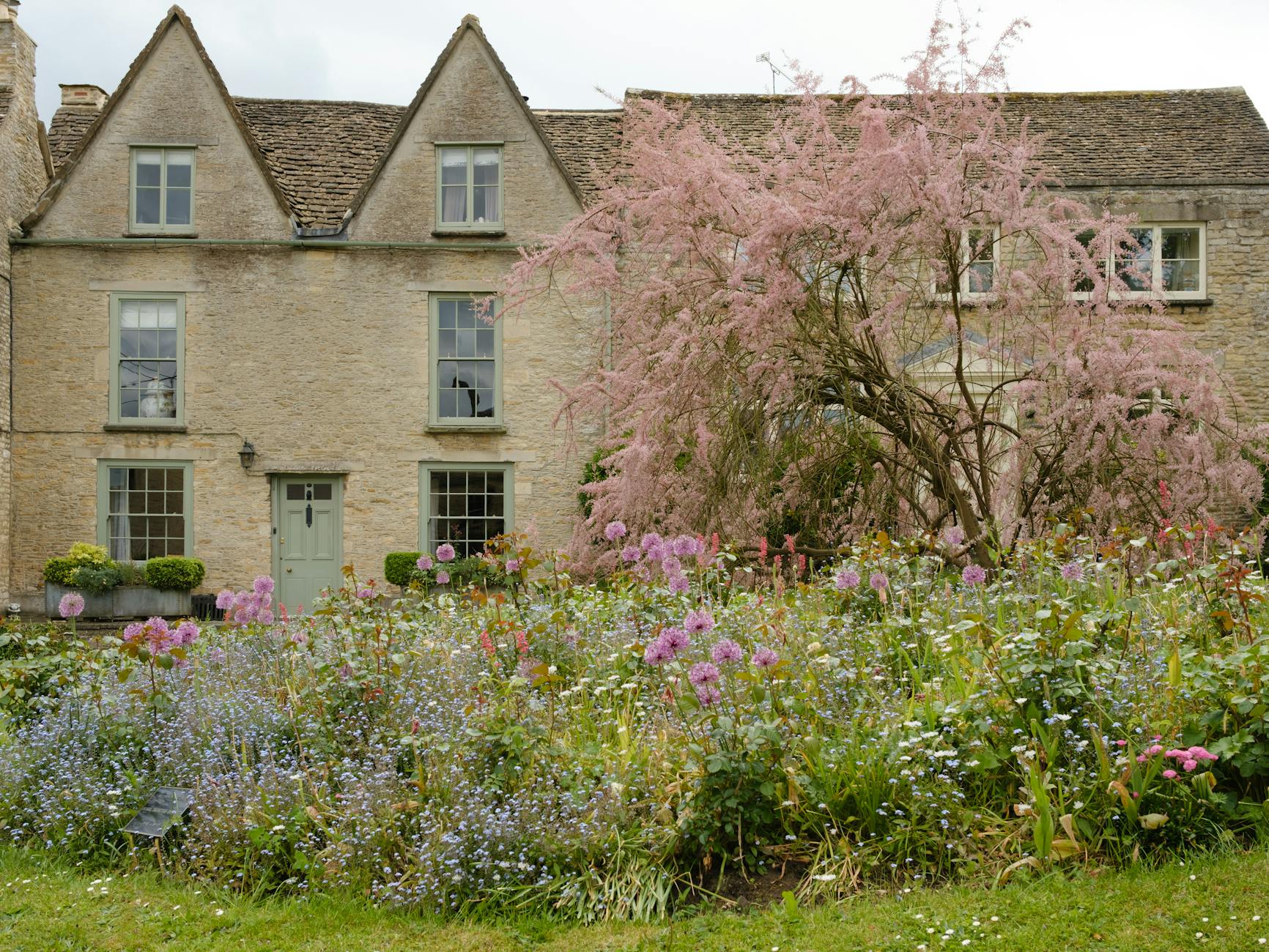
Other unmissable gardens include Bourton House Garden near Moreton-in-Marsh, a former “Garden of the Year” winner open through the main season; Misarden (Miserden) with its magnificent mixed borders, among the longest in Britain; and Barnsley House, the celebrated four-acre garden created by the legendary designer Rosemary Verey, now a boutique hotel that opens its gates on occasional special days. Add the exotic water gardens of Sezincote, the hand-crafted Arts and Crafts garden at Rodmarton Manor, and the romantic Cerney House Gardens, and you have a horticultural feast. Many of these feature in our wider guide to the best gardens in the Cotswolds.
Royal gardens: Highgrove
The most exclusive garden visit of all is to Highgrove, near Tetbury, the private home of King Charles III, whose celebrated organic gardens have been his passion project for over four decades. The gardens open to the public for guided tours from spring to autumn, but tickets are limited, much sought-after and must be booked well in advance through the official Highgrove channels — this is no casual drop-in.
It is, however, a genuinely special experience, offering a rare glimpse into the private world and horticultural vision of the King himself, with proceeds supporting his charitable work. You can read more about Highgrove and the region’s other notable residents in our guide to famous Cotswolds residents. Book early, as tours sell out months ahead.
Tea, cake and the social side
Let me let you in on a little secret: for many of us, the tea and cake is at least half the point. An open garden afternoon almost always comes with homemade refreshments — wobbling Victoria sponges, lemon drizzle, scones with jam and cream — usually served on a lawn or terrace, with all proceeds going to charity. It is the perfect reward for a circuit of the borders, and a chance to sit and soak up the surroundings.
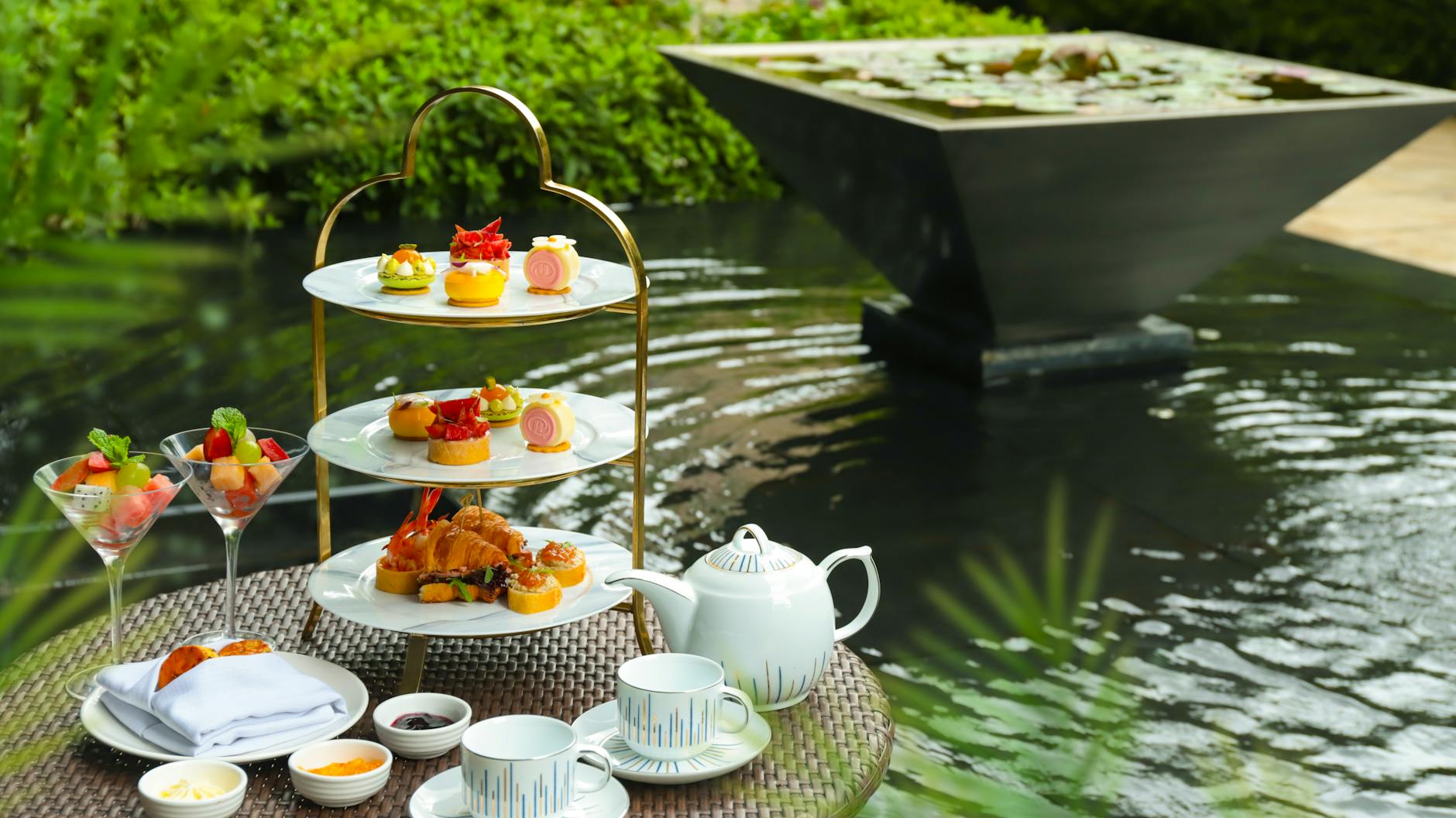
Just as enjoyable is the social side. Garden owners are often on hand and are usually delighted to talk about their plants, their triumphs and their disasters, so do strike up a conversation — it is the best possible source of practical, local gardening advice. And don’t miss the plant stall, where you can buy cuttings and divisions raised by the owners themselves, often of unusual varieties you will not find in any garden centre, at very friendly prices.
When to go: the open garden season
The open garden season follows the gardening year. It begins surprisingly early, with snowdrop gardens opening in February — a cheering first sign of the year to come, covered in our guide to the Cotswolds in winter. Spring brings bulbs, blossom and woodland gardens into their own, while the peak comes in early summer, from May through July, when roses ramble, herbaceous borders explode with colour, and the choice of open gardens is at its widest.
The season carries on into late summer and early autumn, with dahlias, grasses and rich seasonal tints, before winding down. So while you can find open gardens across much of the year, late spring and early summer offer the greatest number and the most spectacular displays. Our seasonal guides to the Cotswolds in spring and summer will help you match your visit to the blooms.
More gardens and arboreta to seek out
The roll-call of Cotswold gardens goes on and on. Painswick’s Rococo Garden, the only complete garden of its kind in England, is a quirky 18th-century delight famous for its snowdrops and follies. The great arboreta at Westonbirt and Batsford offer trees rather than borders, spectacular in spring blossom and autumn colour alike. And many of the region’s stately homes have magnificent gardens in their own right — the ten gardens of Sudeley Castle, the eccentric hillside plot at Snowshill Manor and the grand grounds of Stanway among them.
Smaller gems are scattered everywhere, from Cerney House Gardens near Cirencester to Abbotswood near Stow, many of which open for charity days as well as their regular seasons. You can happily build an entire Cotswold holiday around gardens alone, and never run out of new gates to step through. Several of these grand gardens belong to houses featured in our guide to Cotswolds stately homes, so a garden visit and a house tour often go hand in hand.
Why the Cotswolds are such a great garden region
It is no accident that the Cotswolds are so rich in gardens. The combination of fertile soil, a gentle climate, sheltered valleys and that incomparable backdrop of honey-coloured stone makes for near-perfect gardening conditions, and walls and cottages of warm limestone are a flattering frame for any planting. Generations of keen gardeners have risen to the challenge, and the region has long attracted those with the means and the passion to create something special.
The Cotswolds also have a genuinely important place in garden history. The influential “garden rooms” of Hidcote helped shape 20th-century garden design the world over, the neighbouring Kiftsgate carried the torch, and the late Rosemary Verey, gardening from Barnsley House, became one of the most celebrated designers of her age, advising royalty and tastemakers alike. That design heritage, rooted in the Arts and Crafts movement I describe in our guide to the Arts and Crafts Cotswolds, still inspires gardeners today — and you can feel it in the open gardens you visit.
Combining gardens with a wider Cotswold trip
The beauty of garden open days is how easily they slot into a broader Cotswold break. Because the gardens are scattered through the prettiest parts of the region, a day’s garden-visiting naturally takes you down lanes and through villages you might otherwise miss, with plenty of excuses to stop for a pub lunch, a browse round an antiques shop or a riverside stroll along the way. Gardens give a trip a gentle structure without ever feeling like hard work.
For keen gardeners, a few days based in a central spot such as Moreton-in-Marsh, Stow or Cirencester, with a different garden or two each day, makes for a blissful, restorative holiday. Tie it to a season — snowdrops in February, roses in June, dahlias in September — and you can return year after year to see the region’s gardens in entirely different moods. It is the kind of soft, slow travel the Cotswolds were made for.
How to find open days and plan a visit
Finding open gardens is half the fun. The National Garden Scheme’s website and app let you search for gardens opening near you by date, with all the practical details, and the printed Garden Visitor’s Handbook is a lovely thing to browse over winter while planning the year ahead. For village open days and one-off charity openings, watch the local press, parish magazines and noticeboards, and check the websites of the great gardens directly for their own opening calendars.
A few practical notes. Many private gardens open on just one or two days a year, so check dates carefully and don’t turn up uninvited at other times — these are people’s homes. Entry fees are usually modest, often only a few pounds, but bring cash, as not every garden takes cards. Wear comfortable, sensible shoes for lawns and gravel paths that may be damp, check the dog policy before bringing a four-legged friend, and allow more time than you think — gardens, and gardeners, have a way of drawing you in.
Getting the most from open gardens
To make a really rewarding day of it, plan to combine a couple of gardens that are close together, perhaps a grand showpiece garden in the morning and a village trail in the afternoon, with a pub lunch in between. Take a notebook or your phone to jot down plant names and ideas, because you will see clever combinations and unusual varieties you will want to try at home.
Above all, slow down and savour it. Open gardens are not a tick-box exercise; they reward lingering, looking closely, and chatting to the people who created them. Buy the plant, eat the cake, sit on the bench in the sun for ten minutes. Done in that unhurried spirit, a Cotswold garden open day is one of the most relaxing and quietly joyful ways to spend an afternoon anywhere in England — and you will be supporting good causes while you are at it.
Frequently asked questions about Cotswolds garden open days
What is the National Garden Scheme?
The National Garden Scheme (NGS) is a charity, founded in 1927, that opens privately owned gardens of “quality, character and interest” to the public on selected days, raising money for nursing and health charities such as Marie Curie and Macmillan. The gardens are listed in its annual Garden Visitor’s Handbook, long known as the “Yellow Book.”
How much does it cost to visit an open garden?
Entry to NGS and village open gardens is usually modest, often just a few pounds, with the money going to charity. Children typically go free. The famous showpiece gardens charge a standard admission, and the most exclusive, such as Highgrove, cost more and must be booked in advance. Bring cash, as not all small gardens accept cards.
When is the best time for garden open days in the Cotswolds?
Late spring and early summer, from May to July, offer the most open gardens and the most spectacular displays of roses and herbaceous borders. February brings snowdrop openings, and the season continues into early autumn. Because many private gardens open on only one or two days a year, always check dates in advance.
Can you visit Highgrove, King Charles’s garden?
Yes, the gardens at Highgrove near Tetbury open for guided tours from spring to autumn, but tickets are limited and must be booked well in advance through the official Highgrove channels. It offers a rare glimpse into the King’s private organic gardens, with proceeds supporting his charitable work.
Garden open days are the Cotswolds at their most generous and welcoming — a chance to step through the gates, admire the work of passionate gardeners, support good causes and enjoy a proper slice of cake into the bargain. Whether you choose a world-famous garden or a humble village trail, you will come home inspired. To plan around the very best gardens in the region, see our guide to the best gardens in the Cotswolds, or return to the pillar guide on Cotswolds events, festivals and seasons. For the region at its most gloriously eccentric, see our guide to Cotswolds cheese rolling and other local traditions.