This article contains advertising. My booking links are routed through a partner that adds commission tracking automatically, so if you book through one I earn a commission from the provider, at no extra cost to you. It never affects what I recommend. Affiliate disclosure
There is something especially magical about Bonfire Night in the Cotswolds. Picture a crisp, frosty November evening, the honey-coloured stone of an ancient market town glowing in the firelight, the smell of woodsmoke and toffee apples in the air, and then the sky above the rolling hills erupting into colour as the fireworks begin. Every year on and around the fifth of November, towns and villages across the region light their bonfires and put on dazzling displays, and it is one of the most atmospheric nights of the Cotswold calendar.
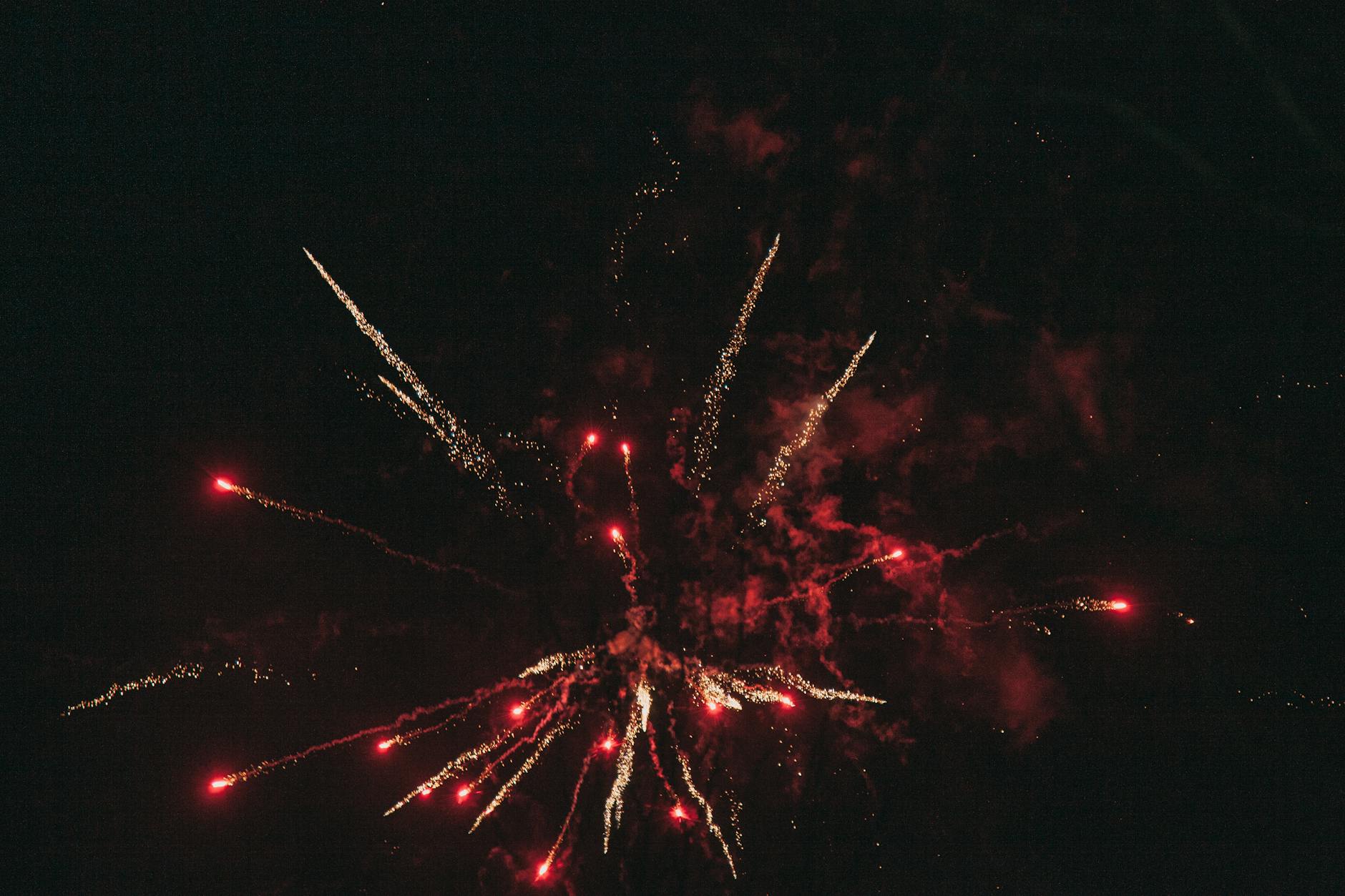
This guide rounds up everything you need to enjoy Bonfire Night in the Cotswolds: the story behind the tradition, the best big displays, family-friendly and low-noise options, the charm of the village bonfires, and all the practical tips to keep the night fun, warm and safe. Because exact dates and events change from year to year, I have kept the focus on what to look for and how to plan — always check this year’s local listings before you set out.
What is Bonfire Night?
Bonfire Night, also known as Guy Fawkes Night or Fireworks Night, is held every year on 5 November and commemorates one of the most dramatic episodes in English history: the failed Gunpowder Plot of 1605. A group of conspirators, led by Robert Catesby, planned to blow up the House of Lords and assassinate the Protestant King James I in a bid to restore a Catholic monarch. The plot famously unravelled when Guy Fawkes was discovered in the cellars beneath Parliament guarding the gunpowder, and arrested.
The plot’s failure was celebrated with bonfires that very night, and the commemoration has continued, in one form or another, for over four centuries. Today the tradition lives on in bonfires topped with a “Guy,” spectacular firework displays, and the old rhyme that every British child knows: “Remember, remember the fifth of November.” It is a wonderfully evocative slice of living history — and a brilliant excuse for a party on a cold autumn night. You can explore the wider sweep of the region’s past in our guide to Cotswolds history and heritage.
The big organised displays
For sheer spectacle, the big organised displays are hard to beat, and the Cotswolds have some excellent ones. These large events typically combine an enormous bonfire with a professionally choreographed firework display, often set to music, plus funfair rides, food stalls and bars to make a proper evening of it. They are run by everyone from charities and Round Tables to racecourses and sports clubs, with the proceeds frequently going to good causes.
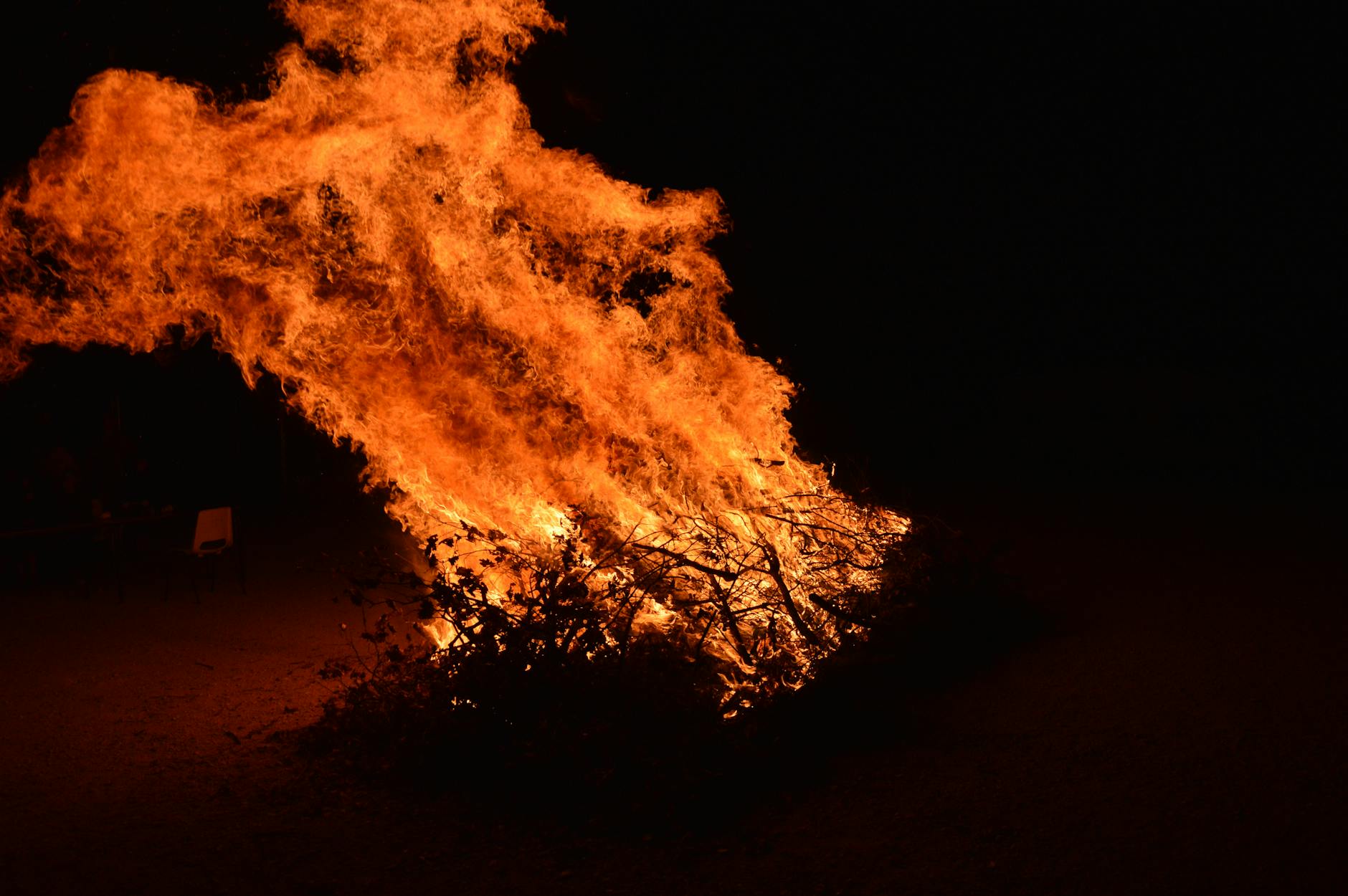
Among the region’s regular highlights, the South Cerney Fireworks Spectacular near Cirencester is a huge crowd-pleaser, with a giant bonfire, a low-noise children’s display, a choreographed main show, a fairground and food courts. Cheltenham Racecourse puts on one of the best family firework shows around, complete with a funfair, while events at venues such as the Moreton-in-Marsh Fire Service College and Croft Farm near Tewkesbury — where the fireworks reflect off a lake — draw big, happy crowds. Cirencester Park has also long hosted one of the area’s most popular displays. Exact dates, venues and ticketing change each year, so always check the latest listings.
Family-friendly and low-noise displays
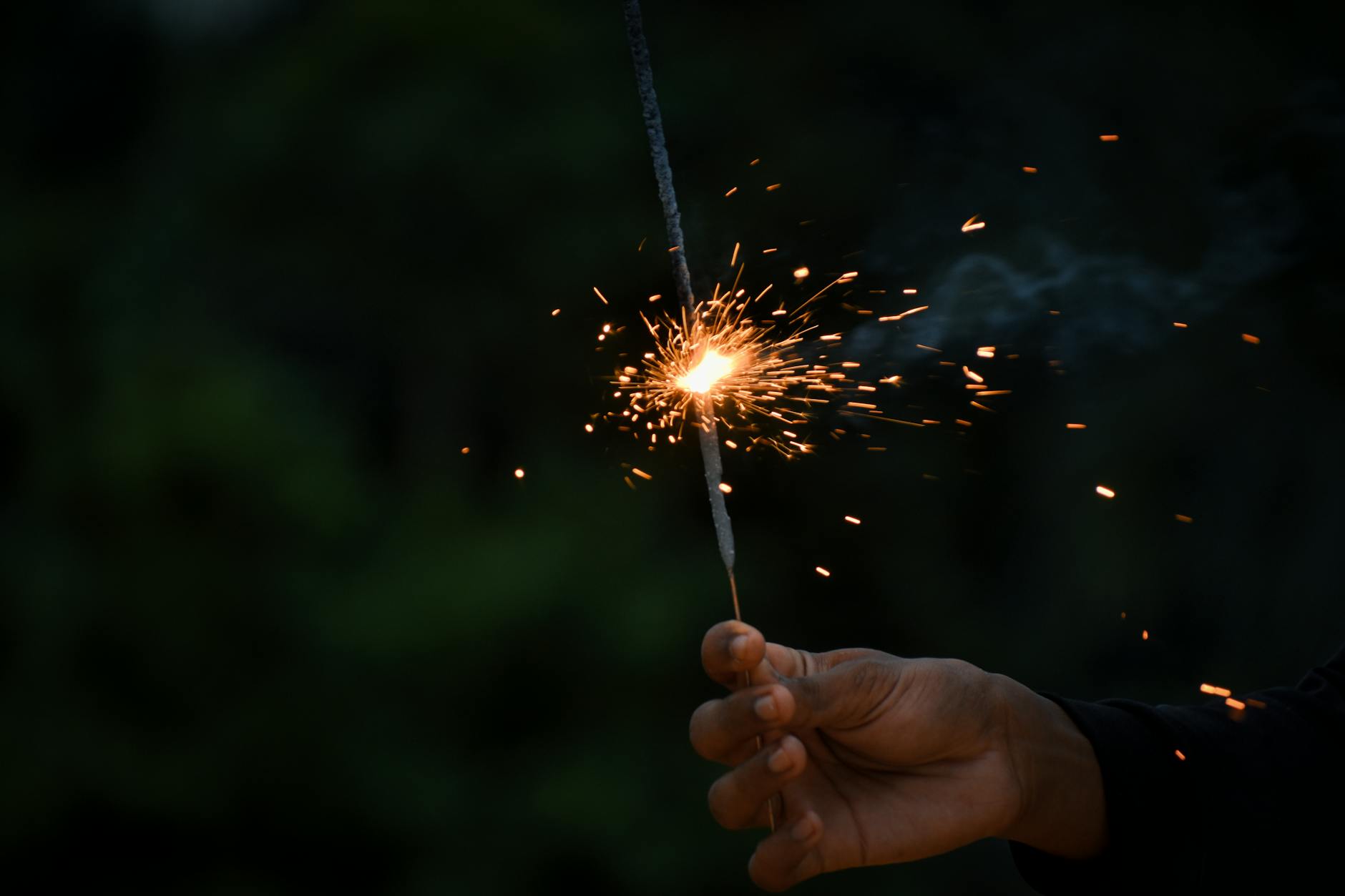
Bonfire Night is a wonderful family occasion, and many Cotswold displays are designed with younger children firmly in mind. Look out for early-evening start times, gentle funfairs, hot food and the all-important sparklers, which let little ones join in the fun safely under supervision. These family shows are often a touch shorter and earlier than the late-night spectaculars, so children can enjoy them without staying up too late.
An increasingly popular and welcome trend is the low-noise, or “silent,” firework display, which delivers all the visual dazzle with far less of the ear-splitting bang. Several venues around Cheltenham and the wider region now offer these, and they are a brilliant option for families with very young children, anyone with sensory sensitivities, and those who worry about frightening pets and livestock. If loud bangs are a concern for your household, it is well worth seeking one of these out.
Village bonfires and community events
While the big displays bring the spectacle, some of the most charming Bonfire Night experiences are the smaller, community-run events in the villages. All across the Cotswolds, village halls, sports clubs, schools and pubs put on their own bonfire-and-firework nights, often with a homemade feel, a roaring community bonfire, hot dogs and mulled wine, and a wonderfully warm local atmosphere.
These events are usually cheaper, less crowded and more relaxed than the big set-pieces, and they offer a genuine taste of Cotswold community life at its best — everyone wrapped up against the cold, faces lit by the flames, neighbours catching up over a cup of something warm. If you are staying in a particular village or market town, it is well worth asking locally or checking the parish noticeboard to see what is happening on your doorstep. Sometimes the smallest events are the most memorable.
When are the displays held?
While Bonfire Night itself is always 5 November, the displays are not confined to that single date. Organisers set their own dates, so displays are spread over several evenings around it: in 2026, for example, South Cerney’s is on 31 October and Dursley’s on 7 November. That is good news, as it means you can often catch more than one display, and you are not limited to a single midweek night. Check each organiser’s site for its date.
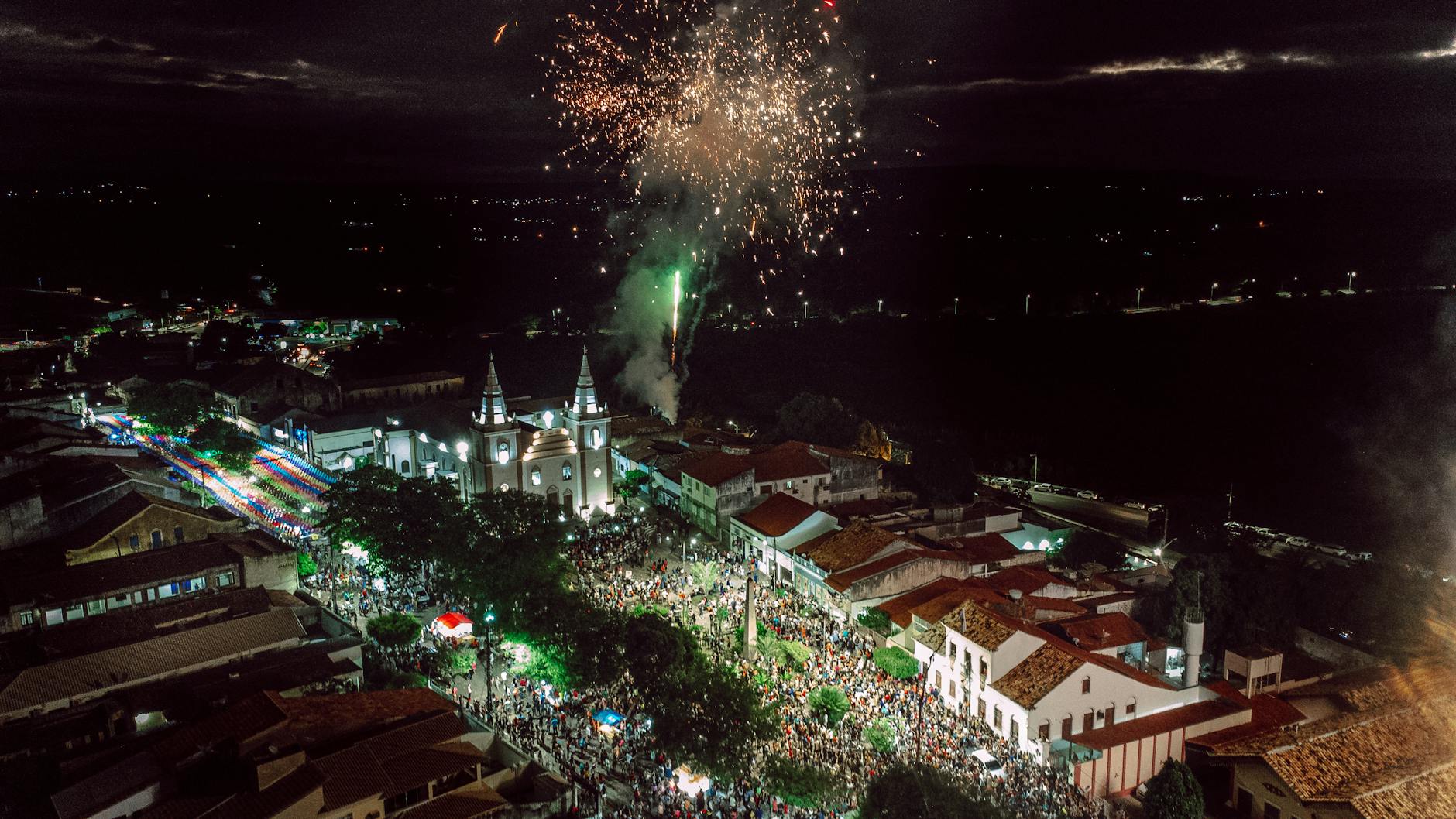
The flip side is that the calendar varies every year, and popular events can sell out or change venue, so a little homework pays off. Check the websites of the major displays and the local what’s-on listings a few weeks ahead, note which are ticketed in advance, and build your plans around the dates that work for you. Many displays release tickets online at a discount compared with paying on the gate, so booking early can save both money and disappointment.
Tips for a great Bonfire Night
A little preparation makes all the difference on a cold November night. Buy tickets online in advance where you can, both to save money and to guarantee entry to the popular displays, and aim to arrive early, as parking at the big events fills up fast and the approach roads can get busy. Wrapping up really warmly is non-negotiable: think thermal layers, hats, gloves, scarves and proper waterproof boots, because you will be standing around outdoors in the cold and quite possibly the damp.
Bring a torch for navigating dark fields and car parks, and a flask of something hot if food and drink are not provided. If you have children, keep them close in the crowds and supervise sparklers carefully — hold them at arm’s length, wear gloves, and have a bucket of water to drop the spent ones in. Above all, follow the organisers’ instructions and the firework safety code, and never bring your own fireworks to an organised display. A bit of common sense keeps the night magical for everyone.
Pets, wildlife and being considerate
It would be remiss not to mention the other side of fireworks. The loud bangs can be genuinely distressing for pets, livestock and wildlife, which is a real consideration in a rural, farming region like the Cotswolds. If you have a dog or cat, the kindest approach on firework nights is to keep them indoors with the curtains drawn and some background noise, and to make sure they are microchipped in case they bolt.
This is also part of why low-noise displays have become so popular, and why attending an organised event — rather than letting off fireworks at home near fields and stables — is the considerate choice. Enjoy the spectacle to the full, but spare a thought for the animals and the farmers, and the Cotswolds will keep this wonderful tradition alive happily for everyone. It is a small kindness that fits the gentle spirit of the place.
The “Guy,” toffee apples and bonfire food
Part of the fun of Bonfire Night is its wonderfully old-fashioned trappings. Traditionally, children would make a “Guy” — a stuffed effigy of Guy Fawkes from old clothes and newspaper — and wheel it round asking for “a penny for the guy” before it was ceremonially burned atop the bonfire. While that custom has faded a little, many community bonfires still crown their blaze with a Guy, keeping the centuries-old ritual alive.
Then there is the food, which is half the reason to go. Bonfire Night has its own delicious culinary traditions: sticky toffee apples, treacly bonfire toffee, jacket potatoes baked in foil, hot dogs and burgers, steaming mugs of soup, and mulled wine or cider to warm cold hands. Many of the bigger displays have excellent food stalls, while at village events you will often find home-baked treats and parkin, a dark, gingery cake traditionally eaten at this time of year. Eating piping-hot food in the firelight on a frosty night is a simple, timeless pleasure.
Photographing the fireworks
Fireworks are notoriously tricky to photograph, but a few tricks help enormously. The single most useful thing is a tripod or other steady support, because the best firework shots use a long exposure to capture those gorgeous trailing streaks of light, and any camera shake will blur them. If your camera or phone has a manual or “fireworks” mode, use it, set a low ISO to keep the image clean, and try exposures of a couple of seconds to catch the bursts as they bloom.
Compose your shot to include a little foreground — the silhouette of the bonfire, the crowd, or a honey-stone rooftop — to give a sense of place, and frame loosely, as fireworks are unpredictable. Above all, though, remember to put the camera down for a while and simply enjoy the show with your own eyes; the most magical moments of a Cotswold Bonfire Night are best stored in the memory rather than the memory card.
Where to stay for Bonfire Night
Because the firework season clusters around the early-November weekends, it is worth booking accommodation ahead if you want to make a trip of it, particularly somewhere near your chosen display. A central market town such as Cirencester, Cheltenham, Moreton-in-Marsh or Stow-on-the-Wold makes an ideal base, putting a display, plenty of cosy pubs and good autumn walking all within easy reach.
For the full cosy effect, look for a cottage with a wood-burner or a pub with rooms where you can thaw out by the fire after the fireworks. There is something wonderful about coming in from the cold night air, cheeks glowing, to a warm bed in a centuries-old inn. Just remember that early November can be genuinely cold and damp, so pack accordingly and relish the contrast between the frosty evening outside and the firelit comfort within.
Combining Bonfire Night with an autumn break
Bonfire Night falls at a beautiful time to be in the Cotswolds. Early November still catches the tail end of the autumn colour, the pubs have their fires lit, and the whole region has slipped into its cosy, golden cool-season mood. Building a short break around a firework display is a lovely idea: spend the days walking among the last of the falling leaves, browsing the market towns and lingering over long pub lunches, then wrap up warm for the fireworks after dark.
It also slots neatly into the broader autumn calendar, coming just after Halloween and the spooky-season events that the Cotswolds do so well. For the full picture of the season, see our guides to the Cotswolds in autumn and the haunted Cotswolds. A weekend that pairs a misty autumn walk, a cosy pub and a sky full of fireworks is about as good as a November break gets.
Why the Cotswolds are a special place for Bonfire Night
Plenty of places do fireworks, of course, but the Cotswolds bring something extra to the occasion. There is the setting, for a start: bursts of colour reflected in the honey-coloured stone of towns that have stood for centuries, bonfires blazing in fields ringed by ancient drystone walls, and that big, dark rural sky overhead, far from the light pollution of the cities, to show the fireworks off at their best. It turns a familiar national tradition into something genuinely memorable.
There is also the strong sense of community that still runs through Cotswold life. Many of the displays are run by and for local people, raising money for charities and good causes, and they carry a warmth and friendliness that the slickest city show can sometimes lack. Whether you choose a grand professional spectacular or a humble village bonfire, you are joining in a shared, centuries-old ritual that the Cotswolds keep alive with real affection.
So pick your night, pull on your warmest coat, grab a toffee apple, and find your spot as the first rocket climbs into the dark. Few experiences capture the cosy, communal magic of a Cotswold autumn quite like standing among the crowd, breath misting in the cold, as the sky above these timeless hills fills with light and colour. It is a fittingly spectacular way to celebrate the turning of the year.
Frequently asked questions about Bonfire Night in the Cotswolds
What are the best fireworks displays in the Cotswolds?
Regular highlights include the South Cerney Fireworks Spectacular near Cirencester, the family display at Cheltenham Racecourse, and events at the Moreton-in-Marsh Fire Service College and Croft Farm near Tewkesbury, alongside Cirencester Park’s long-running display. Many villages also hold their own community bonfires. Dates and venues change each year, so check the latest local listings.
When is Bonfire Night?
Bonfire Night is always 5 November, marking the failure of the 1605 Gunpowder Plot. However, organisers set their own dates: in 2026, for example, South Cerney’s display is on 31 October and Dursley’s on 7 November, so check each organiser’s site for its date.
Are there low-noise fireworks displays in the Cotswolds?
It depends on the organiser. A low-noise or “silent” firework display provides all the visual spectacle with much less of the loud bang, so check each organiser’s noise policy when you choose a display. These are ideal for families with young children, anyone with sensory sensitivities, and households worried about distressing pets and livestock.
What should I take to a Cotswolds fireworks display?
Wrap up very warmly in layers with a hat, gloves and waterproof boots, and bring a torch for dark car parks and fields. Pre-booked tickets, some cash for food stalls, and a hot drink are all useful. If you are bringing children, supervise sparklers carefully, and leave pets safely at home where the noise won’t distress them.
Bonfire Night in the Cotswolds is a glorious mix of history, spectacle and cosy autumn atmosphere — fireworks blooming over ancient stone towns, bonfires blazing against the dark, and the whole community gathered together against the cold. Pick your display, wrap up warm, and enjoy one of the most magical nights of the Cotswold year. To plan the rest of your visit, see our guide to the Cotswolds in autumn, or return to the pillar guide on Cotswolds events, festivals and seasons. Once the fireworks are over, our guide to the Cotswolds in winter covers the months that follow. For the rest of the year’s events calendar, see our guide to the best Cotswolds festivals. Looking for daytime plans to go with the evening? See our guide to family days out in the Cotswolds.