This article contains advertising. My booking links are routed through a partner that adds commission tracking automatically, so if you book through one I earn a commission from the provider, at no extra cost to you. It never affects what I recommend. Affiliate disclosure
For a few magical weeks each summer, a corner of the Cotswolds transforms into something you might expect to find in Provence: row upon row of deep purple lavender, rolling away over the hills, humming with bees and scenting the warm air for miles around. It is one of the most spectacular and joyful sights in the whole region, and a magnet for photographers, families and anyone who simply loves a glorious view. If you time it right, a visit to the Cotswold lavender fields is an absolute highlight of the summer.
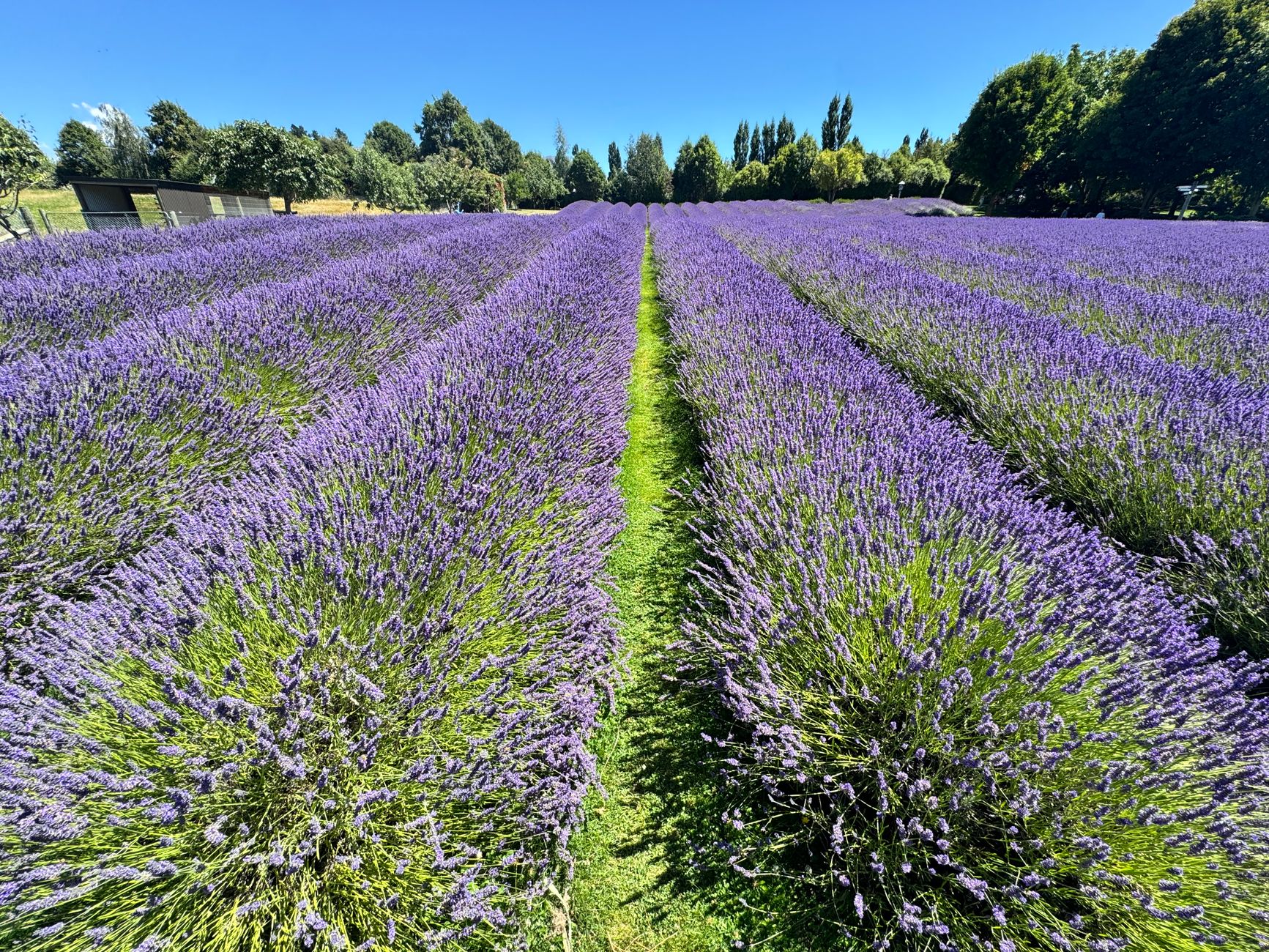
The catch, of course, is the timing: the lavender is only in flower for a short window, and the exact dates shift each year with the weather. This guide tells you everything you need to know to plan the perfect visit — where to go, when the lavender peaks, how to take beautiful photographs, what else to do nearby, and how to avoid the crowds. Get it right, and you will come away with memories (and photos) to treasure.
Cotswold Lavender at Snowshill
The heart of it all is Cotswold Lavender, a working lavender farm at Hill Barn Farm near the pretty village of Snowshill, just outside Broadway in the north Cotswolds. Spread across a 70-acre site, with around 45 acres given over to lavender, it is the region’s premier lavender destination, and the setting is sublime: the purple rows tumble across the rolling hilltop with the Cotswold countryside stretching away in every direction.
It is a genuine family-run farm rather than a manicured tourist trap, which is a big part of its charm. The lavender is grown to be harvested and distilled into oil, and a visit gives you a window into that working life as well as a feast for the eyes and nose. There is a modest entry fee during the open season, which helps maintain the fields and facilities, and it is worth every penny when the lavender is at its best.
When is lavender season in the Cotswolds?
This is the question everyone asks, and the honest answer is that it varies. As a rule of thumb, the farm opens to the public from around mid-June to early August, and the lavender comes into full, glorious bloom in July. The very best time to see it at its purple peak is usually early to mid-July, just before harvesting begins, though a warm or cool spring can shift the timing a week or two either way.
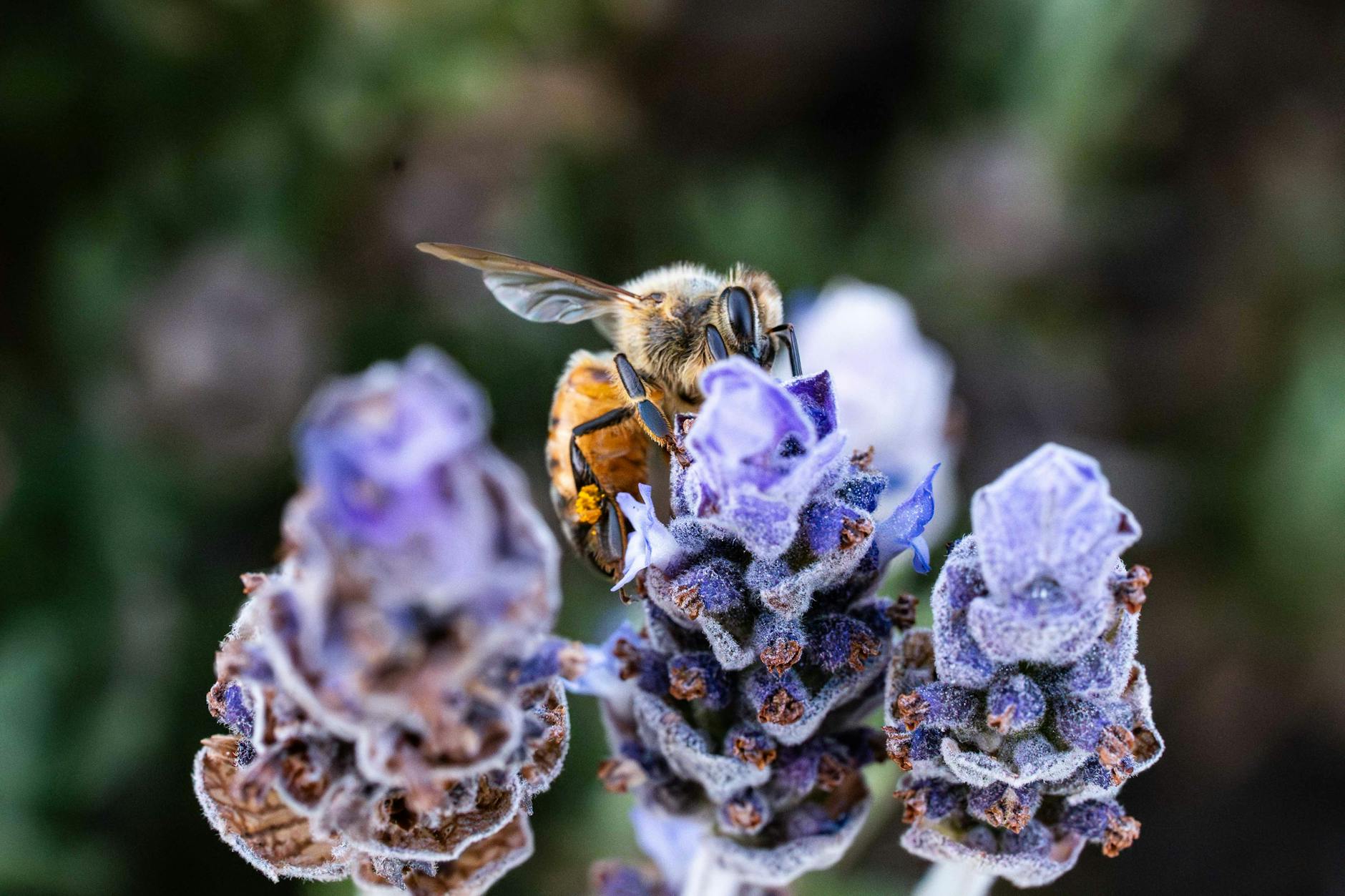
Because the flowering window is short and weather-dependent, the single most important piece of advice I can give you is to check the farm’s website and social media before making a special journey — they post regular updates on how the bloom is progressing. Turn up too early and the rows are still green; too late and they have been cut for distilling. Hit it right, in early-to-mid July, and you will see the fields in all their humming, fragrant glory.
What to see and do at the farm
There is more to a visit than simply admiring the view. The farm sets aside special “show fields” that are left unharvested for visitors, so you can actually walk between the rows, lean in to breathe the extraordinary scent, watch the bees at work and take all the photographs you like without damaging the crop. It is a wonderfully immersive, sensory experience, and the gentle hum of thousands of bees among the flowers is strangely soothing.

Beyond the fields, there is plenty to enjoy. The on-site shop, the Lavender Fields Cabin, sells the farm’s own lavender products — essential oils, soaps, lotions, culinary lavender and more — all distilled or made from the crop you have just been wandering through, which makes for lovely, evocative gifts. There is a café for tea, cake and a sit-down with a view, beautiful wildflower meadows that explode into colour alongside the lavender, and the shady Beechwood Trail, with woodland play for little ones and a path to a fine viewpoint. Dogs are welcome too, so the whole family can come along.
Photography tips for the lavender fields
The lavender fields are a photographer’s dream, and a few simple tips will help you make the most of them. Light is everything: shoot in the early morning or late afternoon, when the sun is low and soft, casting gentle shadows and bringing out the rich purples and greens, rather than in the harsh, flat light of midday. Use the long, straight rows of lavender as leading lines to draw the eye into your shot and create a wonderful sense of depth and endless colour.
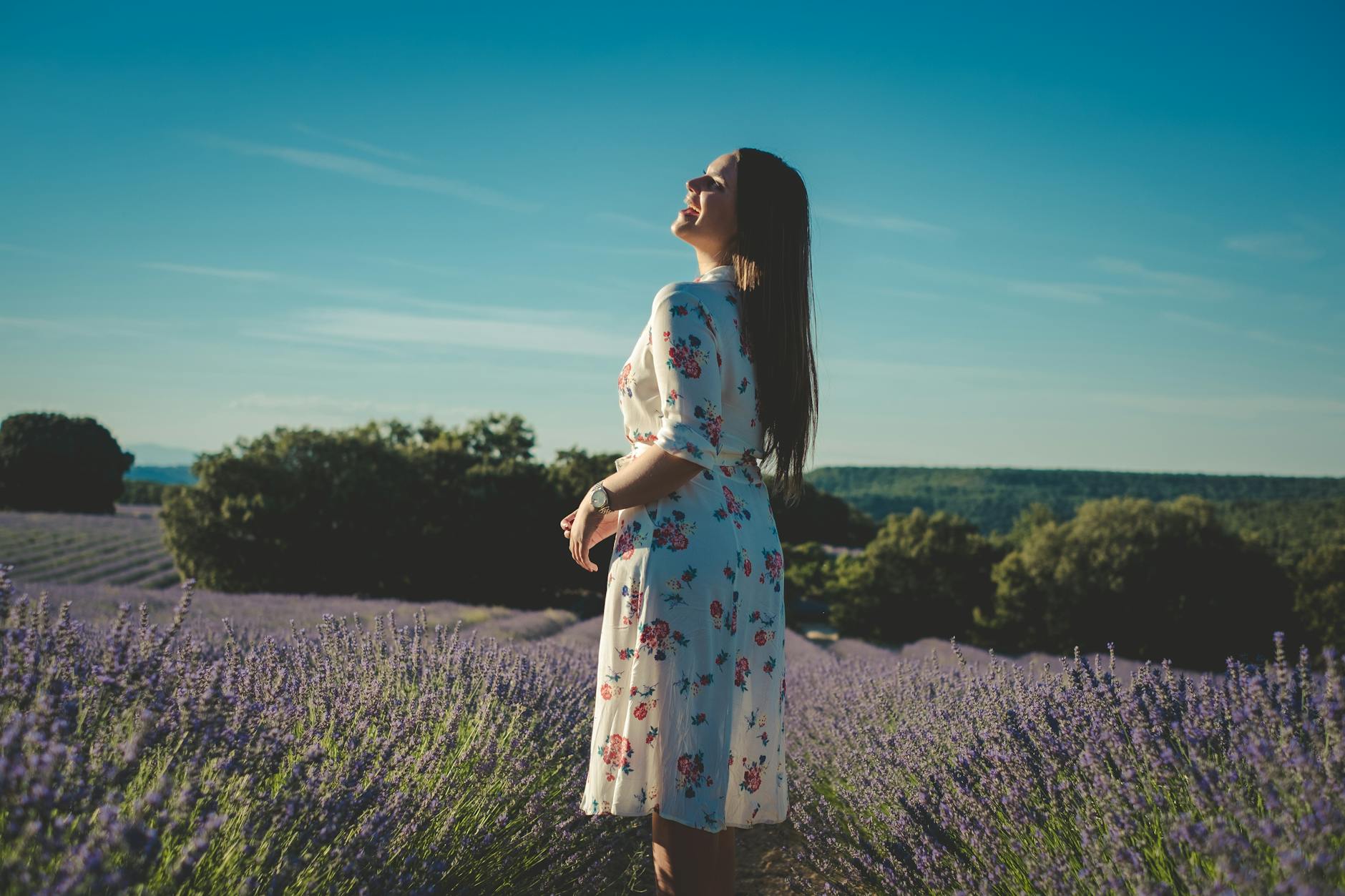
For people shots, wear something that contrasts with the purple — whites, yellows, soft pinks and pale blues all look lovely against the lavender. A few important rules: non-commercial, personal photography is welcome and you do not need a special pass, but drones are not permitted, and professional or commercial shoots require prior arrangement. Above all, stick to the designated show fields and the paths, and never trample or sit in the working rows — this is a crop, and a livelihood. To plan a wider photography trip, our guide to the best Cotswolds photography spots pairs beautifully with the lavender.
Making a day of it: nearby attractions
The lavender fields sit in one of the loveliest parts of the Cotswolds, so it is easy to build a full and delightful day around them. The enchanting village of Snowshill is right on the doorstep, home to the National Trust’s wonderfully eccentric Snowshill Manor and its hillside garden, while the village pub, the Snowshill Arms, serves Donnington ales and proper pub food a short stroll away. It is the perfect lunch stop after a morning among the flowers.
Just down the hill lies handsome Broadway, one of the Cotswolds’ most beautiful villages, with its broad High Street of antique shops, galleries and tea rooms, and the landmark Broadway Tower on the hill above, with cafés and sweeping views. With the showpiece villages of Bibury and Bourton-on-the-Water also within reach, the lavender makes a glorious centrepiece for a classic north Cotswolds day out.
A week-by-week guide to the season
If you really want to nail the timing, it helps to understand how the season unfolds. In mid-June, when the farm first opens, the rows are mostly green with the first hints of colour beginning to show — pretty, but not yet the full purple spectacle. Through late June and into early July the colour builds rapidly, and the fields grow more impressive by the day as more and more flower spikes open.
The grand peak usually falls in early to mid-July, when the rows are a solid, saturated purple and the scent and the bees are at their most intense — this is the moment to aim for. By late July, harvesting begins, and the fields are gradually cut for distilling, so the spectacle fades. Because warm or cool weather can shift the whole sequence by a week or more, treating these as a guide rather than a guarantee — and checking the farm’s updates — is the key to a perfectly timed visit.
What lavender is used for: oils, soaps and well-being
Lavender is far more than a pretty face. The crop grown here is harvested and distilled into essential oil, long prized in aromatherapy for its calming, relaxing properties and famously used as an aid to restful sleep. That same oil finds its way into the soaps, lotions, balms and pillow mists you will find in the farm shop, alongside dried lavender bags and even culinary lavender for baking and infusing — a little goes a long way in a shortbread or a scone.
The flowers are also a magnet for pollinators, and the constant, contented hum of honeybees and bumblebees working the rows is one of the loveliest things about a visit — a reminder of how valuable these fields are for wildlife as well as people. Buying a bottle of oil or a bar of soap made from the very flowers you have just wandered through is a wonderfully evocative souvenir, and the scent will carry you straight back to that purple hilltop long after summer has gone.
A relaxing day out for families
The lavender fields make a surprisingly brilliant family outing. The open, gently sloping fields are easy for all ages to wander, there is loads of space for children to roam, and the Beechwood Trail offers shady woodland play and a path to a viewpoint when little ones need a change of scene. With wildflower meadows to explore, bees and butterflies to spot and dogs welcome throughout, it is a wholesome, low-key day in the fresh air.
It is also, for the grown-ups, genuinely restorative. There is something deeply calming about strolling slowly between fragrant rows under a summer sky, and many visitors find the whole experience as soothing as it is beautiful. Bring a picnic, take your time, let the children run and the bees hum, and you have the makings of one of those simple, golden summer days that linger long in the memory.
Beyond Snowshill: more floral summer sights
If the lavender whets your appetite for the Cotswolds in bloom, the wider region has plenty more to offer in high summer. The flower-rich limestone grasslands of the high commons, such as Cleeve Hill and Rodborough, are alive with wildflowers and butterflies in June and July, and many of the region’s great gardens reach their fragrant, colourful peak at exactly the same time, often with their own lavender-lined paths and borders.
To weave the lavender into a wider floral tour, pair it with a few garden visits — our guides to the best gardens in the Cotswolds and to garden open days are full of ideas. A summer built around lavender fields, wildflower walks and blooming gardens is about as fragrant and beautiful a Cotswold trip as you could possibly plan.
Why lavender thrives in the Cotswolds
You might wonder how a plant so associated with the south of France ends up flourishing on a Cotswold hilltop. The answer lies in the soil and the situation. Lavender loves free-draining, alkaline soil and an open, sunny position, and the thin limestone soils of the high Cotswold wolds, sitting up where the air is dry and the drainage is sharp, suit it surprisingly well. The result is a crop that, in a good July, can rival the famous fields of Provence for sheer impact.
The farm has grown lavender here for years, building up the rows and the expertise to distil high-quality essential oil from the harvest. It is a lovely example of the kind of distinctive, small-scale farming that gives the modern Cotswolds so much of its character — a working landscape that also happens to be breathtakingly beautiful. Standing among the rows, with the scent in the air and the hills all around, it feels like a little slice of the Mediterranean transplanted into the English countryside.
Practical tips for visiting
A few final pointers to make your visit smooth. First and most important: check before you travel, as the fields are only open and in bloom for a short summer window, and the dates change every year. July is the most beautiful time but also the busiest, so to enjoy the lavender in relative peace — and to get those crowd-free photos — come on a weekday and arrive early, ideally soon after opening.
Wear comfortable shoes for the grassy, sometimes uneven field paths, and bring sun protection, as the exposed hilltop offers little shade on a hot day. Allow a couple of hours to do it justice, factor in time for the shop and café, and consider combining your visit with nearby Snowshill or Broadway. And do support the farm by picking up a little lavender something from the shop — it is the scent of a Cotswold summer to take home with you. For more on the season as a whole, see our guide to the Cotswolds in summer.
Getting there and a final word
The lavender farm sits up on the hills near Snowshill, a short drive from Broadway, and a car really is the easiest way to reach it, as public transport to this rural spot is limited. There is parking on site, but at the height of the season it can fill quickly on sunny weekends, which is yet another reason to arrive early or come midweek. Sat-navs can occasionally be confused by the rural lanes, so it is worth checking the farm’s directions before you set off.
More than almost any other Cotswold attraction, the lavender rewards a little planning and a willingness to be flexible. Pin your hopes on a single fixed date months in advance and you may be unlucky with the bloom; keep an eye on the updates and pounce when the colour is right, and you will be rewarded with one of the most beautiful sights the English countryside has to offer. It is fleeting, it is seasonal, and that is precisely what makes standing in those humming purple rows feel so special.
Frequently asked questions about Cotswolds lavender
When is the best time to see lavender in the Cotswolds?
Lavender is usually at its peak in early to mid-July, just before harvesting. Cotswold Lavender at Snowshill generally opens from around mid-June to early August, but the exact bloom timing varies each year with the weather, so always check the farm’s website and social media for updates before making a special trip.
Where are the lavender fields in the Cotswolds?
The main lavender fields are at Cotswold Lavender, a working farm at Hill Barn Farm near Snowshill, just outside Broadway in the north Cotswolds. Around 45 acres of lavender stretch across the rolling hilltop, with a shop, café, wildflower meadows and a woodland trail on site.
Can you walk through the lavender fields?
Yes. Cotswold Lavender sets aside special “show fields” that are left unharvested so visitors can walk between the rows, enjoy the scent and take photographs without damaging the crop. Stick to these designated fields and the paths, and never trample or sit in the working rows, which are a commercial crop.
Can you take photos and use drones at Cotswold Lavender?
Personal, non-commercial photography is welcome and does not require a pass, making the fields hugely popular with photographers. However, drones are not permitted, and any professional or commercial photography must be arranged in advance. For the best results, shoot in the soft light of early morning or late afternoon and use the rows as leading lines.
The Cotswold lavender fields are one of the most purely joyful sights of the English summer — a sea of purple, a cloud of scent and a hum of bees, all set against the rolling hills. Time your visit for that short July peak, come early to beat the crowds, and you will understand exactly why people fall in love with this little patch of Provence in the heart of the Cotswolds. For more seasonal highlights, return to the pillar guide on Cotswolds events, festivals and seasons. Later in the year the countryside puts on a very different show — see our guide to Cotswolds fireworks and Bonfire Night.
The lavender is planted, but the hills around it hold the real wild flowers. In June and July the limestone banks and commons of the Cotswolds are full of orchids, wild thyme and marjoram, and they are free to visit. Our guide to Cotswolds wildflower meadows and orchid sites shows where to find them.