This article contains advertising. My booking links are routed through a partner that adds commission tracking automatically, so if you book through one I earn a commission from the provider, at no extra cost to you. It never affects what I recommend. Affiliate disclosure
The Cotswolds events and festivals calendar runs year-round, from world-famous horse racing and literary festivals to wonderfully eccentric village traditions that have survived for centuries. Every season brings its own character to the region — spring lambs and bluebells, summer fairs and lavender fields, autumn colour and harvest festivals, winter frost and Christmas markets. This guide covers the major events, the seasonal highlights and the quirky local traditions that make the Cotswolds one of the most rewarding places to visit in any month of the year.
The Cotswolds in Spring (March–May)
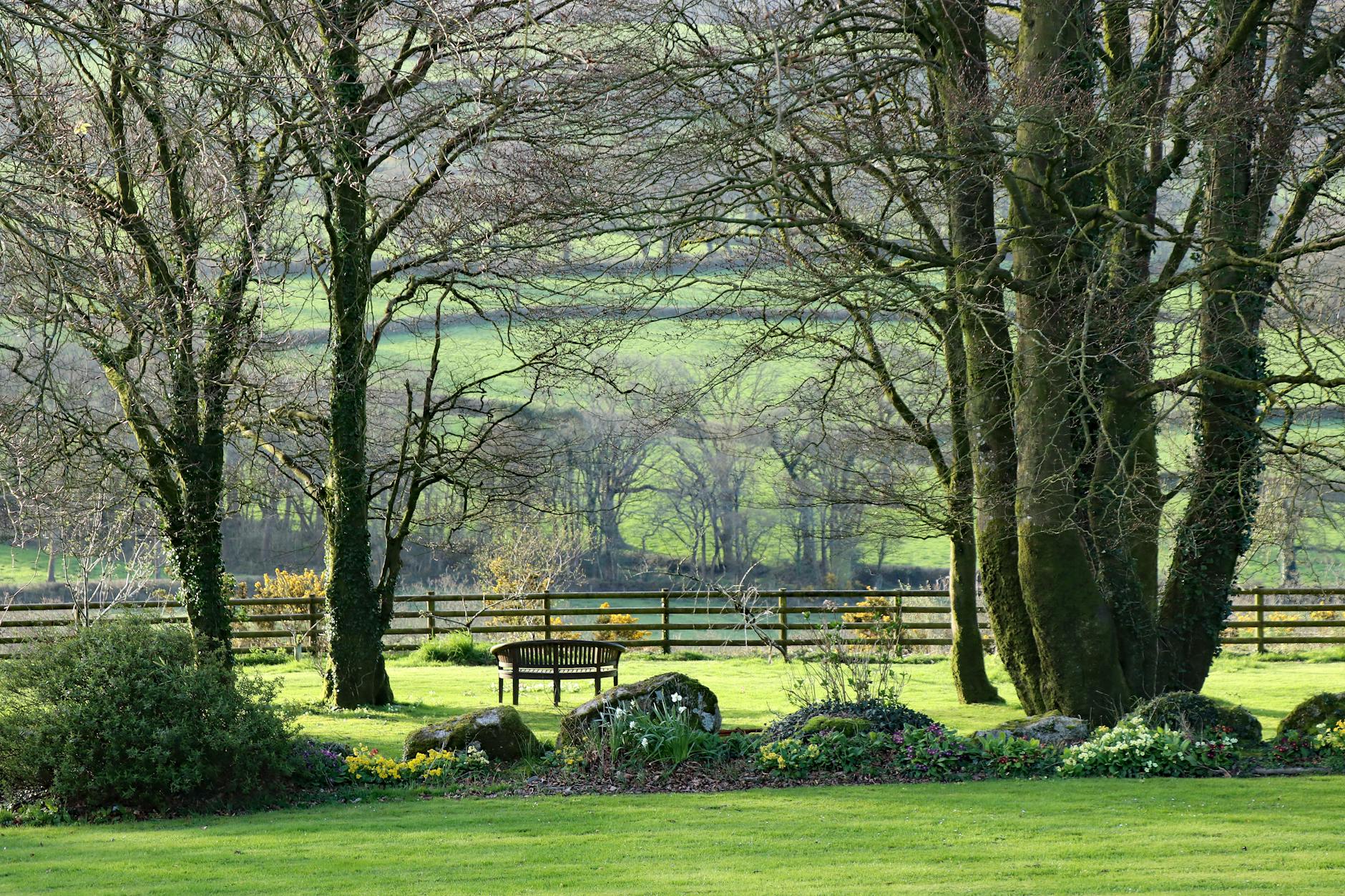
Spring is arguably the most magical season in the Cotswolds. The countryside shakes off winter, wildflowers carpet the meadows, and farm parks welcome newborn lambs. Average daytime highs rise from about 11°C in March to 17°C in May, which suits walking and village exploration before the summer season gets going.
Lambing Season (Late March–Early May)
Lambing season is one of the Cotswolds’ most beloved annual events. Cotswold Farm Park near Guiting Power runs lambing weekends from late March, where families can watch ewes give birth, bottle-feed orphaned lambs and hold day-old chicks. Adam Henson’s farm has become the go-to destination for lambing in the Cotswolds, but many smaller farms across the region also welcome visitors during this period. The sight of lambs bouncing across the hillside fields is quintessentially Cotswold and available to everyone, free of charge, from any country lane or footpath throughout April and May.
Bluebell Season (Late April–Mid May)
The ancient woodlands of the Cotswolds erupt in an extraordinary haze of blue from late April to mid May. Foxholes Nature Reserve south of Kingham is one of the finest bluebell woodlands in the region, a carpet of intense blue beneath a canopy of oak, ash and field maple. Chedworth Woods near the Roman Villa, Cranham Common near Painswick and the woods around Guiting Power are also spectacular. Bluebells flower in spring, often from April into May, and the timing shifts from year to year with the weather. Arrive early in the morning for the quietest experience and the best light for photography.
Spring Events
The Cheltenham Festival (March) is the pinnacle of National Hunt horse racing, drawing hundreds of thousands of spectators to Cheltenham Racecourse over four days in mid-March. The Gold Cup on Friday is the centrepiece, but every day features world-class racing, live music and a festival atmosphere that spills over into the town’s restaurants and bars. Even if horse racing is not your thing, the energy and spectacle of Cheltenham Festival Week make it one of the defining events of the Cotswold calendar.
Easter events take place across the region, with egg hunts at Sudeley Castle, Blenheim Palace and numerous National Trust properties. Cotswold Farm Park runs special Easter lambing events, and many village churches host Easter flower festivals. Cheltenham Jazz Festival (late April/early May) brings world-class jazz musicians to the town for a week of performances, workshops and free outdoor stages.
Chipping Campden Literature Festival (early May) offers a week of author talks, interviews and readings in one of the Cotswolds’ most beautiful towns, followed immediately by the Chipping Campden Music Festival (mid-late May), featuring classical concerts performed in the magnificent setting of St James’s Church.
The Cotswolds in Summer (June–August)
Summer is peak season in the Cotswolds. Long days, warm weather, outdoor dining and an explosion of events make this the busiest — and for many visitors, the best — time to visit. The trade-off is crowds, particularly in popular villages like Bourton-on-the-Water and Broadway, and higher accommodation prices. Book well ahead and consider visiting midweek for a more relaxed experience.
Lavender Season (Mid June–Early August)
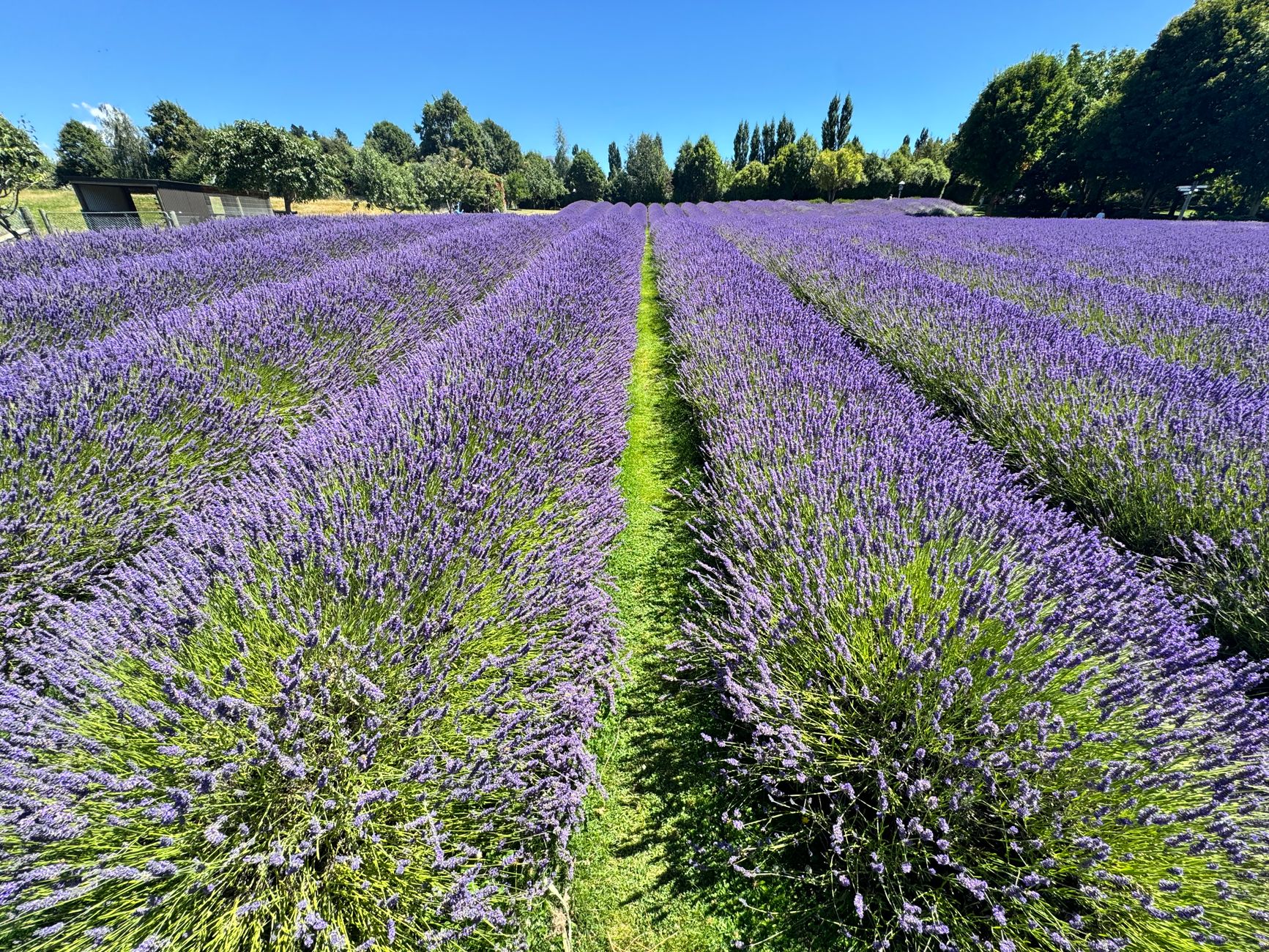
Cotswold Lavender near Snowshill opens its 45 acres of lavender fields to visitors from mid-June to early August, and the sight of row upon row of purple lavender stretching across the hillside with Broadway and the Vale of Evesham visible beyond is genuinely stunning. July is the peak bloom period when the colour and fragrance are at their most intense, though late June is quieter and still beautiful. The farm includes a distillery where you can watch essential oils being extracted (from mid-July), a shop selling lavender products and a picnic area amongst the flowers. Photography enthusiasts flock here for golden-hour shots — arrive in the late afternoon for the warmest light.
Summer Festivals and Events
Wychwood Festival (late May/early June) at Cheltenham Racecourse is an award-winning family festival combining live music, workshops, children’s entertainment and camping over a long weekend. Past headliners have included major acts and the festival has won Family Festival of the Year.
Cheltenham Music Festival (July) is a celebration of classical music with concerts, recitals and talks held across the town’s venues. The Cotswold Show (July) at Cirencester Park combines agricultural exhibits, equestrian displays, food and drink stalls, countryside crafts and arena entertainment in a traditional country show format.
The Big Feastival (late August) at Alex James’s farm near Kingham is the Cotswolds’ premier food and music festival, featuring Michelin-starred chefs, celebrity cooking demonstrations, live music, street food and family activities. It has become one of the must-attend events of the Cotswold summer.
The Royal International Air Tattoo (July) at RAF Fairford is often billed as the world’s largest military air show, drawing aviation enthusiasts from around the globe. While not strictly a Cotswold event, Fairford sits within the Cotswolds and the weekend transforms the southern part of the region.
Badminton Horse Trials (early May, straddling spring and summer) is one of the most prestigious three-day eventing competitions in the world, held on the Duke of Beaufort’s estate near the southern edge of the Cotswolds. The event has been running since 1949.
The Cotswolds in Autumn (September–November)
Autumn is a secret favourite among many regular Cotswolds visitors. The crowds thin dramatically after the school summer holidays, the countryside turns gold and russet, pub fires are lit for the first time since spring, and the light takes on a warm, low-angled quality that makes the honey-coloured stone glow more beautifully than ever. Temperatures remain pleasant through September and October, and the walking conditions are often the best of the year.
Autumn Foliage
Westonbirt, The National Arboretum near Tetbury is the undisputed star of Cotswold autumn, with its 15,000 trees blazing in every shade of red, orange, gold and bronze from late September to mid-November. The Old Arboretum is particularly spectacular, with Japanese maples providing some of the most intense colours. The Enchanted Christmas illuminated trail at Westonbirt extends the appeal into early winter. Batsford Arboretum near Moreton-in-Marsh is a smaller but equally beautiful alternative, and the beech woodlands along the Cotswold escarpment above Cheltenham provide dramatic natural colour.
Autumn Events
The Cheltenham Literature Festival (October) is the world’s oldest literature festival, running since 1949 and attracting bestselling authors, thinkers and cultural icons for ten days of talks, interviews, debates and workshops. The festival fills the town with a bookish energy and its programme is eclectic — from crime fiction and memoir to politics, science and children’s literature. Events sell out quickly, so book early for headline speakers.
Harvest festivals take place across Cotswold villages throughout September and October, with churches decorated with produce and local food. Stroud Farmers’ Market — one of the best in England, running every Saturday year-round — is particularly rich in autumn with locally grown squash, apples, game and freshly pressed cider.
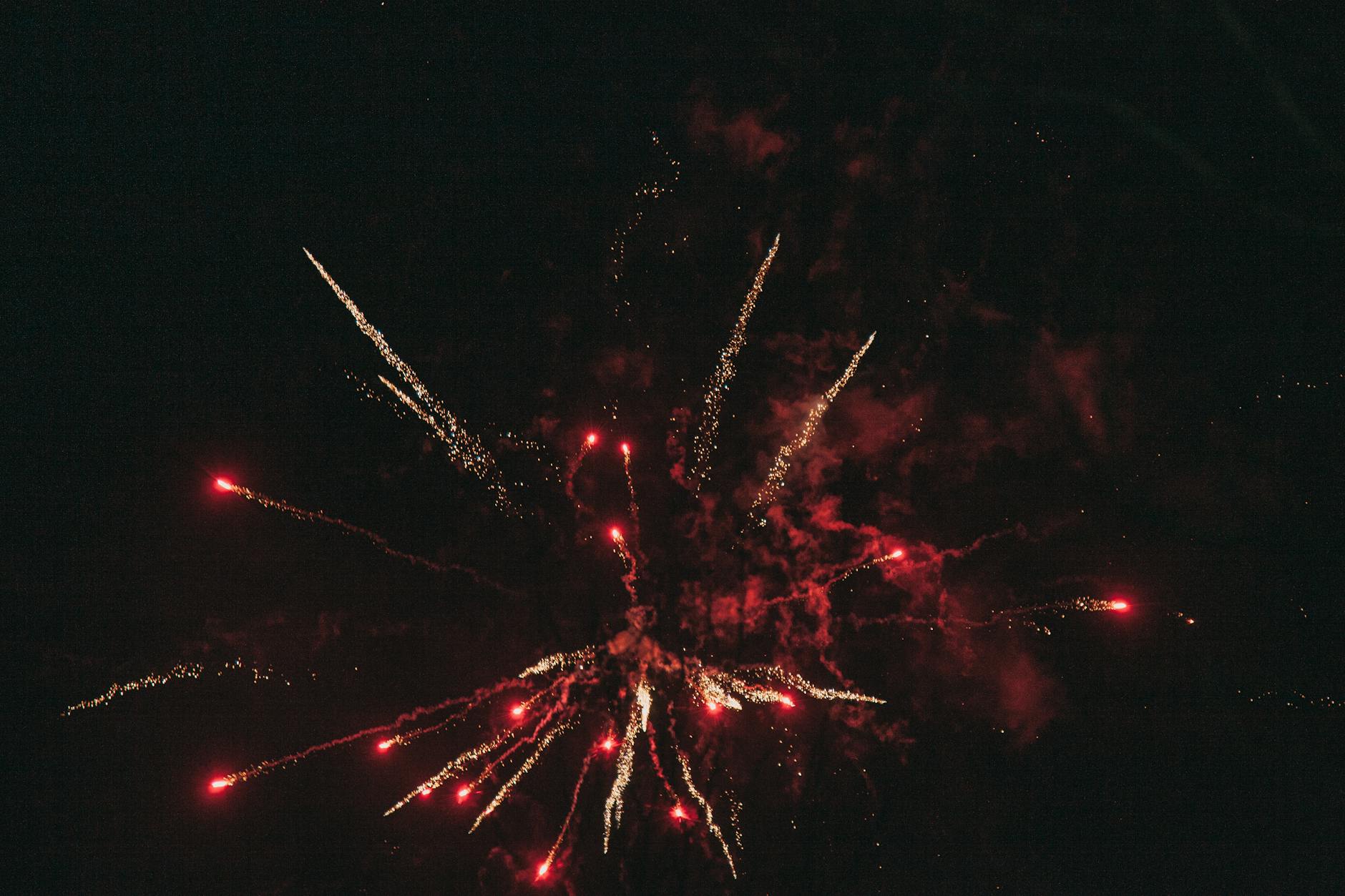
Bonfire Night (5 November) is celebrated with fireworks displays and bonfires across the Cotswolds. Major displays take place at Cheltenham Racecourse, Cirencester and various village venues. Smaller village bonfires, often with hog roasts and mulled wine, capture a more intimate, traditional atmosphere.
The Cotswolds in Winter (December–February)
Winter is the quietest season in the Cotswolds, and for many visitors that is precisely the appeal. Villages that throng with tourists in July are peaceful in January, with just a scattering of walkers and the occasional dog. Frost-covered fields, bare trees silhouetted against pale skies and log fires in ancient pubs create a different kind of beauty — less chocolate-box, more atmospheric and intimate. Pack warm layers, because snow is possible but not common. The key advantage of a winter visit (beyond the peace) is price — accommodation costs drop significantly outside school holidays, and you can often book last-minute stays at properties that require months of advance booking in summer.
Christmas in the Cotswolds
December transforms the Cotswolds into something genuinely magical. The honey-coloured stone villages look as though they were designed specifically for Christmas, and the combination of twinkling lights, carol services, mulled wine and log fires creates an atmosphere that is hard to match anywhere in England.
Christmas markets are held in several Cotswold towns throughout December. Cirencester’s market in the historic Market Place is one of the best, with local artisans, food producers and craftspeople selling handmade gifts, seasonal produce and hot food. Cheltenham’s Christmas market fills the Promenade and Montpellier area with dozens of wooden chalets. Stow-on-the-Wold, Burford and Tetbury all host smaller but charming markets. Broadway‘s Christmas Market combines craft stalls with carol singing in one of the prettiest village settings imaginable.
The Enchanted Christmas at Westonbirt is an after-dark illuminated trail through the arboretum, with trees lit in colour. Check Forestry England’s Westonbirt pages for this year’s dates and to book.
Blenheim Palace Christmas offers an illuminated light trail through the grounds, a Christmas market, ice skating and a themed interior experience in the palace staterooms. Santa Specials on the Gloucestershire Warwickshire Steam Railway bring Father Christmas to families aboard heritage steam trains. Sudeley Castle runs festive events throughout December.
January and February are the quietest months, ideal for long winter walks followed by pub lunches beside roaring fires. The Cotswolds in winter rewards those who embrace the shorter days and cooler temperatures with an experience of the region at its most authentic and unhurried.
Quirky Cotswold Traditions
The Cotswolds has a wonderful collection of eccentric local traditions that have survived for centuries, reflecting the region’s deep roots in rural English culture. These events draw thousands of spectators and participants, and experiencing one is a highlight of any Cotswolds visit.
Cooper’s Hill Cheese Rolling (Late May)
The Cooper’s Hill Cheese-Rolling and Wake is one of the most famous — and wonderfully absurd — events in England. Held on the Spring Bank Holiday Monday near Brockworth, south of Cheltenham, competitors chase a wheel of Double Gloucester cheese weighing seven to nine pounds down a 200-yard hillside with a slope of around 50 percent, tumbling, rolling and somersaulting as they go. The cheese rolls fast, and injuries are a real risk, with competitors regularly taken to hospital. The event is believed to date back at least 200 years, possibly much further, and draws competitors and spectators from around the world. Arrive very early to secure a good viewing position on the hillside — this event is as popular as it is bonkers.
Robert Dover’s Cotswold Olimpick Games (Last Friday of May)
Dating back to 1612, the Cotswold Olimpick Games predate the modern Olympics, which began in 1896, by nearly three centuries. Held on Dover’s Hill above Chipping Campden, the games feature tug-of-war, the Championship of the Hill race, standing jump and the infamous shin-kicking competition, in which opponents hold each other by the shoulders and kick each other’s shins until one submits. The evening ends with a torchlight procession back down to Chipping Campden and a fireworks display. The event was nominated for UK heritage status and captures the wonderfully eccentric spirit of Cotswold tradition.
Tetbury Woolsack Races (Late May)
According to local legend, the Woolsack Races in Tetbury date back to the seventeenth century, when young drovers would race up the steep Gumstool Hill carrying heavy sacks of wool to impress local women. Today, men and women race up the punishing gradient with woolsacks of their own. The event takes place on Spring Bank Holiday Monday and is accompanied by a street fair, live music and plenty of pub-based celebration. It celebrates the wool trade heritage that built the Cotswolds.
Other Quirky Traditions
The Bibury Duck Race (Boxing Day) sees hundreds of plastic ducks raced down the River Coln in one of the prettiest settings imaginable, raising money for local charities. Well dressing ceremonies take place in several villages, decorating natural springs and wells with elaborate floral designs. Pace Egg plays (Easter) and Mummers’ plays (Christmas) keep alive medieval folk drama traditions in several Cotswold communities. The Marshfield Paper Boys perform their mummers’ play on Boxing Day morning in the High Street — a tradition that has continued virtually unchanged for centuries.
Major Cheltenham Festivals
Cheltenham, on the edge of the Cotswolds, is renowned as a festival town, hosting a programme of cultural festivals throughout the year, including its Literature Festival.
The Cheltenham Festival (March) — the National Hunt horse racing festival — is a highlight of the Cotswold calendar, with four days of racing culminating in the Gold Cup. The town’s hotels, restaurants and bars are packed, and the atmosphere is electric. Even non-racing fans get swept up in the excitement.
Cheltenham Jazz Festival (late April/early May) features world-class jazz, soul, funk and blues musicians across multiple venues, with free outdoor stages in Montpellier Gardens bringing music to the streets. Cheltenham Science Festival (June) makes cutting-edge science accessible and entertaining for all ages. Cheltenham Music Festival (July) celebrates classical music with a diverse programme of concerts, recitals and premieres. The Cheltenham Literature Festival (October) is the world’s oldest and remains one of the most prestigious, attracting major authors and cultural commentators for ten days of events.
Together, these festivals make Cheltenham one of the UK’s premier cultural destinations and an excellent base for combining arts and culture with Cotswold village exploration.
Food and Drink Events
The Cotswolds’ strong food and drink scene is celebrated through numerous events throughout the year.
The Big Feastival (late August) at Alex James’s farm near Kingham is the headline food event, combining world-class chefs with live music and family activities. Stroud Farmers’ Market runs every Saturday, 9am–2pm, and has twice won FARMA’s Best Farmers’ Market award, with stalls selling local produce directly from the growers and producers.
Moreton-in-Marsh Tuesday Market is a traditional town-centre market held every Tuesday, in a town whose market rights go back to the thirteenth century, and particularly strong for fresh produce, cheese and local specialities. Charlbury Beer Festival (June) offers hundreds of real ales and craft beers alongside live music and even hosts the Aunt Sally World Championship. Numerous village fetes, harvest suppers and pub events throughout the year provide opportunities to sample the best of Cotswold food and drink in authentic community settings.
Garden Events and Open Days
The Cotswolds is blessed with some of England’s finest gardens, and the calendar of garden events runs from spring through autumn. The National Garden Scheme (NGS) opens private gardens across the Cotswolds on selected dates throughout the summer, offering rare access to beautiful gardens that are not normally open to the public. Proceeds support nursing and health charities, and the gardens range from grand estate gardens to lovingly tended cottage plots.
Hidcote Manor Garden (National Trust) and Kiftsgate Court Gardens near Chipping Campden are at their best from June to August, when the famous garden rooms at Hidcote and the spectacular Kiftsgate rose are in full bloom. The gardens at THE PIG-in the Cotswolds (the former Barnsley House) near Cirencester, created by the legendary garden designer Rosemary Verey, are beautiful year-round. Painswick Rococo Garden is at its most magical in February when snowdrops blanket the woodland floor — one of the earliest garden events of the year and a welcome sign that spring is approaching.
Planning Around Events: Month-by-Month Highlights
January–February: Quietest months. Snowdrop walks at Painswick Rococo Garden. Winter walking. Pub fires. Low accommodation prices.
March: Cheltenham Festival (horse racing). First daffodils. Lambing season begins at farm parks. Easter events if Easter falls early.
April: Lambing season continues. Bluebell season starts. Easter egg hunts and events. Cheltenham Jazz Festival (late April). Gardens opening for the season.
May: Peak bluebell season. Chipping Campden Literature and Music Festivals. Badminton Horse Trials. Cheese Rolling at Cooper’s Hill. Cotswold Olimpick Games. Woolsack Races in Tetbury. Countryside at its greenest.
June: Lavender fields open at Snowshill. Cheltenham Science Festival. Village fetes begin. Longest days. Cotswold Show at Cirencester. Charlbury Beer Festival.
July: Peak lavender season. Cheltenham Music Festival. Royal International Air Tattoo at Fairford. Village cricket. Gardens at their best. Peak tourist season.
August: The Big Feastival. Summer fairs and fetes. School holiday events at attractions. Cotswold Lakes (formerly Cotswold Water Park) at its best. Lavender harvest.
September: Crowds thin. Harvest festivals. Gloucester History Festival. Early autumn colour begins. Ideal walking weather. Food and drink events.
October: Cheltenham Literature Festival. Spectacular autumn colour at Westonbirt and Batsford. Halloween events. Half-term activities. Pub fires lit.
November: Bonfire Night fireworks. Late autumn colour. Quiet villages. Christmas markets start later in the month.
December: Christmas markets across the region. Blenheim Palace Christmas trail. Santa Specials on the steam railway. Carol services in wool churches. Bibury Duck Race (Boxing Day). Marshfield Paper Boys (Boxing Day). New Year celebrations.
Explore the Cotswolds Season by Season
This pillar guide is just the overview. We have written in-depth companion guides to every season and the region’s biggest events — dive into any of the guides below to plan the perfect trip.
- Cotswolds in Spring — bluebell woods, lambing season, wild daffodils and Easter events.
- Cotswolds in Summer — peak-season activities, gardens, lidos and beating the crowds.
- Cotswolds in Autumn — blazing foliage, harvest, pumpkins and cosy pubs.
- Cotswolds in Winter — snowdrops, frosty walks, fireside inns and the quiet off-season.
- Christmas in the Cotswolds — markets, light trails and festive magic.
- Best Cotswolds Festivals — music, food, literature and more.
- Cotswolds Garden Open Days — the National Garden Scheme and village garden trails.
- Cheese Rolling and Quirky Traditions — Cooper’s Hill, shin-kicking and woolsack races.
- Cotswolds Lavender Season — when and where to see the purple fields.
- Bonfire Night and Fireworks — the best displays across the region.
Frequently Asked Questions
What is the best time of year to visit the Cotswolds?
There is no single best time — it depends on what you want to experience, and our month-by-month guide to the best time to visit breaks it down in detail. May and June offer the best weather combined with manageable crowds, spring flowers and the start of the event season. September and October provide stunning autumn colour, fewer crowds and excellent walking conditions. December is magical for Christmas markets and festive atmosphere. Even January and February have their charm, with frosty walks, snowdrops and the lowest prices of the year. Consult our Cotswolds travel guide for more detailed planning advice.
When is lavender season in the Cotswolds?
Cotswold Lavender near Snowshill typically opens from mid-June to early August, with peak bloom in July. Late June offers colour with fewer crowds, while July provides the most intense purple display. The lavender harvest and distillation happen from mid-July, adding an extra dimension to a visit during the later weeks of the season.
What are the most famous Cotswolds events?
The most famous events are the Cooper’s Hill Cheese Rolling (May Bank Holiday), the Cheltenham Festival horse racing (March), the Cheltenham Literature Festival (October), the Cotswold Olimpick Games (last Friday of May), and the Big Feastival (August). Christmas at Blenheim Palace is a winter highlight, with a light trail, market and covered ice rink.
Are Cotswolds events suitable for families?
Many Cotswolds events are specifically designed with families in mind. The Big Feastival, Wychwood Festival, farm park events, Santa Specials on the steam railway and Christmas markets all offer excellent family entertainment. The cheese rolling is thrilling to watch with children (from a safe distance), and village fetes provide quintessentially English family fun. Check individual event listings for age-specific activities and family ticket options.
Do I need to book events in advance?
Major events like the Cheltenham Festival, Cheltenham Literature Festival, the Big Feastival and Blenheim Palace Christmas all sell out and require advance booking — often weeks or months ahead. Smaller village events, farmers’ markets and most garden open days can usually be attended without pre-booking. The cheese rolling and Cotswold Olimpick Games are free and open-access spectator events, though arriving early is essential for a good viewing position.
On the late Spring Bank Holiday Monday, Bampton in West Oxfordshire hands its streets, pubs and gardens over to three teams of Morris dancers, who start dancing around 8.30–9am and work their way round the village until late afternoon, with the evening dancing mostly at the pubs. The Saturday before brings the Great Original Shirt Race. Our Bampton village guide has tips for the day.