This article contains advertising. My booking links are routed through a partner that adds commission tracking automatically, so if you book through one I earn a commission from the provider, at no extra cost to you. It never affects what I recommend. Affiliate disclosure
For a region of small villages and modest market towns, the Cotswolds hide an astonishing density of great houses. Drive almost any direction through these hills and you will sooner or later pass a set of imposing gates, a long avenue of limes, or a glimpse of honey-coloured turrets above the trees. Some are vast baroque palaces, others intimate Tudor manors; one is a Mughal fantasy with an onion dome, another a Victorian mansion that was never finished. Together they tell the story of the Cotswolds’ wealth, power and eccentricity across nine centuries — and the very best of them are open for you to explore.
I have spent many happy days touring these houses, and what I love is how different they are from one another. This is no procession of identical stately piles; each has its own character, its own scandal or treasure or ghost. Below I have gathered the finest stately homes, castles and manor houses in the Cotswolds, with what makes each one special and how to plan your visit. Pack a picnic and a sense of curiosity — you will need both.
Blenheim Palace: the grandest house of all
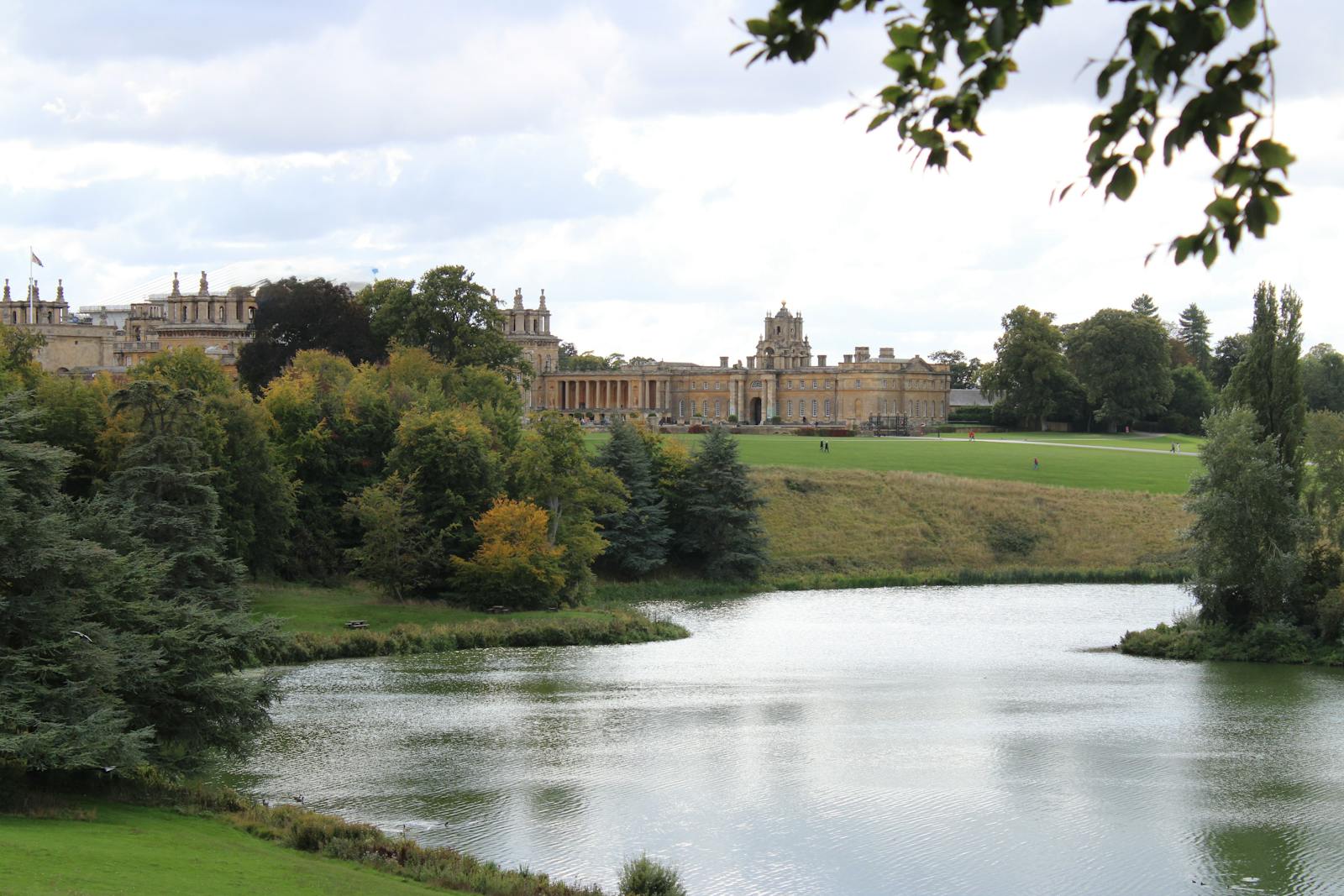
There is simply nothing else in the Cotswolds — or arguably in England — quite like Blenheim Palace. Rising in monumental baroque splendour on the eastern edge of the region at Woodstock, it was built in the early 18th century by the architect Sir John Vanbrugh as a gift from a grateful nation to the first Duke of Marlborough, after his victory at the Battle of Blenheim. It remains the ancestral home of the Dukes of Marlborough, a UNESCO World Heritage Site, and the only non-royal, non-episcopal country house in England to hold the title of “palace.”
The scale is overwhelming: state rooms hung with tapestries and old masters, the soaring Great Hall, the Long Library, and a permanent exhibition devoted to Sir Winston Churchill, who was born here in 1874. Outside, the magnificent parkland was landscaped by “Capability” Brown, who created the great lake and the sweeping vistas that frame the house to perfection. Allow a full day, take in the formal water terraces and the pleasure gardens, and don’t rush the park — it is as much a masterpiece as the palace itself.
Sudeley Castle: a thousand years and a buried queen
If Blenheim is about grandeur, Sudeley Castle, near Winchcombe, is about romance and royal history. Set among ten beautiful gardens and over a thousand acres of grounds, Sudeley can trace its story back more than a millennium, and it holds a unique distinction: it is the only private castle in England with a queen buried in its grounds. Katherine Parr, the sixth and last wife of Henry VIII, lived here after the king’s death and is laid to rest in the castle’s St Mary’s Church, her tomb one of the most affecting sights in the region.
The Tudor connections run deep — the young Elizabeth I and the tragic Lady Jane Grey both have links to Sudeley — and the gardens, especially the famous Knot Garden and the romantic ruins of the old tithe barn, are reason enough to visit on their own. It is also genuinely good for families, with an adventure playground and activities for children, making it one of the easiest great houses to enjoy across the generations. You can read more about its royal residents in our guide to famous Cotswolds residents.
Stanway House and the world’s tallest gravity fountain
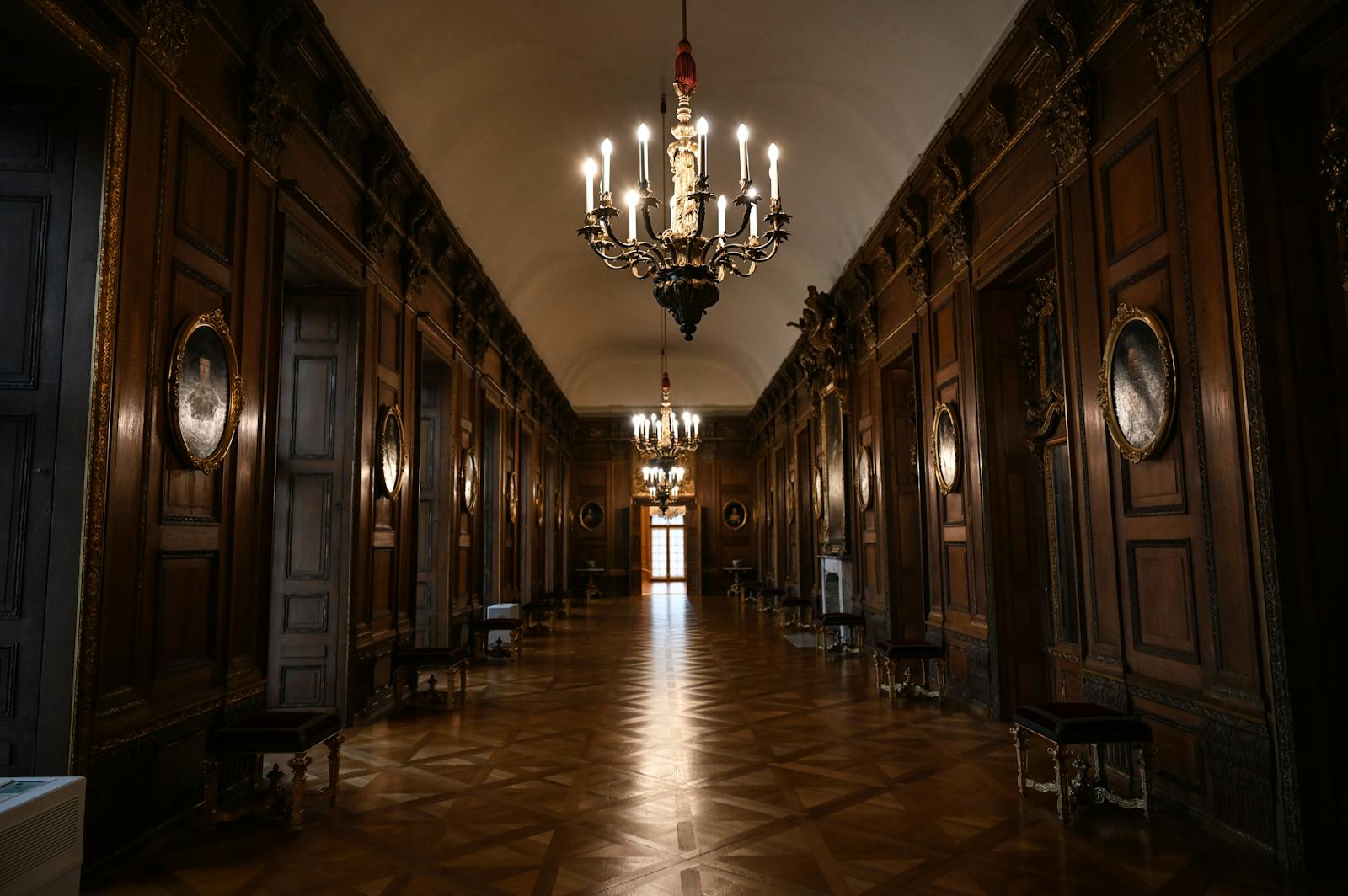
For a perfect, lived-in Cotswold manor, few places beat Stanway House, a mellow Jacobean house near Winchcombe that has been home to the same family — the Tracys and their descendants, now the Earls of Wemyss — since 1533. With its gatehouse, its great hall and its glorious tithe barn, Stanway feels less like a museum and more like a family home that simply happens to be four hundred years old, which is exactly its charm.
But the showstopper is in the garden. The restored Stanway watergarden is crowned by a single-jet fountain that rises to a staggering 300 feet, making it the tallest fountain in Britain and the tallest gravity-fed fountain in the world — no pumps involved, just the pressure of water falling from a reservoir on the hill above. Watching that slender white column shoot into the Cotswold sky is genuinely thrilling, and a wonderful demonstration of old-fashioned ingenuity. Stanway opens only on limited days in summer, so check before you go.
Chavenage House: the Cotswolds’ TV star
You may feel you have seen Chavenage House before, and you probably have. This wonderful Elizabethan manor of mellow grey stone, near Tetbury, has become one of the most sought-after filming locations in the country, standing in as Trenwith in Poldark and appearing in Wolf Hall, Lark Rise to Candleford and much more. It is still very much a family home, and visits are often led by the owner himself, which gives the place a warmth and intimacy that the grander houses can’t match.
The history is as dramatic as any screenplay. Chavenage has strong Civil War associations — Oliver Cromwell is said to have stayed here — and the house comes complete with a chilling legend about a ghostly coach that carries away the soul of a doomed Roundhead. Whether or not you believe a word of it, hearing these tales told by the family who live with them, in the very rooms where they unfolded, is a real treat. It is one of my favourite house visits anywhere in the Cotswolds.
Snowshill Manor: one man’s glorious obsession
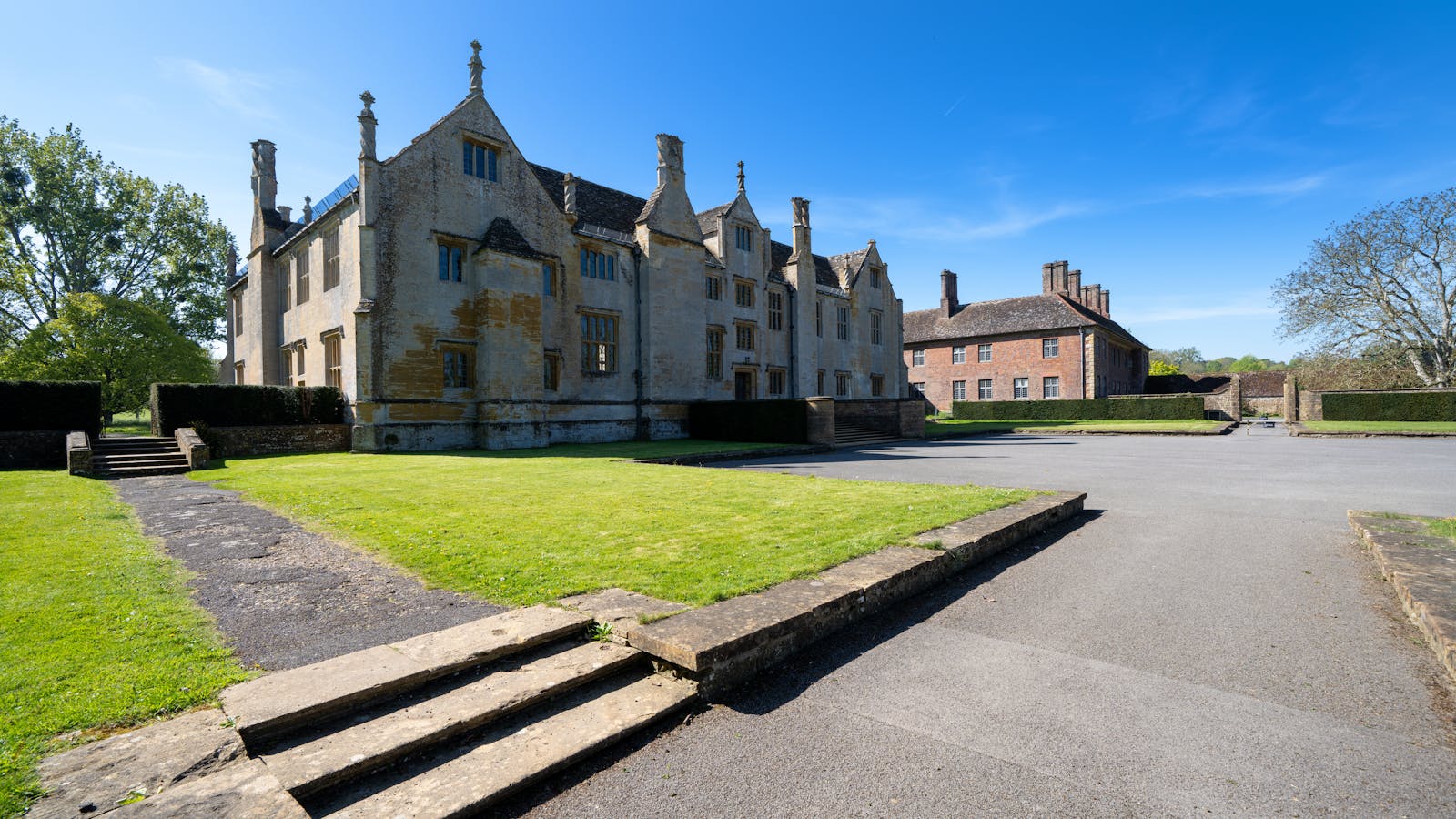
Of all the houses on this list, Snowshill Manor is the most delightfully strange. This Cotswold manor, now cared for by the National Trust, was bought after the First World War by the architect, craftsman and poet Charles Paget Wade, who filled it with one of the most extraordinary private collections ever assembled — more than 20,000 objects, from Samurai armour and Persian lamps to bicycles, musical instruments and model ships, gathered under his motto “let nothing perish.”
The twist is that Wade did not live among his treasures at all; he packed the manor with his collection and lived simply in a tiny adjoining cottage. Wandering the crowded, atmospheric rooms today — each with its own theme, every surface crammed with beautiful and curious things — is like stepping inside the mind of a magpie genius. The hillside garden, designed as a series of outdoor “rooms,” is enchanting too, and the whole place lies just a short drive from Broadway.
Sezincote: a Mughal palace in the hills
Now for something completely unexpected. Near Moreton-in-Marsh stands Sezincote, a country house unlike any other in England: a vision of Mughal India, complete with a copper onion dome, minarets and peacock-tail windows, all rendered in warm Cotswold stone. It was built around 1805 by Samuel Pepys Cockerell for his brother, a returning “nabob” of the East India Company, and modelled on the Mughal palaces of Rajasthan — though the architect had never actually been to India.
Sezincote’s greatest claim to fame is its influence: when the Prince Regent, the future George IV, visited in 1807, he was so captivated that the house helped inspire the exotic Royal Pavilion he went on to build at Brighton. The exotic water gardens, laid out with advice from the great landscape designer Humphry Repton, complete the spell. It is a genuinely magical, slightly surreal place, and proof that the Cotswolds can surprise you when you least expect it.
Berkeley Castle: 900 years and a royal murder
On the western edge of the Cotswolds, towards the River Severn, broods Berkeley Castle — one of the most remarkable buildings in England. The Berkeley family have held it for some nine centuries, making it the oldest castle in the country to be continuously occupied by the same family that first received it from the crown, an unbroken line of nearly 900 years. To walk its Great Hall, terraced gardens and ancient kitchens is to feel the weight of medieval England pressing in.
Berkeley’s darkest fame, though, is as the place where King Edward II met his end. Deposed in 1327, the king was imprisoned here and, according to tradition, murdered in the castle that September — and you can still see the cell associated with the grim tale. It is a sobering, atmospheric counterpoint to the prettier houses on this list, and a vivid reminder that the Cotswolds were not always the gentle idyll we picture today.
Owlpen and Woodchester: the romantic and the unfinished
Two more houses deserve a mention for the adventurous. Owlpen Manor, tucked into a secret wooded valley near Uley, is a romantic Tudor manor of such loveliness that it has been called one of the most beautiful houses in England; it was sensitively rescued in the 20th century by the Arts and Crafts architect Norman Jewson, whose work I describe in our guide to the Arts and Crafts Cotswolds. It opens only occasionally, but holiday cottages on the estate let you stay in the grounds.
Nearby Woodchester Mansion is the eerie opposite: a grand Victorian Gothic house whose construction was simply abandoned in the mid-1860s, the roof on but the interior left forever unfinished, with fireplaces halfway up walls and staircases leading nowhere. It is a hauntingly beautiful “what if,” now home to a colony of rare bats and open to visitors on selected days. Together, these two make a fascinating pair: one a perfected dream, the other a dream interrupted.
More National Trust houses to discover
Beyond the headline names, the National Trust looks after a clutch of smaller but characterful houses across the region that reward the curious. Dyrham Park, on the southern fringe near Bath, is a beautiful late-17th-century baroque mansion set in an ancient deer park, its panelled rooms filled with Dutch paintings and delftware brought home by a colonial administrator; film buffs may recognise it from The Remains of the Day. It is a wonderful place for a long autumn walk among the fallow deer as much as for the house itself.
Near Northleach, the Trust’s Lodge Park is a real curiosity — a flamboyant 1630s grandstand built by a gambling-mad squire, John “Crump” Dutton, to watch deer-coursing, and the only surviving deer course of its kind in England. Further south, Newark Park, near Wotton-under-Edge, began life as a Tudor hunting lodge perched dramatically on the Cotswold escarpment and was later remodelled into a comfortable country house, with glorious views and a relaxed, lived-in feel. None of these are on the usual tourist trail, which is precisely why I love sending people to them.
Why the Cotswolds has so many great houses
It is worth pausing to ask why such a rural region should be so thickly studded with mansions. The answer, as so often in the Cotswolds, comes back to wealth from the land. The medieval wool trade created a class of immensely rich merchants and landowners, and when that boom faded the same families — and ambitious newcomers — grew prosperous from large agricultural estates. As common land was enclosed into private holdings over the centuries, great estates such as those of the Bathurst and Sherborne families came to dominate the countryside, and their owners expressed their status in the only way the gentry knew how: by building.
Add to this the region’s enduring closeness to London and the universities of Oxford, and you have the perfect recipe for grand houses. Courtiers, returning colonial fortunes, industrialists and aristocrats all wanted a beautiful country seat within easy reach of the capital, and the Cotswolds, with their gorgeous building stone and gentle landscape, offered exactly that. The result is the extraordinary architectural legacy you can still tour today — centuries of money, taste and ambition written across the hills in honey-coloured stone.
Planning your stately home visits
A little planning goes a long way with these houses. Several are owned by the National Trust (Snowshill) or are part of organisations like Historic Houses, so if you visit a few, a membership can quickly pay for itself. Blenheim and Sudeley have long, reliable opening seasons and full facilities, making them the safest bets for a guaranteed day out. The privately owned manors — Stanway, Chavenage, Sezincote, Owlpen, Woodchester — often open only on a handful of days each week or month, so always check the latest times before setting off, and consider booking ahead for guided tours.
Many of these houses are also famous for their gardens, so a stately-home tour pairs beautifully with a garden-lover’s itinerary — see our guide to the best gardens in the Cotswolds to combine the two. And do leave room for a tearoom: half the pleasure of an English country house is the slice of cake afterwards, ideally eaten looking back at the very pile you have just explored.
One final piece of advice from someone who has made the mistake: do not try to cram too many houses into a single trip. These are places to savour, not to tick off, and two unhurried visits in a day — a great house in the morning, a smaller manor or garden in the afternoon — will leave you far happier than a frantic dash around four. The Cotswolds are compact, but their treasures deserve time, and the best memories tend to come from the unplanned half-hour spent on a bench in a walled garden, doing nothing much at all.
Frequently asked questions about Cotswolds stately homes
What is the best stately home to visit in the Cotswolds?
Blenheim Palace is the grandest and most famous, a UNESCO World Heritage Site with state rooms, Churchill exhibits and a Capability Brown park. For royal history and gardens, Sudeley Castle is unmissable, while Chavenage House offers an intimate, owner-led visit packed with TV and Civil War history. Which is “best” depends on whether you want grandeur, romance or character.
Which Cotswolds house has the tallest fountain?
Stanway House, near Winchcombe, boasts the tallest fountain in Britain and the tallest gravity-fed fountain in the world, with a single jet that rises to around 300 feet powered entirely by a hillside reservoir, with no pumps at all. It plays on the limited days the house and watergarden are open in summer.
Where was Poldark filmed in the Cotswolds?
Chavenage House, an Elizabethan manor near Tetbury, was used as Trenwith in the BBC series Poldark, and has also featured in Wolf Hall and Lark Rise to Candleford. It is still a family home and is usually open for guided tours on selected days, often led by the owner.
Which is the oldest castle in the Cotswolds?
Berkeley Castle, on the western edge of the region, has been held by the Berkeley family for around 900 years, making it the oldest castle in England continuously occupied by the same family. It is famous as the place where King Edward II was imprisoned and, according to tradition, murdered in 1327.
From a national palace to an unfinished Victorian dream, the great houses of the Cotswolds are among the most rewarding days out the region has to offer — living chapters in a story that runs from medieval kings to modern film crews. To meet the people who lived in them, read our guide to famous Cotswolds residents, or return to the pillar guide on Cotswolds history and heritage to see how it all fits together. For the protected countryside these estates sit within, see our guide to the Cotswolds National Landscape.
Blenheim is the giant of this list, and the town at its gates is the reason to stay the night rather than drive in for the day — Churchill’s grave a mile down the lane, a free county museum and the best arrival at any English country house. Our Woodstock guide has the detail.
The most famous stately home associated with the region is not actually in it. Highclere Castle, which plays Downton Abbey, is in Hampshire — but the village the Crawleys looked down on is Bampton, on the Cotswolds’ eastern edge. Our Downton Abbey filming locations guide explains how to combine the two, and when Highclere actually opens.