This article contains advertising. My booking links are routed through a partner that adds commission tracking automatically, so if you book through one I earn a commission from the provider, at no extra cost to you. It never affects what I recommend. Affiliate disclosure
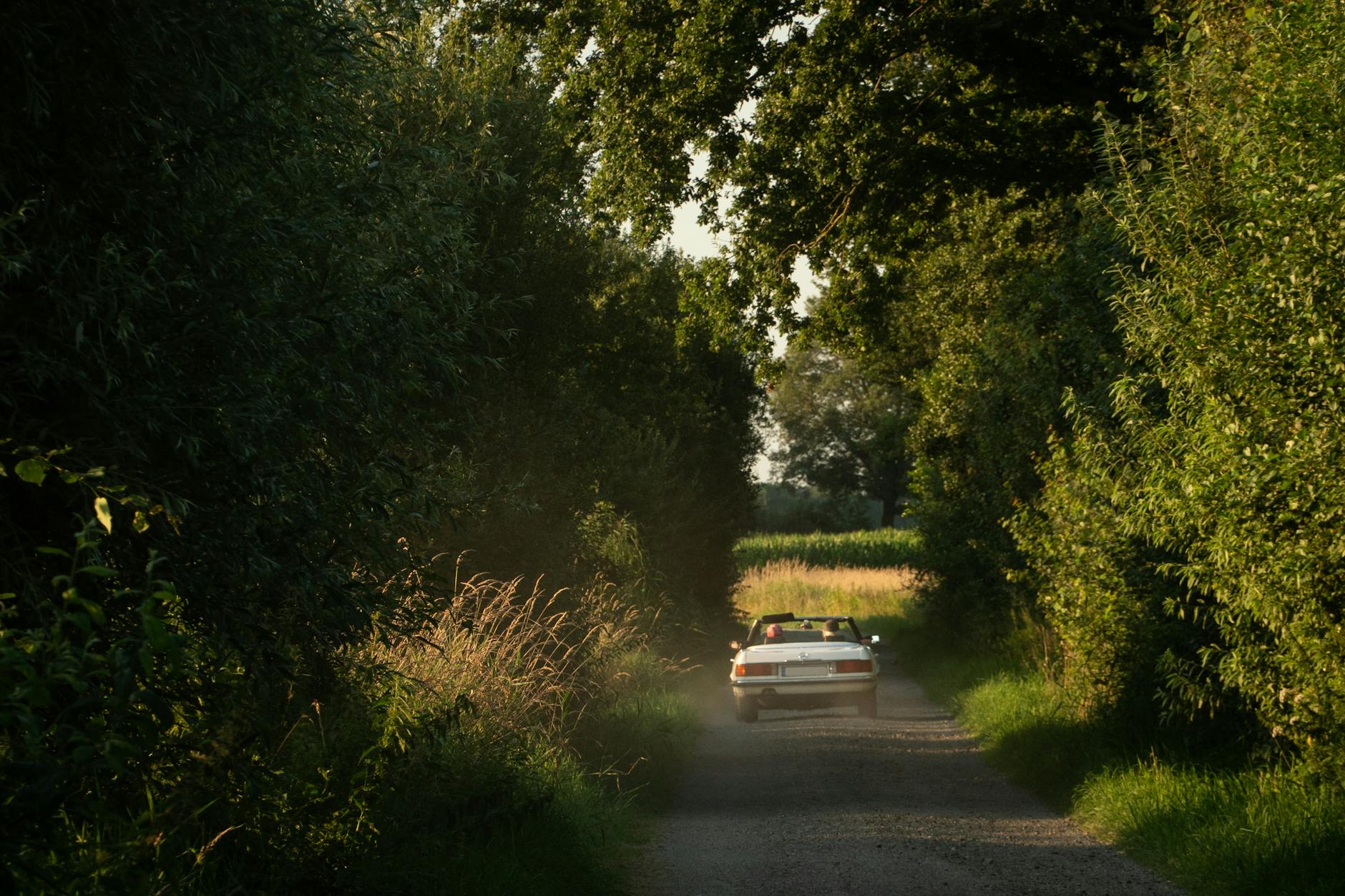
The Cotswolds was made for a road trip. Compact enough that the villages are mere minutes apart, yet varied enough that every lane brings a new view, it rewards the unhurried driver who is happy to wander, stop on a whim and follow a pretty road just to see where it goes. With your own car and a loose plan, you can string together honey-stone villages, hilltop viewpoints and country pubs into one of the most enjoyable driving holidays in England. This guide lays out the routes.
This guide sets out scenic driving itineraries for one day, a weekend and longer, the classic roads worth seeking out, the best viewpoints you can reach by car, and where to stop and stay along the way. It pairs with our practical guide to driving in the Cotswolds, which covers the narrow lanes and parking, and our complete guide to getting around the Cotswolds.

The Classic “Greatest Hits” Route
For first-timers wanting to see the famous villages, the classic loop is hard to beat. Starting from the eastern side, it links Burford, Bibury, Cirencester, Bourton-on-the-Water, the Slaughters, Stow-on-the-Wold, Moreton-in-Marsh, Chipping Campden, Broadway, Snowshill and Winchcombe, before finishing at Cheltenham. It takes in the most celebrated honey-stone villages, the prettiest valleys and several grand viewpoints, all within a compact area.
You can drive the highlights in a long day, but it is far better spread over two or three, with time to wander each village rather than just tick it off. Because the villages are only ten to twenty minutes apart, you can pick and choose, lingering where you love it and moving on where you do not. This route is the backbone of a Cotswolds road trip, and the itineraries below break it into more manageable loops. Our village guides to Bourton-on-the-Water and Bibury have the detail on each stop.
A One-Day Road Trip
With only a day, focus on the North Cotswolds, where the villages cluster most tightly. A lovely one-day loop from Cheltenham or Moreton takes in Broadway, with its elegant High Street and the climb to Broadway Tower, then Chipping Campden, Stow-on-the-Wold and Bourton-on-the-Water, with the Slaughters slotted in if time allows. It is a full but rewarding day of classic Cotswold scenery.
The trick with a single day is not to over-reach: pick four or five stops, not a dozen, and accept that you are sampling rather than seeing it all. Start early to beat the crowds and the parking crush in the honeypots, keep the driving relaxed, and build in a proper pub lunch. Done this way, a one-day road trip gives a genuine taste of the region and leaves you wanting more. For where to eat, see our guide to the best pubs in the Cotswolds.

A Two- to Three-Day Itinerary
With a weekend or longer, you can split the region into two loops. Day one covers the North Cotswolds: Cheltenham to Broadway, Chipping Campden, Stow and Bourton, a route of around sixty miles with plenty of stops. Day two heads south and east: Cheltenham or Cirencester to Northleach, Burford, Lechlade, Bibury and back via Cirencester and Painswick, taking in the Roman heritage and softer, more open landscapes of the southern Cotswolds.
A third day lets you slow down further, perhaps adding a great house or garden such as Sudeley Castle near Winchcombe, a walk on the escarpment, or the quieter villages of the Coln and Windrush valleys. Spreading the trip over several days transforms it from a sightseeing dash into a proper holiday, with time to walk, eat well and simply enjoy the scenery. Basing yourself centrally, in Stow or Cheltenham, keeps the daily driving short. Our guide on where to stay helps you pick a base.
The Most Scenic Roads
Some Cotswold roads are destinations in themselves. The Fosse Way (A429) is the great one, a dead-straight Roman road running through Moreton, Stow, Northleach and on to Cirencester, rising and falling dramatically over the hills as the Roman surveyors plotted it high point to high point. The B4632 over Cleeve Hill between Cheltenham and Winchcombe climbs over the highest hill in the Cotswolds, with sweeping views over the Severn Vale that are worth a stop.
For slower, prettier driving, the narrow lanes through Snowshill, Stanton and Stanway south of Broadway link three of the loveliest unspoilt villages, while the valley B-roads around Stow and Naunton offer quintessential rolling Cotswold scenery. These are roads to savour, with frequent pretty villages to pause in and views around every bend. Take them slowly, mind the passing places, and let the driving be part of the pleasure rather than just a way to get around.

Viewpoints to Reach by Car
A road trip is the perfect way to chase the best views, several of which are an easy walk from a car park. Broadway Tower, the second-highest point on the escarpment, offers panoramas said to reach sixteen counties, with parking on site. Dover’s Hill above Chipping Campden is a National Trust natural amphitheatre with a short stroll to the viewpoint, and Cleeve Hill, the highest point in the Cotswolds, gives huge views over Cheltenham and the Malverns from near the roadside.
Add the hilltop town of Stow-on-the-Wold and the elevated village of Snowshill, and you have a string of viewpoints to link into your drive. Time your visits for early morning or the golden light of late afternoon for the best of the scenery and the fewest people. Pulling over at a great view, flask in hand, is one of the simple joys of a Cotswolds road trip, and the region serves them up generously. Our guide to the best photography spots has more vantage points.
A Longer Grand Tour
With four or five days or more, you can turn a road trip into a proper grand tour, weaving together the famous villages with the region’s great houses, gardens and market towns. Begin in the north around Broadway and Chipping Campden, work south through Stow, Bourton and the Slaughters, then explore the Coln and Windrush valleys, Bibury and Burford, before finishing among the southern wool towns of Cirencester, Tetbury and Painswick and perhaps on to Bath.
A longer trip lets you add the things a quick visit misses: a great house like Sudeley Castle or Blenheim Palace (just over the border), a garden such as Hidcote or Kiftsgate, the arboretum at Westonbirt, and a walk or two on the escarpment. Moving base once or twice, say a couple of nights in the north and a couple in the south, keeps the daily driving short while letting you cover the whole region at a relaxed pace. Our guide to the best gardens in the Cotswolds has ideas for stops.
Where to Stop for Lunch and to Stay
Half the joy of a road trip is the stops. For lunch, the market towns and villages are full of options: a pub lunch in Stow’s market square, a riverside café in Bourton, a deli or tearoom in Broadway or Burford, or a country inn tucked down a lane. Booking ahead is wise at popular pubs, especially for Sunday lunch, and our guide to the best pubs points you to the gems.
For overnight stops, a central base such as Stow-on-the-Wold, Burford, Cirencester or Cheltenham keeps your driving short, though moving base on a longer trip lets you wake up in different corners of the region. From cosy inns with rooms to luxury hotels and self-catering cottages, the choice is huge; our guide on where to stay in the Cotswolds covers the best areas and options. Always check your accommodation has parking, as not all village properties do.
Planning an Electric Road Trip
If you are driving an electric car, a little planning keeps the trip smooth. Charging is growing across the Cotswolds but is still patchy, so do not assume a charger in every village. The most reliable rapid chargers are in the larger towns, including Cirencester (Beeches Road) and Moreton-in-Marsh (Old Market Way), while many village car parks have slower destination chargers useful for topping up while you explore.
Use an app such as Zapmap to plan your charging stops, and take advantage of hotels and attractions that offer chargers, plugging in overnight or while you visit. Because the distances between villages are short, range anxiety is rarely a real problem, but it pays to top up in the towns rather than relying on finding a charger in a tiny village. With a bit of forethought, an electric Cotswolds road trip is perfectly relaxed, and a quiet, clean way to tour the countryside.
Beyond the Honeypots
If you have driven the famous villages before, or simply want to escape the crowds, a road trip is the perfect way to seek out the quieter Cotswolds. The Coln Valley villages of Coln St Aldwyns and Quenington, the Duntisbournes near Cirencester, the Windrush valley hamlets and the unspoilt villages of Guiting Power and the Temple Guitings all reward a wander, with barely a tour coach in sight.
The southern Cotswolds around Stroud, Nailsworth and the “five valleys”, and the area towards Tetbury and Malmesbury, are quieter and more wooded than the famous north, offering a different, gentler character. Following a minor road simply to see where it leads is one of the great pleasures of touring here, and the region rewards the curious driver with endless hidden villages, viewpoints and country pubs. A good map and a spirit of adventure are all you need.
Practical Tips for the Drive
A handful of practicalities make a road trip flow. Arrive early at the honeypot villages, before mid-morning, to find a parking space and enjoy them before the crowds; the car parks in Bourton, Bibury and Broadway fill fast on fine days. Use what3words for precise destinations, as rural postcodes can be vague, and download offline maps for the lanes where mobile signal drops out.
Build in more time than the mileage suggests, because the short distances tempt you to over-plan, but the narrow lanes, photo stops and parking hunts all eat into the day. Carry a contactless card for the increasingly cashless car parks, fill up with fuel in the towns where stations are more plentiful, and take the lanes slowly, using the passing places. Our guide to driving in the Cotswolds covers all of this in detail, and is worth reading before you set off.
Extending the Trip to Bath and Oxford
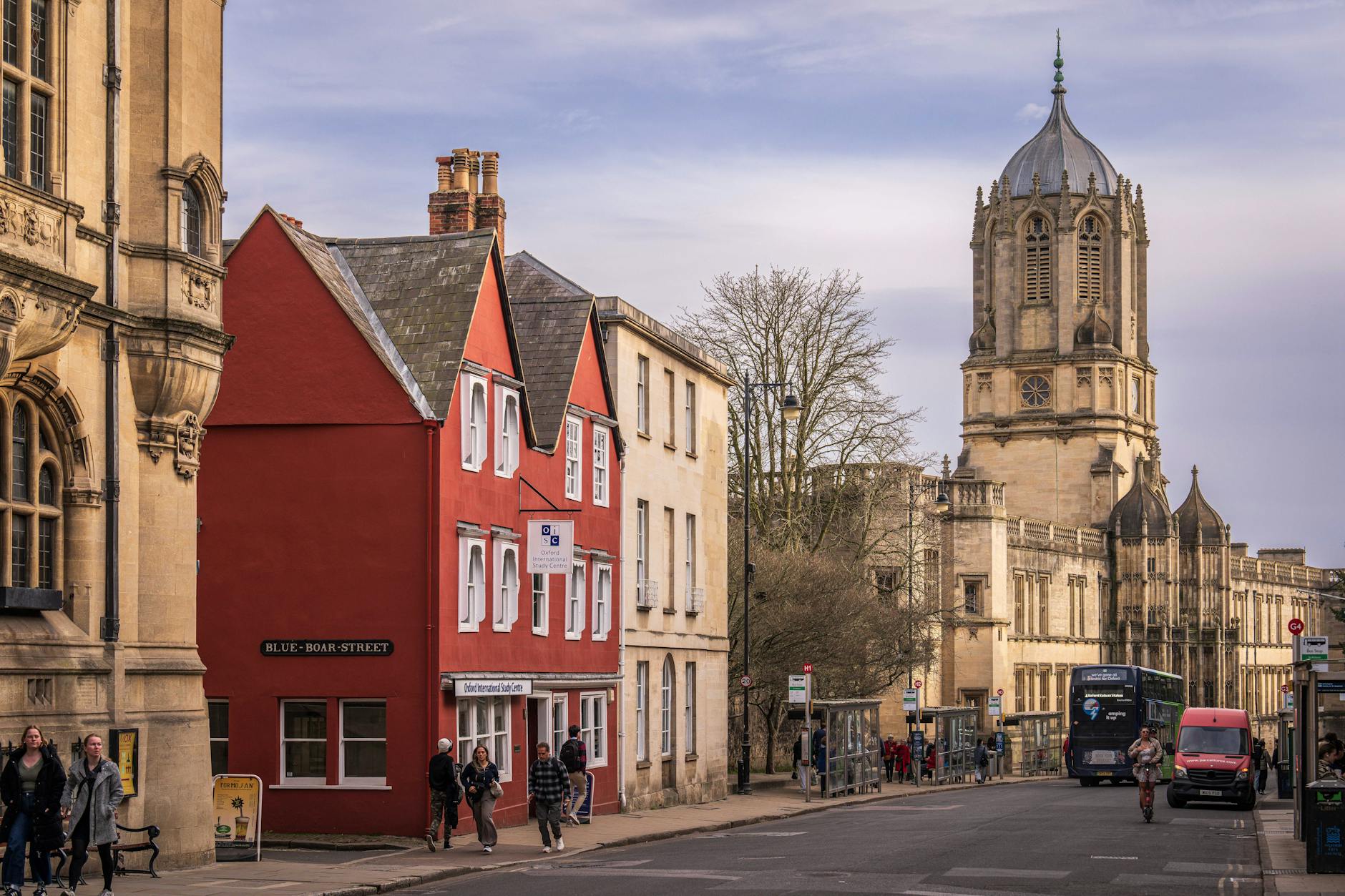
The Cotswolds sits neatly between two of England’s most beautiful cities, so a road trip can easily be bookended by them. Bath, at the southern tip of the region, with its honey-coloured Georgian crescents and Roman baths, makes a superb start or finish, while Oxford, on the eastern edge, adds the famous “dreaming spires” and historic colleges. Both are an easy drive from the villages and richly worth a day each.
Stratford-upon-Avon, just to the north, pairs naturally with the northern Cotswolds for Shakespeare fans, and Blenheim Palace near Woodstock is an easy add-on from the eastern side. Weaving one or two of these into your route turns a village road trip into a grand tour of classic England, all within a compact and easily driveable area. With your own car, the freedom to combine the Cotswolds with its illustrious neighbours is one of the best reasons to make it a road trip.
However you plan it, the essence of a Cotswolds road trip is the same: short, scenic drives between gorgeous villages, with the freedom to stop, explore and change your mind. Pack a good map, leave plenty of time, and let the honey-stone landscape work its gentle magic at the speed of a country lane.
And do not feel you must follow any itinerary to the letter; the best Cotswolds road trips are the ones with room to improvise, where a glimpsed church tower or an inviting tearoom becomes the next unplanned stop on a day that unfolds at its own happy pace.
Whether you have a single day or a leisurely week, touring the Cotswolds by car remains the most rewarding way to experience the full sweep of its scenery, from the grand escarpment views in the north to the soft, wooded valleys of the south.
Above all, a Cotswolds road trip is about the freedom to wander, so resist the urge to cram in too much and leave room for the unplanned discoveries that so often become the best memories. With your own car, a loose itinerary and plenty of time, the region opens up at exactly the pace it was meant to be enjoyed, one gorgeous village and sweeping view at a time.
Frequently Asked Questions
How many days do you need for a Cotswolds road trip?
You can sample the highlights in a day, but two to three days is ideal, giving time to explore the villages properly, enjoy the viewpoints and add a castle, garden or walk. Many visitors happily spend a week touring from a central base.
What is the best scenic drive in the Cotswolds?
The Fosse Way (A429), a straight Roman road through Moreton, Stow, Northleach and Cirencester, is the classic, while the B4632 over Cleeve Hill offers the best escarpment views. The narrow lanes through Snowshill, Stanton and Stanway are the prettiest village drives.
Where should I base myself for a Cotswolds road trip?
Stow-on-the-Wold sits centrally on the Fosse Way and is ideal for reaching both the northern and southern villages. Burford suits the eastern Cotswolds, Cirencester the south, and Cheltenham makes a good gateway base with the most amenities.
How far apart are the Cotswold villages by car?
Most of the main villages are only ten to twenty minutes apart, so a road trip means short drives with frequent stops. This compactness is part of the appeal, but it also means itineraries fill up faster than the mileage suggests, so do not over-plan.
When is the best time for a Cotswolds road trip?
Late spring and early autumn offer the best balance of good weather, long daylight and thinner crowds, with easier parking. Avoid the busiest summer weekends and the August bank holiday, and start early any time of year to beat the crowds at the honeypot villages.
Hit the Road
A Cotswolds road trip is the freedom to wander a landscape of honey-stone villages, ancient roads and sweeping views entirely at your own pace. Pick an itinerary to match your time, seek out the scenic roads and viewpoints, and leave room to follow a pretty lane on a whim. For the practicalities, read our guide to driving in the Cotswolds, and for inspiration, our guide to the best things to do in the Cotswolds. Flying in to pick up the car? Our guide to the nearest airport to the Cotswolds covers the transfer options. For a single signposted loop you can follow start to finish, see our Cotswolds driving tour.
For a road trip with a theme, follow the film crews. Diddly Squat, Blenheim and Downton’s Bampton make one easy day in west Oxfordshire; Father Brown’s Blockley, Wolf Hall’s Chastleton, Lacock and Castle Combe make a second. Our Cotswolds film locations tour has the full route, drive times and overnight stops.