This article contains advertising. My booking links are routed through a partner that adds commission tracking automatically, so if you book through one I earn a commission from the provider, at no extra cost to you. It never affects what I recommend. Affiliate disclosure
There is no better way to experience the Cotswolds than from behind the wheel. A self-drive touring route lets you string together the most beautiful villages, climb to spectacular viewpoints, and discover the hidden hamlets and scenic back lanes that buses and tours never reach, all at your own glorious pace. This carefully planned Cotswolds driving tour connects the region’s highlights into a flexible scenic loop, with two circular routes you can drive in a day each or combine into an unforgettable road trip.
Below I lay out the full touring route, north and south, the best scenic roads and viewpoints, the finest stop-off points, and all my driving tips for the Cotswolds’ narrow country lanes. Whether you have a single day or a leisurely weekend, this is how to see the very best of the region by car. So fuel up, pick your loop, and let’s hit the road.
Why a self-drive tour is the best way to see the Cotswolds
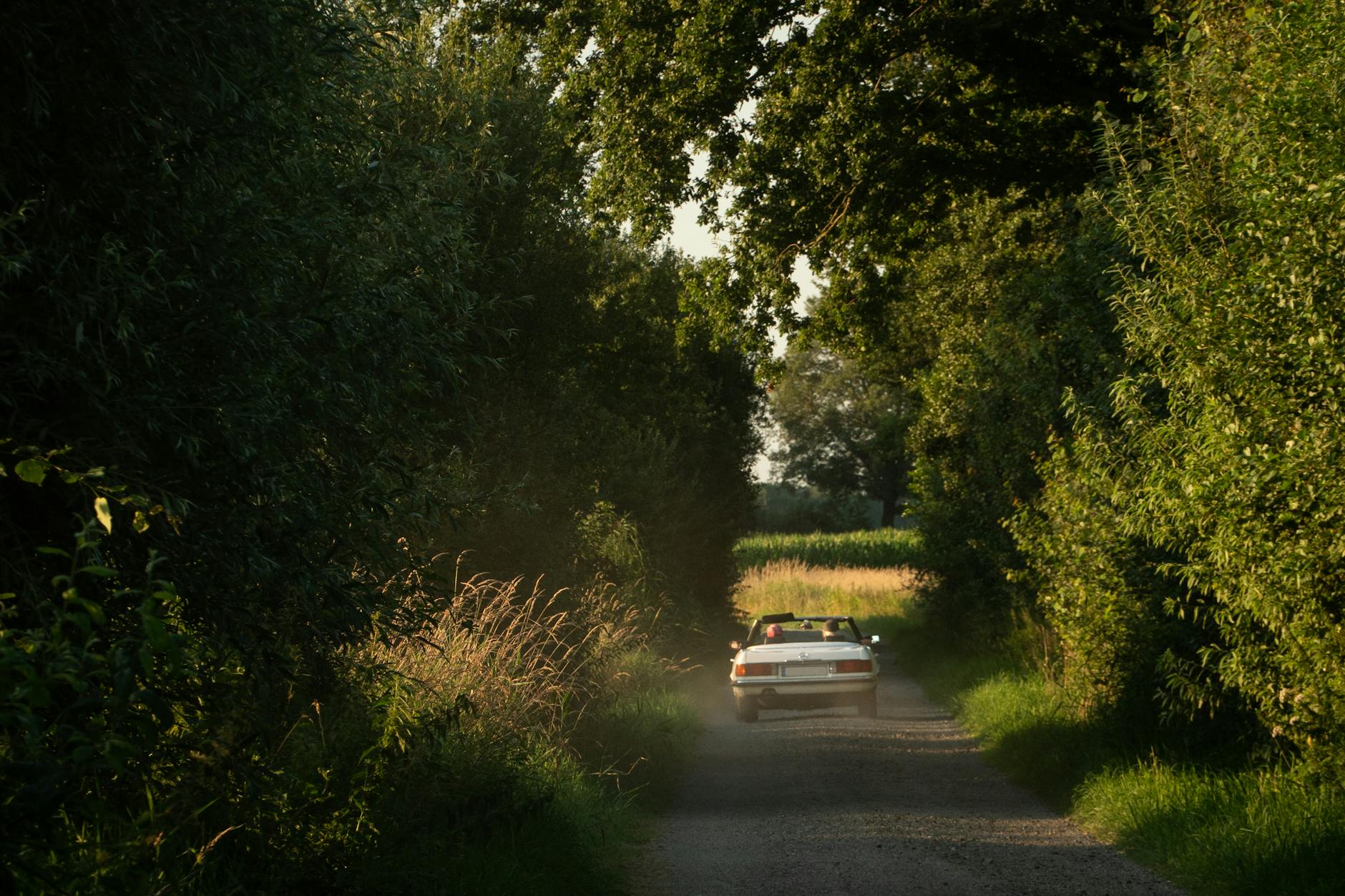
The Cotswolds were practically made for a road trip. The villages are spread across the rolling countryside, often linked by gorgeous winding lanes, so a car gives you the freedom to explore far more than public transport ever could, and to do it on your own schedule. You can linger where you love, skip what you do not, and pull over the moment a view or a tempting pub catches your eye.
Driving also unlocks the quieter corners, the hidden hamlets, hilltop viewpoints and scenic back roads that most visitors miss entirely. Half the joy of a Cotswold tour is the journey itself, meandering between honey-stone villages through a patchwork of fields and woods. It is the ultimate way to experience the region, and it pairs perfectly with our wider Cotswolds road trip guide.
There is a real romance to it, too. With the windows down, a great view around every bend and the freedom to stop on a whim, a Cotswold driving tour feels like a proper adventure, however gentle. It suits couples, families and solo travellers alike, and works whether you have a single afternoon or a full long weekend to spare. All you need is a set of wheels, a rough plan and a willingness to follow your nose.
The Cotswolds touring route: an overview
Our touring route takes the form of two circular loops, north and south, each a comfortable day’s drive of roughly sixty to seventy miles, taking in the best villages, viewpoints and stop-offs. You can drive either loop on its own for a brilliant day out, or combine the two over a weekend with an overnight stay in the middle for the ultimate Cotswolds road trip. Both are easily joined from Cheltenham, Oxford or the M40 and M5.
The beauty of a loop is its flexibility: start at whichever point is nearest, drive it in either direction, and add or skip stops to suit your interests and the time you have. The distances between stops are short, so you are never far from the next village or view, leaving plenty of time to explore on foot along the way. Think of this as a framework to make your own, not a rigid schedule.
Where to start your tour
Because the route is a loop, you can join it wherever is most convenient. The Regency town of Cheltenham, on the western edge, is a classic starting point with good road links and makes a natural hub between the two loops. Arriving from London or the south, Oxford and the M40 put you near the eastern end around Burford, while those coming from the Midlands or the M5 might begin in the north near Broadway.
Wherever you start, simply pick up the loop at the nearest point and follow it round, driving in whichever direction suits. If you are staying in the Cotswolds, begin from your base and tailor the route accordingly. For help reaching the region and choosing where to join the tour, see our guide to getting to the Cotswolds.
The northern loop
The northern loop takes in the classic, postcard Cotswolds. Starting from the Broadway area, climb to Broadway Tower for spectacular views, then drive the short distance to Chipping Campden with its glorious high street, before winding through the storybook villages of Stanton and Snowshill, gorgeous and gloriously peaceful. From here the route heads to Stow-on-the-Wold, Bourton-on-the-Water and the serene Slaughters, the very heart of the famous Cotswolds.
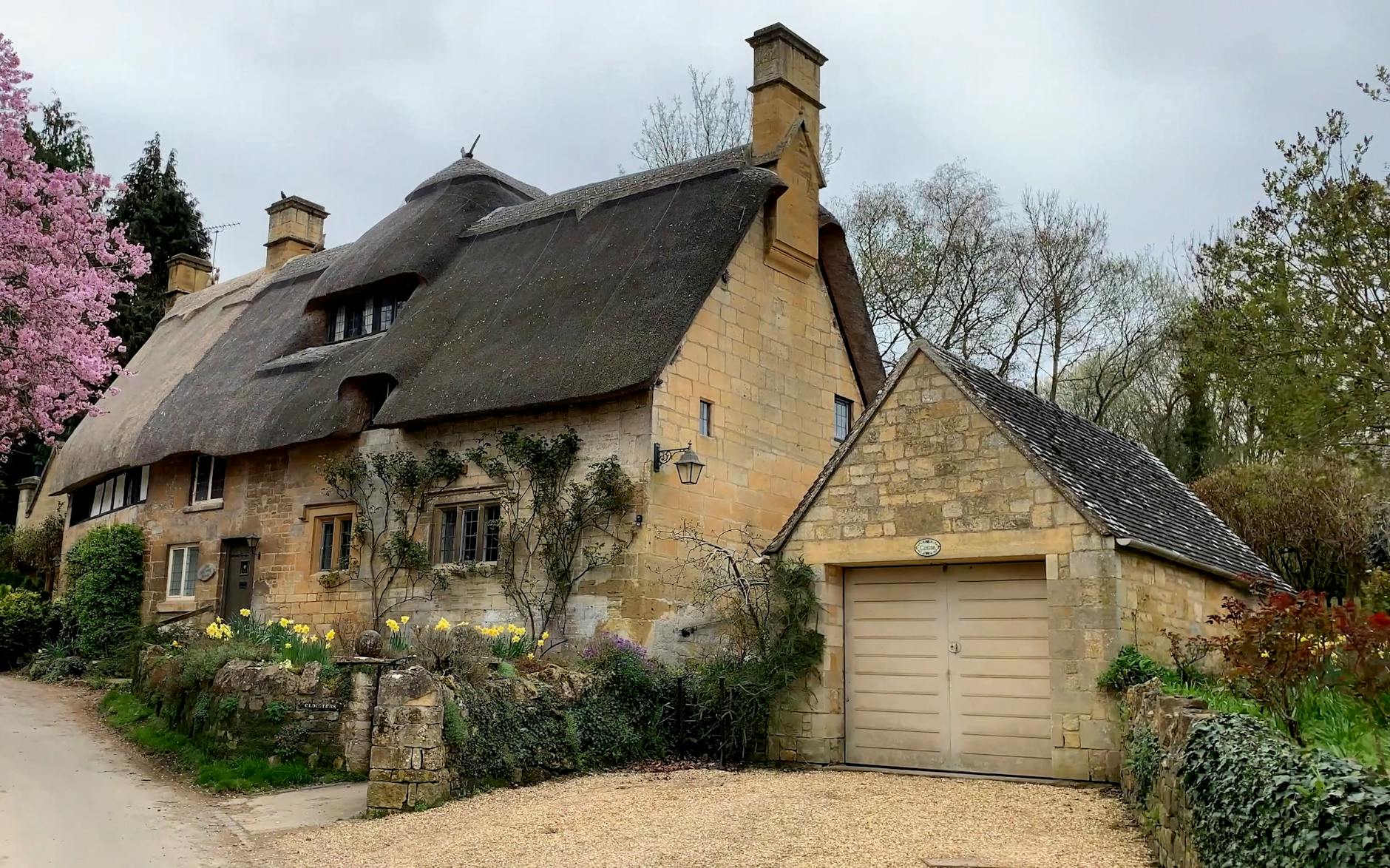
Along the way you can detour to Sudeley Castle and the lovely town of Winchcombe, or the Father Brown filming village of Blockley, depending on your interests. The roads between these villages are a delight in themselves, dipping and climbing through classic Cotswold scenery. It is an unbeatable day of honey-stone beauty, and you can read more about each stop in our roundup of the best Cotswolds villages.
If you are doing the northern loop in a single day, aim to reach the busiest villages, Bourton-on-the-Water in particular, either early or late, leaving the quieter hamlets and viewpoints for the middle of the day. A good rhythm is to drive a short hop, park up and explore on foot for a while, then move on, rather than trying to see everything from the car. That blend of driving and wandering is what makes a touring day so satisfying.
The southern loop
The southern loop reveals a quieter, equally lovely side of the region. From the Cheltenham or Cirencester area, head east through the handsome wool town of Northleach to Burford, the gateway to the Cotswolds, with its sloping high street of antique shops and bakeries. From there, make for Bibury, often called the prettiest village in England, home to the iconic weavers’ cottages of Arlington Row beside the River Coln.
Continue to Cirencester, the Capital of the Cotswolds and once a great Roman town, then loop west towards the hillside village of Painswick with its famous yew-filled churchyard, perhaps via Lechlade and the upper reaches of the Thames. The southern loop is generally quieter than the north, with gorgeous, lesser-travelled roads. Our guides to Bibury and Burford cover two of its highlights in detail.
The southern loop also lends itself to off-the-beaten-track detours, into the wooded valleys around Stroud and Slad, the breezy commons of Minchinhampton, or the sleepy Coln valley villages such as Coln St Aldwyns. These quieter roads see far fewer cars and reward the unhurried explorer with a real sense of discovery. With less traffic and fewer crowds than the north, the south is arguably the more relaxing of the two loops to drive.
The best scenic roads and viewpoints
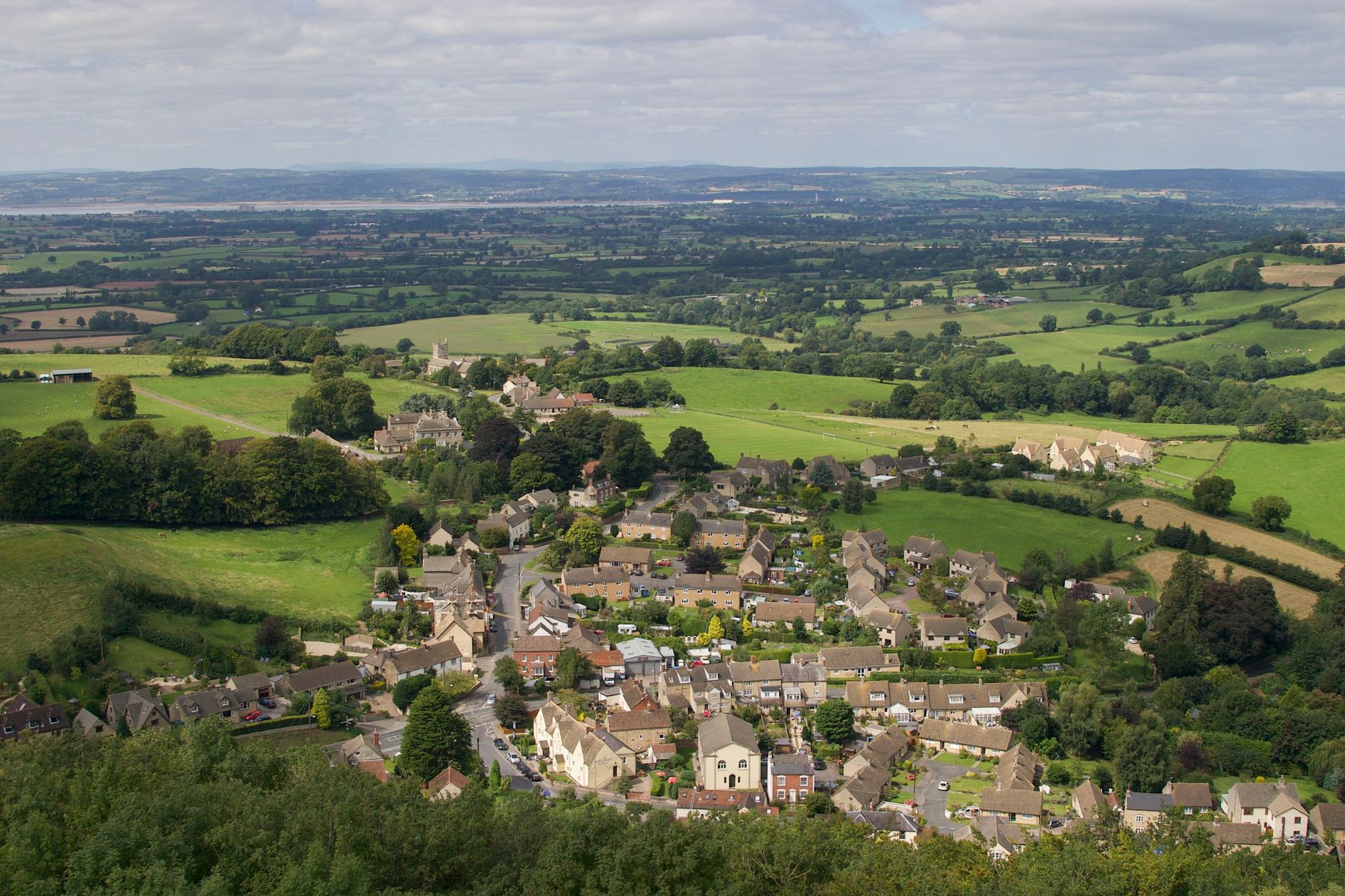
Some of the Cotswolds’ greatest pleasures are the drives and views themselves. The roads over the high wolds, particularly around Snowshill, Stanton and the escarpment, offer constantly changing vistas of fields, woods and golden villages, and are a joy to drive at a gentle pace. Build in time simply to enjoy the journey rather than rushing from stop to stop.
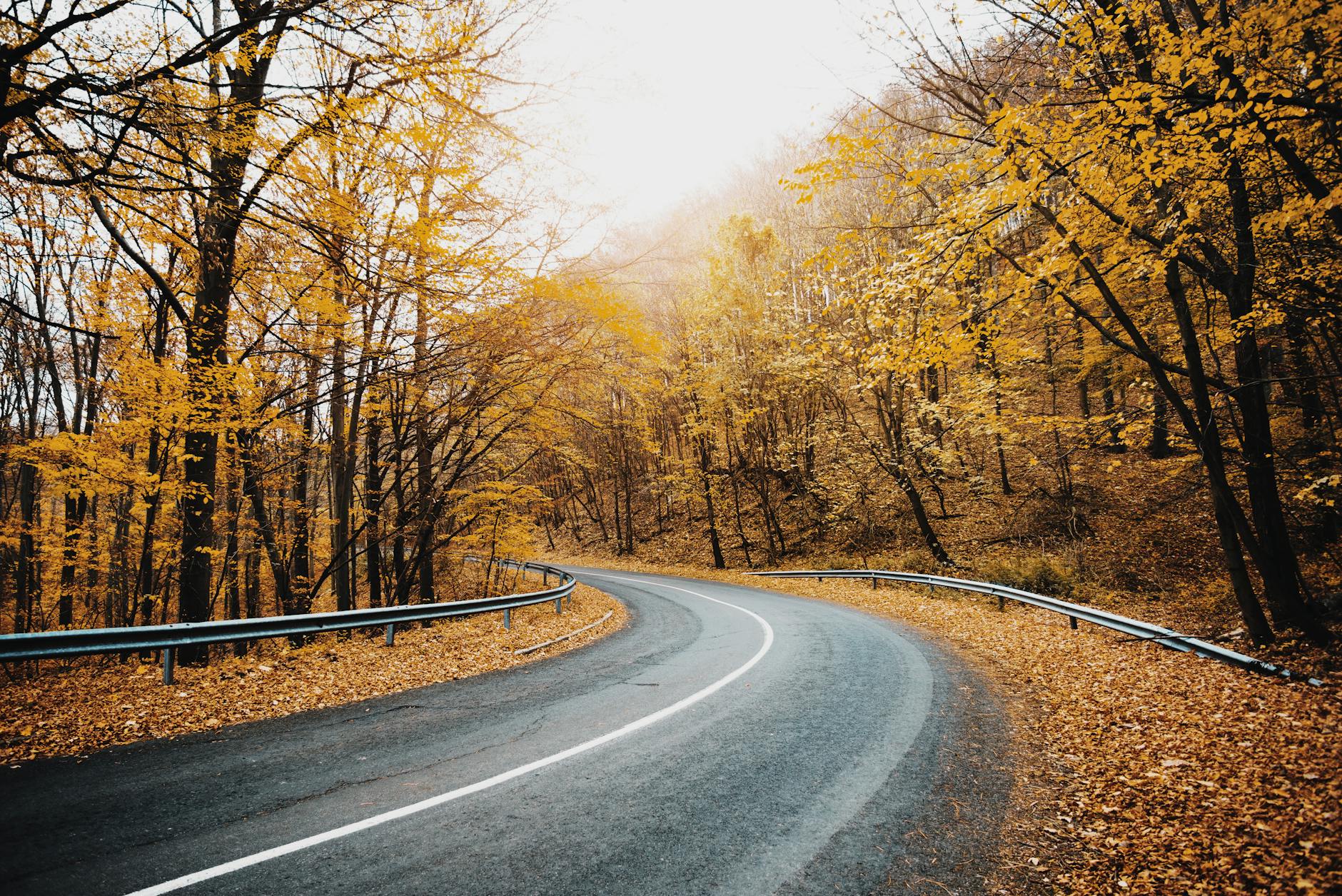
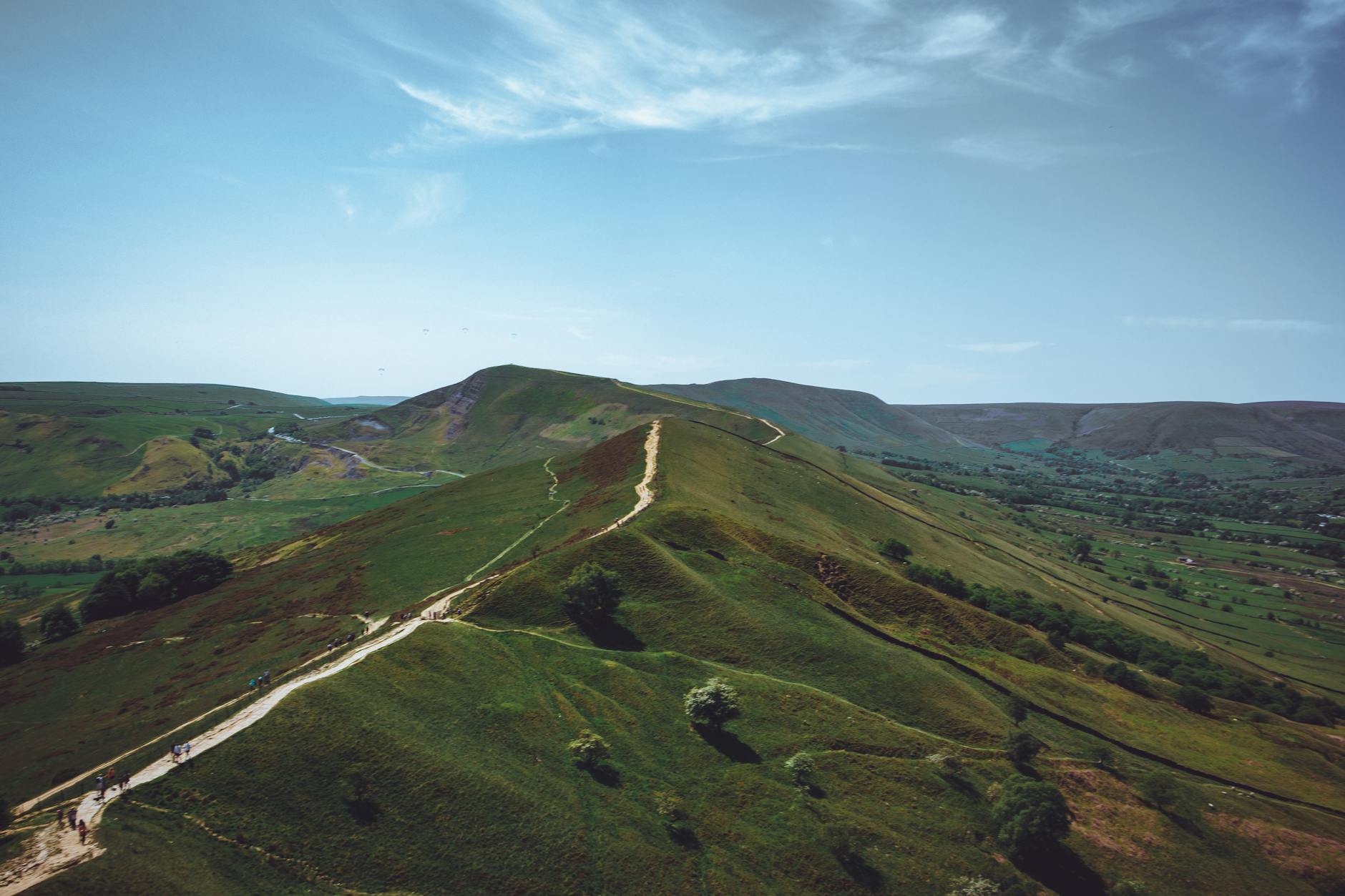
For the best panoramas, stop at Broadway Tower, a Gothic folly perched over a thousand feet up on Broadway Hill, with views said to stretch across sixteen counties, and at Cleeve Hill, the highest point in the Cotswolds, where a short walk from the car park onto Cleeve Common rewards you with sweeping views over Cheltenham and beyond. Dover’s Hill near Chipping Campden is another fine, easily reached viewpoint along the way.
Stop-off points along the way
A great touring route is all about the stops, and the Cotswolds are wonderfully rich in them. Beyond the villages and viewpoints, you can break your journey at grand gardens like Hidcote and Kiftsgate, the arboretum at Batsford, historic Sudeley Castle, and countless tempting country pubs and farm shops perfect for lunch or supplies. Picnic spots abound, from riverbanks to hilltop commons with a view.
The trick is not to over-plan: leave room for spontaneous stops, because some of the best moments come from pulling over at an unexpected view or following a brown sign to a place you have never heard of. Mix the famous honeypots with a few quieter discoveries, and build in proper time for lunch and a stroll. A walk or two also makes a lovely break from driving, as our guide to Cotswolds walks and hiking shows.
Driving tips for the Cotswolds
The Cotswolds’ country lanes are part of their charm, but they call for careful, considerate driving. Many roads are narrow and winding, with single-track sections and passing places, so take it slowly, be ready to reverse to let oncoming traffic by, and watch for cyclists, walkers, horse riders and the occasional flock of sheep around blind bends. The relaxed pace is all part of the experience, so do not be in a hurry.
Parking in the popular villages can be limited and fills fast, so arrive early and use official car parks where you can, carrying a little cash for the meters. Keep an eye on your fuel, as petrol stations are sparse in the heart of the countryside, and consider a paper map as a backup, since satnav signal can be patchy in the valleys. With a little care, driving here is a pleasure, not a chore.
If you are hiring a car for your tour, a smaller vehicle is easier on the narrow lanes and tight village parking than a large one. Electric-car drivers will find a growing network of charging points at hotels, car parks and attractions, though it is wise to plan charging stops in advance, as rural chargers can be sparse. Whatever you drive, a relaxed attitude and plenty of time are the real essentials for enjoying the Cotswolds by car.
Best time of year for a Cotswolds drive
The Cotswolds are a joy to drive year-round, but the scenery shifts beautifully with the seasons. Late spring and early autumn are arguably the finest, with lovely light, comfortable conditions and fewer cars on the lanes, while summer brings lush greenery and long days, albeit with the busiest villages and tightest parking. Autumn turns the woods and roadside trees to gold and copper, making the scenic drives especially spectacular.
Winter has a stark, atmospheric beauty, with frosty mornings and bare trees opening up the views, though you should watch for ice on shaded country lanes and shorter daylight hours. Whatever the season, driving midweek rather than at the weekend means quieter roads and easier parking. A clear, crisp day in any season delivers the kind of views that make a Cotswold touring route so memorable.
Making it a road trip: one day or two
Either loop makes a superb day out on its own, packing in villages, views and stop-offs with short, scenic drives between them. If you only have a day, simply choose the loop that appeals most, the classic north or the quieter south, and take it at a relaxed pace, accepting you cannot see everything. Starting early helps you beat the crowds at the famous villages and makes the most of the daylight.
With two days, you can drive both loops and truly explore, staying overnight in a central village such as Stow or Bourton to break the journey. This turns the tour into a proper road trip, with time to linger, walk and dine well along the way. For a ready-made two-day plan, see our 2-day Cotswolds itinerary, which pairs beautifully with this driving route.
Classic scenic drives to seek out
Beyond the main loops, a few individual stretches of road are worth seeking out for their sheer beauty. The drive up and over the escarpment near Broadway and Snowshill, the winding lanes through the Slaughters and the Windrush valley, and the open, far-reaching roads across the high wolds towards Stow are all classics. The descent into a honey-stone village, with cottages and church tower suddenly revealed below, never loses its magic.
The well-known Cotswolds Romantic Road, a celebrated touring route made up of two circular drives, links many of these highlights and is a lovely framework if you want a tried-and-tested course to follow. Whichever roads you choose, the secret is to slow right down and treat the driving as part of the pleasure, not just a means of getting from one village to the next. The journey, here, really is half the fun.
Frequently asked questions about a Cotswolds driving tour
What is the best driving route through the Cotswolds?
A classic approach is two circular loops, one through the northern Cotswolds via Broadway, Chipping Campden, Stow and Bourton, and one through the south via Northleach, Burford, Bibury, Cirencester and Painswick. Each makes a brilliant day’s drive of around sixty to seventy miles, and the two can be combined into a weekend road trip. Both connect the best villages, viewpoints and stop-offs.
How long does it take to drive around the Cotswolds?
Each of our touring loops is roughly sixty to seventy miles and makes a full, relaxed day with plenty of stops, while driving both over a weekend gives you the complete experience. The mileage is modest, but the joy is in stopping often to explore villages, climb viewpoints and enjoy long lunches, so allow far more time than the raw distance suggests.
Is driving in the Cotswolds difficult?
Driving here is straightforward but calls for care on the narrow, winding country lanes, some of which are single-track with passing places. Take it slowly, watch for cyclists, walkers, horses and livestock, and be prepared to reverse to let others pass. Parking in popular villages is limited, so arrive early. With a relaxed, considerate approach, driving the Cotswolds is thoroughly enjoyable.
What are the best viewpoints to drive to in the Cotswolds?
Broadway Tower, perched over a thousand feet up with views across many counties, and Cleeve Hill, the highest point in the Cotswolds, are the two finest, both with parking and short walks to the best vistas. Dover’s Hill near Chipping Campden is another easily reached viewpoint. The scenic roads over the wolds around Snowshill and Stanton also offer constant, glorious views as you drive.
Do you need a car to tour the Cotswolds?
For a self-drive touring route like this one, a car is essential, and it is genuinely the best way to see the region, given how spread out and rural the villages are. If you cannot drive, organised tours and a mix of trains, buses and walking can cover some of the same ground, but you will miss the freedom and the scenic back roads that make a driving tour so special.
A self-drive touring route is the perfect way to experience the Cotswolds, giving you the freedom to roam between honey-stone villages, climb to breathtaking viewpoints and discover the hidden corners that make the region so special. Pick a loop, take it slowly, and let the journey be as much a joy as the destinations. For more, see our Cotswolds road trip guide and our 2-day itinerary, or browse all our routes in the Cotswolds itineraries guide.
Screen fans can turn this drive into a film locations tour with only small detours: Blockley is Father Brown’s Kembleford, Chastleton House appears in Wolf Hall, and Lacock is the most filmed village in Britain. Our two-day film locations road trip maps the stops, with parking and booking tips for each.