This article contains advertising. My booking links are routed through a partner that adds commission tracking automatically, so if you book through one I earn a commission from the provider, at no extra cost to you. It never affects what I recommend. Affiliate disclosure
The Cotswolds is one of those rare destinations where every turn reveals something remarkable — a medieval castle rising above manicured gardens, a wildlife park where giraffes stroll beneath the turrets of a Georgian Gothic manor, a 2,000-year-old Roman villa with perfectly preserved mosaic floors, or a hilltop lavender field stretching to the horizon in vivid purple. Covering nearly 800 square miles across the heart of southern England, the Cotswolds National Landscape (formerly the Area of Outstanding Natural Beauty) offers an extraordinary range of things to do that extends far beyond its famous honey-stone villages.
This is your ultimate guide to things to do in the Cotswolds — a comprehensive resource covering every major attraction, activity, and experience in the region. Planning a weekend break, a week-long holiday, or a day trip from London, Oxford, or Bath? This guide will help you discover the very best the Cotswolds has to offer. We cover historic houses and castles, world-class gardens, wildlife attractions, outdoor activities, family days out, cultural experiences, seasonal highlights, and the quieter corners that most visitors never find.
We have organised this guide by category so you can quickly find the experiences that interest you most. For general travel planning including how to get here, where to stay, and what to expect, see our Complete Guide to Visiting the Cotswolds. For the region’s most beautiful villages, see our guide to the Prettiest Villages in the Cotswolds.
Historic Houses, Castles and Palaces
The Cotswolds’ long history of wealth — first from the medieval wool trade, later from the landed gentry — has left a remarkable legacy of grand houses, ancient castles, and stately homes. These are some of the finest historic properties in England, and several rank among the most important heritage sites in the country.
Blenheim Palace
Blenheim Palace in Woodstock is the undisputed crown jewel of Cotswolds attractions — a UNESCO World Heritage Site, the birthplace of Sir Winston Churchill, and one of the largest and most magnificent country houses in Britain. Built between 1705 and 1722 as a gift from Queen Anne to John Churchill, 1st Duke of Marlborough, following his victory at the Battle of Blenheim, the palace is a masterpiece of English Baroque architecture designed by Sir John Vanbrugh and Nicholas Hawksmoor.
The State Rooms astonish with their scale and opulence, featuring priceless tapestries, painted ceilings, and the Long Library — 183 feet (56 metres) from end to end. The Churchill Exhibition traces the life of Winston Churchill, who was born in a small bedroom in the palace in 1874. The grounds are equally spectacular: over 2,000 acres of parkland landscaped by Capability Brown, with a grand lake, formal Italian and Water Terrace gardens, the Secret Garden, a butterfly house, a hedge maze, and a miniature train. During the Christmas season, Blenheim’s illuminated light trail through the grounds is one of the most popular festive events in the region.
Practical information: Allow at least half a day — a full day if you want to explore the gardens and parkland thoroughly. Advance booking is recommended, especially during school holidays and the Christmas illuminations. The palace stands beside the town of Woodstock, north of Oxford.
Sudeley Castle
Sudeley Castle in Winchcombe holds a unique distinction — it is the only private castle in England with a queen buried in its grounds. Katherine Parr, Henry VIII’s sixth wife and the first English queen to publish her own work, lived here after Henry’s death and is buried in the castle’s chapel of St Mary. The castle’s history stretches back over a thousand years, and it played significant roles in both the Wars of the Roses and the English Civil War, when it was partially destroyed by Parliamentary forces.
Today, Sudeley is a beautifully restored family home with ten stunning gardens — including the famous Queen’s Garden, planted with old roses and medieval herbs in a design that echoes the garden Katherine Parr herself would have known. The Pheasantry houses an impressive collection of art, and the castle hosts regular events including jousting tournaments, outdoor theatre, and seasonal markets. The adventure playground is excellent for children, and the wider grounds include woodland walks and wildflower meadows.
Stanway House and the World’s Tallest Gravity Fountain
Stanway House is one of the most charming Jacobean manor houses in the Cotswolds — a beautiful honey-stone building set in a quintessential English landscape. Its most remarkable feature is the gravity-fed fountain in the water garden, which shoots a single jet of water 300 feet into the air — the tallest gravity-fed fountain in the world. Powered entirely by the natural pressure of water collected from the hillside above, with no mechanical pumps, it is a spectacular sight. Note that the fountain operates only on set days (typically Tuesday and Thursday afternoons from June to August), so check before visiting.
Snowshill Manor (National Trust)
Snowshill Manor near Broadway is unlike any other historic house you will visit. This Tudor manor was the home of the eccentric collector Charles Paget Wade, who spent his life amassing over 22,000 objects — from Japanese samurai armour and antique bicycles to musical instruments, clocks, toys, and weaving equipment. Every room is crammed with carefully curated collections, and Wade himself lived in the small cottage next door, considering the manor too full of treasures for human habitation. The Arts and Crafts garden, designed by Wade with help from M.H. Baillie Scott, is a delight of terraces, outdoor rooms, and colourful borders.
More Historic Properties Worth Visiting
Chavenage House near Tetbury is an Elizabethan manor house known for its atmospheric interiors and its role as a filming location for Poldark. Berkeley Castle has been home to the Berkeley family for nearly 900 years and is where Edward II met his notorious end in 1327. Sezincote House near Moreton-in-Marsh is an extraordinary Mughal Indian-inspired country house, complete with onion domes and a Persian water garden, which directly inspired the Brighton Pavilion. Lodge Park (National Trust) near Northleach is a rare surviving 17th-century grandstand built for the then-popular sport of deer coursing.
World-Class Gardens
The Cotswolds’ mild climate, fertile soil, and long gardening tradition have produced some of the finest gardens in the world. From the pioneering “garden rooms” of Hidcote to the romantic wilderness of Kiftsgate and the unique eccentricity of the Painswick Rococo Garden, the region is a paradise for garden lovers.
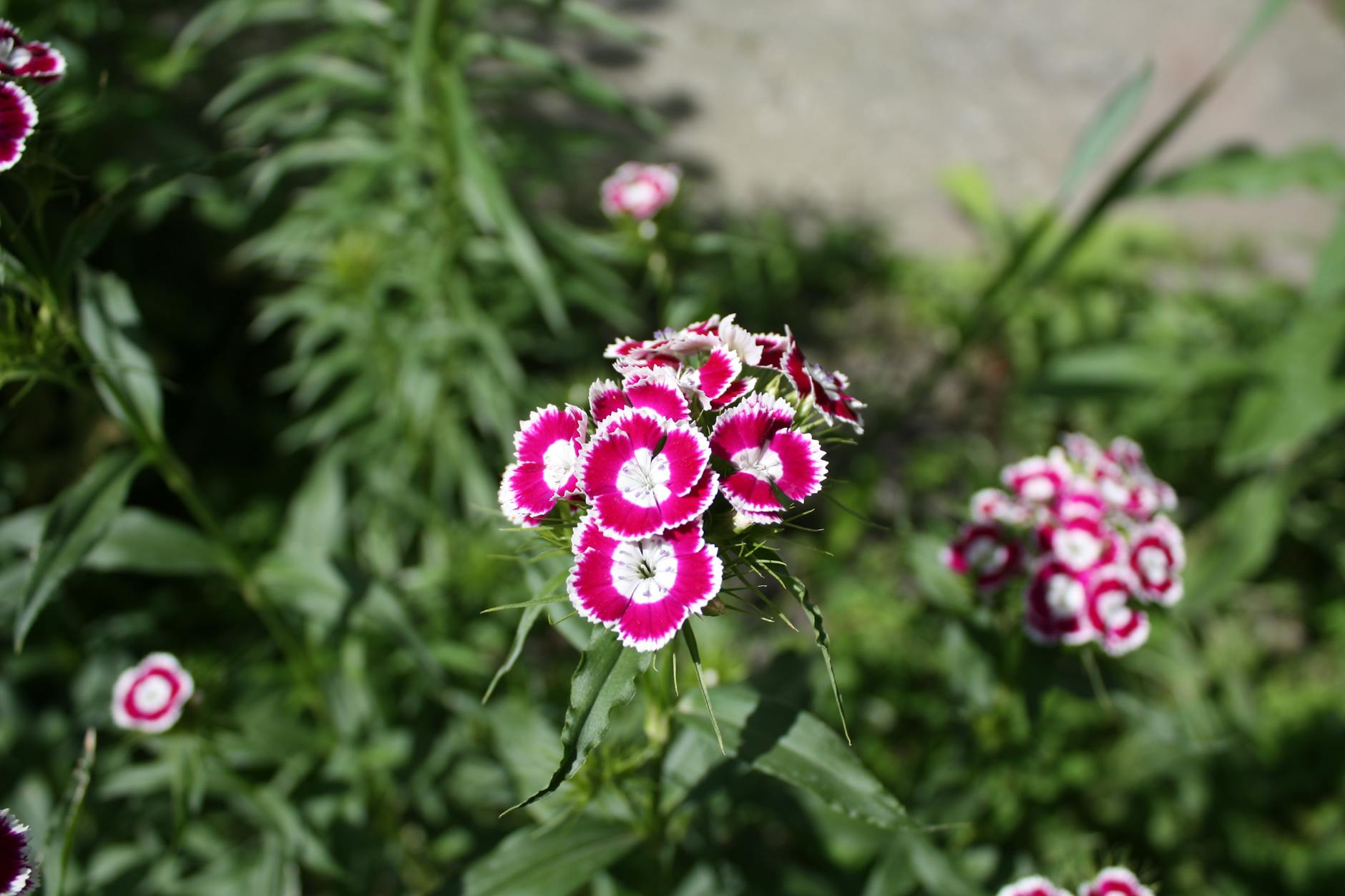
Hidcote Manor Garden (National Trust)
Hidcote near Chipping Campden is one of the most influential gardens of the 20th century and a must-visit for any garden enthusiast. Created from 1907 onwards by the horticulturist Major Lawrence Johnston, who was born in Paris to American parents, Hidcote pioneered the concept of “garden rooms” — a series of interconnected outdoor spaces, each with its own distinct character and planting scheme, separated by tall hedges and walls. The Red Borders, the White Garden, the Stilt Garden, and the Bathing Pool Garden are all celebrated design achievements. The garden is spectacular throughout the growing season, with peak colour typically from June through September.
Kiftsgate Court Gardens
Just across the road from Hidcote, Kiftsgate is an outstanding garden created by three generations of women gardeners. Its most famous resident is the Rosa filipes ‘Kiftsgate’, believed to be the largest rose in England — a monumentally vigorous climbing rose that has engulfed an entire tree. The garden cascades down a steep hillside with dramatic views across the Vale of Evesham, and its style is more wild and romantic than the formal precision of neighbouring Hidcote. The modern water garden, laid out on the old tennis court, provides an elegant counterpoint to the established planting.
Westonbirt, The National Arboretum
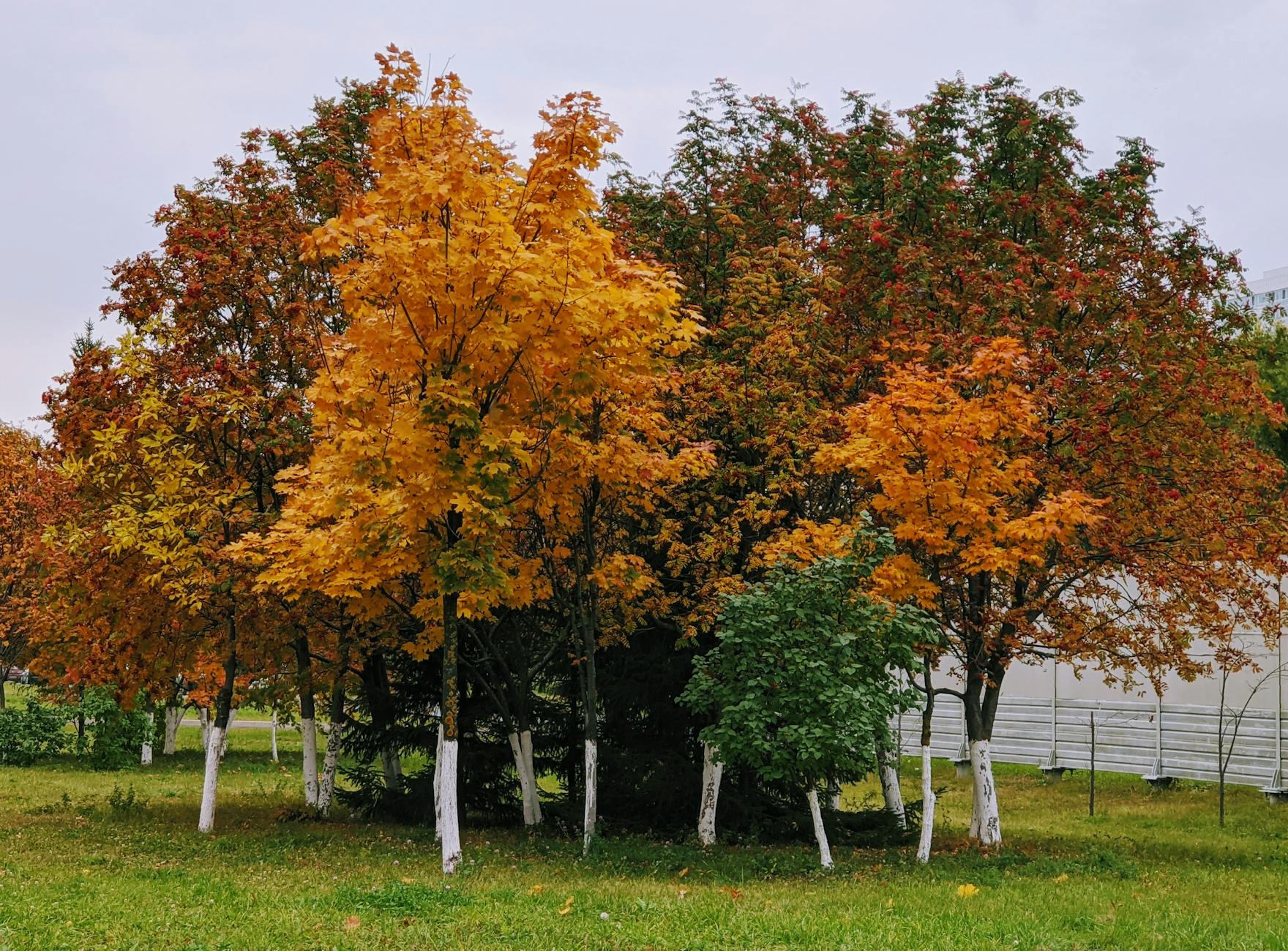
Westonbirt Arboretum near Tetbury is one of the finest tree collections in the world, with over 15,000 specimens of 2,500 species spread across 600 acres of rolling Cotswold countryside. The arboretum was begun in 1829 by Robert Stayner Holford, a wealthy landowner with a passion for trees, and has been managed by Forestry England since 1956. Westonbirt is magnificent in every season, but autumn is when it truly dazzles — the Japanese Maple collection, Chinese trees, and North American species create a kaleidoscope of red, gold, amber, and orange that draws tens of thousands of visitors each October and November. The treetop walkway, opened in 2016, carries you 300 metres through the canopy on a gently rising STIHL Treetop Walkway that reaches a height of 13 metres — offering a bird’s-eye perspective on the forest. During December, the Enchanted Christmas illuminated trail is one of the most magical festive experiences in the Cotswolds.
More Outstanding Gardens
Painswick Rococo Garden is a theatrical rococo creation of ornamental buildings, winding paths, and exuberant planting, designed in the 1740s, abandoned in the 1950s and painstakingly restored from 1984. In February, the famous snowdrop display carpets the woodland floor. Bourton House Garden in Bourton-on-the-Hill is a three-acre masterpiece of contemporary planting within a historic framework, particularly celebrated for its imaginative use of exotic plants and its magnificent raised walk. Cerney House Gardens near Cirencester offers a romantic English cottage garden with organic walled gardens and wildflower meadows. Batsford Arboretum near Moreton-in-Marsh combines an extensive tree collection with a Japanese garden and spectacular autumn colour.
Wildlife and Animal Attractions
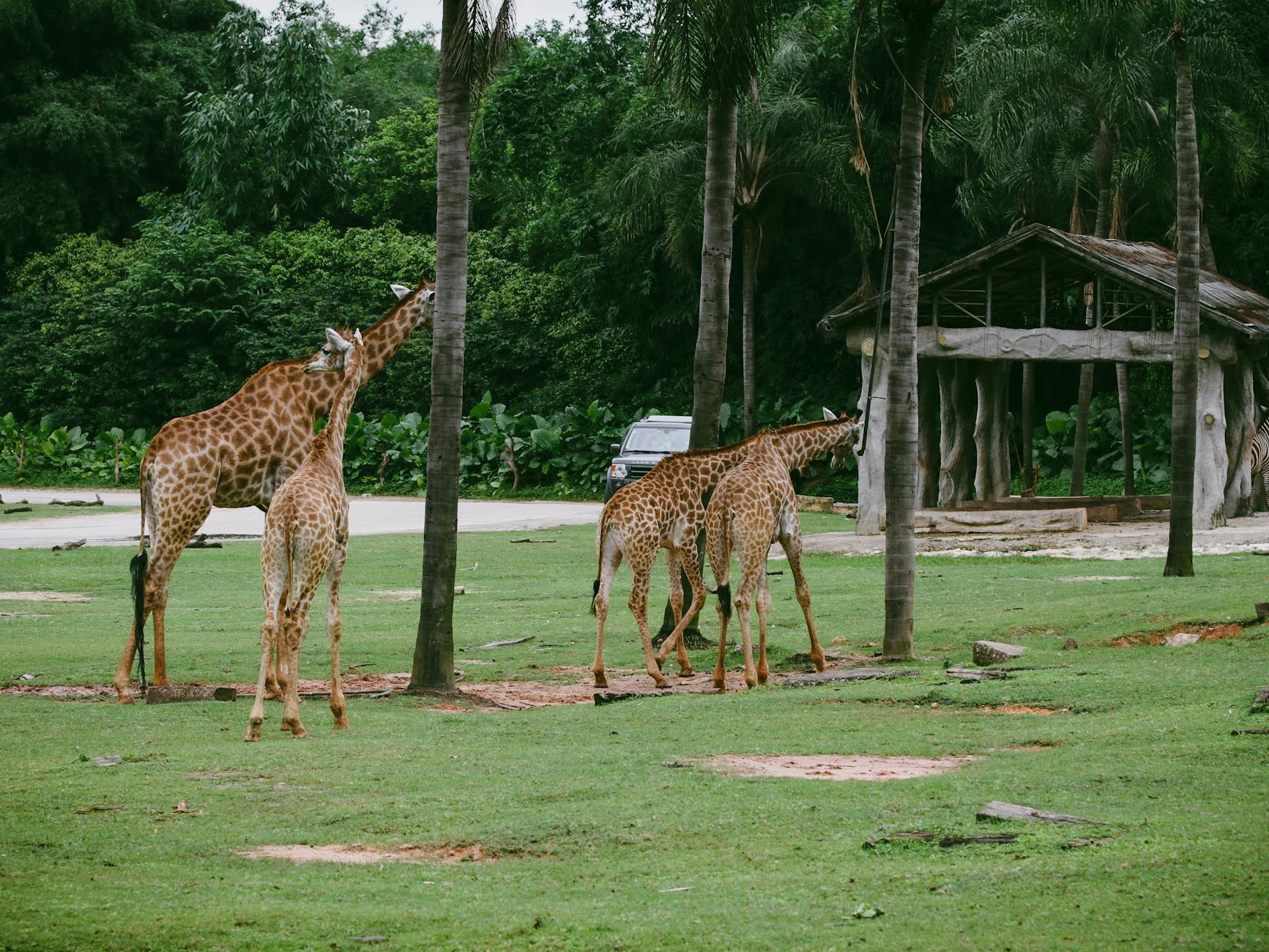
The Cotswolds has an outstanding selection of wildlife attractions — from major zoological parks housing exotic species to working farms preserving rare heritage breeds. These attractions are particularly popular with families, but they are genuinely enjoyable for visitors of all ages.
Cotswold Wildlife Park and Gardens
Cotswold Wildlife Park near Burford is one of the most popular attractions in the region, and with good reason. Set in 160 acres of beautiful parkland surrounding a Georgian Gothic manor house built in 1804, it is home to animals from around the world, including white rhinos, giraffes, lions, leopards, red pandas, penguins, lemurs, and an outstanding reptile collection. The park is notable for the quality of its enclosures and its commitment to conservation breeding programmes. The sight of giraffes grazing on the lawns in front of the Gothic manor house is uniquely Cotswolds. The walled garden houses a tropical plant collection, and the narrow-gauge railway provides a relaxing way to see the grounds. Allow at least three to four hours, or a full day with children.
Cotswold Farm Park
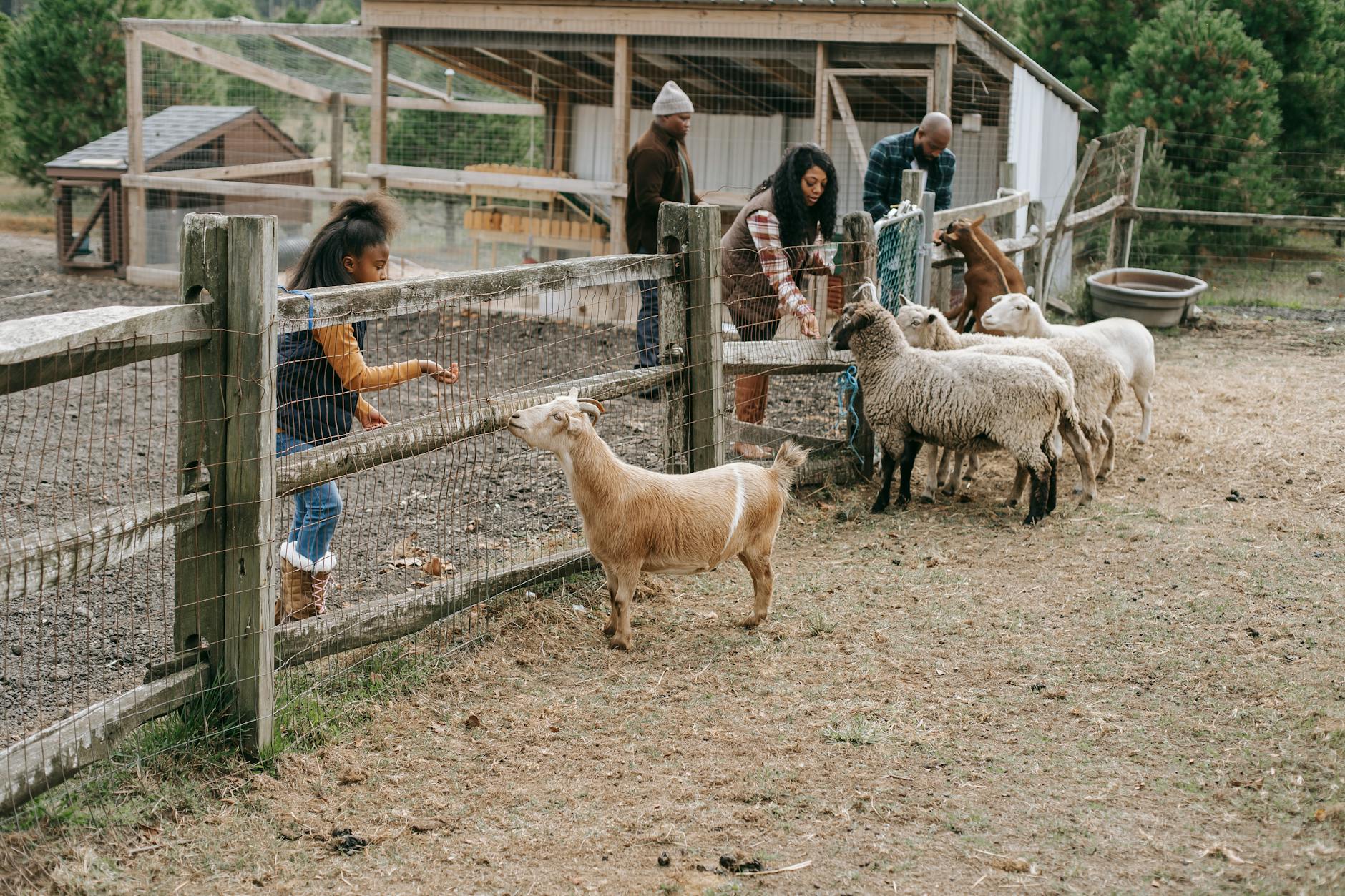
Cotswold Farm Park, founded in 1971 by Joe Henson, father of television presenter Adam Henson (of BBC’s Countryfile fame), is dedicated to preserving rare and traditional breeds of British farm animals. This is not a polished theme park — it is a real working farm where you can get genuinely close to Gloucestershire Old Spots pigs, Cotswold Lion sheep (the “gentle giants” whose wool once made the region’s fortune), Highland cattle, Shetland ponies, and dozens of other rare breeds. During lambing season (typically February to April), visitors can watch lambs being born and even bottle-feed them — an experience that children (and adults) find absolutely magical. The farm also has an excellent adventure playground, a wildlife walk, a seasonal maze, and tractor-trailer safari rides.
More Wildlife Experiences
Birdland Park and Gardens in Bourton-on-the-Water houses over 500 birds across 9 acres, including the only breeding colony of king penguins in England, flamingos, pelicans, cassowaries, and a huge variety of parrots, owls, and waterfowl. Crocodiles of the World near Brize Norton is the UK’s only crocodile zoo, home to over 100 crocodilians including Nile crocodiles, American alligators, and the critically endangered Philippine crocodile — a surprisingly fascinating and educational attraction.
Walking and Outdoor Activities
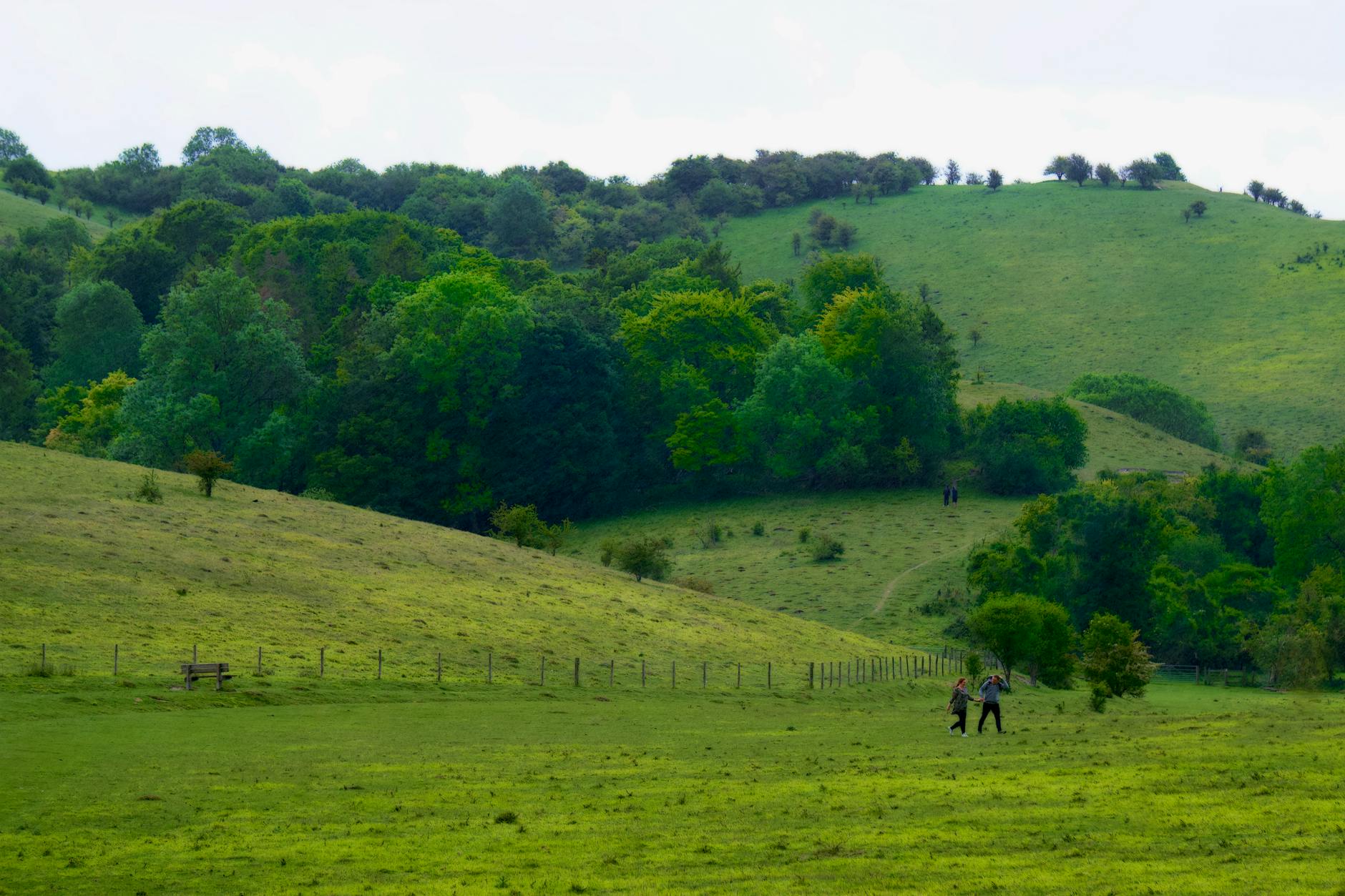
The Cotswolds is one of England’s finest walking destinations. The gently rolling landscape of limestone wolds, wooded valleys, wildflower meadows, and ancient footpaths makes for supremely enjoyable walking — challenging enough to feel satisfying, gentle enough to be accessible to most fitness levels. The network of public rights of way across the Cotswolds is extensive, and the scenery is consistently magnificent.
The Cotswold Way National Trail
The Cotswold Way is a 102-mile National Trail stretching from Chipping Campden in the north to the city of Bath in the south. Following the western escarpment of the Cotswold hills, it offers some of the most spectacular panoramic views in southern England — on clear days, you can see across the Severn Vale to the Black Mountains of Wales. Most walkers complete the entire trail in 7 to 10 days, staying in villages and market towns along the route. Day walkers can tackle individual sections: the Chipping Campden to Broadway stretch (approximately 6 miles) is one of the most scenic, while the approach into Bath through the Lansdown hills is a fitting climax. Luggage transfer services and guided walking holidays are available from specialist operators.
Short Walks and Circular Routes
You do not need to commit to a long-distance trail to enjoy Cotswolds walking. The region has plenty of shorter circular walks, from gentle strolls to more ambitious half-day hikes. Some favourites include the walk from Bourton-on-the-Water through Lower and Upper Slaughter (approximately 4 miles), the circular route from Broadway up to Broadway Tower and back via Snowshill (approximately 6 miles), and the Windrush Way from Bourton-on-the-Water to Winchcombe along the beautiful Windrush and Isbourne valleys. The walk from Painswick up to Painswick Beacon offers spectacular views for relatively modest effort.
Cycling
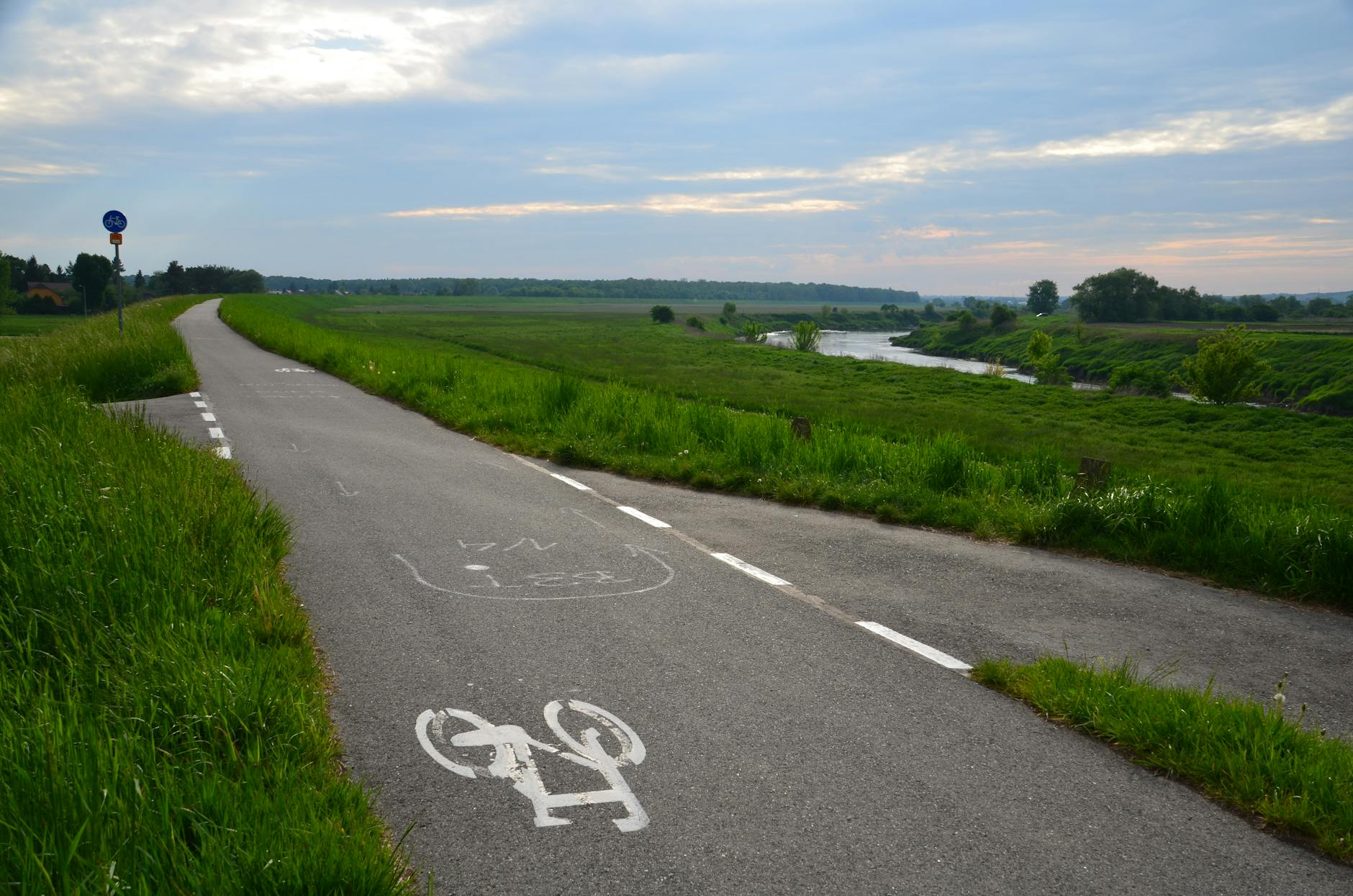
The Cotswolds’ quiet lanes and rolling terrain make it excellent cycling country, though the hills mean you need a reasonable level of fitness (or an electric bike). Several cycle hire operators offer e-bikes, which have opened up the landscape to a much wider range of riders. Popular routes include the gentle Windrush Valley trail from Bourton-on-the-Water to Burford, the more challenging climb from Broadway to the summit of Fish Hill, and the scenic lanes around the Coln Valley. The dedicated cycle path along the former railway line from Cheltenham to Bourton-on-the-Water (via the Honeybourne Line) provides a largely flat, traffic-free route.
More Outdoor Activities
Horse riding is a wonderful way to experience the Cotswolds countryside, and several stables offer rides for all abilities, from beginner-friendly hacks to experienced cross-country gallops. Hot air ballooning over the Cotswolds provides an unforgettable aerial perspective — the patchwork of golden stone villages, green fields, and winding rivers looks magnificent from above. Flights typically operate in calm conditions at dawn and dusk from April through October. Wild swimming in the Cotswolds’ rivers and streams has grown hugely in popularity — the River Windrush near Minster Lovell, the Thames at Lechlade, and various secluded spots along the Coln and Leach are all popular locations (always check safety conditions and respect private land). Fishing on the Cotswolds’ chalk streams and rivers is available through various syndicates and day-ticket fisheries.
Cultural Experiences and Museums

Beneath the pretty surface, the Cotswolds has a rich and varied cultural life — from world-class museums and galleries to quirky collections, thriving arts scenes, and experiences rooted in centuries of craft tradition.
Corinium Museum, Cirencester
Corinium Museum in Cirencester is one of the finest Roman museums in Britain, telling the story of Cirencester’s remarkable past as Corinium Dobunnorum — the second-largest Roman town in Britain after London. The museum’s collection of Roman mosaic floors is outstanding, including the famous Hare Mosaic and the hunting scenes from nearby Chedworth Roman Villa. Interactive displays and atmospheric reconstructions bring the Roman town vividly to life. The museum also covers the town’s Saxon, medieval, and later history. Allow at least 90 minutes.
Chedworth Roman Villa (National Trust)
Chedworth Roman Villa, hidden in a wooded valley between Cirencester and Northleach, is one of the largest and most elaborate Roman villas discovered in Britain. Discovered by a gamekeeper in 1864, the villa’s remarkably intact mosaic floors, hypocaust (underfloor heating) systems, and bath houses reveal the sophistication of Roman life in the Cotswolds nearly 2,000 years ago. The modern conservation shelter protects the mosaics while allowing visitors to walk among them. This is one of those attractions where the setting — a secluded, atmospheric woodland valley — is almost as memorable as the archaeology itself.
The Wilson, Cheltenham Art Gallery and Museum
The Wilson in Cheltenham houses an impressive collection of Arts and Crafts movement furniture, textiles, and decorative arts — fitting for a region so closely associated with the movement’s pioneers. The gallery also holds fine art from Dutch masters to contemporary works, and excellent exhibitions on Cheltenham’s history as a spa town and festival city. Free admission makes it an easy addition to a Cheltenham visit.
More Cultural Attractions
Cotswold Motoring Museum in Bourton-on-the-Water houses a charming collection of vintage cars, motorcycles, caravans, and automotive memorabilia, including the original Brum car from the children’s television series. The Model Village, also in Bourton, is a meticulously crafted 1:9 scale replica of the village itself, built from local Cotswold stone. Cheltenham Festivals are world-renowned — the Literature Festival (October), Science Festival (June), Music Festival (July), and Jazz Festival (April/May) collectively attract hundreds of thousands of visitors. The Everyman Theatre in Cheltenham has an excellent year-round programme of drama, comedy, and musicals.
Unique and Hidden Experiences

Beyond the well-known attractions, the Cotswolds hides a wealth of unique experiences that offer something genuinely different — the kind of discoveries that make a trip truly memorable.
Cotswold Lavender
Cotswold Lavender near Broadway opens its fields from mid-June to early August, with the flowers at their peak from late June to late July, turning 45 acres of the hillside above Snowshill deep purple and blue — one of the most photogenic sights in the Cotswolds. Visitors can walk through the lavender rows, learn about the distillation process, and buy lavender products from the on-site shop. The views across the surrounding countryside are spectacular, and the fragrance on a warm summer day is intoxicating. This is a seasonal attraction with a short window, so check the website for bloom updates before visiting.
Dry Stone Walling Workshops
The Cotswolds is defined by its dry stone walls — over 4,000 miles of them crisscross the landscape, built without mortar using only the natural shape and weight of the local limestone. Learning to build one is a uniquely hands-on way to connect with the region’s heritage. Several organisations offer half-day and full-day workshops where you can learn the ancient craft from experienced wallers. It is surprisingly satisfying work, and you will never look at a Cotswold wall the same way again.
Foraging Walks and Wild Food Experiences
Guided foraging walks through the Cotswolds countryside reveal a hidden larder of wild foods — from hedgerow berries and woodland mushrooms to wild garlic, elderflower, and herbs. Several experienced foragers offer seasonal guided walks that combine gentle exercise with practical knowledge about identifying, collecting, and cooking wild foods. These are typically small-group experiences and provide a genuinely fresh perspective on the Cotswold landscape.
Cheese Making, Gin Distilling, and Craft Workshops
The Cotswolds’ thriving artisan food and drink scene offers numerous hands-on experiences. Cheese-making workshops allow you to learn the craft behind traditional English cheeses like Single and Double Gloucester. Distillery tours are an easy addition to a day out — the Cotswolds Distillery near Stourton produces whisky and gin and offers tours and tastings. Pottery, weaving, and textile workshops continue the Cotswolds’ centuries-old craft traditions, and many studios welcome visitors for hands-on sessions.
Family-Friendly Things to Do
The Cotswolds is an outstanding destination for families, with a range of attractions that genuinely engage children of all ages while keeping parents equally entertained.
The major animal attractions — Cotswold Wildlife Park, Cotswold Farm Park, and Birdland — are all designed with families in mind, offering close encounters with animals and picnic areas, with the Skymaze adventure playground at the Wildlife Park and indoor and outdoor play areas at the Farm Park. The Dragonfly Maze in Bourton-on-the-Water is a fun challenge for children aged roughly 5 to 12. Cattle Country Adventure Park near Berkeley combines a large indoor and outdoor play area with farm animals — ideal for younger children and rainy days.
For older children and teenagers, the Go Ape treetop adventure course at Westonbirt Arboretum offers high-wire challenges among the treetops; check goape.co.uk for current availability before you go. Cotswold Lakes (formerly Cotswold Water Park) near Cirencester — a vast network of over 180 lakes across 42 square miles, created by gravel extraction — offers kayaking, paddleboarding, sailing, and open-water swimming. Treasure trails and geocaching routes provide excellent motivation for getting children to walk through villages and countryside without complaint.
For rainy days, the Corinium Museum has excellent interactive displays for children, and the Cotswold Motoring Museum appeals to car-mad youngsters. Many Cotswold towns have excellent independent toy shops and bookshops that are worth browsing. And of course, cream teas, ice cream, and fish and chips never fail to keep spirits up.
Free Things to Do in the Cotswolds
Some of the very best things to do in the Cotswolds cost nothing at all. The region’s greatest asset — its stunning landscape — is entirely free to enjoy, and there are many specific attractions and experiences that do not require an admission fee.
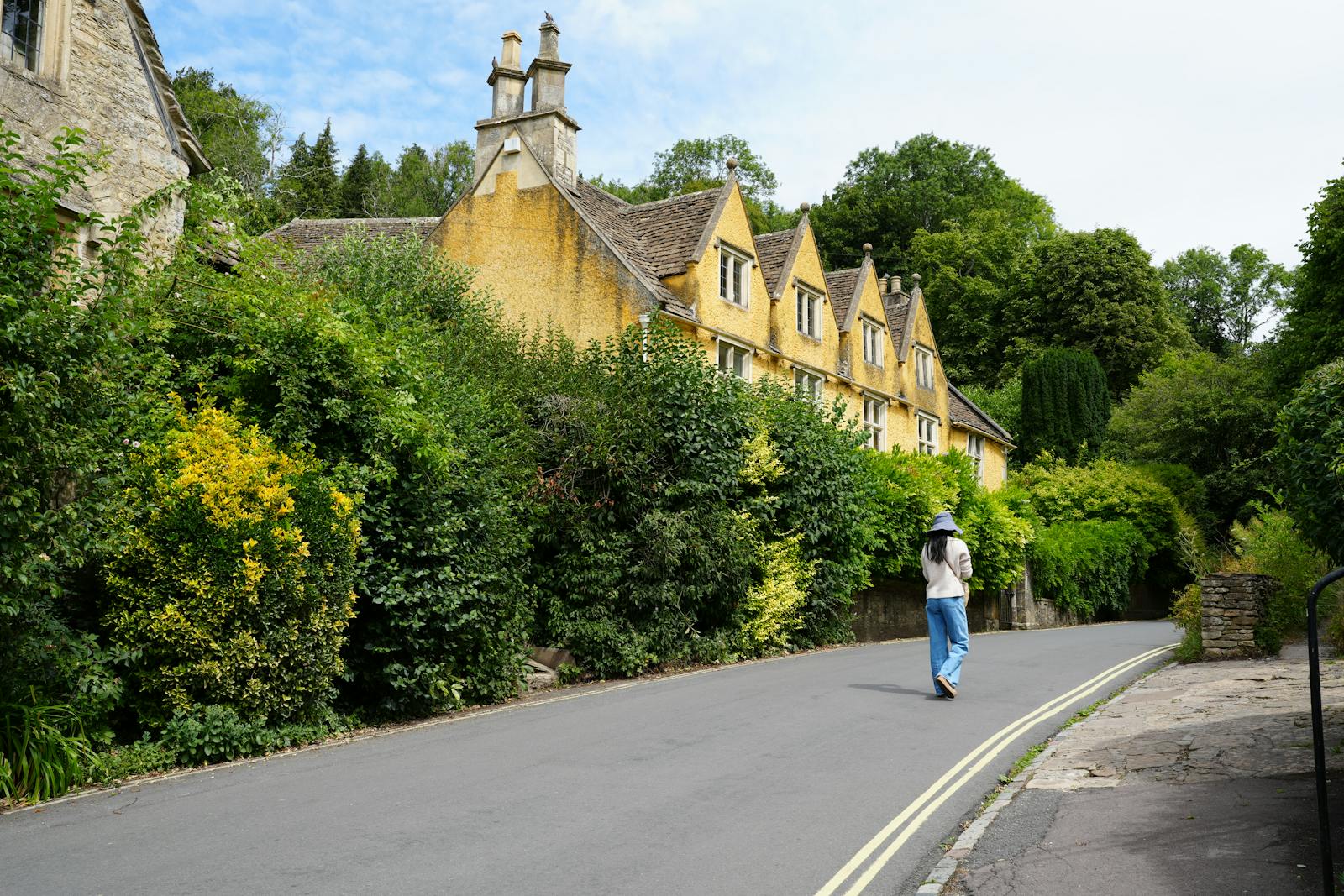
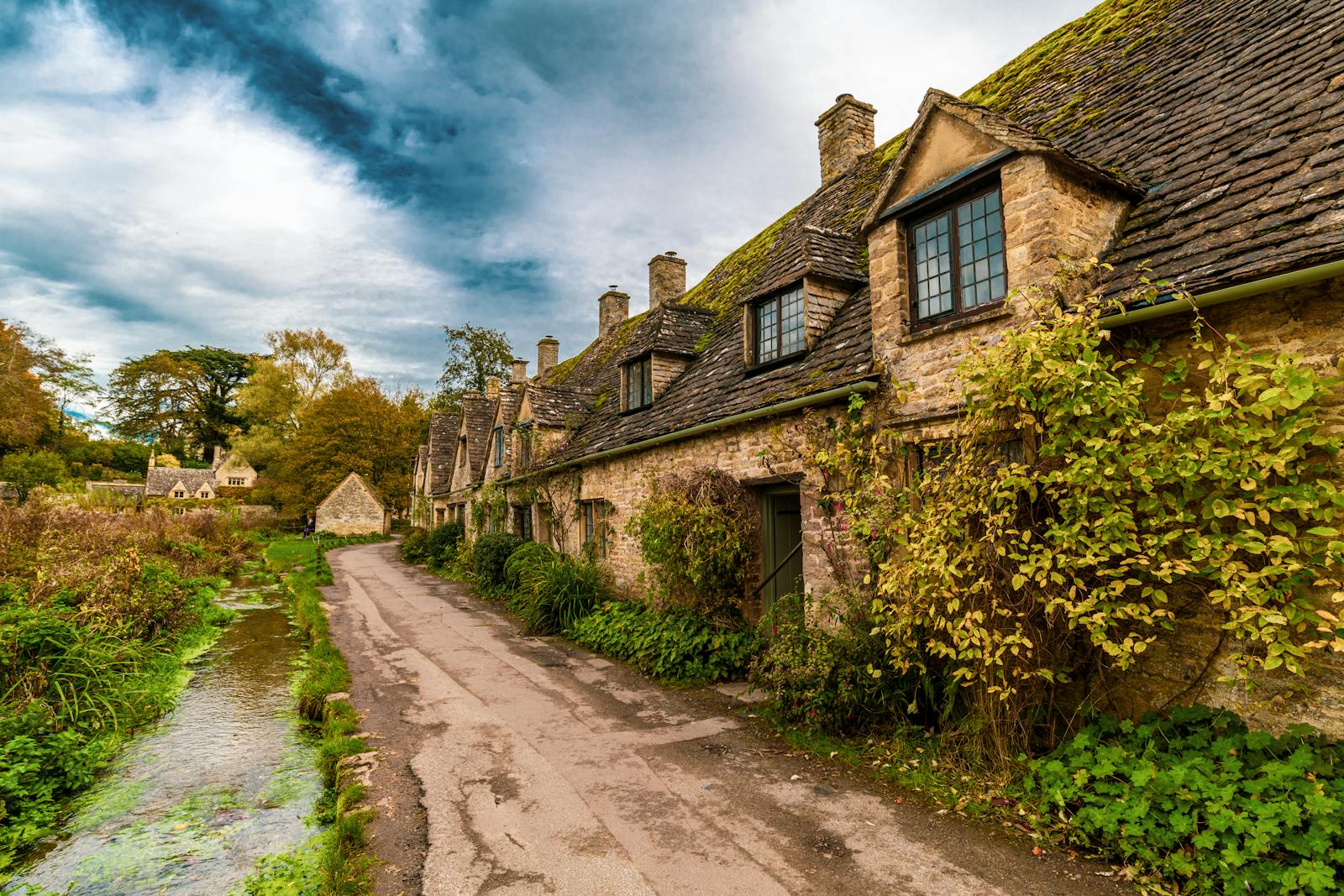
Village exploring is the quintessential free Cotswolds activity. Wandering through villages like Bourton-on-the-Water, Bibury, Castle Combe, and Stow-on-the-Wold costs nothing beyond parking, and the pleasure of absorbing the architecture, peeking into cottage gardens, and soaking up the atmosphere is one of the defining experiences of the region. Walking the Cotswold Way or any of the hundreds of public footpaths is free and provides access to the most beautiful landscapes.
Church visiting is an underappreciated free activity. The Cotswolds’ medieval “wool churches” — built with the proceeds of the wool trade — are some of the finest parish churches in England. Northleach, Chipping Campden, Cirencester, Burford, and Fairford all have churches of exceptional beauty and historic importance, and most are free to enter, with donations welcome. The Church of St Mary in Fairford has 28 stained-glass windows, which the church describes as the country’s only complete set of late medieval glass in a parish church.
Market visiting is another enjoyable free experience. Moreton-in-Marsh’s famous Tuesday market, Stow-on-the-Wold’s regular farmers’ markets, Stroud’s Saturday market, and Cirencester’s Charter Market all offer lively atmosphere and the chance to sample local produce without any obligation to buy. Cheltenham Art Gallery and Museum (The Wilson) offers free admission to its permanent collections. And many of the Cotswolds’ most scenic viewpoints — including Broadway Tower hill, Cleeve Hill (the highest point in the Cotswolds at 1,083 feet), Painswick Beacon, and Dover’s Hill — are freely accessible.
Seasonal Highlights — When to Do What
The Cotswolds offers different highlights throughout the year, and timing your visit to coincide with seasonal events can significantly enhance your experience. For a fuller breakdown, see our month-by-month guide to the best time to visit the Cotswolds.
Spring (March-May) brings lambing season at Cotswold Farm Park (typically late February through April), spectacular bluebell woods throughout the region, the Cheltenham Jazz Festival (April/May), and the Badminton Horse Trials (May) — one of the most prestigious equestrian events in the world. Spring is arguably the best season for garden visiting, as Hidcote, Kiftsgate, and the Painswick Rococo Garden all come alive with fresh colour.
Summer (June-August) is peak season, with Cotswold Lavender in bloom (mid-June to early August), the Cheltenham Music Festival (July), the Cotswold Olimpick Games on Dover’s Hill (late May/early June), and numerous village fetes, open gardens, and outdoor theatre performances. Summer is the best time for outdoor activities including wild swimming, hot air ballooning, and the longest walking days.
Autumn (September-November) features the extraordinary autumn colour display at Westonbirt Arboretum (typically peaking in October and November), the Cheltenham Literature Festival (October) — the world’s oldest literature festival, Food festivals across the region, and quieter village visits as the summer crowds disperse. The low autumn light brings a special warmth to the honey-stone villages.
Winter (December-February) brings Christmas markets in Cirencester, Cheltenham, and other towns, the Blenheim Palace illuminated light trail, the Westonbirt Enchanted Christmas, snowdrops at Painswick Rococo Garden (February), and cosy pub visits by roaring log fires. Winter accommodation prices are considerably lower than summer, and the Cotswolds has a quiet, atmospheric beauty in the colder months.
Practical Tips for Making the Most of Your Visit
Plan by interest, not just geography. While it makes sense to cluster nearby attractions into a single day, make sure your itinerary reflects what genuinely interests you. A garden lover will get more from a day at Hidcote and Kiftsgate than from ticking off five villages. A history enthusiast will find Chedworth Roman Villa more rewarding than a wildlife park. Build your trip around your passions.
Book ahead for popular attractions. Blenheim Palace, Cotswold Wildlife Park, and Go Ape at Westonbirt all benefit from advance booking, especially during school holidays and weekends. Smaller attractions like Snowshill Manor (National Trust) can also reach capacity on busy days. Most attractions offer online booking with modest discounts.
Consider a National Trust membership. If you plan to visit multiple National Trust properties — Hidcote, Snowshill Manor, Chedworth Roman Villa, and Lodge Park are all National Trust — membership will likely pay for itself within two or three visits. Similarly, English Heritage membership covers properties like Hailes Abbey and Cirencester Amphitheatre.
Leave time for spontaneity. The Cotswolds rewards unplanned discoveries — the village you stumble upon unexpectedly, the footpath sign you decide to follow, the pub you duck into for shelter from a shower. The best Cotswolds experiences often are not on any itinerary.
Download offline maps. Mobile signal is patchy throughout the Cotswolds. Download Google Maps offline areas, save walking route GPX files before you set out, and carry a paper Ordnance Survey map (Explorer OL45 covers the Cotswolds) if you plan to walk extensively. Do not rely on your phone for navigation in rural areas.
Combine attractions wisely. Hidcote and Kiftsgate gardens are next door to each other and make a perfect combined visit. Bourton-on-the-Water’s attractions (Birdland, Model Village, Motoring Museum) are all within walking distance. Sudeley Castle and Winchcombe town make a natural pair. Blenheim Palace and Woodstock village complement each other beautifully.
Start Planning Your Cotswolds Adventure
The Cotswolds offers an extraordinary breadth of things to do — from world-class heritage attractions like Blenheim Palace and Chedworth Roman Villa to gentle pleasures like wandering through village markets, walking ancient footpaths, and settling into a centuries-old pub by the fire. Whatever your interests, whatever the season, and whatever your budget, this beautiful corner of England has something remarkable waiting for you.
Ready to turn these ideas into a trip? Use our Cotswolds itineraries to fit the best of them into your days, browse the prettiest villages, sort out where to stay, and read the complete guide to visiting the Cotswolds for everything else you need to know.
Explore our detailed things-to-do guides: 50 Best Things to Do, Blenheim Palace, Sudeley Castle, Cotswold Wildlife Park, Cotswold Farm Park, Westonbirt Arboretum, Best Gardens, Museums, Best Photography Spots, and Free Things to Do.
For more ways to fill your days, see outdoor activities and adventures, Cotswolds history and heritage, events, festivals and seasonal highlights, shopping, markets and antiques, and days out with the family.