This article contains advertising. My booking links are routed through a partner that adds commission tracking automatically, so if you book through one I earn a commission from the provider, at no extra cost to you. It never affects what I recommend. Affiliate disclosure
If you really want to taste the Cotswolds, head for a farm shop. These wonderful places, often set on working farms down winding lanes, are where the region’s exceptional produce goes on sale at its freshest: local cheeses and cured meats, just-picked vegetables, artisan bread, orchard fruit and award-winning drinks, much of it grown or made within a few miles. A good farm shop is half larder, half day out, and many now come with a superb café attached.
This guide rounds up the best farm shops in the Cotswolds, from the famous flagship of Daylesford to regenerative pioneers and characterful village stores, with honest notes on what to expect at each. Opening days and ranges change, so it is always worth checking before a special trip. It works alongside our complete guide to Cotswolds food and drink and our guide to Cotswolds farmers’ markets.
What Makes Cotswolds Farm Shops So Special
Cotswolds farm shops are special because of what surrounds them. This is some of the most productive farming country in England, with a strong tradition of small, quality-focused producers, so the shops can fill their shelves with genuinely local, seasonal food. Many sell produce grown on the very farm they sit on, alongside the work of neighbouring artisans, which means provenance you can almost see from the car park.
They are also a brilliant way to spend a morning. The best farm shops have grown into proper destinations, with cafés serving the produce they sell, plant nurseries, gift shops and play areas, making them a great rainy-day stop or a relaxed alternative to sightseeing. And they are the perfect place to assemble a picnic or to pick up edible souvenirs that beat any fridge magnet.
Daylesford Organic: The Flagship
No farm-shop guide can begin anywhere but Daylesford Organic, near Kingham. The best-known organic farm shop in the country, it is a full day out in itself: a beautiful, sprawling shop selling vegetables from its own market garden, award-winning bread and pastries, and cheeses made in its on-site creamery, alongside a café, a home and garden shop, the Bamford wellness spa and a celebrated cookery school. It holds a Michelin Green Star for its sustainability, and the whole place is a showcase for regenerative, organic farming.
Daylesford sits at the luxury end of the spectrum, and prices reflect that, but it is a genuinely special place to visit and a benchmark for what a farm shop can be. Even if you only stop for a coffee and a wander, it is well worth the detour, and it makes an excellent rainy-day option near the northern villages.
Jolly Nice: Regenerative Farming and a Yurt Café
For a farm shop with a real conscience and a lot of character, head to Jolly Nice at Frampton Mansell, between Cirencester and Stroud. Run by a third-generation farming family who switched to regenerative agriculture, it sources from more than seventy local micro-producers and small farms, and is famous for its burgers made from the farm’s own Shorthorn cattle and its sausage rolls from rare-breed pigs reared and butchered on site.
The café here is housed in a cosy yurt, with a log burner in the cooler months and outdoor seating around a fire pit, and there is even a car-and-bicycle drive-through, a genuine novelty. The whole place tells a powerful story about making sustainable farming viable, and the food is delicious, which makes Jolly Nice one of the most distinctive and rewarding farm shops in the region.
The Best Farm Shops for Cheese, Meat and Bread
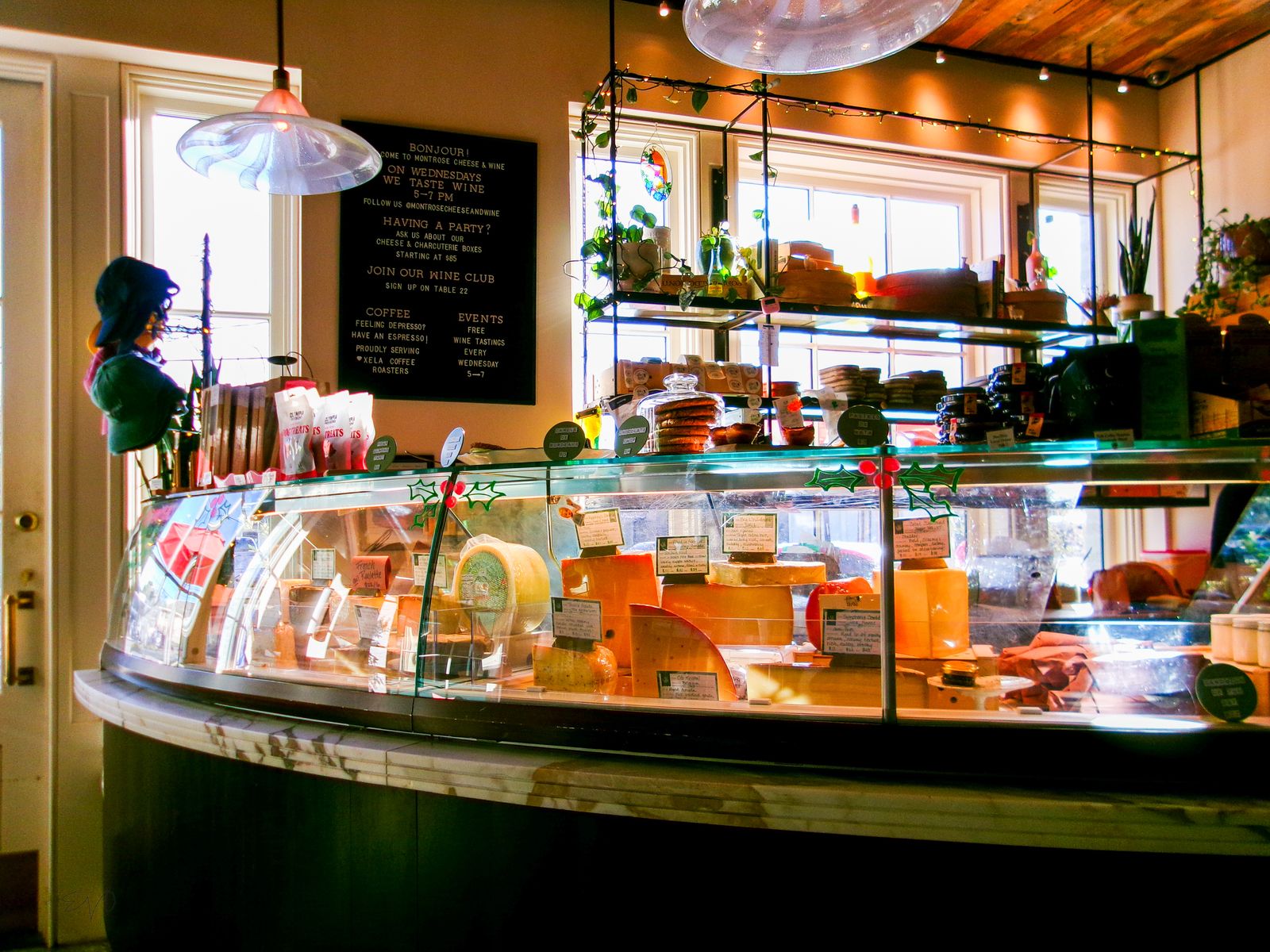
The Cotswolds is cheese country, and the Cotswold Cheese Company, with shops in Stow, Moreton-in-Marsh and Burford, is the place to indulge, with well over a hundred artisan and farmhouse cheeses, a strong focus on local cheesemakers, and all the chutneys and biscuits to go with them (note these shops are card-only). For all-round provisions, the food hall at the Burford Garden Company is superb, combining local produce, meats and cheeses with a light-filled Glasshouse Café in a vast garden-and-lifestyle store that is a destination in its own right.
Near Cirencester, the Organic Farm Shop at Abbey Home Farm is a lovely, deeply ethical organic shop and café on a working farm, while on the western edge, the award-winning Gloucester Services farm shop, just off the M5, is a genuinely good reason to stop. Each is a wonderful place to assemble the makings of a picnic or to stock up on local treats to take home, as our guide to the best cafés in the Cotswolds also explores.
Farm Shops With Great Cafés and Pick-Your-Own
Several Cotswold farm shops are worth visiting as much for the café and the activities as the shopping. Hayles Fruit Farm, on the edge of Winchcombe near Sudeley Castle, is a working fruit farm with pick-your-own in season, its own award-winning apple juice and cider, the welcoming Orchard Kitchen café and even a campsite, making it a lovely family day out. Near Longborough, Cotswold Barn (formerly the Cotswold Food Store) is now mainly an award-winning café and gift shop, with lovely views over the hills and a dog-friendly welcome, rather than a full farm shop.
These places combine the pleasure of good local food with somewhere to sit, eat and relax, which makes them ideal for a leisurely morning or a stop with children in tow. Pick-your-own at Hayles in summer is a particular treat, connecting families directly with where their food comes from. Our guide to the Cotswolds with kids has more family-friendly ideas.
Diddly Squat: What to Know Before You Go
No discussion of Cotswold farm shops is complete without Diddly Squat, Jeremy Clarkson’s farm shop near Chadlington, made famous by the television series Clarkson’s Farm. It has become a genuine pilgrimage for fans, but it is important to manage expectations: this is a very small shop with a deliberately limited, rotating range (think honey, jams, branded merchandise and seasonal produce), not a large food hall, and it is famous for its long queues and small car park.
Opening days and the on-site facilities have been shaped by ongoing planning disputes, so they change; at the time of writing the shop was opening most days but the situation is fluid. If you want to visit, always check the official website and social media for the current opening hours before you travel, arrive early or on a weekday to beat the crowds, and treat it as a fun, of-the-moment stop rather than your main food shop. You can read more about the wider Clarkson’s Farm phenomenon in our guide to things to do in the Cotswolds.
What’s in Season at a Cotswold Farm Shop
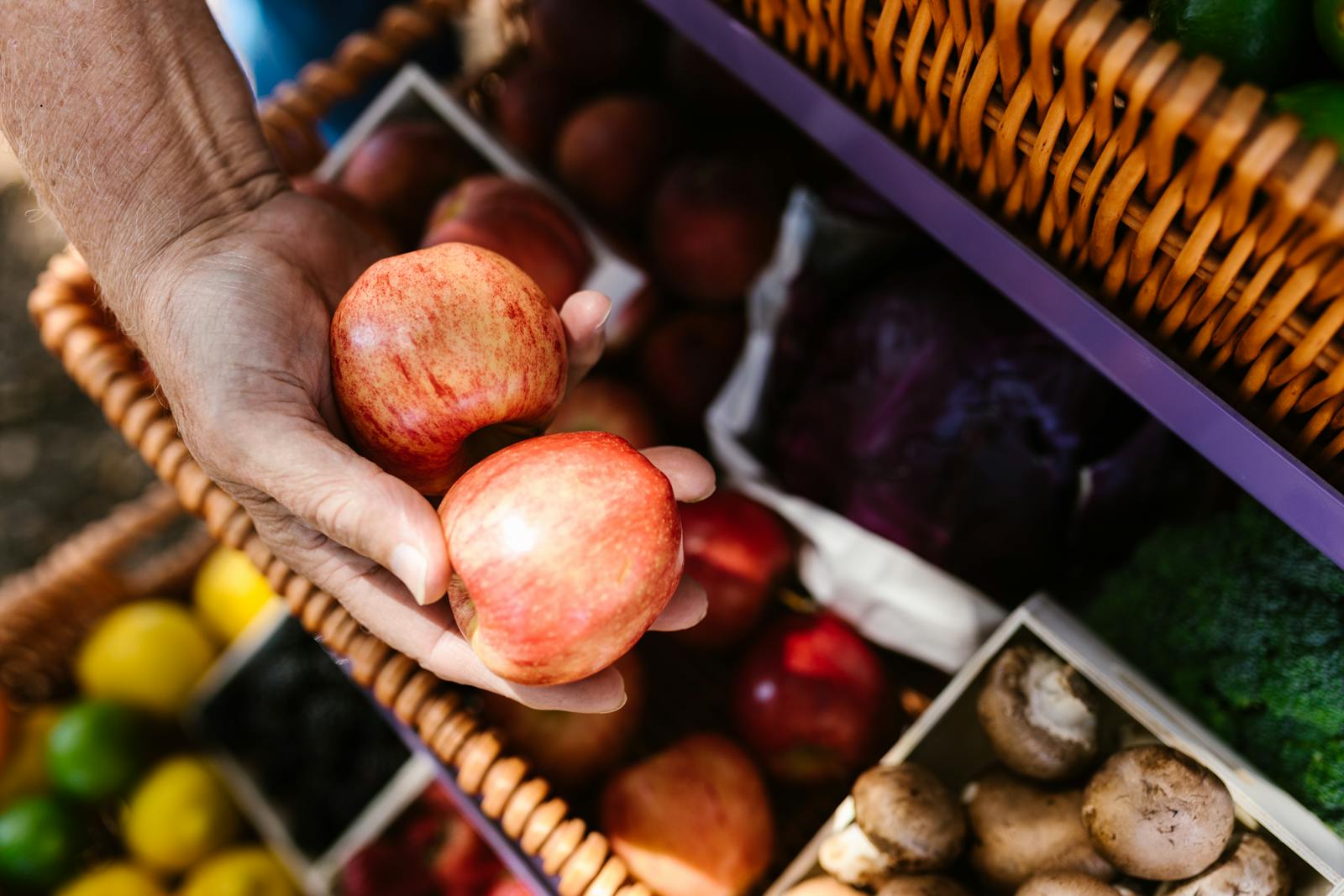
Part of the joy of shopping at a farm shop is that the shelves change through the year, reflecting what is actually growing. Spring brings the first asparagus, purple-sprouting broccoli, rhubarb and new-season lamb; summer overflows with soft fruit, salad leaves, tomatoes and the start of pick-your-own. Autumn is harvest time, with orchard apples and pears, squashes, wild mushrooms and game appearing, while winter turns to root vegetables, brassicas, and the makings of hearty stews and Christmas feasts.
Eating with the seasons is not just good for flavour; it connects you to the rhythm of the countryside in a way a supermarket never can. Asking the staff what is best that week is a lovely way to discover something new, and it often leads to the most memorable meals of a trip. A farm shop visit, in other words, is a small lesson in where food really comes from.
Edible Souvenirs to Take Home
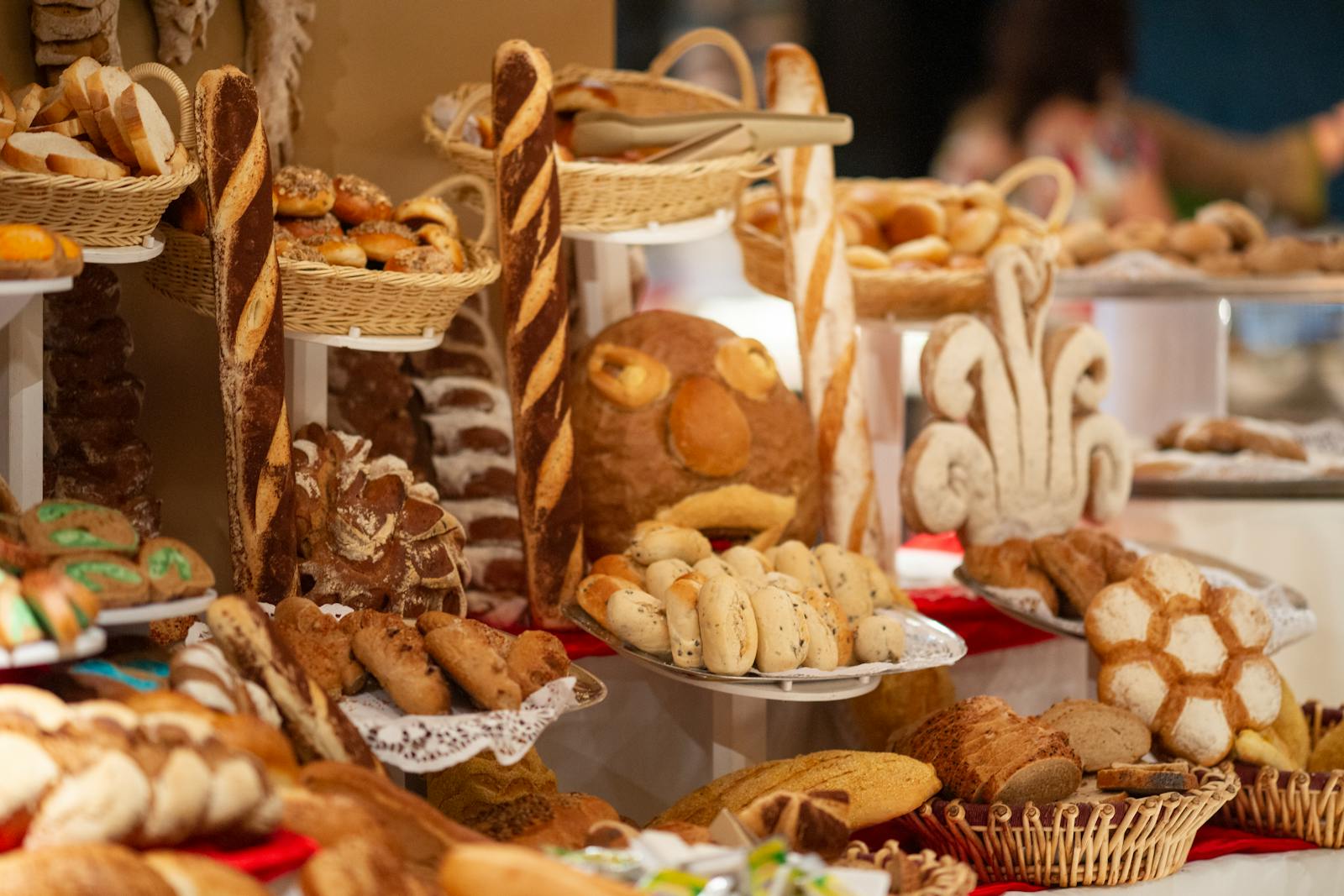
Farm shops are the perfect place to pick up edible souvenirs that are far nicer than the usual trinkets. A wedge of local Cotswold cheese, a jar of honey or home-made jam, a bottle of apple juice or cider, some artisan chocolate or a loaf of proper bread all travel well and make wonderful gifts, or simply a way to keep a little of the Cotswolds going once you are home. Many shops will also make up beautiful hampers.
If you are buying cheese or other perishables to take home, it is worth bringing a cool bag, especially in warm weather, and asking the shop for advice on keeping things at their best. A jar of preserve or a bottle of something local is an inexpensive treat that keeps the memory of your trip alive long after you have left, and supports the producers who make the region so special.
Building a Picnic From a Farm Shop
One of the very best things to do with a Cotswold farm shop is to assemble a picnic. With superb bread, cheese, cured meats, fresh fruit, pork pies and local drinks all under one roof, you can put together a feast in minutes, then carry it off to a hilltop, a riverside or a village green to enjoy in the fresh air. It is one of the most affordable and pleasurable ways to eat in the region, and it makes the most of all that wonderful produce.
The Cotswolds is full of lovely picnic spots, from the viewpoints along the escarpment to the meadows beside its gentle rivers. Pair a farm-shop picnic with a country walk and you have a perfect, low-cost day out, as our guides to walking in the Cotswolds and free things to do explore.
Farm Shop Tips: Opening Times, Parking and Paying
A few practical pointers will help your visit go smoothly. Check opening days and times before you set off, as some smaller farm shops close on certain days or have seasonal hours, and a few (like the Cotswold Cheese Company) are card-only, so it is worth knowing how to pay. Most farm shops have free parking, though the most popular, especially Diddly Squat, can have queues and limited space, so arrive early or on a weekday.
If you plan to eat at the café, note that the busiest shops can get very full at lunchtime, particularly at weekends and in the school holidays, so an earlier or later visit is often more relaxed. And do take your time to browse and chat to the staff, who are usually passionate about their products and full of recommendations; it is all part of the experience.
Why Farm Shops Matter
Beyond the pleasure of great food, there is a bigger reason to seek out the region’s farm shops: they support the small producers and family farms that keep the Cotswolds countryside working and beautiful. Buying directly from a farm shop puts more of your money into the hands of the people who grow and make the food, helps sustain traditional and regenerative farming, and keeps the local food economy alive. It is a small act with a real impact.
Places like Jolly Nice and Abbey Home Farm are explicit about this mission, using their shops to make sustainable, ethical farming financially viable and to show visitors where their food comes from. So a farm-shop visit is not just a treat; it is a way of voting with your wallet for the kind of countryside and food system most of us want to see. That, as much as the delicious sausage rolls, is a very good reason to go.
Combining Farm Shops With a Cotswolds Trip
Farm shops slot easily into any Cotswolds itinerary. The big destination shops like Daylesford and the Burford Garden Company make excellent half-day outings or rainy-day options in their own right, while the smaller shops are perfect for a quick stop to stock up the holiday cottage or gather a picnic on the way to a walk. Several sit conveniently close to the main villages and attractions, so you can weave them into a day of sightseeing.
If you are self-catering, a farm-shop run at the start of your stay is one of the nicest ways to settle in, filling the fridge with local treats for the week ahead. However you fit them in, the Cotswolds’ farm shops are a delicious window into the region’s food culture, and a highlight of any foodie visit. Our Cotswolds itineraries can help you build them into your trip.
More Farm Shops to Discover
The Cotswolds is so rich in good food that there are always more farm shops to discover beyond the famous names. In the south of the region, Wotton Farm Shop near Wotton-under-Edge combines a farm shop, deli, café and plant nursery, and is a lovely stop away from the busier honeypots. Smaller village stores and farm gates across the area sell eggs, vegetables and seasonal produce, often on an honesty-box basis, which is a charming and very Cotswold way to shop.
Half the fun is stumbling upon these places as you explore the lanes, so keep an eye out for the brown signs and roadside stalls. Wherever you find them, the region’s farm shops share the same commitment to local, seasonal, well-made food, and each has its own character worth discovering. Our complete guide to Cotswolds food and drink ties the whole scene together.
Frequently Asked Questions
What is the best farm shop in the Cotswolds?
Daylesford Organic near Kingham is the best-known and most impressive, a full destination with a shop, café, spa and cookery school, though it is at the luxury end. For something more down-to-earth and ethical, Jolly Nice near Stroud is a wonderful alternative.
Is Diddly Squat Farm Shop open, and what days?
It is operating, but its opening days have changed over time and are affected by ongoing planning matters, so always check the official website and social media before travelling. Expect queues and limited parking, and arrive early or on a weekday.
Which Cotswolds farm shops have a café?
Daylesford, the Burford Garden Company (Glasshouse Café), Hayles Fruit Farm (Orchard Kitchen), Jolly Nice (in a yurt), Cotswold Barn and Abbey Home Farm all have cafés, making them great spots for a meal as well as shopping.
Are Cotswolds farm shops dog-friendly?
Many are, particularly those with outdoor seating such as Jolly Nice, Hayles Fruit Farm and Cotswold Barn, which has a dog-friendly area. Policies vary, especially indoors, so it is worth checking each shop’s current rules.
Do Cotswolds farm shops sell organic produce?
Yes. Daylesford and the Organic Farm Shop at Abbey Home Farm are fully organic, while many others, including Jolly Nice, source regeneratively and locally. The Cotswolds has a strong tradition of organic and sustainable farming.
Taste the Cotswolds
From the grand showcase of Daylesford to a yurt café serving its own rare-breed sausage rolls, the Cotswolds’ farm shops are among the best ways to taste the region. Stock up for a picnic, stay for lunch, and take home a few edible souvenirs. For more, explore our guides to Cotswolds farmers’ markets and food and drink in the Cotswolds.