This article contains advertising. My booking links are routed through a partner that adds commission tracking automatically, so if you book through one I earn a commission from the provider, at no extra cost to you. It never affects what I recommend. Affiliate disclosure
Planning a Cotswolds itinerary can feel overwhelming. The region spans almost 800 square miles across six counties, with dozens of beautiful villages, hundreds of walking trails, countless pubs and restaurants, and more honey-stone villages than you could visit in a month. Whether you have one day or a full week, the key to a great Cotswolds trip is a well-planned route that balances the famous highlights with quieter corners where you can experience the landscape at its most peaceful. This comprehensive guide provides detailed itineraries for every length of visit — from a whirlwind day trip to a leisurely seven-day exploration — plus practical advice on getting to the Cotswolds, driving tips, and the best base locations for your trip.
How to Use This Guide
This guide is structured around different trip lengths so you can jump straight to the itinerary that matches your available time. Each itinerary includes a suggested route, key stops, estimated driving times and recommendations for where to eat. All itineraries can be adapted to suit your interests — if you are a keen walker, add more time for hiking; if food is your priority, swap a village visit for a longer lunch at a recommended restaurant; if you are travelling with children, substitute some of the quieter villages for more activity-focused stops.
Before You Go: Essential Planning Tips

Getting to the Cotswolds
The Cotswolds is remarkably well connected for a rural region. From London, drive via the M40 (to the north Cotswolds) or the M4 (to the south); a route planner will give the journey time for your date and destination. Direct trains from London Paddington reach Moreton-in-Marsh in 90 minutes and Kemble (for Cirencester) in just over an hour. From Birmingham, the northern Cotswolds is reached by car via the M42/A46. From Oxford, the eastern Cotswolds is a short drive. From Bath or Bristol, the southern Cotswolds is also an easy drive.

Do You Need a Car?
A car is highly recommended for exploring the Cotswolds. Public transport exists but services are infrequent, especially to smaller villages, and many of the region’s greatest pleasures — the scenic lanes, the unexpected viewpoints, the tucked-away pubs — are only accessible by car. If you do not want to drive, guided tours from London, Oxford and Bath cover the main highlights, and the Pulhams bus service connects several key towns. For a car-free experience, base yourself in Moreton-in-Marsh (the best-connected train station) and explore nearby villages on foot or by bike.
Best Time to Visit
The Cotswolds is a year-round destination, but each season offers a different experience. Late spring (May–June) brings wildflowers, bluebell woods, open gardens and long daylight hours. Summer (July–August) is warmest with the longest days, so popular villages are best seen early or late in the day. Autumn (September–November) offers golden landscapes, quieter villages and spectacular colours at Westonbirt and Batsford arboretums. Winter (December–February) is atmospheric with frosty mornings, cosy pub fires and Christmas markets. For the best balance of weather and crowds, aim for May, June, September or early October.
Where to Base Yourself
Your base location matters. Stow-on-the-Wold is the most central option, giving easy access to both the northern and southern Cotswolds. Broadway or Chipping Campden are ideal for the north. Cirencester or Tetbury work best for the south. Bourton-on-the-Water is popular but can be very busy in summer. For a quieter base, consider villages like Stanton, Guiting Power or Northleach. See our full accommodation guide for hotel and cottage recommendations.
1-Day Cotswolds Itinerary
One day is enough to taste the Cotswolds, though you will inevitably want to come back for more. The key is to focus on one area rather than trying to cover too much ground. Here is our recommended route for a single day.
Morning: Burford and the Windrush Valley
Start in Burford (the “Gateway to the Cotswolds”), arriving by 9:30am before the day-trippers. Walk down the steeply sloping High Street past antique shops, tea rooms and independent boutiques. Continue to the medieval Church of St John the Baptist at the bottom, then follow the lane to the River Windrush. Allow 60–90 minutes for Burford.
Mid-Morning: The Slaughters
Drive a short way north to Lower Slaughter, a picturesque village on the River Eye. Park and follow the riverside footpath along the River Eye to Upper Slaughter. The old mill at Lower Slaughter is particularly picturesque. Allow 45–60 minutes for both villages.
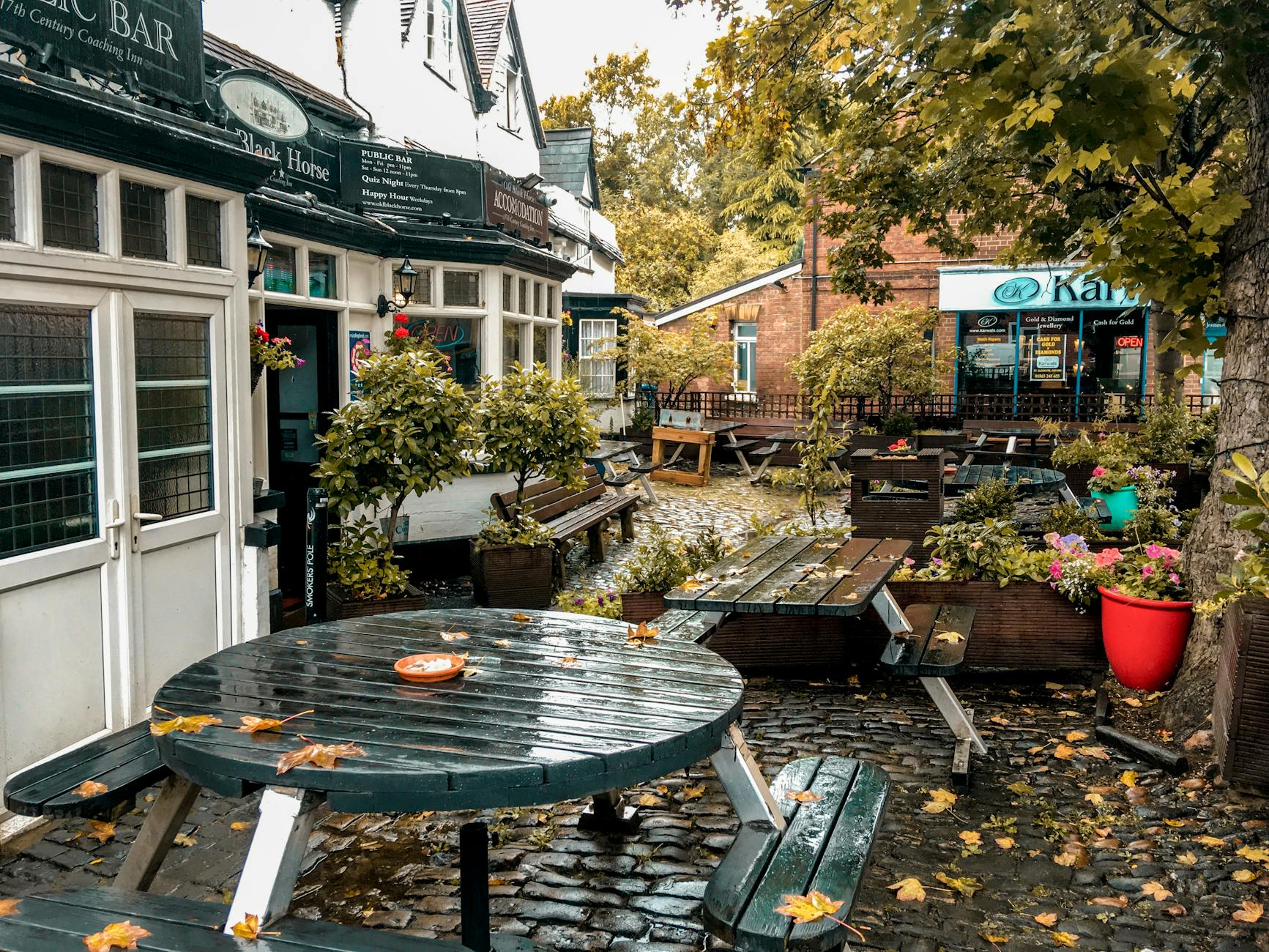
Lunch: Bourton-on-the-Water or a Village Pub
Head to Bourton-on-the-Water (a short drive) for lunch. This “Venice of the Cotswolds” straddles the River Windrush with its famous low stone bridges. It can be crowded in summer, so if you prefer somewhere quieter, try The Kingham Plough or The Wild Rabbit in Kingham, a short drive away.
Afternoon: Stow-on-the-Wold and Broadway
After lunch, drive to Stow-on-the-Wold to browse the famous market square and antique shops. Then continue north to Broadway — the wide High Street is beautifully elegant and the views from Broadway Tower (on Broadway Hill, above the village) are spectacular. If time allows, detour to the quiet village of Stanton on the way.
Late Afternoon: Chipping Campden
End your day in Chipping Campden (a short drive from Broadway), arguably the most perfectly preserved market town in the Cotswolds. Walk the High Street, admire the 17th-century Market Hall, and if you are staying for dinner, book a table at one of the town’s excellent restaurants.
2-Day Cotswolds Itinerary (Weekend Break)
Two days let you experience both the northern and southern Cotswolds. Stay overnight in a central location like Stow-on-the-Wold or Bourton-on-the-Water.
Day 1: The Northern Cotswolds
Follow the 1-day itinerary above, covering Burford, the Slaughters, Bourton-on-the-Water, Stow-on-the-Wold, Broadway and Chipping Campden. Stay overnight in Stow, Broadway or Chipping Campden.
Day 2: The Southern Cotswolds
Start at Bibury — arrive early (before 10am) to photograph Arlington Row, the famous row of cottages built in the 14th century as a monastic wool store and converted into weavers’ cottages in the 17th century, without crowds. Visit the trout farm and walk along the River Coln. Continue to Cirencester for the market, the magnificent parish church and the Corinium Museum of Roman history. After lunch, drive to Tetbury for antiques shopping and visit nearby Westonbirt Arboretum or Chavenage House. End at Painswick, the “Queen of the Cotswolds”, with its famous churchyard yew trees and the Rococo Garden.
3-Day Cotswolds Itinerary (Long Weekend)
Three days give you the luxury of a slower pace. Follow the 2-day itinerary above, then add a third day focused on deeper experiences.
Day 3: Walking, Food and Quiet Villages
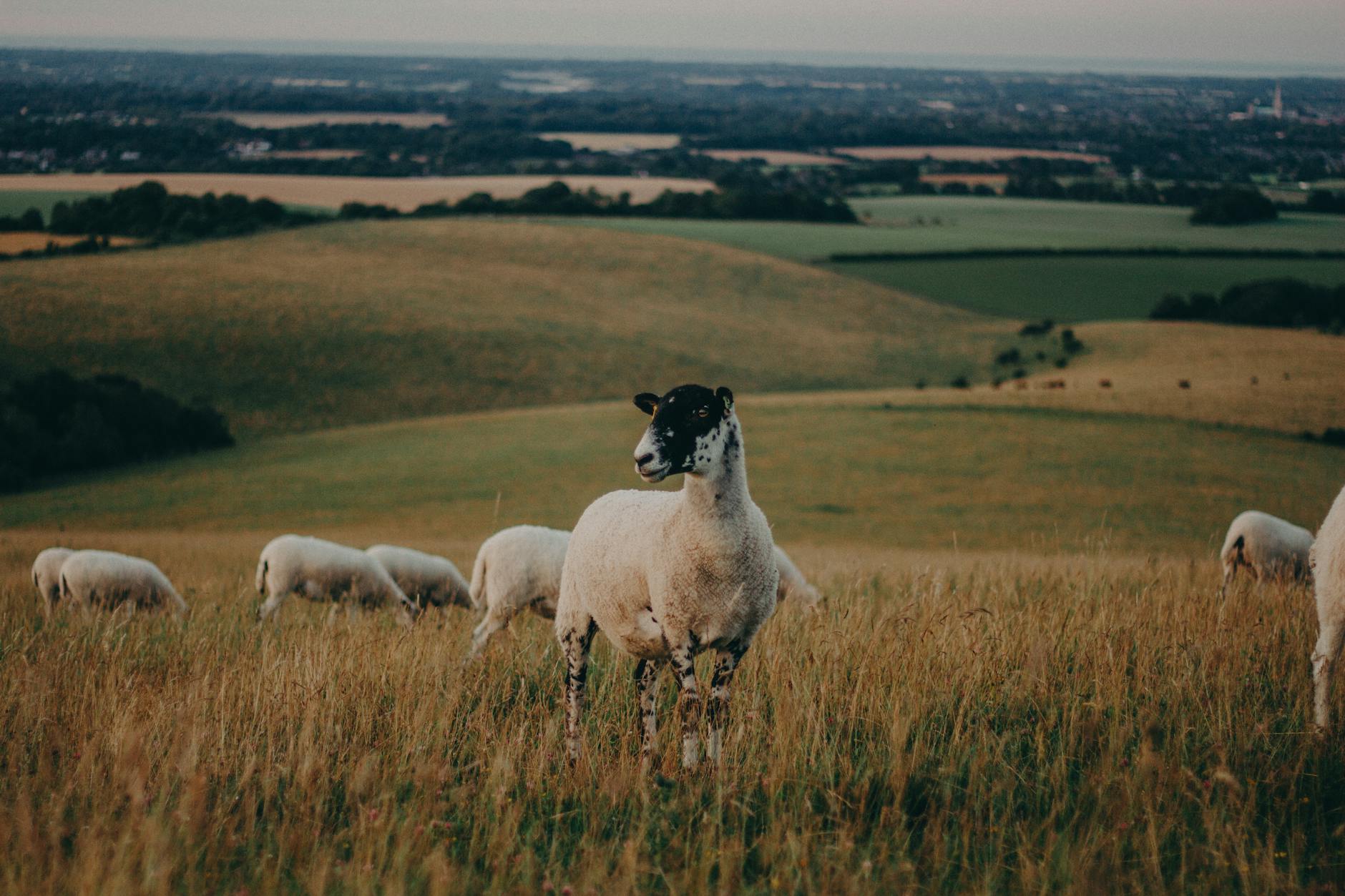
Dedicate your third day to the Cotswold Way or a local circular walk. An excellent option is the Broadway to Snowshill circular (about 5 miles, 2–3 hours), which passes through quintessential countryside and visits the wonderfully eccentric Snowshill Manor (National Trust). Alternatively, walk the Winchcombe to Sudeley Castle route (3 miles, easy) and explore the castle and gardens. Spend the afternoon visiting a quiet, off-the-radar village like Guiting Power, Naunton or the Duntisbournes — places most visitors miss entirely. End with a special dinner at a Michelin-starred restaurant or a cosy gastropub.
5-Day Cotswolds Itinerary
Five days allow genuine exploration. Follow the 3-day itinerary for your first three days, then add:
Day 4: Western Edge and the Escarpment
Explore the dramatic western escarpment. Start at Cheltenham for shopping in the Montpellier district. Drive up to Cleeve Hill, on the escarpment above Cheltenham, for panoramic views. Continue to Winchcombe, a characterful town with the Sudeley Castle and excellent walking from the doorstep. Visit Belas Knap, a Neolithic long barrow dating from around 3000 BC, restored after excavations in 1928–30. End at Painswick Beacon for sunset views over the Severn Vale.
Day 5: The Eastern Cotswolds and Outdoor Activities
Head east to Cotswold Lakes (formerly Cotswold Water Park) — over 180 lakes offering kayaking, paddleboarding, swimming and wildlife watching. Alternatively, arrange a hot air balloon flight over the countryside (book well ahead). Visit the market town of Lechlade on the Thames and the beautiful Kelmscott Manor (William Morris’s home). End your trip at Burford or Northleach for a farewell dinner.
7-Day Cotswolds Itinerary: The Complete Experience
A full week lets you experience every facet of the Cotswolds without rushing. Follow the 5-day itinerary for your first five days, then add two more days of exploration.
Day 6: Day Trip to Bath or Oxford
Take a day trip beyond the Cotswolds proper. Bath, within reach of the south Cotswolds, offers the Roman Baths, Georgian architecture, the Royal Crescent and superb shopping. Oxford, within reach of the east Cotswolds, has its famous university colleges, the Bodleian Library, covered market and punting on the Isis. Both make excellent additions to a Cotswolds week.
Day 7: Your Personal Favourites
Use your final day to revisit the village, walk or restaurant that captured your heart earlier in the week. Alternatively, explore somewhere completely new: the remote Slad Valley (Laurie Lee country), the charming town of Malmesbury, the remarkable Saxon church at Bradford-on-Avon, or the historic village of Lacock (a filming location for Harry Potter and Downton Abbey). Build in time for a final cream tea and a visit to a farm shop to stock up on Cotswolds provisions to take home.
North Cotswolds vs South Cotswolds: Where to Focus
If your time is limited, understanding the difference between the northern and southern Cotswolds helps you choose where to focus.
The North Cotswolds
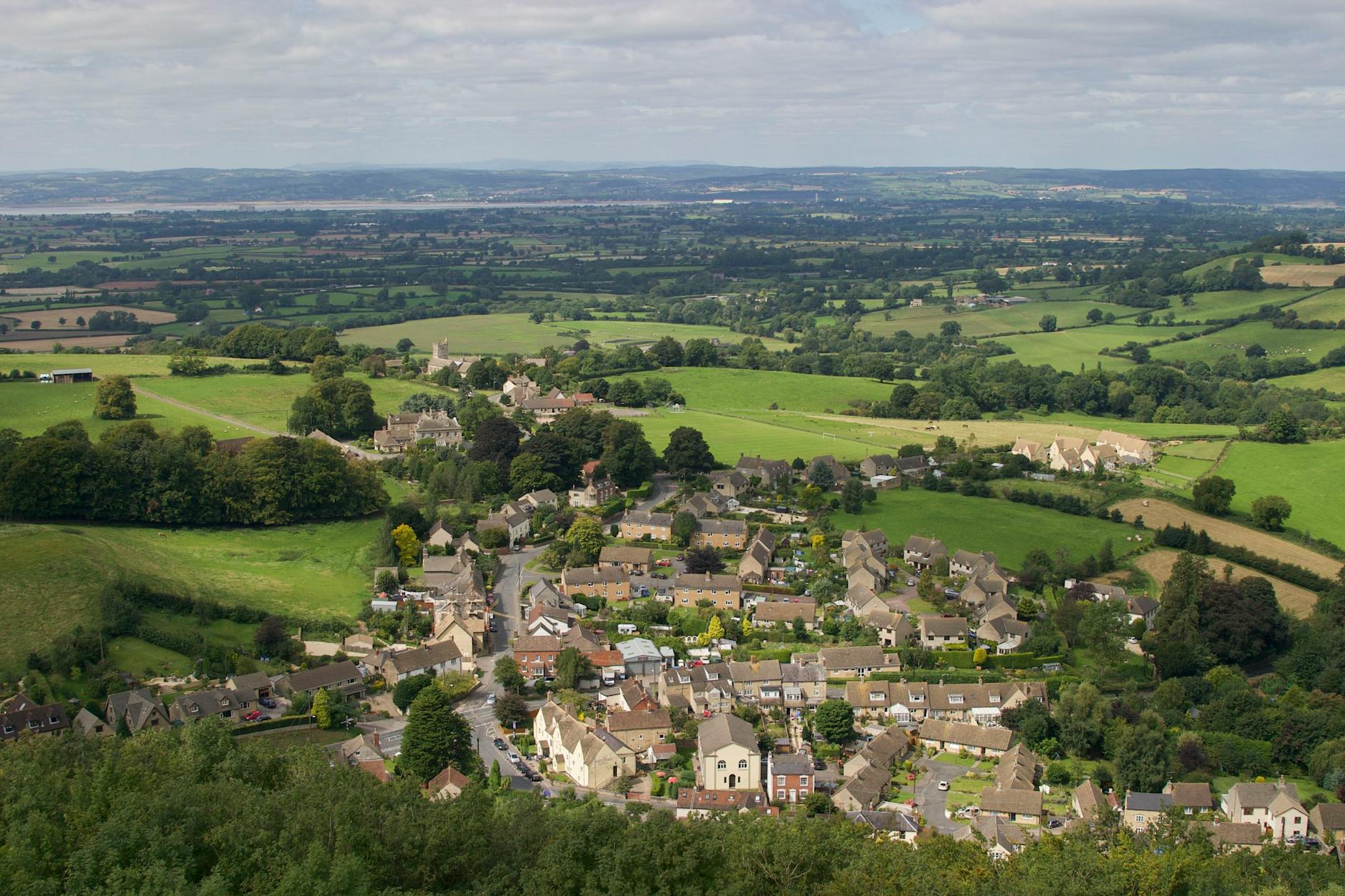
The north contains the most famous villages and is the most popular area for visitors. Key destinations include Broadway, Chipping Campden, Stow-on-the-Wold, Moreton-in-Marsh, Bourton-on-the-Water and the Slaughters. The landscape is characterised by broad, open wolds (rolling hills), expansive views and the classic honey-gold Cotswold stone at its warmest. The north is closer to Stratford-upon-Avon and Oxford for day trips. It has the best train connections via Moreton-in-Marsh.
The South Cotswolds
The south is generally quieter, with deeper valleys, steeper hills and a slightly different character. Key destinations include Cirencester, Tetbury, Bibury, Painswick, Castle Combe and Malmesbury. The stone tends to be lighter and more silvery as you move south. The south is closer to Bath and Bristol and has excellent antiques shopping in Tetbury and Cirencester. It also includes Cotswold Lakes and the beautiful Stroud Valleys.
Our Recommendation
For a first visit with limited time, the north Cotswolds delivers the most iconic experience. If you have been before or prefer quieter, less touristy scenery, the south has much to discover. For a week or longer, split your time between both — stay in Broadway or Chipping Campden for the first half and Cirencester or Tetbury for the second.
The Cotswolds Scenic Driving Routes
Two established driving routes help you structure a self-drive tour of the Cotswolds.
The Cotswolds Romantic Road
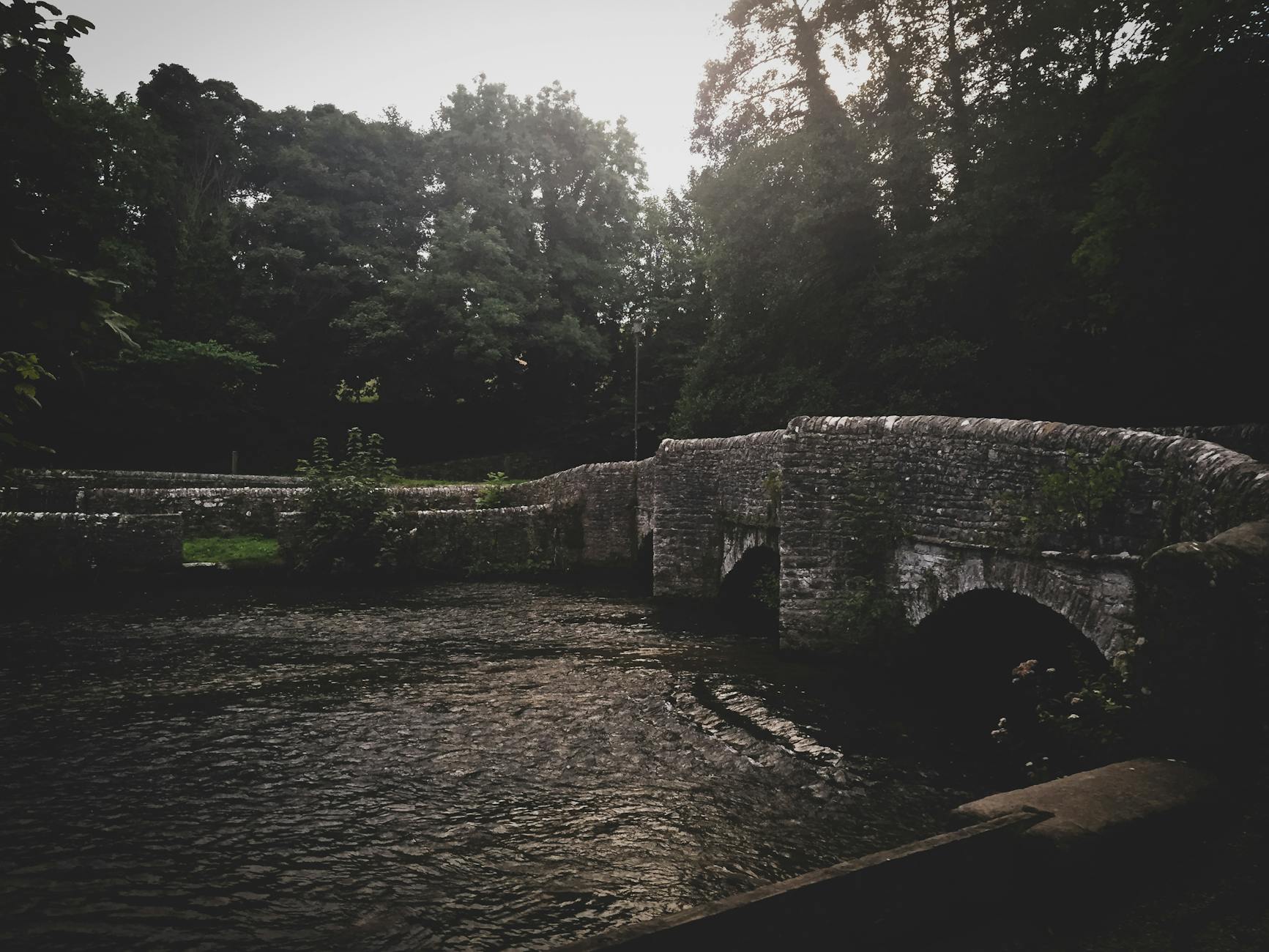
The official Cotswolds Romantic Road comprises two circular loops, both starting from Cheltenham. The northern loop runs through Winchcombe, Broadway, Chipping Campden, Blockley, Moreton-in-Marsh, Stow-on-the-Wold, the Slaughters and Bourton-on-the-Water before returning to Cheltenham. The southern loop passes through Northleach, Burford, Lechlade, Bibury, Cirencester and Painswick. Each loop takes a full day at a comfortable pace with stops.
The Classic Villages Loop
A short scenic loop connects the most photogenic villages: Bourton-on-the-Water → Lower Slaughter → Upper Slaughter → Stow-on-the-Wold → the Guitings → Naunton → Bourton. This circular route showcases the quintessential Cotswolds landscape, and the stops are yours to choose.
Driving Tips
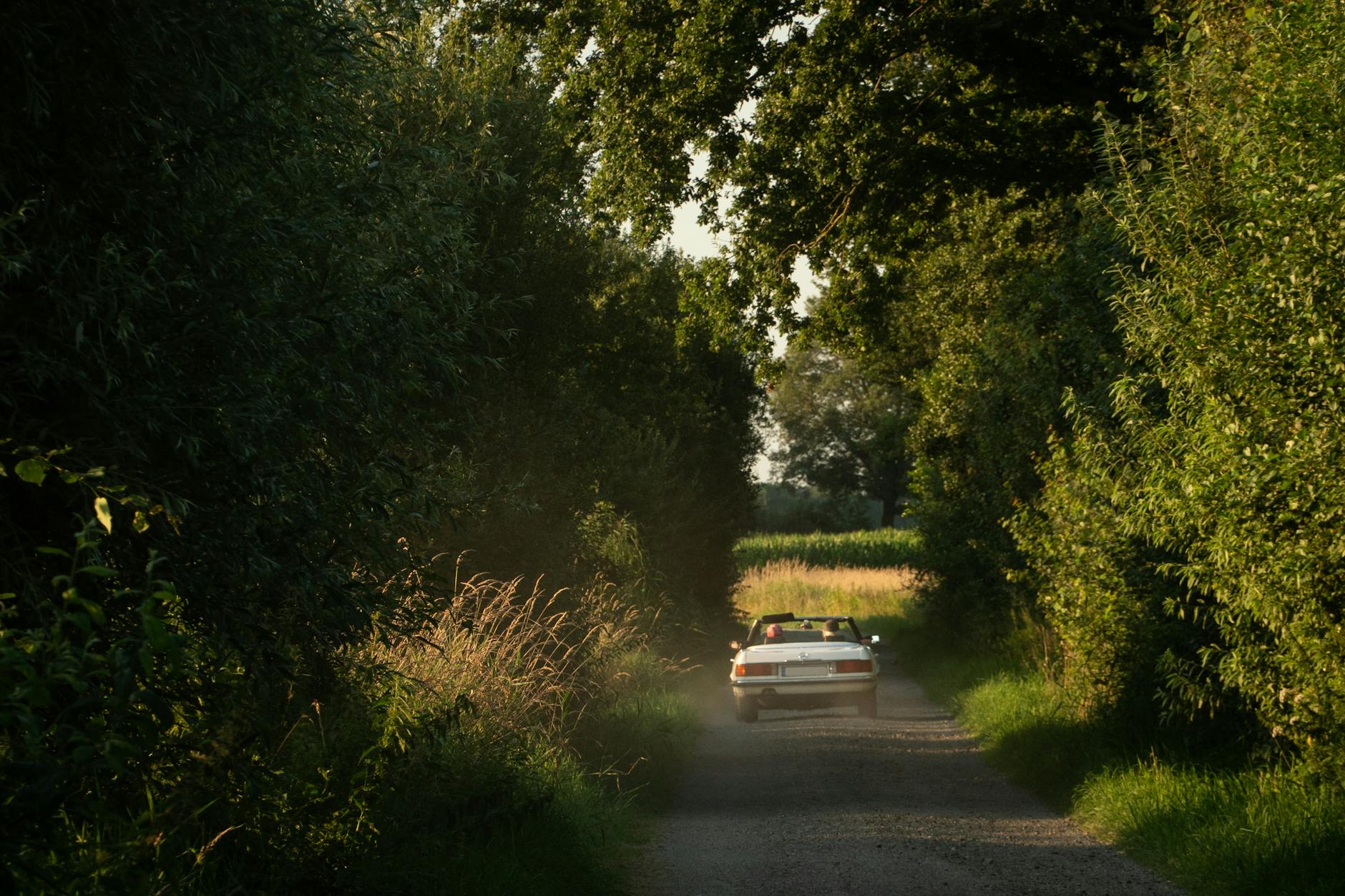
Cotswolds roads are narrow — hire the smallest car that meets your needs. Many lanes are single-track with passing places, so be prepared to reverse to let oncoming traffic through. Mobile signal can be patchy in valleys, so download offline maps before setting out. Speed limits in villages are strictly enforced. Parking is available in most towns — arrive early in popular villages during summer to secure a space. The scenery is beautiful but keep your eyes on the road, especially on winding hill descents.
Day Trips to the Cotswolds from Major Cities
From London
Take the M40 to the north Cotswolds (Burford, Stow, Broadway) or the M4 to the south (Castle Combe, Tetbury, Cirencester). By train, catch the Great Western Railway service from Paddington to Moreton-in-Marsh (about an hour and a half, direct) and explore the surrounding villages by bus, taxi or on foot. Guided coach tours from London are also available.
From Oxford
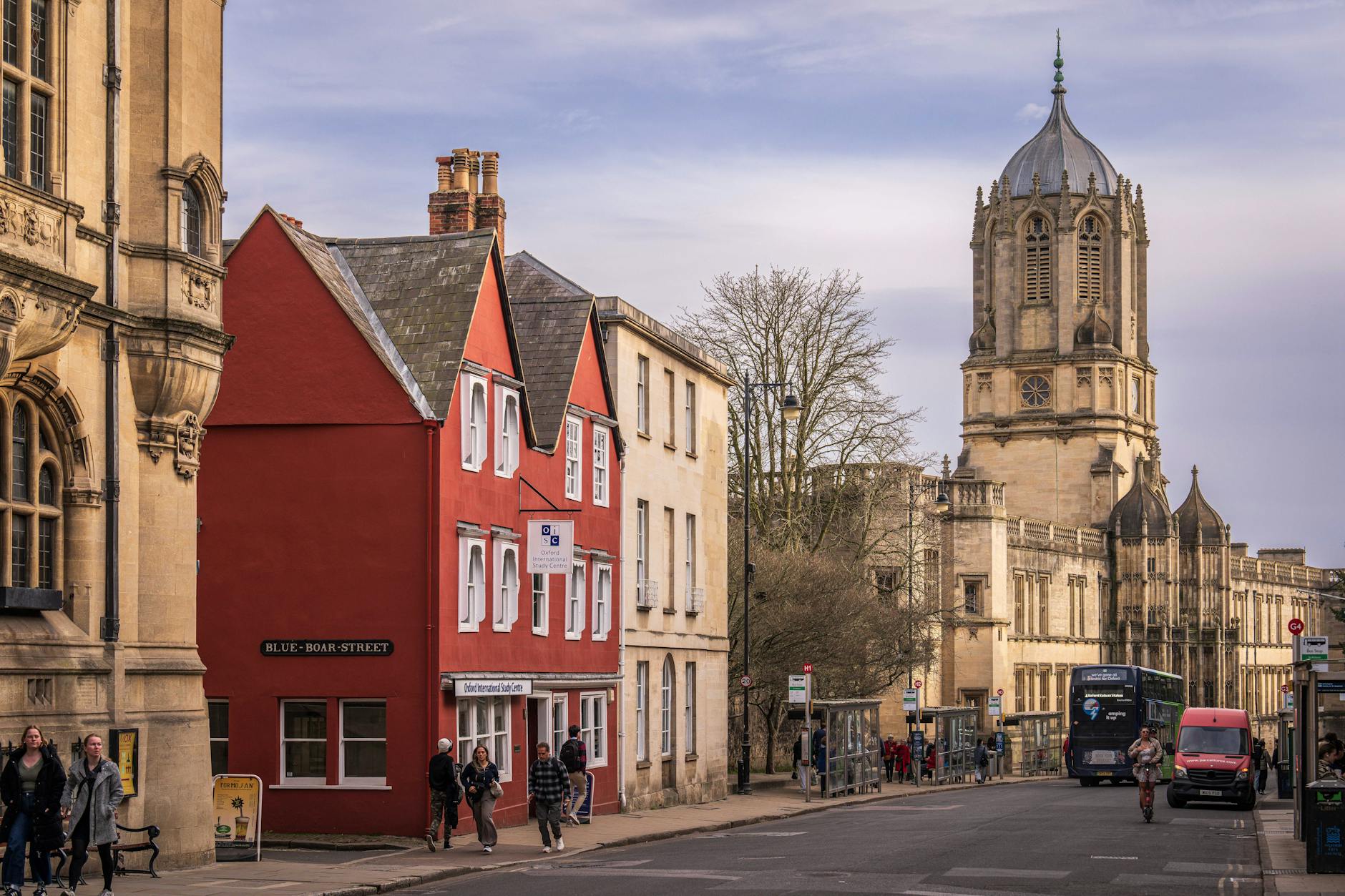
Oxford is one of the cities on the Cotswolds’ doorstep, and Burford lies just west of it. Drive via the A40 for the fastest route. This makes it easy to combine a morning in Oxford with an afternoon in the Cotswolds, or vice versa. The S3 bus runs from Oxford to Chipping Norton.
From Birmingham
Take the M42 south to the A46 for Broadway or Chipping Campden. The northern Cotswolds makes an easy day trip from Birmingham, with enough time to visit 3–4 villages and enjoy a pub lunch.
From Bath
Bath sits on the southern edge of the Cotswolds, making Castle Combe, Lacock and Tetbury very easy half-day trips. For a full day, continue north to Cirencester, Bibury and Painswick.
Cotswolds Itinerary for Special Interests
History and Heritage Itinerary
Focus on Roman Cirencester (Corinium Museum), the medieval wool churches of Northleach and Chipping Campden, Sudeley Castle, Berkeley Castle, Kelmscott Manor (William Morris) and the Neolithic long barrow at Belas Knap.
Food and Drink Itinerary
Visit Daylesford farm shop and cookery school, the Stroud Farmers’ Market (Saturday mornings), Cotswold Distillery for gin and whisky tastings, vineyard tours at Woodchester Valley, and Michelin-starred dining at Lucknam Park, or dinner at Lords of the Manor.
Romantic Getaway Itinerary
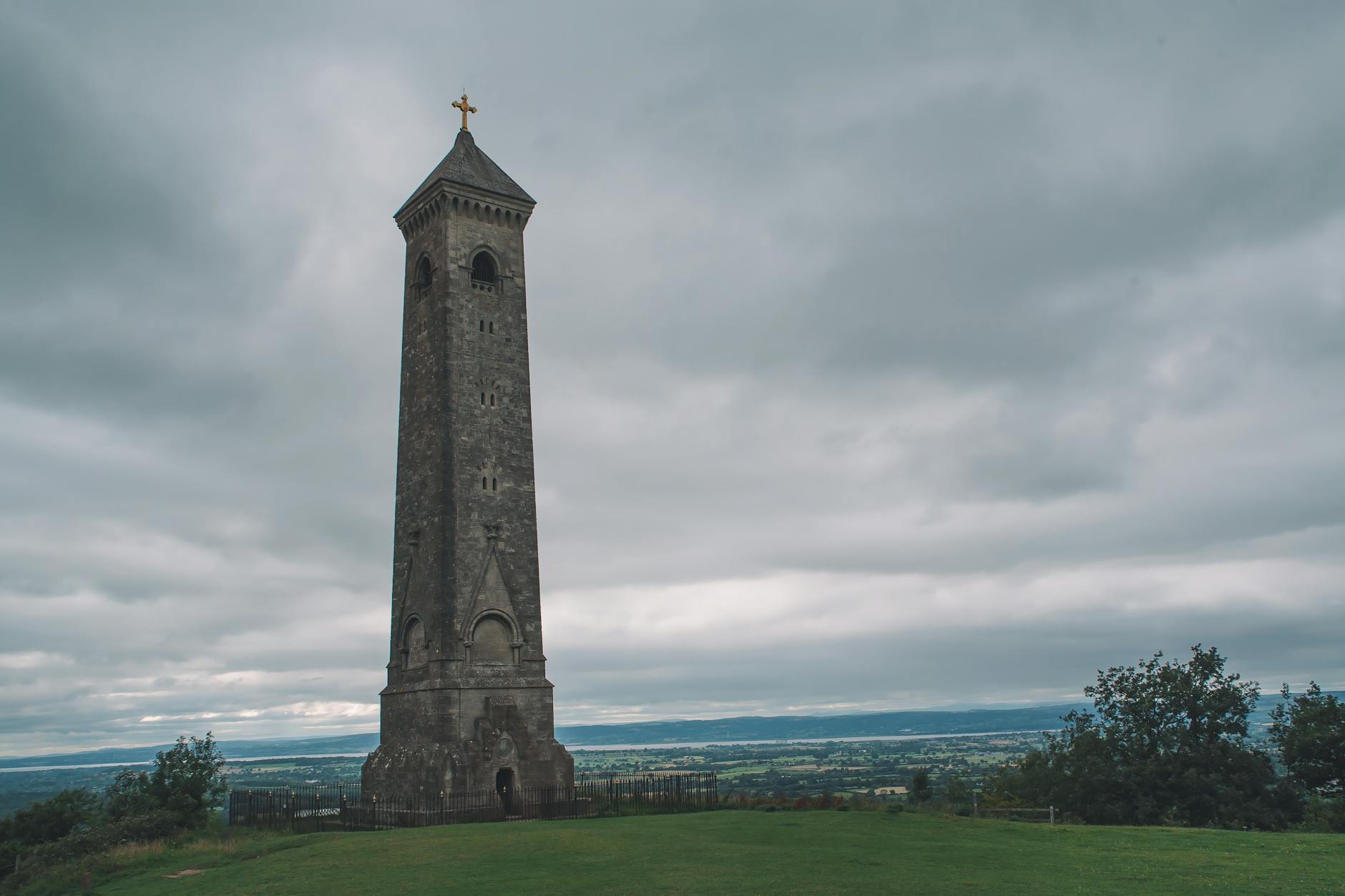
Combine the most romantic villages (Bibury, Castle Combe, the Slaughters), a hot air balloon flight, spa time at Cowley Manor or Calcot, sunset at Broadway Tower, and a tasting menu at a country house restaurant.
Family Itinerary
Focus on family-friendly attractions: Cotswold Wildlife Park, Birdland in Bourton-on-the-Water, the Cotswold Farm Park (Adam Henson’s farm), the Model Village in Bourton, and Cotswold Lakes for water sports and beach days.
Sample Daily Schedule
Here is a template for pacing your Cotswolds days, whatever itinerary you follow.
8:30–9:00 — Breakfast at your hotel or B&B (or grab pastries from a local bakery)
9:30–12:00 — Morning village visits or a walk (2–3 hours, 1–2 villages)
12:30–14:00 — Pub lunch (this is not optional — it is one of the best parts of any Cotswolds day)
14:30–16:30 — Afternoon attraction, walk or village browsing
17:00–18:00 — Return to base, rest and freshen up
19:00 — Dinner at a recommended restaurant or pub
The Cotswolds rewards a relaxed pace. Resist the temptation to pack too much in — three villages and a walk is plenty for a satisfying day, and leaving time for unplanned discoveries (a farm gate stall, a hidden viewpoint, an inviting pub garden) is what makes a Cotswolds trip truly memorable.
Explore Cotswolds Itineraries in Depth
Ready to plan your trip? Whether you have a single day, a long weekend or a full week, our detailed itineraries and routes will help you make the most of every moment in the Cotswolds, from focused regional tours to day trips and a scenic self-drive loop.
- The Perfect 1-Day Cotswolds Itinerary — See the best villages in a day with our carefully timed driving loop.
- 2-Day Cotswolds Itinerary — The perfect weekend, with day-by-day plans and where to stay.
- 3-Day Cotswolds Itinerary — A long weekend of villages, walks, gardens and great dining.
- 5-Day Cotswolds Itinerary — Explore north and south in depth, plus Bath, Blenheim and lesser-known corners.
- 7-Day Cotswolds Itinerary — The ultimate week, taking in every corner of the region at a relaxed pace.
- North Cotswolds Itinerary — Broadway, Chipping Campden, Stow and the classic northern villages.
- South Cotswolds Itinerary — Castle Combe, Tetbury, Painswick and the quieter south, from Bath to Cirencester.
- Cotswolds Day Trip from Oxford — The best villages and Blenheim Palace, on a day out from the city.
- Cotswolds Day Trip from Birmingham — Escape to the northern villages, with Stratford as an optional stop.
- Cotswolds Self-Drive Touring Route — A scenic loop linking the prettiest villages, viewpoints and stop-offs.
Frequently Asked Questions
How many days do you need in the Cotswolds?
Two to three days is ideal for a first visit, giving you time to see the major highlights at a comfortable pace. Our guide to how many days you need in the Cotswolds goes through this in more detail. One day works as a taster from London, Oxford or Birmingham. Five to seven days allows a thorough exploration including walks, hidden villages and day trips to Bath or Oxford.
What is the best village to visit in the Cotswolds?
There is no single answer — it depends on your tastes. Bibury is the most photographed. Castle Combe is often called the prettiest. Chipping Campden is the most perfectly preserved. Broadway is the most elegant. Bourton-on-the-Water is the most popular with families. Snowshill and Stanton are the best for peace and quiet.
Can you do the Cotswolds without a car?
Yes, but it requires more planning. Base yourself in Moreton-in-Marsh (direct trains from London) and use the local bus network, taxis and walking to explore nearby villages. Guided tours are another car-free option. Several villages including the Slaughters, Bourton and Stow are walkable from each other. Cycling is also possible with bike hire available in several towns.
Is the Cotswolds worth visiting in winter?
Absolutely. Winter brings frosty landscapes, cosy pub fires, Christmas markets, snowdrops at Painswick Rococo Garden in February, and far fewer crowds. Many hotels offer special winter packages. The scenery is atmospheric and the region’s restaurants, spas and accommodation are at their cosiest.
What is the difference between the north and south Cotswolds?
The north has the most famous villages (Broadway, Stow, Bourton) and the classic golden-stone look. The south is quieter with deeper valleys, lighter stone and excellent antiques shopping. First-timers should prioritise the north; repeat visitors will love discovering the south. See our detailed comparison above.
How do I get from London to the Cotswolds?
By car, take the M40 (north Cotswolds) or M4 (south Cotswolds). By train, travel from London Paddington to Moreton-in-Marsh (90 minutes, Great Western Railway). Guided day tours depart from central London daily. See our full transport guide for details.