This article contains advertising. My booking links are routed through a partner that adds commission tracking automatically, so if you book through one I earn a commission from the provider, at no extra cost to you. It never affects what I recommend. Affiliate disclosure
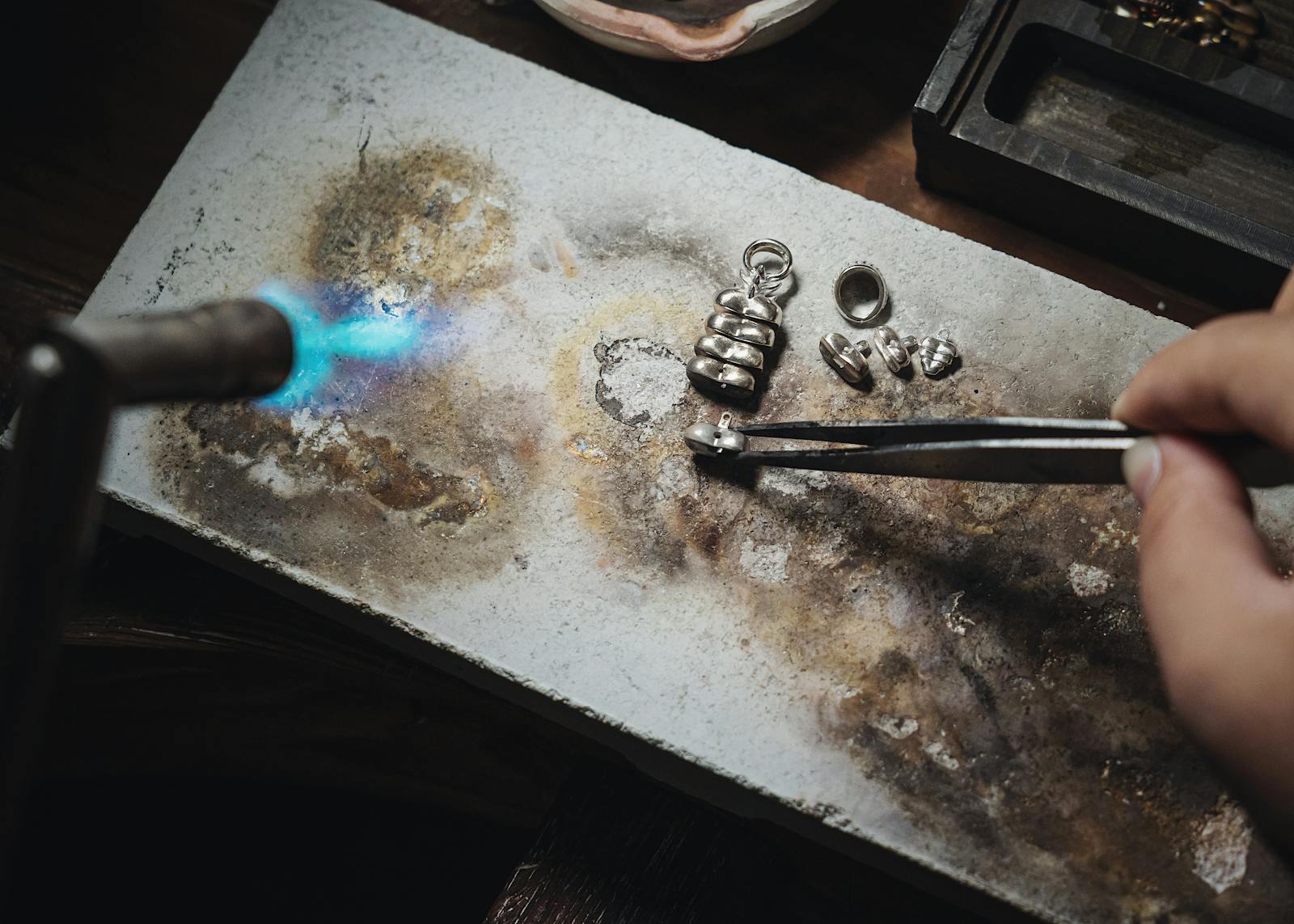
In an old silk mill on Sheep Street in Chipping Campden, the same workshop has rung with the tap of silversmiths’ hammers for more than a hundred and twenty years, the skills passed quietly from hand to hand down four generations of the same family. It is, when you stop to think about it, an astonishing survival — a living thread connecting us directly back to one of the most idealistic and influential cultural movements Britain has ever produced. The Cotswolds did not just witness the Arts and Crafts movement; for a brilliant generation, they were its beating heart.
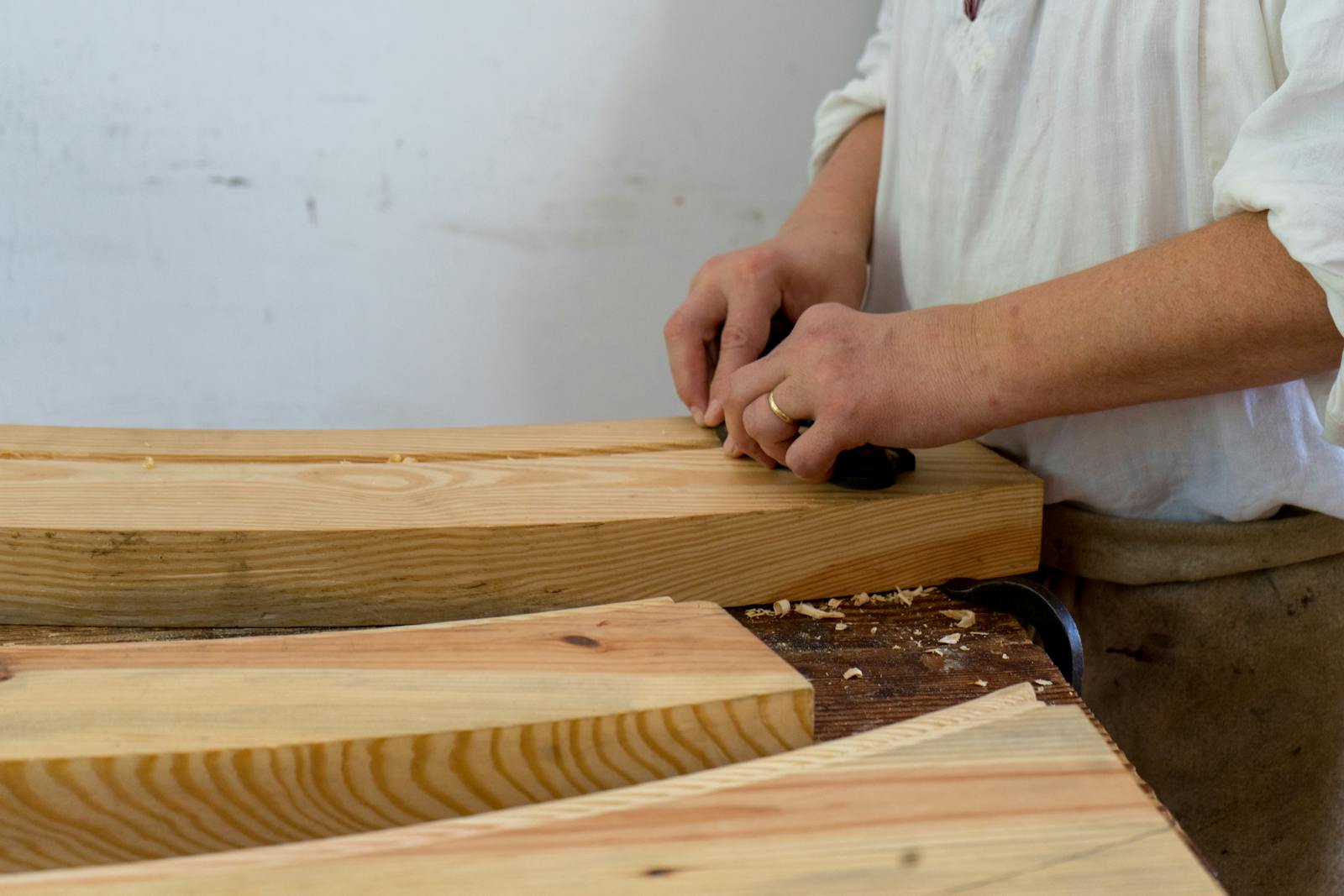
This is the story of how a handful of visionary designers, sick of the smoke and shoddiness of industrial Britain, came to these green hills in search of a better, truer way of making things — and changed the look of the modern world in the process. It is a tale of grand ideals and hand-built houses, of furniture that now sells for fortunes and a social experiment that gloriously, instructively, failed. And the wonderful thing is that you can still see, touch and visit so much of it today.
What was the Arts and Crafts movement?
To understand why these designers fled to the Cotswolds, you first have to understand what they were fleeing. By the late 19th century, the Industrial Revolution had filled Britain with cheap, mass-produced goods churned out by machines in grim factory towns. To a growing band of artists and thinkers, this was a disaster — not just ugly, but morally corrosive, reducing skilled craftsmen to bored cogs and burying genuine beauty under a tide of tat.
The Arts and Crafts movement was the passionate reaction against all this. Its followers championed handcraft over machine production, honesty and “truth to materials” over showy imitation, and the dignity of the maker over the profits of the manufacturer. Its guiding spirit was William Morris, whose famous instruction — “have nothing in your houses that you do not know to be useful, or believe to be beautiful” — became the movement’s unofficial motto. They looked back to the medieval craft guilds as a model, dreaming of a world where useful, beautiful things were made well, by happy hands, from honest local materials.
Why the Cotswolds became the heartland
If you believed all of that, the Cotswolds were close to paradise. Here was a landscape of unspoilt beauty where traditional building skills had never quite died out, where local stone and timber were abundant, and where the slow rhythms of rural life seemed to offer exactly the antidote to industrial misery that the movement craved. It was also, conveniently, within reach of London, so designers could keep one foot in the metropolitan art world while planting the other firmly in the soil.
The spark was William Morris himself. From 1871 until his death in 1896, Morris spent his summers at Kelmscott Manor, a mellow grey-gold Elizabethan house near Lechlade that he adored, calling it a kind of heaven on earth. His deep love of this landscape and its vernacular traditions sent a powerful signal to his disciples, and in the 1890s and 1900s a remarkable cluster of young architect-designers followed him into the hills, settling in villages across the region and setting up workshops. The Cotswolds, almost overnight, became the place where the movement’s ideals were actually put into practice.
C.R. Ashbee and the Guild of Handicraft
The most dramatic chapter belongs to Charles Robert Ashbee, an architect, designer and devoted follower of Morris. In 1888 Ashbee had founded the Guild of Handicraft, a co-operative of craftsmen, in the East End of London. Then, in the spring and summer of 1902, he carried out one of the boldest social experiments in British design history: he uprooted the entire Guild — some fifty silversmiths, jewellers, enamellers, woodcarvers, cabinetmakers, bookbinders and French polishers, along with their wives and children, around two hundred souls in all — and moved them, lock, stock and workshop, to the quiet Cotswold town of Chipping Campden.
Ashbee set the Guild up in the Old Silk Mill on Sheep Street, and the move was about far more than work. He wanted to give his London craftsmen a wholesome, dignified life — fresh air, gardens, swimming, education and a genuine community. For a few golden years it was magical, an East End workshop transplanted into a sleepy market town, the streets suddenly alive with skilled hands and radical ideas. The locals were bemused and, in time, mostly won over.
It could not last. The Guild was an idealistic venture in a hard commercial world, and competition from cheaper machine-made imitations — the very thing the movement despised — helped drive it into financial difficulty. The Guild of Handicraft went into liquidation in 1908, only six years after the great move. And yet the story does not end in failure, because a number of the craftsmen, having fallen in love with Campden, simply stayed, set up on their own, and kept the skills alive. The seed Ashbee planted took root after all.
Hart’s: the workshop that never stopped
The most extraordinary survival of all is Hart’s. George Hart was one of the original guildsmen who came to Chipping Campden with Ashbee in 1902, and when the Guild collapsed he carried on. Remarkably, his family has never stopped. Today the firm of Hart’s gold and silversmiths still works in the very same room of the Old Silk Mill, with George’s grandson David Hart having passed his skills to a fourth generation — his son William and nephew Julian — in exactly the hand-to-hand tradition the Guild was founded to protect.
This makes Hart’s, by most accounts, the last workshop of the original Guild of Handicraft still in continuous operation anywhere in the world — an unbroken line of craftsmanship running straight from the high noon of the Arts and Crafts movement to the present day. Visitors are often welcome to climb the worn wooden stairs and watch silver being raised and chased by hand, much as it was in 1902. For anyone interested in the movement, it is an almost sacred place, and one of the genuine wonders of the Cotswolds.
Gimson and the Barnsley brothers at Sapperton
While Ashbee was busy in the north Cotswolds, an equally important group had settled in the south, around the village of Sapperton. Here Ernest Gimson — described by the great architectural historian Nikolaus Pevsner as “the greatest of the English architect-designers” — worked alongside the brothers Ernest and Sidney Barnsley to produce some of the finest furniture ever made in Britain.
Drawn to the Cotswolds in the 1890s, the three men set up workshops, ending up at Daneway House, a small medieval manor below Sapperton, where they employed and trained local cabinetmakers. Their furniture — built with exquisite joinery, exposed construction and a deep respect for the timber itself — is now treasured in museums and private collections around the world. Each of them built his own house in or near Sapperton, partly with help from the local Bathurst estate, and they are buried together in the village churchyard, beneath the hills that inspired them. To sit on, or even just to see, a piece of genuine Gimson or Barnsley furniture is to understand the movement’s ideals made solid.
Rodmarton Manor: a house built entirely by hand
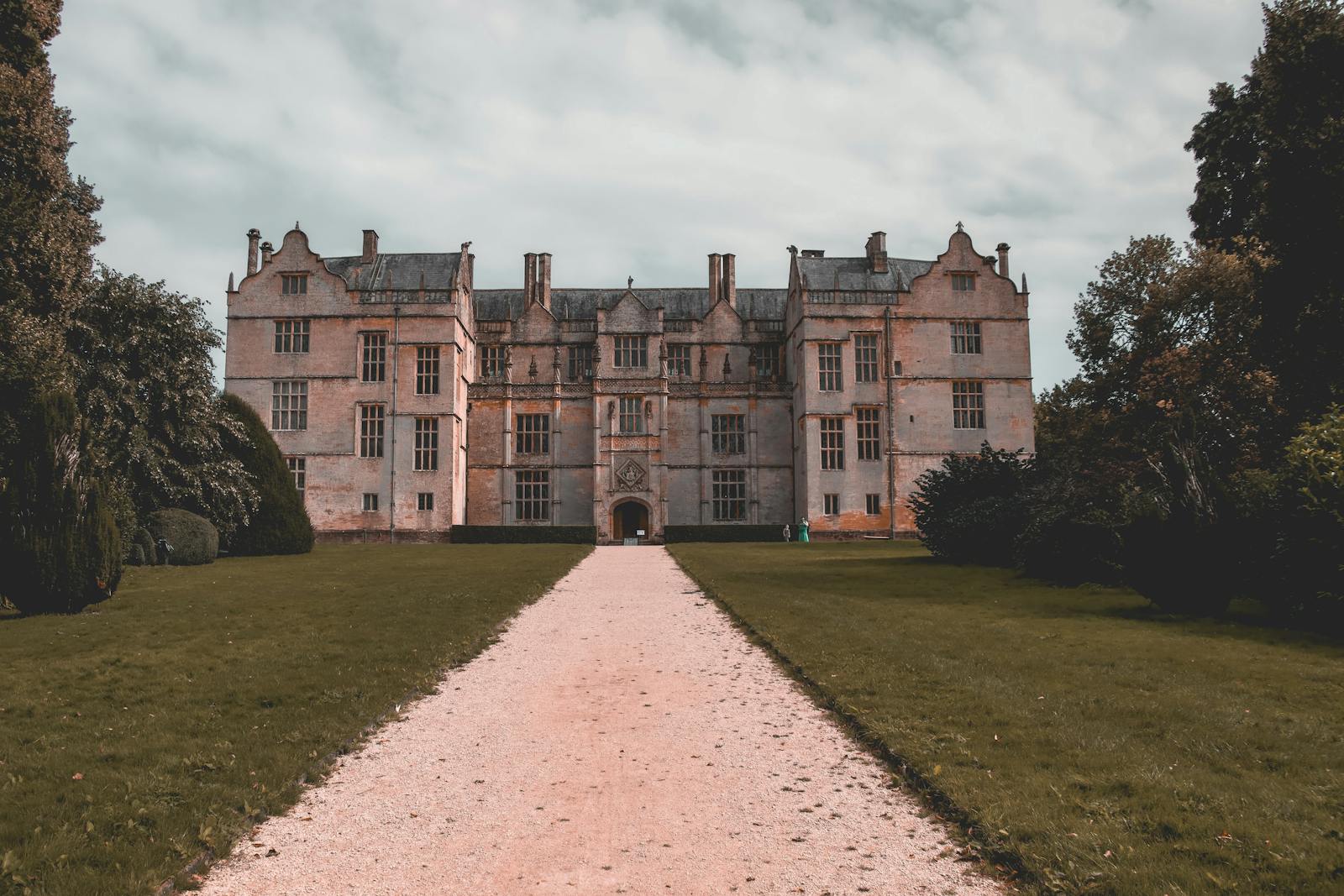
If you want to see Arts and Crafts ideals carried to their fullest, most uncompromising conclusion, go to Rodmarton Manor, near Cirencester. Begun in 1909 to designs by Ernest Barnsley and completed only around 1929 by his son-in-law Norman Jewson, Rodmarton may be the last great English country house to be built almost entirely by hand. There was no rush and no machinery to speak of: local craftsmen quarried the stone, felled and seasoned the timber, and made the furniture and fittings on site, and the whole leisurely project was conceived partly to provide good employment and keep traditional skills alive.
The result is a house and garden of rare integrity, where everything from the roof to the door latches was thoughtfully made by hand, and much of it is still in place. Rodmarton is privately owned but opens to visitors on selected days in the season, and it is an essential pilgrimage for anyone serious about the movement — a complete, living expression of everything Morris and his followers believed.
Norman Jewson and the keepers of the flame
The architect Norman Jewson is a lovely figure to end the founding story on. He arrived in Sapperton in 1907 to work with Gimson, married into the Barnsley family, and went on practising as an architect and craftsman in the Cotswolds right up until 1974, a living bridge between the movement’s heroic age and the modern world. He famously rescued the romantic, half-derelict Owlpen Manor from ruin, and his charming memoir By Chance I Did Rove remains one of the best windows into this whole world.
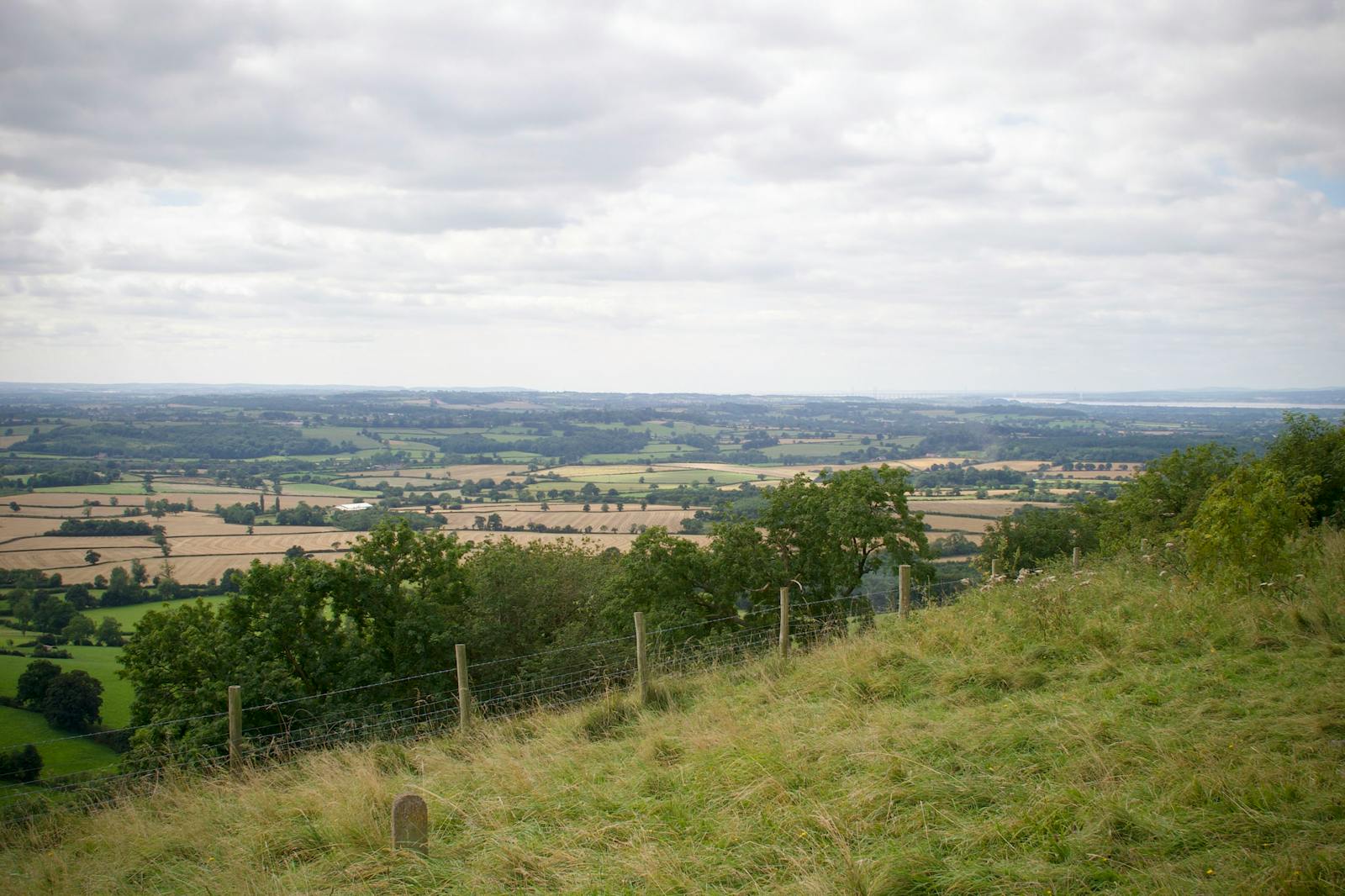
Crucially, these craftsmen also became some of the Cotswolds’ first conservationists. In 1929 Jewson and others founded the Campden Trust to protect the area’s historic buildings and landscape, including the beloved viewpoint of Dover’s Hill. The movement that began as a way of making beautiful objects ended up helping to save the very landscape that had inspired it — a fitting legacy, and one you can still feel every time you admire an unspoilt Cotswold village.
Broadway, Gordon Russell and the artists’ colony
The creative pull of the Cotswolds was not confined to Campden and Sapperton. The handsome village of Broadway had become a magnet for artists a generation earlier, in the 1880s, when a colony of British and American painters and writers descended on it — it was here, in a Broadway garden, that John Singer Sargent painted his luminous masterpiece Carnation, Lily, Lily, Rose. That bohemian reputation lingered, and Broadway went on to become the home of another great Cotswold maker: the furniture designer Gordon Russell.
Russell inherited the Arts and Crafts love of fine materials and honest construction but, unlike the purists, found a way to marry handcraft with sympathetic modern production, becoming one of the most important British furniture designers of the 20th century. His work and story are celebrated at the Gordon Russell Design Museum in Broadway, a small, beautifully done museum that brings the movement’s ideals right up to the modern era. It is the perfect companion to the older workshops, showing how the Cotswold craft tradition evolved rather than simply ending.
The influence radiated far beyond these hills, too. Ashbee’s ideas travelled across the Atlantic and into Europe, admired by giants of modern design including the American architect Frank Lloyd Wright, while Morris’s wallpapers and textiles — still in production today — carried the look into millions of homes. It is humbling to think that so much of this began with a few idealists making things by hand in Cotswold workshops, and that the ripples are still spreading more than a century later.
Where to see Arts and Crafts in the Cotswolds today
The best news of all is how much of this heritage is open to you. A dedicated Arts and Crafts day or two in the Cotswolds is one of the most rewarding things a curious visitor can do, and these are the places I would build it around.
- Court Barn Museum, Chipping Campden. A small but superb museum, run by the Guild of Handicraft Trust, telling the whole story of craft and design in the north Cotswolds. The perfect first stop.
- Hart’s Silversmiths, Chipping Campden. The original Guild workshop, still working in the Old Silk Mill after more than a century.
- Kelmscott Manor, near Lechlade. William Morris’s beloved summer home, open on selected days and beautifully presented.
- Rodmarton Manor, near Cirencester. The great hand-built Arts and Crafts house and garden, open seasonally.
- The Wilson, Cheltenham. The town’s art gallery and museum holds one of the most important Arts and Crafts collections in the country, including Gimson and Barnsley furniture. See our Cotswolds museums guide for more.
- Sapperton. The village church and churchyard, where Gimson and the Barnsleys are buried, set in gorgeous walking country.
The lasting legacy
The Arts and Crafts movement never did overturn industrial capitalism, and in purely commercial terms it largely failed. But its influence has proved astonishingly durable. Its ideals fed directly into modern design and architecture, its love of simple, honest, well-made things echoes through everything from mid-century furniture to today’s craft revival, and its insistence on conserving old buildings and landscapes helped lay the foundations of the modern heritage movement. There is a direct line from Morris’s workshops to the way we cherish the Cotswolds now.
You can feel it, too, in the region’s continuing tradition of independent makers, galleries and craft shops — a creative spirit that never really went away. The designers who came here chasing a dream of beauty and good work left behind not just objects and houses, but a whole way of valuing the handmade that the Cotswolds still wears with quiet pride.
Frequently asked questions about Arts and Crafts in the Cotswolds
Why are the Cotswolds linked to the Arts and Crafts movement?
Because the movement’s founder, William Morris, loved his Cotswold home at Kelmscott Manor, and his followers — including C.R. Ashbee, Ernest Gimson and the Barnsley brothers — settled in the region to pursue their ideal of handcraft in a beautiful, traditional rural setting. The Cotswolds offered unspoilt landscape, surviving craft skills and local materials, making it the natural heartland of the movement.
What was the Guild of Handicraft?
The Guild of Handicraft was a craft co-operative founded by C.R. Ashbee in London in 1888 and famously relocated to Chipping Campden in 1902, bringing around 50 craftsmen and their families. Although it went into liquidation in 1908, several craftsmen stayed on, and Hart’s silversmiths still works in the original Old Silk Mill workshop today.
Can you visit Arts and Crafts sites in the Cotswolds?
Yes. Highlights include the Court Barn Museum and Hart’s silversmiths in Chipping Campden, Kelmscott Manor near Lechlade, Rodmarton Manor near Cirencester, and the outstanding Arts and Crafts collection at The Wilson in Cheltenham. Several houses open only on selected days, so check opening times before you travel.
Who were the most important Cotswold Arts and Crafts designers?
The key figures were William Morris, the movement’s founder, at Kelmscott; C.R. Ashbee, who brought the Guild of Handicraft to Chipping Campden; and Ernest Gimson with Ernest and Sidney Barnsley, the celebrated furniture makers of Sapperton. The architect Norman Jewson carried the tradition into the later 20th century.
The Arts and Crafts story is, to me, one of the most moving in the whole history of the Cotswolds — a group of people who loved beauty and honest work so much that they reshaped their lives around it. To meet the wider cast of remarkable people drawn to these hills, read our guide to famous Cotswolds residents, or step back to the pillar guide on Cotswolds history and heritage for the full picture. Several of the movement’s key houses are open to visitors — our guide to Cotswolds stately homes covers them alongside the grand estates. The tradition is still very much alive — see our guide to today’s Cotswolds artisan crafts. To see and buy contemporary work in the same tradition, visit our guide to Cotswolds art galleries.