This article contains advertising. My booking links are routed through a partner that adds commission tracking automatically, so if you book through one I earn a commission from the provider, at no extra cost to you. It never affects what I recommend. Affiliate disclosure
The Cotswolds history and heritage stretches back over 5,000 years, from Neolithic burial chambers and Roman villas to medieval wool churches and Arts and Crafts workshops. Every honey-coloured stone cottage, every soaring church tower and every winding dry stone wall tells a story of the people who shaped this landscape. Understanding that history transforms a visit to the Cotswolds from a pleasant tour of pretty villages into a journey through some of the most fascinating chapters of English civilisation. This guide traces the story of the Cotswolds from its earliest settlers to the present day, highlighting the places where that heritage comes alive for visitors.
Ancient Origins: Neolithic and Bronze Age Cotswolds
Long before the Romans arrived, the Cotswold hills were home to thriving Neolithic communities. The region contains approximately 80 long barrows of the Cotswold-Severn type — communal burial monuments dating from around 3800 to 3000 BC that rank among the most important prehistoric sites in Britain. Belas Knap near Winchcombe is the best-preserved example, a 54-metre-long earth mound with a false entrance designed to deter tomb robbers and four burial chambers that held the remains of over 30 individuals. Standing on the ridge above Winchcombe with views across the Severn Vale, it remains a powerful place to connect with the Cotswolds’ most ancient inhabitants.
Hetty Pegler’s Tump near Uley is another remarkable Neolithic long barrow, where visitors can crawl inside the stone-lined burial chamber (bring a torch). Notgrove Long Barrow, near Bourton-on-the-Water, and Nympsfield Long Barrow overlooking the Severn Valley offer further opportunities to explore these ancient monuments. The Rollright Stones on the Oxfordshire-Warwickshire border — a stone circle, a portal dolmen known as the Whispering Knights, and a solitary standing stone called the King Stone — date from around 2500 to 1500 BC and are steeped in legend and folklore.
The Cotswolds also preserves over 30 Iron Age hill forts, testament to a period of conflict and territorial control before the Roman conquest. Crickley Hill and Leckhampton Hill above Cheltenham, Uley Bury near Dursley, and Meon Hill near Chipping Campden all show the earthwork defences of these fortified settlements, and several now serve as spectacular viewpoints for walkers.
Roman Cotswolds: Corinium and Beyond
The Roman conquest of Britain in AD 43 transformed the Cotswolds. The region lay at the intersection of two major Roman roads — the Fosse Way, running from Exeter to Lincoln, and Ermin Street, connecting Gloucester to Silchester — and the Romans quickly recognised the area’s agricultural potential and strategic importance. Corinium Dobunnorum, modern-day Cirencester, grew to become the second-largest town in Roman Britain after Londinium, with a population estimated at 12,000 to 15,000 at its peak in the fourth century.
The Corinium Museum in Cirencester houses one of the finest collections of Roman antiquities in Britain, including spectacular mosaic floors recovered from town houses and villas throughout the region. The museum’s reconstructed Roman dining room and hands-on gallery bring the period to life — children can handle authentic artefacts, try on replica armour and write with a stylus on a wax tablet. Outside the museum, the remains of Cirencester’s Roman amphitheatre — one of the largest in Britain, capable of seating 8,000 spectators — can still be traced in the earthworks of a park just south-west of the town centre.
Chedworth Roman Villa, managed by the National Trust, is one of the most impressive Roman archaeological sites in the country. Set in a secluded wooded valley, the villa was discovered in 1864 when a gamekeeper unearthed fragments of mosaic. Excavation revealed a grand country house that reached its zenith between 360 and 380 AD, complete with underfloor heating, elaborate bath suites, stunning mosaic floors and a nymphaeum — a water shrine unique in Roman Britain. The modern conservation shelter protects the mosaics while allowing visitors to walk above them and appreciate their remarkable detail and colour.
The Great Witcombe Roman Villa near Gloucester occupies an equally spectacular hillside setting, and the Fosse Way itself — now largely followed by the A429 between Cirencester and Stow-on-the-Wold — remains one of the straightest roads in England, a tangible reminder of Roman engineering that you drive along every time you travel through the northern Cotswolds.
The Medieval Wool Trade: How Sheep Built the Cotswolds
No chapter of Cotswolds history has left a more visible mark on the landscape than the medieval wool trade. Between the twelfth and sixteenth centuries, the Cotswold hills were home to vast flocks of a large, long-stapled breed known as the Cotswold Lion — a sheep so valuable that its fleece became one of England’s most important exports, traded across Europe through the great wool fairs at Northleach, Cirencester, Chipping Campden and Stow-on-the-Wold.
The most successful era for the wool trade ran from roughly 1250 to 1500, and the wealth it generated was staggering. Cotswold wool merchants became some of the richest men in England, and they poured their profits into two things that still define the region today: magnificent churches and grand stone houses. The phrase ‘As sure as God’s in Gloucestershire’ reflected the county’s extraordinary church-building programme, while the merchants’ houses, with their fine stone mullioned windows and steep gabled roofs, established the architectural vocabulary that makes the Cotswolds instantly recognisable.
Stow-on-the-Wold‘s vast market square — reputedly the largest in England — was designed to accommodate thousands of sheep during trading fairs, and narrow alleyways known as ‘tures’ were built to funnel sheep into the square for counting and sale. Chipping Campden’s High Street, described by the architectural historian Nikolaus Pevsner as the finest in England, was built on wool wealth. Northleach was one of the most important wool-collecting centres in the country. Even the word ‘Chipping’ in village names like Chipping Campden and Chipping Norton derives from the Old English ‘ceaping,’ meaning market — a direct reference to their trading heritage.
The Cotswolds Wool Churches
The most spectacular legacy of the wool trade is the collection of churches that wool merchants endowed across the Cotswolds. These are not modest parish churches — they are soaring, light-filled buildings of cathedral-like ambition, built in the Perpendicular Gothic style with tall clerestory windows, elaborate tracery, fan-vaulted porches and intricately carved stonework. They were statements of wealth, piety and civic pride, and they remain among the finest medieval churches in England.
The Church of St John the Baptist, Cirencester is often called the Cathedral of the Cotswolds, and with good reason. One of the largest parish churches in England, its magnificent three-storey south porch — added in 1490 — served as the town hall for centuries and is a masterpiece of Perpendicular Gothic design with fan vaulting of extraordinary intricacy. The interior holds important medieval wall paintings, a fifteenth-century pulpit carved from a single block of stone, and a remarkable collection of church plate.
The Church of St Peter and St Paul, Northleach is widely considered the finest wool church of all. Its lavishly carved south porch rivals Cirencester’s, and the church contains a unique collection of monumental brasses commemorating the wool merchants who paid for its construction — the figures stand with their feet resting on woolsacks and sheep, leaving no doubt about the source of their wealth. The clerestory floods the nave with light, and the overall effect is of a building far too grand for a small market town — which is precisely the point.
St James’s Church, Chipping Campden, built in the late fifteenth century in Perpendicular Gothic style, was largely funded by the wool merchant William Grevel, described on his memorial brass as ‘the flower of the wool merchants of all England.’ The church’s soaring tower dominates the Campden skyline, and the interior includes fine medieval brasses, embroidered altar cloths and a spectacular set of fifteenth-century vestments.
Other exceptional wool churches include St Mary’s, Fairford, which contains the only complete set of medieval stained glass windows in England — 28 windows telling the story of the Bible from Creation to the Last Judgement — and St Peter’s, Winchcombe, with its extraordinary collection of exterior gargoyles (around 40 of them, each unique and often grotesque).
Cotswold Stone: Why Everything Is Honey-Coloured
The visual unity of the Cotswolds — village after village of buildings glowing the same warm golden hue — is entirely down to its geology. Cotswold stone is oolitic limestone, formed during the Jurassic period around 170 million years ago when the region lay beneath a warm, shallow sea. The stone is composed of tiny spherical grains called ooliths (from the Greek for ‘egg stone’), each formed when a fragment of shell or sand grain rolled in calcium-rich water and accumulated layers of calcite, like a microscopic pearl. Iron oxide within the stone gives it the distinctive warm yellow-to-amber tint.
The colour of the stone varies subtly across the region. In the northern Cotswolds around Broadway, Chipping Campden and Stow-on-the-Wold, the limestone is a rich deep honey colour. As you travel south through Burford and Bibury, it lightens to a softer gold. In the southern Cotswolds around Tetbury, Castle Combe and approaching Bath, the stone becomes a pale cream, almost silver-grey. This natural gradient gives each area of the Cotswolds its own character while maintaining the overall sense of harmony.
The stone’s workability made it ideal for building. Freshly quarried Cotswold limestone is relatively soft and easy to cut with hand tools, becoming harder and more weather-resistant as it dries. This property allowed medieval masons to carve the intricate window tracery, mullions and dripstones that characterise Cotswold architecture, and it explains why even modest cottages display a level of stone craftsmanship rarely found elsewhere in England. Cotswold stone was also split into thin tiles for roofing — the distinctive stone slate roofs that add so much to the character of Cotswold villages — using a traditional method of exposing freshly quarried stone to frost, which splits it along natural planes.
Manor Houses and Stately Homes
The wealth generated by the wool trade, agriculture and royal patronage has left the Cotswolds with an extraordinary concentration of grand houses and estates, many of which are open to visitors.
Blenheim Palace near Woodstock is the grandest of them all — a Baroque masterpiece and UNESCO World Heritage Site built between 1705 and 1733 for John Churchill, first Duke of Marlborough, as a gift from a grateful nation after his victory at the Battle of Blenheim. Designed by Sir John Vanbrugh with grounds landscaped by Capability Brown, the palace sits in 2,000 acres of parkland. It was also the birthplace of Winston Churchill in 1874. Visitors can explore the state rooms, private apartments, the spectacular Long Library and extensive gardens. While technically just outside the Cotswolds boundary, it is an essential day out for visitors to the region.
Sudeley Castle near Winchcombe is the only private castle in England to have a queen buried in its grounds. Katherine Parr, the last of Henry VIII’s six wives, lived here after the king’s death and is buried in St Mary’s Chapel within the castle grounds. The castle’s 1,200 acres include ten distinct gardens, an adventure playground and regular family events. Its 1,000-year history encompasses royal visits, Civil War sieges and Victorian restoration.
Stanway House, a short drive from Winchcombe, is a jewel-like Jacobean manor house of golden stone with the tallest gravity-fed fountain in the world (rising to 300 feet on display days). Snowshill Manor (National Trust) near Broadway houses the eccentric collection of Charles Paget Wade — over 22,000 objects ranging from samurai armour to penny-farthing bicycles, crammed into a beautiful Cotswold manor. Chastleton House (National Trust) near Moreton-in-Marsh is a remarkably unaltered Jacobean country house, complete with its own topiary garden where the rules of modern croquet were first codified.
Kelmscott Manor near Lechlade was the country retreat of William Morris from 1871 until his death in 1896, and serves as the bridge between the Cotswolds’ historic architecture and its more recent Arts and Crafts heritage. The Grade I-listed Elizabethan farmhouse on the banks of the Thames contains a remarkable collection of Morris’s designs, furniture, textiles and artwork.
The Arts and Crafts Movement
In the late nineteenth century, the Cotswolds became the heartland of the Arts and Crafts Movement — a philosophy that championed traditional craftsmanship, honest materials and the dignity of handwork as a reaction against the dehumanising effects of industrial mass production. The movement’s founding figure, William Morris, found his spiritual home in the Cotswolds, and his influence attracted a generation of designers, architects and craftspeople to the region who established workshops that continue to shape its character today.
Morris’s love affair with the Cotswolds began in 1871, when he leased Kelmscott Manor as a summer retreat. The unspoilt medieval buildings, the quiet beauty of the Thames-side landscape and the survival of traditional craft skills in the rural communities around Lechlade confirmed his belief that pre-industrial England held the key to a better way of living and working. His textile designs, wallpapers and printed books drew directly on the natural forms he observed in the Cotswold countryside — the birds, plants and flowing water patterns that became synonymous with the Morris aesthetic.
In 1902, C.R. Ashbee moved his Guild of Handicraft — a cooperative of craftsmen working in metalwork, jewellery, silversmithing, woodwork and printing — from the East End of London to Chipping Campden. The Guild’s arrival transformed the town into a thriving centre for handcraftsmanship, and its legacy endures today at Hart Gold and Silversmiths on the High Street, the last surviving workshop from the original Guild. Ashbee also established the Campden School of Arts and Crafts in 1904, embedding craft education into the community.
Around the same time, Ernest Gimson and the brothers Sidney and Ernest Barnsley established furniture workshops at Daneway House near Sapperton, producing handmade furniture of extraordinary quality using traditional techniques and local materials. Their work, alongside that of Gordon Russell in Broadway (whose furniture company grew into a major business and whose legacy is celebrated at the Gordon Russell Design Museum), cemented the Cotswolds’ reputation as a centre for craftsmanship that persists to this day. The region still supports an unusually high concentration of independent makers, potters, weavers, furniture makers and artists — a direct inheritance from the Arts and Crafts pioneers.
The Cotswolds National Landscape
In 1966, the Cotswolds was designated an Area of Outstanding Natural Beauty (AONB) — a status now rebranded as National Landscape — in recognition of its exceptional scenic quality and the need to protect it from inappropriate development. At 790 square miles, the Cotswolds is the largest National Landscape in England and Wales, stretching from the Edge Hill escarpment in Warwickshire to the outskirts of Bath.
The designation means that conservation of the landscape’s natural beauty is the primary consideration in planning decisions. New development must respect the character of the area, building materials are expected to be in keeping with local tradition (which is why you see so little red brick or render in Cotswold villages), and large-scale commercial or industrial development is generally resisted. The Cotswolds National Landscape Board, formerly the Cotswolds Conservation Board, manages the designation, working with landowners, farmers, local authorities and communities to balance conservation with the needs of those who live and work in the area.
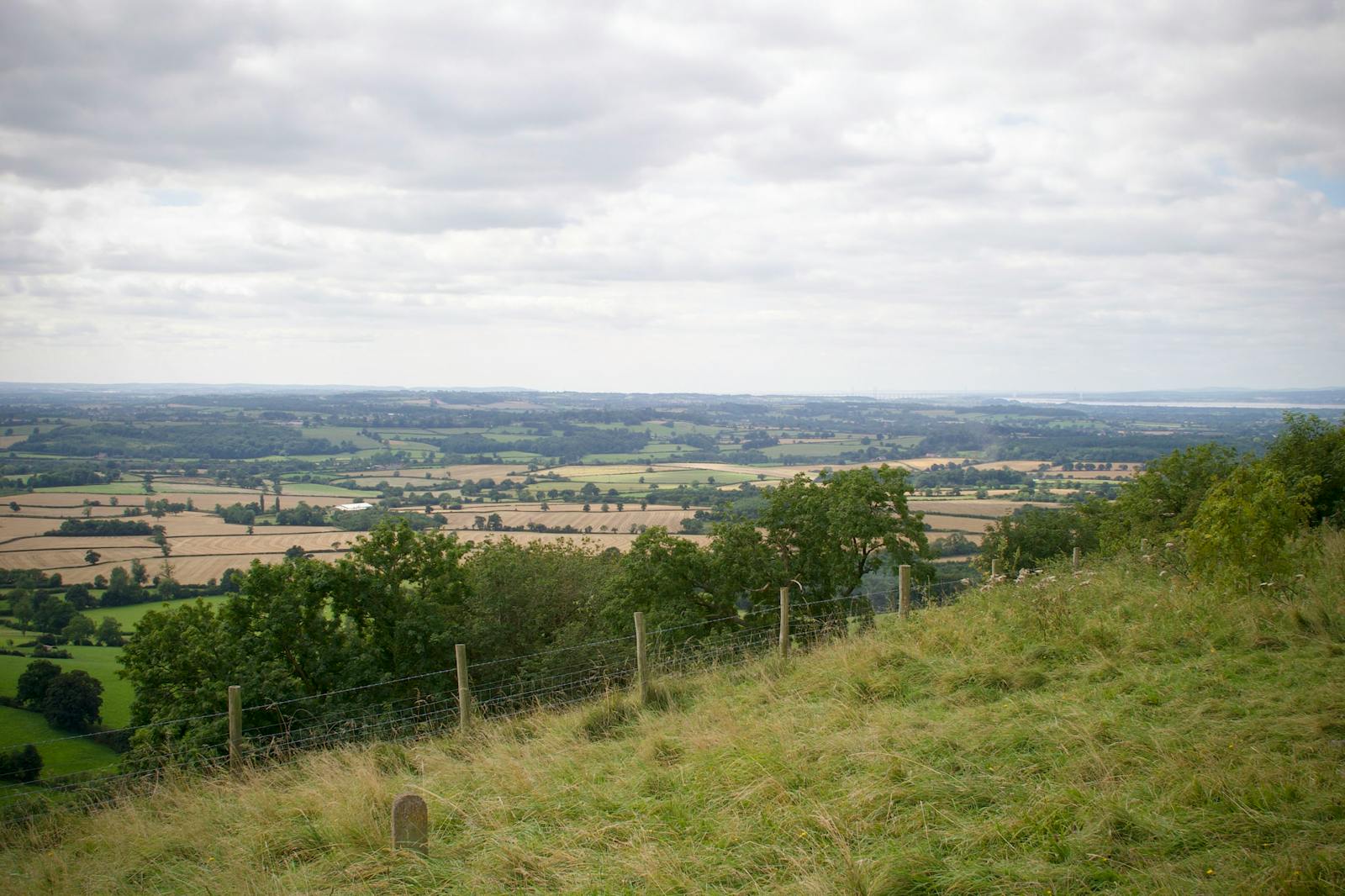
For visitors, the National Landscape status means that the Cotswolds looks remarkably unchanged — the same honey-coloured stone, the same patchwork of fields bounded by dry stone walls, the same ancient woodlands and wildflower meadows that have defined the landscape for centuries. It is a living, working landscape rather than a museum piece, but one that is actively protected for future generations to enjoy.
Royal Connections
The Cotswolds’ association with royalty runs deep. The region has been a royal playground and retreat for centuries, from medieval kings who hunted in the royal forests to the present-day monarchy’s strong connections with the area.
Highgrove House near Tetbury has been the private residence of King Charles III since 1980. The king has transformed the estate’s gardens into a renowned showcase for organic and sustainable gardening, and guided tours of the Highgrove Gardens are available through the summer months (booking well in advance is essential as tours sell out quickly). The royal presence has helped put Tetbury on the map as a destination in its own right, and the town’s antique shops and galleries have flourished in part thanks to royal patronage.
Princess Anne lives at Gatcombe Park near Minchinhampton, where the annual Festival of British Eventing attracts equestrian enthusiasts from across the country. Zara Tindall and her family are also based in the Cotswolds. The concentration of royal and aristocratic residents in the region — alongside a growing number of celebrities, business figures and media personalities — has earned parts of the Cotswolds the nickname ‘the Royal Triangle’ and contributes to its reputation as one of the most desirable places to live in England.
Haunted Heritage: Ghosts and Legends
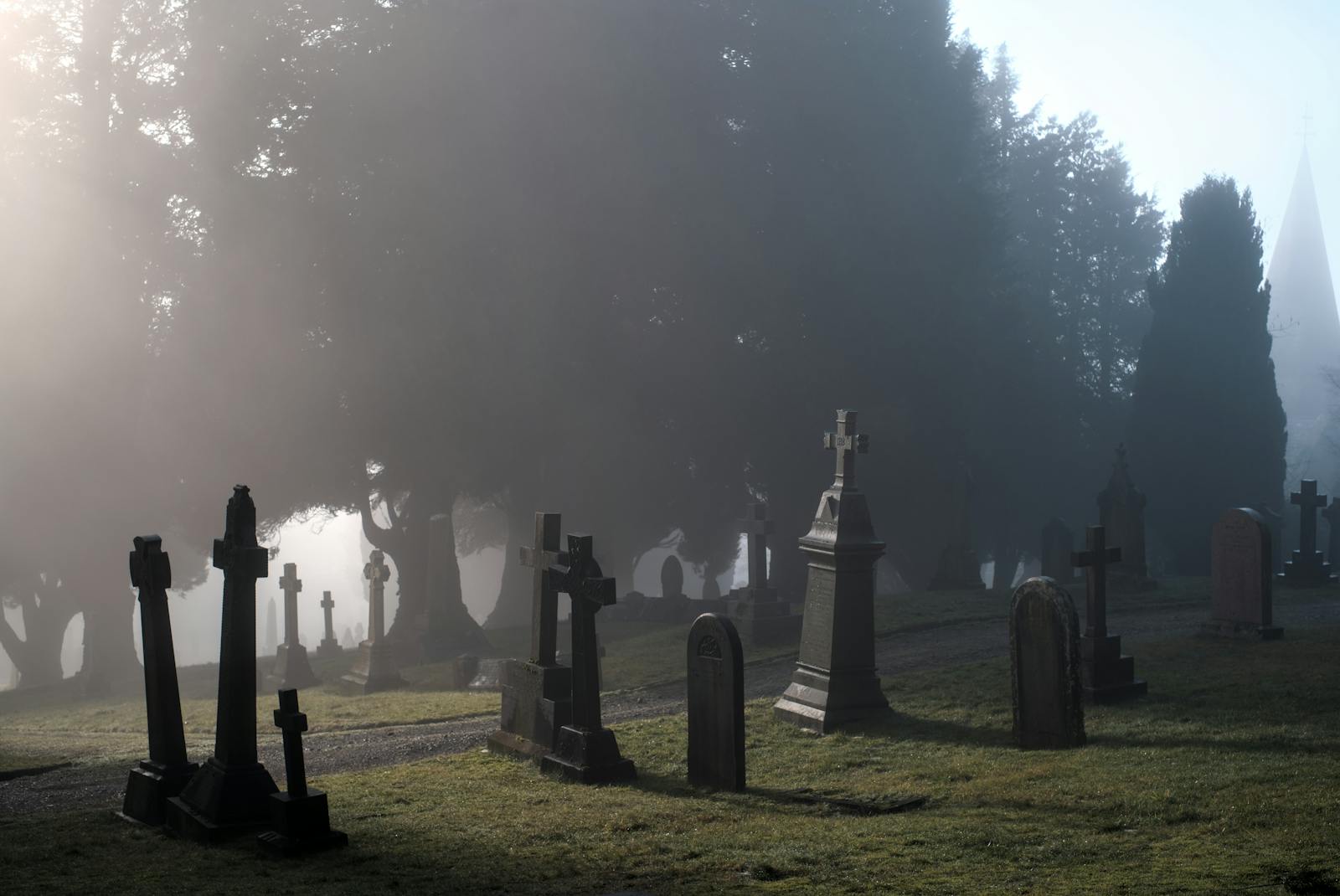
A region with 5,000 years of history inevitably accumulates its share of ghost stories and legends. The Cotswolds has a rich tradition of folklore, from the phantom Roman soldiers said to march along the Fosse Way on misty evenings to the Grey Lady who haunts the corridors of Sudeley Castle.
The Ancient Ram Inn in Wotton-under-Edge is reputedly one of the most haunted buildings in England, a former twelfth-century priest’s house built on an ancient pagan burial ground. Paranormal investigation groups from around the world visit the inn, and its current owner has collected decades of recorded phenomena. The Ragged Cot near Minchinhampton has its own spectral legend, and many of the Cotswolds’ oldest coaching inns — some dating back 500 years — have tales of ghostly highwaymen, Civil War soldiers and mysterious figures in period dress.
Ghost walks operate in several Cotswold towns, particularly around Halloween. Cirencester, Cheltenham and Chipping Campden all offer guided evening walks that combine local history with supernatural stories, providing an entertaining way to experience the Cotswolds’ heritage after dark.
Historic Pubs and Coaching Inns
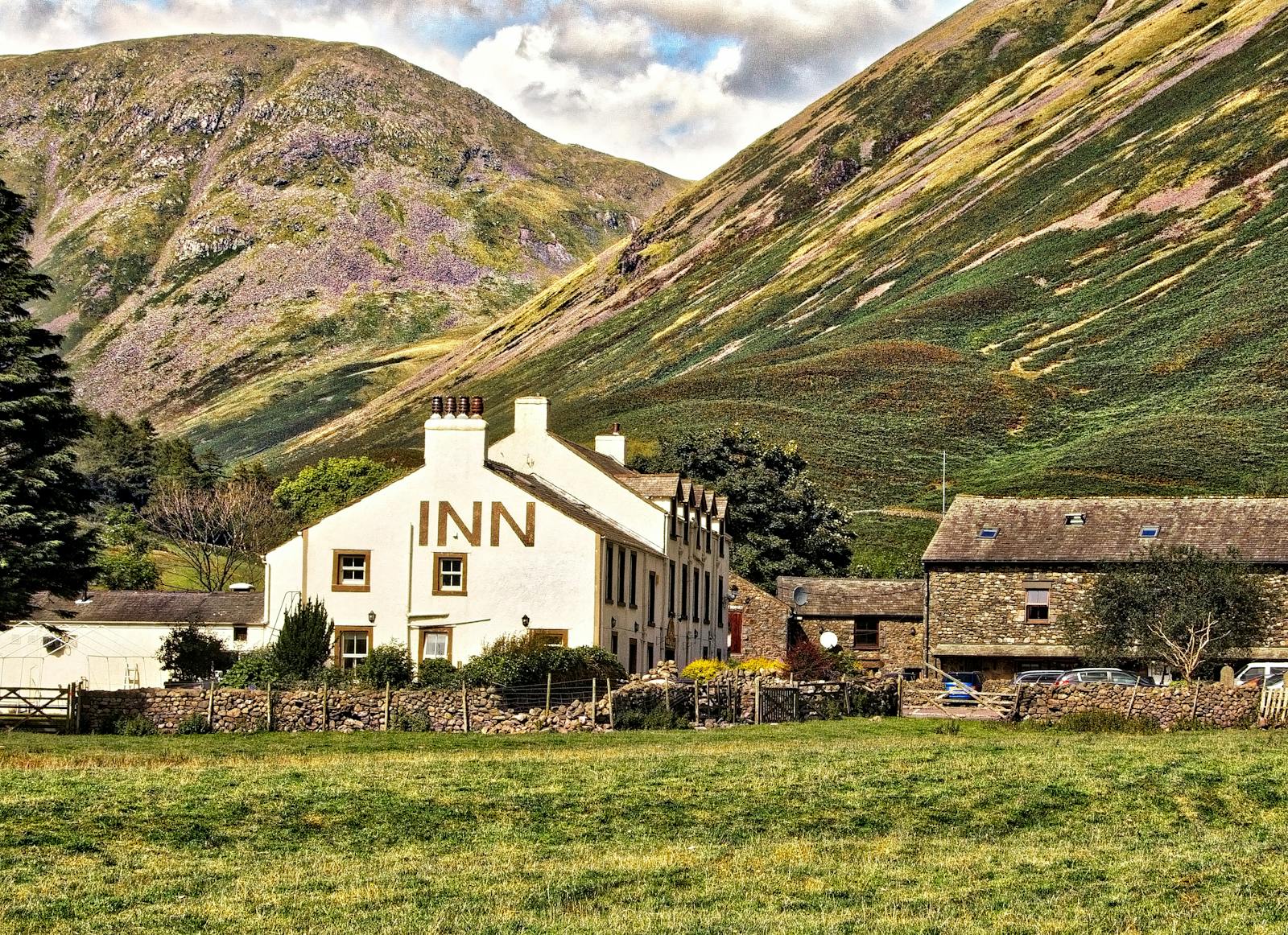
The Cotswolds’ position at the crossroads of ancient trading routes and the later coaching road network means the region is blessed with some of England’s oldest and most atmospheric pubs and inns. Many have served travellers continuously for 500 years or more, and stepping through their low doorways into flagstoned bars with inglenook fireplaces and blackened oak beams is to step directly into Cotswold history.
The Fleece Inn at Bretforton, now owned by the National Trust, dates from the fifteenth century and was originally a longhouse. Its pewter collection, passed down through generations of the same family, is displayed on the original dresser. The Porch House in Stow-on-the-Wold claims to be the oldest inn in England, with parts of the building dating to 947 AD. The King’s Head in Cirencester and the Lygon Arms in Broadway are grand coaching inns that once hosted royalty and served as staging posts on the London-to-Worcester road.
These pubs are not just historic curiosities — they remain at the heart of Cotswold community life. Many serve excellent local food and drink, host live music and quiz nights, and provide a warm welcome that has not fundamentally changed in centuries. They are arguably the best places to absorb the atmosphere of Cotswold heritage while enjoying a pint of local ale beside a crackling fire.
Experiencing Cotswolds Heritage Today
The beauty of Cotswold heritage is that it is not locked behind museum glass — it is woven into every village street, every church, every pub and every field boundary. Here are the best ways to engage with that heritage during your visit:
Follow the wool trail. Visit the great wool churches at Cirencester, Northleach, Chipping Campden, Fairford and Winchcombe. Stand before the monumental brasses at Northleach and look for the woolsacks beneath the merchants’ feet. Walk through Chipping Campden’s High Street and imagine it filled with laden pack-horses heading for the wool fairs.
Explore the Roman Cotswolds. Spend a morning at the Corinium Museum in Cirencester, then walk to the amphitheatre. Drive to Chedworth Roman Villa for an afternoon among the mosaics. Follow the Fosse Way on the A429 and appreciate the ruler-straight engineering of this 2,000-year-old road.
Trace the Arts and Crafts legacy. Visit Kelmscott Manor to see where William Morris lived and worked. Browse the surviving craft workshops in Chipping Campden. Stop at the Gordon Russell Design Museum in Broadway. Look for the handmade signs, wrought-iron gates and carved stone details that the movement inspired throughout the region.
Visit the great houses. Blenheim Palace, Sudeley Castle, Snowshill Manor, Stanway House and Chastleton House each offer a different window onto the lives of the people who shaped the Cotswolds. National Trust membership provides access to several of these properties and is excellent value if you plan to visit more than two.
Walk the ancient landscape. The Cotswold Way national trail passes Neolithic long barrows, Iron Age hill forts, wool churches, manor houses and panoramic viewpoints that put the landscape’s long history into perspective. Even short walks between villages follow paths that have been used for thousands of years.
Explore Cotswolds History and Heritage in Depth
This pillar guide is just the beginning. We have written in-depth companion articles on every major chapter of the region’s past — dive into any of the guides below to go deeper.
- The Cotswolds Wool Trade: How Sheep Built a Region — how medieval wool made this one of the richest regions in Europe.
- Cotswolds Wool Churches — the magnificent medieval churches that wool wealth paid for.
- Cotswold Stone Architecture — why every building glows honey-gold, explained.
- Roman Cotswolds — Corinium, grand villas and the dead-straight Roman roads.
- Famous Cotswolds Residents — from William Morris and royalty to modern celebrities.
- The Arts and Crafts Movement in the Cotswolds — how the region became the movement’s heartland.
- Cotswolds Stately Homes and Manor Houses — the grandest houses and castles to visit.
- The Cotswolds National Landscape — what the protected designation really means.
- Haunted Cotswolds — ghost stories, ancient legends and spooky walks.
- Historic Cotswolds Pubs and Their Stories — centuries-old coaching inns and Civil War watering holes.
Frequently Asked Questions
What is the Cotswolds most known for historically?
The Cotswolds is most famous historically for the medieval wool trade, which made it one of the wealthiest regions in England between the twelfth and sixteenth centuries. The legacy of that wealth is visible in the magnificent wool churches, grand merchant houses and market towns that define the region. The Cotswolds is also significant for its Roman heritage (Cirencester was the second-largest Roman town in Britain), its Cotswold stone architecture and its role in the Arts and Crafts Movement.
Why are Cotswold buildings honey-coloured?
Cotswold buildings are built from local oolitic limestone, a Jurassic-era stone that contains iron oxide, which gives it a distinctive warm golden to amber colour. The colour varies across the region — from deep honey in the north around Chipping Campden and Broadway to pale cream in the south near Bath and Castle Combe. Because the stone was quarried locally and used for everything from grand churches to humble cottages and even roof tiles, entire villages share the same warm palette, creating the visual harmony that makes the Cotswolds instantly recognisable.
What are the best Roman sites to visit in the Cotswolds?
The three essential Roman sites are the Corinium Museum in Cirencester (outstanding collection of mosaics and artefacts), Chedworth Roman Villa (National Trust — one of the finest Roman villas in Britain), and Cirencester’s Roman amphitheatre (free to visit). The Fosse Way, the Roman road that runs through the heart of the Cotswolds on the line of the modern A429, is also worth following to appreciate the scale of Roman engineering in the region.
Can you visit Highgrove House and Gardens?
Yes, guided tours of the Highgrove Gardens are available from April to October. Tours must be booked in advance through the official Highgrove website and sell out quickly — booking several months ahead is advisable, particularly for summer dates. The tour covers the gardens only (not the house interior) and lasts approximately two hours. It is a unique opportunity to see King Charles’s renowned organic gardens and one of the most popular heritage experiences in the southern Cotswolds.
What is the best museum in the Cotswolds?
The Corinium Museum in Cirencester is widely regarded as the finest museum in the Cotswolds, with its exceptional Roman collection and interactive displays. Other excellent options include the Wilson Art Gallery and Museum in Cheltenham (fine art and local history), the Cotswold Motoring Museum in Bourton-on-the-Water (vintage vehicles and nostalgic toys), the Gordon Russell Design Museum in Broadway (Arts and Crafts furniture) and Snowshill Manor’s eccentric collection near Broadway. For a comprehensive Cotswolds itinerary, combining two or three museums with village exploration makes for a rewarding day.
For sheer depth in one square mile, nothing beats the town that was briefly the capital of its own Anglo-Saxon shire. A Neolithic long barrow with a false entrance, a vanished Mercian abbey, a Cistercian ruin with a famously fake relic and a queen of England buried in a castle garden are all within a morning’s walk — the sequence is laid out in our Winchcombe guide.
The best prehistoric site in the region is not a ruin or a church but a ring of seventy-seven weather-eaten stones on a ridge in north Oxfordshire, with a portal dolmen a thousand years older in the next field. The Rollright Stones cost a pound in an honesty box — see our Chipping Norton guide for how to reach them and what the legend actually says.
For a single hill carrying eleven hundred years without a break — a Saxon burh of Alfred’s, a Norman abbey with the finest Romanesque porch in the country, a Tudor cloth mill in the monastic ruins and common land still held by the descendants of the men Athelstan gave it to — go to the southern edge of the region. Our Malmesbury guide has the sequence.