This article contains advertising. My booking links are routed through a partner that adds commission tracking automatically, so if you book through one I earn a commission from the provider, at no extra cost to you. It never affects what I recommend. Affiliate disclosure
At ten o’clock on a weekday morning in the middle of January, the little stone footbridges over the Windrush in Bourton-on-the-Water are empty. There is frost on the green, a heron standing in the shallows, smoke rising from a few chimneys and, for once, a parking space right outside the bakery. In August you would queue to cross the same bridges. That is the case for the Cotswolds in January: it is cold, the days are short and plenty of attractions are shut, but the villages are as quiet and as beautiful as they ever get, the pubs light their fires at lunchtime, and room rates are at their lowest of the year.
This guide is about January specifically — the real weather figures, the dates worth knowing in 2027, what is open and what is closed, what it costs and how to make the most of a short, dark month. If you are still deciding between months, our guide to the best time to visit the Cotswolds compares the whole year.
January in the Cotswolds at a glance
| January | |
|---|---|
| Average high / low | About 6°C / 1°C on the high wold; a little milder in the valleys and Cheltenham |
| Frosty nights | About 12 nights of air frost in an average January |
| Rainfall | Around 78 mm — one of the wetter months |
| Sunshine | About 62 hours in the whole month |
| Daylight | Sunrise around 8:15am and sunset around 4:07pm on 1 January; by the end of the month the sun sets nearer 5pm |
| Crowds | The quietest month of the year, apart from New Year and Cheltenham’s race days |
| Prices | The lowest room rates of the year once New Year is over, with plenty of midweek deals |
| Highlights | New Year’s Day racing at Cheltenham, the first snowdrops, wassails, frosty walks and log fires |
| Closed | Many historic houses and gardens, Cotswold Lavender and some restaurants taking their annual break |
Weather figures are Met Office long-term averages for Little Rissington, a station more than 200 metres up on the high wold near Bourton-on-the-Water. Dates and opening details checked October 2026 — confirm before you travel.
January weather in the Cotswolds
January is the coldest month of the Cotswold year. On the high wold the average daytime high is about 6°C and the average overnight low hovers just above freezing, with around twelve nights of air frost in a typical January. Rainfall averages about 78 mm, and the sun shines for around 62 hours in the whole month — about two hours a day (Met Office averages for Little Rissington, 1991–2020). Cheltenham, Gloucester and the deeper valleys are usually a degree or two milder than the exposed tops around Stow, Northleach and Cleeve Hill, where the wind can make it feel much colder than the thermometer suggests.
| Long-term average, Little Rissington | January |
|---|---|
| Average maximum | 6.5°C |
| Average minimum | 1.1°C |
| Days of air frost | 12 |
| Sunshine | 62 hours |
| Rainfall | 78 mm |
The weather varies enormously from one January to the next. Some are mild, grey and wet; others bring a week of hard frost and bright blue skies, which is when the Cotswolds look their very best — frost on the stone roofs, mist in the valleys and long, low sunlight on the hills. Snow falls on a few days in most winters, more often on the high ground than in the vale, and it rarely lasts long, but when it does settle the steep roads off the escarpment can become impassable for a day or two. Low-lying meadows along the Thames around Lechlade and in the river valleys often flood after heavy rain. Our Cotswolds weather guide has the figures for the rest of the year.
What’s on in the Cotswolds in January 2027
- Friday 1 January — New Year’s Day racing at Cheltenham. Seven races with graded and listed contests; check Cheltenham Racecourse’s website for the day’s timings. A brilliant, bracing way to start the year.
- Early January — the Quadrantid meteor shower. One of the year’s best showers peaks in the first few nights of January; the long, dark nights make this a good month for stargazing in the Cotswolds.
- Early to mid January — the end of panto season. Pantomimes in Cheltenham, Oxford and the surrounding towns usually run into January — a good rainy-day plan with children.
- Twelfth Night and Old Twelfth Night — wassails. Wassailing — singing to the apple trees to bless the coming harvest — traditionally takes place on Twelfth Night or Old Twelfth Night (17 January). Community orchards and cider makers around the region hold wassails through the month; check local listings.
- Late January — the snowdrops arrive. Painswick Rococo Garden has around five million snowdrops in its valley, usually starting to flower in late January. Check the garden’s website for the season’s opening dates and hours.
- 25 January — Burns Night. Plenty of Cotswold pubs and hotels mark it with a supper of haggis, neeps and tatties.
- Last weekend of January — Colesbourne Park opens. The great snowdrop garden near Cheltenham, with more than 300 varieties, opens on weekend afternoons from the last weekend of January.
- Late January — the RSPB Big Garden Birdwatch. Usually held over the last weekend of the month; a good excuse to spend an hour with binoculars and a cup of tea.
- Saturday 30 January — Festival Trials Day at Cheltenham. The last big meeting before the Cheltenham Festival in March, and a chance to see many of the Festival favourites run.
For the snowdrop gardens in detail, see our guide to snowdrops in the Cotswolds.
What’s open and what’s closed in January
This is the one thing that catches January visitors out. The countryside, the villages, the pubs and the towns are all open, but a good number of the big paid attractions close for the winter or open only on certain days.
Usually open
- The countryside. Every footpath, common and village is open, and a frosty walk is the best thing you can do here in January. Crickley Hill is open from 6am to 6pm in winter, and Cirencester Park from 8am to 5pm every day (visitors who are not local need a day pass, £4 for adults).
- Arboretums. Westonbirt and Batsford stay open through the winter, with shorter winter hours — good for a bracing walk among the bare trees and, at Westonbirt, the witch hazels and winter-flowering shrubs.
- Museums and churches. The Corinium Museum in Cirencester opens daily from 10am to 4pm; check its visitor page for holiday closures before a winter visit. Gloucester Cathedral is open daily, with hours that vary around services, and the great wool churches are usually open in daylight.
- Diddly Squat Farm Shop. Normally open Tuesday to Sunday, 9:30am to 4:30pm. January is the quietest time to visit without the famous queues — check for any winter closure before you drive. Our Clarkson’s Farm guide has the details.
- Bourton-on-the-Water’s Model Village. Open daily from 10am, with shorter hours in winter; card payment only.
- Snowdrop gardens. Painswick Rococo Garden once its snowdrop season starts and Colesbourne Park from the last weekend.
Usually closed
- Historic houses and gardens. Many close their doors from late autumn until February or March. Sudeley Castle, Snowshill Manor and Kiftsgate Court Gardens are among those that shut for the winter — check reopening dates before you plan around them.
- Cotswold Lavender. The lavender farm at Snowshill opens only in summer.
- Restaurants on holiday. Many independent restaurants, and some pubs, take their annual break in the first half of January. Check opening days and book ahead, especially for Sunday lunch.
- Heritage railways and seasonal attractions. Steam trains and summer-only family attractions run limited or no services — check timetables.
Crowds and prices in January
Once the New Year crowds have gone home, January is the quietest month in the Cotswolds. Weekdays are almost eerily peaceful in the famous villages, and even weekends are relaxed, with the exception of Cheltenham on race days, when the town’s hotels and restaurants fill up. Accommodation is at its cheapest — outside New Year, many hotels, pubs with rooms and holiday cottages offer midweek deals, and you have a real choice of where to stay rather than taking whatever is left.
The Cotswolds are never a budget destination, but January is when they come closest. You will also find it easier to book tables at popular restaurants, though do check they are open. Our guides to where to stay in the Cotswolds and to the Cotswolds on a budget will help you make the most of it.
Things to do in the Cotswolds in January
Go for a frosty walk
On a clear, cold day, there is nowhere better. The commons above Stroud, the Cotswold Way along the escarpment, the river paths between Bourton and the Slaughters and the parkland at Cirencester all look spectacular under frost. Paths are muddy in wet spells, so pick firm routes — tracks, commons and estate rides — and wear proper boots. Plan to be off the hills by 4pm. Our guides to short walks and pub walks in the Cotswolds have routes that suit short winter days.
Find a pub with a fire
January is the month the Cotswold pub was made for: low beams, flagstone floors, a log fire and a pint of local ale after a cold walk. Many serve their best food of the year in winter, with game, stews and pies on the menu. Our guide to the best pubs in the Cotswolds picks the cosiest.
See the first snowdrops
From late January, Painswick Rococo Garden’s valley usually starts to turn white, and by the last weekend Colesbourne opens its famous collection. Churchyards and stream banks across the region join in as the month goes on.
Go racing at Cheltenham
New Year’s Day and Festival Trials Day are two of the best jump-racing days of the season, with a fraction of the crowds of the Festival in March. Wrap up warm — the racecourse sits under Cleeve Hill and the wind can be raw.
Spend a day indoors
Cirencester’s Corinium Museum, with its Roman mosaics, and Gloucester Cathedral, with the cloisters used in the Harry Potter films, are excellent on wet days. So are the region’s spa hotels, which are at their quietest in January. Our guides to rainy-day activities and spa hotels in the Cotswolds have plenty more.
Watch winter wildlife
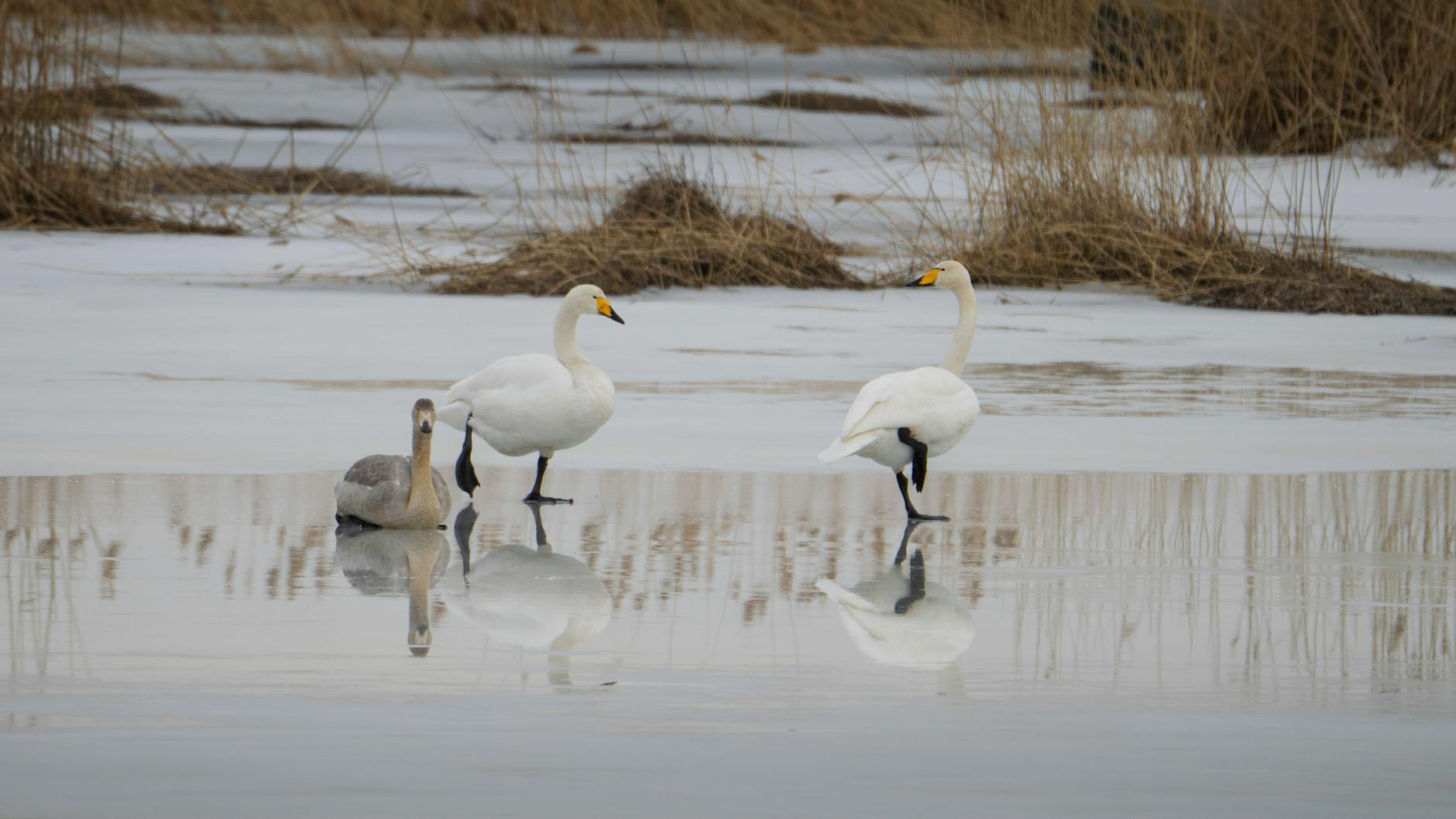
January is the best month of the year for birds at the Cotswold Lakes, which fill with wintering ducks and grebes, and for the wild swans and geese at Slimbridge on the Severn. On the high wold, look for hares in the frosty fields and red kites overhead. Our guide to Cotswolds wildlife covers what to see in winter.
Driving and getting around in January
Most Cotswold roads are fine in winter, but the steep hills off the escarpment — Fish Hill above Broadway, Stanway Hill on the B4077, the climb up to Birdlip — can be treacherous in ice and snow, and fog often sits on the high wold on still mornings. Check the forecast before setting out, carry a scraper, warm clothes and a charged phone, and do not rely on narrow lanes being gritted. Trains run as normal on the Cotswold Line to Moreton-in-Marsh and Kingham and on the line from Paddington to Kemble, Stroud and Cheltenham, but check for engineering works around the New Year. Rural buses are thin, especially on Sundays. Our guides to driving in the Cotswolds and the Cotswolds by train cover the details.
What to pack for the Cotswolds in January
- Waterproof walking boots — the single most important thing; footpaths are muddy all month.
- A warm, waterproof coat, hat, gloves and a scarf.
- Layers you can take off in a hot pub.
- A head torch if you plan to walk late in the afternoon — dusk comes early.
- Binoculars for the winter birds, and a flask.
A three-day January itinerary
Day 1: Cirencester and the parkland
Spend the morning at the Corinium Museum, have lunch in the town, and walk off it along the Broad Ride in Cirencester Park before the gates close at 5pm. Stay in or near Cirencester; our Cirencester guide has places to eat.
Day 2: Snowdrops and the Stroud valleys
If you are visiting in late January, start at Painswick Rococo Garden for the snowdrops, then walk up into Painswick for lunch and out onto Painswick Beacon. Earlier in the month, swap the garden for a frosty morning on Rodborough Common and a walk down to Nailsworth.
Day 3: The north Cotswolds without the crowds
Arrive in Bourton-on-the-Water early, walk the river path to Lower and Upper Slaughter, then drive to Stow-on-the-Wold for lunch. If it is a Tuesday to Sunday, call at Diddly Squat on the way home, without the queues.
Where to stay in January
January rewards a cosy base more than a central one. Book somewhere with a fire, a good kitchen and walks from the door, and you will barely need the car. Pubs with rooms come into their own: dinner, a pint by the fire and bed, with no drive home in the dark. Holiday cottages with wood-burners are at their cheapest, and many will accept short breaks of two or three nights in January that they refuse in summer. Spa hotels run their best offers now too.
New Year is the exception. Hotels and cottages for 31 December and 1 January book up months ahead, often with minimum stays and set-price dinners, and prices jump accordingly. Cheltenham fills up again for Festival Trials Day at the end of the month. Outside those dates, you can usually pick where you want to stay a week or two ahead. Our guides to pubs with rooms and holiday cottages in the Cotswolds are a good place to start.
Is January a good time to visit the Cotswolds?
It depends what you want. If you are after quiet villages, frosty walks, roaring fires, good food and low prices, January is excellent — arguably the most authentic month of the year, when the Cotswolds belong to the people who live here. If you want gardens in flower, stately homes, long evenings or reliable weather, come later in the year. A long weekend works better than a full week, and pairing it with a race day, a spa or the first snowdrops gives the trip a focus. Our guide to the Cotswolds in winter covers the whole season.
Frequently asked questions about the Cotswolds in January
Is January a good time to visit the Cotswolds?
Yes, if you want peace, walking and cosy pubs at the lowest prices of the year. No, if you want gardens, stately homes and long days — many houses and gardens are closed.
What is the weather like in the Cotswolds in January?
Cold and often damp: at Little Rissington, January averages highs of about 6°C, lows near 1°C, about 78 mm of rain, 62 hours of sunshine and roughly twelve frosty nights (1991–2020).
Does it snow in the Cotswolds in January?
Sometimes. Snow falls on a few days in most winters, more often on the high ground, and it rarely lasts long — but it can close the steeper roads for a day or two.
What is there to do in the Cotswolds in January?
Frosty walks, pub lunches by the fire, New Year’s Day and Festival Trials Day racing at Cheltenham, the first snowdrops at Painswick and Colesbourne, museums, cathedrals, spas and winter birdwatching.
Are Cotswold attractions open in January?
Some are. The arboretums, museums, cathedrals and farm shops generally stay open, but many historic houses and gardens close for the winter. Always check before you travel.
Are there snowdrops in the Cotswolds in January?
Yes, from late January. Painswick Rococo Garden’s snowdrops usually start to flower then, and Colesbourne Park opens on the last weekend; check each garden’s website for the season’s dates.
January is the start of the Cotswold year, and the snowdrops are its first sign of spring — our guide to snowdrops in the Cotswolds covers every garden. For long, dark evenings, see our guide to stargazing; for a cosy base, our guide to pubs with rooms; and for how January compares with the rest of the year, our guide to the best time to visit the Cotswolds.
If your dates are flexible, February gives you much the same quiet and low prices with longer, brighter days and the snowdrops in full flower. Our guide to the Cotswolds in February covers half term, Valentine’s weekend and the snowdrop gardens’ opening days.
Photo Credits
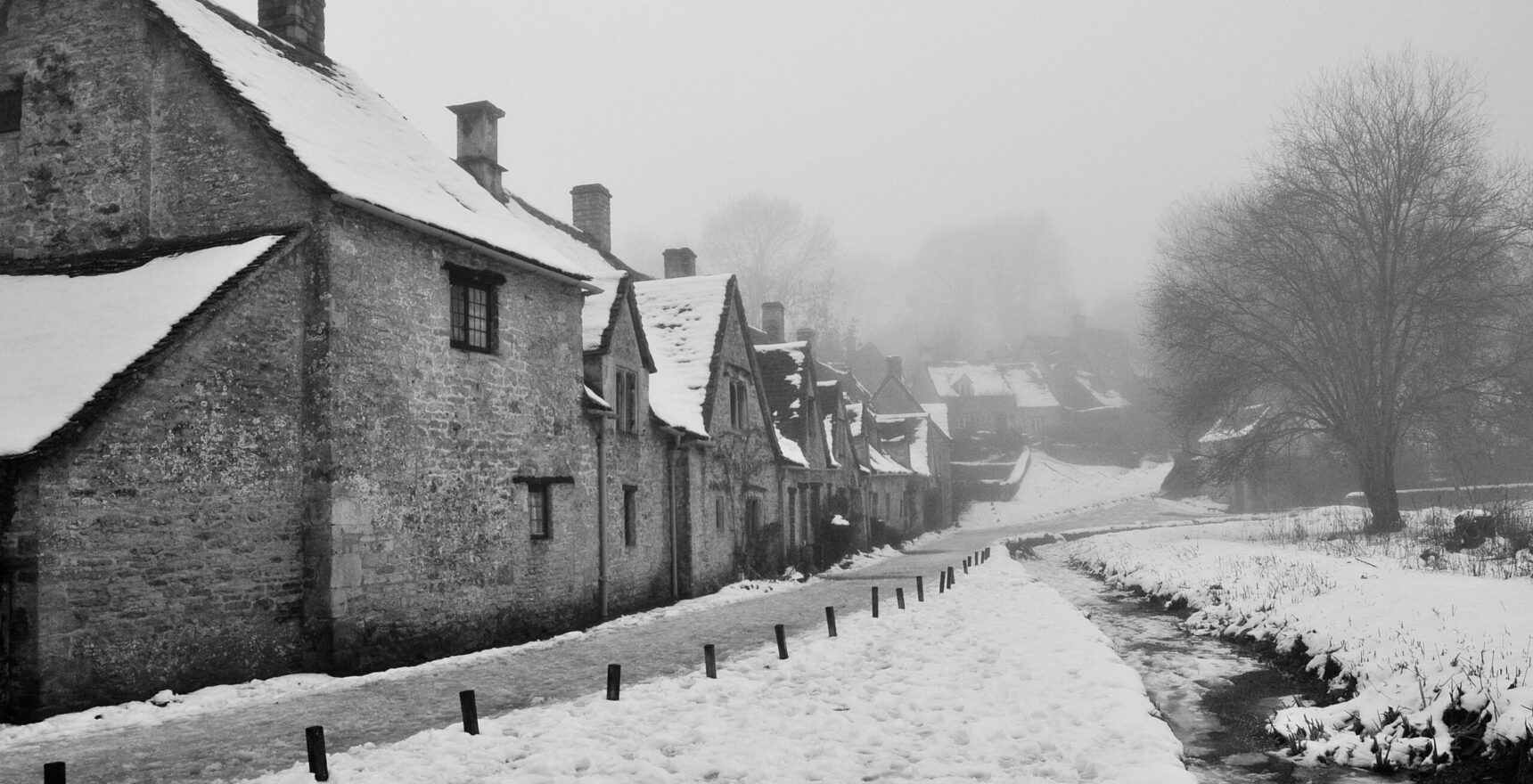
Arlington Row, Bibury, in snow: Arlington Row – geograph.org.uk – 2309316 by andy dolman, CC BY-SA 2.0, via Wikimedia Commons.
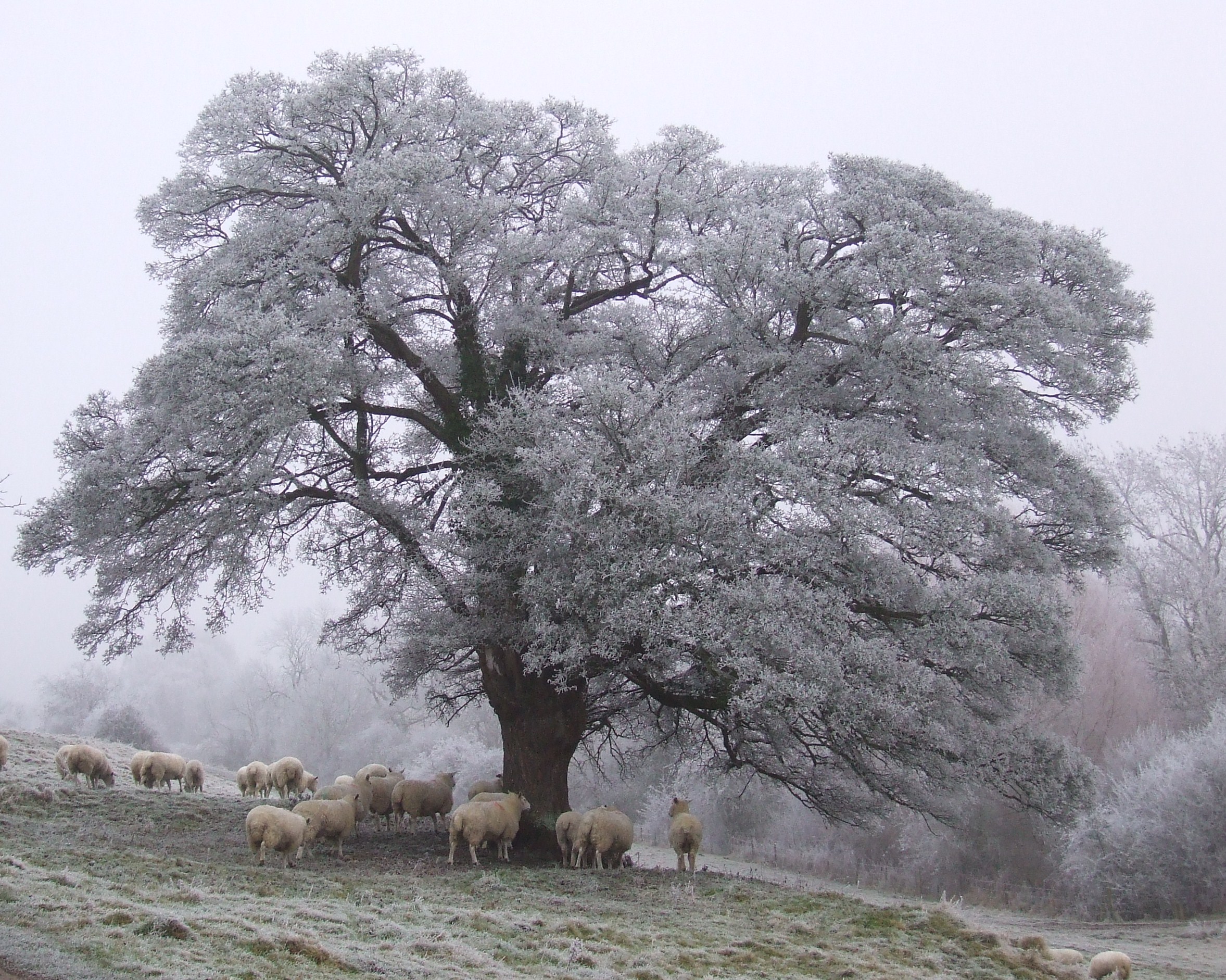
Hoar frost on a tree in Gloucestershire: Hoar frost – geograph.org.uk – 5216009 by norman hyett, CC BY-SA 2.0, via Wikimedia Commons.
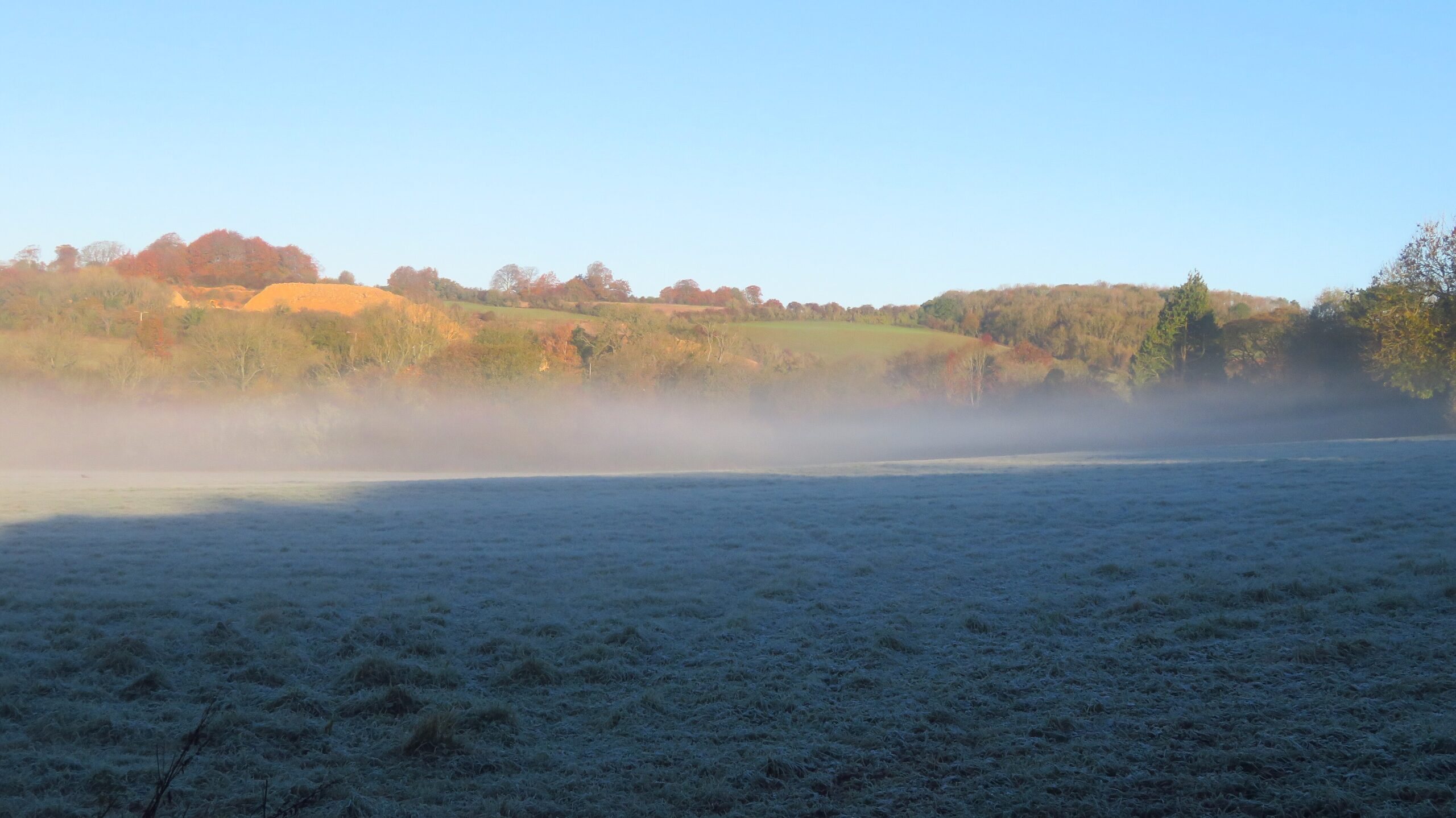
Mist and frost at Syreford: Early morning mist and frost at Syreford – geograph.org.uk – 7679217 by Colin Park, CC BY-SA 2.0, via Wikimedia Commons.
Leave a Reply