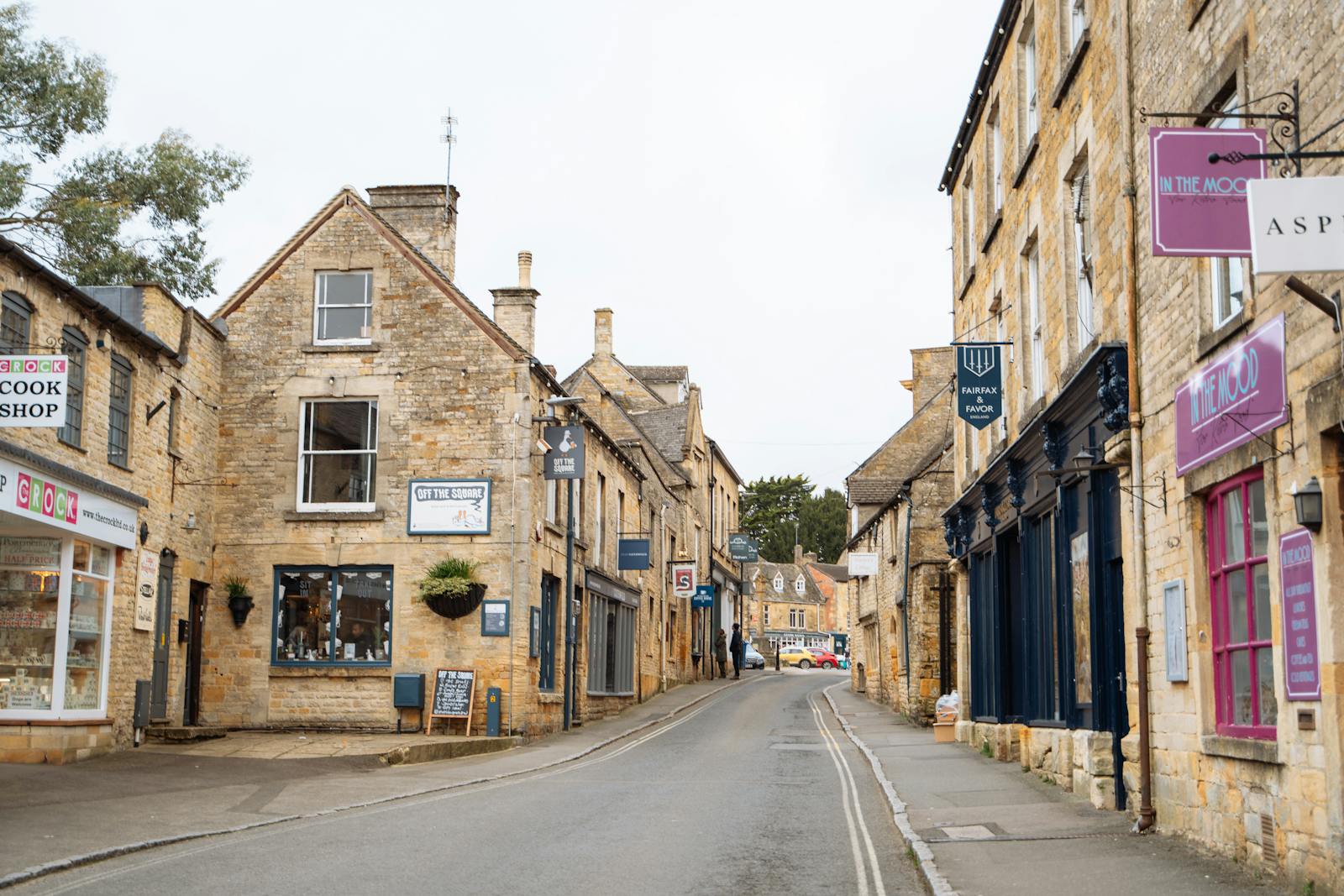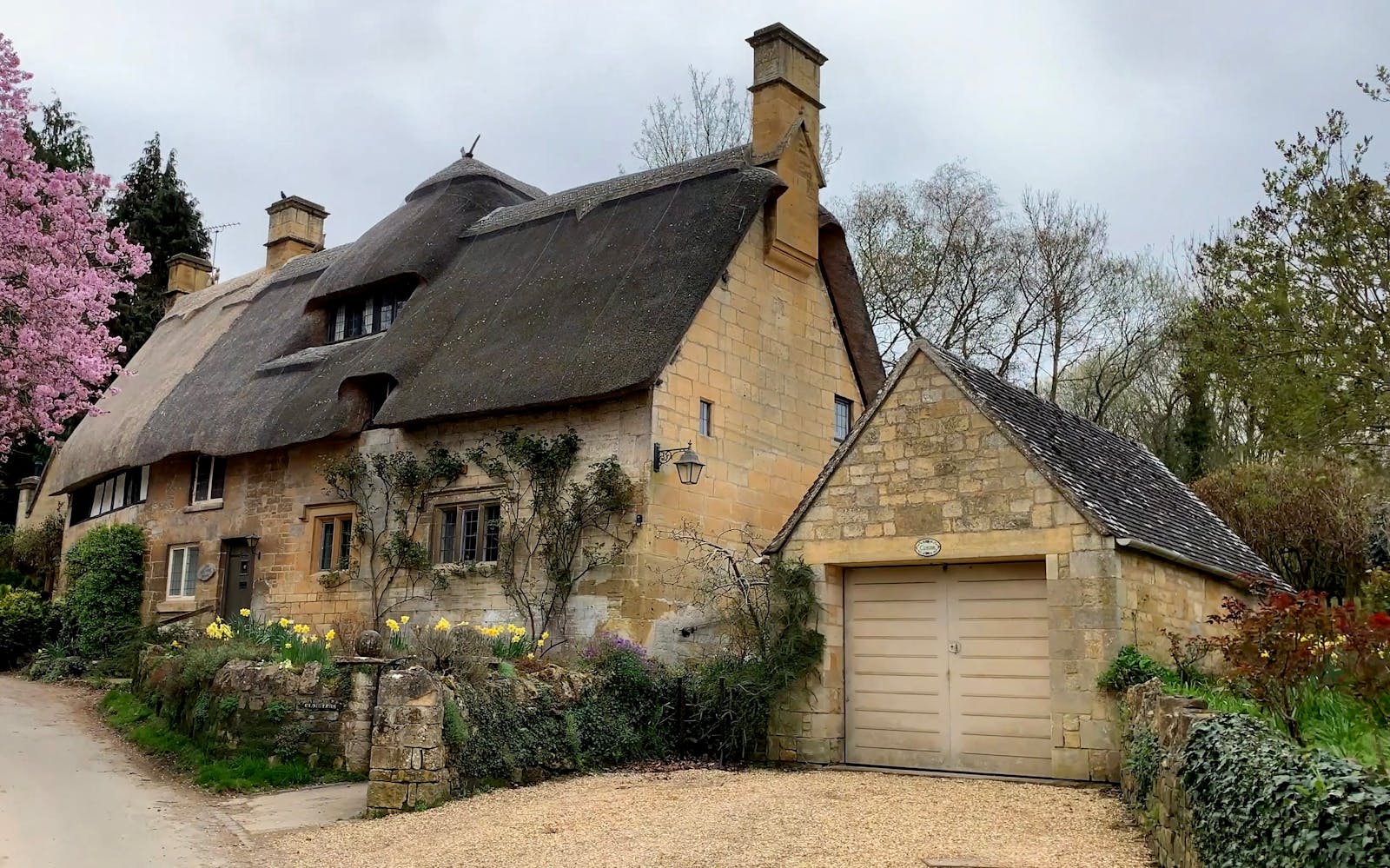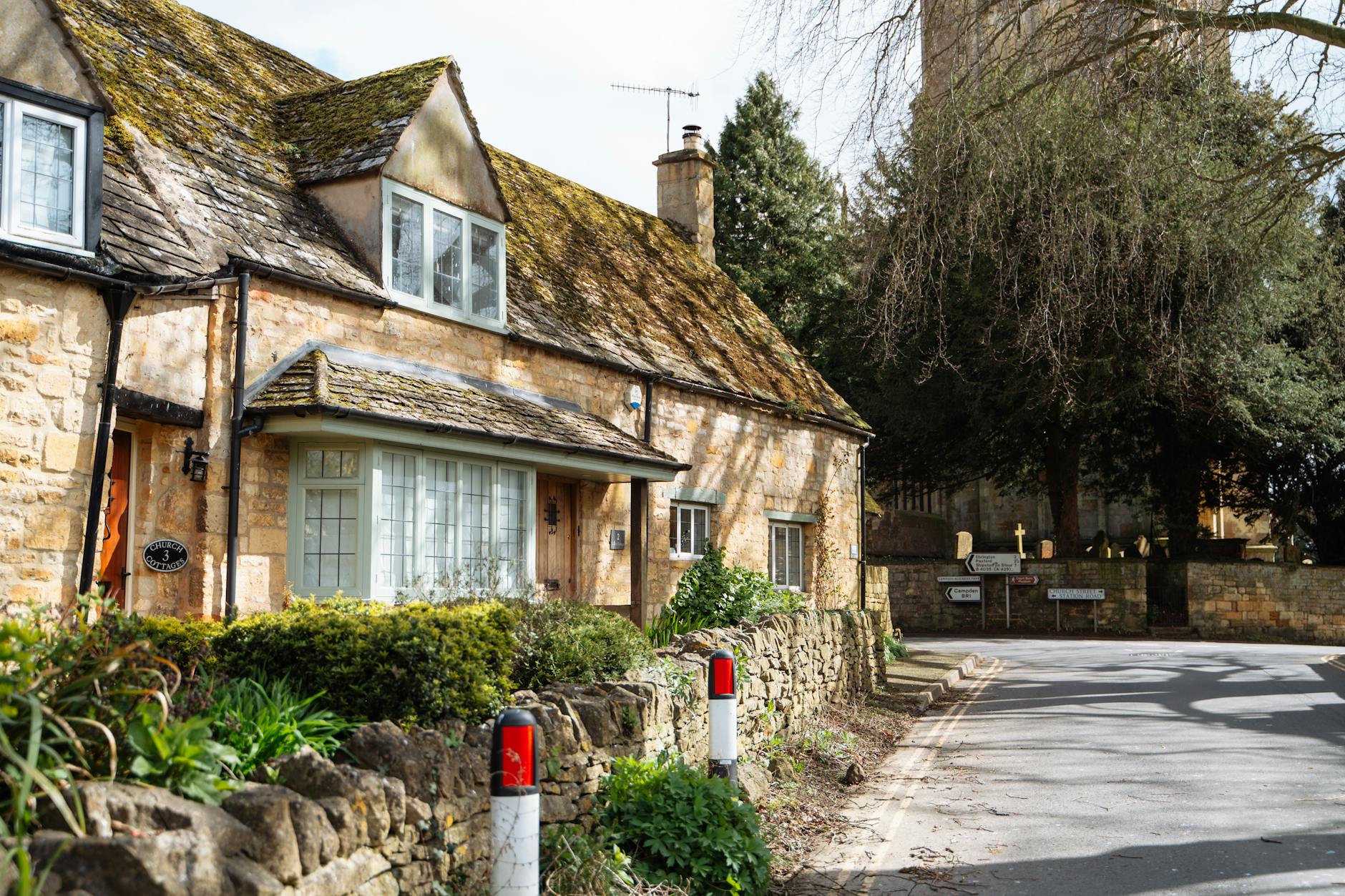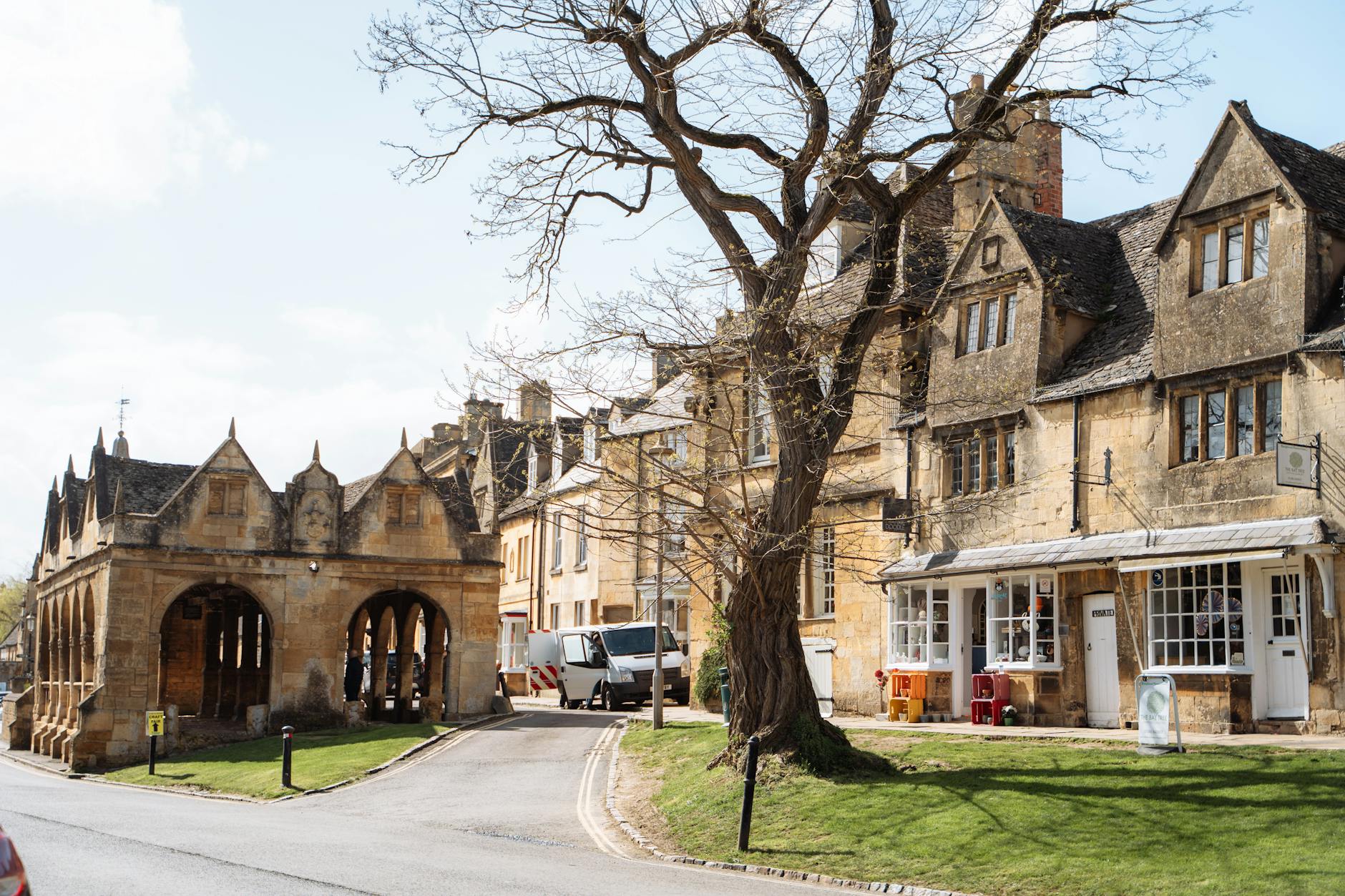
The Cotswolds is home to some of the most beautiful villages in England — an enchanting collection of honey-coloured stone cottages, medieval churches, winding lanes, and gentle streams that together create what many consider the most quintessentially English landscape in the country. Spanning nearly 800 square miles across six counties, the Cotswolds Area of Outstanding Natural Beauty (AONB) contains hundreds of villages, but some stand head and shoulders above the rest for their sheer beauty, historic character, and timeless appeal.
This is your definitive guide to the best Cotswolds villages — the places that make the Cotswolds one of the most visited and most loved regions in England. First visit or fiftieth, after the famous postcard scenes or the quieter corners most visitors miss, this guide helps you find the prettiest Cotswolds villages and plan a village-hopping route that actually works.
We have personally explored every village on this list and we update this guide regularly to ensure the information remains current and useful. Each village entry includes what to see, where to eat, practical tips, and honest assessments of crowd levels. We have also included a section on lesser-known villages for those who want to get off the beaten path, and a regional breakdown to help you plan your route efficiently.
If you are new to the Cotswolds, we recommend reading our Complete Guide to Visiting the Cotswolds first for essential travel planning information including how to get here, where to stay, and what to expect.
What Makes Cotswolds Villages So Special?
The distinctive beauty of Cotswolds villages comes down to one remarkable geological gift: oolitic limestone. This Jurassic-era stone, quarried locally for centuries, has a unique property — it is soft enough to cut easily when first extracted but hardens beautifully on exposure to air. Over time, it weathers to the warm, golden-honey tone that has become the defining visual signature of the entire region. This is why virtually every cottage, church, garden wall, and farm building across the Cotswolds shares that unmistakable honeyed glow.
But geology alone does not explain the extraordinary preservation of these villages. The Cotswolds owes much of its beauty to history — specifically, to the medieval wool trade. Between the 13th and 17th centuries, the Cotswolds was one of the wealthiest regions in England, producing wool that was exported across Europe. Wealthy wool merchants built grand churches (often called “wool churches”) and handsome houses that still define the character of towns like Chipping Campden, Northleach, and Burford. When the wool trade declined, the region entered a long period of agricultural quiet — there was simply no money or motivation to demolish the old buildings and replace them with modern ones.
This accidental preservation was later reinforced by the Arts and Crafts movement of the late 19th century, which championed traditional building methods and rural craftsmanship. Figures like William Morris, who declared Bibury “the most beautiful village in England,” helped raise awareness of what was at stake. Today, the Cotswolds’ designation as an Area of Outstanding Natural Beauty provides legal protections that ensure new development must respect the traditional character of the landscape. The result is a region where you can walk through villages that look remarkably similar to how they appeared 300 years ago — a living museum of English vernacular architecture.
The Must-Visit Cotswolds Villages
Bourton-on-the-Water — The Venice of the Cotswolds
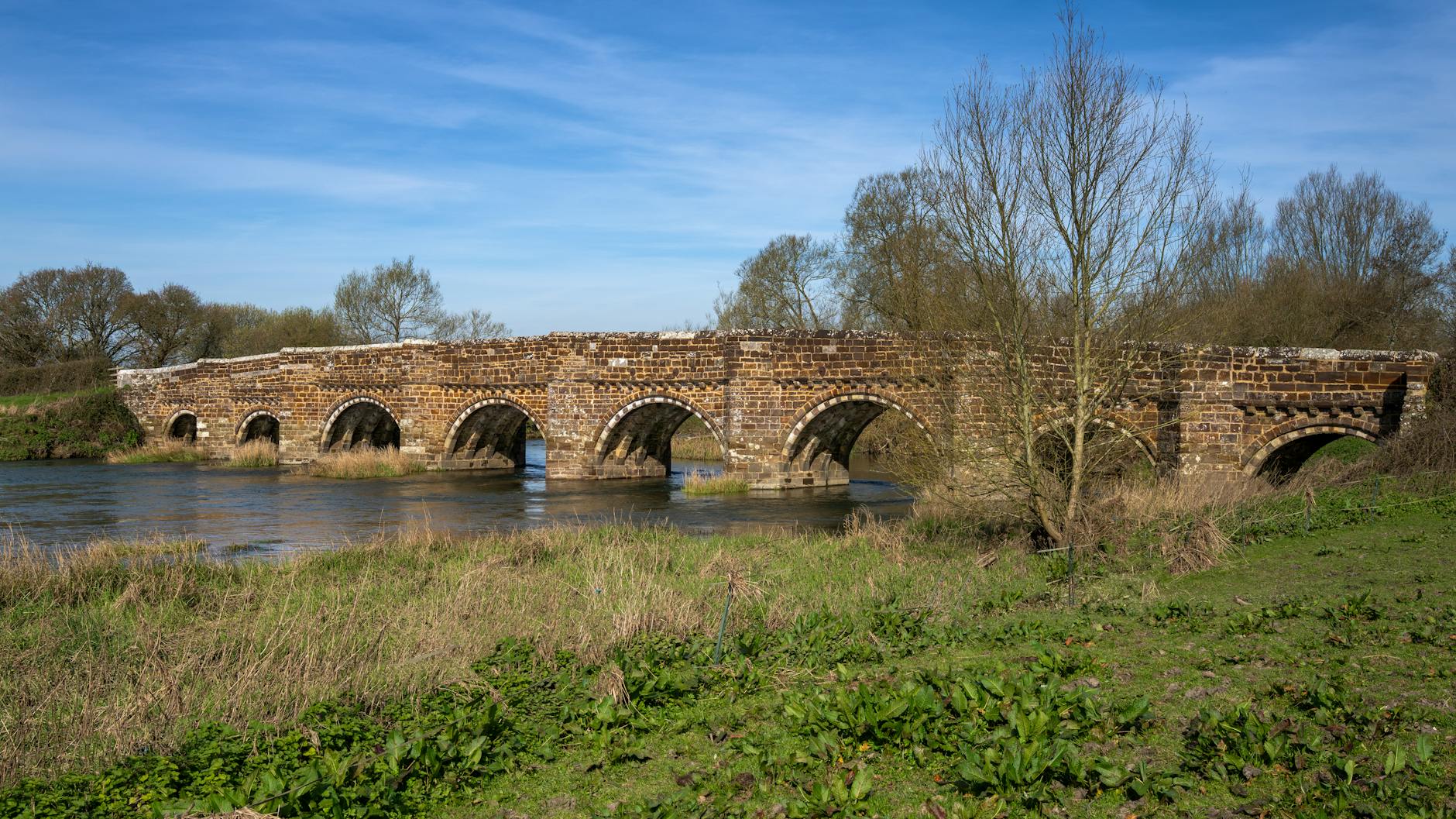
Bourton-on-the-Water is the most visited village in the Cotswolds, and one look at its setting explains why. The crystal-clear River Windrush flows gently through the heart of the village, crossed by a series of elegant low-arched stone bridges that have earned it the enduring nickname “the Venice of the Cotswolds.” The wide village green, flanked by honey-stone cottages and mature trees, creates a scene of almost impossibly perfect English beauty.
Beyond the pretty riverside setting, Bourton offers more visitor attractions than almost any other Cotswolds village. The Cotswold Motoring Museum houses a fascinating collection of vintage cars, motorcycles, and automotive memorabilia, including the original Brum car from the beloved children’s television series. Birdland Park and Gardens is home to over 500 birds across 9 acres, including flamingos, penguins, pelicans, and parrots — a particular favourite with families. The Model Village is a meticulously crafted 1:9 scale replica of Bourton-on-the-Water itself, built from local stone and taking over five years to complete. The Dragonfly Maze, with its yew hedges and puzzle trail, offers another family-friendly diversion.
For dining, the Rose Tree Restaurant on the riverside serves excellent modern British cuisine with outdoor terrace seating overlooking the water — one of the most atmospheric lunch spots in the Cotswolds. The Mousetrap Inn is a reliable traditional pub with hearty food and real ales. For tea and cake, Bakery on the Water and Small Talk are both popular.
Insider tip: Bourton can become extremely crowded, particularly on summer weekends and school holidays when visitor numbers can feel overwhelming. The secret is to arrive early — before 9:30am the village is peaceful and photogenic. Alternatively, visit in the shoulder season (April-May or September-October) or on a weekday. The village car park on Station Road (pay-by-app) is the most convenient. Bourton is an excellent village for families and photographers, though couples seeking a romantic atmosphere may prefer quieter alternatives like The Slaughters or Castle Combe.
Bibury — England’s Most Beautiful Village
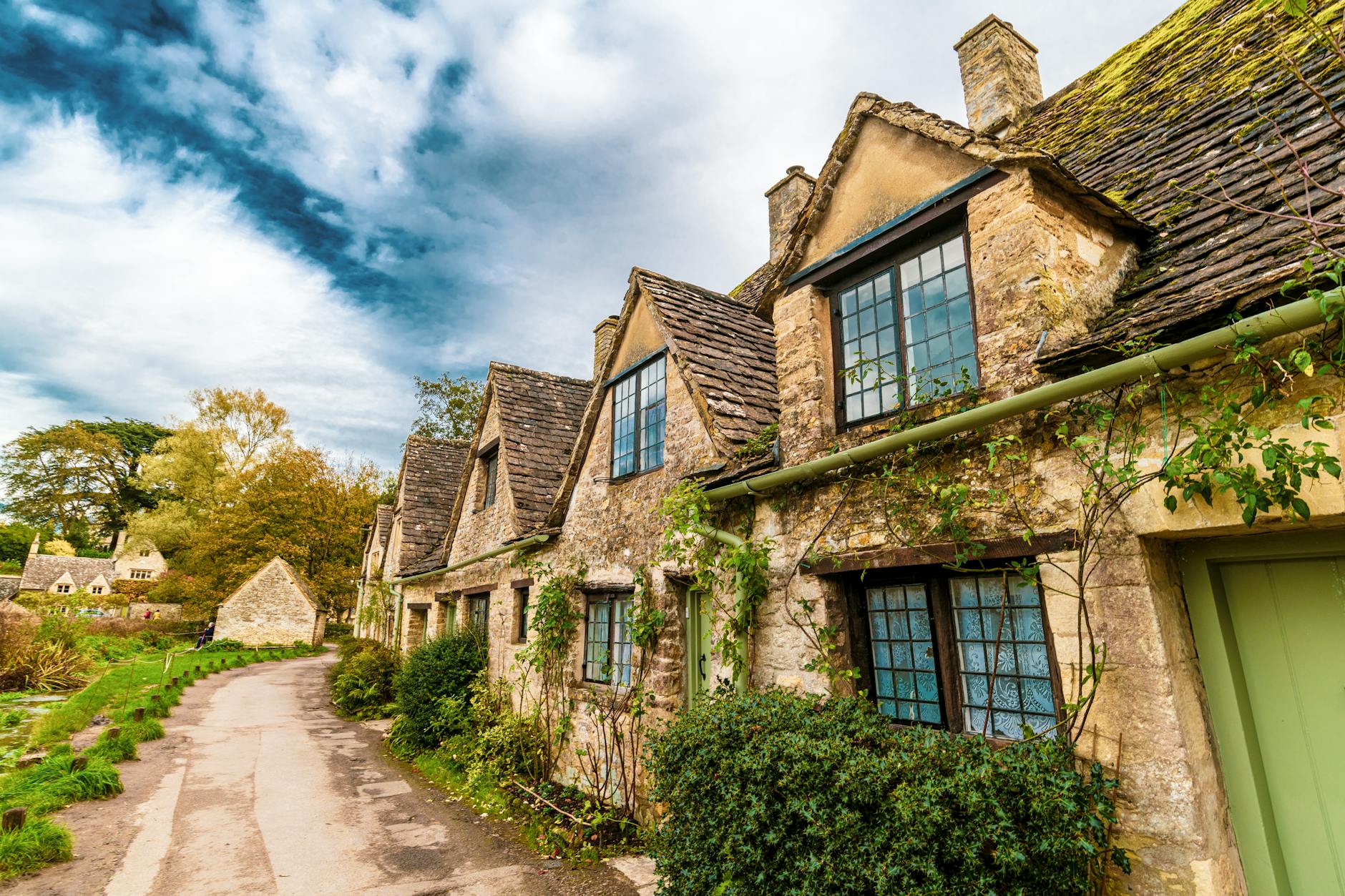
When William Morris — the great Victorian designer, writer, and co-founder of the Arts and Crafts movement — declared Bibury “the most beautiful village in England” in the 1880s, he set in motion a reputation that endures to this day. And standing before Arlington Row, a terrace of medieval weavers’ cottages dating from the 14th century (converted from a monastic wool store to weaving cottages in the 17th century), it is genuinely difficult to disagree with him. Arlington Row’s steeply pitched stone roofs, tiny doorways, and cottage gardens cascading with flowers create what is arguably the single most photographed scene in the Cotswolds — and possibly in all of England. The image appears on the inside cover of British passports.
Bibury’s beauty extends well beyond Arlington Row. The village is set in a gentle valley along the River Coln, one of the purest chalk streams in the country. Rack Isle, the water meadow opposite Arlington Row, was historically used for drying wool on wooden racks and is now a marshy wildflower habitat that adds to the scene’s pastoral perfection. The Church of St Mary, parts of which date to Saxon times, contains remarkable medieval stonework and stained glass. Bibury Trout Farm, established in 1902, allows visitors to catch their own rainbow trout and has a lovely shop selling smoked fish and other local produce.
For accommodation and dining, The Swan Hotel occupies an elegant position overlooking the River Coln and serves an excellent afternoon tea as well as a refined dinner menu. The nearby Catherine Wheel pub is a more casual option with good pub food and local ales.
Insider tip: For the best photographs of Arlington Row, visit at dawn — the morning light illuminates the cottages beautifully, and you will have the scene virtually to yourself. The reflection of the cottages in the water meadow on a still morning is extraordinary. Parking is available on the main road (B4425) near the trout farm — arrive early in summer as spaces fill quickly. Bibury is best suited to photography enthusiasts, couples, and anyone seeking a short but memorable Cotswolds stop. You can see the highlights in 1 to 2 hours, making it easy to combine with nearby Cirencester or the Coln Valley villages.
Castle Combe — The Prettiest Village in England
Tucked into a deeply wooded valley in the southern Cotswolds near Chippenham, Castle Combe has been voted the “prettiest village in England” so many times that the title has become inseparable from its name. What makes Castle Combe so exceptionally photogenic is not just its beauty but its extraordinary sense of being frozen in time — there are no visible television aerials, no overhead power lines, no yellow lines on the roads, and no modern shop fronts. The entire village feels like a perfectly preserved medieval stage set, and it is no surprise that it has been used as a filming location for period productions including War Horse, Stardust, The Wolf Man, and various Downton Abbey episodes.
The village centres on a single street that descends a gentle hill past the medieval Market Cross (where wool was historically traded) and the 14th-century Church of St Andrew, with its remarkable faceless clock — one of the oldest working clocks in England. At the bottom of the hill, the Bybrook stream is crossed by an ancient stone bridge, and the scene of the bridge with cottages rising behind it is the defining image of Castle Combe. The nearby Manor House Hotel and Golf Club occupies a stunning 365-acre estate and is one of the finest luxury hotels in the Cotswolds — its Michelin-recognised restaurant, Bybrook, is worth a visit even if you are not staying.
Insider tip: Castle Combe is small — genuinely tiny — and there is no public car park in the village itself. The main car park is at the top of the hill (free but limited), and on busy days it fills early. Visit on a weekday morning for the most peaceful experience. The walk down from the car park to the bridge and back takes roughly 30 to 45 minutes at a leisurely pace, or longer if you explore the surrounding woodland footpaths. Castle Combe is perfect for couples, photographers, and history lovers, but there are no shops or major attractions — it is purely about the beauty of the setting itself.
Broadway — The Jewel of the Cotswolds

Broadway earns its nickname as “the Jewel of the Cotswolds” through sheer elegance. Its wide, sweeping High Street — one of the broadest and most handsome in the region — is lined with immaculate honey-stone buildings housing galleries, boutiques, antique shops, and some of the Cotswolds’ best restaurants. Unlike some Cotswold villages that charm through quaintness, Broadway impresses through grandeur — the buildings are substantial, the proportions generous, and the overall effect is one of refined beauty rather than rustic cosiness.
The undisputed highlight of any Broadway visit is Broadway Tower, a remarkable 18th-century Saxon-style folly perched on the second-highest point in the Cotswolds at 1,024 feet above sea level. On clear days, the panoramic views from the top extend across up to 16 counties — a genuinely memorable sight. The tower houses exhibitions on the building’s history and its connection to William Morris, who used it as a holiday retreat. The surrounding Broadway Tower Country Park is excellent for walking, picnicking, and deer spotting.
Back in the village, the Gordon Russell Design Museum celebrates the pioneering furniture designer who established his workshop in Broadway and became one of the most influential figures in 20th-century British design. The Ashmolean Museum Broadway houses a superb collection of art, furniture, and objects from the Arts and Crafts movement. For dining, Russell’s (in Gordon Russell’s former showroom) serves excellent modern British food, while The Lygon Arms, a historic coaching inn dating to 1532, offers refined dining and luxury accommodation — both Charles I and Oliver Cromwell reputedly stayed here during the English Civil War.
Insider tip: Broadway makes an excellent base for exploring the northern Cotswolds thanks to its central position, good range of accommodation, and excellent restaurants. The village car park is well-signposted and reasonably priced. Allow at least half a day — a morning in the village followed by an afternoon at Broadway Tower makes a perfect Cotswolds day out.
Stow-on-the-Wold — The Hilltop Market Town
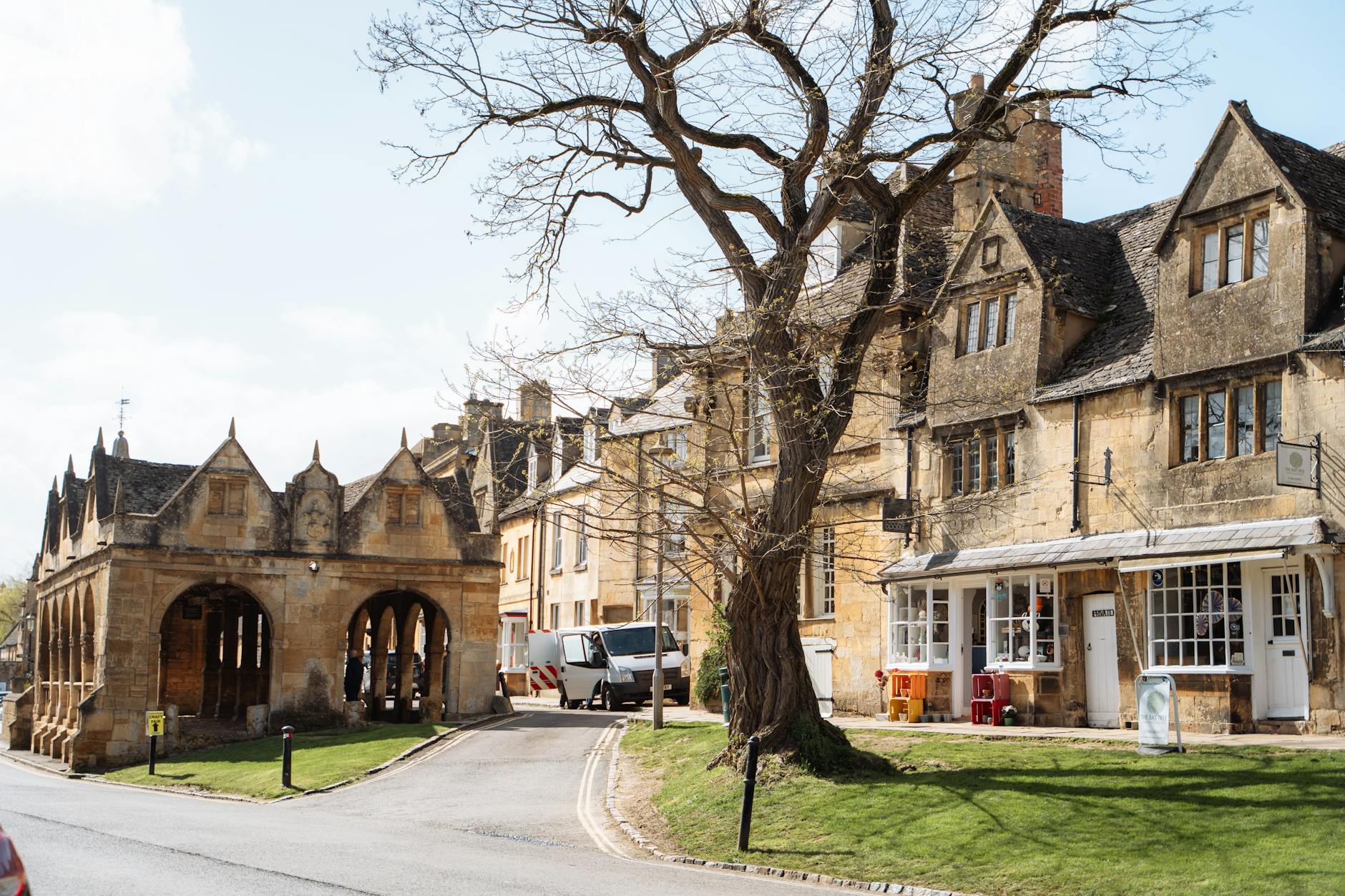
Perched at the highest point in the Cotswolds at over 800 feet above sea level, Stow-on-the-Wold sits at the junction of eight ancient roads — a strategic position that made it one of the most important market towns in medieval England. The town’s famous Market Square, surrounded by elegant stone buildings with the medieval market cross at its centre, remains the atmospheric heart of the community and hosts a regular market that has been held here since the town received its charter in 1107.
Stow is renowned as one of England’s finest destinations for antique shopping. The narrow alleyways leading off the Market Square (originally designed to funnel sheep to market — up to 20,000 at a time in the town’s heyday) now house an extraordinary concentration of antique dealers, vintage shops, and art galleries. For antique enthusiasts, Stow is simply unmissable.
The town’s most photographed spot is the north door of St Edward’s Church, where an ancient wooden door is dramatically flanked by two towering yew trees whose gnarled roots and trunks have grown into the church walls over centuries. It has been called the “real-life door to Narnia” and the image has become one of the most iconic in the Cotswolds. Inside, the church itself is a fine example of a Cotswold wool church with some remarkable medieval features.
Stow has excellent pubs: The Porch House claims to be the oldest inn in England (built around 947 AD), and The Old Stocks Inn on the Market Square has been thoughtfully modernised while retaining its historic character. For a proper Cotswolds pub meal, The Queen’s Head is reliable and welcoming.
Insider tip: Stow is one of the best villages for visitors relying on public transport — it is well connected by Stagecoach bus services to Moreton-in-Marsh (which has a direct train to London), Bourton-on-the-Water, and Cheltenham. The Stow car park on Fosseway is large and well-managed. Stow works excellently as a base for exploring the northern Cotswolds, with plenty of accommodation options and good walking routes in every direction.
Chipping Campden — England’s Finest High Street

Chipping Campden’s High Street is widely regarded as the finest in England — a gently curving avenue of 14th to 17th-century buildings that represents the most complete and harmonious collection of medieval architecture in the Cotswolds. The name “Chipping” derives from the Old English “ceaping,” meaning market, and the town’s wealth was built on the medieval wool trade. The magnificent Church of St James, one of the grandest wool churches in the Cotswolds, testifies to the extraordinary riches that flowed through this small town — its soaring perpendicular tower is visible for miles across the surrounding countryside.
The Market Hall, built in 1627 by the wealthy merchant Sir Baptist Hicks, stands at the centre of the High Street and is one of the most photographed buildings in the Cotswolds. It was designed as an open-air market for cheese, butter, and poultry, and its honey-stone arches remain remarkably intact. Nearby, the ruins of Old Campden House (deliberately burned during the Civil War) and the ornate Campden House Lodges hint at the grandeur that once existed here.
Chipping Campden is the official starting (or finishing) point of the Cotswold Way, the 102-mile National Trail to Bath. Even if you are not tackling the full trail, the walk up to Dover’s Hill (about 1 mile from the town centre) rewards you with spectacular views across the Vale of Evesham and is the site of the Cotswold Olimpick Games — a wonderfully eccentric annual event dating to 1612 that includes shin-kicking, tug-of-war, and championship wrestling.
Insider tip: Chipping Campden feels more authentically “lived in” than some of the more tourist-heavy Cotswold villages. It has excellent independent shops, galleries, and restaurants without feeling overwhelmed by visitors. The nearby Hidcote Manor Garden (National Trust), one of the most celebrated gardens in England, is just a 10-minute drive away and makes a perfect combination visit. Chipping Campden is ideal for walkers, history enthusiasts, and those who appreciate fine architecture.
Painswick — The Queen of the Cotswolds
Perched on a hillside overlooking the Painswick Valley, Painswick has earned the regal title of “Queen of the Cotswolds” — and it is easy to see why. This handsome town of pale grey limestone (subtly different from the golden honey-stone found elsewhere in the Cotswolds) has some of the finest historic architecture in the region, including rows of elegant town houses built by wealthy cloth merchants during the town’s prosperous 17th and 18th-century heyday.
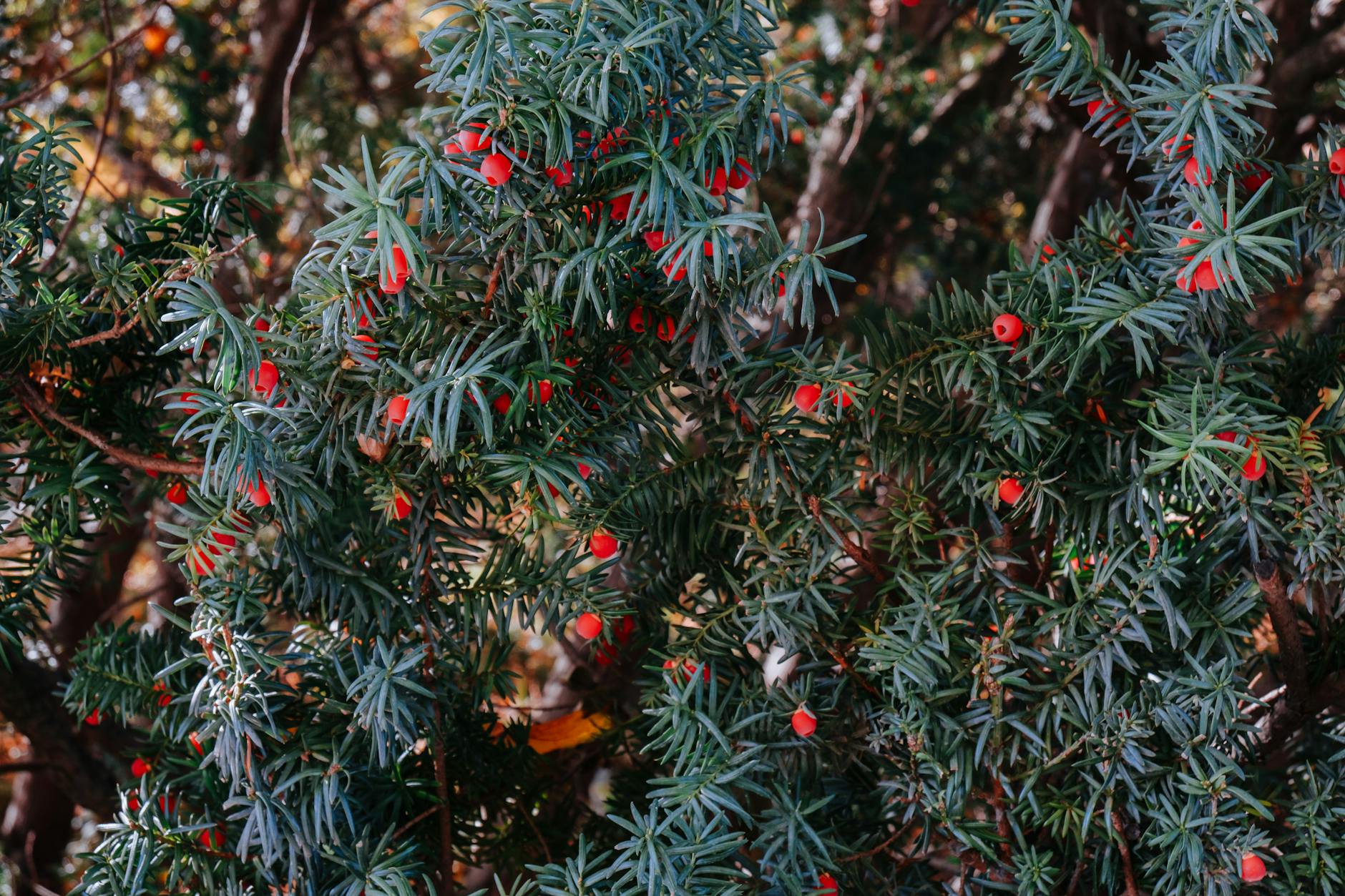
Painswick’s most famous feature is the extraordinary churchyard of St Mary’s Church, where 99 ancient yew trees — many clipped into elaborate sculptural shapes — create an atmosphere that is simultaneously beautiful and otherworldly. Local legend insists that only 99 yew trees can ever grow here; every time a hundredth is planted, the devil kills it. Whether or not you believe the legend, the reality is that the churchyard contains one of the most remarkable collections of ornate 17th and 18th-century table tombs in England, many carved with extraordinary detail.
Just outside the town, the Painswick Rococo Garden is a genuine treasure — the only complete surviving example of a rococo garden in England. Created in the 1740s, it was lost to overgrowth for over two centuries before being painstakingly restored from 1984 onwards. The garden’s theatrical combination of formal garden rooms, Gothic follies, woodland walks, and snowdrop-carpeted slopes in February makes it a delight in every season.
Insider tip: Walk up to Painswick Beacon (about a 20-minute climb from the town centre) for one of the finest viewpoints in the Cotswolds — the panoramic vista across the Severn Vale to the Malvern Hills and Forest of Dean is magnificent. The Falcon Inn in the town centre is a characterful spot for lunch or a pint. Painswick is particularly well-suited to those interested in gardens, architecture, and walking, and it makes an excellent base for exploring the less-visited central Cotswolds.
The Slaughters — Upper and Lower Slaughter
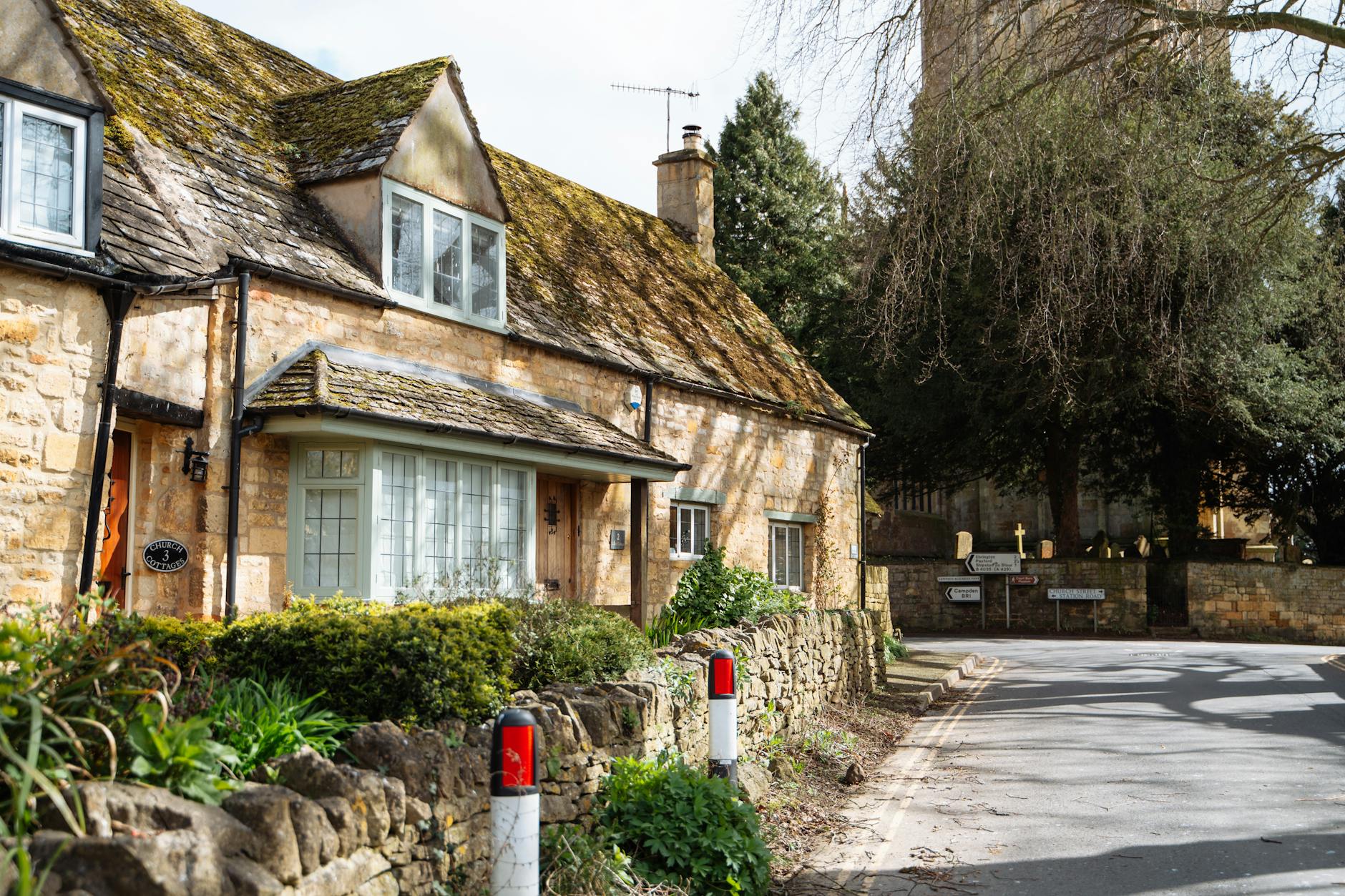
Before you worry — the name “Slaughter” has nothing to do with anything gruesome. It derives from the Old English word “slohtre,” meaning simply “muddy place” — a reference to the marshy ground along the Eye stream that connects these two exquisite villages. Today, Upper and Lower Slaughter are among the most peaceful, photogenic, and unspoilt villages in the entire Cotswolds — places where time seems to have stopped entirely and where the only sounds are birdsong and running water.
Lower Slaughter is the more photographed of the two, thanks to its picture-perfect setting of stone cottages reflected in the still waters of the Eye. The Old Mill, a working watermill dating from the 19th century, now houses a small museum and gift shop, and its wheel still turns — one of the few remaining working watermills in the Cotswolds. The millpond, surrounded by weeping willows and honey-stone walls, is one of the most serene spots in the region.
Upper Slaughter is smaller, higher up the valley, and even quieter. Its cottages cluster around a small ford across the Eye, and the overall atmosphere is one of deep, unhurried tranquillity. The Lords of the Manor Hotel, a magnificent 17th-century rectory turned luxury hotel, is one of the finest places to stay in the Cotswolds and its restaurant serves excellent modern English cuisine in a setting of understated elegance.
The walk between the two villages — roughly one mile each way along the Eye stream — is one of the most pleasant short walks in the Cotswolds. The path follows the water through meadows and past cottages, and the round trip takes about 45 minutes at a relaxed pace.
Insider tip: The Slaughters are an easy walk from Bourton-on-the-Water (about 1.5 miles to Lower Slaughter), so you can combine the two for a half-day outing. There is very limited parking in both villages, so walking from Bourton is strongly recommended. The Slaughters are best suited to couples seeking romance and peace, photographers, and walkers. Visit on a weekday morning for maximum tranquillity.
Burford — The Gateway to the Cotswolds
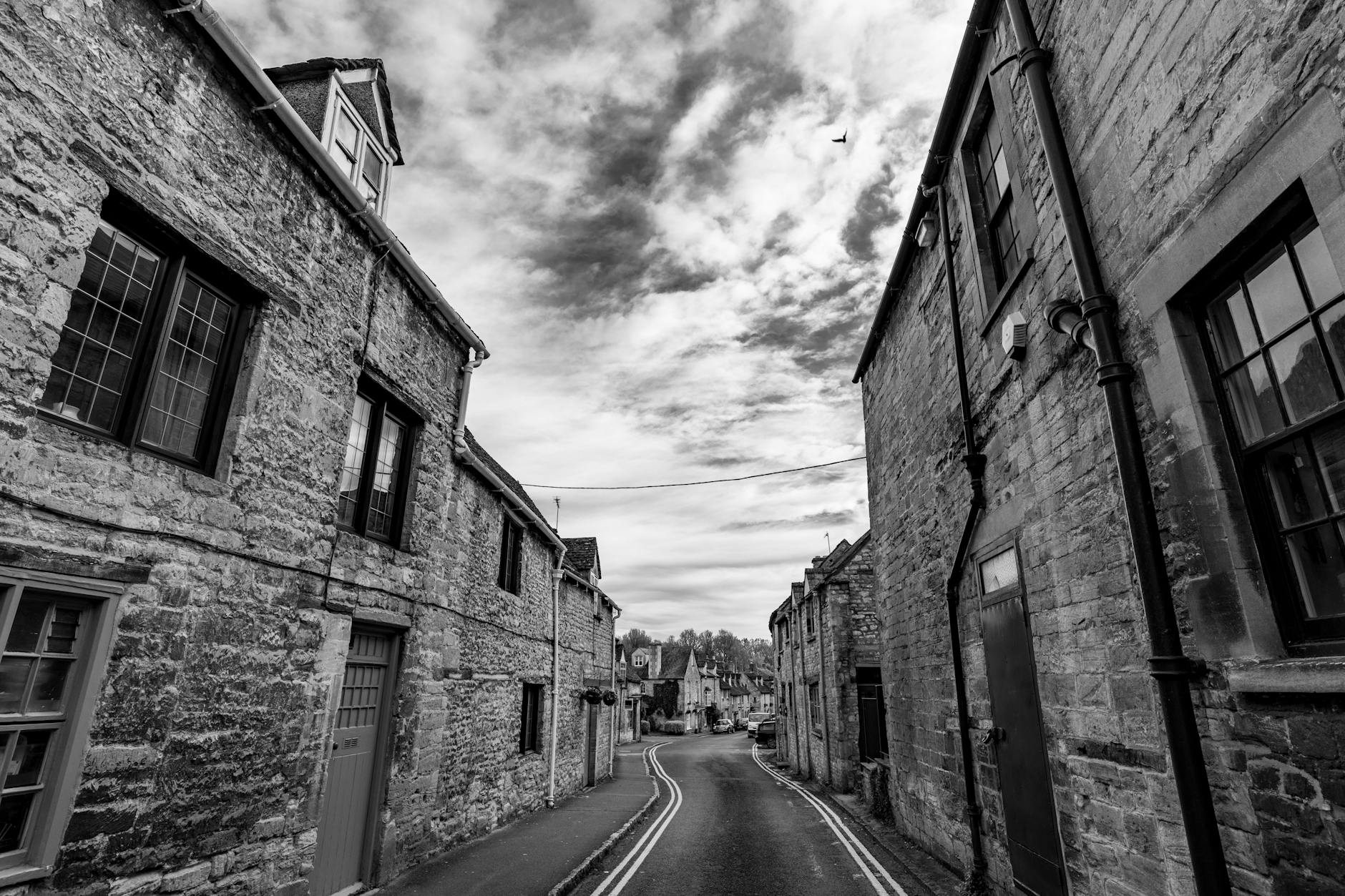
Burford’s dramatic High Street — a wide, steeply sloping avenue lined with a magnificent medley of medieval, Tudor, Georgian, and Victorian buildings — is one of the great streetscapes of the Cotswolds. Approaching from the east along the A40 from Oxford, this is literally and figuratively the gateway to the Cotswolds, and the view as you first crest the hill and see the High Street descending towards the medieval bridge over the River Windrush is one of those moments that takes your breath away.
The High Street is lined with an eclectic and rewarding mix of antique shops, galleries, boutiques, and tea rooms. Burford has long been a magnet for antique hunters, and shops like Swan Gallery, Manfred Schotten Antiques, and numerous others offer everything from fine art and period furniture to vintage jewellery and curiosities. The town also has several excellent independent bookshops.
At the bottom of the High Street, the Church of St John the Baptist holds nearly a thousand years of history. Look for the remarkable Levellers graffiti scratched into the lead font by imprisoned soldiers during the English Civil War — one of the most poignant historical artefacts in the Cotswolds. The Tolsey Museum, housed in the 16th-century tolsey (toll house) where medieval traders paid their dues, offers a fascinating glimpse into Burford’s history as a thriving market town.
Insider tip: Burford is excellently positioned as a gateway stop when entering the Cotswolds from Oxford or London via the A40/M40. The town’s car park is at the top of the High Street. For dining, The Lamb Inn is a gorgeous 15th-century coaching inn with an excellent restaurant and charming rooms. Huffkins bakery and tearoom, a Cotswolds institution since 1890, is the place for scones and tea. Burford works well for antique lovers, history buffs, and anyone entering the Cotswolds from the east.
Snowshill — Small and Unspoilt
Tiny Snowshill is one of the Cotswolds’ most enchanting villages — a handful of honey-stone cottages clustered around a small green in a hillside setting near Broadway. The village feels genuinely remote and undiscovered, a world away from the tourist bustle of Bourton or Bibury. Its main attraction is Snowshill Manor (National Trust), the former home of the eccentric collector Charles Paget Wade, whose extraordinary hoard of over 22,000 objects — from Japanese samurai armour to antique bicycles, musical instruments to children’s toys — fills every room of the Tudor manor house. Wade himself lived in the small cottage next door, declaring the house too full of objects for human habitation.
In summer (typically late June and July), the fields above Snowshill burst into colour as Cotswold Lavender comes into bloom — row upon row of fragrant purple lavender stretching across the hilltop with panoramic views across the countryside. It is one of the most photogenic seasonal spectacles in the Cotswolds and well worth timing your visit to catch it.
Insider tip: There is no village car park — parking is at the National Trust car park near Snowshill Manor (free for members). The village is a short walk from Broadway, making it an excellent add-on if you are visiting that area. Visit Snowshill for its quirky character and peaceful atmosphere — it is the antidote to crowded Cotswold tourism.
Stanton — The Perfectly Preserved Village
Stanton is often described as one of the most complete and unspoilt villages in the Cotswolds — a single street of immaculate honey-stone cottages ascending a gentle hillside, with virtually every building dating from the 16th or 17th century. The village owes its remarkable preservation to Sir Philip Stott, a Lancashire architect who bought most of the village in the early 20th century and spent decades carefully restoring each building to its original character, removing Victorian additions and reinstating traditional features.
There are no shops, no attractions, and no visitor facilities beyond the excellent Mount Inn, a proper village pub perched at the top of the village with views across the vale that are worth the walk alone. This is Stanton’s appeal — it is a village that exists for its residents, not for tourists, and walking through it feels like stepping into a painting. The Stanton Guildhouse runs courses in traditional arts and crafts including woodwork, textiles, and pottery.
Insider tip: Stanton is a favourite with photographers and those seeking the “real” Cotswolds. Park carefully on the roadside (there is no formal car park) and walk the length of the village and back. Combine with nearby Stanway, where Stanway House has the tallest gravity-fed fountain in the world (300 feet), open on limited days in summer.
Moreton-in-Marsh — The Cotswolds’ Most Accessible Village
While not the prettiest village on this list, Moreton-in-Marsh earns its place as the most practical and accessible gateway to the Cotswolds — and it has considerable charm of its own. Its wide High Street, lined with handsome stone buildings, coaching inns, and independent shops, is a pleasant place to spend a morning, and the town has the best transport connections in the region.
The main draw is the famous Tuesday Market, one of the largest and oldest open-air street markets in the Cotswolds, with over 200 stalls stretching along the entire length of the High Street selling everything from local produce, artisan bread, and cheeses to vintage clothing, antiques, and garden plants. It has been held every Tuesday since a charter was granted in 1228 — nearly 800 years of continuous trading.
The town’s other notable features include the Curfew Tower, a 16th-century tower that once rang the curfew bell each evening, and the Wellington Aviation Museum and Art Gallery, a small but fascinating museum dedicated to RAF Bomber Command. The Redesdale Hall hosts regular events and markets.
Insider tip: Moreton-in-Marsh has a direct train service from London Paddington taking approximately 90 minutes (Great Western Railway), making it the easiest Cotswolds destination to reach without a car. From the station, Stagecoach buses connect to Stow-on-the-Wold, Bourton-on-the-Water, Broadway, and Chipping Campden. If you are visiting the Cotswolds by public transport, Moreton is your best starting point. Come on a Tuesday for the market — it transforms the town and is a genuinely enjoyable experience.
Lesser-Known Villages Worth Discovering
While the villages above rightly attract the most visitors, the Cotswolds rewards those who venture beyond the famous names. Here are some lesser-known villages that offer authentic charm without the crowds:
Guiting Power sits in the upper Windrush Valley and is one of the most beautifully maintained villages in the Cotswolds, thanks to a remarkable self-help housing trust established in 1934 that has kept every cottage in pristine condition. The village green, medieval church, and Farmer’s Arms pub create a scene of unspoilt perfection.
Naunton, tucked into a narrow valley along the River Windrush, is a long, thin village of stone cottages that feels wonderfully remote. The four-gabled dovecote (dating from the late 16th century) is a notable feature, and the walking routes along the valley are peaceful and scenic.
Blockley, a former silk-mill village in the north Cotswolds, has gained recent fame as a filming location for the BBC series Father Brown. Its steeply terraced streets, beautiful gardens, and the excellent Crown Inn make it well worth a detour.
Winchcombe is a charming medieval market town with a wonderful mix of half-timbered and stone buildings, excellent independent shops, and proximity to Sudeley Castle — the only private castle in England where a queen (Katherine Parr, Henry VIII’s sixth wife) is buried. The Cotswold Way passes directly through the town.
Northleach, once one of the most important wool towns in the Cotswolds, has a magnificent church (the “Cathedral of the Cotswolds”) with exceptional medieval memorial brasses. The town is quieter than it deserves to be and offers excellent walking in the surrounding countryside.
Great Tew, just over the Oxfordshire border, is an estate village of thatched cottages and immaculate gardens that feels like a film set. The Falkland Arms is one of the most atmospheric pubs in the region.
Fairford, in the southern Cotswolds, is home to the extraordinary Church of St Mary, which contains the only complete set of medieval stained glass windows in England — 28 windows depicting the entire biblical narrative from Creation to the Last Judgement. It is one of the greatest artistic treasures in the Cotswolds and remarkably few visitors know about it.
Cotswolds Villages by Region — A Quick-Reference Guide
Understanding the geography of the Cotswolds will help you plan an efficient village-hopping route. The region is commonly divided into three broad areas, each with its own character:
The North Cotswolds is the most popular and most visited area, home to the highest concentration of famous villages. This is where you will find Broadway, Chipping Campden, Stow-on-the-Wold, Moreton-in-Marsh, Bourton-on-the-Water, the Slaughters, Snowshill, and Stanton. The landscape here features broad, sweeping hills, wide valleys, and the classic Cotswold escarpment views. Most first-time visitors concentrate their time in the north, and it is the most accessible area from London by train (via Moreton-in-Marsh). If you have limited time, this is the area to prioritise.
The Central Cotswolds is centred around the historic town of Cirencester (the Roman capital of the region, known as Corinium) and includes Bibury, Northleach, Burford, the Coln Valley villages, and Fairford. This area tends to be slightly quieter than the north while offering equally beautiful scenery and excellent walking. The limestone here is at its most golden, and the gentle river valleys create an especially peaceful landscape. The central Cotswolds is ideal for those seeking a calmer, less tourist-heavy experience.
The South Cotswolds stretches from Tetbury and Painswick down towards Bath and includes Castle Combe, Malmesbury, the Stroud Valleys, and Nailsworth. This area has a different character — more wooded valleys, rolling hills, and a stronger connection to the Arts and Crafts heritage. The proximity to Bath makes the south Cotswolds an excellent option for those combining the two destinations. Castle Combe, Painswick, and Tetbury are the standout villages in this area.
Best Time to Visit Cotswolds Villages
The prettiest Cotswolds villages are beautiful in every season, but timing your visit strategically will significantly enhance your experience.
Spring (April-May) is magical — cottage gardens burst into bloom with wisteria, climbing roses, and herbaceous borders reaching their peak. The countryside is vividly green, wildflowers carpet the meadows, and the light has a fresh, clear quality that photographers adore. This is arguably the best time for village photography.
Summer (June-August) brings the warmest weather, longest days, and the gardens at their fullest. However, it also brings the largest crowds — popular villages like Bourton-on-the-Water and Bibury can feel genuinely uncomfortably busy on summer weekends. If you visit in summer, prioritise early mornings, weekday visits, and the lesser-known villages.
Autumn (September-October) is a favourite among experienced Cotswolds visitors. The crowds thin dramatically after the school holidays end in early September, yet the weather often remains warm and pleasant through October. The honey-stone buildings look particularly magnificent against the backdrop of autumn foliage — especially in villages surrounded by mature trees like Stanton, Snowshill, and Blockley.
Winter (November-February) brings a quieter, more atmospheric Cotswolds. Frosty mornings, bare trees, and low winter sunlight create a moody beauty that is entirely different from the summer postcard scenes. December brings Christmas markets in Cirencester, Cheltenham, and Stow-on-the-Wold. Accommodation prices are significantly lower outside the Christmas and New Year peak.
How to Plan Your Cotswolds Village Tour
Planning an efficient route through the Cotswolds villages will help you make the most of your time. Here are suggested itineraries based on how many days you have:
One day (car or guided tour): Focus on the North Cotswolds triangle — start at Stow-on-the-Wold, drive to Bourton-on-the-Water (10 minutes), walk to Lower Slaughter (20 minutes), then drive to Broadway (20 minutes) with an optional stop at Snowshill. This hits four of the most beautiful villages in one efficient circuit.
Two days: Day one as above. Day two, drive south to Bibury (30 minutes from Bourton), continue to Burford (15 minutes), and if time allows, visit Chipping Campden (40 minutes north) for the finest High Street in the Cotswolds.
Three days: The first two days as above. Day three, venture to the south Cotswolds — Castle Combe (about 45 minutes from Cirencester) and Painswick (30 minutes from Cirencester), with a stop in Cirencester itself for the Corinium Museum and the town’s excellent market square.
Driving tips: Many Cotswold roads are narrow, single-track lanes with passing places. Drive slowly, be prepared for tractors, horses, and sheep, and keep your speed low through villages. Parking in popular villages is often limited — many car parks now use app-based payment (RingGo and PayByPhone are the most common), so download these before your trip. Most village car parks charge £2 to £5 for a few hours.
Without a car: The Cotswolds Discoverer ticket (currently £15 for adults) offers unlimited travel on participating Stagecoach buses and local trains. From Moreton-in-Marsh station, bus 801 connects to Stow-on-the-Wold and Bourton-on-the-Water. The on-demand Robin minibus service fills gaps in rural areas for just £3 per ride. Alternatively, guided small-group tours from London (operators include Go Cotswolds and Rabbie’s) handle all the logistics and typically visit three to four villages in a day.
Practical Tips for Visiting Cotswolds Villages
Parking: Arrive early at popular villages (before 10am) to secure a parking space, especially on weekends and in summer. Download the RingGo and PayByPhone apps before your trip, as many car parks no longer accept cash. Some villages (Castle Combe, the Slaughters, Stanton) have very limited or no parking — plan accordingly.
Footwear: Wear comfortable walking shoes with good grip. Cotswolds villages often have uneven stone pavements, cobbled streets, and unpaved footpaths that can be slippery when wet. High heels and flip-flops are a recipe for disaster.
Cash: While most pubs, restaurants, and shops accept cards, it is wise to carry some cash for market stalls, small village shops, and the occasional parking meter that does not accept apps.
Weather: English weather is unpredictable — even in summer, rain can arrive quickly. Always carry a waterproof jacket and dress in layers. The Cotswolds’ hilltop villages (Stow, Broadway Tower, Painswick Beacon) can be significantly windier and cooler than the valley villages.
Mobile phone signal: Be aware that signal is patchy throughout the Cotswolds. Many valleys have weak or no signal, particularly for data. Download offline maps (Google Maps allows offline areas) and key information before heading out.
Respect for residents: Remember that these are real communities, not theme parks. Be considerate about noise levels, do not peer into private gardens or windows, keep to public footpaths, and do not park across driveways or in residents’ spaces. The Cotswolds depends on the goodwill between visitors and residents — please help maintain it.
Start Exploring the Cotswolds’ Most Beautiful Villages
Village Guides: Explore Each One in Depth
Every village below has its own full guide — the best things to do, where to park, where to eat and how to get there:
- Bourton-on-the-Water — the riverside “Venice of the Cotswolds”
- Bibury — Arlington Row and the River Coln
- Castle Combe — often called the prettiest village in England
- Broadway — the broad High Street and Broadway Tower
- Stow-on-the-Wold — the high market town and its famous church door
- Chipping Campden — the curved High Street and the Cotswold Way
- Painswick — the “Queen of the Cotswolds” and its 99 yews
- Upper & Lower Slaughter — two unspoilt villages on the River Eye
- Burford — the gateway to the Cotswolds
- Snowshill — the manor, the lavender and the quiet
- Stanton & Stanway — two of the most photogenic villages of all
- Moreton-in-Marsh — the Tuesday market town on the Fosse Way
Planning the wider trip? Start with our complete guide to visiting the Cotswolds, browse ready-made Cotswolds itineraries, and see where to stay.
The prettiest villages in the Cotswolds are among the most beautiful places in England — and once you visit, you will understand why millions of people fall in love with this region every year. Maybe it is the riverside setting of Bourton-on-the-Water, the timeless look of Castle Combe, the quiet of the Slaughters, or the understated charm of Guiting Power and Stanton. Somewhere among them is a village to capture your heart.
Use this guide to plan your route, and explore our in-depth individual village guides for even more detail on each destination. And for everything else you need to know about planning a trip to the Cotswolds — including transport, accommodation, food, and walks — see our Complete Guide to Visiting the Cotswolds.
The honey-stone villages are waiting. All you need to do is choose where to start.
Travelling with a particular trip in mind? The villages take on a different character depending on why you are here — see romantic Cotswolds for couples, Cotswolds shopping, markets and antiques for the market towns worth a browse, and Cotswolds history and heritage for the wool-trade story behind the honey-stone streets.