This article contains advertising. My booking links are routed through a partner that adds commission tracking automatically, so if you book through one I earn a commission from the provider, at no extra cost to you. It never affects what I recommend. Affiliate disclosure
Ask ten people what the best things to do in the Cotswolds are and you will get ten different answers, because this is a corner of England that does a little of everything brilliantly. In a single long weekend you can wander a village that has barely changed in 500 years, stand in the birthplace of Winston Churchill, walk a hilltop with views over five counties, feed a rare-breed lamb and finish with a cream tea in a honey-stone tearoom. After years of exploring this landscape, I have lost count of the times a “quick look at one village” has turned into a whole day of happy detours.
This is my definitive list of the 50 best things to do in the Cotswolds, organised into clear categories so you can build the trip that suits you, be that pretty villages, grand houses, gardens, family days out or long country walks. It works hand in hand with our main guide to things to do in the Cotswolds, and I have linked through to detailed guides for the big-hitters so you can dig deeper wherever something catches your eye.
The Prettiest Villages You Have to See
If you do nothing else in the Cotswolds, see the villages. This is where the region earns its reputation, in winding lanes of golden limestone cottages, packhorse bridges and flower-filled gardens. These are my essential eight, and you will find many more in our guide to the prettiest villages in the Cotswolds.
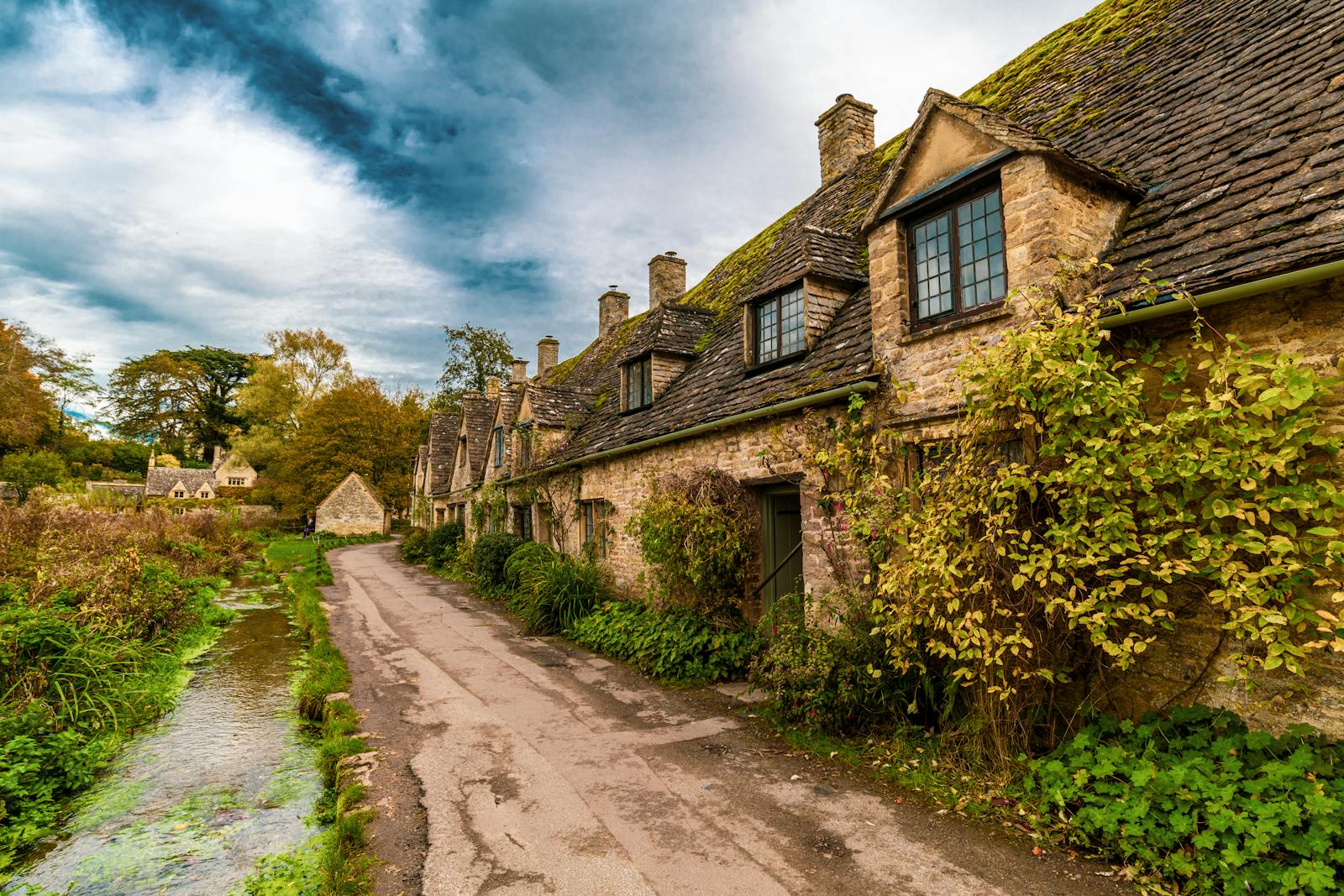
- Bibury & Arlington Row (near Cirencester) — a row of 14th-century weavers’ cottages so iconic it appears inside the UK passport; William Morris called Bibury the most beautiful village in England.
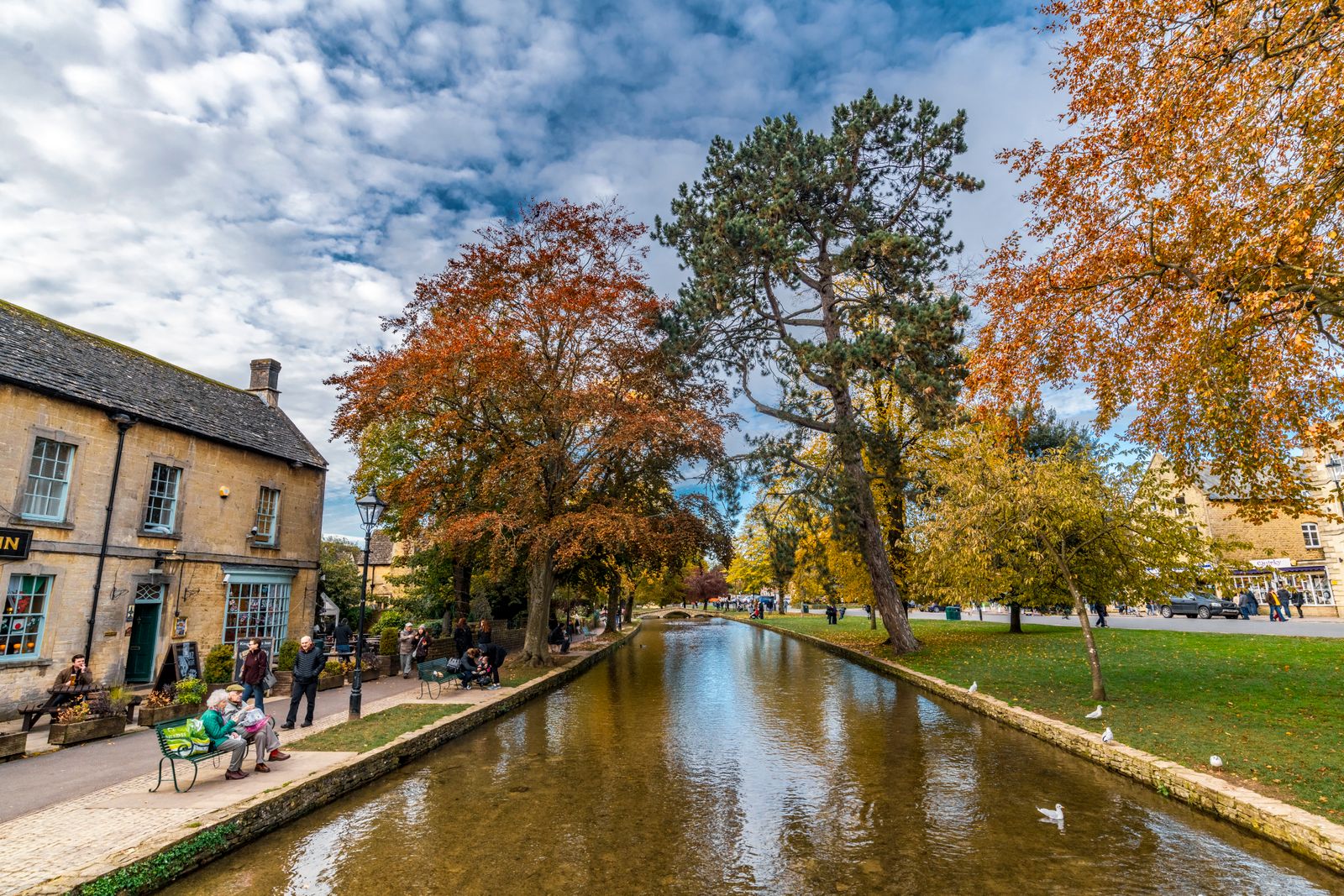
- Bourton-on-the-Water — the “Venice of the Cotswolds”, where low stone bridges cross the River Windrush along the village green.
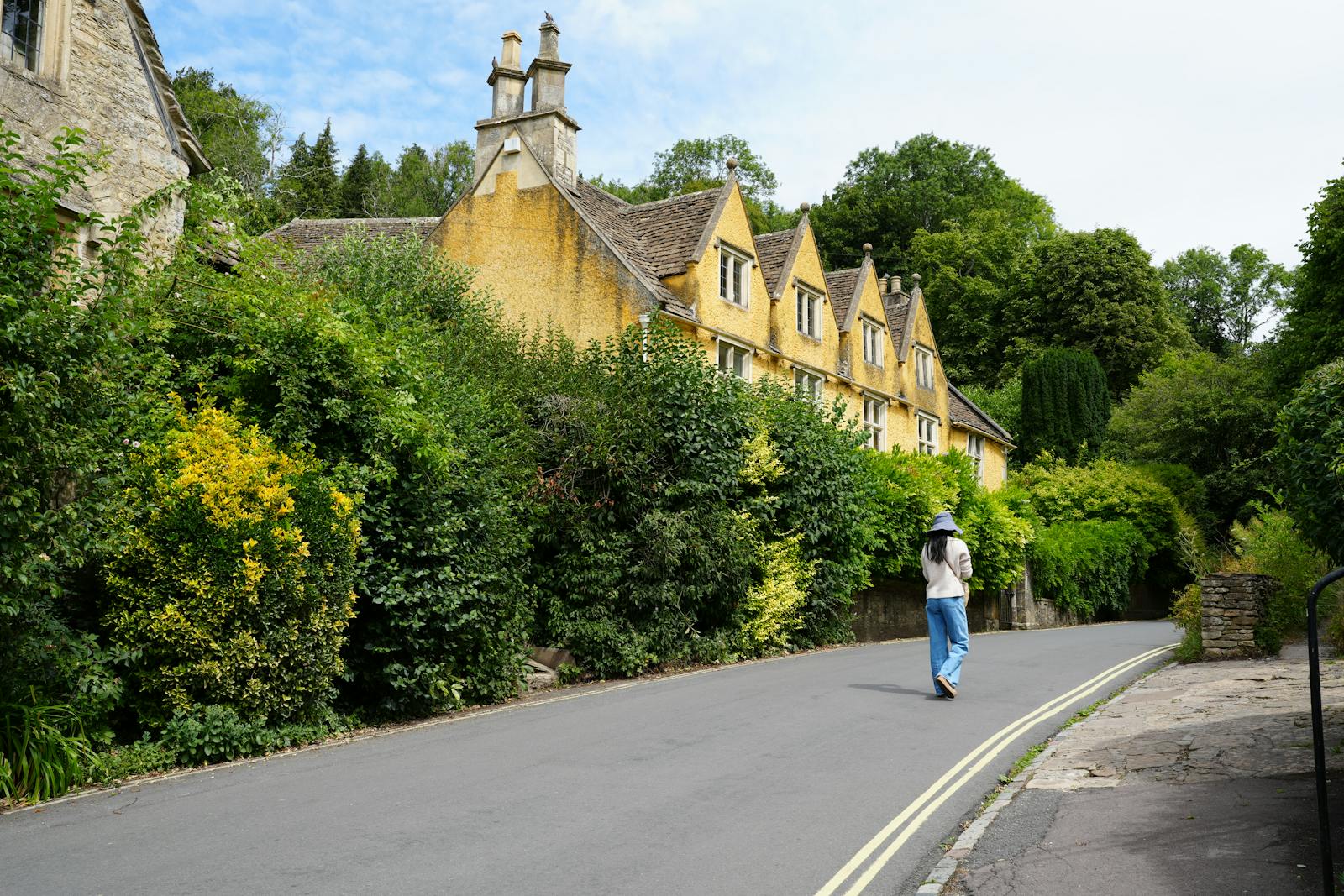
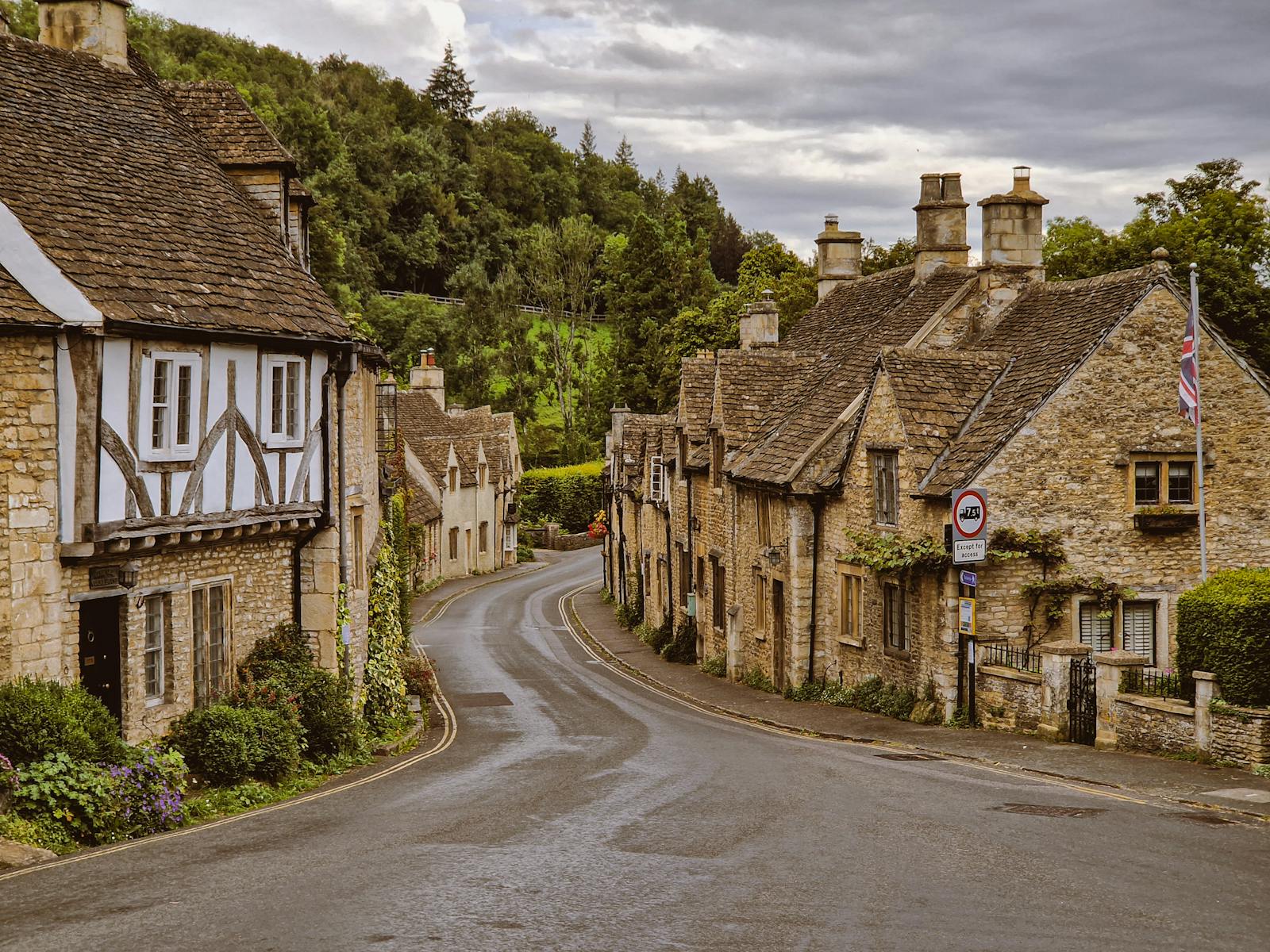
- Castle Combe (Wiltshire) — frequently crowned England’s prettiest village, with no new houses, aerials or streetlights to spoil the view.
- Upper & Lower Slaughter — twin honey-stone villages on the little River Eye, linked by a lovely riverside footpath past a 19th-century mill.
- Stanton (near Broadway) — one of the most unspoilt villages of all, a perfect run of thatch and golden stone with barely a tourist in sight.
- Snowshill — a hilltop hamlet of huge charm, home to the wonderfully eccentric Snowshill Manor and summer lavender fields.
- Painswick — the “Queen of the Cotswolds”, famous for the 99 clipped yew trees in its atmospheric churchyard.
- Broadway — the “Jewel of the Cotswolds”, a wide, elegant high street of antique shops, galleries and tearooms.
Stately Homes, Castles & Historic Houses
The Cotswolds and its fringes are extraordinarily rich in grand houses, from a UNESCO World Heritage palace to a castle with a Tudor queen buried in its grounds. These are the ones worth building a day around.
- Blenheim Palace (Woodstock) — a baroque masterpiece, UNESCO World Heritage Site and the birthplace of Sir Winston Churchill, set in 2,000 acres of Capability Brown parkland.
- Sudeley Castle (Winchcombe) — the only private castle in England with a queen, Katherine Parr, buried in its grounds, surrounded by ten award-winning gardens.
- Snowshill Manor (National Trust) — a Tudor manor crammed with one man’s collection of more than 22,000 curious objects.
- Chastleton House (near Moreton-in-Marsh) — a beautifully untouched Jacobean house where the modern rules of croquet were first written down.
- Chedworth Roman Villa (National Trust, Yanworth) — one of the largest Romano-British villas in the country, with superb mosaics and bath houses.
- Highgrove Gardens (Tetbury) — King Charles III’s celebrated organic gardens, open for pre-booked guided tours in the warmer months.
Glorious Gardens & Arboretums
This is one of the great gardening regions of England, and a garden visit is one of the most rewarding things to do in the Cotswolds in any season. For the full picture, see our guide to the best gardens to visit in the Cotswolds.
- Hidcote Manor Garden (National Trust, near Chipping Campden) — the iconic Arts and Crafts garden of themed “rooms” divided by immaculate hedges.
- Kiftsgate Court Gardens — a hillside garden directly opposite Hidcote, home to the enormous Kiftsgate rose, reputedly the largest in Britain.
- Painswick Rococo Garden — the only complete surviving rococo garden in the country, magical in February when the snowdrops carpet the valley.
- Westonbirt, The National Arboretum (near Tetbury) — 15,000 trees and 17 miles of paths, unforgettable for its autumn colour.
- Batsford Arboretum (near Moreton-in-Marsh) — one of the largest private tree collections in Britain, glorious in spring and autumn.
- Cotswold Lavender (Snowshill) — rows of purple lavender open to visitors in high summer, typically late June to early August.
Family Days Out & Wildlife
Travelling with children? The Cotswolds is full of brilliant family attractions, and you will find even more in our guide to visiting the Cotswolds with kids.
- Cotswold Wildlife Park & Gardens (near Burford) — a 160-acre park around a Victorian manor, home to giraffes, white rhinos, lions and penguins.
- Adam Henson’s Cotswold Farm Park (Guiting Power) — the Countryfile presenter’s rare-breeds farm, hands-on and perfect for younger children.
- Birdland Park & Gardens (Bourton-on-the-Water) — nine acres of aviaries and the UK’s only colony of king penguins.
- The Model Village (Bourton-on-the-Water) — a one-ninth-scale stone replica of Bourton itself, built in 1937.
- Cotswold Falconry Centre (Batsford) — daily flying displays from around 150 birds of prey.
Walks, Hills & the Best Viewpoints
The Cotswolds is, at heart, walking country, and some of the best things to do here cost nothing but a little effort. Our guide to walking and hiking in the Cotswolds has detailed routes, but start with these.
- Broadway Tower — a hilltop folly on the Cotswolds’ second-highest point, with views said to reach 16 counties; the parkland has its own deer.
- Cleeve Hill & Cleeve Common — the highest point in the Cotswolds (330m), with sweeping free views over Cheltenham to the Malverns and Wales.
- Dover’s Hill (National Trust, near Chipping Campden) — a natural amphitheatre and home of the centuries-old Cotswold Olimpicks.
- The Cotswold Way — the 102-mile National Trail from Chipping Campden to Bath; even a short stretch is a joy.
- Crickley Hill Country Park — an Iron Age hillfort with big views over the Severn Vale.
- Belas Knap Long Barrow (near Winchcombe) — a 5,000-year-old Neolithic burial mound reached on a fine hill walk.
Historic Market Towns
Between the villages sit a string of handsome market towns, each with its own character, market days and independent shops.
- Cirencester — the “Capital of the Cotswolds”, with Roman roots and a magnificent wool church.
- Stow-on-the-Wold — the highest Cotswold town, beloved for antiques and the famous yew-framed door of St Edward’s Church.
- Tetbury — an antiques town with a 17th-century pillared Market House and royal connections.
- Moreton-in-Marsh — home to the biggest open-air market in the Cotswolds every Tuesday.
- Chipping Campden — a curving high street crowned by the 1627 Market Hall, and the start of the Cotswold Way.
- Burford — the “Gateway to the Cotswolds”, its steep medieval high street tumbling down to the River Windrush.
Food, Drink & Quirky Experiences
Finally, the experiences that turn a good trip into a great one, from farm shops and distilleries to some genuinely eccentric local traditions. Our guide to Cotswolds food and drink covers the edible side in full.
- Daylesford Organic Farm (near Kingham) — an award-winning farm shop, café, spa and cookery school.
- Cotswolds Distillery (Stourton) — tours and tastings of award-winning gin and single malt whisky.
- A proper Cotswold cream tea — scones, clotted cream and jam in a stone tearoom, best enjoyed unhurried.
- Stroud Farmers’ Market — regularly rated one of the best farmers’ markets in the country, every Saturday.
- Cotswold Perfumery (Bourton-on-the-Water) — design and bottle your own fragrance on a perfumery course.
- Rollright Stones (near Chipping Norton) — an atmospheric Neolithic and Bronze Age stone circle steeped in legend.
- The St Edward’s Church “Tolkien door” (Stow) — an ancient door framed by two yew trees, said by some to have inspired the Doors of Durin.
- Cooper’s Hill Cheese-Rolling (near Brockworth) — the gloriously bonkers spring tradition of chasing a wheel of Double Gloucester down a near-vertical hill.
- The Cotswold Olimpicks (Dover’s Hill) — 400-year-old “shin-kicking” games held each June, free to watch.
- Wild swimming on the upper Thames (near Lechlade) — a refreshing dip in some of England’s gentlest river scenery.
How to Combine It All: A Quick Itinerary
If you only have a few days, do not try to do everything. A realistic and rewarding plan is to spend one day on villages (Bibury, Bourton and the Slaughters sit close together), one day on a “big ticket” attraction such as Blenheim Palace or Sudeley Castle paired with a nearby town, and one day in the hills, walking a stretch of the Cotswold Way and climbing Broadway Tower or Cleeve Hill. Mix in a garden or a farm park if you have children, and leave plenty of room for unplanned tearoom stops. For more structured plans, see our Cotswolds itineraries and day trips and our guide to how many days you need in the Cotswolds.
Practical Tips for Ticking Off the List
- Base yourself centrally: Staying near Stow-on-the-Wold, Moreton-in-Marsh or Burford puts most of these attractions within a 30-minute drive.
- Start early: The honeypot villages like Bibury and Bourton are blissful before 9am and busy by midday.
- Mix paid and free: Balance ticketed attractions with the region’s many free things to do in the Cotswolds to keep costs down, and see our tips for visiting the Cotswolds on a budget.
- Check opening seasons: Many houses and gardens close in winter, so confirm before you travel, especially out of season.
- Consider a National Trust membership: If you plan to visit Hidcote, Snowshill, Dover’s Hill and Chedworth, membership can quickly pay for itself.
The Cotswolds Through the Seasons
Part of the joy of the Cotswolds is that it offers something different in every season, so the best things to do shift through the year. In spring, the gardens burst into life, the lambs arrive at the farm parks, and Batsford Arboretum fills with magnolias and daffodils. Summer brings long, golden evenings, the lavender fields at Snowshill, open-air theatre and a packed calendar of Cotswolds events and festivals, and the warmest weather for walking and wild swimming, though it is also the busiest time, so book accommodation early.
Autumn is, for many of us, the most beautiful season of all: Westonbirt and Batsford blaze with colour, the crowds thin, and there is a real crispness to the morning air. And winter has its own quiet magic, from snowdrops at Painswick Rococo Garden in February to the twinkling Christmas light trails at Blenheim Palace and Westonbirt, plus cosy pub fires and frosty hilltop walks. Whenever you visit, our month-by-month guide to the best time to visit the Cotswolds will help you match your trip to what is at its best.
Where to Base Yourself
Because so many of these attractions sit within a 30-minute drive of one another, choosing a central base lets you tick off far more without long journeys. Stow-on-the-Wold and Moreton-in-Marsh are both excellent, central choices in the north Cotswolds, close to the Slaughters, Bourton, Blenheim and the farm parks, and Moreton has the bonus of a mainline railway station. Burford is perfectly placed for Cotswold Wildlife Park and the Oxfordshire side, while Cirencester suits the southern Cotswolds, Westonbirt and the Roman sites.
Whichever you choose, it is worth staying at least two or three nights so you can settle in, explore at a relaxed pace and catch the villages at their magical early-morning best. Our guide to where to stay in the Cotswolds breaks down the best areas and options, and for couples, our romantic Cotswolds guide highlights the most special places to stay.
The Cotswolds for Every Kind of Traveller
One of the reasons the Cotswolds has such enduring appeal is that it shapes itself around whatever kind of trip you are looking for. If you are visiting as a couple, the region is made for romance: candlelit dinners in honey-stone inns, lazy mornings in a luxury spa hotel, sunset walks along the escarpment and the exotic surprise of Sezincote’s water garden. Our guide to the romantic Cotswolds is full of ideas for a special escape.
Travelling as a family, you are spoilt for choice, with wildlife parks, farm parks, model villages, mazes and gentle rivers to paddle in, all of which feature in our guide to the Cotswolds with kids. Walkers and outdoor lovers have the 102-mile Cotswold Way and a vast network of footpaths, while foodies can graze their way around farm shops, farmers’ markets, distilleries and Michelin-recommended pubs. And for history and culture buffs, there are Roman villas, Tudor castles, a UNESCO palace and world-class gardens within easy reach of one another. Whatever brings you here, there is a version of the Cotswolds with your name on it.
Getting Around to See It All
To tick off a good number of these attractions, it helps to think about how you will travel. The honest truth is that a car gives you the most freedom, as many of the villages, gardens and country attractions are tucked down lanes with little or no public transport. Roads can be narrow and winding, so allow more time than the mileage suggests, drive slowly and park considerately in the villages, which were never built for modern traffic.
That said, you can absolutely enjoy the Cotswolds without a car. The mainline railway stops at Moreton-in-Marsh, Kingham, Charlbury and Kemble, putting several towns within reach of direct trains from London and Oxford, and local buses link many of the larger villages. Cycling is another wonderful, if hilly, way to explore, and a number of attractions offer discounts for arriving car-free. Our guide to getting to and around the Cotswolds sets out all your options in detail.
Frequently Asked Questions
What is the number one thing to do in the Cotswolds?
Exploring the honey-stone villages tops most lists, and Bibury (with its famous Arlington Row) and Bourton-on-the-Water are the two most popular of all. If you prefer a single big attraction, Blenheim Palace is the region’s headline day out.
How many days do you need to see the Cotswolds?
Three to four days lets you combine a few villages, a stately home or garden and a hill walk without rushing. A week allows you to explore at a genuinely relaxed pace and reach the quieter corners.
What is the Cotswolds famous for?
Rolling hills, golden limestone villages, grand houses like Blenheim Palace, beautiful gardens, the 102-mile Cotswold Way and a long tradition of English cream teas and country pubs.
Is the Cotswolds good for families?
Very much so. Cotswold Wildlife Park, Adam Henson’s Cotswold Farm Park, Birdland and the Model Village are all geared towards children, and the gentle rivers and hills are perfect for younger explorers.
What are the best free things to do in the Cotswolds?
The villages, the Cotswold Way, the great “wool churches”, the market days and hill viewpoints like Cleeve Hill and Broadway Tower’s parkland are all free. See our dedicated guide to free things to do for the full list.
Start Planning Your Cotswolds Adventure
However you choose to spend your time, the Cotswolds rewards curiosity and a slow pace. Use this list as your menu, pick the experiences that excite you most, and read through our detailed guides to things to do in the Cotswolds, the best villages and the region’s finest gardens to turn this list into your perfect trip. If you are still in the early stages, our complete guide to visiting the Cotswolds ties it all together.