This article contains advertising. My booking links are routed through a partner that adds commission tracking automatically, so if you book through one I earn a commission from the provider, at no extra cost to you. It never affects what I recommend. Affiliate disclosure
Of all the historic houses in the Cotswolds, Sudeley Castle holds a distinction that none can match: it is the only private castle in England with a queen buried in its grounds. That queen is Katherine Parr, the sixth and last wife of Henry VIII, who lived, died and was laid to rest here in 1548. Walk through the ten gardens, past the ruined Tudor banqueting hall and into the little church where she lies, and you feel the weight of a thousand years of English history pressing in from every side.
Set just outside the lovely market town of Winchcombe, in the heart of the Cotswolds, Sudeley is one of those rare places that satisfies everyone: history lovers, garden enthusiasts and families all leave happy. This Sudeley Castle guide walks you through its extraordinary royal story, the famous gardens, what to see inside, the family attractions, and all the practical details on tickets, opening times and getting there. It is one of the most rewarding of all Cotswold things to do, and a personal favourite of mine.
Why Visit Sudeley Castle?
Sudeley’s appeal is rooted in its unique combination of intimacy and grandeur. Unlike a state-run monument, it remains a private family home, lived in and loved, which gives it a warmth that grander houses often lack. Yet its history is genuinely royal: this is a place that has hosted Anne Boleyn, sheltered Lady Jane Grey, entertained Elizabeth I and been fought over in the Civil War.
Around the castle spread ten award-winning gardens, consistently ranked among the finest in the country, and within the grounds stand the romantic ruins of a 15th-century banqueting hall and the church where a Tudor queen is buried. For families there is a big adventure playground and a trail of giant animal sculptures, so a visit easily fills a whole day. If you are also planning to see Blenheim Palace, the two make a wonderful pair of contrasting historic houses.
A Thousand Years of Royal History
Sudeley’s story stretches back over a millennium, and the cast of characters reads like a roll-call of English history. Richard III, as Duke of Gloucester and later king, owned Sudeley and built the now-ruined Banqueting Hall. Henry VIII visited in 1535 with Anne Boleyn. After Henry’s death his widow, Katherine Parr, came to live here, bringing with her the young Lady Jane Grey, the “nine-day queen”, who would later act as chief mourner at Katherine’s funeral. Elizabeth I visited three times, famously holding a lavish three-day celebration at Sudeley in 1592 to mark the defeat of the Spanish Armada.
Then came the English Civil War. Sudeley was a Royalist stronghold that sheltered Charles I and his nephew Prince Rupert, and after a series of sieges it was deliberately “slighted” on Parliament’s orders in 1649, left ruined and uninhabitable for nearly 200 years. You can still see a Civil War cannonball hole in the Octagon Tower, a tangible scar from those turbulent years. The castle’s rescue came in 1837, when the wealthy Worcester glovemakers John and William Dent bought it and began a careful restoration, continued with great devotion by Emma Dent later in the century. You can explore the wider regional story in our guide to Cotswolds history and heritage.
Katherine Parr & St Mary’s Church
The emotional heart of any visit is the story of Katherine Parr. Having survived her marriage to Henry VIII, she married Sir Thomas Seymour and moved to Sudeley, where she gave birth to a daughter in the summer of 1548 but died of childbed fever just days later, aged only 36. She was buried in St Mary’s Church in the castle grounds, making her the only English queen to be buried on private land. Her tomb, lost when the chapel fell into ruin, was rediscovered in 1782 and is now beautifully restored.
It is a quietly remarkable place to stand. Katherine was a learned and influential woman, the first English queen to publish her own writing under her own name, and the church and its surrounding White Garden form one of the most peaceful and atmospheric corners of the whole estate. Take a few minutes here; it is the kind of history you can almost reach out and touch.
The Ten Award-Winning Gardens
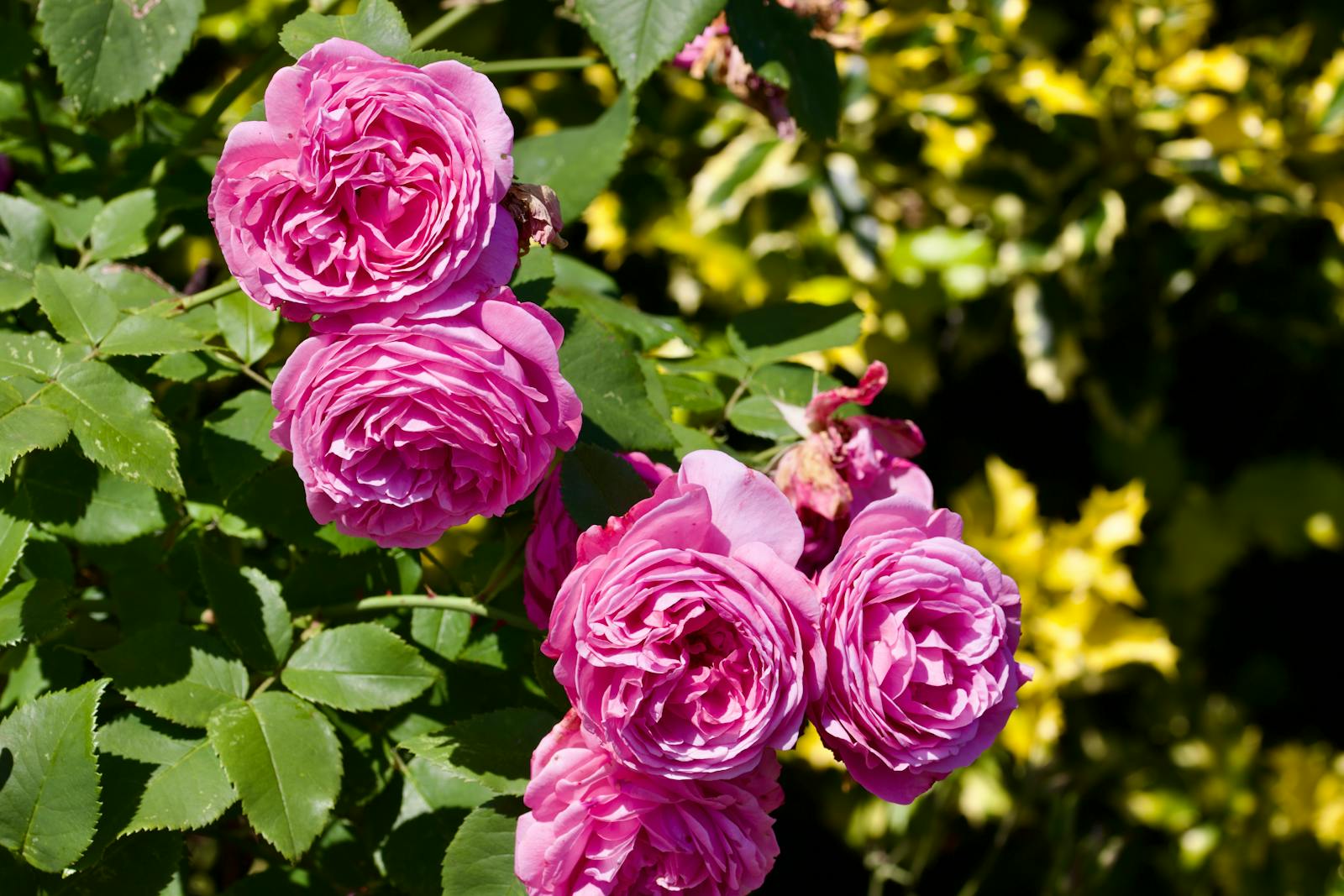
Sudeley’s ten gardens are reason enough to visit on their own, and they are spectacular from spring right through to autumn. The undoubted centrepiece is the Queens’ Garden, named for the four queens who have walked here, framed by towering yew hedges planted in the 1860s and filled with more than 80 varieties of old-fashioned and modern rose that perfume the air in early summer.
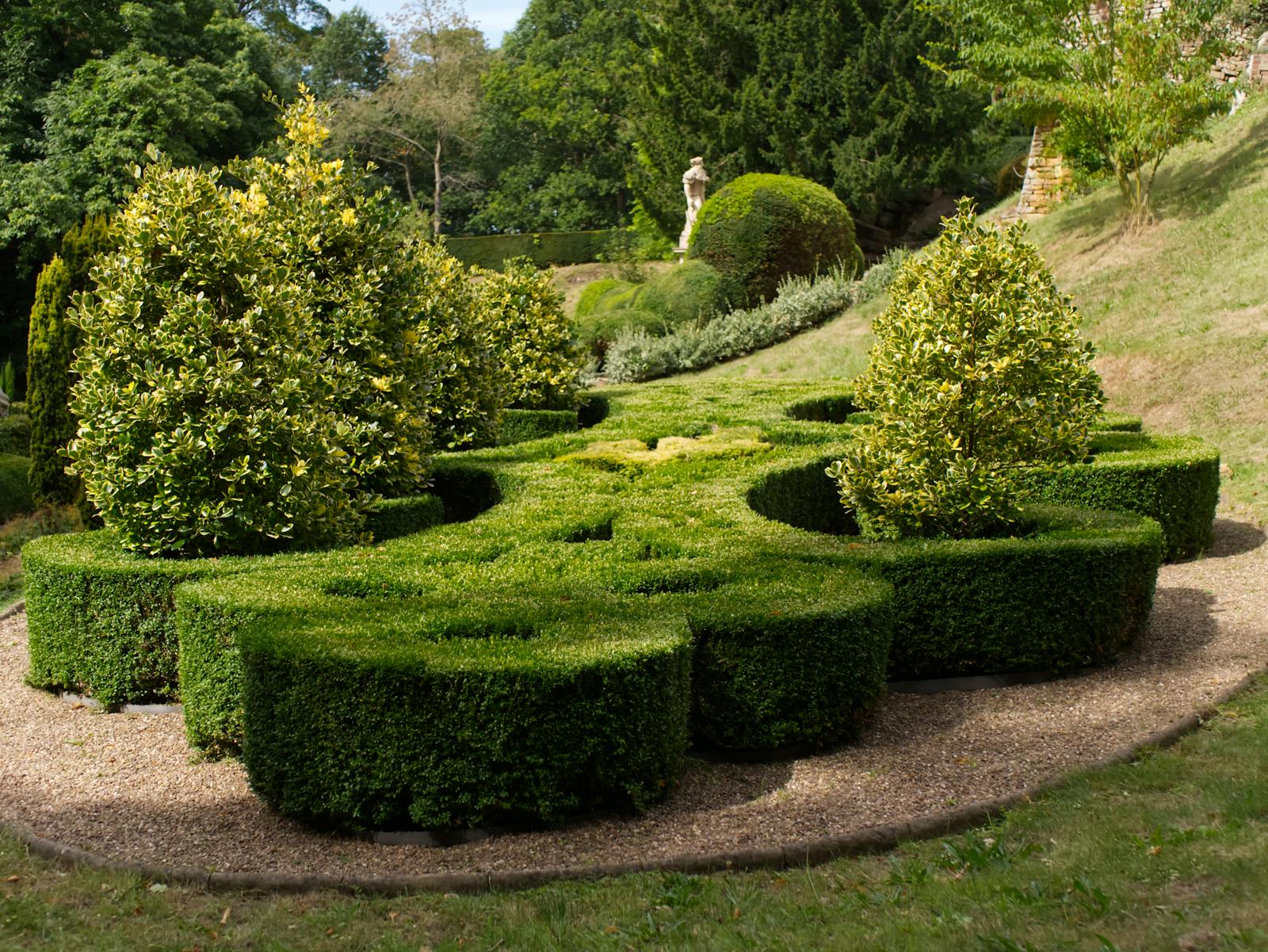
Around it lie a sequence of beautifully distinct spaces. The Knot Garden recreates an intricate Tudor design said to echo a pattern on a dress in a famous Elizabethan painting. The romantic Secret Garden, the White Garden around St Mary’s Church, the Tithe Barn Garden with its ruined medieval barn and koi-filled pond, and the herb and physic gardens each have their own mood. Wandering between them, with the castle and its ruins as a backdrop, is a genuine delight, and a must for anyone exploring the best gardens in the Cotswolds.
Inside the Castle: Exhibitions & Tudor Treasures
Within the castle’s surviving wings, a series of exhibitions brings the Tudor story vividly to life. The headline display tells the tale of the Six Wives of Henry VIII, complete with replica costumes, while elsewhere you can see treasures connected to Katherine Parr, including items associated with her life and tomb, and the celebrated painting An Allegory of the Tudor Succession. There are also fine collections of furniture, tapestries and paintings gathered by the Dent family during the castle’s Victorian restoration.
Because Sudeley is still a family home, the rooms open to visitors can vary, and the atmosphere is more personal and lived-in than at a typical museum-piece stately home. That intimacy is a big part of its charm.
Family Days Out at Sudeley
Sudeley takes families seriously, which makes it a great choice if you are travelling with children, as our guide to the Cotswolds with kids explains. The large adventure playground features a play fort with towers, bridges, climbing walls, slides, swings, a zip wire and a multi-part obstacle course, while a trail of oversized animal sculptures, from a giant hedgehog to stags and a warthog, gives younger explorers a fun reason to roam the grounds. For another hands-on day with children, the rare-breeds Cotswold Farm Park is a short drive away. The estate also has a long-running connection with bird and wildlife conservation, so check what is on during your visit.
Throughout the season Sudeley runs a packed programme of events, from Tudor history weekends and falconry days to seasonal family activities. It is well worth checking the castle’s events calendar when you plan your trip, as there is often something special on, and our round-up of Cotswolds events and festivals covers what else is happening nearby.

Tickets, Opening Times & the 2026 Season
Sudeley Castle is a seasonal attraction, generally open daily from mid-March to early November (for 2026, from 14 March to 1 November). Gates typically open at 10.00am with last admission in the mid-afternoon, so arrive earlier in the day to make the most of the gardens and exhibitions. A handful of dates each year are reserved for private events and weddings, so do check before you travel.
As a guide to 2026 prices (always confirm on the official website), admission is around £24 for adults, £23 for seniors, £10.50 for children aged 3 to 15 and £59.50 for a family, with under-3s free and free entry for Historic Houses members. An annual pass is available if you would like to return through the season. For ways to keep a Cotswolds trip affordable, see our guide to the Cotswolds on a budget.
How to Get to Sudeley Castle
Sudeley sits just outside Winchcombe in Gloucestershire (postcode GL54 5LP), about eight miles north-east of Cheltenham on the B4632. A quick word of warning for your satnav: make sure you are heading for “Sudeley” and not the similarly named “Studley” elsewhere. There is free parking on site.
By public transport, the nearest mainline station is Cheltenham Spa, from where buses run to Winchcombe; the castle is then a short, pretty walk from the town centre via Vineyard Street. For a more characterful arrival, the heritage Gloucestershire Warwickshire Steam Railway stops at Winchcombe. Combining the castle with a wander around Winchcombe itself, one of the most underrated towns in the area, makes for a lovely day; our guide to getting around the Cotswolds has more on travelling here.
Emma Dent & the Victorian Rescue
Sudeley would not exist in its present form without the Victorians who saved it. After the Worcester glove-making Dent brothers bought the ruined castle in 1837, it was Emma Dent, who married into the family, who poured her energy, scholarship and money into its restoration over several decades. A formidable collector and historian, she gathered the Tudor treasures, restored St Mary’s Church and Katherine Parr’s tomb, and effectively rescued Sudeley from oblivion, much as Sir Philip Stott would later do for the village of Stanton.
That sense of a place lovingly cared for by successive generations continues today, as the castle remains the private home of the Dent-Brocklehurst family. It is one of the reasons a visit feels so personal: you are not walking through a state monument but through a much-loved family home with a thousand years of stories in its walls. For more on the families and forces that shaped the region, see our guide to Cotswolds history and heritage.
The Treasures You Should Not Miss
Inside the castle, take your time over the collections, because some genuinely remarkable objects are on display. Look out for items connected to Katherine Parr herself, including her prayer book and personal effects; she was a serious scholar and the first English queen to publish a book under her own name, so these are not just royal relics but the possessions of a real intellectual pioneer. The exhibition on the Six Wives of Henry VIII, with its replica Tudor costumes, helps bring the whole turbulent saga to life, especially for younger visitors.
Don’t overlook the artworks and the famous painting An Allegory of the Tudor Succession, nor the poignant story of how Katherine’s tomb was lost when the chapel fell into ruin and only rediscovered, remarkably well preserved, in 1782. These small details reward the curious, and a good way to get the most from them is to time your visit with one of the castle’s regular guided talks or history weekends.
Winchcombe: The Perfect Partner to Sudeley
Do not rush away after the castle, because the market town of Winchcombe on its doorstep is one of the most appealing and least touristy in the Cotswolds. Once a Saxon capital of the kingdom of Mercia, it has a handsome high street of independent shops, tearooms and old coaching inns, a fine “wool church” complete with characterful gargoyles, and a genuinely lived-in, friendly feel.
Winchcombe is also a brilliant base for walkers, sitting on both the Cotswold Way and the Winchcombe Way, with the Neolithic burial mound of Belas Knap a fine walk away up on the hills. Combine a morning at Sudeley with an afternoon exploring the town and a stretch of countryside, and you have one of the most rewarding days in the whole region. Our guide to walking in the Cotswolds has route ideas, and you will find more day-out inspiration in our Cotswolds itineraries.
Practical Tips for Your Visit
A few pointers will help your day go smoothly. Because Sudeley is a seasonal attraction with a few private-event closures each year, always check the calendar before travelling, especially if you are coming a long way to see something specific. Arrive earlier in the day to enjoy the gardens at their quietest and to leave plenty of time for the exhibitions and the adventure playground if you have children with you.
Wear comfortable shoes for the gardens and grounds, allow at least half a day (a full day in summer), and consider bringing a picnic to enjoy in the parkland, though there is also a café on site. If you love historic houses, an annual pass or Historic Houses membership can quickly pay for itself across a longer Cotswolds trip, and pairs perfectly with a visit to Blenheim Palace for a two-house weekend of history.
The Best Time to Visit Sudeley
Sudeley rewards a visit at any point in its March-to-November season, but each part of the year has its own character. Spring brings fresh growth and blossom to the gardens and is lovely and uncrowded, while early summer is the peak for the roses in the Queens’ Garden, when the scent and colour are at their absolute best. High summer is busiest, with the school holidays bringing families for the adventure playground and seasonal events, so arrive early if you prefer a quieter visit.
Autumn sees the gardens take on warmer tones and the crowds thin again, making it a wonderful, peaceful time to wander the grounds and reflect on the castle’s long history. Whenever you come, a weekday will always be quieter than a weekend, and timing your arrival for opening gives you the gardens at their most serene. To plan around the wider region, our guide to the best time to visit the Cotswolds goes month by month.
Frequently Asked Questions
Which queen is buried at Sudeley Castle?
Katherine Parr, the sixth and last wife of Henry VIII. She lived and died at Sudeley in 1548 and is buried in St Mary’s Church in the grounds, making her the only English queen buried on private land.
Is Sudeley Castle National Trust?
No. Sudeley Castle is privately owned and is still a family home, so National Trust membership does not cover entry. Historic Houses members, however, can usually visit free of charge.
When is Sudeley Castle open?
Sudeley is generally open daily from mid-March to early November (14 March to 1 November in 2026), with gates opening around 10.00am. A few dates are closed for private events, so check the official site before visiting.
How much are tickets to Sudeley Castle?
For 2026, expect around £24 for adults, £23 for seniors, £10.50 for children aged 3 to 15 and £59.50 for a family ticket, with under-3s free. Prices can change, so check the official website for the latest.
How long do you need at Sudeley Castle?
Allow at least half a day to enjoy the gardens, exhibitions, church and (for families) the adventure playground. Many visitors happily spend a full day, especially when the gardens are at their peak in summer.
Plan Your Visit
Sudeley Castle is one of the great Cotswold days out, combining royal history, world-class gardens and genuine family appeal in one beautiful setting near Winchcombe. Pair it with the quiet, unspoilt villages of nearby Stanton and Stanway, or see where it ranks among our 50 best things to do in the Cotswolds as you plan your trip. For somewhere to stay within easy reach of Winchcombe, our guide to where to stay in the Cotswolds sets out the best options. If you are building a day of attractions around it, our Cotswold Wildlife Park guide covers the other big family-friendly day out in this corner of the Cotswolds.
The castle sits ten minutes’ walk from a town that deserves the rest of your day. Belas Knap on the ridge above, Hailes Abbey two miles north and five long-distance paths all start from the same High Street — our Winchcombe guide sets out how to build a day around Sudeley rather than treating it as a car-park stop.
Sudeley has its own place in television history: St Mary’s, the castle church where Katherine Parr is buried, was the main location for an episode in the very first series of Father Brown. Our guide to Father Brown and period drama locations covers Sudeley alongside Blockley, Winchcombe station and Chastleton.