This article contains advertising. My booking links are routed through a partner that adds commission tracking automatically, so if you book through one I earn a commission from the provider, at no extra cost to you. It never affects what I recommend. Affiliate disclosure
Everyone has to start somewhere, and the Cotswolds is one of the most welcoming places in England to take your first proper countryside walks. Gentle terrain, well-trodden paths, frequent villages with pubs and tearooms, and never being too far from a road or railway all make it ideal for beginners. You do not need to be super-fit or an expert navigator to enjoy a walk here; you just need to pick the right route and bring the right footwear.
This guide is all about beginner-friendly walking in the Cotswolds: the flattest, easiest, best-marked routes, plus everything a new walker needs to know about footwear, navigation apps, stiles and livestock. A quick but important point first: “easy” is not quite the same as “short”, and I will explain the difference below. It works alongside our wider guide to walking and hiking in the Cotswolds and our pick of the best short walks in the Cotswolds.

“Easy” Is Not the Same as “Short”
It is worth clearing up a common confusion. A short walk simply means a low distance, but a short walk can still be steep and tiring. An easy or beginner-friendly walk means gentle terrain: flat or only mildly undulating, on good firm paths that are simple to navigate, ideally with few stiles and a pub or toilet along the way. A flat five-mile towpath is far more beginner-friendly than a steep two-mile climb to a hilltop.
So when you are starting out, look for flatness and good paths rather than just low mileage. The walks below are chosen for exactly that, prioritising gentle, confidence-building routes. Once you have a few of these under your belt, you can graduate to the hillier short walks and, eventually, the longer circular routes and even stretches of the Cotswold Way.
Flat and Easy: The Best Walks With No Hills
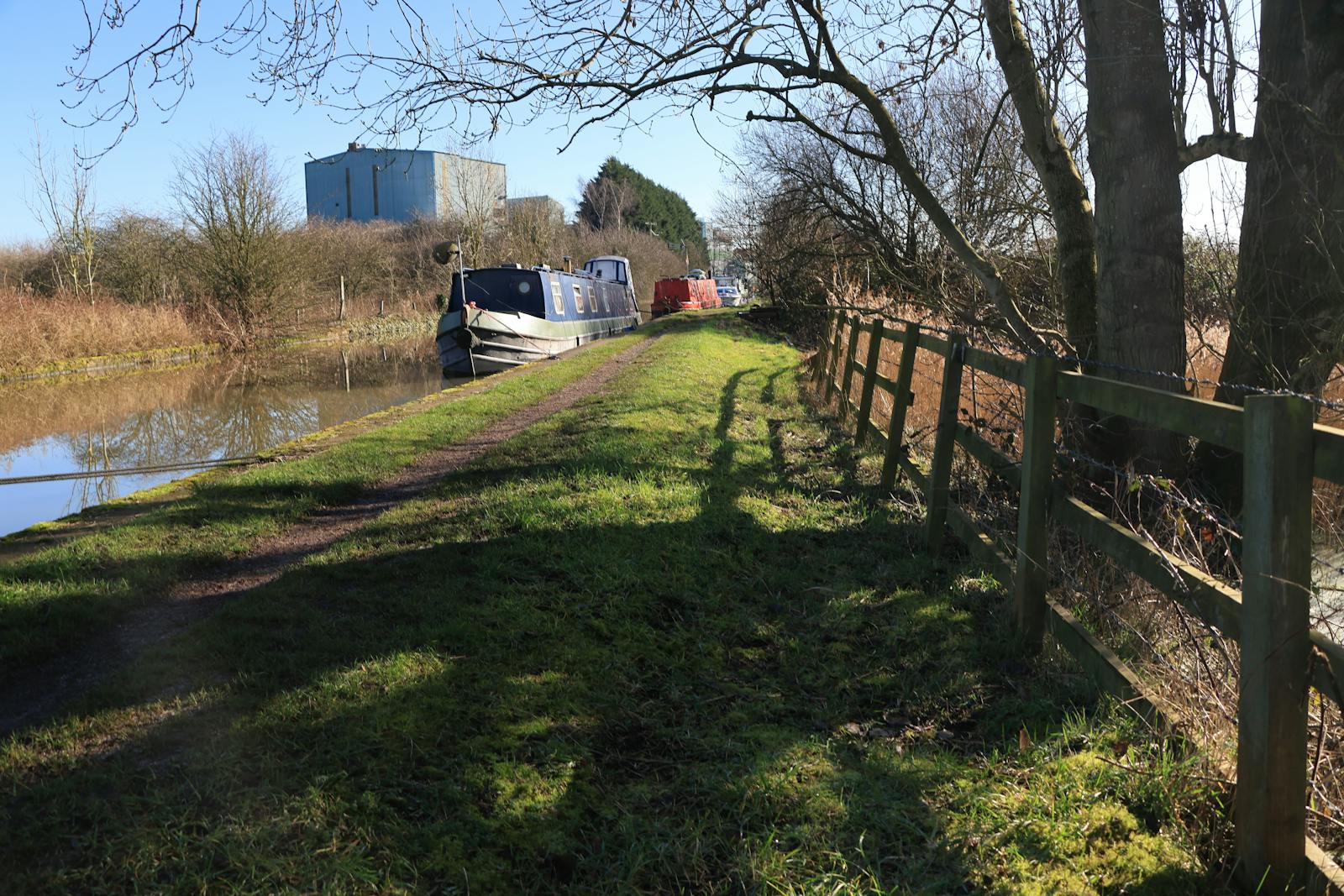
For genuinely flat, easy walking, three types of route stand out. The Tetbury Trail, a three-mile path along a disused railway line, is the gold standard: completely flat, firm-surfaced, free of gates and stiles, and suitable for wheelchairs, buggies and the least confident walkers. The Cotswold Water Park near Cirencester offers easy, flat lakeside loops of varying lengths past lakes full of birdlife, with cafés and easy parking. And the canal towpaths of the Stroud valleys, along the Thames and Severn and Stroudwater navigations, give flat, easy walking with the simplest navigation of all: just follow the water.
These routes are perfect for absolute beginners, families with buggies, and anyone wanting a relaxed amble rather than a workout. Because they are flat and well-surfaced, you can build up your distance comfortably without worrying about hills, and they are lovely in any season. They are also a world away from the muddy, hilly image some people have of countryside walking.
Gentle Riverside Walks for First-Timers
The Cotswolds’ gentle rivers make for some of the loveliest beginner walks. The flat riverside path between Lower Slaughter and Bourton-on-the-Water, under two miles each way along the River Eye, is the classic, taking in some of the prettiest scenery in England on an easy, mostly flat path. The village section of the Bibury and River Coln walk is similarly gentle, passing Arlington Row and the clear waters of the Coln.
These riverside walks are easy to follow, full of interest and rarely steep, making them ideal first walks, though do note that even “flat” Cotswold paths often have gates and a few uneven patches, so they are not always fully step-free. For a genuinely accessible, step-free option, stick to the Tetbury Trail or the surfaced lakeside paths at the Water Park. Our guide to the Slaughters describes the riverside scenery in more detail.
Easy Walks With a Pub or Farm Shop Stop
A reward at the end is great motivation for a new walker. The gentle Kingham to Daylesford loop, though nearly six miles, is almost completely flat and finishes at the famous Daylesford organic farm shop and café, a lovely foodie reward. The linear walk from Stow-on-the-Wold to Bourton-on-the-Water, around four miles and largely downhill, passes through Lower Slaughter and ends at the many pubs and tearooms of Bourton, with a bus back to Stow.
The well-waymarked trails of the Sherborne Park Estate (National Trust) are another excellent, gentle option, with leaflets to follow and plenty to see. Pairing an easy walk with a pub lunch or a farm-shop café stop makes for a thoroughly enjoyable, low-pressure day, and there is no better introduction to the pleasures of Cotswold walking. Our guide to the best pub walks in the Cotswolds has more, including some gentler options.
What You Need Before Your First Walk
You do not need a lot of expensive gear to start walking in the Cotswolds, but a few basics make all the difference. Footwear is the most important: trainers are fine for dry, flat, firm paths like the Tetbury Trail or the towpaths, but for field and riverside paths you will want walking shoes or light boots with a good grip, as mud is the number-one Cotswold hazard. Add a waterproof jacket, as the weather can change quickly, plus water, a snack and sun protection in summer.
For navigation, a smartphone app is the easiest tool: OS Maps offers the best UK mapping detail, komoot is great for planning, and AllTrails is the most beginner-friendly, with photos and reviews showing current conditions. Download your route for offline use before you set off, as rural signal is patchy, and carry a charged phone (and ideally a paper map as backup). With the right shoes and a route on your phone, you are ready to go.
Stiles, Gates, Livestock and the Countryside Code
Cotswold walks cross a lot of farmland, so a little countryside know-how helps. You will encounter kissing gates and stiles, which can be awkward with dogs or buggies, so check the route if that matters. Always leave gates as you find them, keep to the paths, and take your litter home. If you cross fields with livestock, give cattle and horses space (especially with young animals in spring), and keep dogs under close control.
Dog owners should also note that on open access land, dogs must legally be kept on a lead between 1 March and 31 July to protect ground-nesting birds, and on a lead near livestock at all times. None of this is complicated, and following the simple principles of the Countryside Code keeps the footpaths open and welcoming for everyone. Our guide to dog-friendly walks in the Cotswolds covers the rules in more detail.
Beginner Walks You Can Reach by Train
One of the easiest ways to start walking in the Cotswolds is to let the train do the driving. Several beginner-friendly routes start near railway stations, which removes the stress of parking and lets you enjoy a relaxed lunch without worrying about the journey home. Kingham station sits amid the gentle, flat Evenlode valley walks; Stroud gives easy access to the canal towpaths and the Golden Valley; and Moreton-in-Marsh, on the direct London line, is a gateway to the wider north Cotswolds.
A particularly satisfying beginner option is a linear walk with a train or bus back, such as walking one way between two villages and catching public transport to return. This avoids the need to retrace your steps or complete a full loop, and it makes longer distances feel more achievable. Our guide to getting around the Cotswolds has more on travelling here car-free.
How to Build Up Your Distance
The key to enjoying walking as a beginner is to build up gradually rather than overreaching. Start with flat, easy routes of one to three miles, such as the Tetbury Trail, a Water Park loop or the Lower Slaughter riverside path. As these start to feel comfortable, progress to gentle four to six-mile routes like the Kingham to Daylesford loop or the Stow to Bourton walk, which add distance without much climbing.
Only once you are comfortable on the flat should you start adding hills, beginning with the shorter view walks like Broadway Tower before tackling the longer, hillier circular routes. There is no rush, and progressing at your own pace is far more enjoyable (and sustainable) than pushing too hard too soon and putting yourself off. Within a season, a steady build-up can take you from a flat one-mile amble to a proper hill walk, as our guides to short walks and circular walks show.
Best Bases for Beginner Walkers
Some Cotswold bases are particularly good for easy walking. Bourton-on-the-Water sits at the heart of the gentle riverside walks around the Slaughters and is well supplied with cafés and pubs. Cirencester and nearby South Cerney give easy access to the flat Cotswold Water Park and the Tetbury Trail, while Stroud is the gateway to the canal towpaths and the Golden Valley. Kingham, with its station and gentle valley walks, is ideal for a car-free beginner walking break.
Choosing a base with easy walks on the doorstep means you can step out of your accommodation and onto a gentle path without a long drive first, which is exactly what you want when you are starting out. Our guide to the best areas to stay in the Cotswolds can help you pick the right spot for an easy walking trip.
Walking Safely and Confidently
A few simple habits will help you walk safely and with confidence. Always tell someone your route and expected return time if you are walking alone, check the weather forecast before you set off, and turn back if conditions deteriorate, especially on exposed high ground. Carry enough water and food, and set off early enough to finish in daylight, particularly in winter when the days are short.
Start with well-trodden, well-marked routes where you are unlikely to get lost, and do not be afraid to keep your first walks short and turn back if you have had enough; there is no shame in it. As your confidence grows, so will your range. The Cotswolds is a forgiving place to learn, with gentle terrain and frequent villages, so the main thing is simply to get out there and enjoy it.
Joining a Group or Guided Walk
If you would rather not navigate yourself, or you simply enjoy company, joining a group walk is a brilliant way to start. The Cotswold Voluntary Wardens lead free guided walks across the region throughout the year, and local Ramblers groups offer regular group walks, often with a few free taster walks for non-members. A leader takes care of the route-finding, and you get the reassurance and sociability of walking with others.
For a more structured introduction, a guided walking holiday will handle all the logistics and ease you into longer days with expert support. Walking with a group is also a great way to learn the ropes, from reading the landscape to using a map, in a relaxed, supportive setting. Our guide to guided walking tours and holidays in the Cotswolds covers all the options, free and paid.
Easy Walks Through the Seasons
Beginner walks are rewarding all year round, but each season has its own appeal. Spring and summer are the easiest times to start, with long days, settled weather and dry paths, and the bonus of bluebells, wildflowers and lambs. Autumn brings beautiful colour and firm, crisp conditions, ideal for the flat towpath and parkland walks, while winter is best kept to the flat, surfaced routes, which stay walkable even when the field paths turn muddy.
Whatever the season, the flat, easy routes in this guide are a reliable choice, staying pleasant when hillier or muddier walks become hard work. Matching your walk to the conditions is part of the skill you will build as you go, and our guide to the best time to visit the Cotswolds can help you plan around the weather and the seasons.
Walking for Health and Wellbeing
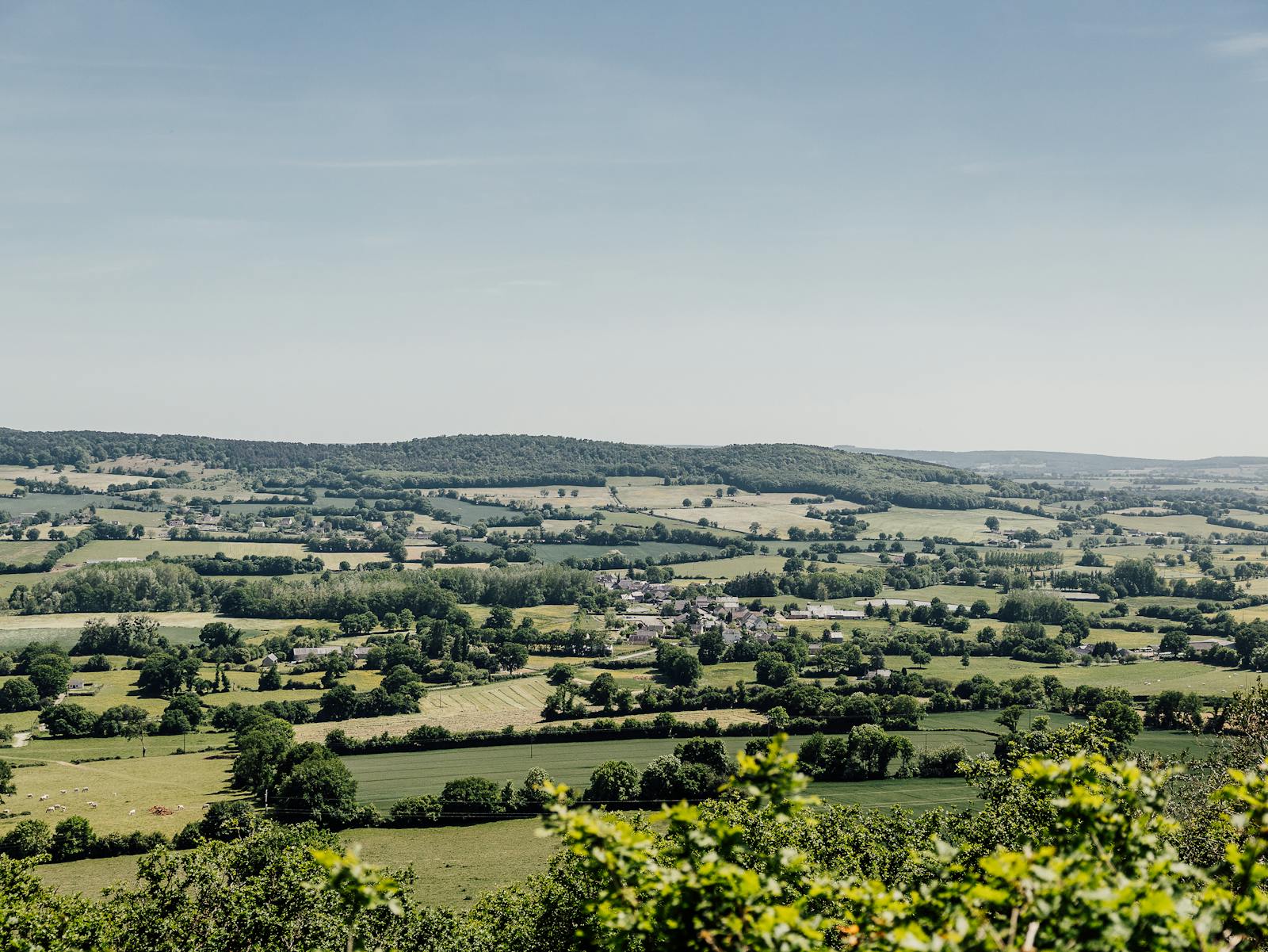
One of the best reasons to take up walking is how good it is for you. Gentle walking is a wonderfully accessible form of exercise, kind on the joints, great for cardiovascular health and even better for the mind. There is a growing body of evidence that time spent in nature reduces stress and lifts the mood, and few landscapes are as soothing to walk in as the rolling, green Cotswolds, with its honey-stone villages, gentle rivers and big skies.
You do not need to walk far or fast to feel the benefit; even a flat couple of miles along a river or canal will leave you refreshed and a little fitter. Building a regular short walk into a Cotswold trip, or into your routine if you live nearby, is one of the simplest and most enjoyable ways to look after your wellbeing. The Cotswolds makes it a genuine pleasure rather than a chore, which is exactly why so many beginners here go on to become lifelong walkers.
Frequently Asked Questions
What’s the difference between an “easy” and a “short” walk?
An easy walk has gentle, flat terrain, good firm paths and simple navigation, while a short walk simply means a low distance, which can still be steep. For beginners, prioritise flatness and good paths over mileage.
Are there any completely flat walks in the Cotswolds?
Yes. The Tetbury Trail (a disused railway path), the Cotswold Water Park lakeside loops, and the canal towpaths of the Stroud valleys are all flat, easy and well-surfaced, with the Tetbury Trail being the most genuinely step-free.
What should a beginner wear and bring?
Walking shoes or light boots with grip (trainers only for dry, firm paths), a waterproof jacket, water, a snack, and a charged phone with your route downloaded. Sun protection in summer and layers for changeable weather complete the kit.
Which app is best for following Cotswold walks?
OS Maps has the best UK mapping detail, komoot is great for planning routes, and AllTrails is the most beginner-friendly, with user photos and reviews. Download your route for offline use, as signal is patchy in the countryside.
Do I need to worry about cows, dogs and stiles?
Give livestock space and keep dogs under close control, on a lead near animals and on open access land between 1 March and 31 July. Many routes have kissing gates and stiles, which can be awkward with buggies or large dogs, so check the route first.
Take Your First Steps
The Cotswolds is the perfect place to discover the joys of walking, with gentle routes, beautiful scenery and a warm welcome at every turn. Start with a flat, easy walk, get the right footwear, and build up at your own pace. Before long you will be ready for the hills. For more, explore our guides to the best short walks and circular walks in the Cotswolds. Once these have built your confidence, our guide to long-distance walks in the Cotswolds shows you what to graduate to.