This article contains advertising. My booking links are routed through a partner that adds commission tracking automatically, so if you book through one I earn a commission from the provider, at no extra cost to you. It never affects what I recommend. Affiliate disclosure
There is something deeply satisfying about a circular walk. You set off, explore the countryside, and arrive back where you started, no need to arrange a lift or catch a bus, just your car (or the pub) waiting at the end. The Cotswolds is perfect for it, laced with a web of footpaths that link villages, hills, woods and rivers into loops of every length, from gentle three-mile strolls to challenging twelve-mile hill circuits.
This guide rounds up the best circular walks in the Cotswolds, grouped by length and graded by difficulty, with notes on the highlights, where to park and the best pub stops. It works alongside our wider guide to walking and hiking in the Cotswolds and our pick of the best short walks in the Cotswolds.
Best Short Circular Walks (3–5 Miles)
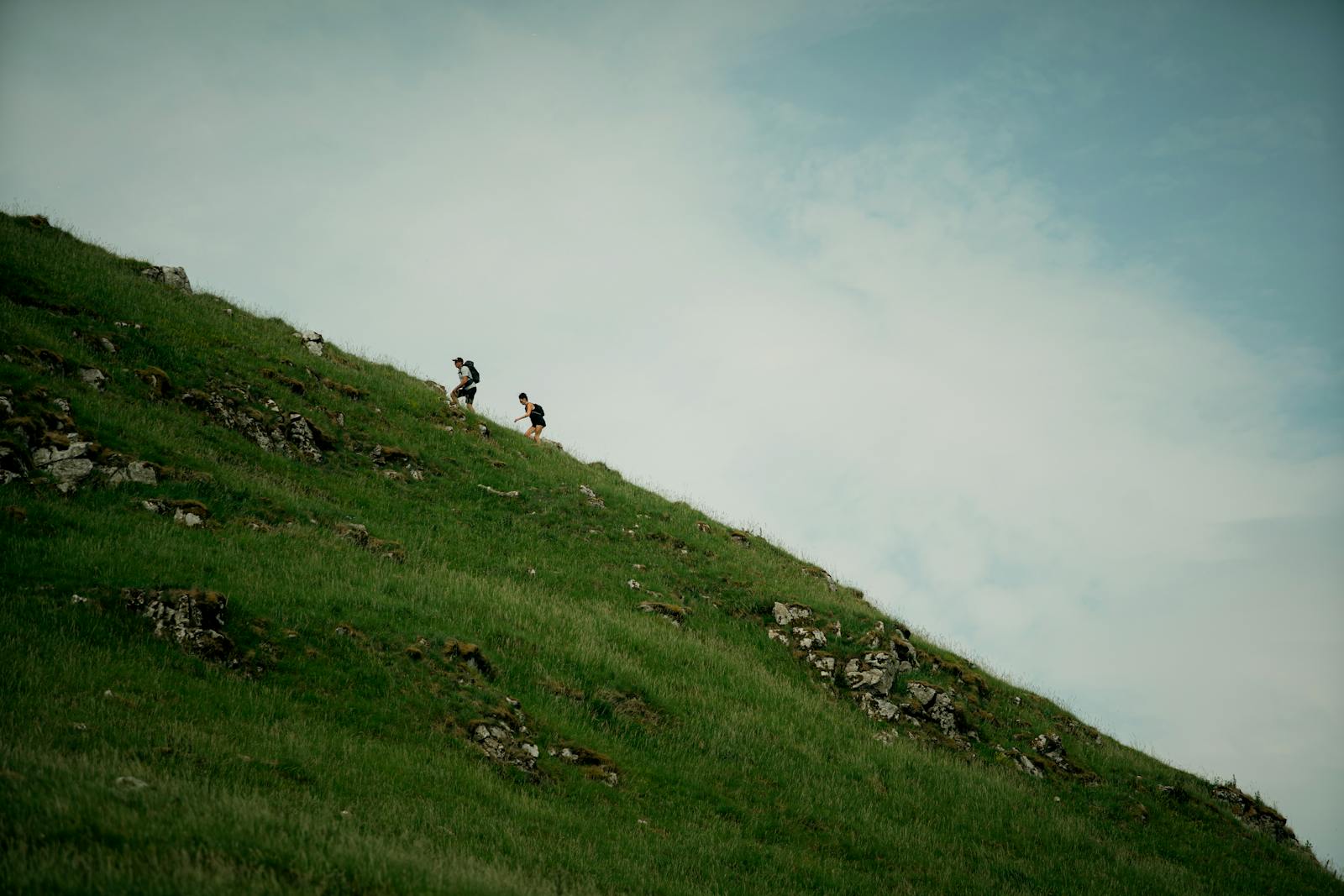
For a gentle half-day, these shorter loops are ideal. The Bourton-on-the-Water and the Slaughters circular, around five and a half miles, is the most popular of all, following the rivers Windrush and Eye through the two prettiest villages in the area on flat, easy paths, perfect for families. The Chipping Campden and Dover’s Hill loop of 4.5 miles (with a shorter 3-mile route) climbs to a natural escarpment amphitheatre with sweeping views, while the Painswick Beacon circular of about 4 to 4.5 miles is a touch more strenuous, rewarding a short climb with 360-degree panoramas.
Up near Broadway, the Snowshill and Littleworth Wood circular of about three and a half miles is magical in spring when the woods fill with bluebells, ending at the cosy Snowshill Arms. These short loops pack a lot of classic Cotswold scenery into a manageable distance, and most finish near a pub or tearoom. They are a great introduction to the region’s walking, and several feature in our guide to walks for beginners.
Best Medium Circular Walks (5–7 Miles)
For a satisfying half to full day, these medium loops offer more variety and a stronger sense of achievement. The Winchcombe, Sudeley and Belas Knap circular of around five and a quarter miles climbs to a remarkable Neolithic long barrow thousands of years old, with views over Sudeley Castle along the way. The Cleeve Hill ring of about six miles explores the highest point in the Cotswolds, an open common with enormous views, though navigation needs care in mist.
For something quieter and further south, the Castle Combe circular of around six miles follows the By Brook through woodland and the hamlet of Long Dean, while the Coln St Aldwyns and Bibury loop of about six and a half miles is one of the most photogenic valley walks of all, taking in Arlington Row, the River Coln and a brace of excellent pubs. The Bredon Hill circular from Elmley Castle climbs an outlying hill crowned by a folly tower, with huge views over the Vale of Evesham.
Best Longer and Hillier Circular Walks (7–12 Miles)
For experienced walkers wanting a proper day out, these longer, hillier loops deliver. The Stanton, Shenberrow Hill, Snowshill and Stanway circular of around six to nine miles (depending on the version) climbs onto the escarpment past an Iron Age camp, taking in three gorgeous villages and the world’s tallest gravity fountain at Stanway House. The Broadway, Broadway Tower and Snowshill circular of around eight miles is a strenuous classic, with repeated escarpment climbs rewarded by superb views.
In the south, the Coaley Peak, Uley Bury and Hetty Pegler’s Tump circular of around five and a half miles links a dramatic viewpoint, a huge Iron Age hillfort and a Neolithic long barrow you can crawl inside. The Sapperton and Daneway loop through the Golden Valley (around four and a half to seven miles) follows the disused Thames and Severn Canal past a famous tunnel portal and two excellent pubs. These routes need decent fitness, proper boots and a map, but they show you the wilder, grander side of the Cotswolds.
Circular Walks With a Pub Stop
Many of the best Cotswold circular walks are built around a great pub, either as a mid-walk lunch stop or a well-earned finish. The Sapperton and Daneway loop passes two superb inns, the Bell at Sapperton and the canalside Daneway Inn; the Coln St Aldwyns and Bibury circular takes in the New Inn and the Catherine Wheel; and the Bourton and Slaughters loop passes the Slaughters Country Inn. There are few finer pleasures than a circular walk that delivers you back to a country pub for a pint and a proper lunch.
For walks specifically chosen for their pubs, see our dedicated guide to the best pub walks in the Cotswolds. Booking a table is wise for Sunday lunch and at the more popular dining pubs, so it pays to plan your timing around the kitchen’s serving hours.
Practical Tips: Parking, Maps and Apps
A circular walk usually starts and finishes at the same car park, which makes the logistics simple, but a few tips help. Use village pay-and-display car parks or National Trust car parks where available, and arrive early at the honeypots, where parking fills fast. Carry a map or a navigation app such as OS Maps, komoot or AllTrails with your route downloaded for offline use, as rural signal is patchy and waymarking on field paths is less reliable than on the Cotswold Way.
Wear proper walking boots, as Cotswold paths can be very muddy after rain, and check the weather, particularly for the exposed hilltop routes like Cleeve Common. Many circular walks involve kissing gates and stiles, which can be awkward with dogs or small children, so check the route description if that matters to you. The Cotswolds National Landscape also publishes “Miles Without Stiles” routes for those who need step-free access.
What Makes a Great Circular Walk
The best circular walks share a few qualities. They offer variety, perhaps a riverside stretch, a woodland section and a hilltop view, rather than the same scenery throughout. They have a satisfying highlight or two, such as a famous village, a ruined abbey or a dramatic viewpoint, to give the walk a focus. And, ideally, they have a good pub or tearoom somewhere along the way for a well-earned break. The loops in this guide were chosen with all of this in mind.
A circular route also has the practical advantage of returning you to your starting point, which makes the logistics simple: park the car (or arrive by train), walk the loop, and you are back where you began with no need to arrange transport. This is a big part of why circular walks are so popular, and why the Cotswolds, with its dense network of interlinking footpaths, is such ideal circular-walking country.
Circular Walks by Area
Where you base yourself shapes which circular walks are easiest to reach. The north Cotswolds, around Broadway, Chipping Campden, Stanton and Winchcombe, has the greatest concentration of classic loops, taking in the most famous villages and the best escarpment views. The area around Bourton and the Slaughters is the heartland of gentle riverside circulars, ideal for families and first-timers.
The quieter south Cotswolds, around Painswick, Stroud and the Golden Valley, offers wonderful, less-crowded loops through wooded valleys and over high commons, while the southern fringe around Castle Combe and Uley adds variety again. Choosing a base near the walks you most want to do saves driving, so our guide to the best areas to stay in the Cotswolds is worth a look when planning a walking trip.
Circular Walks for Families
Several of the shorter circular walks are wonderful for families. The Bourton and Slaughters loop is the obvious choice, being flat, full of interest and never far from an ice cream, while the trails around the Sherborne Park Estate (National Trust) are well-waymarked and dotted with things to spot. Choosing a loop with a clear highlight, a castle, a river to paddle in, or a tower to climb, helps keep younger walkers motivated.
For families, it pays to keep the distance realistic, pack plenty of snacks, and build in a pub or café stop as a reward. Avoid the longer, hillier loops and the exposed commons with very young children, and check whether a route has lots of stiles, which can be a struggle with little legs or a dog. Our guide to the Cotswolds with kids has more family-friendly walking ideas.
Quieter Loops Away From the Crowds
The most famous circular walks, around Bibury, Bourton and Castle Combe, can be busy, especially on summer weekends. Happily, the Cotswolds has hundreds of miles of paths, and some of the loveliest loops see hardly a soul. The southern routes around Sapperton, Uley and the Stroud valleys, the high common circuits, and the quieter northern villages like Stanton and Naunton all offer the same beautiful scenery with far fewer people.
Walking early or late in the day, or out of peak season, also transforms even the popular routes, giving you the famous views in peace. Seeking out the quieter loops is one of the great rewards of walking in the Cotswolds, and a reminder that you do not have to follow the crowds to find the very best of the countryside. Our guide to free things to do in the Cotswolds celebrates exactly this kind of simple pleasure.
Walking Etiquette: Gates, Stiles and Livestock
Cotswold circular walks cross a lot of farmland, so it is worth knowing the basics of the Countryside Code. Always leave gates as you find them, keep to the marked paths to protect crops and wildlife, and take your litter home. Many routes cross grazing land, so give cattle and horses plenty of space, especially in spring and early summer when there may be young animals about, and keep dogs under close control.
Be prepared, too, for the kissing gates and stiles that are such a feature of Cotswold walking; they can be awkward with a buggy or a large dog, so check the route description if that is a concern. If you are walking with a dog, our guide to dog-friendly walks in the Cotswolds covers the access rules, off-lead opportunities and livestock advice in detail. A little courtesy keeps the footpaths open and welcoming for everyone.
Circular Walks Through the Seasons
A circular walk is rewarding at any time of year, but each season offers something different. Spring brings bluebells to the woods and lambs to the fields, summer offers long days and wildflower meadows (though also the most crowds), autumn sets the woodlands ablaze with colour and gives the clearest long-distance views (and pairs well with the region’s long-distance trails), and winter rewards the hardy with crisp, quiet trails and frosty hilltops.
Bear in mind that the exposed hilltop loops, such as Cleeve Common, are wonderful on a clear day but can be cold, windy and disorientating in mist, so save those for good weather. The wooded valley walks, by contrast, offer more shelter and are lovely even on a grey day. Our guide to the best time to visit the Cotswolds can help you plan a seasonal walk.
Building Up to the Longer Loops
If you are newer to walking, the beauty of the Cotswolds’ circular routes is that you can build up gradually. Start with the flat, short loops around Bourton and the Slaughters, then progress to the medium routes around Winchcombe or Bibury, before tackling the longer, hillier circuits over the escarpment. Each step up adds a little distance and climb, building your fitness and confidence as you go.
The longer loops, such as the Broadway Tower or Stanton circuits, are genuinely rewarding days out, but they involve real climbing and are best attempted once you are comfortable with the shorter routes. Take it at your own pace, and there is no reason a reasonably fit walker cannot work up to the grandest Cotswold circular walks over a season. Our guide to walks for beginners is the perfect place to start.
Following the Route: Apps and GPX Files
While many Cotswold circular walks follow waymarked paths, field-path navigation is not always obvious, so it pays to have the route to hand. The easiest approach is a navigation app such as OS Maps (the best for UK detail), komoot (great for planning and turn-by-turn directions) or AllTrails (the most beginner-friendly, with user photos showing current conditions). Download your chosen route for offline use before you set off, as mobile signal is patchy on the hills.
Many published Cotswold circular walks come with a downloadable GPX file you can load straight into your app, and the Cotswolds National Landscape and National Trust both publish detailed route guides for their walks. A paper map, such as the OS Explorer covering your area, is always worth carrying as a backup in case your phone battery fails. With the route loaded and a map in your pack, you can relax and enjoy the scenery, confident you will find your way back to the start.
Frequently Asked Questions
What is the best circular walk in the Cotswolds for beginners?
The Bourton-on-the-Water and the Slaughters circular, around five and a half miles and largely flat, is the best gentle introduction, following pretty rivers through classic villages on easy paths.
Are there circular walks in the Cotswolds with a pub halfway?
Yes. The Sapperton and Daneway loop passes two pubs, the Coln St Aldwyns and Bibury circular takes in the New Inn and Catherine Wheel, and the Slaughters loop passes the Slaughters Country Inn. See our pub walks guide for more.
How long are most Cotswold circular walks?
Most popular circular walks range from about three to eight miles, with shorter loops around the villages and longer, hillier circuits over the escarpment. There is a circular walk to suit every level of fitness.
Where can I park for circular walks in the Cotswolds?
Most start at village pay-and-display or National Trust car parks. Arrive early at the popular spots like Bourton, Bibury and Castle Combe, where parking fills quickly, especially in summer and at weekends.
Which circular walk has the best views?
Cleeve Hill (the highest point in the Cotswolds), Painswick Beacon, Bredon Hill and the Broadway Tower circular all reward their climbs with spectacular panoramas over the surrounding countryside.
Pick a Loop and Set Off
Whether you want a gentle riverside loop or a challenging hill circuit, the Cotswolds has a circular walk to match. Choose one for your fitness and the weather, pack your boots and a map, and enjoy the simple, timeless pleasure of a walk that loops you gently back home again. For more, explore our guides to the best short walks, pub walks and dog-friendly walks in the Cotswolds, and start planning your next loop today.