This article contains advertising. My booking links are routed through a partner that adds commission tracking automatically, so if you book through one I earn a commission from the provider, at no extra cost to you. It never affects what I recommend. Affiliate disclosure
The Cotswold Way may be the region’s most famous long-distance walk, but it is far from the only one. The Cotswolds is criss-crossed by a network of long-distance trails and paths, from the very source of the River Thames to charity routes and pub-to-pub circuits, offering multi-day walking for every taste. If you have walked the Cotswold Way and want more, or simply fancy a different challenge, there is a wealth of long-distance routes to explore.
This guide covers the best long-distance walks in the Cotswolds beyond the Cotswold Way, from official National Trails to regional paths and circular long-distance routes, with the key facts on distance, difficulty and what makes each special. It works alongside our dedicated Cotswold Way walking guide and our wider guide to walking and hiking in the Cotswolds.

National Trails vs Regional Long-Distance Paths
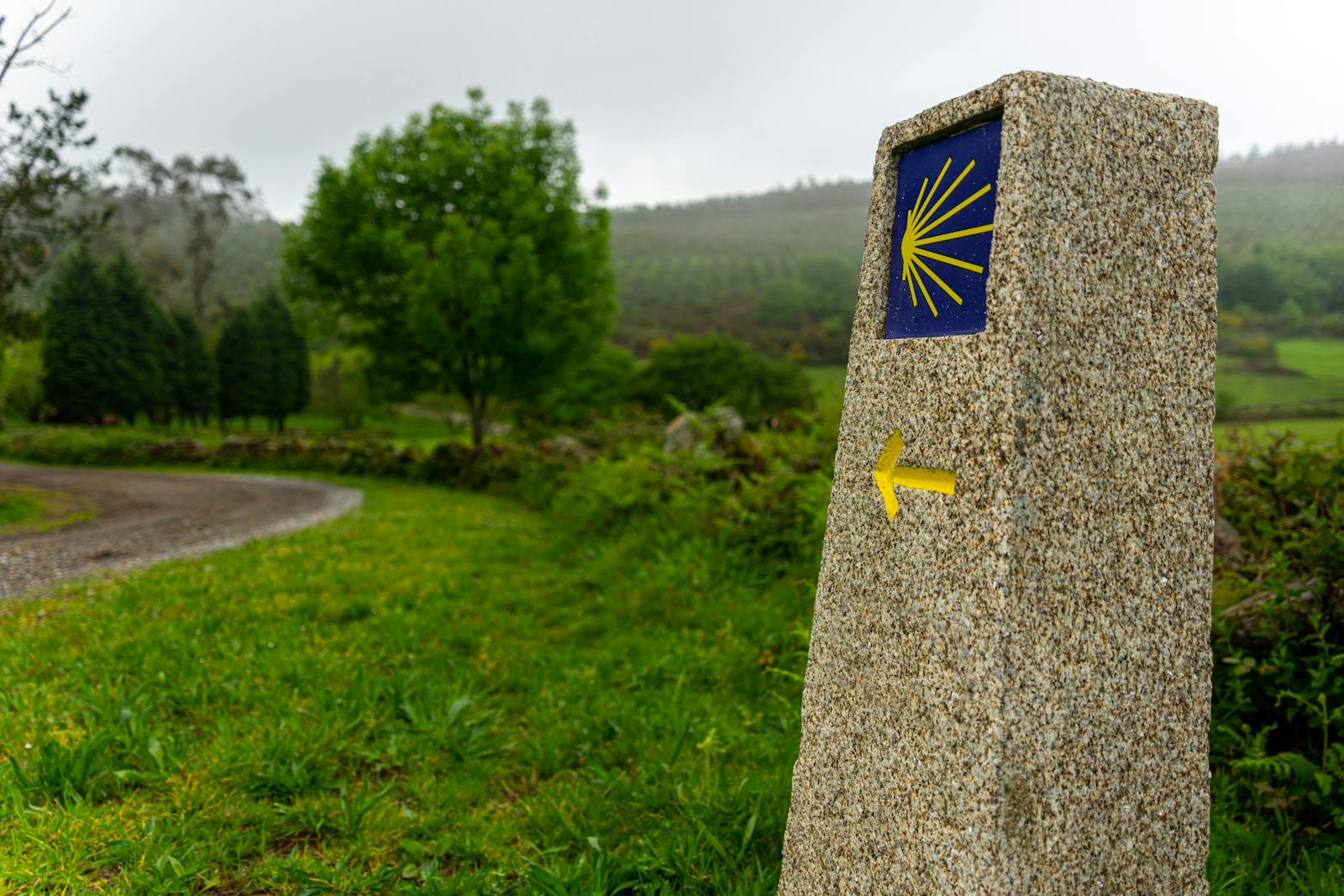
It helps to understand the difference between the two main types of long-distance route. National Trails, such as the Cotswold Way and the Thames Path, are officially designated, government-supported routes, maintained to a high standard and waymarked throughout with the distinctive white acorn symbol. Regional long-distance paths, by contrast, are devised and maintained by walking clubs, charities or local councils, and while many are excellent and well-waymarked, the signage and upkeep can be more variable.
Both offer wonderful multi-day walking, but the National Trails tend to be the easiest to follow and the best supplied with accommodation and services. The regional paths, often quieter, reward walkers who are happy to do a little more planning and navigation. The Cotswolds has both in abundance, so there is something to suit every level of experience and ambition.
The Thames Path: Walking From the River’s Source
The Cotswolds is the birthplace of England’s most famous river, and the Thames Path National Trail begins right here. The official source, Thames Head, lies in a quiet meadow near Kemble, a short walk from the railway station, marked by a simple stone. From here the trail follows the infant Thames eastward, flat and gentle, through the lakes of Cotswold Lakes (formerly Cotswold Water Park) and the pretty village of Ashton Keynes to the first riverside town of Cricklade, around twelve miles in.
Walking the opening stage of the Thames Path, from its very source, is a lovely and easy long-distance experience, with the added appeal of standing at the start of a river that flows all the way to London and the sea. It makes a wonderful gentle multi-day walk in its own right, or the first leg of the full 185-mile journey to the capital. Being flat and well-waymarked, it is also far more accessible than the hilly Cotswold Way.
Circular Long-Distance Routes
For walkers who like to start and finish in the same place, the Cotswolds has some excellent circular long-distance routes. The Diamond Way is a 60-mile loop through the North Cotswolds, deliberately designed to link the prettiest villages and avoid the steepest escarpment climbs, making it a gentler multi-day option. The Donnington Way is a 62-mile circular from Stow-on-the-Wold that links the lovely tied pubs of the Donnington Brewery, a “drink your way round the Cotswolds” route that is as much about the inns as the scenery.
The Cotswold Round is a 59-mile circular from Cheltenham, typically walked over four days, taking in Cleeve Common, Winchcombe and the escarpment. These circular routes have the great practical advantage of returning you to your car or your starting point, with no need to arrange transport between the start and finish. The Donnington Way in particular pairs beautifully with our guide to the best Cotswolds pubs.
Linear Long-Distance Paths Through the Cotswolds
Several long-distance paths pass through the Cotswolds on their way to somewhere else, offering a different perspective on the region. The Gloucestershire Way (around 100 miles) links Chepstow to Tewkesbury via the Forest of Dean, the Severn Vale and the Cotswold escarpment, taking in three contrasting landscapes. The Heart of England Way (around 101 miles) runs from Cannock Chase in Staffordshire all the way down to Bourton-on-the-Water, linking the Midlands to the Cotswolds.
The charity Macmillan Way crosses the region (its Cotswold section is also packaged as the 86-mile Cross-Cotswold Pathway from Banbury to Bath), while the Wysis Way (55 miles) forms a “golden link” between the Wye and the Thames, and the Wychavon Way (40 miles) runs from Droitwich down to Broadway. The epic Monarch’s Way, England’s longest inland trail at 615 miles, traces Charles II’s escape after the Battle of Worcester and passes through the Cotswolds near Chipping Campden and Stow. Most walkers tackle just the Cotswold sections of these longer routes.
The Windrush Way and Warden’s Way
For a shorter multi-day option, the Windrush Way and Warden’s Way make a perfect pair. Each is around fourteen miles, and both link Winchcombe with Bourton-on-the-Water, but by very different routes: the Warden’s Way takes the low road through the honey-stone villages of Guiting Power, Naunton and the Slaughters, while the Windrush Way takes the high road over the open hills, past the sites of lost medieval villages. Walked out and back as a circuit, they make a wonderful two-day loop of around twenty-eight miles.
This contrast of high downland and low village is a lovely way to experience the variety of the Cotswolds in a single short multi-day walk, ideal if you want a taste of long-distance walking without committing to a full week. The route is well-suited to a relaxed weekend, with overnight stops in Winchcombe and Bourton.
Planning a Multi-Day Walk
The key to a successful long-distance walk is good planning. Start by working out a realistic daily mileage based on your fitness and the terrain; in the hilly Cotswolds, ten to fifteen miles a day is typical, but the flatter routes like the Thames Path allow longer days. Break the route into stages that end at places with accommodation, and remember that on the quieter regional paths, the gaps between villages with beds can be larger, so a little research pays off.
Build in some contingency, too: a rest day on a longer trail, an earlier finish on the hardest stages, and flexibility in case of bad weather. It is far more enjoyable to walk a route at a comfortable pace, with time to enjoy the villages and views along the way, than to race from bed to bed. Our guide to Cotswold Way accommodation and logistics covers the planning principles in detail, and they apply to the other long-distance routes too.
Accommodation and Luggage Transfer
Accommodation on the Cotswold long-distance trails is mainly B&Bs, village inns and small hotels, with the bigger towns offering the widest choice. On the popular routes, especially in summer, beds book up well ahead, so reserve early; on the quieter paths, you may need to book off-route and arrange a taxi to and from the trail. Camping and hostels are limited, so most walkers rely on indoor accommodation.
One of the great pleasures of a long-distance walk is using a luggage-transfer service, which moves your main bag to your next accommodation each day so you only carry a light daypack. Several companies serve the Cotswold trails, and many self-guided holiday operators build the service into their packages. It transforms the experience, letting you enjoy the walking without the weight. Our guides to B&Bs and where to stay in the Cotswolds have more on accommodation.
Getting to and From the Trails
Transport is an important part of planning a long-distance walk, particularly for the linear routes that start and finish in different places. The good news is that the Cotswolds is reasonably well served by rail, with stations at Moreton-in-Marsh, Kingham, Kemble, Stroud, Cheltenham and Bath providing access to many of the trails. This makes it possible to reach the start by train and return from the end without a car, which is far less hassle than leaving a vehicle at one end.
The circular routes, of course, sidestep this issue entirely by returning you to your starting point, which is one of their big advantages. For the linear trails, check the rail and bus connections at each end before you set off, and consider basing yourself near a station. Our guide to getting to and around the Cotswolds has the details on travelling here by public transport.
Self-Guided and Guided Options
You do not have to plan everything yourself. Specialist walking-holiday companies offer self-guided packages on the main Cotswold trails, booking your accommodation, transferring your luggage and supplying route notes and maps, while leaving you free to walk at your own pace. This takes all the logistical hassle out of a long-distance walk while preserving the independence that many walkers love.
For those who prefer company and a leader, guided group holidays handle everything and add the sociable pleasure of walking with others, which can be especially appealing on a longer or more remote route. Whether you go independent, self-guided or fully guided depends on your budget, experience and how much you enjoy planning. Our guide to guided and self-guided walking holidays in the Cotswolds compares all the options.
What to Pack for Multi-Day Walking
Packing for a multi-day walk is a balance between being prepared and travelling light. The essentials are sturdy, broken-in boots, good socks, layered clothing you can adjust to the weather, and reliable waterproofs. If you are using luggage transfer, your daypack need only carry water, snacks, a map, a waterproof and a few extras; if you are carrying everything, keep the weight down ruthlessly, as every kilo tells over many miles.
Other useful items include walking poles for the descents, a power bank to keep your phone and navigation app going, blister plasters, and a basic first-aid kit. Pack for changeable weather whatever the forecast, as conditions on the hills can turn quickly. Getting your kit right makes a long-distance walk far more comfortable and enjoyable, and means you can focus on the scenery rather than your sore feet.
Waymarking, Maps and Safety
Navigation varies between the routes. The National Trails (the Cotswold Way and Thames Path) are waymarked throughout with the white acorn and are easy to follow, while the regional paths have their own waymarks of varying quality. On all of them, it is wise to carry a map or a navigation app such as OS Maps or komoot, with the route downloaded for offline use, and a paper map as backup, since phone signal is patchy and batteries fail.
For safety, tell someone your route and expected timings, check the weather forecast, and be prepared to cut a day short or take an easier alternative if conditions deteriorate, especially on the exposed high ground. Carry enough water and food, set off early enough to finish in daylight, and check the National Trail website for any current diversions on the official routes. With sensible preparation, a long-distance Cotswold walk is a safe and immensely rewarding adventure.
Walking the Trails in Sections
You do not have to walk a long-distance trail in one continuous trip. Many walkers tackle the longer routes in sections, over a series of day trips, weekends or short breaks, returning to pick up where they left off. This is especially practical on the routes that pass close to railway stations, and it has the advantage of letting you choose good weather, spread the cost, and fit the walking around the rest of life.
Section-walking is also a great way to complete the very longest routes, such as the Monarch’s Way, where walking all 615 miles in one go is beyond most people. By breaking a trail into manageable chunks, you can enjoy the sense of a long journey without needing weeks of free time. Many of the individual sections also make superb day or weekend walks in their own right, as our guides to circular walks and short walks show.
Best Time of Year for a Long-Distance Walk
Timing makes a real difference on a multi-day walk. Late spring and early autumn are the sweet spots for the Cotswold long-distance routes: the days are long enough for big mileage, the weather is usually settled, and the paths are firmer than in the wet winter months. May and September in particular offer comfortable walking temperatures, fewer crowds than high summer, and the bonus of spring wildflowers or autumn colour along the way.
High summer is popular but can be hot for long days and busy on the most famous routes, while winter walking is perfectly possible on the flatter, firmer trails like the Thames Path, provided you accept short daylight and likely mud. Whenever you go, book accommodation early on the popular routes and check the forecast before each stage. Our guide to the best time to visit the Cotswolds has more on the seasons.
Whichever season you choose, a long-distance walk in the Cotswolds rewards a little forward planning with one of the finest multi-day walking experiences in England, taking you through landscapes and villages that most visitors never see on foot.
Frequently Asked Questions
What is the longest walk in the Cotswolds?
The Monarch’s Way, at 615 miles, is England’s longest inland trail and passes through the Cotswolds, though most walkers tackle only the Cotswold section. Of the routes wholly or mostly within the region, the Cotswold Way (102 miles) is the best known.
Is the Cotswold Way the only National Trail in the Cotswolds?
No. The Thames Path National Trail also begins in the Cotswolds, at the source of the Thames near Kemble, offering a flat, gentle alternative to the hilly Cotswold Way.
Are there circular long-distance walks in the Cotswolds?
Yes. The Diamond Way (60 miles), the Donnington Way (62 miles, a pub circuit) and the Cotswold Round (59 miles from Cheltenham) are all circular long-distance routes that return you to your starting point.
How many days do you need for a Cotswolds long-distance trail?
It depends on the route and your pace. The shorter circuits like the Windrush and Warden’s Way pair can be done over a weekend, while the longer linear trails and the Cotswold Way typically take a week to ten days. Many walkers tackle the very longest routes in sections.
What’s the difference between a National Trail and a long-distance path?
National Trails are officially designated, well-maintained routes waymarked with the acorn symbol, while other long-distance paths are devised by clubs, charities or councils and can have more variable signage and upkeep. Both offer great multi-day walking.
Plan Your Long-Distance Adventure
Beyond the famous Cotswold Way lies a whole network of long-distance routes, from the source of the Thames to charity trails and pub circuits, offering a lifetime of multi-day walking. Choose a route to match your time and experience, plan your stages and accommodation, and set off. For the classic, see our Cotswold Way walking guide, and for help with logistics, our guide to guided and self-guided walking holidays. If the dog is coming with you, our guide to dog-friendly walks in the Cotswolds flags the stiles, stock and water stops to plan around.