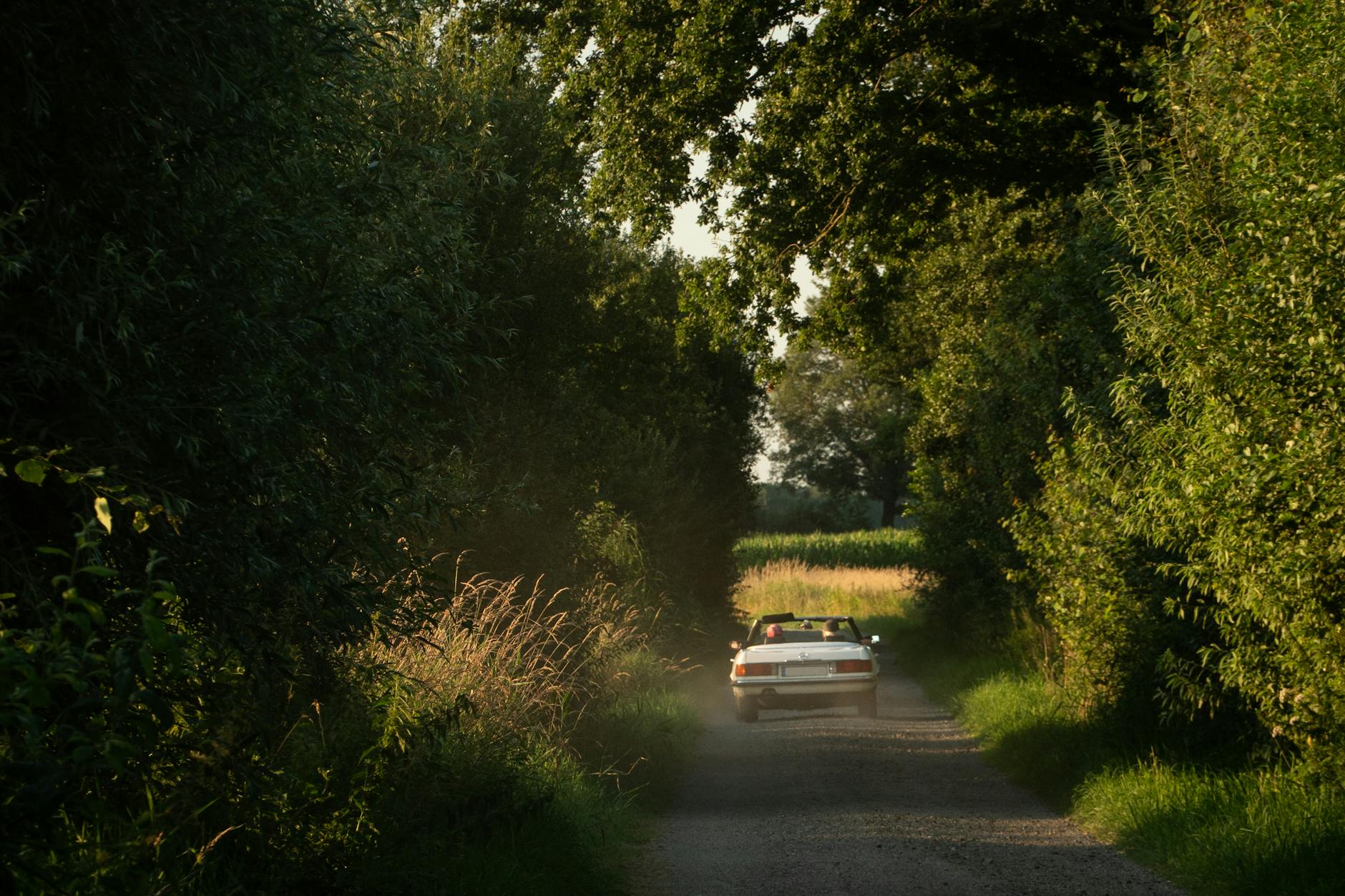
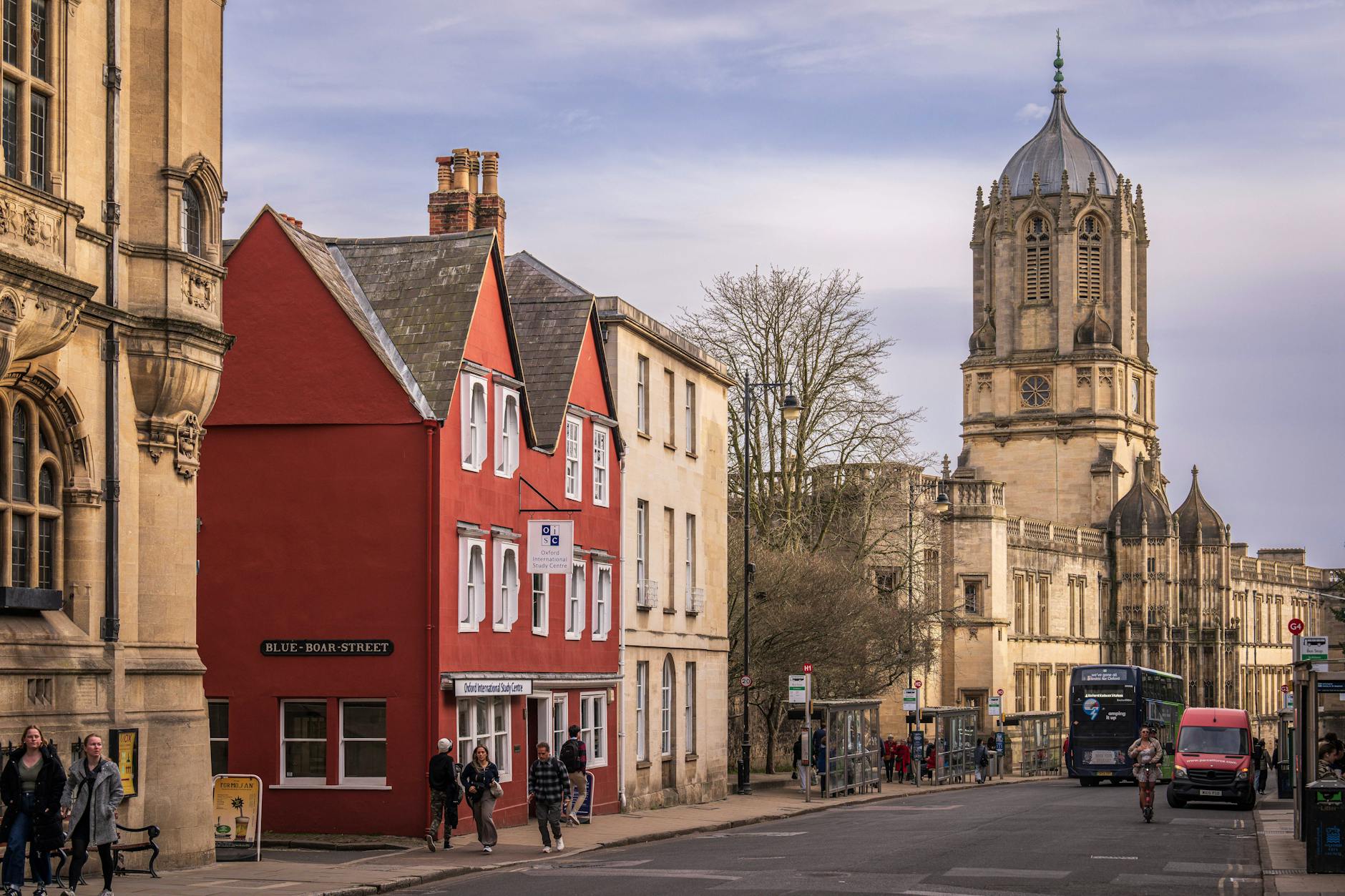
This article contains advertising. My booking links are routed through a partner that adds commission tracking automatically, so if you book through one I earn a commission from the provider, at no extra cost to you. It never affects what I recommend. Affiliate disclosure
The southern Cotswolds are the region’s quieter, more rural face, a land of deep wooded valleys, breezy commons and unspoilt market towns stretching down towards the Georgian splendour of Bath. While the north draws the crowds, the south rewards those who venture a little further with some of the most beautiful and peaceful corners of all, from exquisite Castle Combe to stylish Tetbury, historic Malmesbury and the hillside charm of Painswick. This south Cotswolds itinerary gathers the area’s best into one rewarding route.
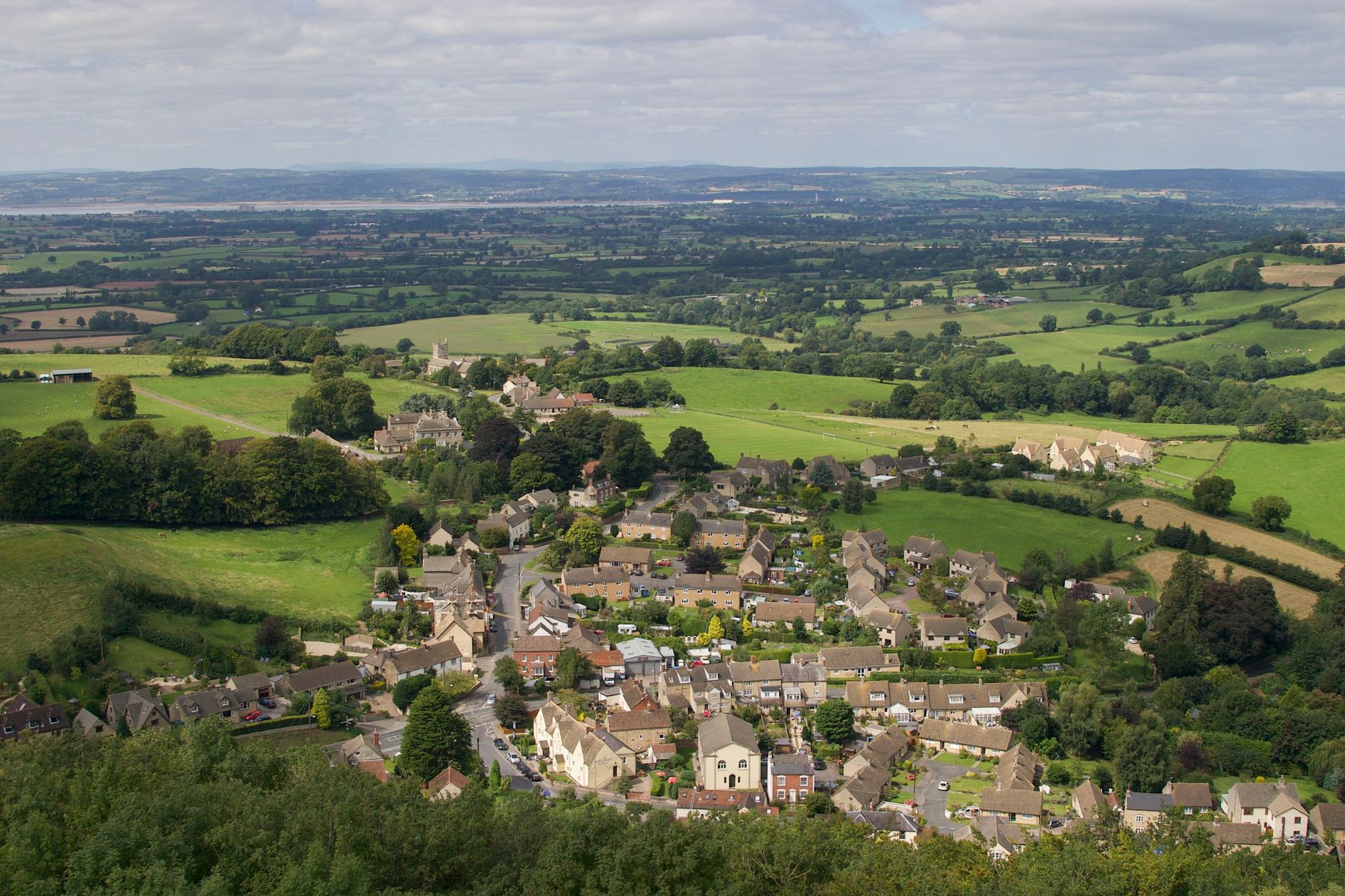
I have a real soft spot for the south, where you can still find villages with barely a soul about and views that stretch for miles over rolling, sheep-dotted hills. Below I share the essential towns and villages, a suggested route from Bath to Cirencester, the best history, gardens and walks, and where to stay and eat. Let’s discover the gentler side of the Cotswolds.
The south Cotswolds at a glance
The southern Cotswolds run roughly from Cirencester and the Coln valley in the east, down through Tetbury and Malmesbury, and west to the steep valleys around Stroud and Painswick, petering out near Bath. It is a larger, more spread-out and more varied area than the compact north, taking in everything from manicured market towns to wild, wooded combes and breezy hilltop commons.
That variety is the south’s great charm. One moment you are browsing antiques in genteel Tetbury, the next striding across an open common with cattle and far-reaching views, or descending into a hidden valley that feels untouched by time. With fewer crowds and a wilder feel, the south offers a deeper, more contemplative experience of the Cotswolds for those willing to explore a little further afield.
Why explore the south Cotswolds
The southern Cotswolds have a distinct character all their own. The landscape is more dramatic here, with deeper valleys and thicker woodlands than the gentle north, and the famous honey-stone takes on a slightly greyer, older hue. Crucially, it is far quieter: even celebrated spots like Castle Combe see fewer visitors than the northern honeypots, so you can enjoy the beauty in relative peace, which for many is the south’s greatest appeal.
It is also wonderfully placed for combining with Bath, the glorious Georgian city on its south-western edge, and it is rich in history, from Roman Cirencester to the ancient abbey at Malmesbury. For return visitors who have already done the north, or anyone seeking a more reflective, off-the-beaten-track trip, the south is a revelation. It complements our north Cotswolds itinerary perfectly.
The essential southern villages and towns
Begin with the jewels. Castle Combe, frequently voted the prettiest village in England, is a tiny, perfectly preserved huddle of golden cottages around a 14th-century market cross, with no modern intrusions to spoil the scene. Stylish Tetbury, the antiques and interiors capital, boasts a 17th-century market house, royal associations with nearby Highgrove and a wealth of lovely shops. Both are unmissable highlights of the south.
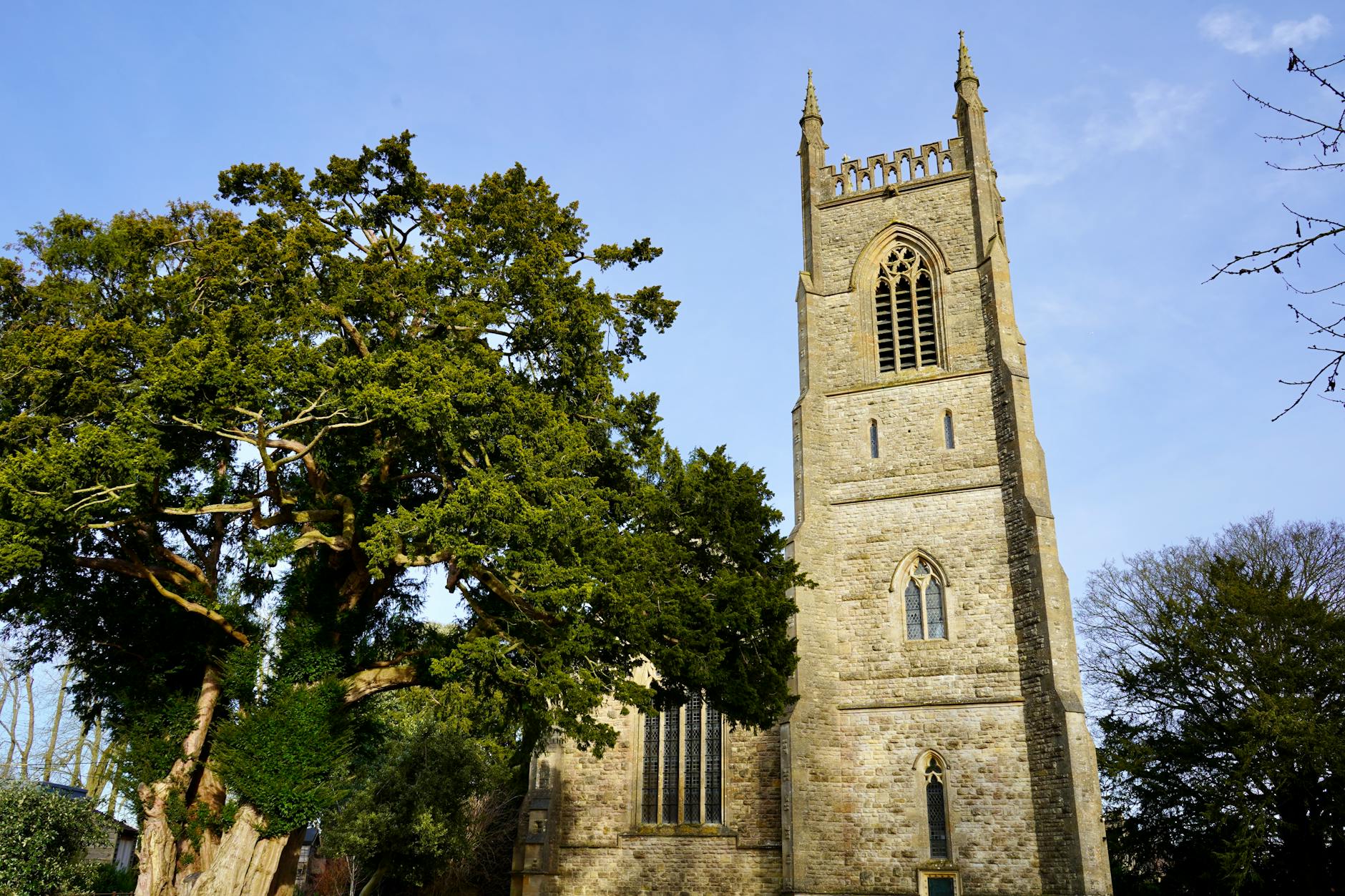
Then there is Cirencester, the Capital of the Cotswolds and once the second-largest town in Roman Britain, with its magnificent church and Corinium Museum; hilltop Malmesbury, England’s oldest borough, crowned by a wonderful medieval abbey; and Painswick, the Queen of the Cotswolds, famed for its Rococo garden and a churchyard of clipped yews. Add the foodie towns of Nailsworth and Stroud and you have a marvellous spread. Our guides to Castle Combe and Painswick cover two of the best.
What strikes you is how different these places feel from one another and from the north. Cirencester bustles with Roman grandeur and independent shops, Malmesbury broods on its hilltop, Tetbury preens with antiques and royal connection, and Painswick clings to its steep slope amid wooded valleys. There is none of the chocolate-box sameness that can creep into the busier north here; instead, a richer, more varied tapestry of towns and villages awaits discovery.
Hidden gems of the south
The south truly comes into its own when you leave the main roads. Seek out steep, flowery Bisley, the secretive medieval manor and gardens at Owlpen, and the handsome hilltop town of Wotton-under-Edge, all gloriously off the tourist trail. The wooded valley villages of Sapperton and the Duntisbournes, strung along their little streams, are impossibly peaceful, while Sherston and the Coln valley hamlets reward unhurried exploration.
These are the places where you really feel you have the Cotswolds to yourself, with golden cottages, ancient churches and barely another visitor in sight. Part of the joy of the south is simply following a promising lane to see where it leads, often turning up a hamlet or a view you will remember long after the famous sights have blurred. Build in time to wander aimlessly, and the south will reward you richly.
A suggested south Cotswolds route
A classic way to explore is to work from Bath in the south-west across to Cirencester, taking in the highlights along the way. Spend your first day around Castle Combe and Malmesbury, perhaps with a stop at the film-famous village of Lacock just beyond the edge, then base yourself centrally for the days that follow. Day two can take in Tetbury for its antiques and the glorious arboretum at Westonbirt nearby, with time for a country lunch.
Devote a third day to Cirencester and the lovely Coln valley villages such as Bibury and Coln St Aldwyns, or head into the western valleys around Painswick, Stroud and the Slad valley made famous by Laurie Lee. Keep your base central, around Tetbury, Cirencester or Painswick, to minimise driving. The south is more spread out than the north, so allow a little more travel time between stops, and enjoy the scenic drives. For a longer plan, see our 3-day Cotswolds itinerary.
If you only have a single day, focus on a tight cluster rather than racing across the whole south. A lovely day-trip loop might pair Castle Combe with Tetbury and Westonbirt, or Cirencester with a couple of Coln valley villages, leaving the rest for a return visit. The south is too large and too leisurely to rush, so it is better to savour one corner properly than to glimpse the lot through a windscreen.
History and heritage in the south
The south is steeped in history. Cirencester, known to the Romans as Corinium, was the second-largest town in Roman Britain, and its excellent Corinium Museum displays remarkable mosaics and artefacts from that era, with the nearby Chedworth Roman Villa adding more. Malmesbury, meanwhile, is one of England’s oldest towns, its magnificent abbey founded in the 7th century and rebuilt in the 12th, a rare survivor of Henry VIII’s dissolution of the monasteries.
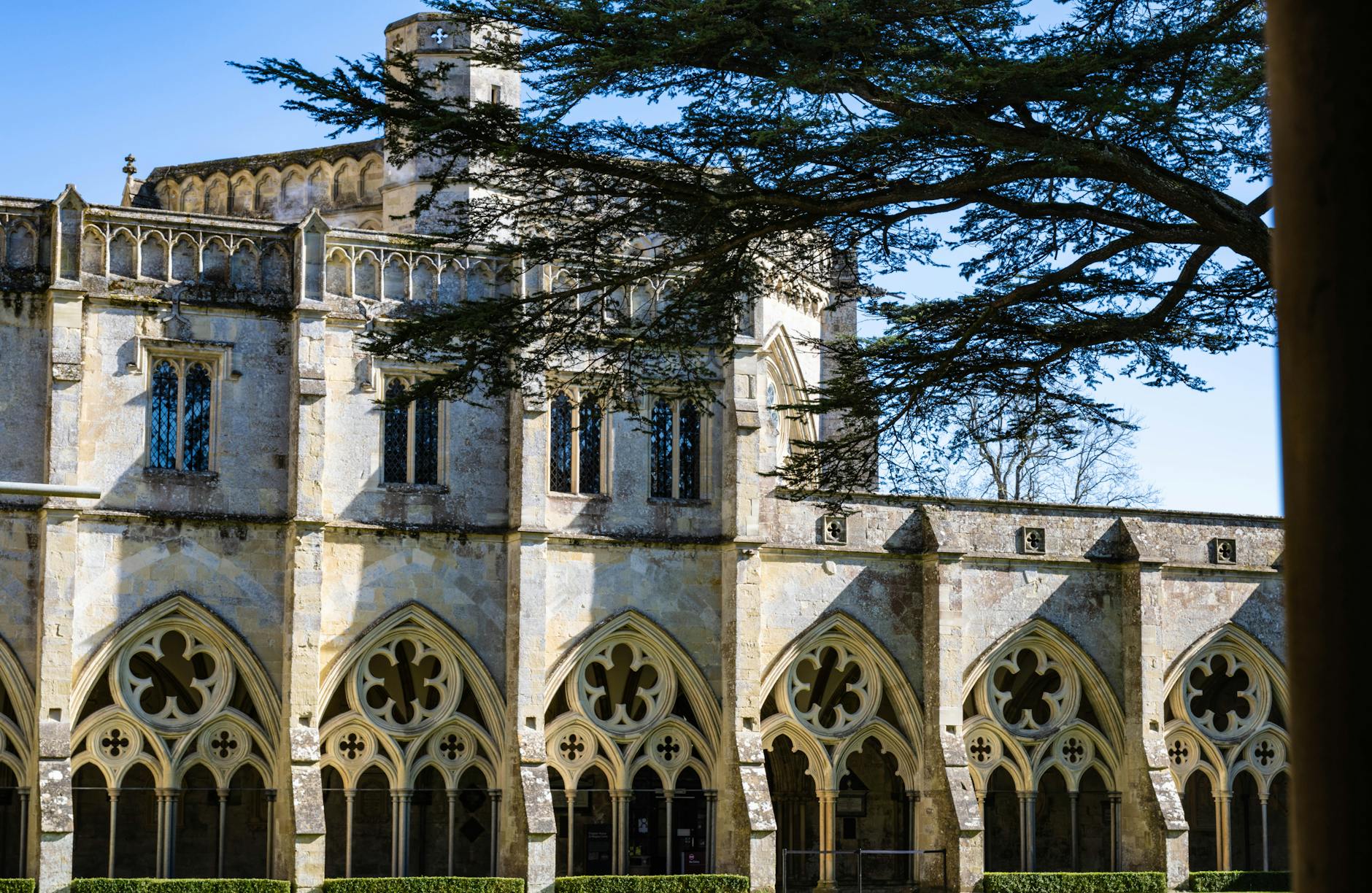
Even tiny Castle Combe has ancient roots, having begun life as a hill fort later occupied by the Romans, while Tetbury’s prosperity was built on the medieval wool trade, commemorated each spring in its quirky Woolsack Races. This deep history adds real fascination to a southern trip, layering Roman, medieval and later stories beneath the pretty surface. Many of these sights feature in our roundup of the best things to do in the Cotswolds.
Gardens, arboretum and countryside
The south is a paradise for garden and nature lovers. The Painswick Rococo Garden is a flamboyant 18th-century delight, especially magical when carpeted with snowdrops in late winter, while the National Arboretum at Westonbirt, near Tetbury, is world famous for its thousands of trees and spectacular autumn colour. The gardens at Highgrove, King Charles III’s nearby residence, can also be visited on pre-booked tours in season.
Then there is the countryside itself. The breezy commons of Minchinhampton and Rodborough, grazed by cattle and offering huge views, and the steep, wooded valleys around Stroud and Slad are gloriously unspoilt and perfect for walking. This is a landscape to get out into, not just look at, and it feels wilder and more expansive than the manicured north. The south rewards anyone who loves the outdoors.
Walks in the south Cotswolds
Walking is one of the great pleasures of the south, and the area is laced with footpaths through valleys, woods and over open commons. The long-distance Cotswold Way runs through here on its way to Bath, taking in dramatic viewpoints along the escarpment, while shorter circular routes link villages such as Castle Combe and explore the Slad valley immortalised by Laurie Lee in Cider with Rosie. Painswick Beacon offers a fine, breezy climb with panoramic views.
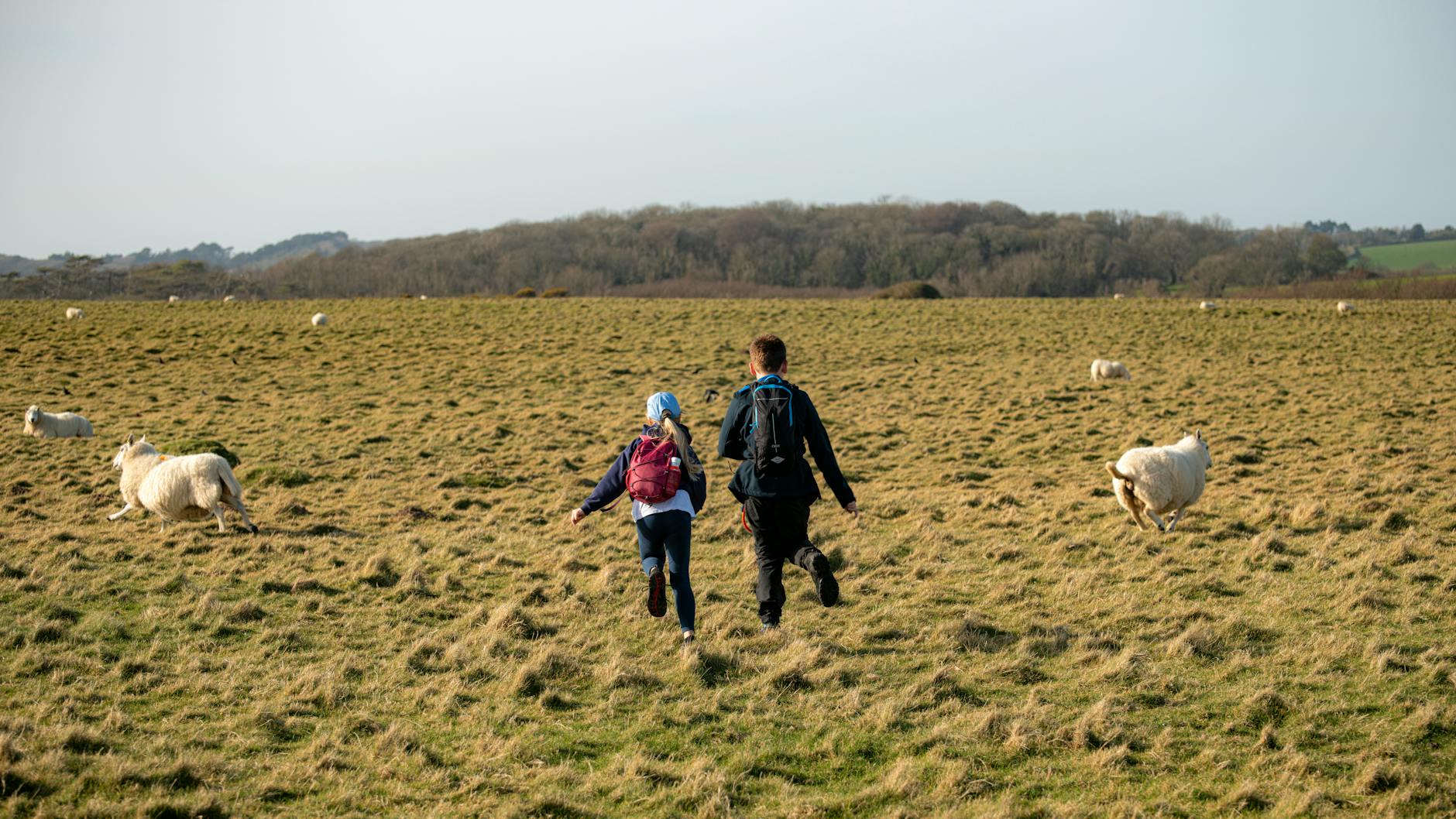
Because the south is quieter, its walks feel especially peaceful, and you can ramble for miles meeting barely a soul. Most routes are well-signposted and often end conveniently at a village pub, making them ideal for all abilities. Getting out on foot is the surest way to experience the south’s wilder beauty and its sweeping views. Our guide to Cotswolds walks and hiking has plenty of southern routes to choose from.
Where to stay and eat in the south
The south has lovely places to stay, from luxurious country-house hotels and characterful coaching inns to cosy pubs with rooms and self-catering cottages. Tetbury and Cirencester make excellent central bases with plenty of amenities, Painswick is perfect for the western valleys, and Castle Combe offers a famously romantic, if pricey, escape. Bath, just over the edge, is another option if you want to combine the two. See our guide to where to stay in the Cotswolds for help.
The dining is excellent, with the foodie towns of Nailsworth and Stroud especially worth seeking out, alongside superb gastropubs and country-house restaurants across the area. By day, the market towns and villages offer charming cafes, delis and farm shops for lunches and picnics, while evenings reward you with hearty pub suppers and special meals featuring local produce. Stroud’s award-winning Saturday farmers’ market is a particular highlight for food lovers.
Getting to the south Cotswolds
The south is easily reached from several directions. By car it is around an hour from Bristol or Bath, roughly two hours from London via the M4, and about an hour and a half from Birmingham. The nearest useful railway stations are Kemble, near Cirencester, with direct trains from London Paddington, and Stroud, while Bath and Chippenham on the edge are also well connected, making the south reasonably accessible by rail.
From any of these, hiring a car or using taxis and tours opens up the surrounding countryside, as the southern villages are spread out and rural buses are infrequent. The reward for the extra effort is a quieter, more rural Cotswolds that many day-trippers never reach. For full details on reaching and travelling around the region, see our guide to getting to the Cotswolds.
Practical tips for the south Cotswolds
A car is even more useful in the south than the north, as the villages are more spread out and rural public transport is sparse, though Kemble and Stroud have railway stations and Bath is well connected. Distances between stops are a little longer here, so plan your days with a touch more driving time, and enjoy the scenic country roads that wind through the valleys and over the commons.
The upside of the south’s quieter nature is that parking and crowds are rarely the headache they can be up north, though Castle Combe and Bibury still get busy, so early starts help. Wear sturdy shoes for the hillier walks, carry some cash for parking and small cafes, and check the seasonal opening of gardens and attractions. With fewer tourists, the south is a joy to explore at a relaxed, unhurried pace.
Best time to visit the south Cotswolds
The south is lovely year-round, and being quieter, it is more forgiving of peak-season visits than the north. Late spring and early autumn are especially beautiful, with fine walking weather and glorious light, while autumn brings world-famous colour to Westonbirt Arboretum. Late winter is the time for the snowdrops at Painswick Rococo Garden, a magical and uniquely southern spectacle well worth timing a trip around.
Summer is wonderful for the commons and valleys, though Castle Combe and Bibury do get busy, so visit them early or late in the day. Winter has a wild, romantic beauty in the wooded valleys, with cosy pubs to retreat to, albeit with some seasonal closures among the gardens and attractions. Whenever you come, the south’s lighter crowds make it a relaxing region to explore at your own pace.
Frequently asked questions about the south Cotswolds
What are the best villages in the south Cotswolds?
The essential southern villages and towns include exquisite Castle Combe, stylish Tetbury, Roman Cirencester, historic Malmesbury and hillside Painswick, along with the foodie towns of Nailsworth and Stroud and the lovely Coln valley villages. Each has its own character, and together they showcase the quieter, more rural beauty that sets the southern Cotswolds apart from the busier north.
Is the south Cotswolds near Bath?
Yes, the southern Cotswolds stretch down towards Bath, which sits just beyond their south-western edge. Castle Combe is only around twenty minutes from the city, making it easy to combine a southern Cotswolds trip with a day exploring Bath’s Roman Baths, Royal Crescent and Georgian streets. This proximity is one of the great advantages of basing yourself in the south.
Is the south Cotswolds quieter than the north?
Generally, yes. The south sees noticeably fewer visitors than the famous northern honeypots, so even popular spots feel more peaceful, and the deeper valleys and open commons offer real solitude. This makes it ideal for those seeking a quieter, more reflective trip or wanting to escape the crowds, though Castle Combe and Bibury can still get busy at peak times.
Where should I base myself in the south Cotswolds?
Tetbury and Cirencester make excellent central bases with plenty of amenities and good access to the southern highlights, while Painswick suits the western valleys and Castle Combe offers a romantic escape. Bath, just over the edge, is another option for combining city and countryside. Choose a base near the area you most want to explore, as the south is a little more spread out than the north.
How many days do you need for the south Cotswolds?
You can sample the highlights in a busy day, but two to three days lets you explore the south properly, taking in its villages, history, gardens and walks at a relaxed pace, and perhaps adding a day in Bath. Because the area is more spread out than the north, a little more time pays off, allowing for the scenic drives and the unhurried wandering the south is made for.
The southern Cotswolds are the region’s best-kept secret, offering exquisite villages, deep history, glorious gardens and wild, sweeping countryside, all at a gentler, quieter pace than the north. Explore from Bath to Cirencester and you will discover a side of the Cotswolds many visitors miss entirely. To see the other half, browse our north Cotswolds itinerary, or find all our routes in the Cotswolds itineraries guide. If you are basing yourself in a city instead, see our guide to a Cotswolds day trip from Oxford.