This article contains advertising. My booking links are routed through a partner that adds commission tracking automatically, so if you book through one I earn a commission from the provider, at no extra cost to you. It never affects what I recommend. Affiliate disclosure
The northern Cotswolds are the classic heart of the region, home to the highest concentration of famous honey-stone villages, elegant market towns and glorious countryside. If you want the quintessential Cotswolds, the scenes that grace every postcard and calendar, this is where to focus. From Broadway and Chipping Campden to Stow-on-the-Wold, Bourton-on-the-Water and the peaceful Slaughters, this north Cotswolds itinerary gathers the area’s best villages, gardens, walks and viewpoints into one beautifully focused route.
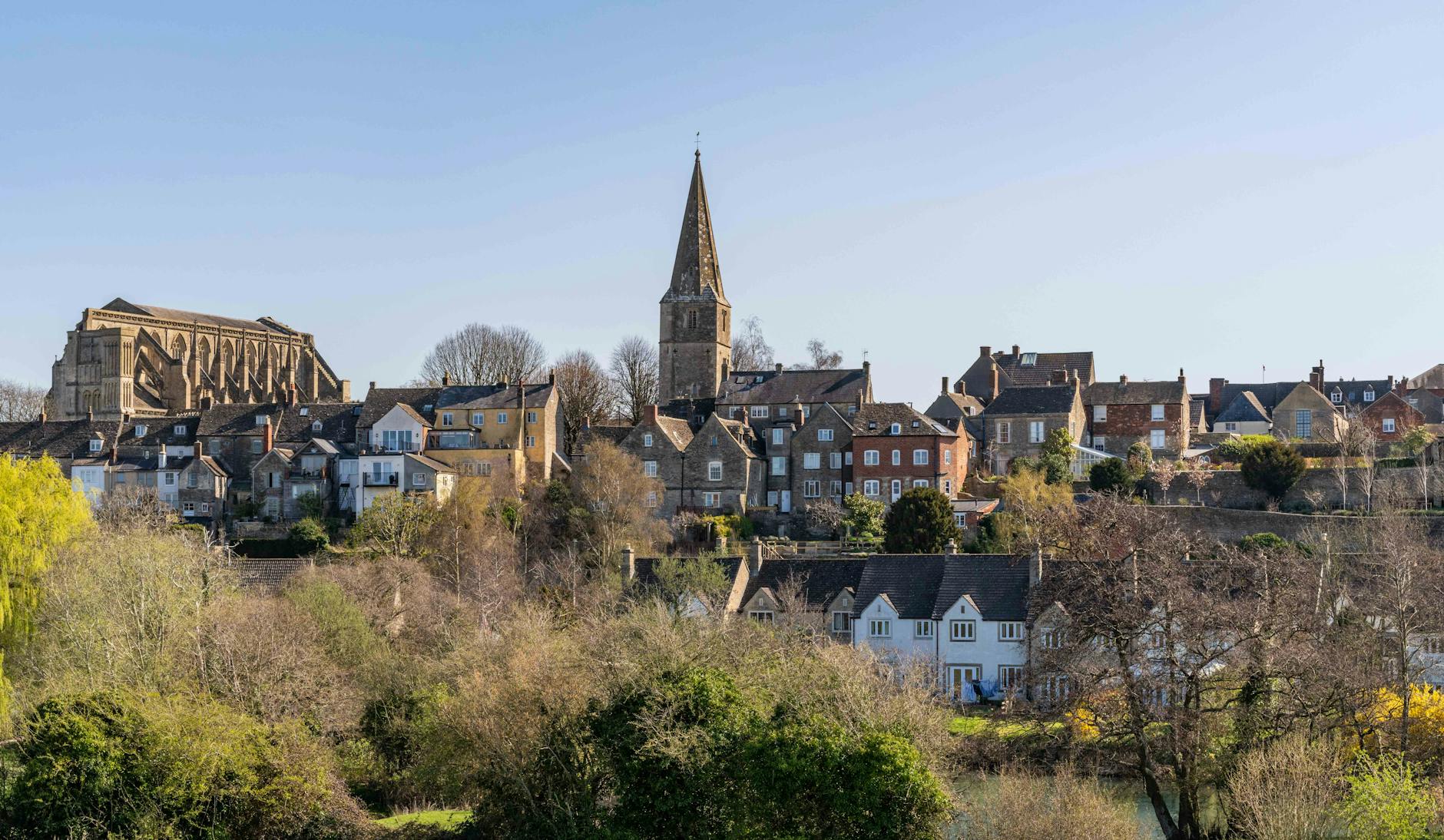
Because the north packs so much into a relatively small area, it is perfect for a first visit or a focused few days, with everything close together and short, scenic drives between stops. Below I share the essential villages and towns, a suggested route, the best gardens and walks, and where to stay and eat. Let’s explore the loveliest corner of the Cotswolds.
The north Cotswolds at a glance
The northern Cotswolds stretch roughly from Chipping Campden and Broadway in the north down through Stow-on-the-Wold, Bourton-on-the-Water and Moreton-in-Marsh, taking in a constellation of smaller villages in between. It is the most visited and best-known part of the region, and with good reason: nowhere else are so many beautiful places gathered so close together, set amid gently rolling, sheep-dotted hills.
This compactness is the north’s great advantage. Drives between villages are typically just ten to twenty minutes, so you spend your time exploring rather than travelling, and you can happily mix famous honeypots with peaceful hamlets, grand gardens and hilltop walks in a single day. Whether you have one day or several, the north delivers the quintessential Cotswold experience with the least effort.
Why focus on the north Cotswolds
The northern Cotswolds offer the densest cluster of must-see villages anywhere in the region, all within a short drive of one another. This is where you will find the celebrated names, Broadway, Chipping Campden, Stow, Bourton and the Slaughters, alongside dozens of quieter gems. It is also rich in grand gardens, historic houses and superb walking, including the start of the famous Cotswold Way, making it wonderfully varied as well as beautiful.
For visitors with limited time, concentrating on the north means less driving and more exploring, as you are never far from the next lovely village or viewpoint. It is the obvious choice for a first trip, and endlessly rewarding even if you know it well. The area features heavily in our roundup of the best Cotswolds villages, which makes a perfect companion to this route.
The essential north Cotswolds villages and towns
Start with the big names. Broadway, the jewel of the Cotswolds, charms with its broad, tree-lined High Street of galleries and boutiques, crowned by the hilltop folly of Broadway Tower. Nearby Chipping Campden is for many the loveliest of all, its graceful curving high street lined with honey-stone buildings, a covered Market Hall, ancient almshouses, a great wool church and a living silversmithing tradition. Both reward a slow, lingering wander.
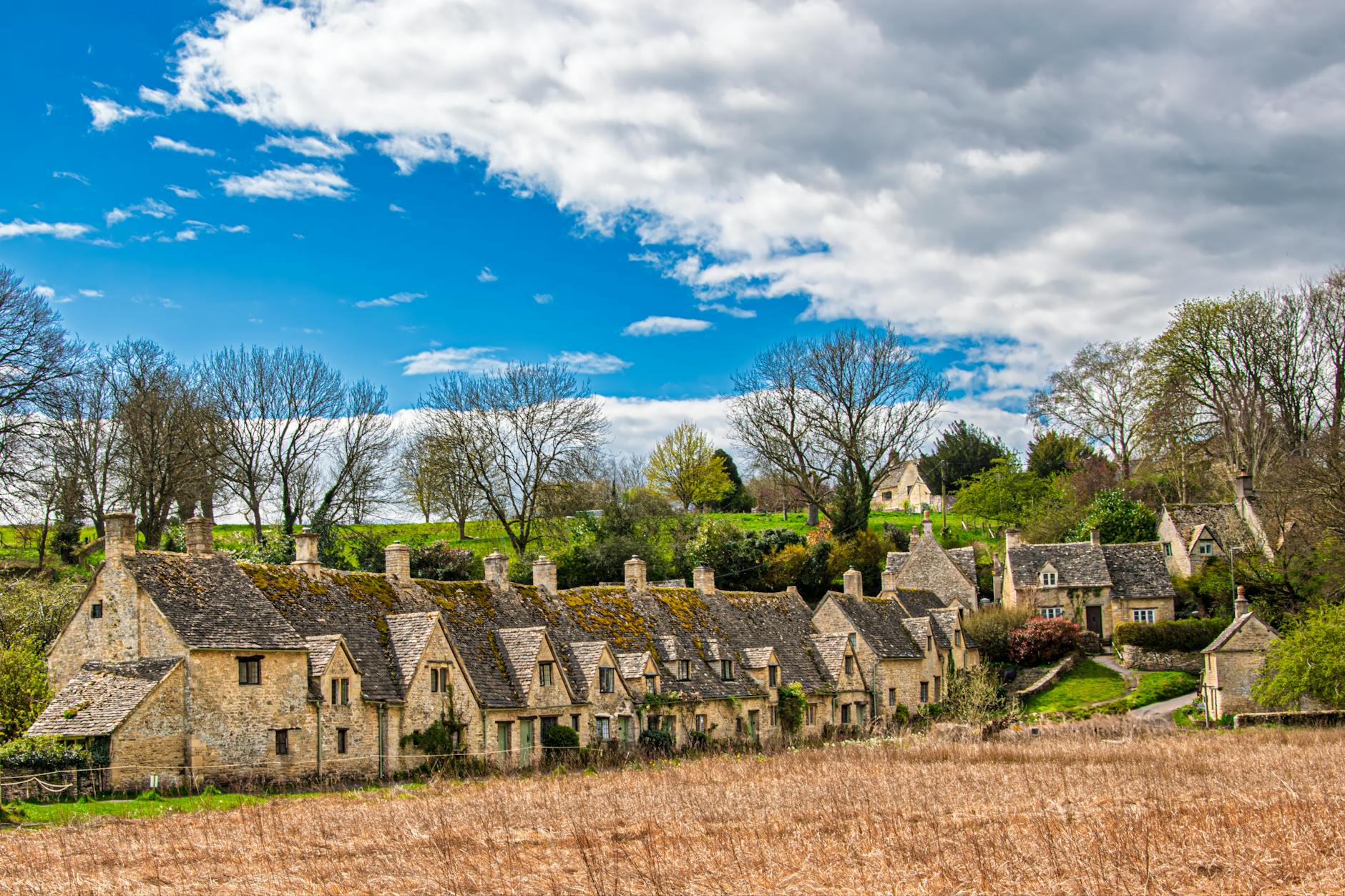
Then there are the classic villages: Bourton-on-the-Water, the Venice of the Cotswolds, with its river and bridges; the serene Slaughters, Lower and Upper, linked by an easy walk; and historic Stow-on-the-Wold with its grand market square. Add the bustling Tuesday market town of Moreton-in-Marsh and the storybook hamlets of Stanton, Snowshill and Blockley, and you have a roll-call of the most beautiful places in England. Our guides to Chipping Campden and Bourton-on-the-Water cover the highlights.
Each has its own distinct personality, so it is worth visiting a few to appreciate the variety. Bourton is lively and family-friendly, the Slaughters hushed and timeless, Stow grand and full of antiques, and Moreton workaday and welcoming. Even within a small area, no two villages feel quite the same, which is a big part of the north’s enduring appeal and the reason it never grows dull, however many times you return.
Hidden gems of the north
Beyond the famous names, the north hides dozens of quieter villages that are every bit as lovely but far less busy. Stanton, beautifully restored in the early 20th century, is a vision of flower-decked cottages and village greens, while Snowshill, with its manor and summer lavender fields, and Blockley, a former silk village and television filming location, both reward a peaceful wander. These are the places to escape the crowds.
Seek out, too, the likes of Guiting Power, Naunton, Bourton-on-the-Hill and the Swells and Slaughters, tucked-away hamlets of golden stone where you may have the lanes almost to yourself. Part of the joy of the north is turning off the main roads to discover these quieter corners, often just minutes from the honeypots yet a world away in atmosphere. A little exploring off the beaten track always pays off here.
A suggested north Cotswolds route
To see the best of the north over a few days, try this loop. Spend your first day around Broadway and Chipping Campden, browsing the high streets and climbing Broadway Tower for the views, with a wander through Stanton and Snowshill in the afternoon. Devote day two to the classic villages, starting early at Bourton-on-the-Water, walking to the Slaughters, then exploring Stow-on-the-Wold and finishing at the Tuesday market in Moreton-in-Marsh if your timing aligns.
With a third day, add the gardens and great houses, or venture to Winchcombe and Sudeley Castle, weaving in a country walk along the way. Keep your base central, around Stow, Bourton or Moreton, so each day is a short, easy loop. The order is flexible, so adjust to the weather and the famous villages’ busy times, aiming to reach Bourton and the honeypots early. For the full picture, see our 3-day Cotswolds itinerary.
If you only have a single day, do not despair; the north is the easiest part of the region to sample quickly. A focused loop of Bourton, the Slaughters, Stow and one of the northern towns gives a wonderful taste, and our dedicated 1-day Cotswolds itinerary shows exactly how to do it. However long you have, the key is to keep the driving short and leave time simply to enjoy each village.
Gardens and great houses in the north
The northern Cotswolds are blessed with some of England’s finest gardens and houses. The Arts and Crafts masterpiece of Hidcote and its romantic neighbour Kiftsgate are unmissable for garden lovers, while Sudeley Castle near Winchcombe combines royal history with beautiful grounds. Snowshill Manor, packed with one collector’s extraordinary curiosities, and the exotic Sezincote, which inspired Brighton Pavilion, add yet more variety.
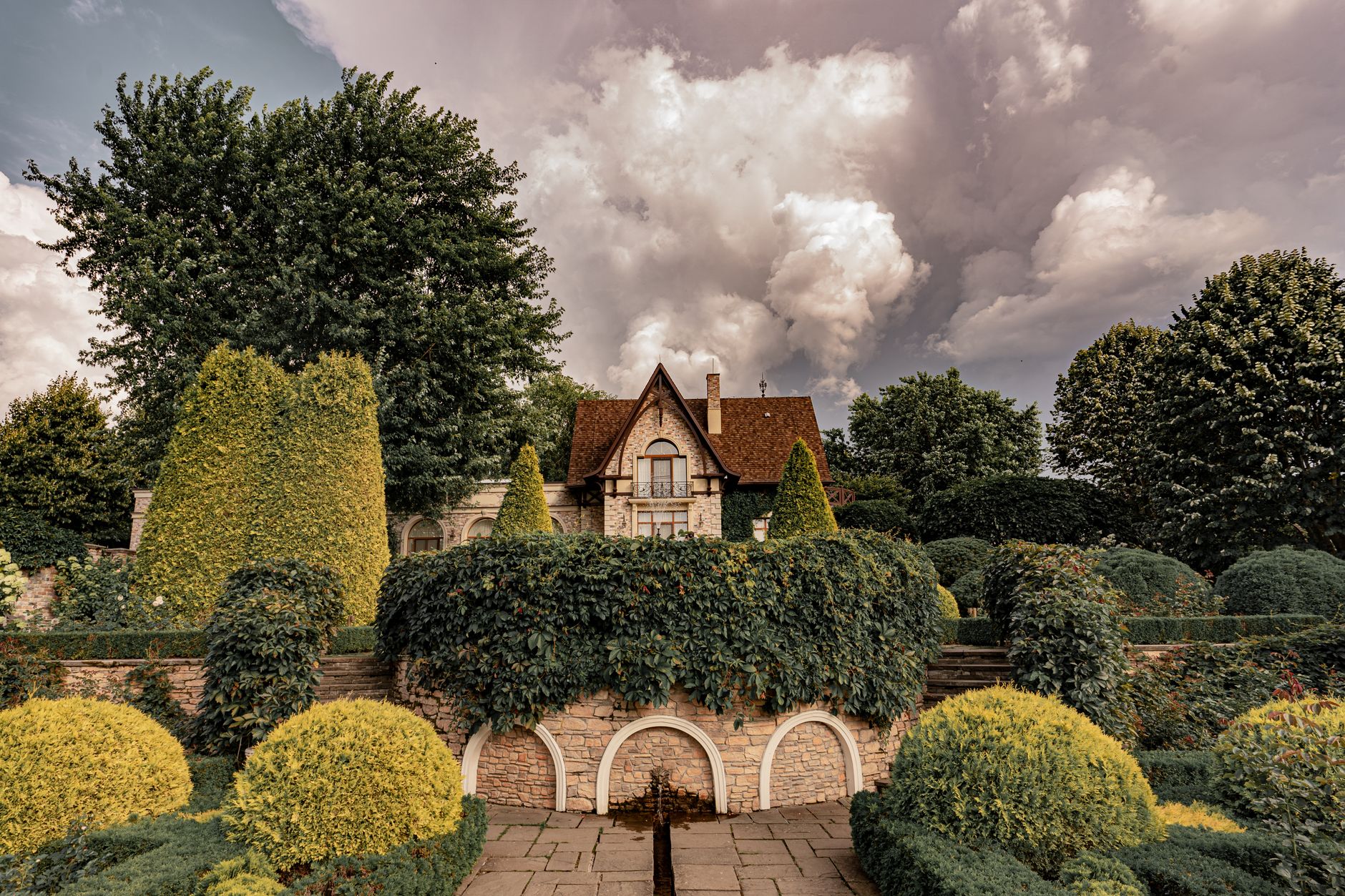
For trees and tranquillity, Batsford Arboretum near Moreton-in-Marsh is glorious, especially in spring and autumn, with thousands of specimens from around the world. Slotting one of these into your itinerary adds depth and a change of pace from the villages. Most are seasonal, so check opening times before you visit. Many also appear in our roundup of the best things to do in the Cotswolds.
Walks in the north Cotswolds
The north is wonderful walking country, and getting out on foot is the best way to escape the crowds and see the landscape at its finest. The long-distance Cotswold Way begins at the Market Hall in Chipping Campden, climbing to the natural amphitheatre of Dover’s Hill and on to Broadway Tower, with spectacular views along the escarpment. Even a short section is hugely rewarding, and there are gentler options too.
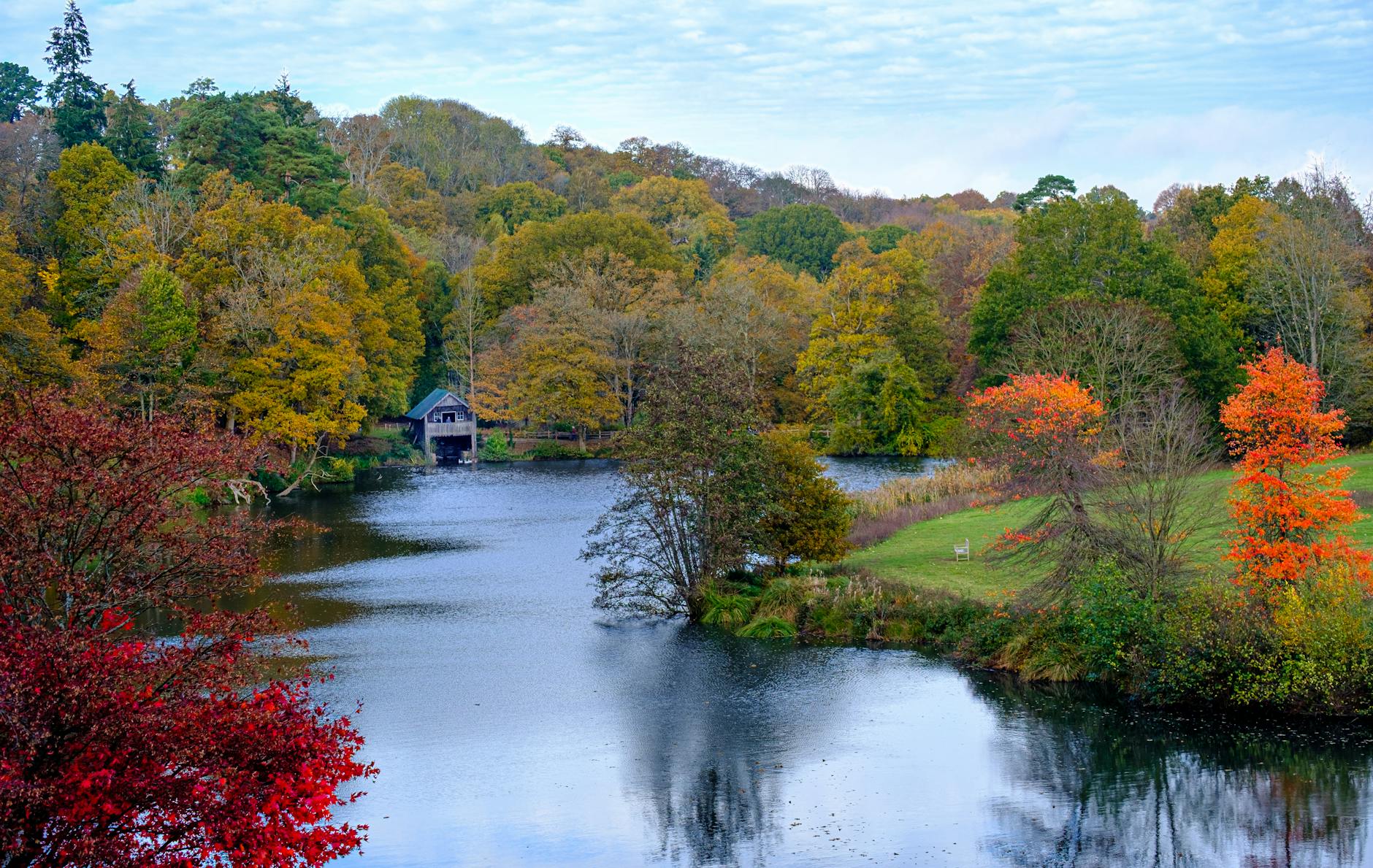
For an easy stroll, the flat riverside path between the two Slaughters is a delight, while circular routes link many of the villages through meadows and over the wolds. Most are well-signposted and frequently end at a welcoming pub, making them perfect for all abilities. Whatever your energy, a walk or two adds enormously to a north Cotswolds trip. Our guide to Cotswolds walks and hiking has routes to suit everyone.
The views are the reward up here. From the top of Broadway Tower or the slopes of Dover’s Hill, the land falls away in great green waves towards the Vale of Evesham, and on a clear day you can see for miles across several counties. It is a reminder that the north Cotswolds are not just about pretty villages but about a genuinely beautiful landscape, best appreciated with the wind in your hair and a path beneath your feet.
Where to stay and eat in the north
The north has wonderful places to stay, from luxurious country-house hotels to cosy pubs with rooms and characterful cottages. Stow-on-the-Wold is ideally central, Bourton offers amenities on the doorstep, Moreton-in-Marsh has the best rail links, and Broadway is elegant and well-placed for the far north. Staying centrally keeps every day’s driving short. For a full rundown, see our guide to where to stay in the Cotswolds.
The dining is superb, too, with everything from fireside gastropubs to Michelin-starred restaurants within easy reach. By day, the villages overflow with tearooms, delis and farm shops for lunches and picnics, while evenings reward you with hearty pub suppers or special meals featuring local Cotswold lamb, cheese and seasonal produce. Book ahead for the best tables at weekends, and toast your trip with a regional gin or sparkling wine.
Getting to the north Cotswolds
The north is easily reached from much of England. By car it is around two hours from London via the M40 and A44, about an hour and a half from Birmingham, and roughly forty minutes from Oxford. The most useful railway station is Moreton-in-Marsh, with direct trains from London Paddington, and nearby Kingham also serves the area, making the north the most accessible part of the region for those arriving by train.
From either station, hiring a car or using a mix of taxis, tours and the occasional bus opens up the surrounding villages. While a car gives you the most freedom, the north’s better rail links and relatively close-together villages make a car-light trip more feasible here than in the remoter south. For full details, see our guide to getting to the Cotswolds.
Practical tips for the north Cotswolds
A car is by far the best way to explore the north, as the villages are spread out and rural public transport is limited, though Moreton-in-Marsh’s mainline station makes a car-free base more feasible here than elsewhere. Start your days early to enjoy the famous villages before the day-trippers and coaches arrive, particularly at Bourton and Broadway, where parking fills fast in summer and at weekends.
Wear comfortable shoes for cobbles and country paths, pay for council car parks by card, contactless or PayByPhone (they no longer take cash), carry a little cash for small cafes, and keep an eye on fuel in remote areas. Try not to cram too much in; the north rewards a relaxed pace with time to linger by a river or in a pub garden. Visit midweek or in the shoulder seasons if you can, for thinner crowds and easier parking. A little planning makes all the difference.
Shopping, markets and crafts in the north
The north is a brilliant place to shop, with antiques, boutiques, galleries and markets in abundance. Stow-on-the-Wold is famous for its antique centres and galleries around the market square, Broadway and Chipping Campden offer upmarket boutiques and craft, and Moreton-in-Marsh hosts the biggest open-air market in the Cotswolds every Tuesday, with over 200 stalls. Together they make the north a real draw for browsers and collectors alike.
The area also has a deep craft heritage, from the silversmiths of Chipping Campden to the potters and makers dotted across the villages, so there is plenty of handmade treasure to take home. Weaving a little shopping into your itinerary is a lovely way to fill an afternoon, especially if the weather turns. For more, see our guides to the best Cotswolds market towns and the Moreton-in-Marsh market.
Best time to visit the north Cotswolds
The north is beautiful year-round, but late spring and early autumn are arguably the sweet spot, with lovely light, mild weather and fewer crowds than peak summer. Summer brings long days and everything open, including the Snowshill lavender in June and July, but also the busiest villages, so early starts are essential. Autumn sets the woods and arboretums ablaze with colour, especially at Batsford.
Winter has its own quiet charm, with cosy pubs, frosty walks and festive markets, though some gardens and attractions close or reduce their hours. Whenever you come, visiting the famous villages midweek rather than at the weekend, and early or late in the day, makes for a far more peaceful experience. The north is popular for good reason, so a little timing goes a long way.
Frequently asked questions about the north Cotswolds
What are the best villages in the north Cotswolds?
The essential north Cotswolds villages include Broadway, Chipping Campden, Bourton-on-the-Water, the Slaughters and Stow-on-the-Wold, plus quieter gems like Stanton, Snowshill and Blockley. The market town of Moreton-in-Marsh is also well worth visiting, especially on a Tuesday for its famous market. Together they offer the very best of the classic, postcard Cotswolds within a short drive.
Where should I base myself in the north Cotswolds?
Stow-on-the-Wold is ideally central, with Bourton-on-the-Water offering plenty of amenities and Moreton-in-Marsh providing the best rail links, while Broadway suits the far north. Any of these keeps the famous villages within a short drive, so you can explore everything as easy day loops. Staying in one central base for your whole trip is the most relaxing approach.
How many days do you need for the north Cotswolds?
You can see the highlights in two to three days, enough for the famous villages, a garden or castle and a country walk. With more time you can explore at a gentler pace and reach the quieter hamlets. Even a single day captures a taste, though a long weekend is ideal for doing the north justice without rushing.
Is the north or south Cotswolds better?
Both are lovely, but they have different characters. The north has the highest concentration of famous villages and is busier and more visited, making it ideal for a first trip, while the south is generally quieter and more rural, with gems like Castle Combe, Tetbury and Painswick. Many visitors do the north first, then return to explore the south at a more leisurely pace.
Can you visit the north Cotswolds without a car?
It is more feasible here than elsewhere, thanks to the mainline station at Moreton-in-Marsh. Base yourself there or at a nearby village, and combine trains with guided tours, taxis, the occasional bus and plenty of walking to reach the surrounding villages. You will see less than with a car and need to plan around timetables, but a slower, walking-focused trip in the north can still be hugely rewarding.
The north Cotswolds are the classic, postcard-perfect heart of the region, packing the most beautiful villages, finest gardens and best walks into one compact and rewarding area. Focus your trip here and you cannot go wrong, whether for a day, a weekend or longer. To explore the quieter side of the region, see our south Cotswolds itinerary, or browse all our routes in the Cotswolds itineraries guide. To combine this with the south of the region, see our 5-day Cotswolds itinerary.