This article contains advertising. My booking links are routed through a partner that adds commission tracking automatically, so if you book through one I earn a commission from the provider, at no extra cost to you. It never affects what I recommend. Affiliate disclosure
For my money, there is no more characterful way to stay in the Cotswolds than a good old-fashioned bed and breakfast. Forget the anonymity of a chain hotel: a great Cotswolds B&B means a honey-stone house full of beams and history, a genuine welcome from hosts who know the area inside out, and a cooked breakfast made with eggs from down the road, all at a price that usually undercuts the hotels. It is the most personal, and often the most memorable, way to experience this gentle corner of England.
This guide covers everything you need to choose the right B&B, from the different types on offer and the best villages to stay in, to what to expect at breakfast and how to spot a really good one. Because small B&Bs are owner-run and change hands from time to time, I have focused on what to look for as much as on specific names, so you can book with confidence. It works alongside our complete guide to where to stay in the Cotswolds.
What Makes a Great Cotswolds B&B
The best Cotswolds B&Bs share a few qualities. First, the building: there is something special about waking up in a centuries-old house of honey-coloured stone, with flagstone floors, oak beams, an inglenook fireplace and leaded windows looking out over a garden or the hills. Many are Grade II listed, and that period character is a big part of the appeal.
Just as important is the personal welcome. A good host is the heart of a B&B, offering local knowledge you simply will not get from a hotel front desk: which walk to do, which pub serves the best Sunday lunch, which garden is worth the detour, and which village to visit before the crowds arrive. And then there is breakfast, the headline event, cooked to order and made with local ingredients. Get these three things right, the building, the hosts and the breakfast, and you have the makings of a wonderful stay.
The Three Types of Cotswolds B&B
It helps to know that “B&B” covers three quite different experiences, and choosing the right type is the key to a happy stay.
The traditional or townhouse B&B is the classic: a small, owner-run house in a village or market town, with a handful of individually decorated rooms and the most personal welcome of all. These are the places where you really feel like a guest in someone’s home, and where the hosts’ care shows in every detail. They are ideal if you value character and conversation, though they tend to be smaller, so book early.

The inn or pub-with-rooms offers a more sociable stay: a proper country pub downstairs, serving dinner and local ales, with comfortable ensuite rooms above. These are perfect if you like the idea of a drink and a meal without leaving the building, and they are usually the most dog-friendly option too. Many of the Cotswolds’ most characterful stays fall into this category, from ancient coaching inns to village locals with a few smart rooms.
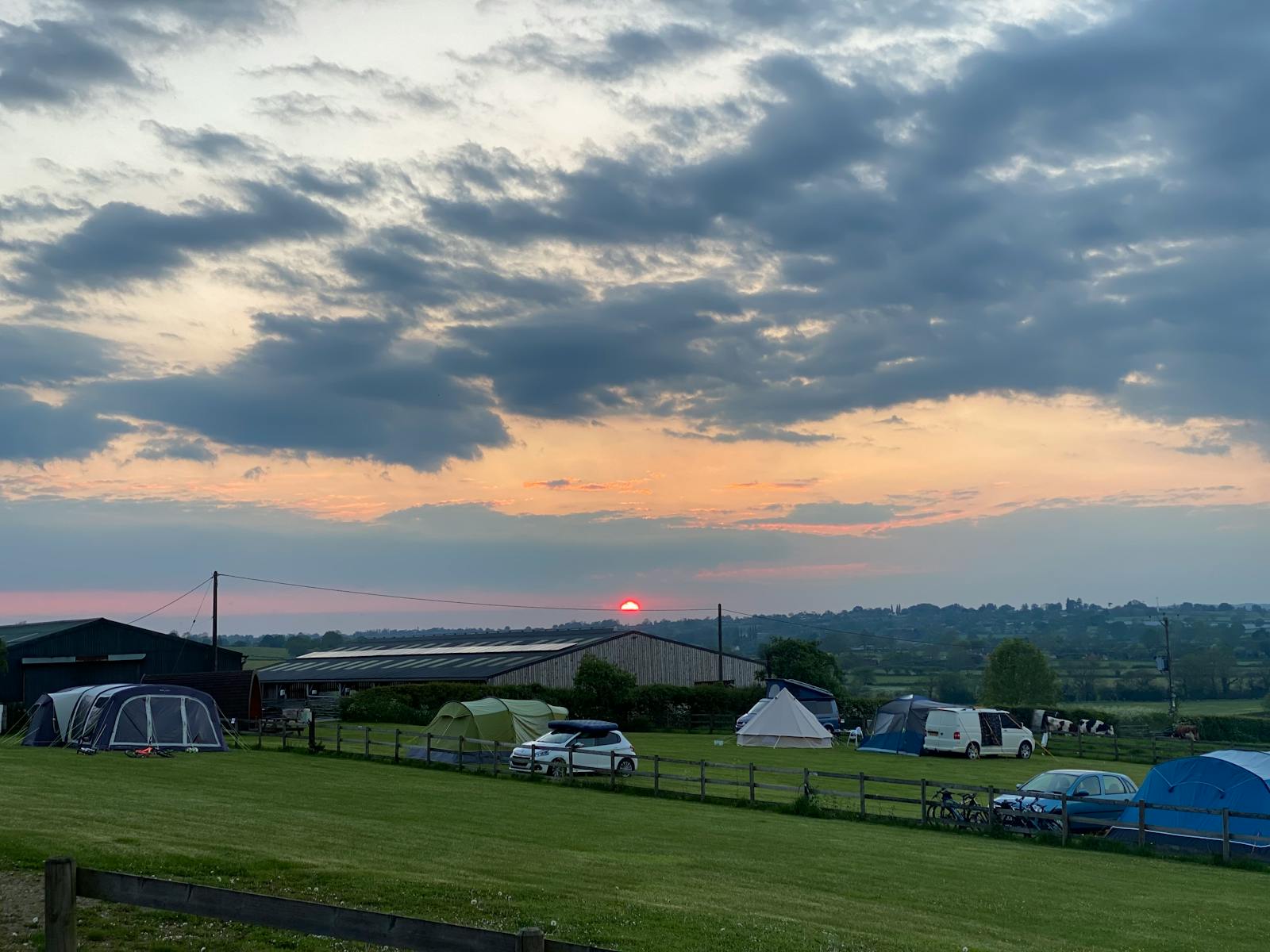
The farmhouse B&B is the most rural and often the best value: a room in a working farmhouse, with big country breakfasts, peace and quiet, and frequently a warm welcome for families and dogs. If you want to wake up surrounded by fields with the escarpment in the distance, a farmhouse B&B is hard to beat, and it connects you to the working countryside in a way a hotel never could.
Best Villages and Towns for B&Bs
B&Bs are found right across the Cotswolds, but some areas are especially well supplied. In the north, Broadway, Chipping Campden, Stow-on-the-Wold and Bourton-on-the-Water all have a good choice, with Broadway and Stow making excellent central bases. For something smaller and quieter, the market town of Moreton-in-Marsh and the twin villages of Upper and Lower Slaughter hide some lovely farmhouse and inn rooms. Burford is ideal for the central Cotswolds, while in the quieter south, Painswick, Cirencester, Tetbury and Winchcombe all reward those who want fewer crowds.
A clever tip for a longer trip is to split your stay between a northern and a southern base, which lets you explore the whole region with far less driving. Wherever you choose, basing yourself in a B&B within a village means you can enjoy that village at its loveliest, early in the morning and in the evening, once the day-trippers have gone. Our guide to the best areas to stay in the Cotswolds goes into more detail on choosing your base.

What to Expect: Breakfast, Hosts and Parking
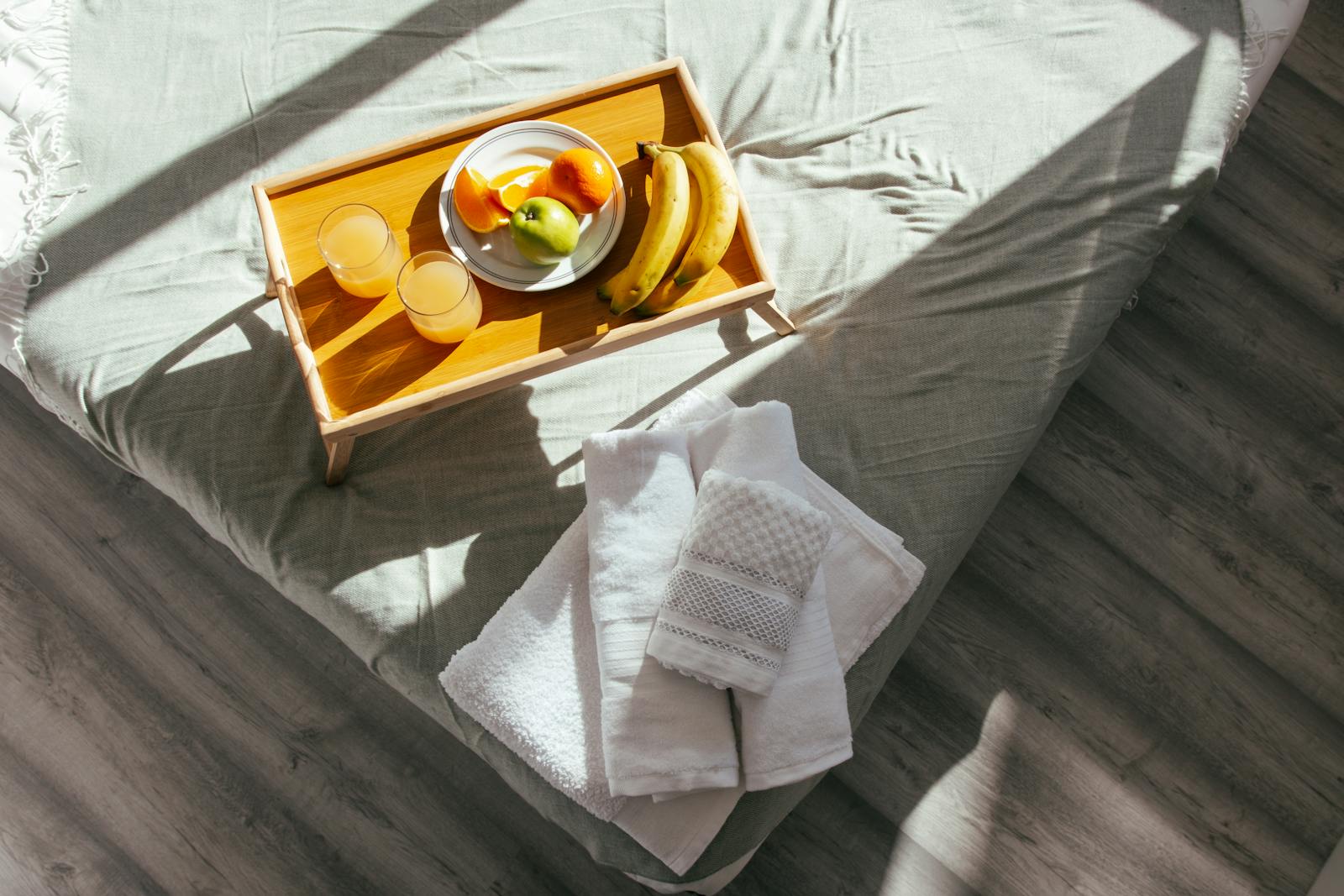
Breakfast is where a Cotswolds B&B really shines. Expect a proper cooked breakfast made to order, often a full English with locally reared sausages and bacon, free-range eggs and home-made preserves, alongside cereals, fruit, yoghurt and good coffee. Many hosts happily cater for vegetarian, vegan or other dietary needs if you let them know in advance, and some offer lovely alternatives such as pancakes, kippers or smoked salmon. Breakfast is usually served within a set window, so it pays to check the times.
The personal touch extends to the hosts themselves, who are typically around to offer recommendations and a friendly chat, which most guests come to love. A practical point worth flagging is parking: village-centre B&Bs may have limited or on-street parking, which matters if you are driving, whereas countryside and farmhouse B&Bs usually have plenty of space. Always confirm parking before you book, along with any policies on children, single-night stays or stairs in these older buildings.
How Much Does a Cotswolds B&B Cost?
B&Bs offer some of the best value accommodation in the Cotswolds, though this is not a cheap region. As a rough guide, simpler village and farmhouse B&Bs start from around £80 to £110 a night for two, including breakfast. Characterful townhouse B&Bs and good pubs-with-rooms typically run from around £110 to £180, while the most boutique guesthouses and award-winning properties, often with four-posters and luxurious touches, can be £180 to £300 or more.
These are indicative figures, as small B&Bs adjust their prices seasonally, so always check current rates. Bear in mind that weekends and peak periods, summer, bank holidays, Christmas and festival dates, sell out early and often carry a two-night minimum stay. For genuine savings, travel midweek or in the quieter months, and consider a B&B in a lesser-known village rather than a famous honeypot. Our guide to the Cotswolds on a budget has more tips.
How to Find and Vet a Great B&B
With so many B&Bs to choose from, a few trusted signals help you pick a winner. The AA and VisitEngland quality schemes award star ratings (from one to five) reflecting quality, facilities and service, and their Gold and Silver awards highlight the very best properties within each star tier, a reliable shortcut to an excellent stay. The respected Sawday’s guide (“Special Places to Stay”) personally inspects and curates its listings for character and warmth, and is a particularly good source for the Cotswolds.
Alongside the official ratings, read recent reviews on sites such as Tripadvisor and Google to check for consistency on the things that matter, breakfast, cleanliness, comfort, parking and the welcome, and watch for any mention of a recent change of ownership, which can affect standards. Booking directly with the B&B is often the best approach, securing a good rate and building a friendly relationship with your hosts before you even arrive.
B&B or Hotel: Which Is Right for You?
A B&B suits travellers who value character, personal service and good value, and who do not mind the more intimate scale of a small, owner-run place. If you want facilities such as a spa, a pool, a restaurant, a lift or round-the-clock service, a hotel will serve you better. Many visitors love mixing the two on a longer trip, perhaps a night or two of B&B charm followed by a hotel treat. For the full range of options, see our guides to the best boutique hotels and holiday cottages in the Cotswolds.
The Cotswolds Breakfast Tradition
If there is one thing that defines a Cotswolds B&B, it is the breakfast, and it is worth lingering over. Unlike the conveyor-belt buffet of a big hotel, a B&B breakfast is cooked fresh to your order, often at a communal table or in a sunny dining room overlooking the garden. The full English is the classic, but the real treat is the local sourcing: sausages and bacon from a nearby farm, eggs from the hosts’ own hens, honey from village hives and home-made marmalade and jams. It is a proper start to a day of walking or sightseeing.
Many hosts take genuine pride in their breakfasts and will happily rustle up alternatives, from smoked salmon and scrambled eggs to porridge, pancakes or a hearty vegetarian or vegan spread, if you mention your preferences in advance. It is one of the small ways in which a B&B feels personal in a way a hotel rarely does, and for many guests it becomes the highlight of the stay. Do check the serving times when you arrive, as breakfast is usually offered within a set window rather than all morning.
The Pleasure of Staying With Local Hosts
The hosts are what turn a good B&B into a great one. People who run B&Bs tend to do so because they love where they live and enjoy sharing it, and that enthusiasm is infectious. Over breakfast or an evening chat, you will pick up the kind of local tips that never make it into the guidebooks: the quiet lane with the best view, the farm shop worth a detour, the pub two villages over that does a legendary Sunday roast, and the time to visit the famous spots before the crowds descend.
This local knowledge is genuinely valuable, and it is something the Cotswolds does particularly well. Many hosts keep folders of walking routes, bus timetables and recommendations, and some will even book tables or taxis for you. If you are the kind of traveller who likes to get under the skin of a place rather than tick off the highlights, a B&B with welcoming hosts is the perfect base. It is also reassuring for first-time visitors and those travelling without a car, who benefit most from a friendly local steer.
B&Bs for Walkers and Dog Owners
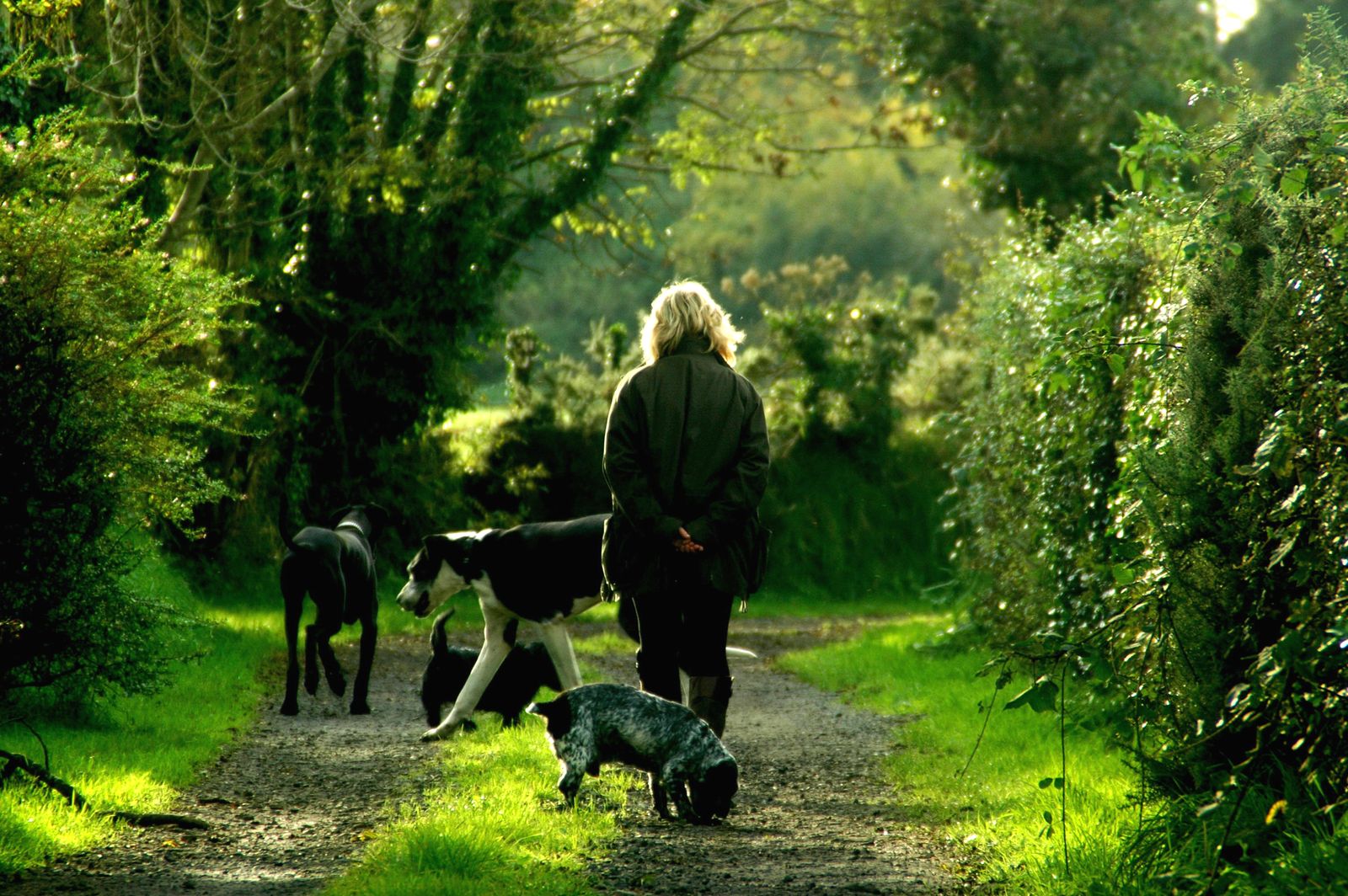
The Cotswolds is wonderful walking country, and B&Bs are the natural choice for those exploring on foot. Many sit directly on or near the 102-mile Cotswold Way and other trails, and walker-friendly hosts are used to muddy boots, early breakfasts and packed lunches, with some offering drying facilities and luggage transfers between stops. Basing yourself in a B&B in a walking village such as Winchcombe, Chipping Campden or Painswick means you can step out of the door and straight onto a footpath.
Dog owners are also well served, especially at farmhouse B&Bs and pubs-with-rooms, many of which welcome four-legged guests with beds, bowls and treats, and have plenty of walks from the door. Always confirm the pet policy and any charge in advance, and check where dogs are allowed within the property. Our guides to walking in the Cotswolds and dog-friendly accommodation have more for active and pet-owning travellers.
Booking Tips and Things to Check
A few practical checks will help you avoid surprises. Because these are small, often historic properties, confirm the essentials before booking: whether there is private parking, whether the room is ensuite or has a private bathroom, whether there is a single-night surcharge or a minimum stay, and whether stairs might be an issue, as old buildings rarely have lifts. Some B&Bs have policies on children or are adults-only, so check if that matters to you.
Booking directly with the B&B, by phone or through its own website, is usually the best approach. You will often get a better rate than through a third-party site, you can ask any questions and mention any special requests, and you start building a friendly rapport with your hosts. Pay attention to the cancellation policy, as small B&Bs that hold a single room for you are understandably stricter than large hotels, and be sure to communicate your arrival time, since many are run by people who may be out during the day.
Making the Most of a B&B Stay
To get the best from a B&B holiday, lean into what makes it special. Chat to your hosts and act on their recommendations; eat a proper breakfast and let it fuel a good walk; and choose a base that lets you enjoy a pretty village in the quiet hours. Because B&Bs are smaller and more personal, a little courtesy goes a long way, so let your hosts know your plans, respect breakfast times, and treat the house as the home it is.
Above all, a B&B encourages you to slow down and travel at the gentle pace the Cotswolds rewards. Rather than racing between sights, you settle into village life, get to know one corner of the region well, and return home feeling you have experienced the real Cotswolds rather than just photographed it. Pair your stay with our pick of the best things to do in the Cotswolds and our itineraries to plan the perfect trip.
Frequently Asked Questions
How much does a B&B in the Cotswolds cost?
Roughly £80 to £300 or more per night for two including breakfast, depending on the type and season. Mid-range characterful B&Bs typically cost £110 to £180. Always check current rates, as small B&Bs adjust their prices seasonally.
What’s the difference between a B&B and a pub-with-rooms?
A B&B is usually owner-run with breakfast only, while a pub-with-rooms adds a bar and an on-site dinner, making it more sociable and usually more dog-friendly. Both offer ensuite rooms and a cooked breakfast, but the atmosphere differs.
Are Cotswolds B&Bs dog-friendly?
Many are, particularly farmhouse B&Bs and pubs-with-rooms, though smaller townhouse B&Bs vary. Always confirm the pet policy and any charge before you book. See our guide to dog-friendly Cotswolds accommodation for more.
When should I book a Cotswolds B&B?
Book as early as you can for summer, bank holidays, Christmas and festival weekends, when the best B&Bs fill up fast and often require a two-night minimum. Midweek and the quieter autumn and winter months offer better value and availability.
What do AA and VisitEngland star ratings mean?
Star ratings from one to five reflect quality, facilities and service, while Gold and Silver awards highlight the very best properties within a star tier. They are a reliable shortcut to a great stay, alongside reading recent guest reviews.
Find Your Perfect Cotswolds B&B
A characterful B&B is one of the most rewarding ways to experience the Cotswolds: personal, full of charm and usually great value. Work out which suits you — a traditional townhouse B&B, a sociable inn or a peaceful farmhouse — choose your base, and you are well on your way to a memorable stay. For more, explore our guides to the best areas to stay and budget accommodation in the Cotswolds.