This article contains advertising. My booking links are routed through a partner that adds commission tracking automatically, so if you book through one I earn a commission from the provider, at no extra cost to you. It never affects what I recommend. Affiliate disclosure
The Cotswolds may look like the very picture of gentle, well-mannered England, but scratch the honey-coloured surface and you find something gloriously, defiantly bonkers. This is a region where grown adults hurl themselves down a near-vertical hill chasing a runaway cheese, where the local championship sport is kicking each other in the shins, and where men race up a steep slope with a 60-pound sack of wool on their backs to impress the neighbours. The Cotswolds’ quirky traditions are some of the oldest, strangest and most entertaining customs in the country, and witnessing one is an unforgettable day out.

This is your guide to the wonderfully eccentric side of the Cotswolds: the world-famous cheese rolling, the ancient shin-kicking games, the woolsack races and a clutch of other delightfully odd local customs. I will explain what happens, where and when, and how to go and watch. Most of these events are free, fiercely contested and brilliantly batty — proof that beneath its polished image, the Cotswolds has a wild and ancient heart.
Cooper’s Hill Cheese-Rolling: the famous one
The Cotswolds’ most notorious tradition by a mile is the Cooper’s Hill Cheese-Rolling and Wake, held each year on the Spring Bank Holiday at Brockworth, near Gloucester, on the western edge of the region. The concept is gloriously simple and frankly insane: a 7-to-9-pound wheel of Double Gloucester cheese is sent hurtling down an extraordinarily steep grassy hill, and competitors throw themselves down after it. The first person to the bottom wins the cheese.
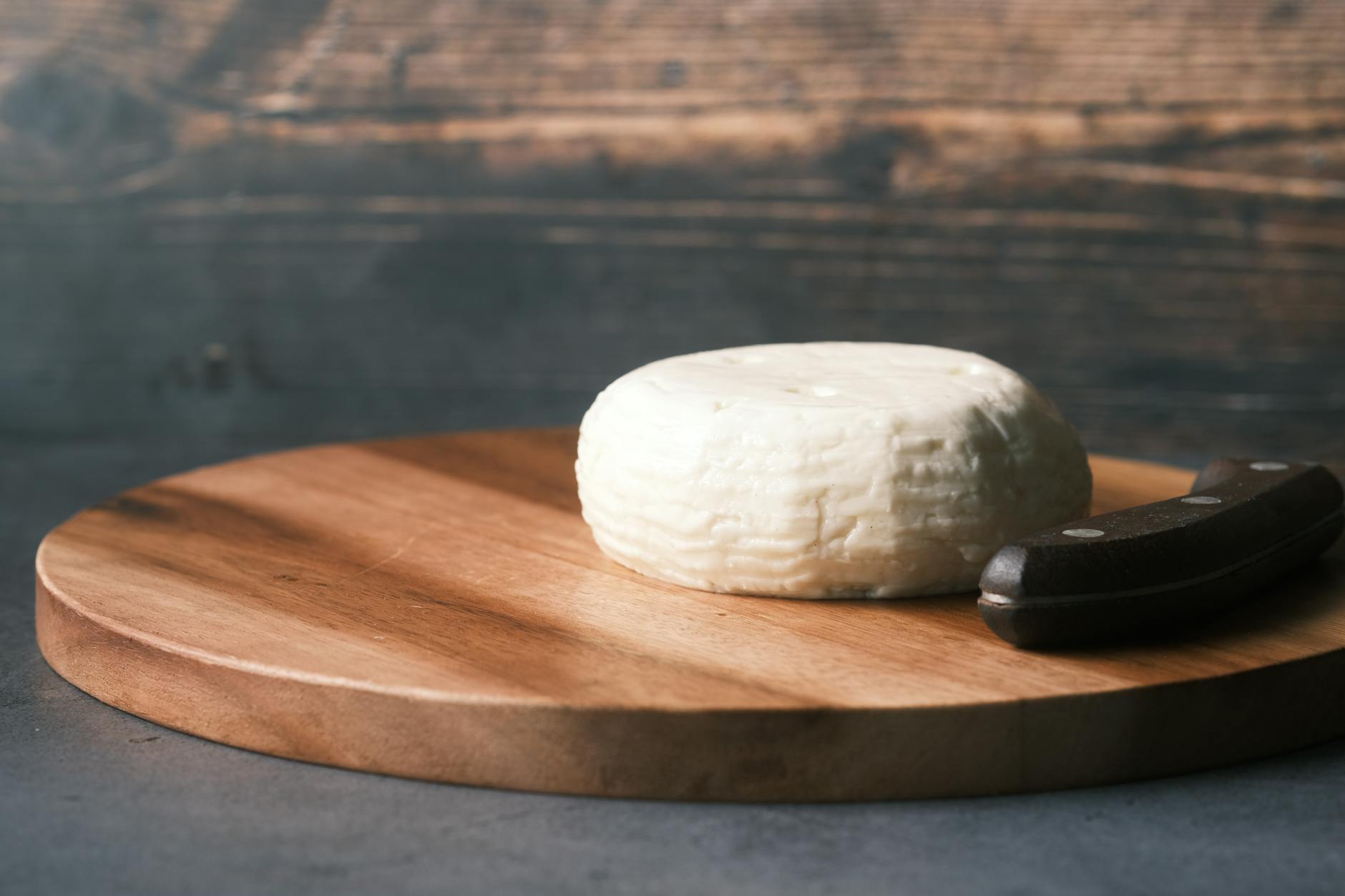
Here is the catch: the slope is roughly one-in-two, the cheese can reach speeds of around 70 miles per hour, and almost nobody stays on their feet. Competitors tumble, cartwheel and bounce down the 200-yard hill in a chaos of flying limbs, and injuries — sprains, bruises and the occasional broken bone — are entirely routine. The event is completely unofficial, with no organising body, so everyone takes part entirely at their own risk. It is believed to be centuries old, with written records going back to 1826, and today it draws daredevil competitors and huge crowds of spectators from all over the world. There are usually several downhill races, including a women’s race, plus gentler uphill races for children. It is utterly mad, utterly compelling, and absolutely free to watch.
The Cotswold Olimpick Games and shin-kicking
If cheese rolling is the Cotswolds’ wildest tradition, the Cotswold Olimpick Games are its most historic. Staged on Dover’s Hill near Chipping Campden on the Friday after the Spring Bank Holiday, these “Olimpicks” were founded around 1612 by a local lawyer named Robert Dover — which means they predate the modern Olympic Games by nearly three centuries. They were a deliberate celebration bringing together rich and poor for sport and revelry, and once even drew royalty.
The undisputed star event is the shin-kicking championship, a contest of pure, padded brutality that has been fought here since the 17th century. Two competitors grip each other firmly by the shoulders and proceed to kick each other in the shins until one is forced to the ground, traditionally wearing white shepherds’ smocks and stuffing their trouser legs with straw for protection. It is as eye-watering as it sounds, and the crowd loves it. The games end with a spectacular bonfire on the hill and a torchlit procession down into Chipping Campden, where the festivities continue the next day with the Scuttlebrook Wake. Having lapsed in the 19th century, the games were revived and have run annually since the 1960s, cared for by a dedicated local society.
Tetbury Woolsack Races
Over in the handsome wool town of Tetbury, the Spring Bank Holiday Monday brings another wonderfully gruelling tradition: the Woolsack Races. Competitors shoulder a heavy woolsack — a hefty 60 pounds for the men — and race up and down the brutally steep one-in-four slope of Gumstool Hill, which conveniently runs between two pubs, the Royal Oak at the bottom and the Crown at the top. It is a proper test of strength and stamina, and exhausting just to watch.
The tradition is said to date back to the 17th century, when local drovers would run from pub to pub carrying woolsacks to show off their strength to the local women — a fittingly direct nod to the wool trade that made Tetbury and the wider Cotswolds rich, a story told in our guide to the Cotswolds wool trade. The modern races have been a Tetbury institution since 1972, and after a pause during the pandemic they have returned to draw thousands of cheering spectators. It is a brilliant, very local day out with a real community spirit.
Randwick Wap and ceremonial cheese
Cheese features in another marvellous Cotswold custom, the Randwick Wap, held each May in the village of Randwick near Stroud. This revived ancient festival, with written records reaching back to 1703, is a riot of pageantry: a costumed procession parades a “Wap Mayor” and Queen through the village, accompanied by assorted officials, before the unfortunate Mayor is ceremonially dipped in the village pond. Quite why is lost to history, which is rather the point.
There is ceremonial cheese rolling too — gentler than Cooper’s Hill — with cheeses rolled around the church before being cut up and shared, alongside a fair and much merriment. It is a wonderful example of the kind of half-understood, lovingly maintained village custom that survives all over the Cotswolds, kept alive simply because the community enjoys it. Stumbling on one of these is one of the unexpected joys of travelling here.
The Painswick Clypping Ceremony
Not every tradition involves cheese, straw or injury. One of the most charming and gentle is the Clypping Ceremony at Painswick, held each September. “Clypping” comes from an Old English word meaning to embrace, and that is exactly what happens: the children of the parish, often carrying posies of flowers, join hands to encircle and symbolically embrace the parish church, singing the traditional Clypping hymn as they go.
It is a touching, photogenic ceremony, made all the lovelier by its setting: Painswick’s churchyard is famous for its sculpted yew trees, said to number ninety-nine, and its remarkable collection of table tombs. The Clypping is a beautiful counterpoint to the region’s more raucous customs — proof that Cotswold traditions run from the wonderfully violent to the genuinely moving, sometimes within a few miles of each other.
More wonderful Cotswold customs
The list goes on. On Boxing Day, the Marshfield Mummers perform their ancient mumming play in the market place of Marshfield, on the southern edge of the region, dressed in extraordinary costumes made entirely of shredded paper. What makes it special is that not a word of the play is written down; the script and songs have been passed by word of mouth through the generations, a living thread of oral tradition.
On the western fringe, at St Briavels near the Forest of Dean, the Bread and Cheese Throwing takes place each Whit Sunday, when pieces of bread and cheese are hurled into a waiting crowd from the church wall — a custom that may date back to the 12th century and whose origins, like so many of these, are gloriously murky. Add the famous twice-yearly Stow Horse Fair, ancient village wakes and countless local quirks, and you have a region absolutely steeped in living folklore.
Why are the Cotswolds so full of strange traditions?
So why does this gentle, prosperous corner of England have such a wealth of weird and wonderful customs? The answer lies in its deep rural past. For centuries these were tight-knit farming communities whose year was structured around agricultural festivals, holy days and the great fairs and wakes that brought people together, let off steam and reinforced a sense of community. Many customs are tied directly to the land and to the wool trade that dominated the region for so long.
Crucially, the Cotswolds also have a strong streak of community continuity and a very English fondness for preserving the gloriously pointless. Many of these traditions lapsed at some point — often in the 19th century — and were lovingly revived in the 20th by local societies determined not to let them die. That blend of genuine ancient roots and stubborn modern affection is why the Cotswolds remain one of the best places in Britain to see folk custom alive and kicking, sometimes quite literally. You can trace the deeper roots of all this in our guide to Cotswolds history and heritage.
Cheese rolling: origins and global fame
Nobody knows for certain how the Cooper’s Hill cheese rolling began. Theories abound: that it grew from an ancient ritual to maintain grazing rights on the common, that it has pagan, fertility-festival roots tied to the return of spring, or that it was simply a bit of bank-holiday daredevilry that got out of hand and never stopped. The murkiness only adds to its appeal, and the lack of any official organiser gives it a wonderfully anarchic, defiant spirit.
What is certain is that the event has gone properly global. Dramatic footage of competitors somersaulting down the hill goes viral every year, and the race now attracts thrill-seekers from across the world, with winners hailing from as far afield as the United States, Japan and Nepal. One local man has famously won the men’s race more times than anyone can easily count. For something so small, so steep and so gloriously silly, Cooper’s Hill has become one of the most recognisable images of eccentric Britain anywhere on earth.
Morris dancing and Cotswold folk traditions
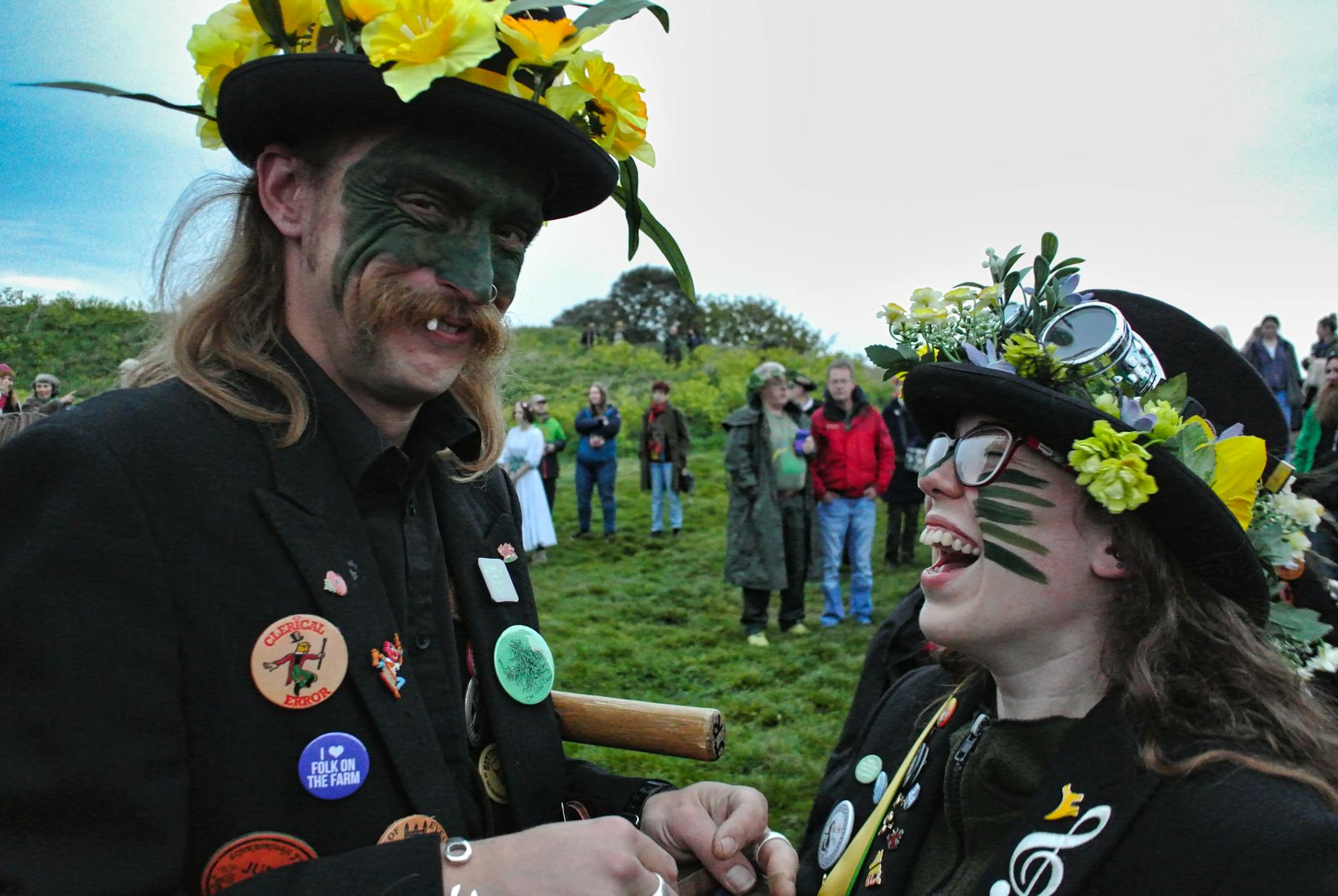
No account of Cotswold custom would be complete without morris dancing — and the connection here is deeper than you might think. “Cotswold Morris” is a recognised regional style of the dance in its own right, with its handkerchiefs, bells, sticks and white clothing, taking its name and many of its traditional dances from the villages of this very region. On May Day, at summer fetes and outside country pubs on warm evenings, you will still see morris “sides” dancing the old steps to fiddle and melodeon.
Some villages cling to remarkably old, near-continuous traditions: Bampton, on the southern edge near the Oxfordshire border, is famous for a morris side that claims one of the longest unbroken histories in the country. Whether you find morris dancing charming or comical — and most people end up rather fond of it — it is an authentic, living piece of Cotswold folk culture, and catching a side dancing in a village square on a summer’s day is a lovely, quintessentially English moment.
Making a trip of it
The beauty of the Cotswolds’ quirky traditions is that they give you a brilliant excuse to explore the surrounding area. Time a visit for the late-May bank holiday and you can build a whole long weekend around the custom calendar, mixing the spectacle of a cheese roll or a shin-kicking final with gentle days of village-hopping, pub lunches and country walks in between. The events themselves rarely last more than a few hours, so there is plenty of time to enjoy everything else the region offers.
Because so many of these customs are tied to specific, photogenic villages — Chipping Campden, Tetbury, Painswick, Randwick — tracking them down naturally leads you to some of the loveliest corners of the Cotswolds. Treat the tradition as the centrepiece and the surrounding villages, pubs and countryside as the supporting cast, and you will come home with a richer, funnier and more memorable trip than any standard sightseeing itinerary could offer.
A calendar of quirky Cotswold events
If you want to plan a trip around these customs, the late-May Spring Bank Holiday is the jackpot. In a single long weekend you could, in theory, catch the cheese rolling at Cooper’s Hill and the Woolsack Races at Tetbury on the Monday, with the Cotswold Olimpicks at Dover’s Hill on the Friday and Randwick Wap around the same time of year. It is the undisputed peak of the Cotswold custom calendar.
Beyond that, the year offers the Painswick Clypping in September, the St Briavels Bread and Cheese Throwing at Whitsun, the Marshfield Mummers on Boxing Day, and the Stow Horse Fair in spring and autumn, with countless village fetes and wakes scattered through the summer. Because dates and details can change, and some events are charmingly informal, always check locally before making a special journey. These customs sit alongside the region’s bigger cultural events, covered in our guide to Cotswolds festivals.
Tips for spectators
A few pointers if you are going to watch. Most of these events are free, which also means they are unticketed and can get extremely busy, so arrive early for a good viewing spot, especially at Cooper’s Hill, where the crowds are enormous and the parking limited — many spectators walk in from a distance or use organised transport. Wear sturdy footwear for steep, often muddy hillsides, and bring a picnic, sun cream or waterproofs to suit the famously unpredictable bank-holiday weather.
And a word to the brave: while spectating is great fun and perfectly safe, actually competing is another matter entirely. The cheese rolling in particular carries a genuine risk of injury, and there is no organiser, no insurance and no safety net — participants really do take part at their own risk. By all means soak up the atmosphere, cheer on the competitors and marvel at their madness, but think very hard before throwing yourself down Cooper’s Hill after a wheel of Double Gloucester.
Frequently asked questions about Cotswolds traditions
When is the Cooper’s Hill cheese rolling?
The Cooper’s Hill Cheese-Rolling and Wake is held each year on the Spring Bank Holiday, usually the last Monday of May, at Brockworth near Gloucester. A wheel of Double Gloucester cheese is rolled down the very steep hill and competitors chase it, with the first to the bottom winning the cheese. It is free to watch but extremely busy, so arrive early.
What is shin-kicking?
Shin-kicking is the signature event of the Cotswold Olimpick Games, held on Dover’s Hill near Chipping Campden each year. Two competitors hold each other by the shoulders and kick each other’s shins until one is forced to the ground, wearing white smocks and padding their legs with straw. The tradition dates back to the early 1600s.
Are the Tetbury Woolsack Races still held?
Yes. After a pause during the pandemic, the Tetbury Woolsack Races returned and continue to be held on the Spring Bank Holiday Monday on Gumstool Hill, drawing thousands of spectators. Competitors race up and down the steep hill carrying a 60-pound woolsack, in a tradition commemorating the town’s wool-trade history.
Why does the Cotswolds have so many odd traditions?
The Cotswolds’ wealth of customs stems from its deep rural and agricultural past, when communities marked the year with fairs, wakes and festivals, many tied to farming and the wool trade. A strong sense of community continuity, and the English love of preserving eccentric traditions, mean many lapsed customs were revived in the 20th century and thrive today.
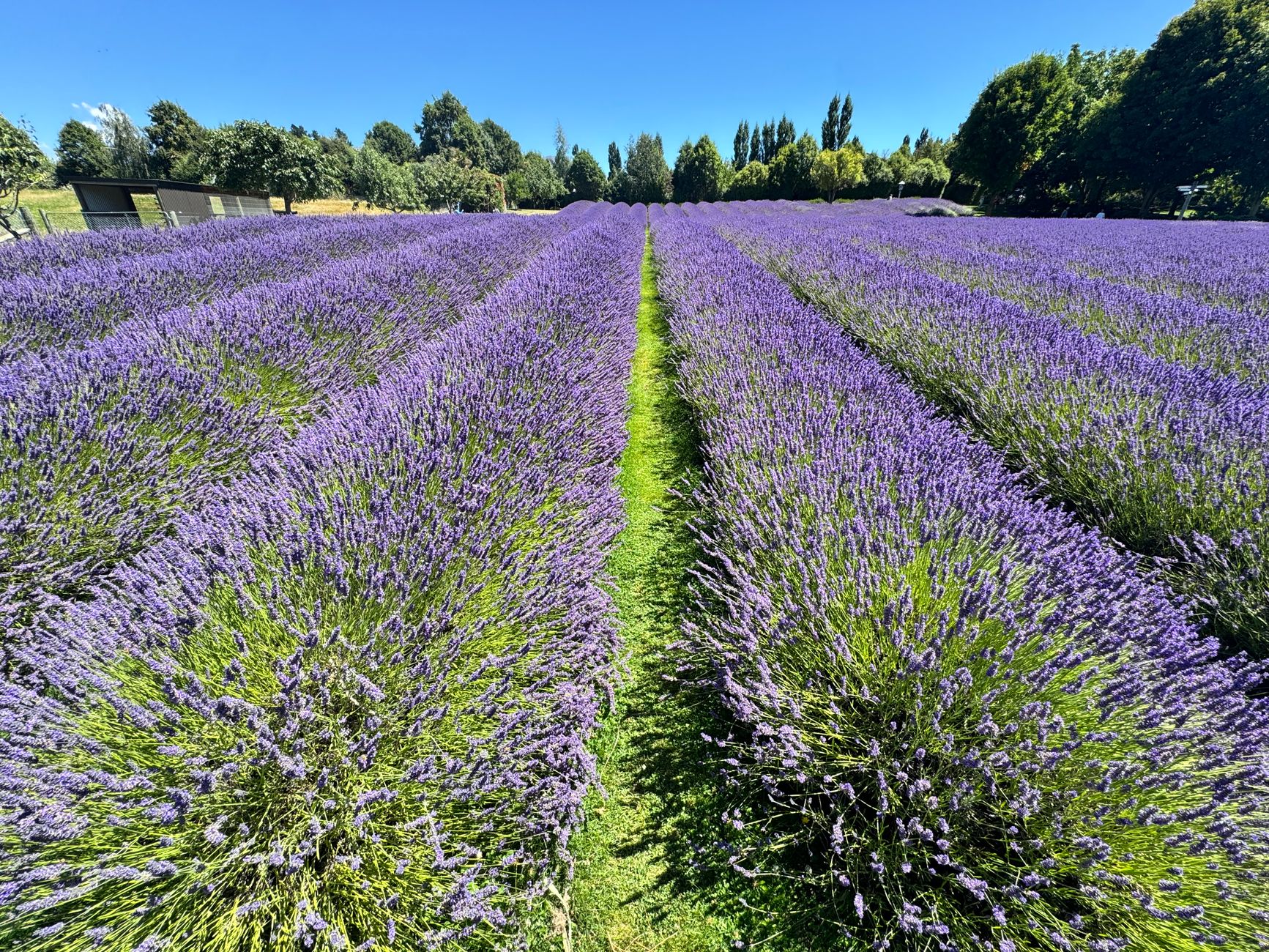
From runaway cheeses to shin-kicking champions and paper-clad mummers, the quirky traditions of the Cotswolds reveal a region with a sense of humour as deep as its history. They are joyful, free and gloriously unlike anything else, and timing a visit to catch one will give you a story to dine out on for years. For the region’s bigger cultural celebrations, see our guide to Cotswolds festivals, or return to the pillar guide on Cotswolds events, festivals and seasons. For a calmer summer spectacle, our guide to Cotswolds lavender covers when and where the fields are in bloom.
The other great Cotswold endurance event runs up a one-in-four street on the late May bank holiday, with a 60lb woolsack on the competitor’s shoulder. The Woolsack Races are in our Tetbury guide, along with the town they take over for the day.
Bampton can match any of these for eccentricity. Its Morris dancers have performed every late May bank holiday for at least two and a half centuries, its Shirt Race sends pairs in nightshirts round the village pubs, and its Mummers still perform their play on Christmas Eve. Our Bampton village guide explains when and where to see them.