This article contains advertising. My booking links are routed through a partner that adds commission tracking automatically, so if you book through one I earn a commission from the provider, at no extra cost to you. It never affects what I recommend. Affiliate disclosure
Five days is enough to truly explore the Cotswolds, not just the headline villages but the gardens, great houses, Roman remains, hidden hamlets and glorious walks that make this such a rewarding region. With this 5-day Cotswolds itinerary you can take in both the famous north and the quieter south, slow down to enjoy the landscape, and even venture to the edges for a taste of Bath or Blenheim. Here is how to spend a wonderful five days, day by day.
I have built this itinerary to balance the must-sees with hidden gems and downtime, mixing villages, walks, gardens and grand days out so it never feels repetitive. You can follow it from a single base or split your stay between north and south, whichever you prefer. Below is the full day-by-day plan, plus where to stay and eat and all my practical tips. Let’s plan five unforgettable days.
Your five days at a glance
Here is the week in brief before the detail. Day one explores the northern towns of Broadway and Chipping Campden and the quieter hidden-gem villages nearby. Day two covers the classic honey-stone villages, from Bourton and the Slaughters to Stow and Bibury, with an easy riverside walk. Day three is for the region’s gardens, a castle and its Roman heritage, adding real depth beyond the cottages and lanes.
Day four heads south to Cirencester, Castle Combe, Tetbury and Painswick for a gentler, quieter side of the Cotswolds, and day five offers a grand day out to Bath, Blenheim Palace or Oxford on the region’s edge. With short drives, plenty of walks and time to slow down, it is a beautifully balanced week that shows you the full range of what the Cotswolds have to offer.
Where to stay for five days
With five days, you have two good options. The simplest is to pick one central base in the northern Cotswolds, such as Stow-on-the-Wold, Bourton-on-the-Water or Moreton-in-Marsh, and explore everything as day trips, since nowhere is more than an hour away. The alternative is to split your stay, spending the first few nights in the north and the last couple in the south, around Tetbury, Cirencester or Painswick, to cut down driving on the southern days.
Splitting your base lets you settle into two different areas and wake up close to each day’s adventures, though staying put is more relaxing and saves packing. Either way, five days justifies a mix of accommodation, perhaps a luxurious country-house hotel for part of the trip and a cosy cottage or inn for the rest. For help deciding, see our guide to where to stay in the Cotswolds.
Getting to the Cotswolds and around
The Cotswolds are easy to reach from much of England. By car it is around two hours from London via the M40 and A40, half an hour from Oxford, about ninety minutes from Birmingham and roughly an hour from Bath or Bristol. Direct trains run from London Paddington to Moreton-in-Marsh and Kingham, and from there a hire car opens up the whole region for a five-day exploration.
Once you are here, a car is by far the most practical way to get around, as the villages are spread out and rural public transport is sparse and infrequent. The reward is total freedom to roam at your own pace, lingering where you like and reaching the quiet corners that buses never touch. For full details on travelling to and around the region, see our guide to getting to the Cotswolds.
Day 1: The northern villages and hidden gems
Ease into your trip with the elegant northern Cotswolds. Spend the morning in Broadway, with its broad High Street and the famous Broadway Tower viewpoint, then explore Chipping Campden, a graceful wool town rich in Arts and Crafts heritage. In the afternoon, seek out the quieter hidden gems nearby, the storybook villages of Stanton, Snowshill and Blockley, which are every bit as beautiful as the honeypots but blissfully peaceful.

In summer, Snowshill is also home to a glorious lavender farm, its purple rows a magnet for photographers, while the National Trust’s Snowshill Manor brims with one man’s extraordinary collection of curiosities. This first day eases you into the region’s gentle rhythm, mixing iconic sights with the lesser-known corners that reward the curious. These villages all feature in our roundup of the best Cotswolds villages.
Day 2: Classic villages and a riverside walk
Day two is for the quintessential Cotswolds. Arrive early at Bourton-on-the-Water to enjoy its bridge-crossed river in peace, then walk the easy, flat path to the Slaughters, Lower and Upper, following the River Eye between two of the prettiest villages in England. After lunch, browse the antique shops and galleries of Stow-on-the-Wold, before finishing at Bibury to admire the iconic weavers’ cottages of Arlington Row, beloved of William Morris.
This loop of the region’s greatest hits, woven together with a proper country walk, is the heart of any Cotswold trip. Take your time, linger over lunch, and enjoy the contrast between the busy honeypots and the serene Slaughters. For more on these unmissable stops, see our guides to Bourton-on-the-Water, Stow-on-the-Wold and Bibury.
Day 3: Gardens, a castle and Roman history
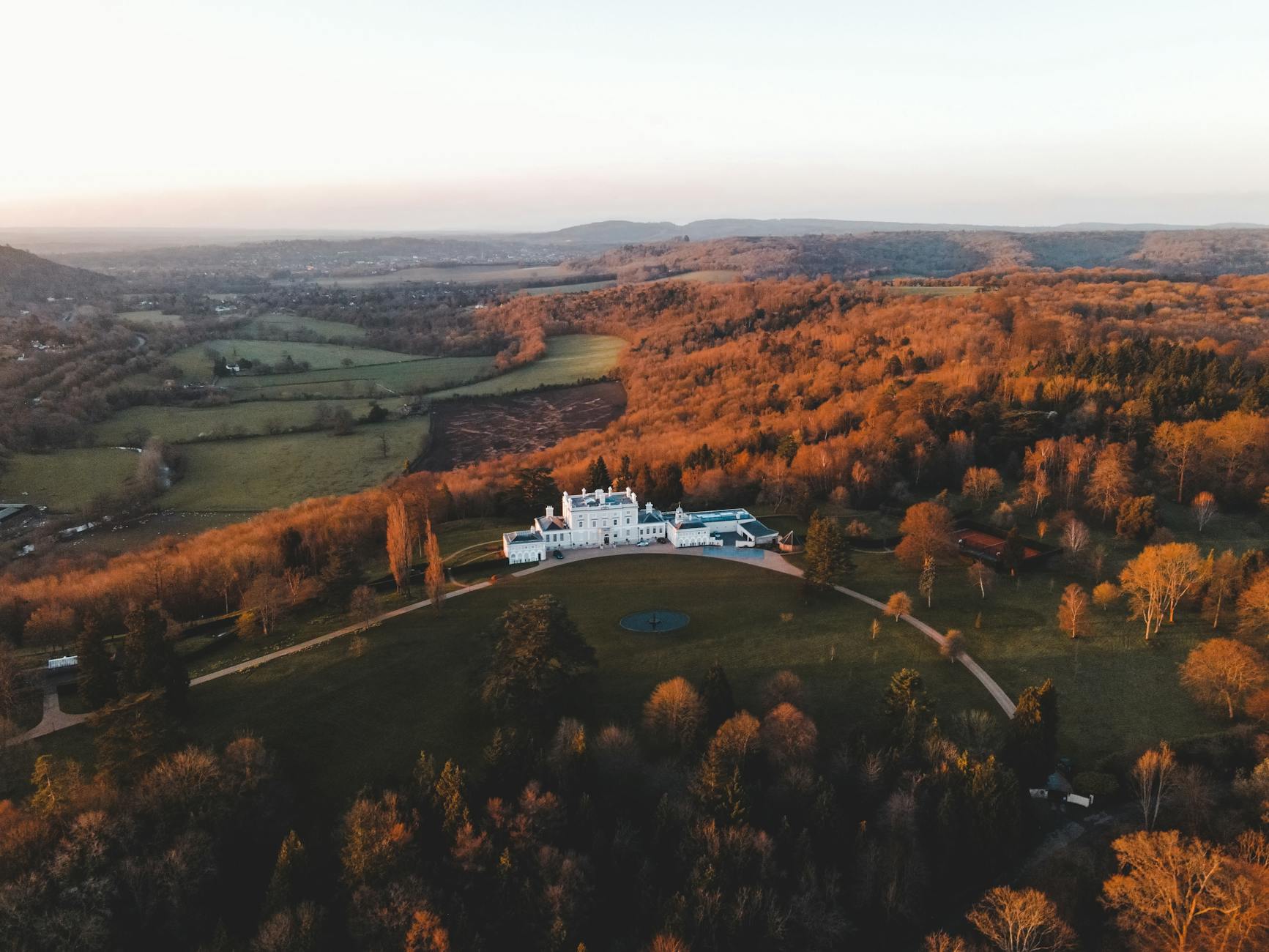
With the villages under your belt, devote day three to the region’s grand attractions. Garden lovers should not miss the Arts and Crafts masterpiece of Hidcote and its romantic neighbour Kiftsgate, while history buffs will love Sudeley Castle near Winchcombe, with its royal connections and beautiful grounds. For something different again, the remarkable Chedworth Roman Villa reveals exquisite mosaics from the region’s Roman past.
Pick one or two of these and enjoy them properly rather than rushing between them, perhaps pairing a garden in the morning with a wander around the charming town of Winchcombe in the afternoon. These attractions add real depth to your trip, revealing the layers of history and horticulture beneath the pretty surface. Many appear in our roundup of the best things to do in the Cotswolds.
Winchcombe itself is a delight and deserves a mention, a friendly, unpretentious little town that makes an ideal base or stop for this day. It sits on the Cotswold Way and is surrounded by lovely walking country, so keen ramblers could combine a castle visit with a hilltop hike. With its independent shops, good pubs and relaxed feel, it offers a welcome change of pace from the busier honeypot villages elsewhere on the itinerary.
Day 4: The southern Cotswolds
Turn south on day four for a different flavour of the Cotswolds. Begin in Cirencester, the Capital of the Cotswolds, once the second-largest town in Roman Britain, with its magnificent church, Corinium Museum and independent shops. From there, make for exquisite Castle Combe, often called the prettiest village in England, a tiny, unspoilt cluster of golden cottages that feels frozen in time.
Continue to stylish Tetbury, the antiques and interiors capital, and perhaps the hillside village of Painswick, the Queen of the Cotswolds, with its famous churchyard of clipped yews. The southern Cotswolds are generally quieter and just as lovely, offering a more reflective day after the busier north. To explore this area further, our south Cotswolds itinerary has a dedicated route.
Day 5: A grand day out
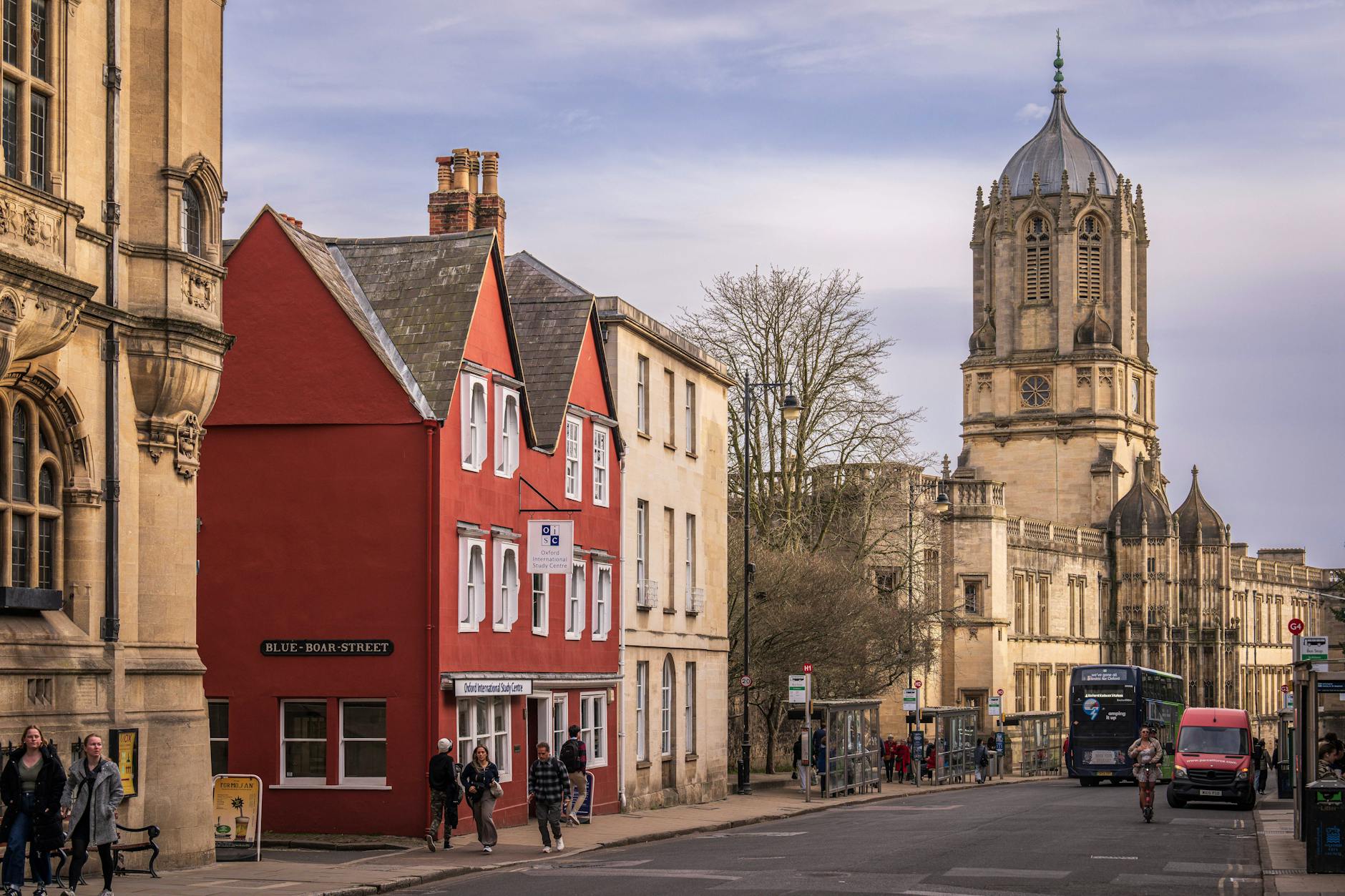
For your final day, venture to one of the magnificent destinations on the region’s edge. To the south-west lies the glorious Georgian city of Bath, a UNESCO World Heritage Site with its Roman Baths, Royal Crescent and honey-stone elegance, easily reached from the southern Cotswolds. To the east, Blenheim Palace near Woodstock offers UNESCO-listed grandeur and the birthplace of Winston Churchill, while historic Oxford and Shakespeare’s Stratford-upon-Avon are also within reach.
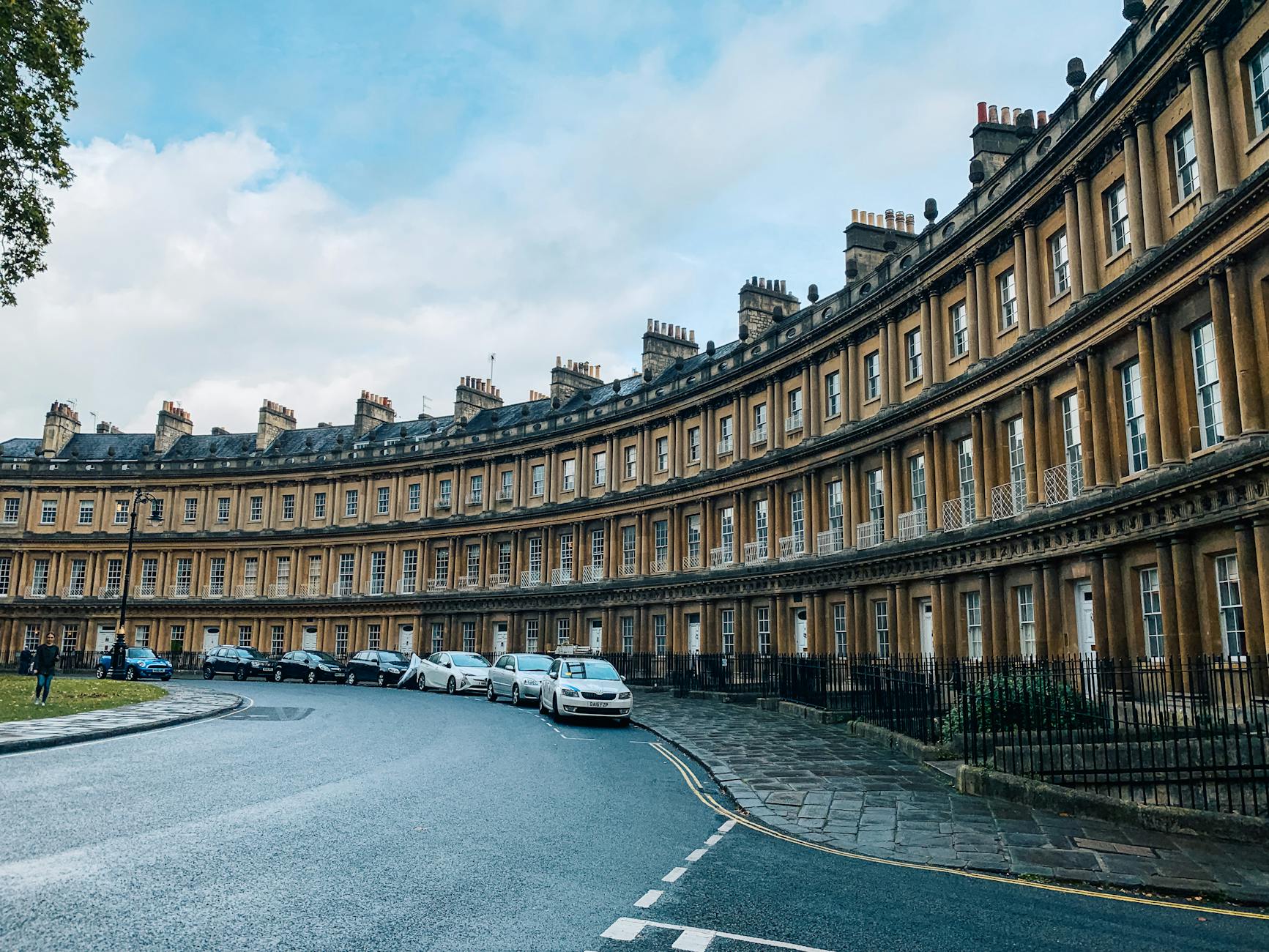
Choose whichever appeals most and whichever fits your route home, making it a memorable grand finale to your five days. Alternatively, if you would rather not travel far, spend your last day revisiting a favourite village, enjoying a long walk or simply relaxing at your accommodation. After five days you will have more than earned a gentle, unhurried finish to a wonderful trip.
Tailor your five days to your interests
One of the joys of a longer trip is the freedom to theme your days around what you love. Garden enthusiasts could devote extra time to Hidcote, Kiftsgate, Painswick Rococo Garden and the National Arboretum at Westonbirt, while history lovers might add Chedworth Roman Villa, Sudeley Castle and the wool churches. Foodies can build days around farm shops, distilleries and celebrated restaurants, and walkers can swap some driving for longer rambles.
Families, meanwhile, will find plenty to enjoy, from the river at Bourton-on-the-Water to farm parks, wildlife parks and gentle walks. The point of five days is that you are not forced to choose: you can mix iconic villages with the themes that most appeal to you. Treat this itinerary as a flexible framework, and reshuffle the days to suit the weather, your energy and your particular interests.
Walks to enjoy over five days
Five days gives you ample time to get out on foot, which is the best way to experience the Cotswold landscape. Beyond the easy Slaughters stroll, consider the climb up Dover’s Hill near Chipping Campden, the circular walk between Bibury and Coln St Aldwyns, or a stretch of the long-distance Cotswold Way, which runs the length of the region along the western escarpment with spectacular views.
Mixing a walk or two into your week breaks up the driving, keeps you active and takes you to corners no coach tour ever reaches. Most routes are gentle and well-signposted, often ending handily at a village pub for a well-earned lunch. Tailor them to your energy and the weather, and do not be afraid to simply follow a footpath sign and see where it leads. Our guide to Cotswolds walks and hiking has routes for every level.
Where to eat over five days
With five days you can really enjoy the Cotswolds’ food scene, which has become one of the finest in the country. By day, graze your way through village tearooms, delis and farm shops, or assemble picnics to enjoy with a view. The market towns of Stow, Cirencester, Tetbury and Broadway all offer plenty of choice for lunch, from a quick bite to a leisurely sit-down meal between sights.
For dinner, spread your bookings across cosy gastropubs, characterful inns and the occasional special-occasion restaurant, including some with Michelin stars. Look out for local Cotswold lamb, cheese and seasonal produce, and toast your trip with a regional gin or sparkling wine. Booking ahead is wise for the most popular places, particularly at weekends. To plan your meals, browse our guide to the best Cotswolds pubs.
Best time of year for a five-day trip
The Cotswolds shine in every season, but a five-day trip is especially lovely in late spring and early autumn, when the weather is kind, the light is beautiful and the crowds are thinner than in peak summer. Summer brings long days, blooming gardens and everything open, but also the busiest villages, so plan early starts. June and July are the time for the Snowshill lavender, if that is on your list.
Autumn drapes the woods and valleys in glorious colour and is wonderful for walking, while winter offers cosy pubs, frosty mornings and festive markets, though some gardens and attractions close or reduce their hours. With five days you will likely catch a mix of weather whatever the season, so pack accordingly and have a few indoor options, such as museums or a long pub lunch, up your sleeve for rainy spells.
Practical tips for a 5-day Cotswolds trip
A car is essential for a five-day trip if you want to see north and south and reach the gardens, castles and quieter villages, as public transport is limited. Start your days early to enjoy the famous villages before the crowds, and build in rest days or gentle afternoons so you do not burn out. With five days you can afford to slow down, so resist the temptation to cram every hour with sightseeing.
Book accommodation and key dinners ahead, especially in summer and over holidays, and check the seasonal opening times of gardens, castles and attractions before you visit. Pack comfortable shoes and layers for walks and changeable weather, and expect to pay for council car parks by card, contactless or PayByPhone, as they no longer take cash. Keep a little cash for small cafes. If you are splitting your base, plan the changeover day so it doubles as a sightseeing day between the two areas.
Frequently asked questions about a 5-day Cotswolds itinerary
Is 5 days too long for the Cotswolds?
Not at all. The Cotswolds are a large and varied region, and five days lets you explore both the famous north and the quieter south, visit gardens, castles and Roman sites, enjoy several walks and even take a day trip to Bath, Blenheim or Oxford. Far from being too long, five days allows the relaxed, in-depth experience that makes the Cotswolds so rewarding.
Should I use one base or two for five days?
Both work well. A single central base in the northern Cotswolds keeps things simple, as everywhere is within an hour’s drive, while splitting your stay between north and south cuts driving on the southern days and lets you settle into two areas. One base is more relaxing and avoids repacking; two bases reduce daily travel. Choose according to how much you value convenience versus minimising drives.
What hidden gems should I include?
Look beyond the honeypots to peaceful villages such as Stanton, Snowshill, Blockley and Coln St Aldwyns, which are gorgeous yet far quieter. Attractions like Chedworth Roman Villa, the gardens at Hidcote and Kiftsgate, and the lavender fields at Snowshill in summer also reward the extra time five days affords. Following a random footpath or country lane often turns up the best surprises of all.
Can you visit Bath from the Cotswolds?
Yes, Bath sits just beyond the south-western edge of the Cotswolds and makes a brilliant day trip, especially from a southern base such as Castle Combe or Tetbury. This glorious Georgian city, a UNESCO World Heritage Site, is famous for its Roman Baths, Royal Crescent and honey-coloured architecture. It pairs naturally with a Cotswolds trip and makes a memorable finale to a five-day itinerary.
Do I need a car for a 5-day Cotswolds trip?
For a five-day trip covering north and south, gardens, castles and quieter villages, a car is effectively essential, as public transport between the villages is limited and infrequent. It gives you the freedom to explore at your own pace and reach places no bus serves. If you cannot drive, base yourself near a station, use guided tours and taxis, and focus on a smaller area you can cover on foot and by occasional bus.
Five days in the Cotswolds is a real treat, giving you time to explore north and south, mix villages with gardens, castles and walks, and even reach the edges at Bath or Blenheim, all at a relaxed and rewarding pace. Follow this itinerary, tailor it to your interests, and savour every moment. To plan the ultimate trip, see our 7-day itinerary, or browse all our routes in the Cotswolds itineraries guide.