This article contains advertising. My booking links are routed through a partner that adds commission tracking automatically, so if you book through one I earn a commission from the provider, at no extra cost to you. It never affects what I recommend. Affiliate disclosure
The reason the Cotswolds looks the way it does is not an accident. Behind the unbroken honey-stone villages, the long views from the escarpment and the absence of red-brick estates and glass office parks lies a legal designation that has shaped every planning decision here for more than half a century. The Cotswolds is a formally protected landscape — the largest of its kind in England and Wales — first designated as an Area of Outstanding Natural Beauty in 1966 and calling itself a National Landscape since 2020, three years before the national rebrand of late 2023.
For visitors, that protection is mostly invisible, which is rather the point. But it explains a great deal about what you see, why the place feels so unspoiled, and how you can help keep it that way. This guide sets out exactly what the designation means, why the Cotswolds earned it, what it does and does not protect, and what any of it changes for you as a visitor. If you are still working out the basics of the region, our complete Cotswolds travel guide is the place to start.
What an Area of Outstanding Natural Beauty actually is
An Area of Outstanding Natural Beauty is a designation used across England, Wales and Northern Ireland for landscapes whose character and natural beauty are judged so important that it is in the national interest to safeguard them. It was created by the National Parks and Access to the Countryside Act of 1949 — the very same law that established England’s National Parks. So the two share a common origin, and, crucially, the same level of protection in planning law.
The main difference is one of governance rather than quality. National Parks have their own dedicated planning authorities. AONBs are administered by the local councils whose areas they cover, guided and coordinated by a conservation board. There is no hierarchy of beauty between the two: an AONB is considered every bit as significant as a National Park. There are 46 of them in total across England, Wales and Northern Ireland, covering about 14 per cent of the land, and they include the North Pennines, the Chilterns, the Surrey Hills, the Shropshire Hills and, the largest of the lot, the Cotswolds.
The 2023 rebrand to National Landscapes
On 22 November 2023, following the government-commissioned Glover Landscape Review, the new public-facing name National Landscape was rolled out across every AONB in England and Wales, though the Cotswolds had already adopted it in 2020. The legal designation under the 1949 Act is still, technically, “Area of Outstanding Natural Beauty” — that wording has not changed in law — but the term you will now see on signs, websites and visitor information is “National Landscape”. The change was made for a simple reason. Plenty of people had never heard of an AONB, or had no idea it carried the same weight as a National Park, whereas “National Landscape” tells you immediately what sort of place you are in. The rebrand also came bundled with ambitions to strengthen these areas with new purposes and resources, and to play their part in the wider commitment to protect thirty per cent of land for nature by 2030. In short: AONB and National Landscape mean the same thing. You will encounter both terms, sometimes on the same leaflet.
The Cotswolds National Landscape: the key facts
The Cotswolds was designated in 1966. At roughly 790 square miles, or about 2,038 square kilometres, it is the largest AONB in England and Wales — bigger, in fact, than several National Parks. It runs for around 90 miles from the northern tip near Mickleton, close to Stratford-upon-Avon, down to the hills above Bath, and stretches about 25 miles at its widest from east to west.
That span takes in parts of six counties: Gloucestershire holds much the largest share, with Oxfordshire, Wiltshire, Warwickshire, Worcestershire and Somerset taking the rest. The whole area is looked after by the Cotswolds National Landscape Board, formerly the Cotswolds Conservation Board, which coordinates conservation work, advises on planning and manages public access across all those local authority boundaries. It is one of the most visited protected landscapes in the country, drawing many millions of visitor days a year, which is both its blessing and, in the honeypot villages on a summer weekend, its curse. For more on exactly where the boundaries fall, see our detailed guide to where the Cotswolds is.
Why the Cotswolds was given protected status
The designation was not awarded for one feature but for a combination of them, working together to create a landscape of unusual and distinctive beauty. Take them apart and you can see what the planners were trying to preserve.
The escarpment
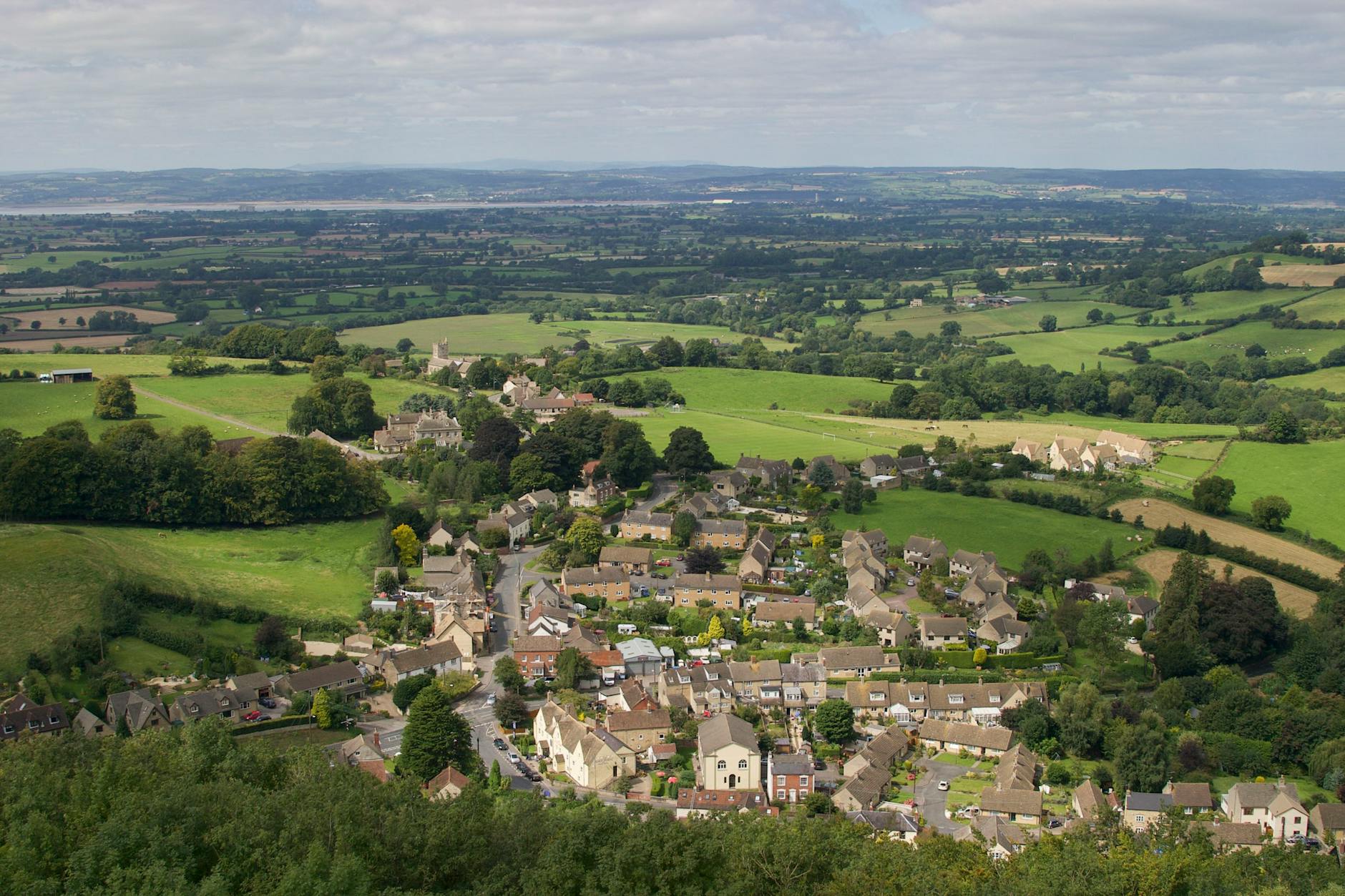
The defining piece of geography is the limestone escarpment along the western edge, the steep scarp that looks out over the Severn Vale and the Vale of Evesham towards the Malverns and the Welsh hills beyond. It is a defining feature of the landscape and gives the Cotswolds its far-reaching views — from Cleeve Hill, the highest point at 330 metres, from Broadway Tower, from Painswick Beacon. The 102-mile Cotswold Way National Trail follows this scarp for much of its length. If walking the edge appeals, our guide to walking and hiking in the Cotswolds covers the routes.
The stone
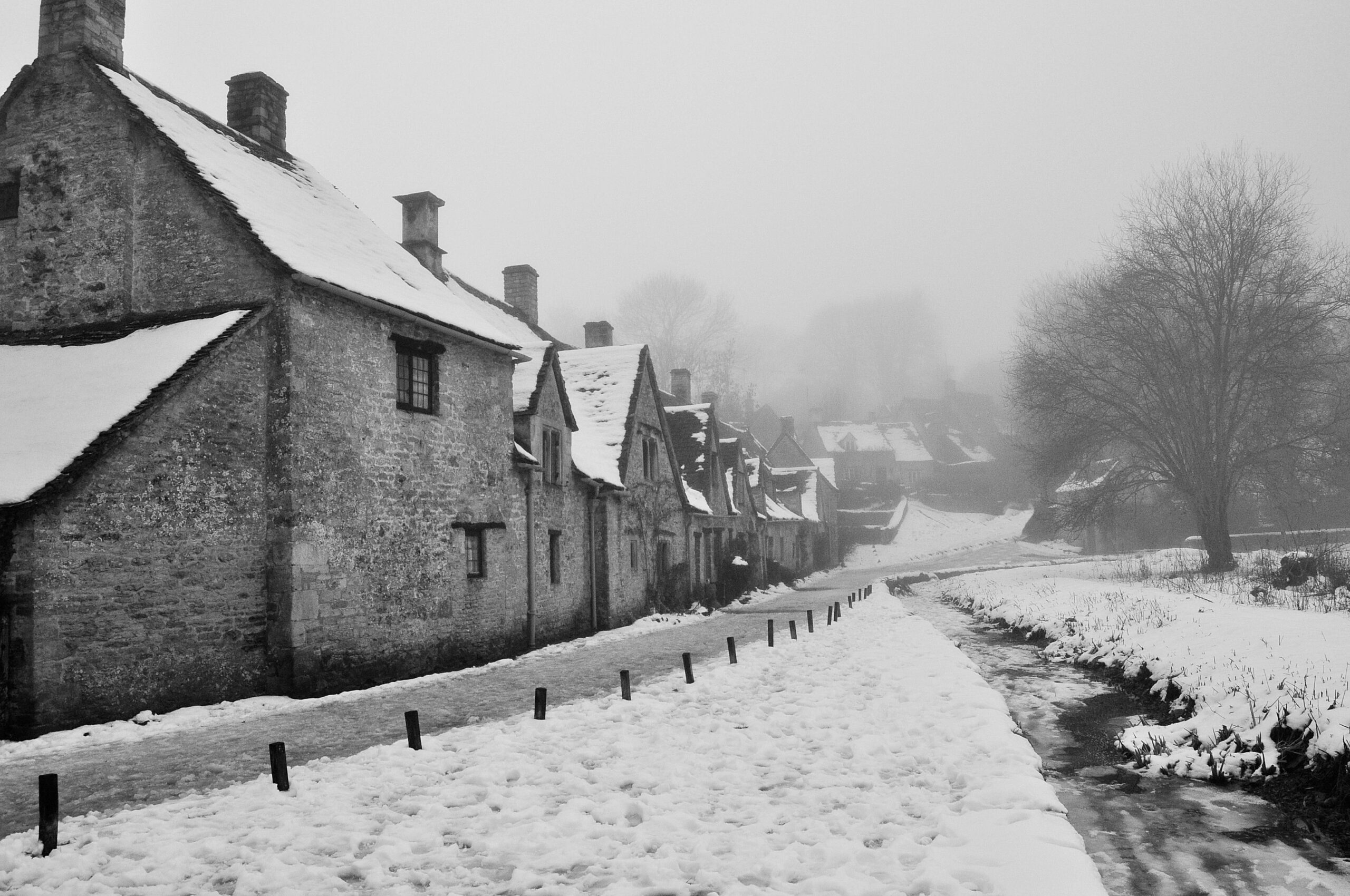
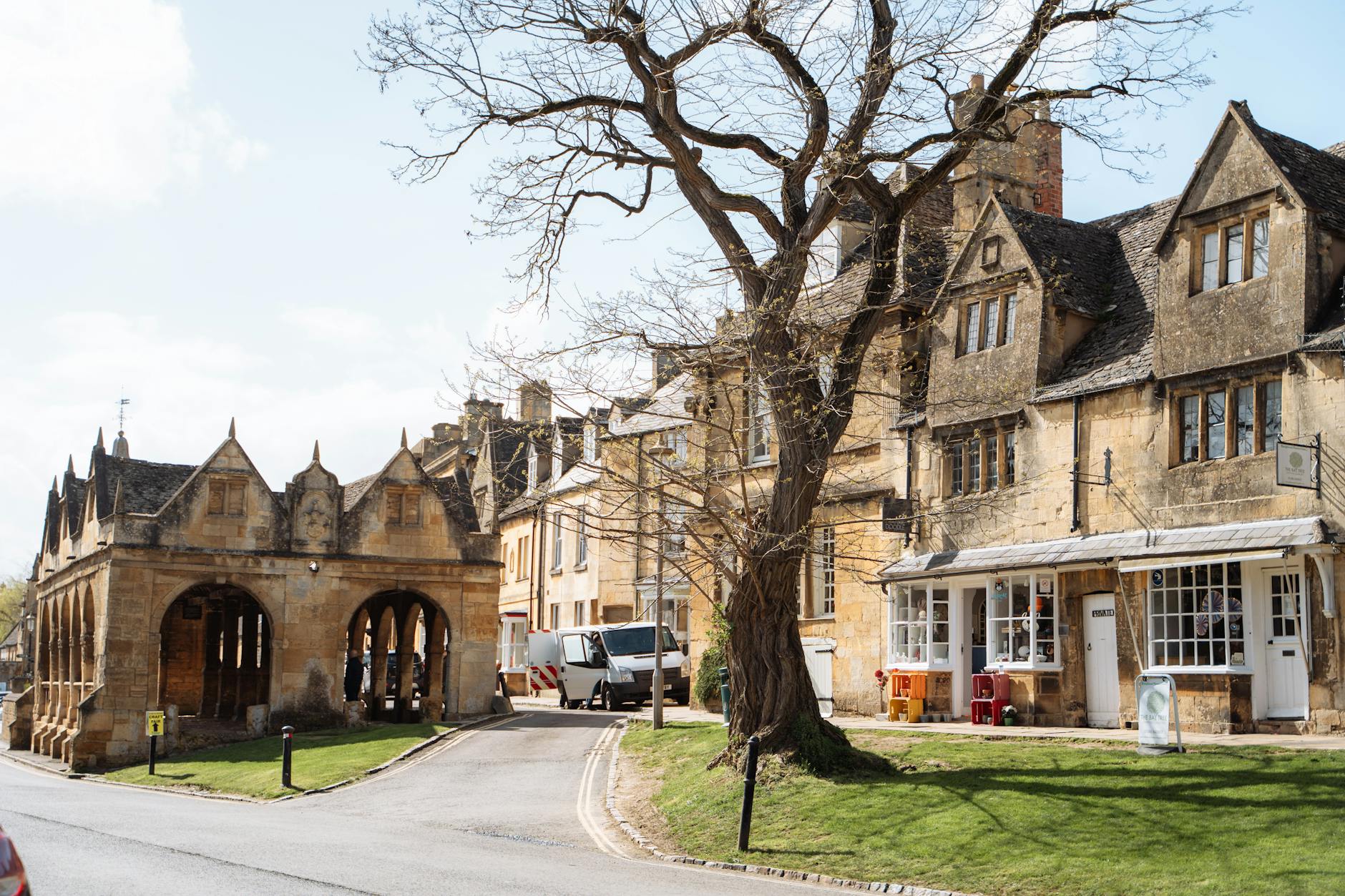
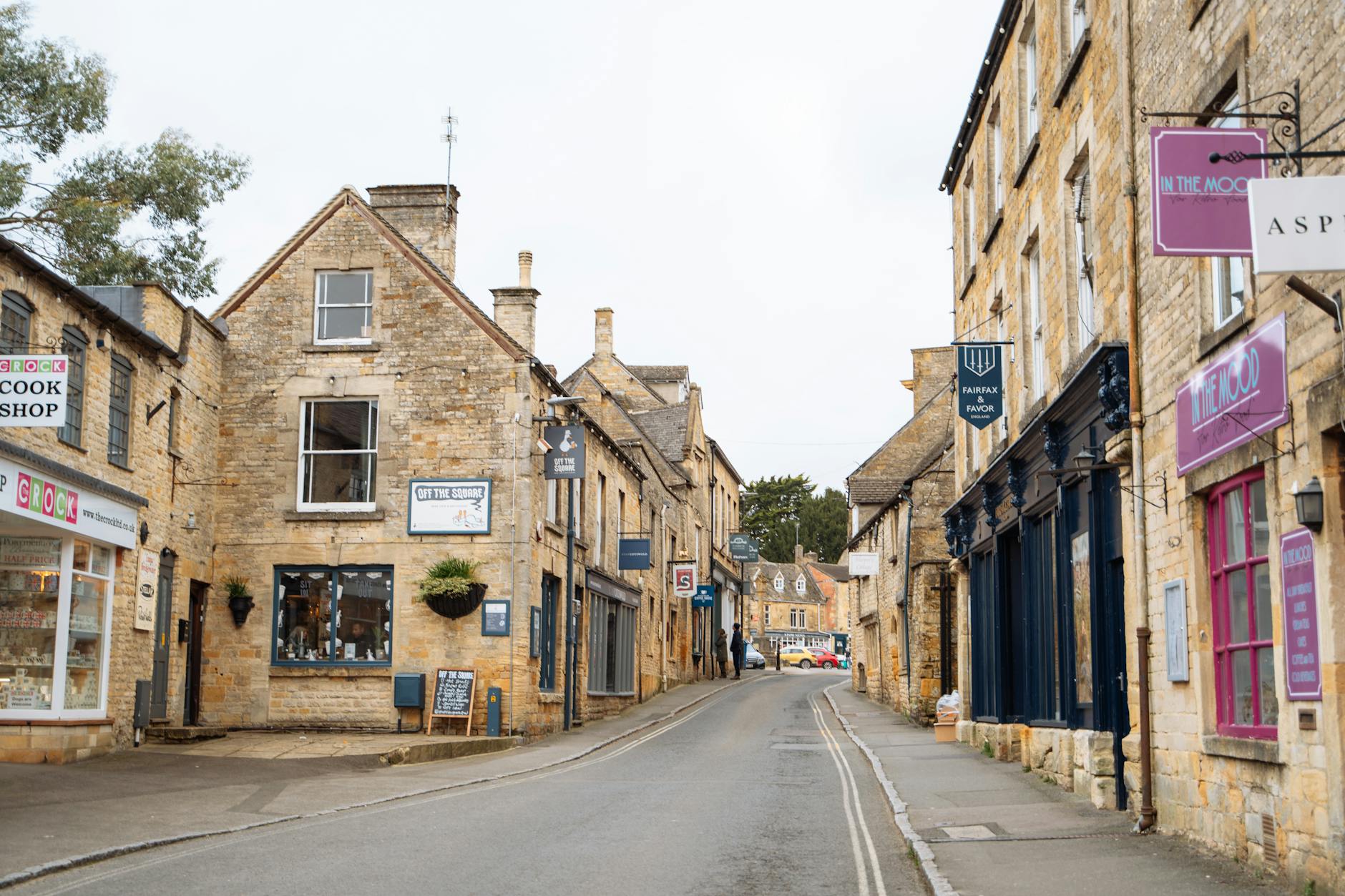
Beneath much of the region lies oolitic limestone, long quarried and built with. This is the warm, honey-coloured stone that gives Cotswold buildings their look and creates the remarkable harmony between the villages and the land around them. The colour shifts as you travel: paler, almost silvery cream in the south around Bath and Painswick, deepening to a rich golden honey in the north around Broadway and Chipping Campden. That variation is itself part of what the designation protects, and it is why new buildings are generally required to use the local stone rather than imported brick.
A landscape made by farming
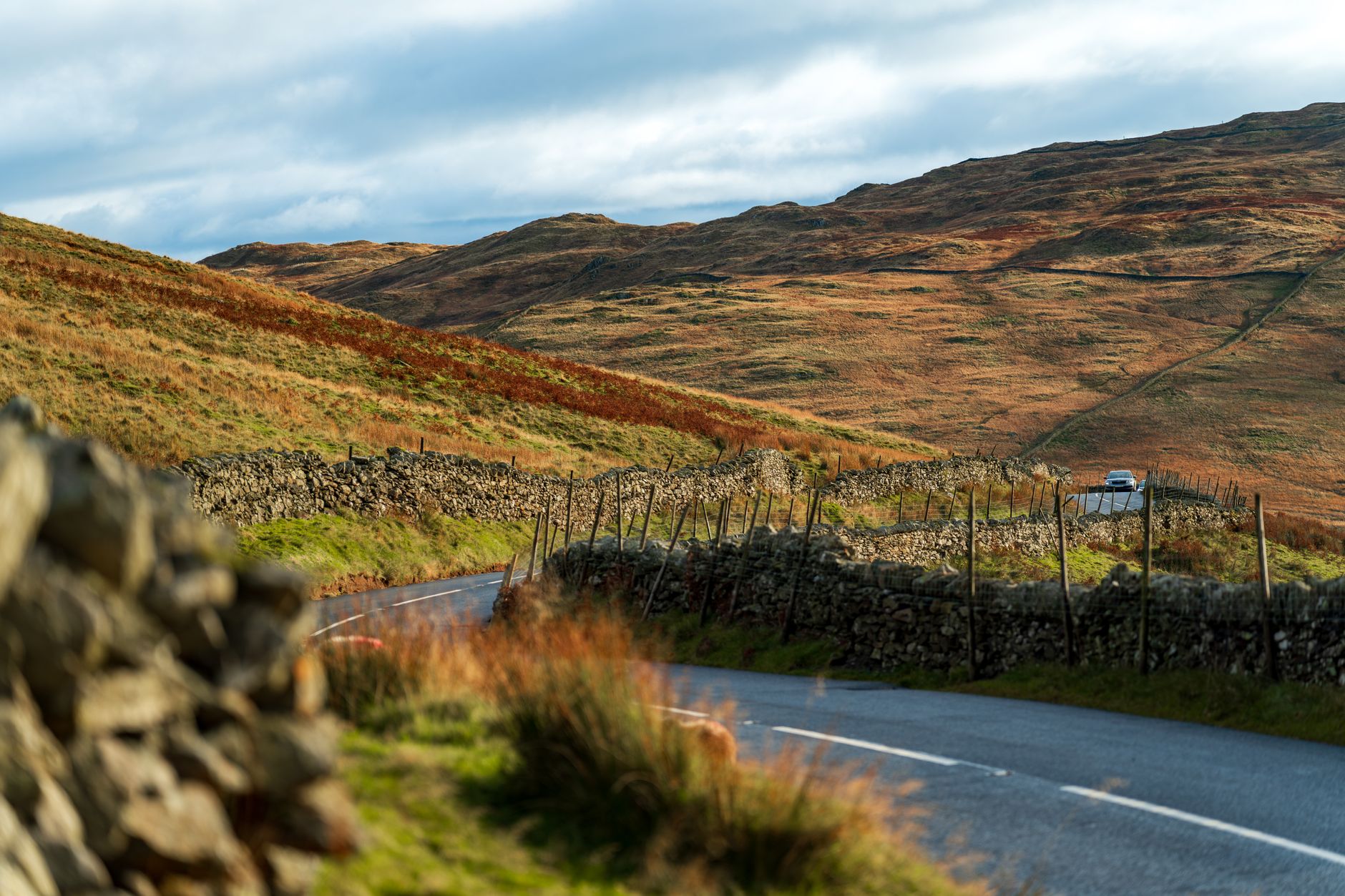
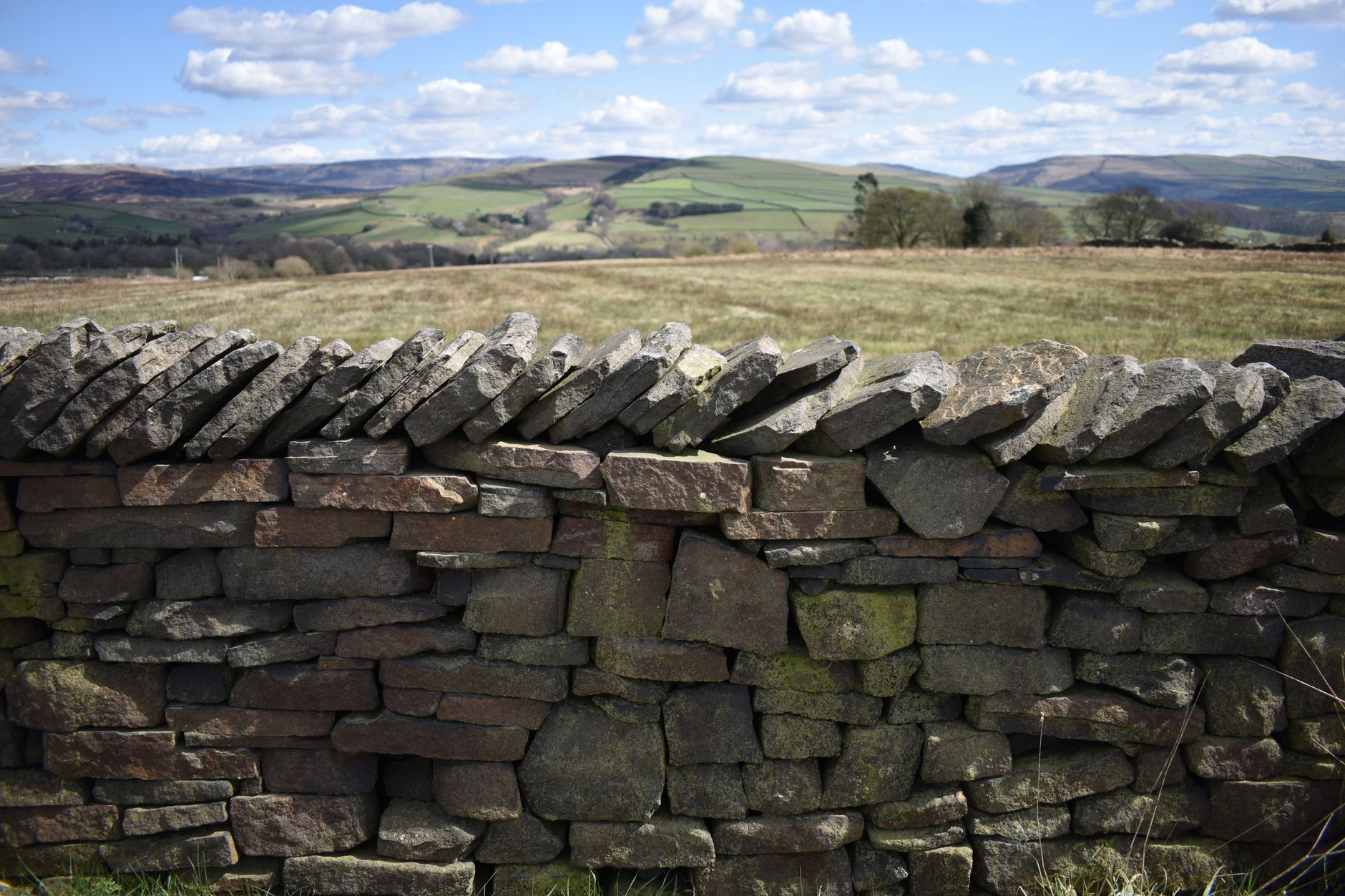
The Cotswolds is a worked landscape, shaped by centuries of agriculture and, above all, by the medieval wool trade that once made it one of the wealthiest corners of England. The pattern of drystone-walled fields, managed woodland, grazing meadows and wool-rich market towns is a cultural landscape as much as a natural one, and the designation aims to keep that pattern legible. Our guide to Cotswolds history and heritage traces how the wool money built the churches and the towns you see today.
Wildlife and habitats
For all its tidy, managed appearance, the Cotswolds holds important wildlife. The thin limestone grasslands on the scarp are home to rare orchids, wildflowers and butterflies, and they exist precisely because of traditional grazing. The ancient beechwoods on the escarpment are nationally significant. Rivers including the Thames, the Windrush, the Evenlode and the Coln support water voles, otters and kingfishers, and clear chalk-fed streams that are increasingly rare elsewhere. More than 60 Sites of Special Scientific Interest fall within the boundary. This is not wilderness — very little of lowland England is — but it is biodiversity that depends on the landscape being managed thoughtfully rather than abandoned or built over.
An exceptional historic environment
Few areas of England pack in so much history per square mile. Within the boundary you will find Neolithic long barrows, Iron Age hillforts, Roman villas — Chedworth among the finest in the country — medieval wool churches, Jacobean manor houses and market towns that have barely changed their footprint in centuries. The designation treats this historic layer as every bit as important as the natural one, which is why the character of whole villages, not just individual listed buildings, carries weight in planning decisions.
What the designation actually protects
The designation gives the Cotswolds the highest level of landscape protection available in English planning law, on a par with National Parks. In day-to-day terms, that protection works in a few concrete ways.
Tighter planning controls
Development is controlled far more strictly than in unprotected countryside. Any proposed building, extension or change of use has to demonstrate that it conserves or enhances the natural beauty of the area. Large-scale schemes — housing estates, industrial units, big solar or wind installations — start from a presumption against, and are only permitted where there is a clear, proven need that genuinely cannot be met elsewhere. This is the single biggest reason the Cotswolds has stayed relatively unspoiled while surrounding areas have sprawled. Materials are controlled too: new work is expected to use Cotswold stone or sympathetic alternatives, which is why you will not find a red-brick cul-de-sac or a steel-and-glass retail shed dropped into a Cotswold village. Even lighting is restricted, which keeps the villages atmospheric after dark and the skies unusually free of light pollution.
Active landscape management
The Board does more than say no to development; it runs hands-on conservation. The Cotswolds has an estimated 4,000 miles of drystone walls, a great many of them in need of repair, and there are programmes to train wallers and rebuild crumbling stretches. Traditional limestone grasslands are kept botanically rich through carefully managed grazing. Ancient woodlands are actively looked after rather than left to decline. River habitats and water quality are monitored and, where possible, improved. None of this happens by itself — a protected landscape that nobody manages quietly degrades.
Public access to the countryside
The designation also supports your right to get out into the landscape. The Cotswolds has well over 3,000 miles of public rights of way — footpaths, bridleways and byways — giving access across farmland and open country. The Cotswold Way, one of England’s National Trails, is maintained and waymarked with help that flows partly from the designation, and the Board produces walking guides and works with landowners to keep paths open and signed. Protection here is not about fencing people out; it is about keeping the door open while looking after what lies beyond it.
What it all means for you as a visitor
This is the question most people actually want answered, so let us be clear about it.
You are entirely welcome
Unlike some protected areas elsewhere in the world, there is no entry fee, no permit and no restriction on when you can come. Individual attractions within it may charge admission or set opening hours, but the footpaths and open-access land are there for anyone to use. You are welcome to walk, cycle, ride, picnic, photograph, explore the villages, eat, drink and stay the night. Public rights of way give you the legal right to cross private farmland on marked paths, and areas of open access land — mainly the commons along the escarpment — let you roam more freely still. The designation is about managing the landscape so it stays beautiful for everyone, not about keeping anyone out. Plenty of the best experiences cost nothing at all, as our roundup of free things to do in the Cotswolds shows.
A few things to be mindful of
With access comes a small amount of responsibility, summed up by the Countryside Code. Keep to marked paths where they cross farmland. Shut gates behind you. Take your litter home. Keep dogs under close control, especially around livestock, and ideally on a lead near sheep. Leave wildflowers where they grow — many are protected — and resist the urge to clamber on drystone walls, which are fragile and slow and costly to repair. Wild camping is not a general right in England, so do not pitch up without the landowner’s permission. And on the narrow lanes, drive slowly and park with consideration: blocked gateways and verges churned to mud are the quickest way to sour relations between visitors and the people who live here.
Why the designation makes your visit better
Here is the thing worth grasping. The reason your photographs come out so well, the reason a view across the wolds is uninterrupted by pylons and warehouses, the reason a honey-stone village has no out-of-place building jarring the eye — all of that is a direct result of the protection the designation provides. Without it, the ordinary pressures of development and modern building would have reshaped this landscape decades ago, as they have so much of lowland England. When you walk a restored stretch of drystone wall or sit in a village that looks much as it did two centuries ago, you are enjoying the dividend of a long, patient conservation effort. That is not sentiment; it is planning policy, quietly doing its job.
AONB or National Park: what is the difference?
Visitors often ask why the Cotswolds is a National Landscape rather than a National Park, given how grand it feels. The answer is partly historical and partly practical.
In terms of landscape protection, there is no real difference. A development proposal is assessed against the same high bar in both. Where they diverge is governance: National Parks have their own independent planning authorities, while the Cotswolds is administered through the existing county and district councils, with the Board providing coordination and expertise across them. Funding differs too, and not in the Cotswolds’ favour — National Parks have historically received considerably more central money, a gap the Glover Review flagged and the rebrand was partly meant to address. There is also a subtle difference in remit: National Parks carry a statutory duty to promote recreation as well as conserve, whereas a National Landscape’s primary duty is conservation, with recreation secondary. In practice, both welcome visitors warmly.
Campaigns to upgrade the Cotswolds to full National Park status surface from time to time. It would bring more funding and perhaps a single planning authority. It would also be complicated to deliver, given that the area straddles six counties and a tangle of local authorities, which is no small administrative knot to untie.
How to support the Cotswolds National Landscape
If the place wins you over and you would like it to be just as lovely for the next visitor, there are practical ways to help. The Cotswolds National Landscape Board accepts donations that fund conservation projects directly. It also runs volunteer programmes — drystone walling, path maintenance, woodland work and wildlife monitoring — that welcome willing hands. Spending locally makes a real difference too: buying from farm shops, markets and village businesses supports the rural economy that keeps the landscape working, and choosing local places to stay rather than chains keeps more of your money in the area. The simplest contribution of all is also the most important: follow the Countryside Code, and leave every place as you would wish to find it.
Frequently Asked Questions
Is the Cotswolds a National Park?
No. The Cotswolds is an Area of Outstanding Natural Beauty, now known publicly as a National Landscape. It carries the same level of landscape protection as a National Park, and at around 790 square miles it is the largest AONB in England and Wales, but it is governed differently, through local councils and a conservation board rather than its own park authority.
What does AONB stand for, and why the new name?
AONB stands for Area of Outstanding Natural Beauty, a legal designation protecting the finest landscapes in England, Wales and Northern Ireland. Since 22 November 2023, AONBs in England and Wales have been branded as National Landscapes to raise their profile, though the legal term remains AONB. The two names refer to exactly the same thing.
Do I have to pay to enter the Cotswolds?
No. There is no entry fee, no permit and no restriction on when you can visit the Cotswolds National Landscape. It is free and open to the public all year. Individual attractions within it — gardens, castles, museums — may charge admission, but the landscape itself costs nothing to enjoy.
Can I build a house in the Cotswolds?
Only within tight limits. New development must conserve or enhance the area’s natural beauty, use sympathetic materials, and usually meet a proven local need. Large-scale building starts from a presumption against approval. This strict approach is precisely what keeps the Cotswolds’ appearance so consistent and unspoiled.
Which counties does the Cotswolds cover?
Six: Gloucestershire holds the largest portion, followed by Oxfordshire, Wiltshire, Warwickshire, Worcestershire and Somerset. It is a region, not a county in its own right. For maps and a fuller account of the boundaries, see our guide to where the Cotswolds is.
Does the protection limit what visitors can do?
Hardly at all. The designation restricts development, not enjoyment. You can walk, cycle, ride, picnic and explore freely on the extensive network of paths and open access land. The only real asks are common-sense ones from the Countryside Code: stick to paths across farmland, control dogs near livestock, take litter home and treat walls, wildflowers and residents with respect.
Related guides
Now you understand what protects the landscape, plan how to enjoy it. Begin with our complete guide to visiting the Cotswolds and the practical answers in our Cotswolds FAQ. For getting out into the protected country itself, see our guides to walking and hiking and outdoor activities in the Cotswolds, dig into the history and heritage that shaped it, or simply tick off the prettiest villages the designation has helped to preserve.
The designation is about wildlife as much as views. Around half of the country’s flower-rich Jurassic limestone grassland lies inside the National Landscape, along with some of Britain’s finest beechwoods and a string of spring-fed rivers. If you want to see what that protection is actually protecting, our guide to Cotswolds wildlife shows where to go and when.