This article contains advertising. My booking links are routed through a partner that adds commission tracking automatically, so if you book through one I earn a commission from the provider, at no extra cost to you. It never affects what I recommend. Affiliate disclosure
Planning a first trip to the Cotswolds throws up a surprising number of practical questions. It is not a single town you can simply turn up to — it is a sprawling rural region of hundreds of villages and market towns spread across six counties, and the things that trip people up are rarely the obvious ones. How do you get around without a car? Which villages are worth your limited time? Is it really as expensive as people say? Will you get a phone signal? This page gathers the questions we are asked most often and answers them plainly, so you can plan with confidence.
We have grouped the questions by theme — location, transport, timing, where to stay, sightseeing, practical logistics, food, walking, families and a few odds and ends — so you can jump to whatever you need. For the full background on any topic, follow the links through to our detailed guides, starting with the complete Cotswolds travel guide. If a question you have is not here, the chances are one of those deeper guides covers it.

Location and geography
The single most common source of confusion is what and where the Cotswolds actually is. It helps to think of it not as a place you arrive at but as a large area you travel within. These questions clear up the basics.
Where exactly is the Cotswolds?
The Cotswolds sits in south-central England, roughly bounded by Oxford to the east, Bath to the south, Cheltenham and Gloucester to the west, and Stratford-upon-Avon to the north. It covers close to 800 square miles across parts of six counties: Gloucestershire, Oxfordshire, Wiltshire, Warwickshire, Worcestershire and Somerset. It is a rural region of rolling limestone hills containing hundreds of villages and market towns, not a single destination. Our guide to where the Cotswolds is has maps and a proper breakdown of the boundaries.
Is the Cotswolds a county?
No. The Cotswolds is a geographical region, not a county. The name comes from the Cotswold Hills, a range of gentle limestone uplands, and the region spreads across parts of six counties rather than sitting inside one. It carries a formal designation as an Area of Outstanding Natural Beauty, now publicly known as a National Landscape, which gives it strong planning protection.
How big is the Cotswolds?
The protected area covers roughly 790 square miles, or about 2,038 square kilometres. It runs around 90 miles from north to south and about 25 miles at its widest from east to west, which makes it larger than several English counties and bigger than some National Parks. The practical upshot is that you cannot “do the Cotswolds” in a day — distances between the famous villages are larger than the map suggests, especially on slow country lanes.
What is the capital of the Cotswolds?
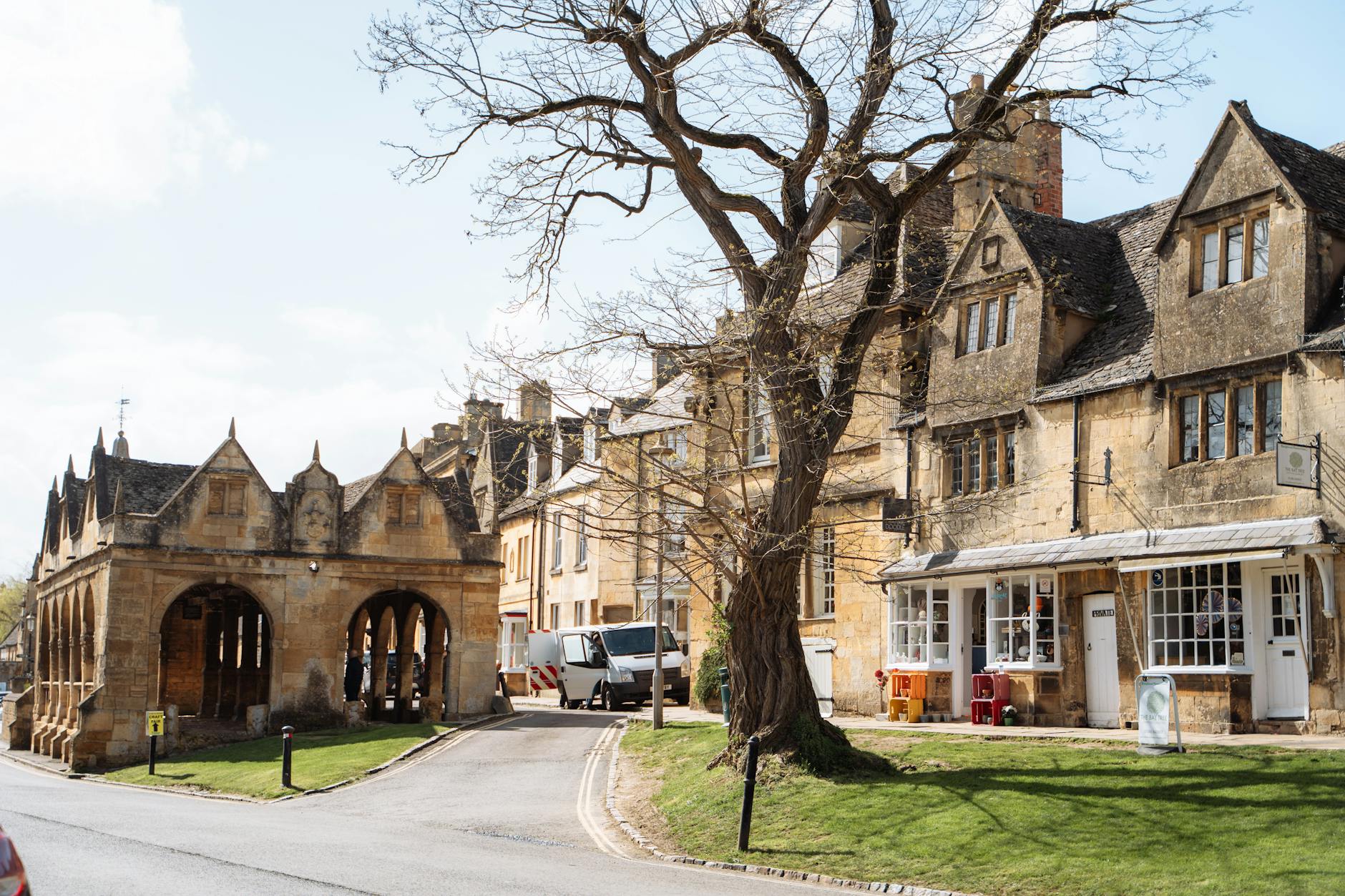
There is no official capital, but Cirencester is widely called the “Capital of the Cotswolds”. It is the largest town in the region, with around 20,000 people, an important Roman past as Corinium, a good museum and regular markets. Other significant towns worth knowing are Stow-on-the-Wold, Moreton-in-Marsh, Chipping Norton and Tetbury, each of which makes a useful base or stop.
Getting there and getting around
Transport is where most trips are won or lost. The Cotswolds is easy to reach but harder to explore, and being honest with yourself about that distinction before you book will save a lot of frustration once you arrive.
How do I get to the Cotswolds from London?
By train, direct services run from London Paddington to Moreton-in-Marsh in around 90 minutes, which is the most useful station for the northern villages; trains also serve Kingham, Charlbury and Cheltenham Spa. Booking in advance can bring fares down considerably compared with buying on the day. By car, the region is roughly 80 to 100 miles from London and takes one and a half to two and a half hours depending on where you are heading and the traffic — the M40 suits the eastern Cotswolds, the M4 the south. National Express coaches serve Cheltenham and Gloucester. Our full transport guide covers every route in detail.
What is the nearest airport to the Cotswolds?
Birmingham Airport is the closest major one, about an hour’s drive from the northern Cotswolds. Bristol Airport is similarly close to the southern end. London Heathrow is around an hour and a half to two hours away by car, and Gatwick further still but manageable. From any of them you can hire a car or pick up a train towards the region.
Do I need a car to visit the Cotswolds?
A car is strongly recommended but not absolutely essential. With one, you can reach any village at any time, including the quiet gems that no bus serves. Without one, you can still see the main villages by combining trains, principally to Moreton-in-Marsh, with local buses such as the 801 and 802 routes that link several of the bigger villages, and guided day tours fill the gaps. The honest trade-off is that car-free visitors are largely limited to the busiest, best-connected places. See our guide to getting around the Cotswolds for the realistic options.
Can I use Uber in the Cotswolds?
Not reliably. You may find the occasional Uber driver around Cheltenham or Cirencester, but in the villages there is generally nothing to hail. Lyft does not operate in the UK at all. The dependable alternative is a local taxi firm — ask your accommodation for a trusted number and book ahead, particularly for evening pickups, which can be scarce in rural areas.
When to visit
There is no bad time to come, only different experiences, and the right season depends on what you are chasing: weather, quiet or atmosphere. These answers should help you settle on a month.
When is the best time to visit the Cotswolds?
May and September are the popular picks: pleasant weather, the countryside looking its best, and crowds that are busy without being overwhelming. Summer, from June to August, is warmest but at its busiest in the honeypot villages. Winter is quietest and cheapest, with frosty, atmospheric landscapes and cosy pubs. Each season has its merits, which our month-by-month guide to the best time to visit sets out in full.
Is the Cotswolds worth visiting in winter?
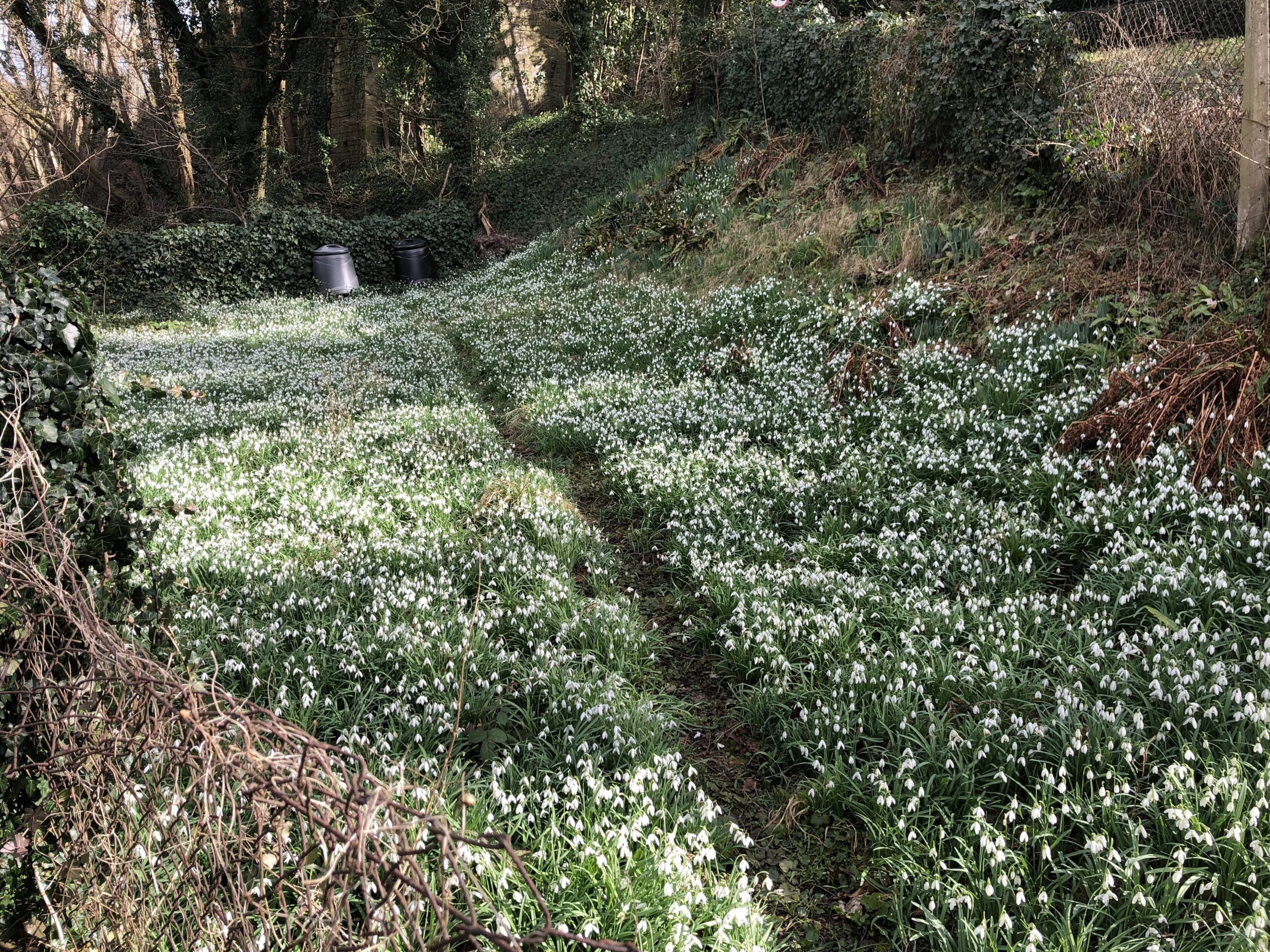
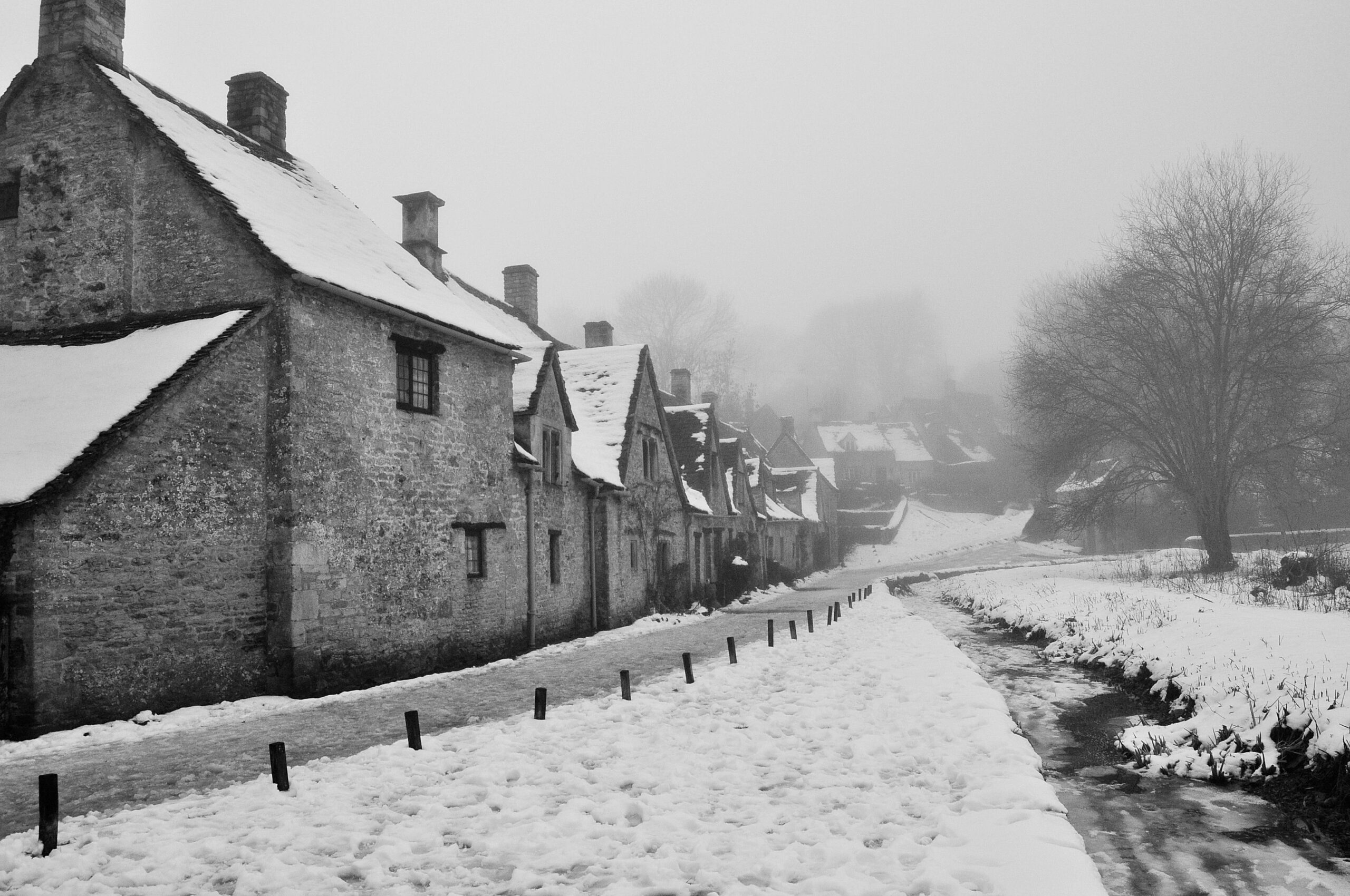
Very much so. Winter brings frosty fields, log fires, empty footpaths and the lowest accommodation prices of the year, along with Christmas markets and festive lights in December. January carpets the gardens in snowdrops, and February starts to feel like spring on a good day. The villages look wonderful under frost or a dusting of snow, and you will often have them almost to yourself. Pack warm layers, a torch for the short afternoons, and check our Cotswolds weather guide before you go.
When is the Cotswolds least crowded?
January and February are quietest, followed by November. For decent weather without the crush, aim for midweek in early May, early June or September. Even at the height of summer, lesser-known villages such as Stanton, Guiting Power and Naunton stay peaceful while the famous names heave — a simple swap that transforms a visit.

Accommodation and costs
Where you stay shapes everything else about your trip, and the Cotswolds has a reputation for being pricey that is only half deserved. Here is how to think about both the base and the budget.
Where should I stay in the Cotswolds?
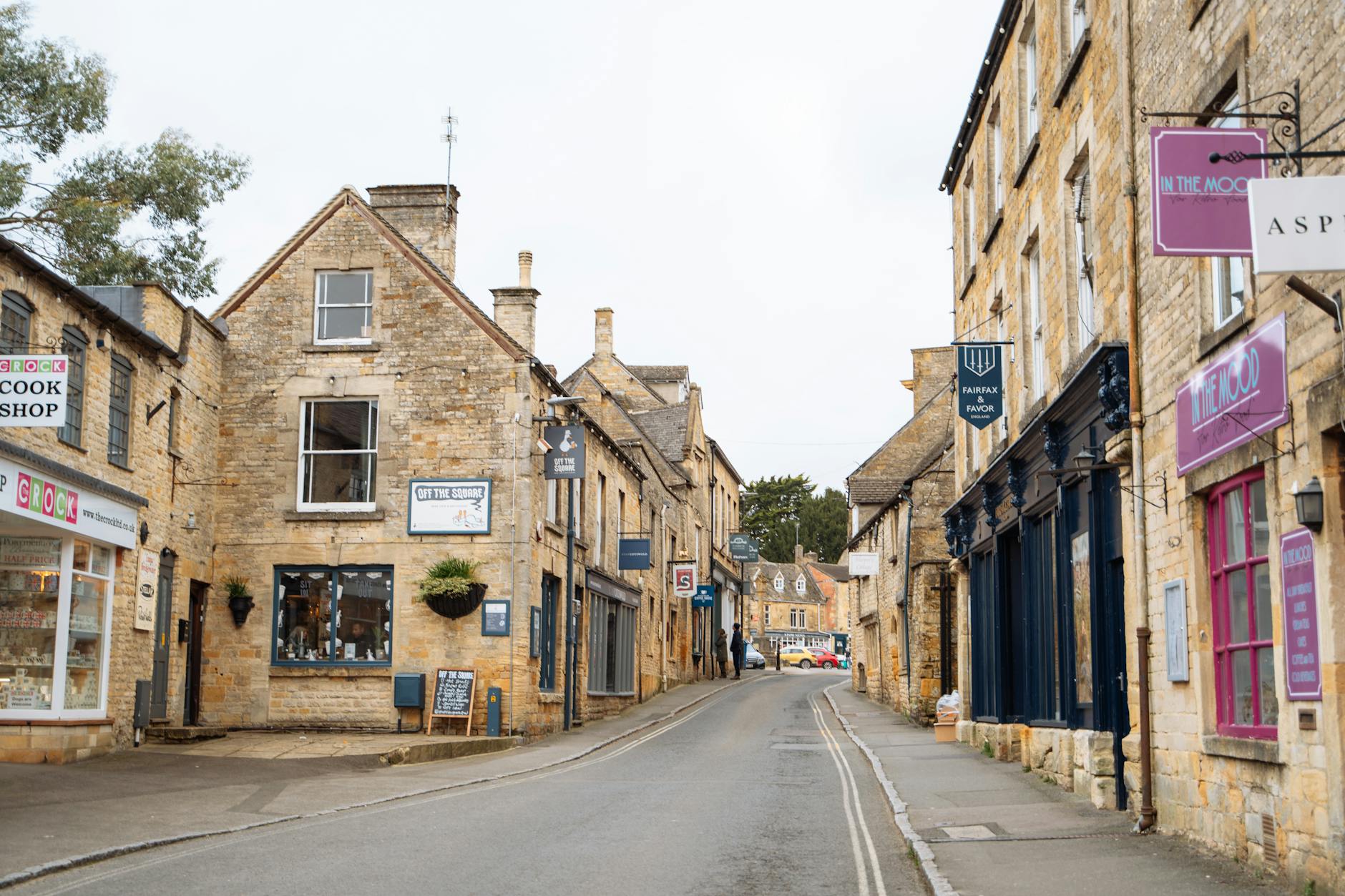
For a first visit, Stow-on-the-Wold is the most practical base — central, well connected and well supplied with places to eat and sleep. Chipping Campden is arguably the prettiest base, Moreton-in-Marsh the most convenient if you are arriving by train, and Cirencester the best launchpad for the southern Cotswolds. On a longer trip, consider splitting your stay between a northern and a southern base to cut down on driving. Our complete accommodation guide weighs up the options by area and budget.
Is the Cotswolds expensive?
It can be, but it does not have to be. Rooms in the popular villages often run from around £120 to £250 a night in season, yet hostels, campsites and self-catering cottages bring that down sharply, and B&Bs in less famous villages cost far less than headline hotels. The best of the Cotswolds — walking, exploring villages, visiting churches, browsing markets — is free. Our budget guide shows how to enjoy the region without overspending, and the free things to do list proves how much costs nothing.
Do I need to book accommodation in advance?
For weekends and the whole of summer, yes, and the best-loved inns and cottages go weeks or months ahead. Midweek and outside the peak season you have more freedom, but the most characterful places still fill early. If a particular hotel or cottage is the centrepiece of your trip, book it first and plan the rest around it rather than the other way round.
Villages and sightseeing
With hundreds of villages competing for your attention, the hard part is choosing. The trick is to pace yourself and mix the famous names with the quiet ones, rather than racing to tick off a list.
What are the must-see Cotswolds villages?
The famous ones include Bourton-on-the-Water, the “Venice of the Cotswolds” with its low bridges over the Windrush; Bibury, with the much-photographed Arlington Row; Broadway and its broad, golden high street; Chipping Campden, the finest of the wool towns; Stow-on-the-Wold, known for its market square and antiques; and Castle Combe, often called the prettiest village in England. Do not stop at the headline acts, though — Stanton, Snowshill, the Slaughters, Naunton and Guiting Power are every bit as lovely and far quieter. Our guide to the prettiest Cotswolds villages ranks and maps them all.
How many villages can I see in a day?
With a car, three or four is comfortable, leaving time to walk around, have lunch and actually absorb the atmosphere rather than just photograph it. Try to cram in more and you will spend the day in the car park and the driving seat. Without a car, one or two is realistic given the limited bus links. The Cotswolds rewards a slow pace, so resist the urge to treat it as a checklist — for help shaping a route, see our Cotswolds itineraries.
What is there to do besides visit villages?
A great deal. There is world-class walking and hiking, including the 102-mile Cotswold Way; grand gardens and country houses; Roman and medieval history; a serious food and drink scene of farm shops, markets, gastropubs and even Michelin-starred restaurants; antiques and markets; a full range of outdoor activities from cycling to watersports; and a busy calendar of events and festivals. A complete rundown lives in our pillar on things to do in the Cotswolds.
Practical information
A handful of small logistical questions come up again and again, and a couple of them — phone signal in particular — genuinely catch people out. Here are the practical essentials.
What currency is used, and is card accepted?
The Cotswolds is in England, so the currency is the pound sterling. Most shops, restaurants and attractions take cards, including contactless, but it is sensible to carry some cash — twenty or thirty pounds in small notes and coins — for the occasional cash-only café, market stall or older car park machine. Cash machines are easy to find in the larger villages and market towns, less so in the small ones.
Is there mobile phone signal in the Cotswolds?
It is patchy, and this is the practical fact most worth planning around. The towns and larger villages generally have reasonable coverage, but the valleys, minor lanes and open hills often have weak or no signal. Download your maps, directions and booking confirmations before you head into the countryside rather than relying on live data. Most hotels and many cafés offer Wi-Fi to fall back on.
Is the Cotswolds safe?
Yes, very. Crime rates sit well below the national average. The genuine hazards are practical rather than personal: driving carefully on narrow, blind lanes, wearing sensible footwear on uneven pavements and muddy paths, and being prepared for the changeable weather. Treat the lanes and the forecast with respect and you will have no trouble.
What language is spoken in the Cotswolds?
English. You may catch a soft Gloucestershire or Oxfordshire accent and the odd dialect word, but everyone speaks standard English and tourism staff are thoroughly used to international visitors. No need to brush up on anything beyond a few local place-name pronunciations, covered below.
Food and drink
Eating well is one of the real pleasures of a Cotswolds trip, and the region has quietly become one of England’s better food destinations. A little planning around bookings goes a long way.
What food is the Cotswolds known for?
Local lamb, from the sheep breed that built the region’s medieval wealth, sits at the heart of it, alongside Gloucester Old Spot pork, local cheeses including Single and Double Gloucester and the famously pungent Stinking Bishop, game in season, real ales and ciders, and proper cream teas. Farm shops and farmers’ markets are excellent — the Stroud market is among the best in the country. Our food and drink guide points you to the highlights, and the best Cotswolds pubs guide handles the all-important question of where to drink.
Do I need to book restaurants in advance?
For dinner, yes, especially at weekends and through summer, when the best pubs and restaurants book up days or weeks ahead. For weekday lunches, booking the same morning is usually enough, though Friday and Saturday lunches are worth reserving. On a quiet midweek day out of season, you can often simply walk into a pub. When in doubt, ring ahead — a two-minute call beats a wasted journey.
Are there good options for vegetarians and other diets?
Generally yes. Most gastropubs and restaurants now offer solid vegetarian choices and can usually handle vegan and gluten-free requests, particularly if you flag them when booking. The strong farm-to-table culture means seasonal vegetable cooking is taken seriously in better kitchens. In the smallest village pubs the choice narrows, so a quick check of the menu online or a phone call helps if you have specific needs.
Walking and the outdoors
Getting out on foot is the best way to understand the Cotswolds, and you do not need to be an athlete to do it. These answers cover the most common worries about walking here.
Do I need to be fit to walk in the Cotswolds?
Not particularly. There are walks for every level, from flat riverside strolls and gentle village loops that need no special fitness, through moderate circular walks of three to five miles that suit most reasonably active people, to the longer, hillier routes and the Cotswold Way for keener walkers. This is rolling country, not mountains — nothing is technical — though some walks involve steady uphill pulls onto the escarpment. Our walking guide grades routes by effort.
Can I walk between villages?
Yes, and it is one of the best things you can do here. Many villages are joined by public footpaths, and walking between them gives you the countryside experience that driving skips entirely. Popular links include Bourton-on-the-Water to the Slaughters at around three miles, Broadway to Snowshill at about two, and Chipping Campden to Broadway at roughly six. Wear proper footwear, carry a downloaded map given the patchy signal, and reward yourself with a pub at the far end.
Are dogs welcome in the Cotswolds?
On the whole, yes. Most pubs welcome dogs, often in the bar rather than the dining room, and many hotels and cottages accept them — check when booking. Dogs must be kept under control near livestock, and ideally on a lead around sheep, with owners clearing up after them. Some gardens and historic properties allow dogs in the grounds but not indoors. With thousands of miles of paths, it is superb dog-walking country; our guide to dog-friendly places to stay helps with the logistics.
Families and accessibility
The Cotswolds works well for families and can be managed with mobility needs, though some honest caveats apply to the older villages. Here is what to expect.
Is the Cotswolds good for children?
Yes, genuinely. Child-friendly attractions include Birdland and the Model Village at Bourton-on-the-Water, the Cotswold Farm Park with its rare breeds, the Cotswold Motoring Museum, the adventure playground at Sudeley Castle, and the Cotswold Wildlife Park near Burford. Add gentle walks, river paddling at Bourton, and pubs that welcome children, and it makes an easy family destination. Our Cotswolds with kids guide plans it all out.
Is the Cotswolds wheelchair accessible?
It varies a lot, and honesty helps here. Many villages have uneven pavements, cobbles and steep slopes that are awkward for wheelchair users, so the historic centres can be challenging. That said, a number of attractions have improved considerably, several National Trust properties offer accessible routes, and some gardens have firm, paved paths. The practical advice is to contact specific villages and attractions in advance, choose accommodation that confirms its accessibility, and consider scenic circular drives as an alternative to walking the trickier streets.
A few odds and ends
Finally, the questions that do not fit neatly anywhere else but come up all the same — including the two everyone secretly wants answered: what the name means and how on earth to say it.
What does “Cotswolds” mean?
The name is generally thought to derive from “Cod’s wold” — “Cod” being a Saxon landowner and “wold” an old word for high, rolling open ground. So it translates loosely as “the rolling hills belonging to Cod”. The word “wold” survives in other place names too, such as the Yorkshire Wolds and the Lincolnshire Wolds, all describing the same kind of open upland.
How do you pronounce “Cotswolds” and the village names?
“Cotswolds” is said “COTS-woldz”, with the stress on the first syllable, rhyming roughly with “lots” and “holds”. A few local names are less obvious: Cirencester is “SY-ren-sester” (locals sometimes shorten it to “Siren”), Gloucester is “GLOS-ter”, Tetbury is “TET-bree”, and the “wold” in Stow-on-the-Wold rhymes with “old”. Get those right and you will sound like a regular.
Can I visit the Cotswolds as a day trip from London?
You can. London to Moreton-in-Marsh is about 90 minutes by train, and with a car or a guided tour you can fit in two or three villages in a day. A day trip gives you a real taste of the region, though it inevitably means rushing. Staying overnight reveals the quieter, more magical side that day-trippers miss. Our guide to how many days you need helps you decide how long to give it.
How does the Cotswolds compare with the Lake District?
They scratch different itches. The Cotswolds offers gentle, pastoral scenery, exceptionally pretty stone villages, a strong food scene and an easier journey from the south of England. The Lake District delivers dramatic mountains, glacial lakes, serious hiking and a wilder feel, at the cost of a longer trip from London and a good deal more rain. Neither is “better”; it depends what you want. We weigh it all up in our detailed comparison of the Cotswolds versus the Lake District.
Is the Cotswolds actually worth visiting?
For most people, yes. The mix of honey-stone villages, rolling countryside, excellent food, fine walking and deep history is hard to find anywhere else in England, and it suits couples, families, solo travellers and groups alike. It is not flawless — summer crowds, parking and the odd tourist-trap café are real — and our honest pros and cons review lays out who will love it and who might not, so you can judge for yourself.
Related guides
For the bigger picture, start with the complete guide to visiting the Cotswolds and the best time to visit. Sort out logistics with our transport guide and 25 essential travel tips, choose a base with the accommodation guide, and pick your villages from the roundup of the prettiest in the region.