This article contains advertising. My booking links are routed through a partner that adds commission tracking automatically, so if you book through one I earn a commission from the provider, at no extra cost to you. It never affects what I recommend. Affiliate disclosure
Is the Cotswolds worth visiting, or is it a load of honey-coloured hype? People ask it more than you might think, usually after scrolling past the thousandth photo of Arlington Row and wondering whether the real thing could possibly live up to it. Fair question. The Cotswolds turns up on every list of pretty England, the cottages are properly photogenic, and the travel pieces tend toward the breathless.
So here is an honest answer rather than a brochure one. The Cotswolds is genuinely worth visiting, and I would send most people here without hesitation. But it suits some travellers far better than others, and if you go to the wrong place at the wrong time you can come away underwhelmed and a bit poorer. The trick is knowing what you are getting. Below are the real pros, the real cons, who will love it, who probably will not, and how to tip the odds in your favour.
The short answer
Yes — with caveats. The landscape and the villages are the genuine article, and walking through them is one of the nicer things you can do in England. This is not a theme-park version of the countryside that disappoints up close; the stone really is that colour, the gardens really do spill over the walls. What lets people down is rarely the place itself. It is going to Bourton-on-the-Water on a sunny August Saturday, treating villages as drive-through photo stops, or expecting non-stop entertainment from a region whose whole appeal is that very little happens. Get the expectations right and the Cotswolds delivers. Get them wrong and you will wonder what the fuss was about. Our wider Cotswolds travel guide is the place to start once you have decided to come.
The case for: why the Cotswolds is worth it
The villages are the real thing
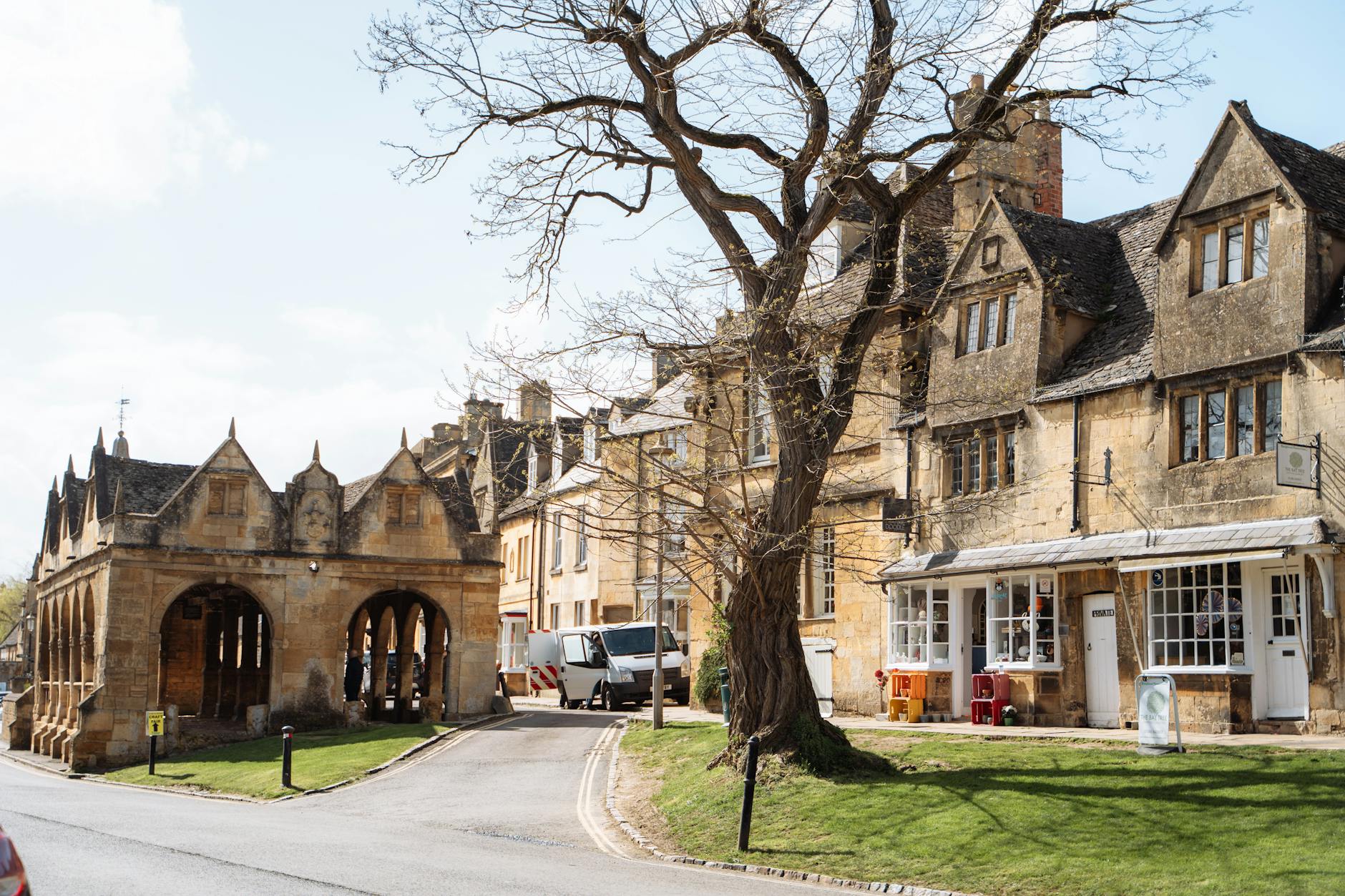
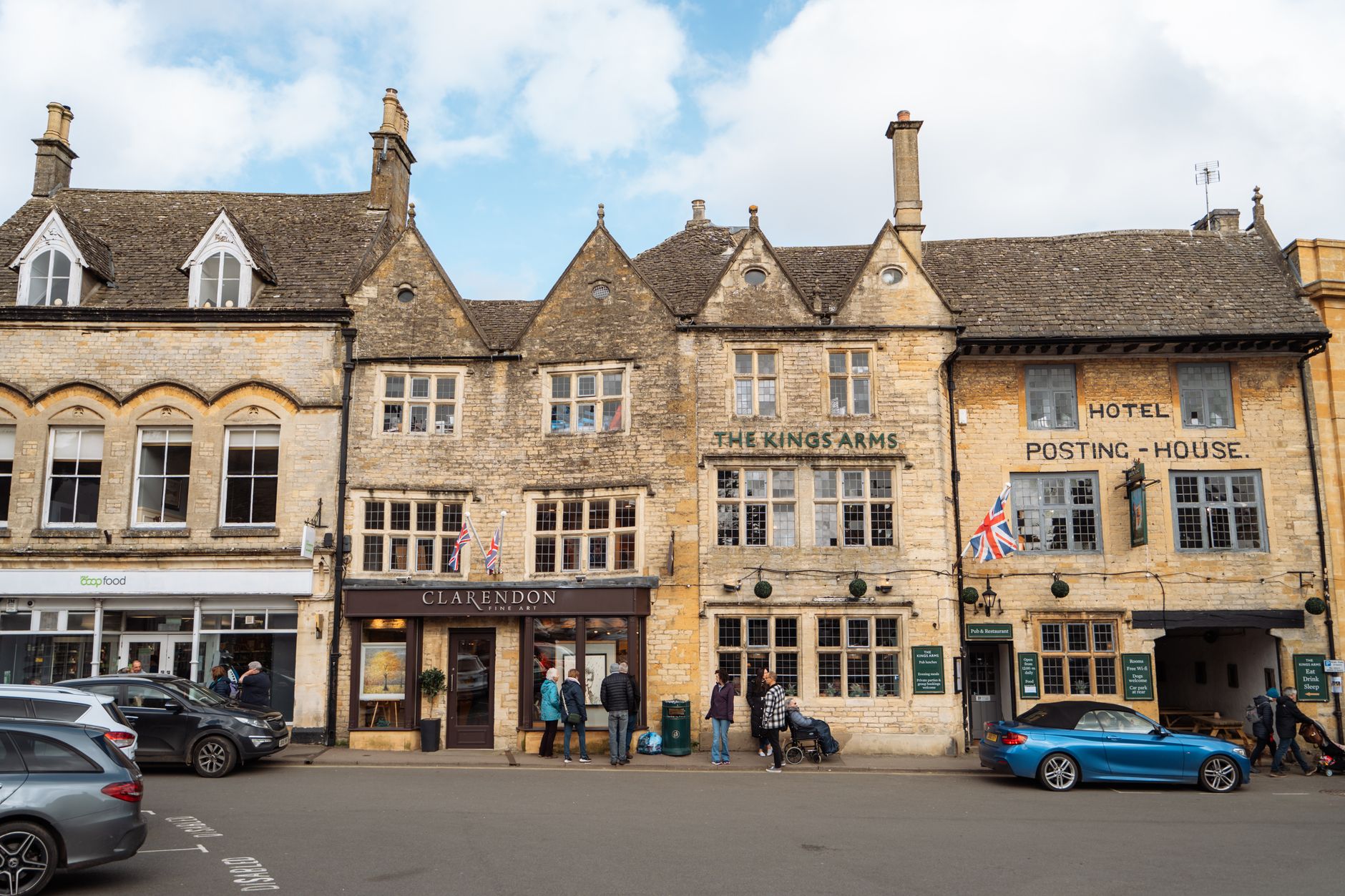
This is the big one, and it is not overstated. The villages are beautiful in a way photographs only half capture, because half of it is the scale and the quiet and the way the light moves on the stone. The warm limestone, the cottage gardens, the medieval churches, the worn market squares — none of it is staged. These are lived-in places that happen to be lovely. Walk through Chipping Campden, or Stanton, or Lower Slaughter at the right hour and you do step back a few centuries. Nowhere else in England has this many villages of this quality packed so close together. Our roundup of the prettiest Cotswolds villages sorts the famous from the underrated.
The walking is some of England’s best
Step beyond the villages and the countryside is the other half of the argument. Rolling hills — the wolds that give the place its name — dry stone walls running off to the horizon, wildflower meadows, old beech hangers and hidden valleys make a landscape that rewards exploring on foot more than almost anywhere in southern England. The Cotswold Way runs 102 miles along the western escarpment, and even a short stretch hands you views over the Severn Vale to the Welsh hills. You do not need to be a serious hiker; the joy here is the gentle kind, village to village across the fields. Our walking and hiking guide has routes for every level, and a half-day walk is, for my money, the single best thing the region offers.
The food and drink punch above their weight
For a rural area, the food and drink scene is unusually good. Award-winning gastropubs, a clutch of Michelin-starred kitchens, serious farm shops, farmers’ markets and small producers all crammed into a stretch of countryside. The Stroud Farmers’ Market on a Saturday is one of the best in the country. The pubs pour real ale brewed within a few miles. And the raw ingredients — Cotswold lamb, Gloucester cheeses, local game in season — are the genuine reason the cooking is good rather than a marketing line. Whether you want a £6 ploughman’s or a tasting menu, our guides to the best Cotswolds pubs and best restaurants point you the right way.
There is genuinely plenty to do
It is not only about looking at pretty buildings. There is world-class walking, a string of grand gardens and country houses, history running from Roman villas to the medieval wool boom, proper markets and antique towns, and outdoor stuff from cycling to watersports at Cotswold Lakes (formerly Cotswold Water Park). You can fill three days to a full week here without repeating yourself, and our list of things to do in the Cotswolds runs through the lot. Families are well catered for too — see the family holiday guide for the practical version.
It is genuinely easy to reach
Unlike some of England’s beauty spots, you do not have to trek to a far corner of the country. Moreton-in-Marsh is around an hour and a half from London Paddington by train. By car the region sits under two hours from London, Birmingham or Bristol, and Oxford and Bath are on the doorstep. That accessibility is part of the appeal — and, it must be said, part of the crowding problem, which brings us to the other side of the ledger. The transport guide has the detail.
The case against: what might disappoint you
The famous villages get genuinely crowded
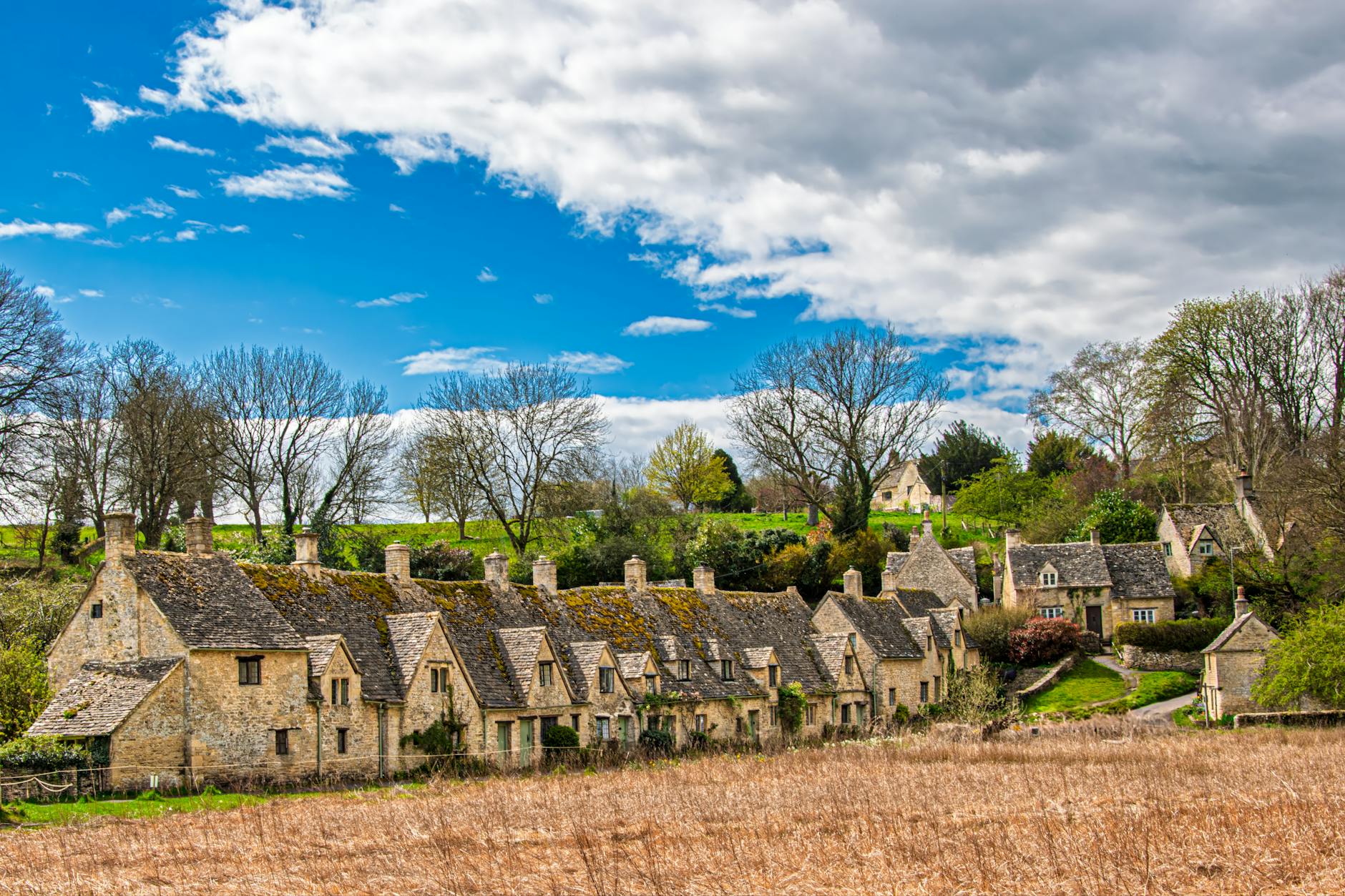
This is the biggest and most common complaint, and it is fair. Bourton-on-the-Water, Bibury and Broadway — the three names everyone knows — heave in summer, at weekends and through the school holidays. Bourton on a hot Saturday feels more like a seaside resort than a sleepy village, paddlers in the Windrush and queues at the ice cream. At Bibury, people line up to photograph Arlington Row from the same spot. Coaches drop tour groups for a brisk twenty minutes and move on. If you turn up expecting pastoral calm, that is a genuine letdown.
But here is the context that matters: the Cotswolds has hundreds of villages, and only a handful are ever truly crowded. Walk into Stanton, Guiting Power, Naunton, the Duntisbournes or Snowshill and you may have the lane to yourself. The crowding is real but it is concentrated in five or six honeypots — the rest stays quiet. Our Cotswolds travel tips go into exactly how to dodge the crush, and it is mostly a matter of timing and choosing where to go.
You really do want a car
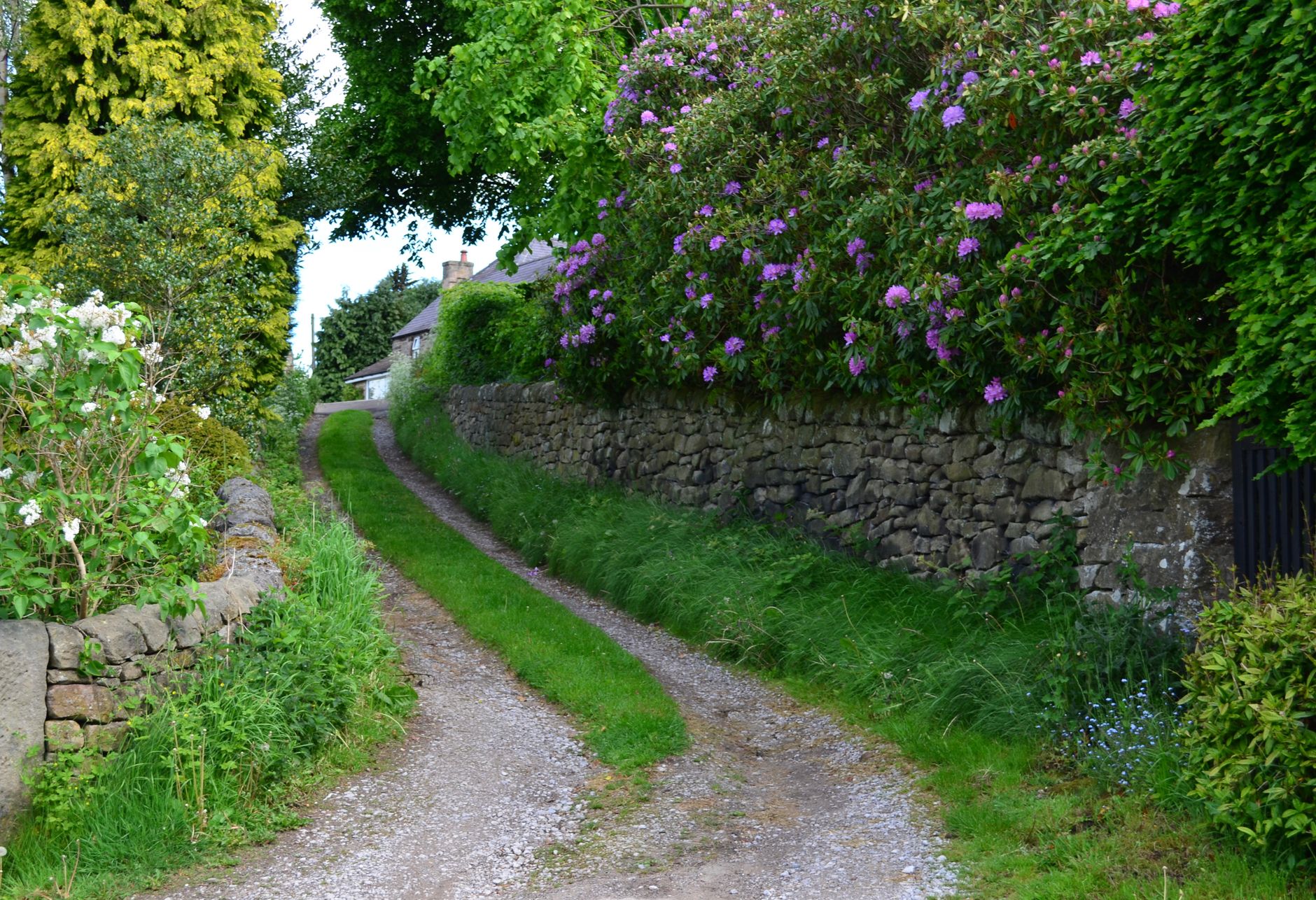
You can visit without one — train to Moreton-in-Marsh, buses between the bigger villages — but the experience is markedly better with your own wheels. The buses are infrequent, do not run late, and skip many of the loveliest villages entirely; Stanton, Snowshill, the Duntisbournes and Guiting Power have no service at all. Without a car you are funnelled toward the main hubs, which are also the busiest. For overseas visitors used to driving on the right, or anyone who would rather not drive narrow lanes, that is a real consideration. Our guide on getting to and around the Cotswolds is honest about what is and is not reachable by bus.
It can be expensive
The classic Cotswolds — country-house hotel, gastropub dinner, the lot — is not a budget proposition. Rooms in a popular village can run £150 to £250 a night in summer, and restaurant mains sit around £15 to £25. None of that is unusual for honeypot England, but it adds up. The redeeming truth is that it does not have to be expensive: the walking, the villages and the churches are free, and our Cotswolds on a budget guide shows how to do the region well for a fraction of the headline cost with hostels, picnics and a bit of planning.
The villages can blur together
See six villages in a single day and they start to merge into one: honey stone, church, pub, antique shop, repeat. That is the fault of the itinerary, not the place. The Cotswolds rewards a slow pace, and each village does have its own character and stories — but only if you give it long enough to show them rather than ticking it off and driving on. Race it and you will go home thinking it all looked the same.
The weather does what it likes
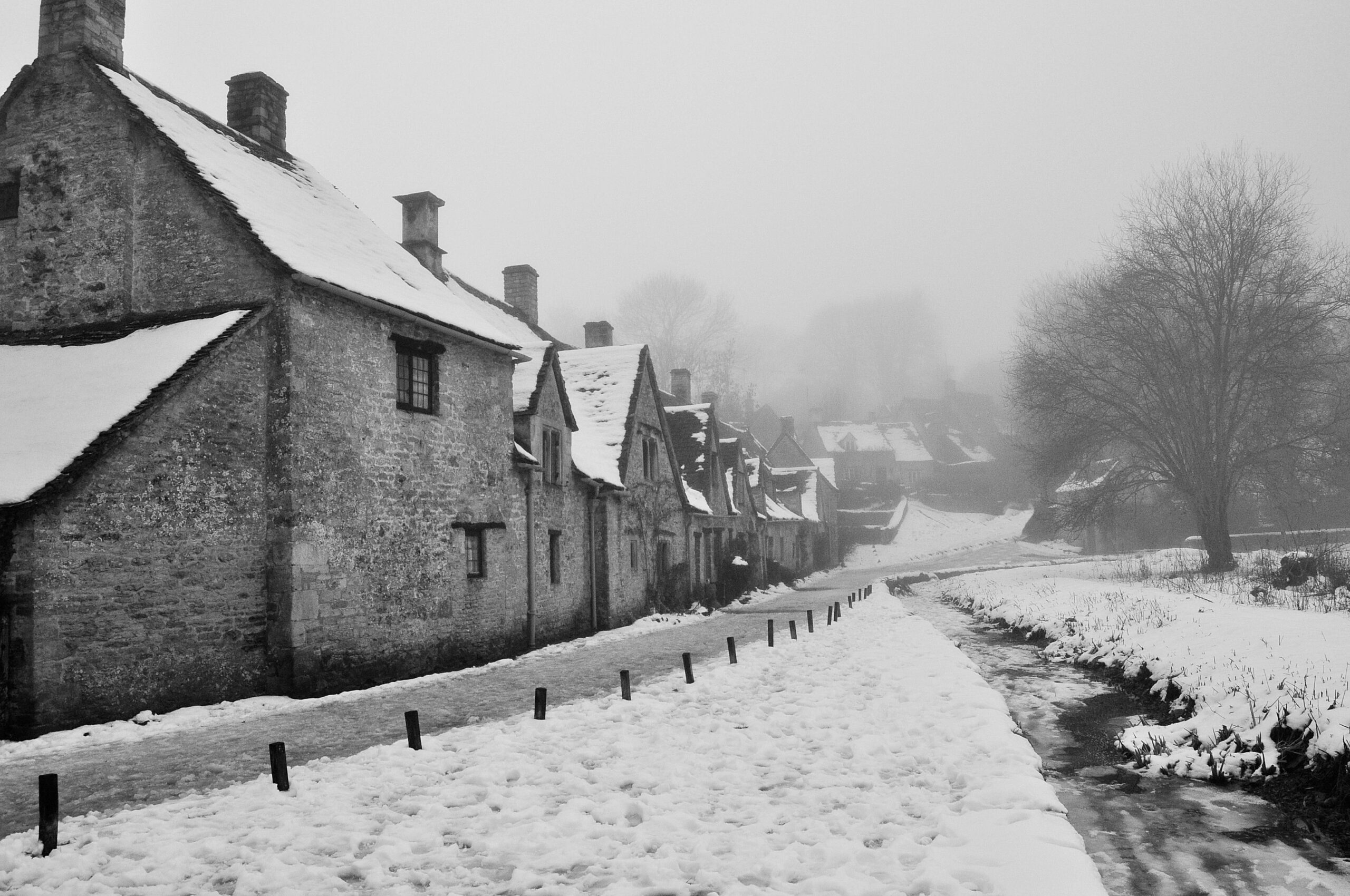
This is England, and the weather can turn at any time of year. A grey, drizzly day is not the Instagram version, though plenty of people find the misty, muted Cotswolds has a charm of its own. Pack waterproofs and layers whatever the season and keep your expectations flexible. A wet afternoon is what pubs with fires were invented for.
A degree of gift-shop creep
In the most popular villages the everyday shops — butcher, baker, hardware — have given way to gift shops, tea rooms and interiors boutiques, and long-term residents understandably mourn it. That is a legitimate gripe in places like Broadway, Bourton and parts of Stow. It is far less true of the working market towns: Cirencester, Moreton-in-Marsh and Winchcombe keep a much more ordinary, lived-in character where people actually do their shopping. If authenticity matters to you, lean toward those.
Who will love the Cotswolds
Some people are all but guaranteed a good time here. If you love countryside walking, this is one of the finest places in England for it — gentle hills, ancient paths, and a pub at the end of most of them. If you are drawn to history and architecture, the wool churches, the Roman remains at Chedworth, the great houses and the unmistakable Cotswold stone will keep you happy for days.
Food lovers do very well, given how good the markets, farm shops and kitchens are for a rural region. Couples after a romantic escape find intimate villages, cosy pubs and scenery that does a lot of the work. Photographers get the light, the stone and the gardens through every season. And if you are a slow traveller by temperament — happy to linger, wander and soak up atmosphere rather than charge between sights — the Cotswolds was practically made for you.
Who might be disappointed
It is only fair to be just as clear about who should think twice. Anyone after non-stop entertainment will find it slow: there are no roller coasters, water parks or big-ticket attractions, and the appeal is the landscape, the walking, the food and the quiet. That is a feature, not a bug, but only if it is what you want.
Budget travellers who insist on cheap hotels and cheap restaurants may bristle at the prices, although our budget guide shows there are ways around that. People who dislike driving will find the logistics fiddly, since getting the best out of the region really does mean narrow lanes. Anyone whose entire trip is Bourton-on-the-Water on a peak Saturday is seeing the worst version of the Cotswolds, not the best. And committed city people who need nightlife and shopping centres will be restless: the largest town, Cirencester, has only around 20,000 residents. This is deep countryside, and it does not pretend otherwise. If you are torn between this and somewhere wilder, our comparison of the Cotswolds versus the Lake District lays out the choice.
How to make sure your trip is worth it
Sidestep the honeypot trap
By all means see the famous three, but do not let them be the whole trip. Stanton is arguably the most perfectly preserved village in the region and rarely holds more than a handful of visitors. Guiting Power has a fine green and a couple of good pubs. Naunton sits quietly in its own valley with a photogenic dovecote. The Duntisbournes — Abbots, Leer and Rouse — are a string of tiny hamlets along a stream that most people never find. Mix one famous village with two quiet ones and you get the best of both. The itineraries guide shows how to balance them into a sensible day.
Time it well
May and September are the sweet spot: decent weather, manageable crowds and better value. Avoid the busiest villages on July and August weekends if you can. And whatever the month, the early morning before ten is when a village belongs to you — arrive then and you will often have the place almost to yourself, the same scene the day-trippers will queue for at noon. Our month-by-month guide to the best time to visit goes through the trade-offs in detail.
Walk between villages
Driving from car park to car park misses the very thing that makes this the Cotswolds National Landscape (formerly an Area of Outstanding Natural Beauty). Walk instead, even a short way. Bourton-on-the-Water to the Slaughters, Broadway up to Snowshill, or the first stretch of the Cotswold Way out of Chipping Campden all hand you the landscape that the road never shows. It is the difference between looking at the Cotswolds and being in it.
Stay at least one night
A day trip gives you a taste, but the Cotswolds only really opens up once the day-trippers leave. Evening light on the stone, the villages going quiet, dinner in a country pub, a walk before breakfast with mist still in the valleys — those are the moments people remember, and none of them happen between eleven and three. Three days suits most first-timers, but even a single overnight changes the trip entirely. Compare your options in the accommodation guide.
Slow down
Do not attempt ten villages in a day. Pick two or three, walk between them if you can, take a long pub lunch, sit in a churchyard and listen to nothing for a while. The Cotswolds rewards slowness almost more than any region in England — the more you hurry, the less you see and the less you enjoy. If you find yourself clock-watching, you have misread the place.
So is it overrated? An honest verdict
The word that follows the Cotswolds around online is “overrated”, so it deserves a straight answer. Overrated implies the reality falls short of the reputation. In the honeypots, on a bad day, it can — Bourton in peak August is a perfectly fair thing to be underwhelmed by, and anyone whose whole trip is a crowded car park and a queue for a photo has my sympathy. That version genuinely does not justify the hype.
But that is a tiny slice of the region experienced in the worst possible way. The reputation was not built on Bourton at noon. It was built on quiet lanes, on the view from the escarpment, on a pint by a fire after a wet walk, on a churchyard with nobody in it but you. Judged on those — which is to say, judged on what the Cotswolds actually is rather than how it is sometimes consumed — it is, if anything, slightly underrated by people who only ever see the famous bits. The honest verdict is this: the Cotswolds is not a place you can “do” in a rushed day and a few photographs, and people who try come away disappointed and call it overrated. Give it time, go where the crowds are not, and it quietly exceeds the hype rather than falling short of it.
One more honest point. No single village is a destination in its own right the way a city is — there is no one unmissable sight that justifies the trip on its own. The Cotswolds works as a cumulative thing: the walking and the villages and the food and the pubs add up to more than any one of them. If you need a headline attraction to anchor a holiday, that may frustrate you. If you are happy for the sum to be the point, you will love it. For more on shaping the visit around that, see how to plan the right number of days.
Frequently Asked Questions
Is the Cotswolds overrated?
Parts of it can disappoint if your expectations are wrong. The famous honeypots get overcrowded in peak season and a few villages have grown gift-shoppy. But the wider Cotswolds — the quiet villages, the walking, the food — genuinely lives up to its name. Look past the Instagram highlights and it is the opposite of overrated.
Is the Cotswolds just for wealthy people?
No. There are luxury hotels and pricey restaurants, but the best of the region — walking, villages, markets, churches — is free. Budget beds exist, from hostels to campsites, and self-catering keeps food costs down. Our budget guide sets out how to do it affordably.
Is the Cotswolds boring?
Only if villages and countryside are not your thing. If you enjoy walking, history, food, gardens and quiet, atmospheric landscapes, there is easily a week in it. If you need nightlife, shopping centres or high-adrenaline thrills, it will feel sleepy. Know what you are signing up for and you will not be caught out.
Should I visit the Cotswolds or the Lake District?
Both are wonderful but different. The Cotswolds offers warm stone villages, gentle hills, excellent food and easy access from London. The Lake District brings dramatic mountains, lakes and tougher hiking. Choose the Cotswolds for gentle exploring and village life, the Lakes for serious walking and big scenery. Our side-by-side comparison helps you decide.
Is the Cotswolds worth visiting in winter?
Very much so. Winter brings frosty mornings, pub fires, empty footpaths, festive markets and the lowest room rates of the year. The villages look terrific under frost and you will have most places to yourself. December is especially good for Christmas markets. The seasonal guide has more.
Can I visit the Cotswolds as a day trip from London?
Yes. London to Moreton-in-Marsh is about ninety minutes by train, and with a car or a guided tour you can see two or three villages in a day. A day trip gives a real taste, but staying overnight reveals the quieter side that day-trippers never meet. Plenty of people who come for a day end up returning for longer.
Related guides
Once you have decided, plan the trip with our complete guide to visiting the Cotswolds and the practical Cotswolds travel tips. To go deeper, browse the prettiest villages, work out how many days you need, and keep costs sensible with the budget guide.