This article contains advertising. My booking links are routed through a partner that adds commission tracking automatically, so if you book through one I earn a commission from the provider, at no extra cost to you. It never affects what I recommend. Affiliate disclosure
March is the month the Cotswolds stop holding their breath. The snowdrops are finished, the verges go yellow with daffodils almost overnight, the first cherry and blackthorn blossom appears against the stone, and the gardens and castles that shut for winter start opening their gates again. The coach parks are still half empty. If you want to see the Cotswolds in March, you are catching the region on the turn: colder and muddier than May, but quieter, cheaper and with a freshness that disappears once the summer crowds arrive.
This guide covers what March actually holds: real weather figures, the dates that matter in 2027 (Cheltenham Festival week, an early Easter and the clocks going forward on the same Sunday), which places reopen, what stays closed, and what a stay costs. If you are still deciding between months, our guide to the best time to visit the Cotswolds compares the whole year, and our Cotswolds in spring guide looks at March, April and May together.
March in the Cotswolds at a glance
| What | March in brief |
|---|---|
| Average high / low | 9.7°C / 2.3°C at Little Rissington, on the high wold |
| Rainfall | 53.5 mm over about 11 wet days, the driest month of the year on average |
| Sunshine | About 124 hours, half as much again as February |
| Frosty nights | About 6 or 7 |
| Daylight | Roughly 11 hours on 1 March, nearly 13 by the end of the month |
| Big dates in 2027 | Cheltenham Festival 16–19 March; Good Friday 26 March; Easter Sunday and clocks forward 28 March; Easter Monday 29 March |
| Crowds | Quiet for most of the month; busy around Cheltenham during Festival week and everywhere over Easter weekend |
| Room rates | Low until Festival week and Easter, when they jump sharply in the places that matter |
| What to pack | Waterproof boots, a warm layer and a waterproof; sunglasses on the bright days |
Weather figures are Met Office 1991–2020 averages for Little Rissington, near Bourton-on-the-Water. Event dates are for March 2027 and were checked in November 2026 against the organisers’ own sites; opening days for gardens and houses shift from year to year, so check each one before you set out.
March weather in the Cotswolds
The headline number is the jump in warmth. The average daytime high at Little Rissington climbs from 7.1°C in February to 9.7°C in March, and the average overnight low creeps up from just above freezing to 2.3°C. Frosts don’t disappear, but they thin out, from around ten nights in February to six or seven in March. On a still, sunny afternoon in the second half of the month it can feel properly warm in a sheltered garden or a south-facing churchyard. On an exposed ridge with the wind coming off the Severn, it can feel like January again an hour later.
The surprise for most people is the rain. March is, on the long-term averages, the driest month of the year on the high wold, with 53.5 mm, a whisker under February and well under the 80-odd millimetres of the autumn and early-winter months. It doesn’t feel dry underfoot, because the ground is still saturated from winter and the clay vales stay sticky well into April, but you get fewer washed-out days than at almost any other time of year. Sunshine jumps to around 124 hours, against about 83 in February, and the light has a low, clean quality that photographers love.
Longer days and the clock change
Daylight is what really changes the month. On 1 March the sun rises at about 06:55 and sets at about 17:47 over Cirencester, giving you just under eleven hours. By the equinox around 20 March you have twelve. Then, on Sunday 28 March 2027, the clocks go forward an hour for British Summer Time, and suddenly the sun doesn’t set until after half past seven. That one change transforms what you can fit into a day: a walk after an early pub supper becomes possible again, and the golden hour on the honey-coloured villages lands at a civilised time.
| Date (2027) | Sunrise | Sunset | Daylight |
|---|---|---|---|
| 1 March | 06:55 | 17:47 | 10 h 52 m |
| 15 March | 06:24 | 18:12 | 11 h 48 m |
| 27 March | 05:56 | 18:32 | 12 h 36 m |
| 28 March (BST starts) | 06:54 | 19:34 | 12 h 40 m |
| 31 March | 06:47 | 19:39 | 12 h 52 m |
Times are approximate, calculated for Cirencester; the northern Cotswolds differ by only a minute or two. For month-by-month figures across the whole year, see our guide to Cotswolds weather.
What’s on in the Cotswolds in March 2027
March has fewer festivals than summer, but two dates shape the whole month: Cheltenham Festival week in the middle, and an unusually early Easter at the end. Both affect traffic and room prices far beyond the places they happen.
| Date (2027) | What | Where |
|---|---|---|
| From February | Lambing at Cotswold Farm Park (check the dates) | Guiting Power, near Stow-on-the-Wold |
| Every Monday and Friday | Charter market | Market Place, Cirencester |
| Every Tuesday | Weekly market | High Street, Moreton-in-Marsh |
| Every Saturday | Farmers’ market | Stroud town centre |
| Tue 16 – Fri 19 March | Cheltenham Festival | Cheltenham Racecourse, Prestbury Park |
| Weekends in mid to late March | Daffodil Days, wild daffodil open weekends (dates on Visit Dean Wye) | Kempley, Dymock and Oxenhall, west of Gloucester |
| Fri 26 March | Good Friday bank holiday | Everywhere |
| Sun 28 March | Easter Sunday; clocks go forward | Everywhere |
| Mon 29 March | Easter Monday bank holiday | Everywhere |
Cheltenham Festival week (16–19 March)
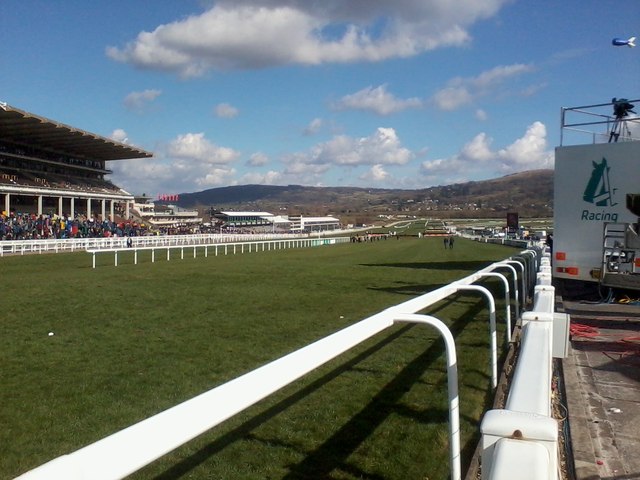
The Cheltenham Festival is the high point of the jump-racing season, four days of championship races at Prestbury Park on the edge of the town, culminating in the Gold Cup on the Friday. In 2027 it runs from Tuesday 16 to Friday 19 March, and the racecourse’s fixture list shows tickets from £42, with prices rising for the better enclosures and the later days. If you love racing, there is nothing like it, and the course sits right under the escarpment of Cleeve Hill, which gives it a striking setting.
If you are not going to the races, the honest advice is to plan around it. For those four days Cheltenham’s hotels fill and their rates soar, and the effect spreads out to Winchcombe, Tewkesbury, Broadway and further into the north Cotswolds. Roads into the town are slow before the first race and solid after the last one, especially the A435 and the routes off the M5. Trains to Cheltenham Spa are busy, and the pubs in town are standing-room only in the evenings. A walking break based in Painswick, Tetbury or the south Cotswolds that week will feel like a different country. Our Cheltenham guide covers the town itself for any other week of the year.
An early Easter
Easter falls in March in 2027, with Good Friday on 26 March, Easter Sunday on 28 March and Easter Monday on 29 March. That pulls the first big holiday weekend of the year into the last days of the month, and with it the first real crowds since the summer before. Expect Bourton-on-the-Water, Bibury, Castle Combe and the Slaughters to be busy from late morning on the Saturday and Sunday, and car parks to fill on fine days. Easter school holidays in Gloucestershire, Oxfordshire and Wiltshire usually wrap around the weekend, but dates vary between counties and some schools set their own, so check the relevant county council’s term dates if you are trying to avoid them or fit around them. Many attractions run Easter trails and family activities over the weekend; they announce them on their own sites in the new year.
One small trap: the clocks go forward in the early hours of Easter Sunday. If you have booked an Easter breakfast, an early garden visit or a train, remember you lose an hour of sleep.
Lambing
Lambing season peaks in early spring, and Cotswold Farm Park, near Guiting Power, makes a proper event of it. Its live lambing returns in February 2027 and is included in a general day ticket, with daily talks at 11am and 2:30pm and free parking; bottle-feeding sessions follow later in the spring. Tickets are sold on the farm park’s own site, so check the current price there. It is a genuinely good morning out with children, and less busy midweek in March than over the February half term or Easter. Out on the wolds, you will see lambs in fields from Stow to the Duntisbournes without paying anything at all; keep dogs on a short lead around livestock. Our Cotswold Farm Park guide has the details on tickets, timings and parking.
Wild daffodils: Daffodil Days near Dymock
The cultivated daffodils of Cotswold verges and churchyards are cheerful, but the native wild daffodil is smaller, paler and far more beautiful, and the best place to see it within easy reach is just beyond the Cotswolds, in the countryside around Dymock, Kempley and Oxenhall on the Gloucestershire–Herefordshire border. The villages hold Daffodil Days open weekends: in 2026 they ran at Kempley on 14–15 March, Dymock on 21–22 March and Oxenhall on 28–29 March, with the flowers at their best from late March into early April. Check Visit Dean Wye’s events page for the 2027 dates. The 232 bus, nicknamed the Daffodil Line, runs between Ross-on-Wye and Ledbury via Newent and Dymock.
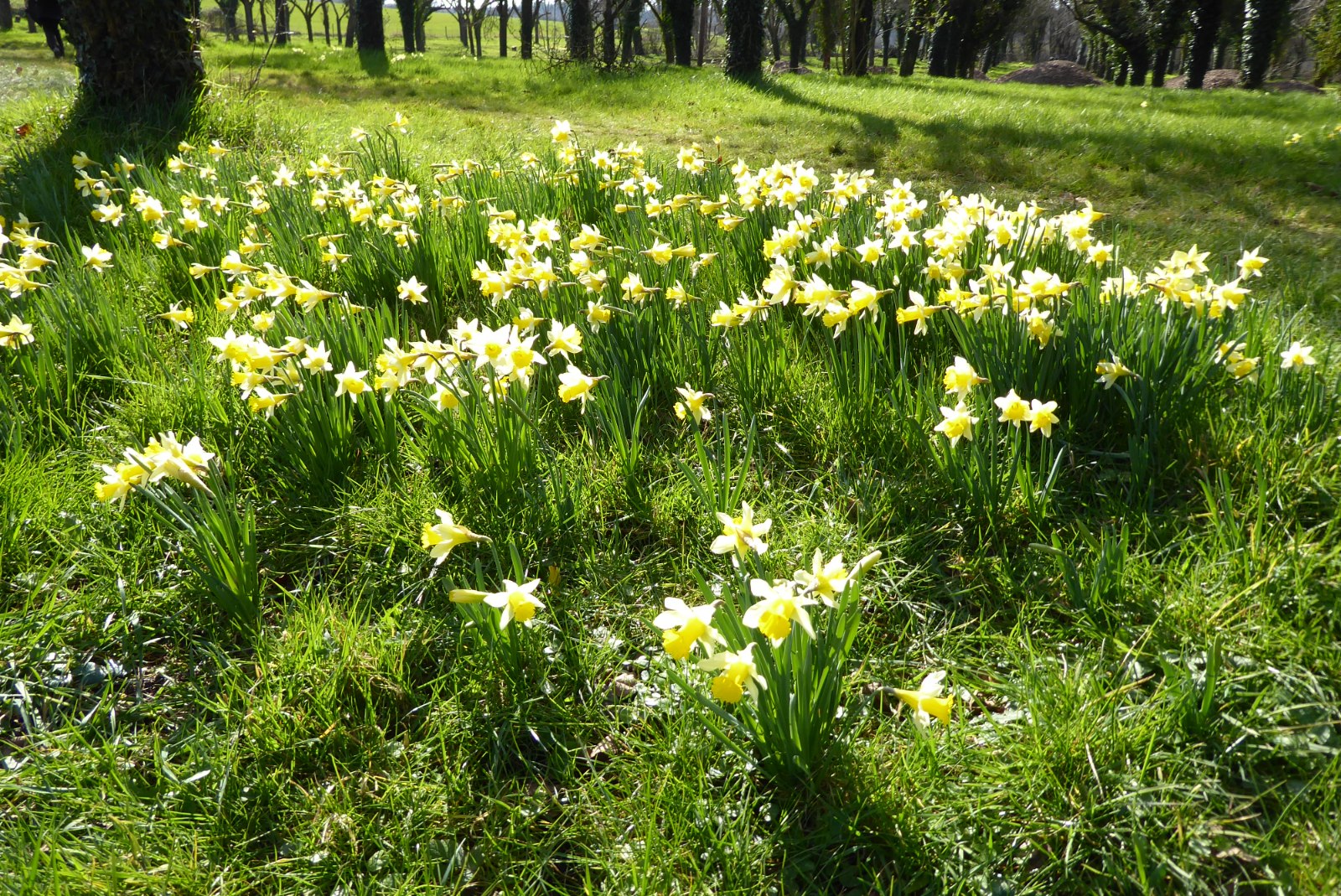
It’s a half-day trip from Cheltenham rather than a Cotswold outing, and it is worth it only in a good year and at the right moment. Go too early and you’ll find green spears; go in a late cold spring and the dates and the flowers won’t line up. If you can, decide at short notice.
Gardens and houses reopening in March
This is the month when the region’s big gardens come back. Not all at once, and not always on the date you might expect, so it pays to check before you travel.
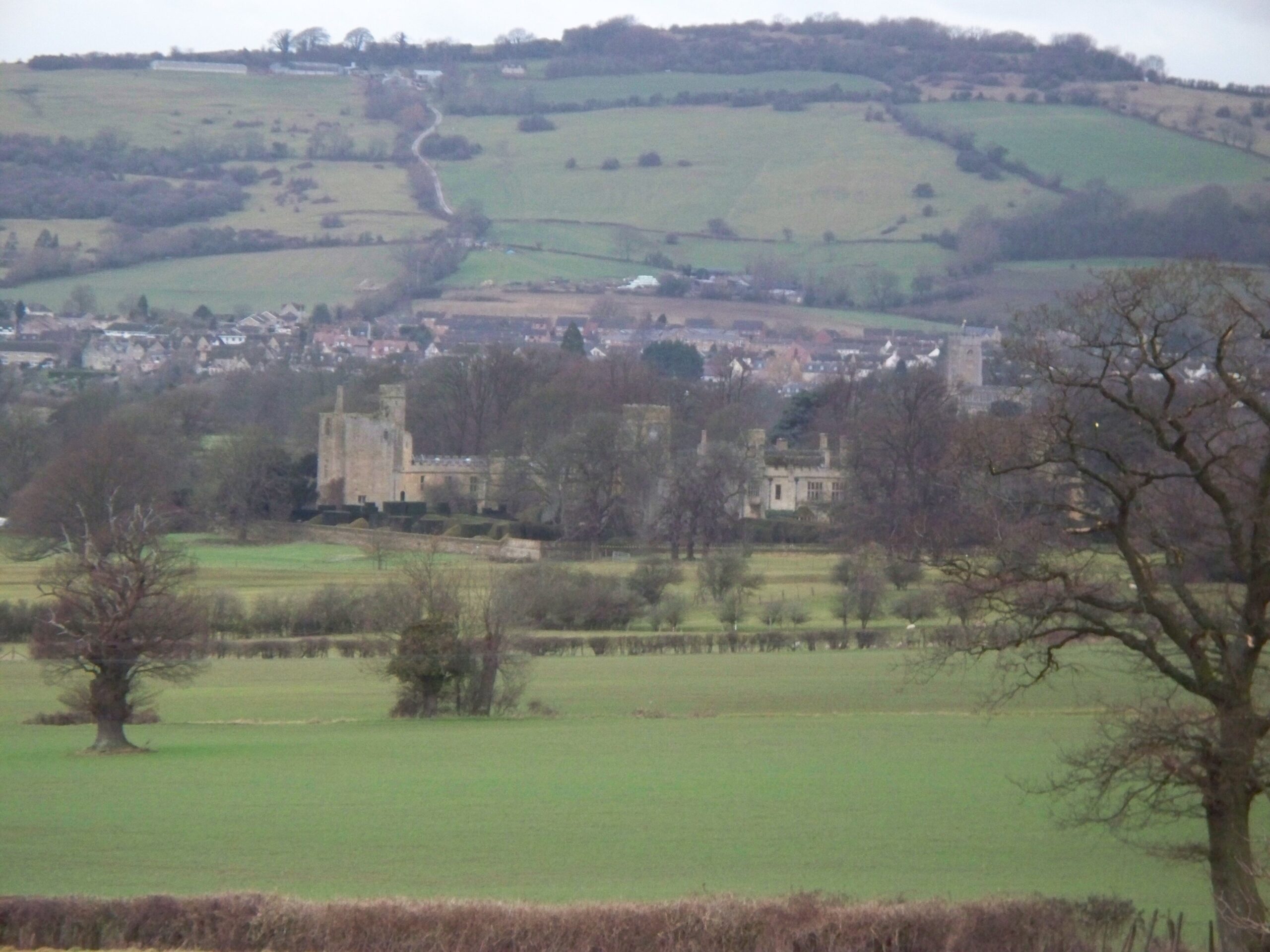
- Sudeley Castle & Gardens, Winchcombe. Sudeley closes after its winter light trail and reopens for the season in March 2027; the exact day goes up on its own site. In 2026, adult admission was £24, seniors £23, children aged 3–15 £10.50 and a family ticket £59.50, with the gates opening at 10am and last admission at 3pm. In early spring the gardens are about structure and bulbs rather than the June roses, so it is a quieter, cheaper-feeling visit. See our Sudeley Castle guide for what’s inside.
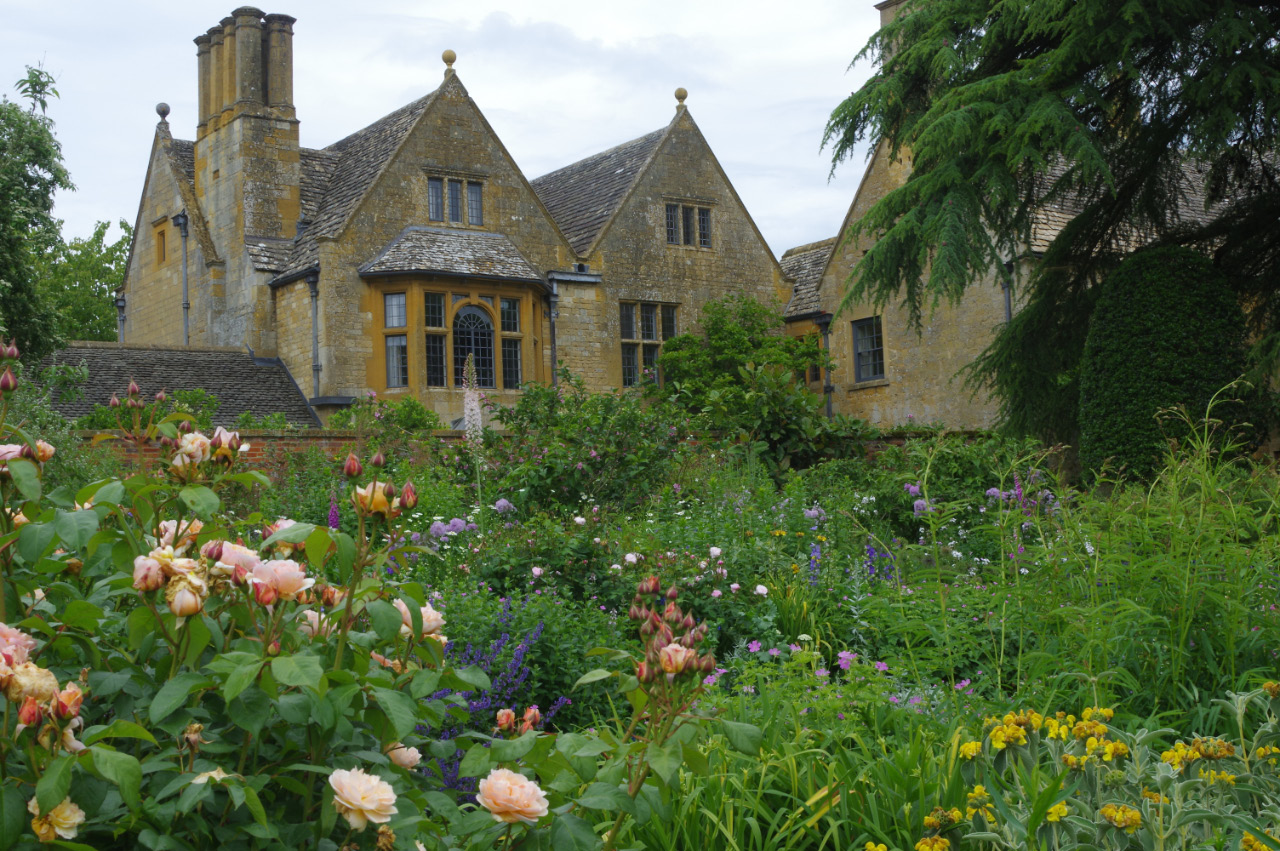
- Hidcote, near Chipping Campden. The National Trust’s Arts and Crafts garden charges a cheaper winter admission early in the year and moves to the full-season price in spring, as the garden rooms start to fill out. Opening days, the date of the change and the 2027 prices are on the National Trust’s Hidcote page.
- Painswick Rococo Garden. After the snowdrops come hellebores, cyclamen and, by the garden’s own account, masses of daffodils on the orchard and entrance banks. It’s a good place to see spring bulbs in a garden setting. Check the garden’s own site for 2027 opening dates and tickets, and read our Painswick guide for the village.
- Batsford Arboretum, near Moreton-in-Marsh. Open year-round, Monday to Saturday 9:30am to 5pm and Sundays 10am to 5pm, with adult admission at £10.90 (£12 with Gift Aid). March is early for the famous cherries, but the woodland bulbs and the first blossom make it a gentle half-day.
- Westonbirt, The National Arboretum, near Tetbury. Open every day except Christmas Day from 9am; last admission is half an hour before closing, and both shift with the seasons, so check the times for your date. Outside the autumn peak, standard admission at the end of 2026 was £14 for adults on weekdays and £19 at weekends and bank holidays; parking is booked alongside your ticket. Early spring is the arboretum’s quietest season, with the first flowering trees and shrubs and plenty of room on the 300-metre treetop walkway. Our Westonbirt guide covers tickets and routes.
- National Trust houses. Snowshill Manor and Chedworth Roman Villa close or cut back for winter and reopen in spring. Their March 2027 opening days are published on the National Trust’s property pages; check before you drive, especially to Snowshill, which sits up a narrow lane above Broadway.
For a fuller round-up, our guide to the best gardens in the Cotswolds covers every major garden through the year, and our guide to garden open days picks up the private gardens that open for a handful of days each spring.
What’s open and what’s closed in March
| Usually open in March | Usually still closed or reopening |
|---|---|
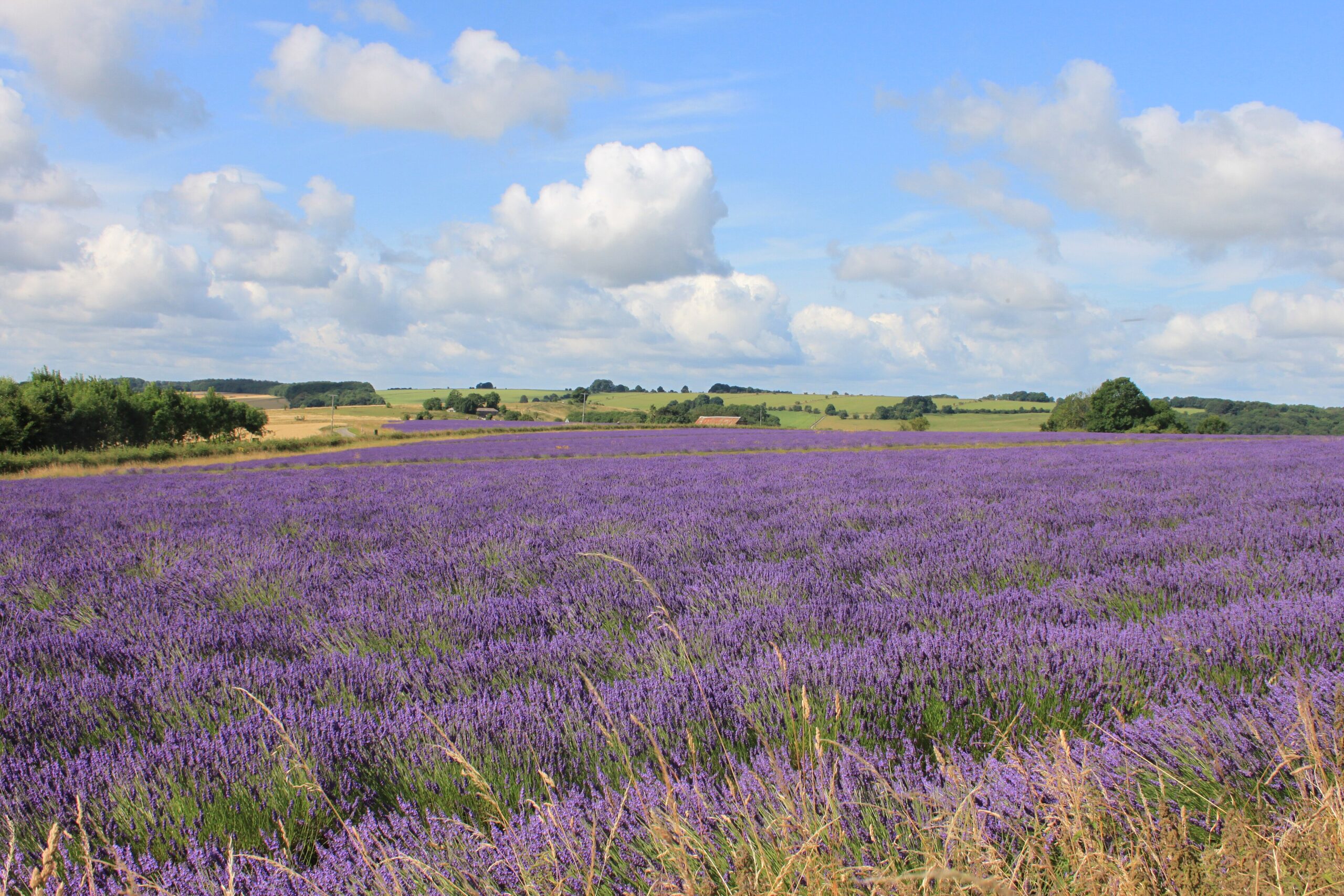
| Cotswold Farm Park (check the lambing dates) | Cotswold Lavender: fields open from mid-June 2027 |
| Cotswold Wildlife Park, open daily since early February | Sudeley Castle & Gardens: reopens during March; check the day |
| Batsford Arboretum and Westonbirt | Snowshill Manor and Chedworth Roman Villa: check National Trust dates |
| Bourton-on-the-Water’s Model Village and Motoring Museum (check hours) | Many private gardens: open days start in April |
| Market-town shops, cafés and pubs | Outdoor pools: check each one’s season dates |
| Footpaths, commons and the Cotswold Way | Some village tearooms that keep summer hours |
Cotswold Wildlife Park, near Burford, reopens daily from Friday 5 February 2027 on winter hours of 10am to 4pm, with last admission at 3pm, before moving to summer hours of 10am to 6pm later in the spring; the switchover date is on its opening-times page. Gate prices are £19.50 for adults and £14 for children, or £17.50 and £12.50 if you buy an e-ticket in advance. Our Cotswold Wildlife Park guide explains how to make the most of a day there. In Bourton-on-the-Water, the Model Village charges £4.95 for adults; hours are shorter in the low season, so check before you go.
How March changes, week by week
March is not one month in the Cotswolds so much as three, and the right plan depends on which part you’re coming for.
Early March: the tail of winter
The first ten days often feel like February with better light. Frosts are still common, the trees are bare, and many gardens and houses haven’t reopened yet. But it’s also the cheapest, quietest stretch of spring. Hotels and cottages are still on low-season rates, you can walk into most pubs for Sunday lunch, and the villages that heave in August feel almost private. This is a good time for long walks on the escarpment, for a market-town break in Cirencester or Stroud, and for lambs on the farm.
Mid March: racing, and the first real spring days
The middle of the month brings Festival week, so it’s the stretch to plan most carefully. Away from Cheltenham, though, this is often when spring really starts. The daffodils reach their best on the verges and village greens, blackthorn foams white in the hedges, and on a sunny weekend the gardens come alive. If you are not racing, stay south or east of Cheltenham, or come the week before or after.
Late March: blossom, Easter and long evenings
By the last week, the first cherry and plum blossom is out in the villages, the wild daffodils near Dymock are usually at or near their peak, and the clocks have gone forward. In 2027, the last week is also Easter week, so it combines the best of the month with its biggest crowds. Book early, and get to the honeypot villages before 10am.
Things to do in the Cotswolds in March
- Walk the escarpment before the crowds. March is one of the best months for the high, open stretches of the Cotswold Way, because the views over the Severn Vale are often crisp and the paths are quiet. Crickley Hill, near Birdlip, charges a flat £2.50 to park and opens its gates from 6am to 6pm until the end of March; Coaley Peak, south of Stroud, has a large free car park and a Neolithic long barrow. Lower paths will be muddy, so wear boots. Our Cotswold Way walking guide breaks the trail into stages.
- Go village-hunting for blossom and daffodils. The quieter villages of the south and east, Southrop, the Ampneys, the Duntisbournes and the Coln valley, are at their prettiest when the verges are yellow and the first blossom is out against the stone. They are also the places least likely to be busy, even at Easter. Our guide to photography spots in the Cotswolds suggests the best places to stop.
- Spend a morning at a market. Cirencester’s charter market fills the Market Place on Mondays and Fridays, Moreton-in-Marsh holds its weekly street market on Tuesdays, and Stroud’s Saturday farmers’ market is a well-known one, at its most colourful once early spring produce starts to arrive. Our farmers’ markets guide lists them all.
- See the lambs. Cotswold Farm Park is the easy option for families. For a free version, walk any of the field paths around Naunton, the Guitings or the Windrush valley, and you’ll pass ewes and lambs in most fields; keep dogs on leads.
- Have a backup plan for the wet days. March may be the driest month on average, but a cold, wet day is still a cold, wet day. The Corinium Museum in Cirencester, the Motoring Museum in Bourton and Cheltenham’s galleries and shops make good fallbacks. Our rainy-day activities guide has a longer list.
- Watch the light at the end of the day. Once the clocks go forward, sunset moves past half past seven, and a walk up Broadway Hill, Cleeve Hill or Haresfield Beacon followed by a late supper becomes a real option again.
Crowds, prices and where to stay in March
For most of the month, March is low season with better weather. Midweek rates in hotels, pubs with rooms and holiday cottages are close to their winter lows, and you’ll have a far wider choice of places to stay than you will from May onwards. Two exceptions matter. During Cheltenham Festival week, rooms in Cheltenham and the surrounding area book up months ahead and prices rise steeply; and over Easter weekend, family cottages and the popular villages fill quickly.
Choose a base to match the part of the month you’re coming for. In early or mid March, the south Cotswolds, Tetbury, Painswick, Cirencester and the Stroud valleys, are well placed for Westonbirt, the Rococo Garden and the escarpment walks, and they stay calm during Festival week. In late March, the north Cotswolds, Chipping Campden, Broadway and Stow, put you close to Hidcote, Sudeley and the blossom villages, though you’ll pay more over Easter. If you want to see the racing as well as the region, book a Cotswold base early and travel in by train or taxi on race days rather than trying to park. Our guide to where to stay in the Cotswolds compares every area, and our guide to pubs with rooms is a good place to look for low-season deals.
Getting around in March
Driving is still the easiest way to see the region, but March has a few traps. Roads into Cheltenham are badly congested during Festival week, and the routes to Bourton-on-the-Water and the Slaughters slow to a crawl on fine days over Easter weekend. Lanes are often muddy, and potholes left by the winter frosts can be deep, so take it steadily on the smaller roads. Our guide to driving in the Cotswolds covers parking and the roads to avoid.
Trains run to Moreton-in-Marsh, Kingham and Charlbury on the Cotswold Line and to Kemble, Stroud and Cheltenham Spa from London Paddington. Weekend engineering works are common in spring, so check before you travel, particularly over the Easter bank holiday weekend. Rural buses are thin, especially on Sundays and bank holidays, but the £2 single fare cap on most English buses outside London applies from 1 January to 31 December 2027, which makes the routes that do run good value. Our guides to the Cotswolds by train and Cotswolds bus routes explain which services are useful.
A long weekend in the Cotswolds in late March
This plan suits the last fortnight of the month, avoiding Festival week, and works with a base in or near Chipping Campden or Winchcombe.
Friday: gardens and a castle
Start at Hidcote when it opens (check it is open that day), while the garden is quiet, then drive south to Winchcombe for lunch. Spend the afternoon at Sudeley Castle & Gardens if it has reopened; otherwise, walk a stretch of the Wardens’ Way from Winchcombe, which gives fine views of the castle across the fields. Finish with supper in one of Winchcombe’s pubs; our Winchcombe guide has suggestions.
Saturday: lambs and villages
Arrive at Cotswold Farm Park for opening time with children, or skip it and walk from Guiting Power through the fields where the lambs are. In the afternoon, drive the back lanes through Naunton and the Slaughters, stopping wherever the daffodils on the verges make you, and arrive in Bourton-on-the-Water late in the afternoon, after the day visitors have thinned out.
Sunday: south for the blossom
Head south-east to Bibury before 10am, then on to the quieter villages of the Coln valley and Southrop, where the blossom is often at its best at the end of the month. Have Sunday lunch in a village pub, and if you have the energy, finish at Westonbirt or with a short walk in Cirencester Park, which charges £4 for an adult day pass.
Is March a good time to visit the Cotswolds?
Yes, if you come for the right reasons. March gives you the start of spring with only a fraction of the crowds you’ll find from May onwards: daffodils, lambs, the first blossom and the first garden openings, often in clear, bright weather, and at prices that are still close to winter rates. The days are long enough for proper walks, and by the end of the month you have summer evenings back. It’s not the month for a guaranteed warm, dry weekend, many gardens are only just waking up, and the private gardens and summer attractions don’t open until later.
Plan around the two pinch points. Avoid the Cheltenham side of the region during Festival week, from 16 to 19 March, unless you’re going to the races, and expect busy villages and higher prices over Easter weekend, from 26 to 29 March. Outside those dates, March is one of the most rewarding, best-value months to be in the Cotswolds. If you want warmer weather and the bluebells, wait for April or May; if you’d rather have the paths to yourself, come now.
Frequently asked questions about the Cotswolds in March
Is March a good time to visit the Cotswolds?
Yes, especially for walkers, garden lovers and anyone who wants quiet villages. March brings daffodils, lambs and the first blossom, the gardens begin to reopen, and accommodation is still mostly at low-season prices. The exceptions are Cheltenham Festival week and the Easter weekend, which in 2027 both fall in March.
What is the weather like in the Cotswolds in March?
On average, daytime highs reach about 9.7°C and overnight lows about 2.3°C on the high wold, with six or seven frosty nights. March is the driest month of the year on the long-term averages, with about 53.5 mm of rain, and it gets around 124 hours of sunshine. Paths stay muddy because the ground is still wet from winter.
When is the Cheltenham Festival in 2027?
The 2027 Cheltenham Festival runs from Tuesday 16 to Friday 19 March at Cheltenham Racecourse, with the Gold Cup on the final day. Tickets start from £42 on the racecourse’s fixture list. Accommodation in and around Cheltenham fills quickly that week, so book early or stay elsewhere in the Cotswolds.
Is Easter in March in 2027?
Yes. Good Friday is 26 March, Easter Sunday is 28 March and Easter Monday is 29 March 2027. The clocks also go forward on Easter Sunday morning. Expect the first big crowds of the year in the popular villages that weekend.
Can you see daffodils in the Cotswolds in March?
Yes. Cultivated daffodils line verges, churchyards and village greens across the region from early March, and Painswick Rococo Garden is known for its daffodil banks. For native wild daffodils, the villages around Dymock, Kempley and Oxenhall, just west of the Cotswolds, hold Daffodil Days open weekends in mid to late March; check Visit Dean Wye for the 2027 dates.
Is Sudeley Castle open in March?
Sudeley Castle & Gardens reopens for the 2027 season in March. The exact opening day appears on the castle’s own website, so check it before you travel. In 2026, adult admission was £24 and the gates opened at 10am, with last admission at 3pm.
If March doesn’t suit your dates, our guide to the Cotswolds in February covers snowdrop season and half term, and the bluebell woods guide looks ahead to late April and May. For the bigger picture, start with our Cotswolds travel guide, or see how March fits into a wider trip with our Cotswolds itineraries.
Photo Credits
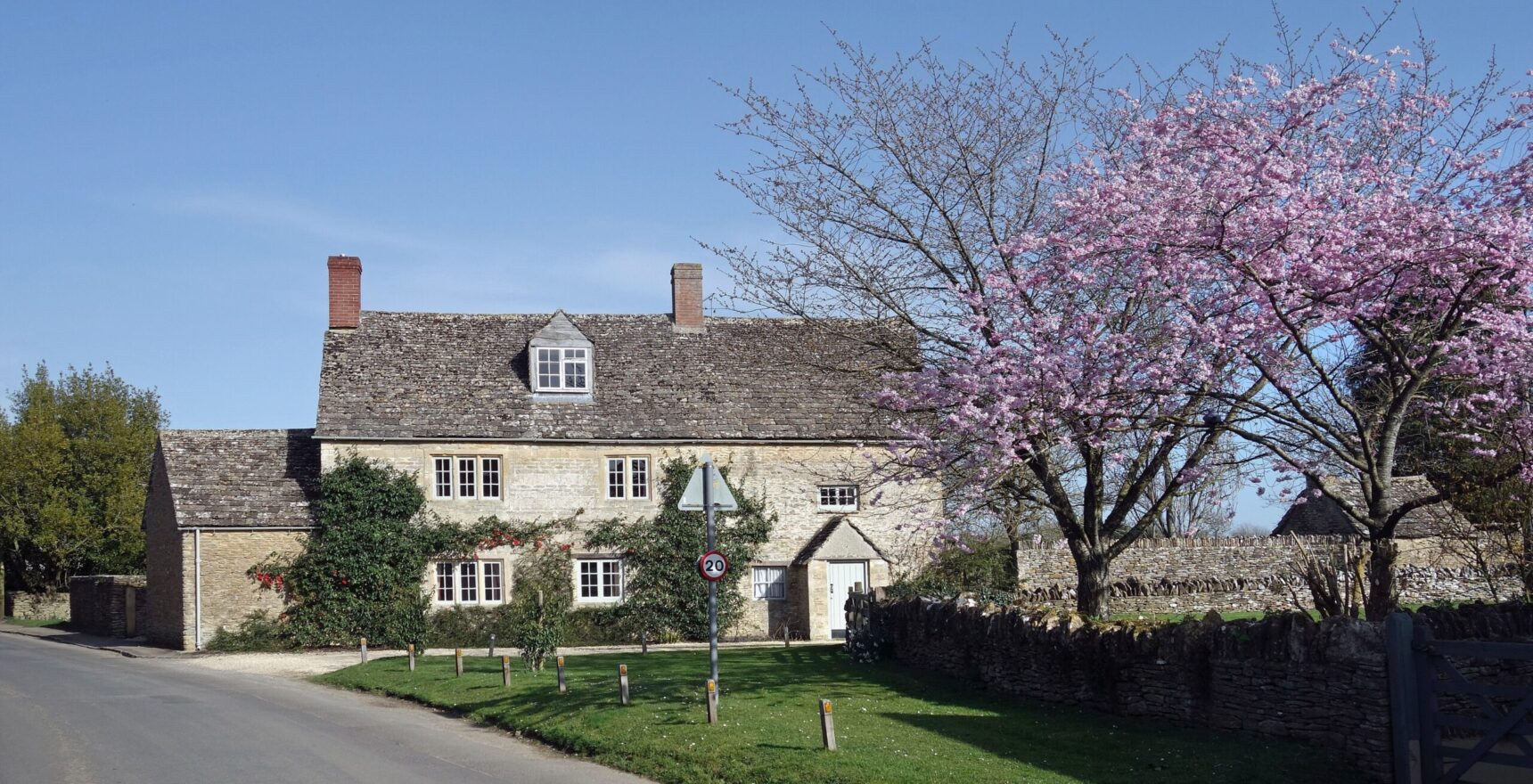
Blossom beside a stone house at Southrop: House and Blossom, Southrop – geograph.org.uk – 6791846 by Des Blenkinsopp, CC BY-SA 2.0, via Wikimedia Commons.
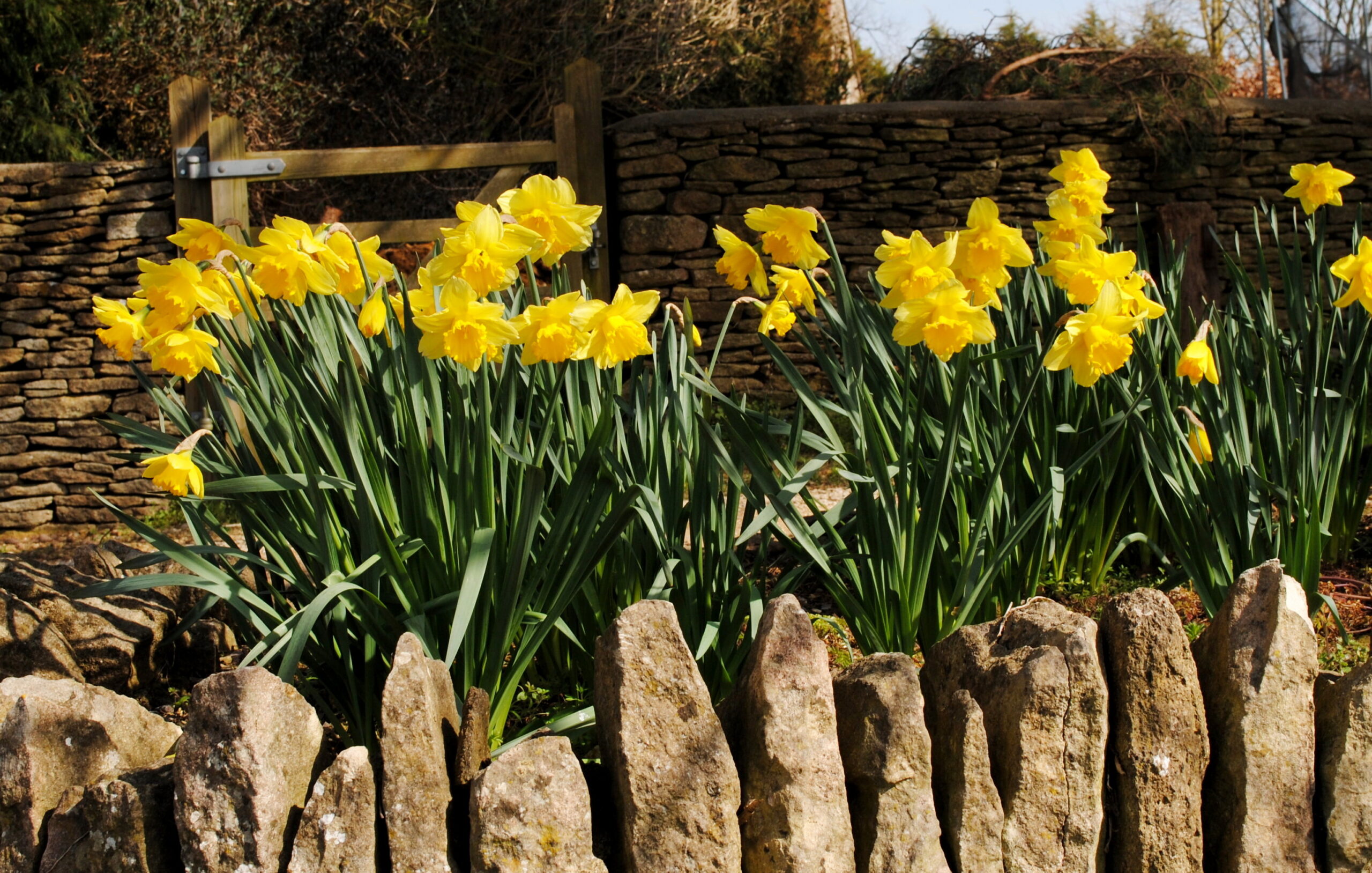
Daffodils behind a drystone wall at Acton Turville: Daffodils, Acton Turville, Gloucestershire 2014 – geograph.org.uk – 5269941 by Ray Bird, CC BY-SA 2.0, via Wikimedia Commons.
Cheltenham Racecourse during the 2013 Festival: Cheltenham Festival 2013 – geograph.org.uk – 3375950 by John Light, CC BY-SA 2.0, via Wikimedia Commons.
Wild daffodils near Dymock: Wild daffodils – geograph.org.uk – 7129468 by Philip Halling, CC BY-SA 2.0, via Wikimedia Commons.
Sudeley Castle and Winchcombe from the Wardens’ Way: Sudeley Castle – geograph.org.uk – 1700279 by Michael Dibb, CC BY-SA 2.0, via Wikimedia Commons.
Leave a Reply