This article contains advertising. My booking links are routed through a partner that adds commission tracking automatically, so if you book through one I earn a commission from the provider, at no extra cost to you. It never affects what I recommend. Affiliate disclosure
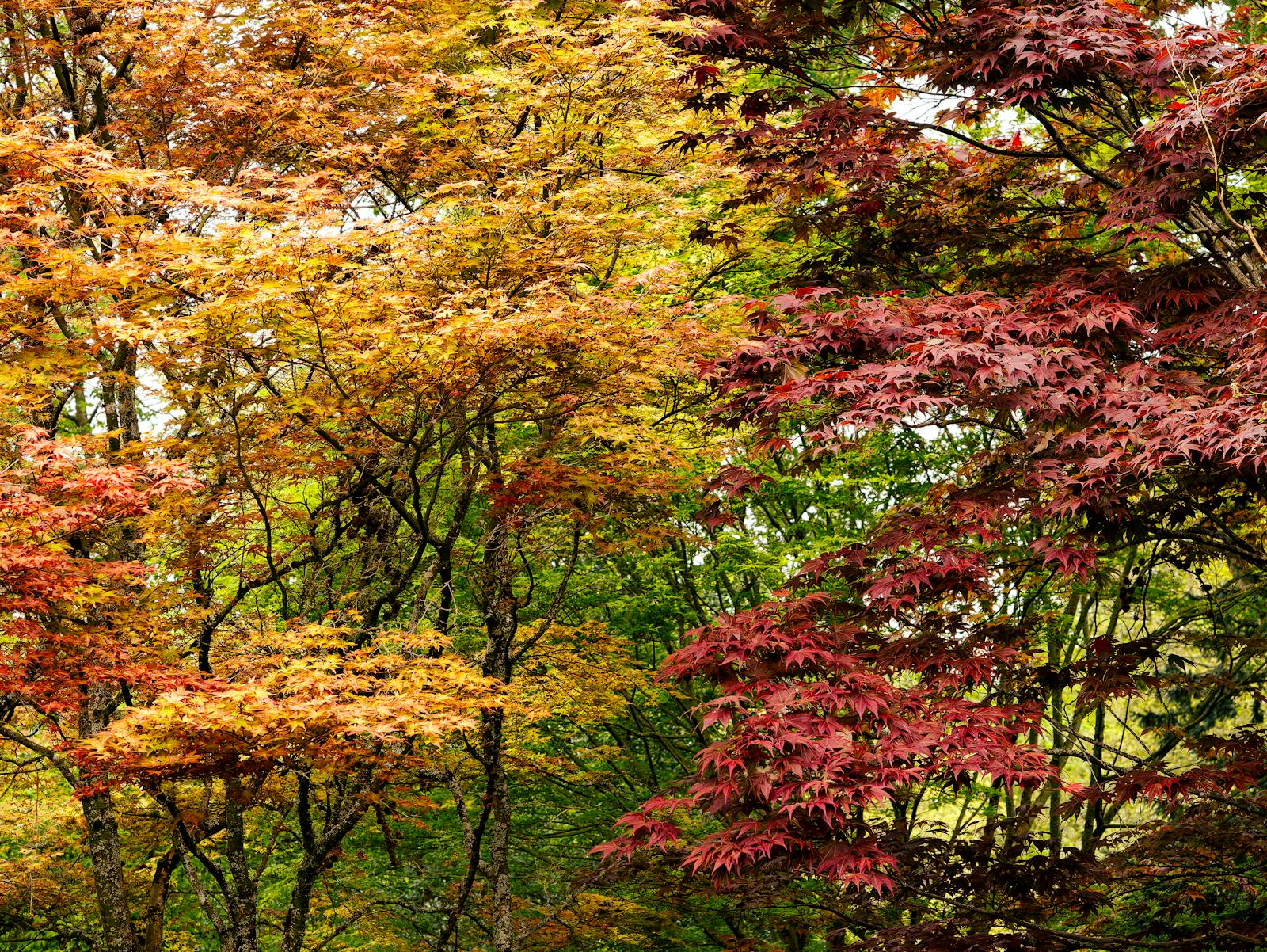
Some places are worth visiting for a single, spectacular reason, and at Westonbirt, The National Arboretum, that reason is colour. In mid-October, when the Japanese maples turn every shade of scarlet, amber and gold, this Gloucestershire tree collection becomes one of the most beautiful places in the whole country. But Westonbirt is far more than a one-season wonder, and after countless visits across the year I have come to love it just as much for its bluebell-filled spring woods and its frosty winter quiet.
Spread over 600 acres near Tetbury, with 17 miles of paths winding between some 15,000 trees from around the world, this is a place to slow right down and breathe. This Westonbirt Arboretum guide takes you through it season by season, from the famous autumn maples to the spring magnolias, the treetop walkway and the magical Christmas light trail, along with all the practical details on tickets, opening times, dogs and getting there. It is one of the most restorative things to do in the Cotswolds.
Westonbirt at a Glance
Managed by Forestry England, Westonbirt is one of the most important tree collections in the world. It holds around 15,000 specimens representing some 2,500 species, including five national collections and around 100 threatened trees, all across roughly 600 acres of beautiful Cotswold landscape. Planting began almost 200 years ago, in 1829, when the wealthy Victorian collector Robert Holford began laying out the arboretum, and it was later expanded by his son before passing into state care.
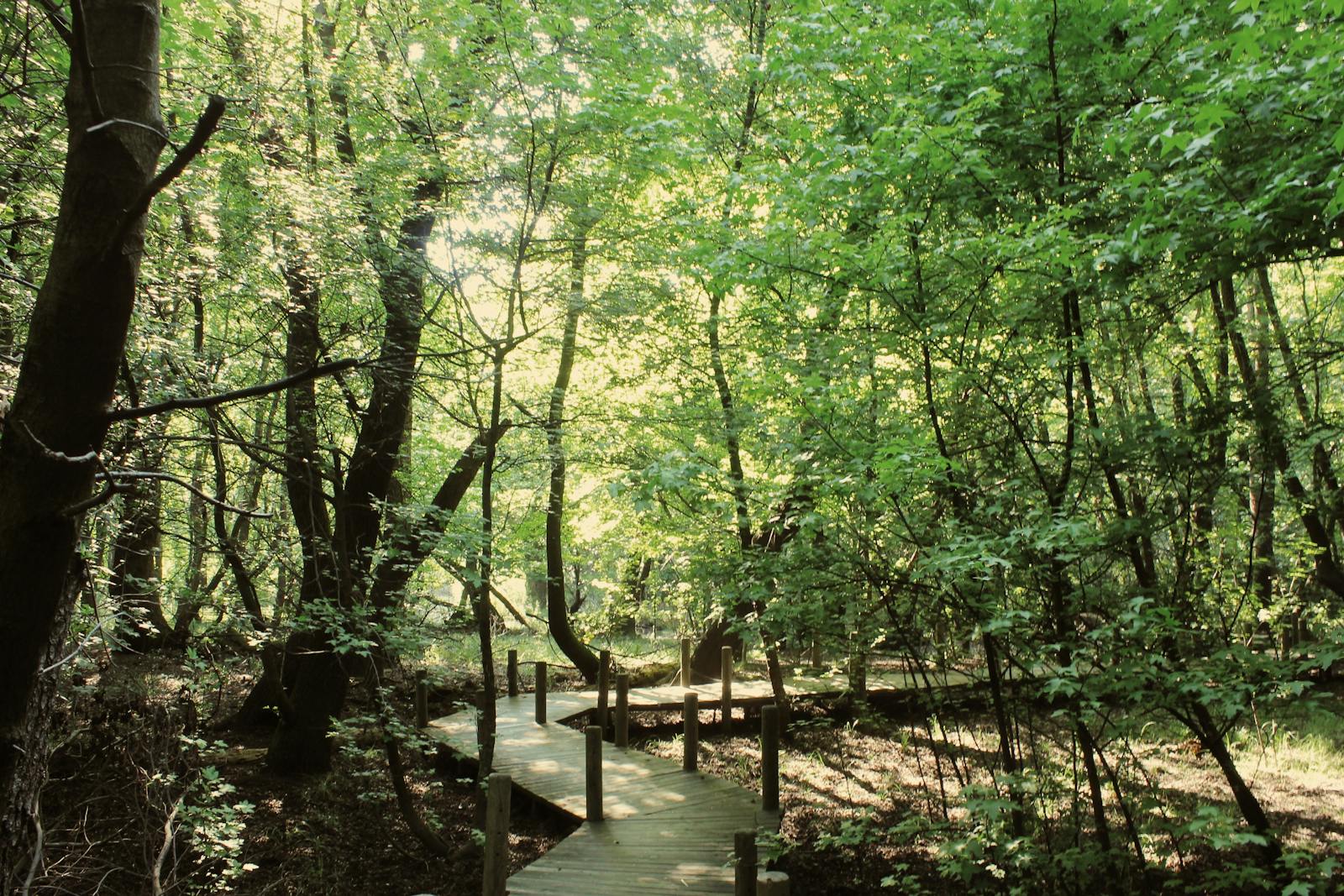
For all those impressive statistics, what strikes you most is simply how lovely it is to walk here. Grand avenues open onto sunlit glades, gravel rides wind into quiet woodland, and there is always another remarkable tree just ahead. Allow at least two to three hours; on a fine day, many visitors stay much longer.
The Layout: Old Arboretum, the Downs & Silk Wood
It helps to understand how Westonbirt is laid out. Forestry England divides it into three areas. The Old Arboretum, nearest the entrance, holds the oldest and most ornamental plantings, including the celebrated Acer Glade. Across the valley lies Silk Wood, a more naturalistic working woodland threaded with trails (and the only part where dogs are allowed off-lead). Between them stretch the Downs, a wide open grassland that is perfect for picnics and links the two halves.
You do not need to see everything in one visit; even an hour or two in the Old Arboretum gives you a real sense of the place. But if you have the time and the legs, crossing into Silk Wood rewards you with quieter paths and a wilder feel.
The STIHL Treetop Walkway
One of Westonbirt’s most popular features is the STIHL Treetop Walkway, a 300-metre elevated walkway that lifts you up to 13 metres into the forest canopy. From up here you get a completely different perspective on the trees, eye to eye with the upper branches, plus a crow’s nest and interactive features along the way. Best of all, the main walkway is fully accessible for wheelchairs and pushchairs, and it is included in your admission, so everyone can enjoy a walk among the treetops.
Westonbirt in Autumn: The Famous Maple Colour
Autumn is when Westonbirt truly earns its fame. The collection of Japanese maples, concentrated in the Acer Glade in the Old Arboretum and along the Maple Loop in Silk Wood, produces a display of colour that Forestry England describes as unsurpassed in Britain, and I would not argue. Peak colour usually falls in mid-to-late October, though it shifts a little each year with the weather.
A word to the wise: autumn is also the busiest and most expensive time to visit, and weekends in peak season can sell out, so pre-booking is strongly advised. Come on a weekday morning if you can, ideally with low autumn sunshine to set the leaves glowing. It is the single best time to visit, and well worth planning around using our guide to the best time to visit the Cotswolds.
Spring & Summer at Westonbirt
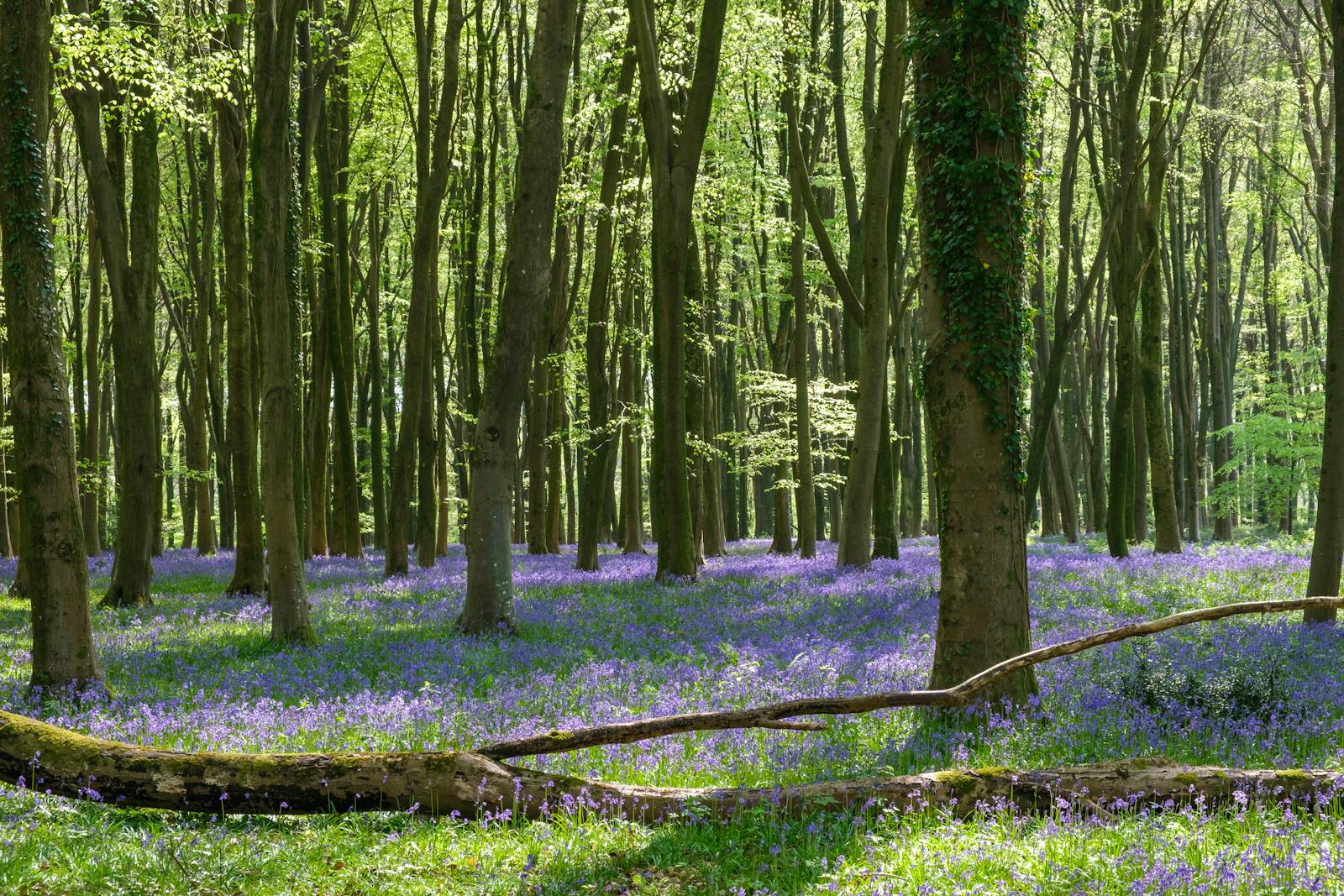
Forestry England calls spring its “best-kept secret”, and I think they are right. From April into May the arboretum fills with the blooms of magnolias, rhododendrons and cherry blossom, and the woodland floor of Silk Wood turns blue with bluebells. It is quieter, cheaper and arguably just as beautiful as autumn, making it my insider tip for a peaceful visit.
Summer brings a lush green canopy, family trails to keep children entertained, and the chance to combine your visit with a long walk; our guide to walking in the Cotswolds has more in this area. It is also the season of Forest Live, an annual series of open-air concerts held at the arboretum in June, where big-name artists perform among the trees on summer evenings. Tickets for those are separate from day admission and sell quickly.
Winter & the Enchanted Christmas Trail
Even in the depths of winter, Westonbirt has its own stark beauty, in the structure of bare branches, colourful bark and bright berries. But the real winter highlight is Christmas at Westonbirt, a spectacular after-dark illuminated trail created by the team behind the famous Christmas at Kew. Running on selected evenings from late November through December, the roughly mile-long route winds through the trees past dazzling light installations and takes around an hour and a half to walk. It is ticketed separately from daytime entry and is hugely popular, so book ahead. You will find more seasonal ideas in our guide to Cotswolds events and festivals.
Tickets, Opening Times & Visiting With Dogs
Westonbirt is open every day except Christmas Day, from 9.00am, with last admission around 4.30pm (closing times vary a little by season). Admission is dynamic, varying by season with a premium during the autumn colour, so prices are highest in October. As a rough guide, off-peak entry starts at around £13 for adults and £4 for children aged 5 to 18, with under-5s free, but always check the official Forestry England website for current rates. If you visit regularly, a Friends of Westonbirt membership gives unlimited entry for a year and is excellent value, and visiting off-peak keeps the cost down, as our guide to the Cotswolds on a budget explains.
Dog owners should note that dogs are welcome off-lead in Silk Wood only and are not permitted in the Old Arboretum or at events (assistance dogs excepted). The arboretum is also notably accessible, with around 10 miles of hard paths, mobility scooters and wheelchairs available to hire, a Changing Places toilet and free entry for one essential carer per disabled visitor.
How to Get to Westonbirt
Westonbirt lies just off the A433 near Tetbury in Gloucestershire (postcode GL8 8QS), about 20 minutes from junction 18 of the M4 or junction 13 of the M5. There is a large car park, and parking is free once you have paid for entry. The arboretum holds a “Good Journey” mark and offers a discount for visitors arriving by public transport, though a car is the most straightforward option; see our guide to getting around the Cotswolds for more. It pairs beautifully with a visit to the antiques town of Tetbury just up the road.
The Holford Legacy & the Story of Westonbirt
Westonbirt is not a natural wood but a deliberate, visionary creation, and knowing its story adds a great deal to a visit. It was begun in 1829 by Robert Holford, a phenomenally wealthy Victorian who used his fortune to indulge a passion for trees on a grand scale, planting specimens gathered by the great plant hunters from across the globe and laying out sweeping avenues and rides designed to be enjoyed on horseback and by carriage. His son, Sir George Holford, continued the work, and together they shaped the landscape we wander today.
The arboretum passed into the care of the state in the mid-20th century, and is now looked after by Forestry England with the support of the charity Friends of Westonbirt. That continuity of care over almost two centuries is why so many of the trees are now magnificent mature specimens, and why the collection is of such international importance. You are, in effect, walking through the realised dream of two Victorian visionaries, grown to full splendour.
A Suggested Walk Around the Arboretum
With 17 miles of paths to choose from, it helps to have a plan. For a first visit, I would start in the Old Arboretum, following the main avenue past the grandest old specimen trees to the Acer Glade, the heart of the autumn-colour display, before heading onto the STIHL Treetop Walkway for a different view of the canopy. This loop alone takes in many of the highlights and suits anyone short on time or energy.
If you have longer, cross the Downs, perfect for a picnic, and into Silk Wood, where quieter trails wind past the Maple Loop and one of the oldest living things in the arboretum, an ancient coppiced small-leaved lime thought to be thousands of years old. Pick up a map at the Welcome Building, follow the coloured trail markers, and don’t be afraid to wander off the main paths; some of the loveliest, most peaceful corners are the ones most visitors miss. Good footwear is sensible year-round, as the grassy rides can be muddy after rain. Our guide to walking in the Cotswolds has more if you fancy extending your day.
Family Visits & Wellbeing
Westonbirt is a wonderful place to bring children, and not just for the treetop walkway. Seasonal family trails, natural play areas and den-building keep younger visitors engaged, and the wide open Downs are ideal for picnics and running around. It is included in our guide to the Cotswolds with kids for good reason.
It is also simply one of the most restorative places in the region. There is a growing body of evidence for the benefits of spending time among trees, and Westonbirt even runs forest-bathing and wellbeing sessions, one of many gentle outdoor activities in the Cotswolds. Whether or not you join an organised activity, a slow wander beneath the canopy, with the light filtering through the leaves and birdsong all around, is good for the soul in any season. Many regular visitors come not for a particular event but simply to walk, breathe and unwind.
Eating, Facilities & Practical Tips
The modern Welcome Building at the entrance houses the shop and a restaurant serving hot meals, cakes and drinks, with toilets, baby-changing and a Changing Places facility nearby. You are also welcome to bring a picnic, and the Downs and Old Arboretum have plenty of lovely spots to spread a rug. Parking is free once you have paid for entry, and there is space for coaches, motorhomes and caravans, though no overnight stays.
A few practical pointers: pre-book in autumn, when the maple colour draws big crowds and tickets can sell out; come on a weekday morning if you can for the quietest experience; and dress for the weather, as you will be outdoors throughout. If you visit often, Friends of Westonbirt membership pays for itself quickly and supports the arboretum’s conservation work.
Combining Westonbirt with Tetbury & Beyond
Westonbirt pairs beautifully with the elegant antiques town of Tetbury just up the road, with its pillared Market House, independent shops and royal connections (King Charles III’s Highgrove estate is nearby). It makes an ideal combination: a morning among the trees, an afternoon browsing the town, and a cream tea to finish.
From here you are also well placed for the southern Cotswolds, including Cirencester, the Roman sites and Westonbirt’s fellow garden treasures. If trees and gardens are your passion, do not miss our guides to the best gardens in the Cotswolds and Batsford Arboretum near Moreton-in-Marsh, and see where Westonbirt sits among our 50 best things to do in the Cotswolds.
National Collections & Notable Trees
Beyond the headline maples, Westonbirt is a paradise for anyone who loves trees. The arboretum holds several national collections and around a hundred threatened tree species, making it not just a beautiful place to walk but a serious centre for conservation and research. Keep an eye out for the towering redwoods, the spectacular spring magnolias, the rare and unusual maples beyond the famous Acer Glade, and champion trees that are among the largest of their kind in the country.
Information boards and the Welcome Building displays help you identify and understand what you are seeing, and the staff and volunteers are a mine of knowledge if you want to dig deeper. Even if you cannot tell an acer from an oak, simply slowing down to notice the variety of bark, leaf shape and form around you adds a quiet pleasure to the walk that a quick stroll can miss.
Making the Most of Each Season
If you can, try to visit Westonbirt more than once across the year, because it is genuinely a different place in each season. The fiery maples of October are the most famous spectacle, but the magnolias and bluebells of spring, the cool green shade of high summer and the structural beauty and Christmas lights of winter each offer something special. A Friends membership makes repeat visits affordable and lets you watch the arboretum change week by week.
However often you come, the advice is the same: arrive early, wear sensible shoes, allow more time than you think, and leave the day open enough to simply wander. Westonbirt is not a place to rush, and its greatest rewards come to those who take it slowly.
Frequently Asked Questions
When is the best time to see autumn colour at Westonbirt?
Mid-to-late October is usually the peak for the Japanese maples in the Acer Glade and along the Maple Loop. It is the busiest time, so pre-book your tickets and aim for a weekday morning for the best experience.
How long do you need at Westonbirt Arboretum?
Allow at least two to three hours. With 600 acres and 17 miles of paths, many visitors spend a full day, especially in autumn or when combining the Old Arboretum and Silk Wood.
How much does it cost to visit Westonbirt?
Admission varies by season, with a premium in autumn. Off-peak it starts at around £13 per adult and £4 per child, with under-5s free. Check the official Forestry England website for current prices, and pre-book for autumn visits.
Are dogs allowed at Westonbirt Arboretum?
Dogs are welcome off-lead in Silk Wood only. They are not allowed in the Old Arboretum or at events, although assistance dogs are welcome throughout.
Is Westonbirt Arboretum wheelchair accessible?
Yes. There are around 10 miles of hard paths, the Treetop Walkway is wheelchair-accessible, mobility scooters and wheelchairs can be hired in advance, and one essential carer enters free per disabled visitor.
Plan Your Visit
Come for the blazing maples of autumn, the bluebells of spring or the twinkling Christmas trail; in any season, Westonbirt is one of the great natural spectacles of the Cotswolds. Combine it with the other best gardens in the Cotswolds, or browse our 50 best things to do in the Cotswolds to build it into your trip. To find a base near Tetbury and the southern Cotswolds, see our guide to where to stay in the Cotswolds.
The nearest town is three miles up the A433 and makes the obvious lunch stop before or after the trees — antiques on Long Street, a market house on stone pillars and the Highgrove shop, all within a few minutes’ walk. Our Tetbury guide covers it, including how badly the town fills in peak autumn week.