This article contains advertising. My booking links are routed through a partner that adds commission tracking automatically, so if you book through one I earn a commission from the provider, at no extra cost to you. It never affects what I recommend. Affiliate disclosure
There is a particular kind of Cotswolds hotel that I find almost impossible to resist: small enough that the owners know your name, stylish enough to feel like a treat, and so full of character that it could only exist here. These are the boutique hotels, and the Cotswolds does them better than almost anywhere in England. Think a sixteenth-century coaching inn reimagined with bold wallpaper and roll-top baths, or a Georgian townhouse turned into a design-led bolthole with a buzzy cocktail bar downstairs.
Unlike the grand country-house hotels, boutique stays are all about personality over grandeur. In this guide I have pulled together the best boutique hotels in the Cotswolds, from beloved village inns to chic town hotels, with a clear sense of what makes each one special and who it suits. As ever, prices are seasonal, so check current rates directly. For the bigger picture, see our guides to where to stay in the Cotswolds and the best areas to base yourself.
What Makes a Hotel “Boutique”?
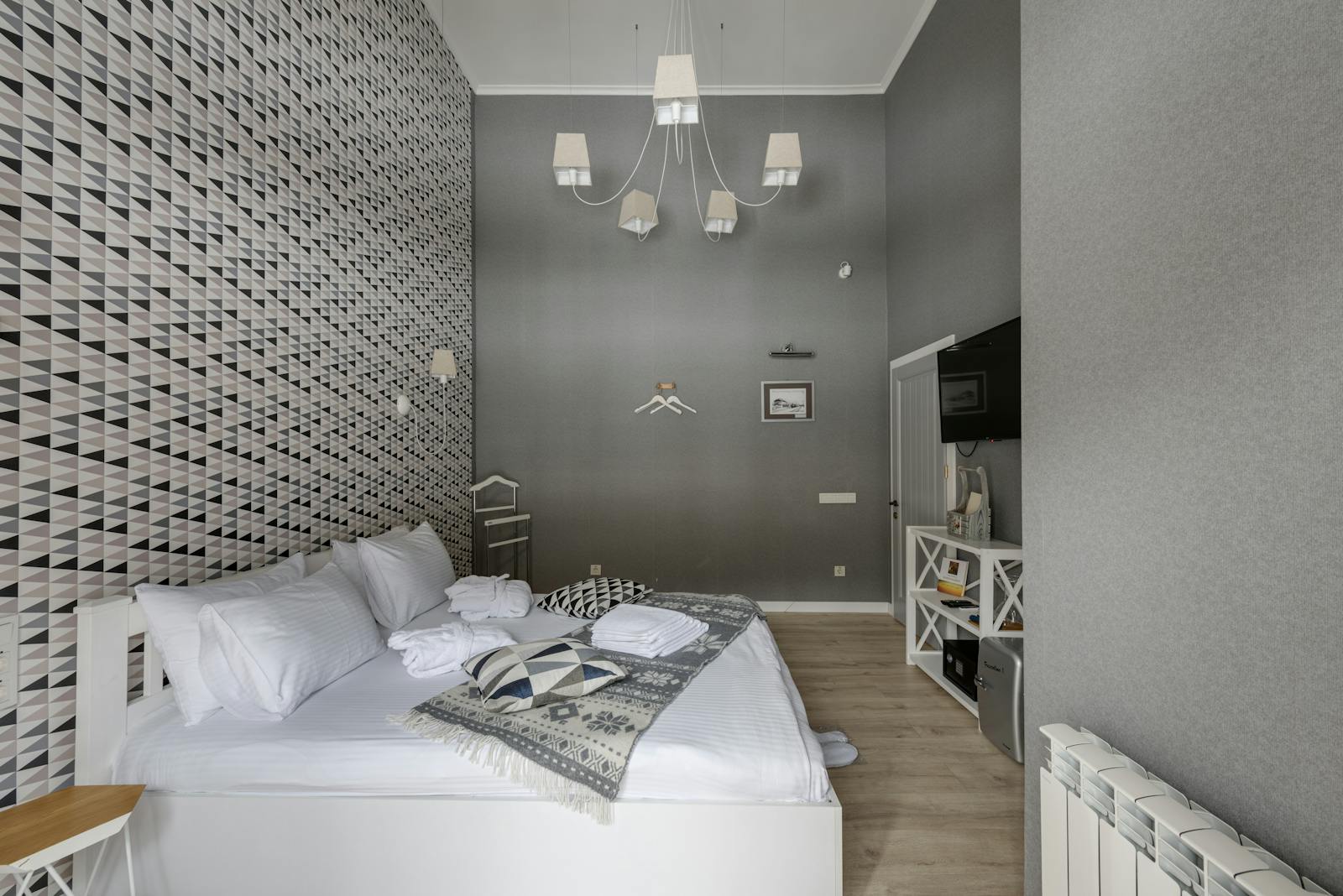
It is worth being clear about what “boutique” actually means, because the word gets used loosely. A true boutique hotel is small, usually somewhere between a dozen and twenty-odd rooms, independently owned or part of a small group, and design-led, with a strong individual character and a real sense of its place. Many of the best Cotswolds examples are restored coaching inns or townhouses where every room is different and the personality of the owners shines through.
This is distinct from the grand country-house hotels covered in our guide to luxury hotels in the Cotswolds, which are larger estate properties with full spas and more formal service. A few places straddle the line beautifully, offering boutique style with luxury-level comfort, and I have flagged those as crossovers. Knowing the difference helps you choose: boutique for character and intimacy, country house for grandeur and grounds.
The Best Boutique Inns and Pubs With Rooms
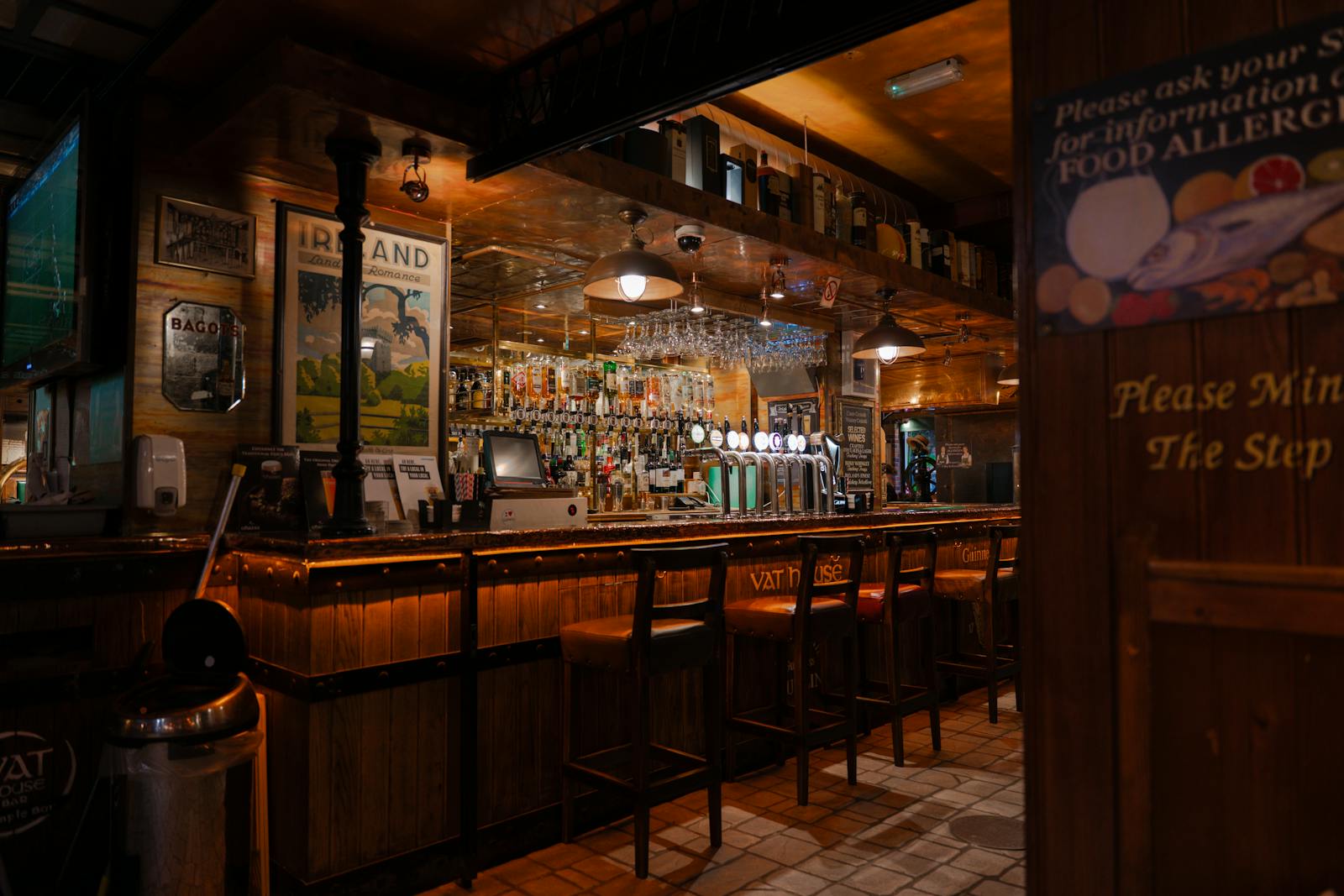
The classic Cotswolds boutique experience is the stylish inn or pub-with-rooms: great food and a cosy bar downstairs, beautifully designed bedrooms above. The Wild Rabbit in Kingham, part of Lady Bamford’s Daylesford organic empire, is the polished flagship of the genre, all natural materials, open fires and hyper-local food. Nearby, The Kings Head Inn on the green at Bledington is a more traditional sixteenth-century former cider house, with ducks on the stream outside and cottagey rooms above a proper country pub.
In Burford, The Lamb Inn occupies former weavers’ cottages with flagstone floors and log fires, while The Bull at nearby Fairford brings vintage country-cool styling to a Grade II coaching inn. In Stow-on-the-Wold, The Old Stocks Inn is a standout for bold contemporary design within a seventeenth-century shell, and the characterful Porch House trades on its claim to be one of England’s oldest inns (a lovely story, even if the title is hard to prove). Each pairs comfortable, individual rooms with a sociable bar and good food, often with a warm welcome for dogs too.
Design-Led Townhouse Hotels in Cheltenham
For boutique style with an urban edge, the elegant Regency town of Cheltenham leads the way. No.131, a trio of Georgian townhouses on The Promenade, is the flagship of the Lucky Onion group founded by the team behind the Superdry fashion label, and it combines smart, contemporary rooms with a sushi restaurant, a buzzy terrace and an award-winning gin and juice bar. A short walk away in leafy Pittville, No.38 The Park offers a more intimate, residential feel in a handsome Georgian townhouse, with an excellent restaurant on site.
These town hotels are a great choice if you want restaurants, bars and culture on the doorstep alongside your boutique stay, with the countryside just a short drive away. Cheltenham’s food and festival scene makes it one of the most underrated bases in the region, especially for a stylish weekend.
Boutique Stays in the Prettiest Villages
Some boutique hotels are worth choosing for their setting alone. The Swan at Bibury is an iconic ivy-clad former coaching inn right on the River Coln, steps from the famous Arlington Row, in a village often called the prettiest in England. The Painswick, in the “Queen of the Cotswolds”, is a chic eighteenth-century wool-trade house with sweeping Slad Valley views and stylish, individual rooms. And in Lower Slaughter, The Slaughters Country Inn offers a relaxed, boutique-feeling stay in one of the Cotswolds’ most idyllic villages, as the easygoing sibling to the grander manor next door.
Staying in a small hotel within one of these villages gives you something day-trippers never get: the place to yourself in the soft light of early morning and evening, once the coaches have gone. It is one of my favourite things about a boutique village stay.
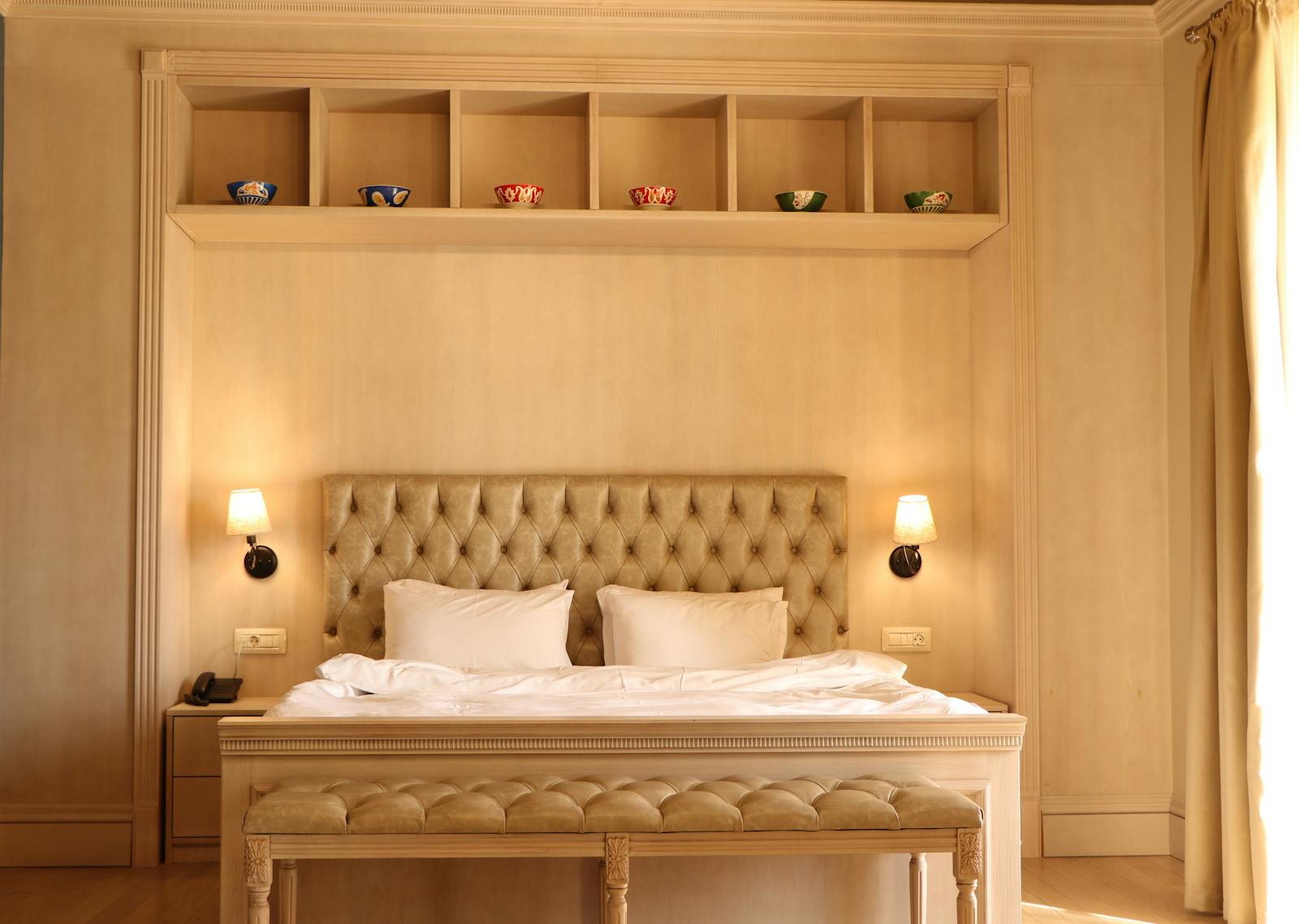
Boutique-Luxury Crossovers Worth the Splurge
A handful of places blur the line between boutique and luxury, offering the intimacy and design flair of a boutique hotel with the facilities and polish of something grander. Thyme, at Southrop, is the ultimate example: a whole estate “village” of restored seventeenth-century farm buildings with design-led rooms, a celebrated restaurant, a spa and a cookery school. On the Farncombe Estate above Broadway, The Fish brings a playful, contemporary spirit, with cabins and famous hot-tub treehouses tucked into the woods.
Also worth knowing are The Rectory Hotel at Crudwell, a relaxed, contemporary country-house feel with an outdoor pool and a sister pub across the green, and Burleigh Court near Minchinhampton, a Grade II manor with a small nature spa. These crossovers cost more than a simple village inn, but they deliver a real sense of occasion.
Who Owns What: The Cotswolds’ Hotel Groups
One thing that helps when choosing a boutique stay is understanding the small groups behind many of them, because each has a recognisable house style. The Lucky Onion group (No.131, No.38 and The Wheatsheaf at Northleach) leans stylish and design-forward. Cotswold Inns & Hotels runs a clutch of classic coaching inns including The Lamb and The Swan. The Calcot Collection includes The Painswick, and the Daylesford/Bamford stable is behind The Wild Rabbit.
Knowing the owner gives you a useful shorthand for what to expect, from the polished organic-luxe of Daylesford to the heritage charm of the classic inns. It also explains why standards are reassuringly consistent across each group’s properties, which can be handy if you want to plan a two-centre trip without any guesswork.
Best Boutique Hotels for Foodies
Because so many Cotswolds boutique hotels grew out of pubs and inns, food is often a real strength. The Wild Rabbit, Thyme and No.131 are all destinations for their cooking, and the village inns typically serve excellent, locally sourced menus in their bars and restaurants. If dining well is central to your trip, choosing a boutique hotel with a strong kitchen means some of your best meals are just downstairs. Our guide to Cotswolds food and drink has more on the region’s thriving food scene.
Best for Couples and Dog Owners
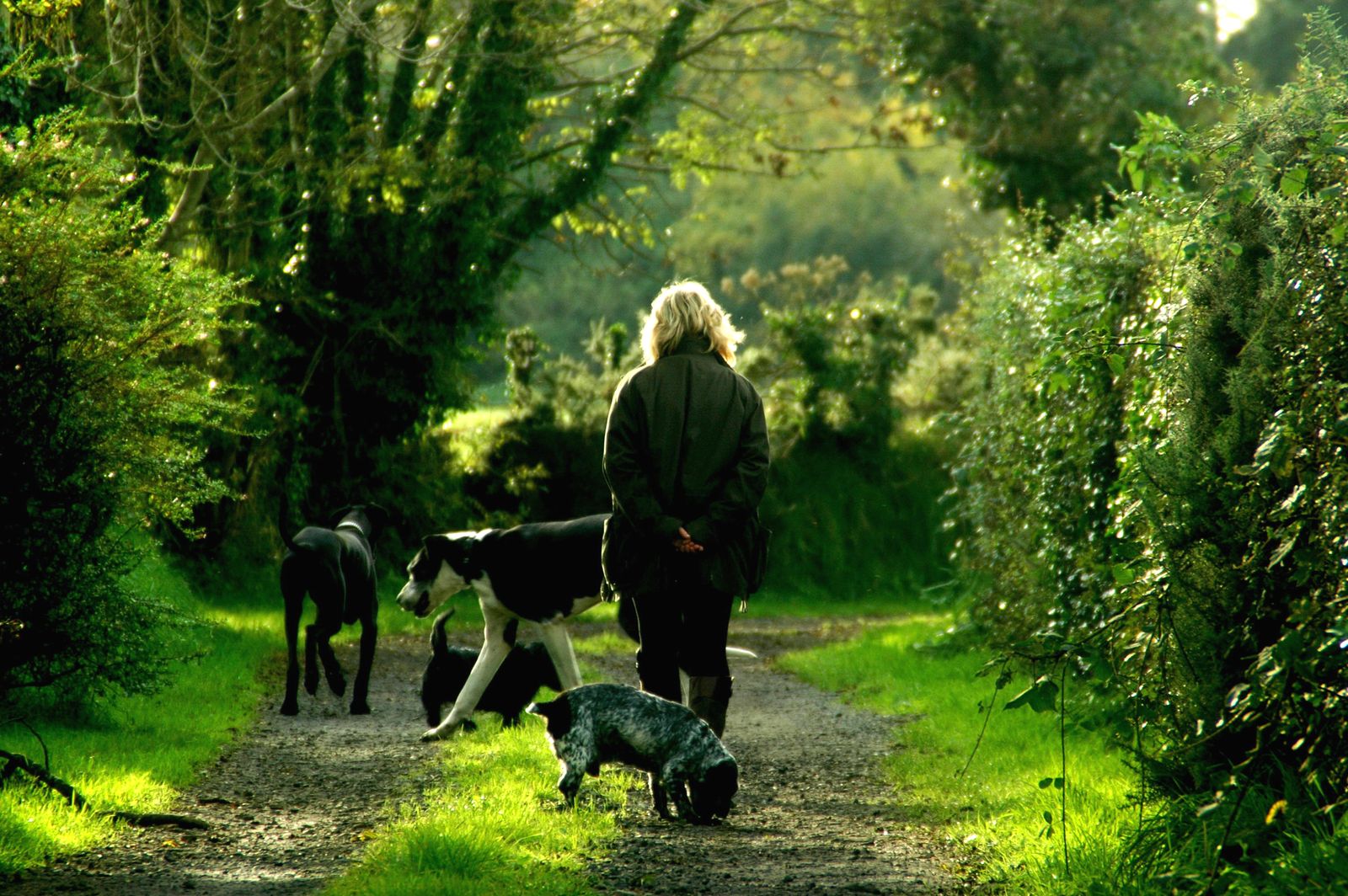
For a romantic weekend, the intimacy of a boutique hotel is hard to beat. The Rectory, The Painswick and The Swan at Bibury all suit couples beautifully, while Thyme is the choice for a boutique-luxury splurge. Many boutique inns are also wonderfully dog-friendly, welcoming four-legged guests in selected rooms and bar areas, often with beds, bowls and treats laid on. Always confirm the pet policy and any charge when booking; our guide to dog-friendly Cotswolds accommodation covers this in detail, and our romantic Cotswolds guide has more for couples.
Booking Tips for a Boutique Stay
Because boutique hotels are small, they sell out quickly, especially at weekends and in summer, so book early if you have your heart set on a particular place. Rooms in these old buildings vary enormously, from snug attic doubles to grand suites with four-posters, so it is worth reading the room descriptions carefully and, if a specific feature matters to you (a roll-top bath, a four-poster, a quiet room away from the bar), requesting it directly.
Booking directly with the hotel often secures the best rate and lets you flag any special occasion or request. And do bear in mind that village-centre inns may have limited parking, which is worth checking if you are driving. Midweek and out-of-season stays generally offer better value and a calmer atmosphere, with the bonus of cosy fires in the cooler months.
Boutique Hotels by Area
Where you choose your boutique hotel shapes the whole feel of your trip, so it helps to think about area as well as style. In the north Cotswolds, around Stow, Broadway and Burford, you are in the heart of the classic villages, perfect for combining a stylish stay with the best-known sights; this is also where you will find the greatest density of characterful coaching inns. The villages here are close together, so you can base yourself in one boutique inn and still reach a dozen others within half an hour.
In Cheltenham and the western edge, the boutique scene tilts towards stylish townhouse hotels with great bars and restaurants, ideal if you want a livelier base with culture and nightlife. And in the quieter south Cotswolds, around Crudwell, Southrop and Painswick, you will find relaxed, design-led country boltholes that feel wonderfully off the beaten track. Matching the area to the kind of weekend you want, whether buzzy or sleepy, is just as important as choosing the hotel itself, and our guide to the best areas to stay in the Cotswolds can help you decide.
What to Expect From a Boutique Stay
Part of the charm of a boutique hotel is that no two are alike, but there are some things you can generally count on. Expect individually designed rooms rather than the cookie-cutter uniformity of a chain, characterful old buildings with beams, fireplaces and the occasional gloriously wonky floor, and a level of personal attention that comes from being small. The owners or managers are often around, and their local knowledge, on the best walk, the right table at the village pub, the garden worth a detour, is one of the real perks of staying somewhere independent.
On the practical side, boutique hotels in historic buildings sometimes lack the facilities of a modern hotel: there may be no lift, rooms can vary widely in size, and parking may be limited in village centres. None of this detracts from the experience, but it is worth knowing so you can choose the right room and arrive prepared. If a particular feature matters, from a ground-floor room to a four-poster or a quiet location away from the bar, just ask when you book; these are exactly the kind of personal requests that small hotels are happy to accommodate.
Boutique Hotel or Self-Catering?
A boutique hotel is not the only way to enjoy a stylish Cotswolds stay. For longer trips, larger groups or families who want more space and flexibility, a beautifully designed self-catering cottage can be a wonderful alternative, giving you the same sense of character without the structure of a hotel. The trade-off, of course, is that you lose the restaurant, the bar and the daily housekeeping that make a boutique hotel feel like a treat.
My rule of thumb is that boutique hotels suit shorter, more indulgent breaks where you want to be looked after, while self-catering suits longer, more relaxed holidays where you want to settle in and cook the odd meal at home. Many visitors combine the two on a longer trip. If self-catering appeals, our guide to the best Cotswold holiday cottages covers the most characterful options.
Making the Most of a Boutique Weekend
To get the best from a boutique stay, lean into what these small hotels do well. Book a table for dinner in the hotel’s own restaurant at least one night, since the food is often a highlight, and take advantage of the bar or lounge as a place to unwind rather than rushing out every evening. Ask the staff for their personal recommendations rather than relying solely on the guidebooks; the tip-offs you get from people who live and work in the area are usually the ones that make a trip.
Above all, give yourself permission to slow down. The pleasure of a boutique hotel lies in the details, a lazy breakfast, an afternoon by the fire, a nightcap in a cosy bar, and these are easy to miss if you treat the hotel as nothing more than a bed. Pair your stay with our pick of the best things to do in the Cotswolds and you will have the makings of a perfect weekend.
A Word on Value
Boutique hotels are rarely the cheapest option in the Cotswolds, but they often represent excellent value for what you get: a beautifully designed room, a great meal, and an experience you simply cannot get from a chain. To keep costs down, travel midweek or out of peak season, look at the smaller villages rather than the famous honeypots, and consider the more affordable inns rather than the boutique-luxury crossovers. You will find more money-saving ideas in our guide to the Cotswolds on a budget, and a full overview of every type of stay in our guide to where to stay in the Cotswolds.
Frequently Asked Questions
What is the difference between a boutique hotel and a country house hotel?
Boutique hotels are small (usually under around 25 rooms), independently or small-group owned, and design-led with a strong local character, often in restored coaching inns or townhouses. Country house hotels are larger estate properties with full spas and more formal service.
Which Cotswold villages have the best boutique hotels?
Burford, Bibury, Stow-on-the-Wold, Bledington, Kingham and Painswick all have standout boutique stays, while Cheltenham leads for stylish townhouse hotels. The smaller villages excel at characterful boutique inns.
Are Cotswolds boutique hotels dog-friendly?
Many are. The Wild Rabbit, The Swan and several village inns welcome dogs in selected rooms and bar areas, often with beds, bowls and treats provided. Always confirm the pet policy and any charge when you book.
Which boutique hotels are best for a romantic weekend?
The Rectory at Crudwell, The Painswick and The Swan at Bibury all suit couples wonderfully, and for a boutique-luxury splurge, Thyme at Southrop is hard to beat. Choose a hotel within a pretty village for that magical early-morning quiet.
How much do boutique hotels in the Cotswolds cost?
Boutique inns generally sit in the mid-to-upper price range, with design-led luxury crossovers like Thyme at the top end. Rates are seasonal and change throughout the year, so always check current prices directly with each property.
Find Your Perfect Boutique Bolthole
From design-led townhouses to characterful village inns, the Cotswolds’ boutique hotels offer style, intimacy and a real sense of place. Settle the big question first — a buzzy town base or a sleepy village hideaway — and you are halfway to the perfect weekend. For more inspiration, explore our guides to the best areas to stay and the finest luxury hotels in the Cotswolds. If a treatment room matters as much as the bedroom, our guide to Cotswolds spa hotels narrows the field further.