This article contains advertising. My booking links are routed through a partner that adds commission tracking automatically, so if you book through one I earn a commission from the provider, at no extra cost to you. It never affects what I recommend. Affiliate disclosure
The pigeons did it. In 1716 a flock of them was seen pecking at salt crystals around a spring in a field south of what was then a single-street market town of about 1,500 people, somebody tasted the water, decided it was medicinal, and within seventy years Cheltenham had a royal visit, a promenade, a racecourse and an architectural style. The town put the pigeon on its coat of arms, which is a level of honesty you have to admire.
Which is why the things to do in Cheltenham look so unlike the rest of this region. There is almost no honey-coloured limestone. There are no wool churches, no market crosses, no sheep money. What there is instead is cream stucco, wrought-iron balconies, tree-lined avenues wide enough to be embarrassing, and a scale that comes from being England’s most fashionable inland resort in the 1820s. Cheltenham is the biggest and least Cotswold of the Cotswold towns, and for most visitors it is also the most useful.
Cheltenham at a glance
| Detail | |
|---|---|
| Population | About 117,000 — much the largest town on the Cotswold edge |
| County | Gloucestershire |
| Station | Cheltenham Spa, direct to London Paddington in about 2h15 |
| Best areas | Montpellier, the Suffolks, Lansdown, Pittville |
| Market | Third Saturday of the month on the Promenade, 09:00–17:00 |
| Free to see | The Wilson museum, Pittville Park, Montpellier and Imperial Gardens, Neptune’s Fountain |
| Typical double room | £110–£160 mid-range; £400+ during race week in March |
| Time needed | A full day for the town; two or three nights as a base |
| Avoid | Cheltenham Festival week in March unless you are going racing |
Prices and times checked September 2026 — confirm before you travel.
Regency Cheltenham: the walk that explains the town
Do this first, because everything else makes more sense afterwards. It takes about ninety minutes at a walking pace and costs nothing.
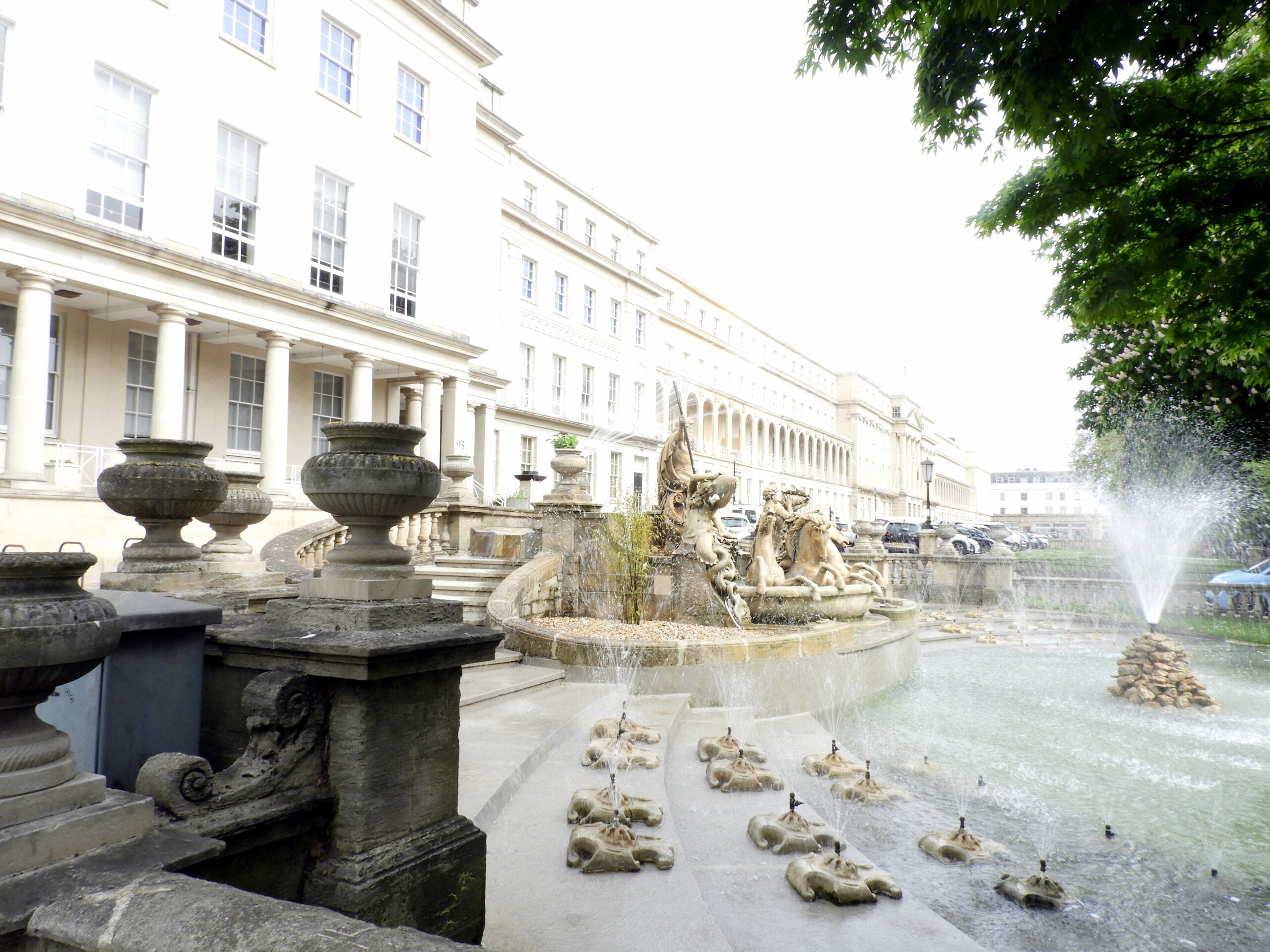
Start at the top of the Promenade, which is the widest and best street in the west of England and was originally a tree-lined walk to the spa. The building on the west side with the long colonnade is the Municipal Offices, built in 1823 as a terrace of private houses, and in front of it sits Neptune’s Fountain of 1893, loosely modelled on the Trevi and carved from Portland stone. The seated statue further up is Edward Wilson, who was born in Cheltenham, went to the South Pole with Scott and died with him on the return march.
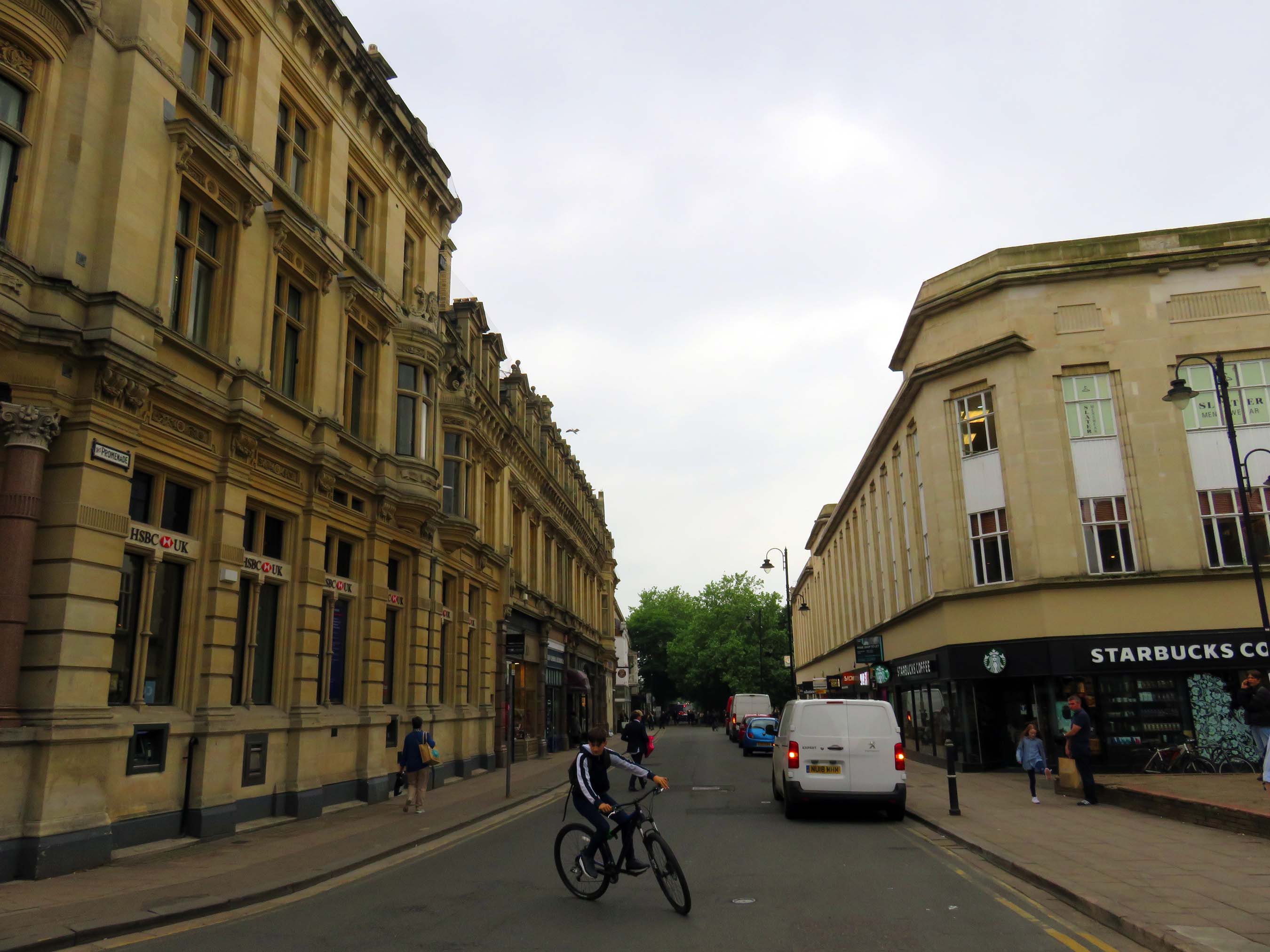
Carry on south into Montpellier. The domed Rotunda at the end was the Montpellier Pump Room and is now a bank; on Montpellier Walk, the row of shops is separated by more than thirty carved caryatids — full-height female figures standing in for columns, copied from the Erechtheion in Athens. Nobody expects them and everybody photographs them. This is also where Cheltenham’s independent shopping and drinking happens: wine bars, a good bookshop or two, and enough outdoor tables that on a warm evening it reads as continental rather than Gloucestershire.
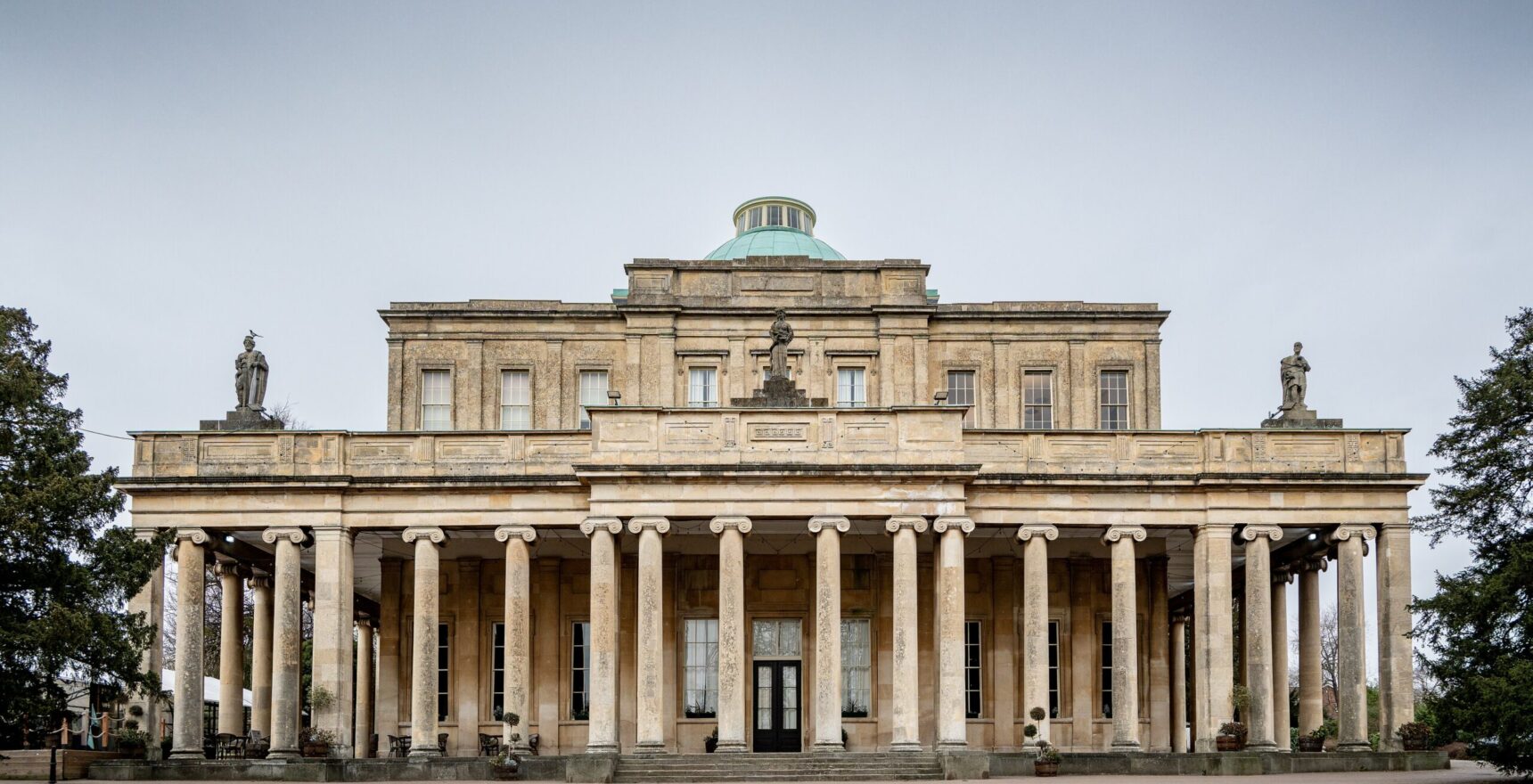
Loop back east through the Suffolks, which is Cheltenham’s most likeable quarter — a compact grid of small independents, delis, antique dealers and neighbourhood restaurants around Suffolk Parade and Suffolk Road. Then finish with a twenty-minute walk north to Pittville, past Regency terraces that get progressively grander, to the Pittville Pump Room of 1830: an Ionic-columned hall standing at the top of a park, the most complete surviving Regency spa building in England, and the only place in town where you can still drink the water. It is free to look at when it is not booked for a wedding.
What the water actually tastes like
Salty, faintly metallic, and unpleasant enough that the Regency habit of drinking several pints of it before breakfast starts to look less like a health regime and more like an endurance event. Try a small glass; you will not want a second.
A short history of how this happened
Cheltenham in 1700 was one long street and a church. The spring found in 1716 was developed by a local landowner, Henry Skillicorne, who added a pump room and walks in the 1730s and turned it into a business. The decisive moment came in 1788, when George III arrived with the Queen and three princesses and stayed five weeks for the sake of his health. That was the eighteenth-century equivalent of a royal endorsement campaign, and the town spent the next fifty years building for the people who followed.
The result is a town planned all at once, in one taste, by developers who were selling an idea — health, leisure, fresh air and society. Pittville, laid out by Joseph Pitt from 1824, was the most ambitious of these speculations and very nearly bankrupted him. It is why the terraces run out abruptly into parkland: the money stopped. Cheltenham Ladies’ College arrived in 1853 and Cheltenham College a dozen years earlier, cementing the town’s second act as an education centre once the fashion for taking the waters faded, and GCHQ arrived in 1952 for its third.
Read the town with that sequence in mind and the odd shape of it makes sense — a medieval High Street with a Regency resort bolted onto its southern side and a twentieth-century intelligence agency on the edge of it.
Museums and indoor things to do in Cheltenham
- The Wilson (Cheltenham Art Gallery & Museum), Clarence Street — free entry, and genuinely good. Its Arts and Crafts collection is one of the most important in the country, built around furniture and metalwork from the movement that made its home in the Cotswolds. There is also a proper Antarctic gallery on Edward Wilson. Budget an hour and a half.
- Holst Victorian House, 4 Clarence Road — the terraced house where Gustav Holst was born in 1874, restored as a Victorian home rather than a shrine. Small, and better than it sounds if you like domestic history; the working range and the servants’ quarters are the point as much as the composer.
- The Everyman Theatre — a Frank Matcham auditorium of 1891, all gilt and plush, and one of the loveliest small theatres in the country. Worth booking for whatever is on rather than for the show.
- Cheltenham Minster (St Mary’s) — the only surviving medieval building in the town centre, tucked behind the High Street and easy to miss entirely.
Between them these are the best rainy day options for thirty miles, which is a real argument for staying in Cheltenham rather than a village if you are visiting between November and March.
The festivals
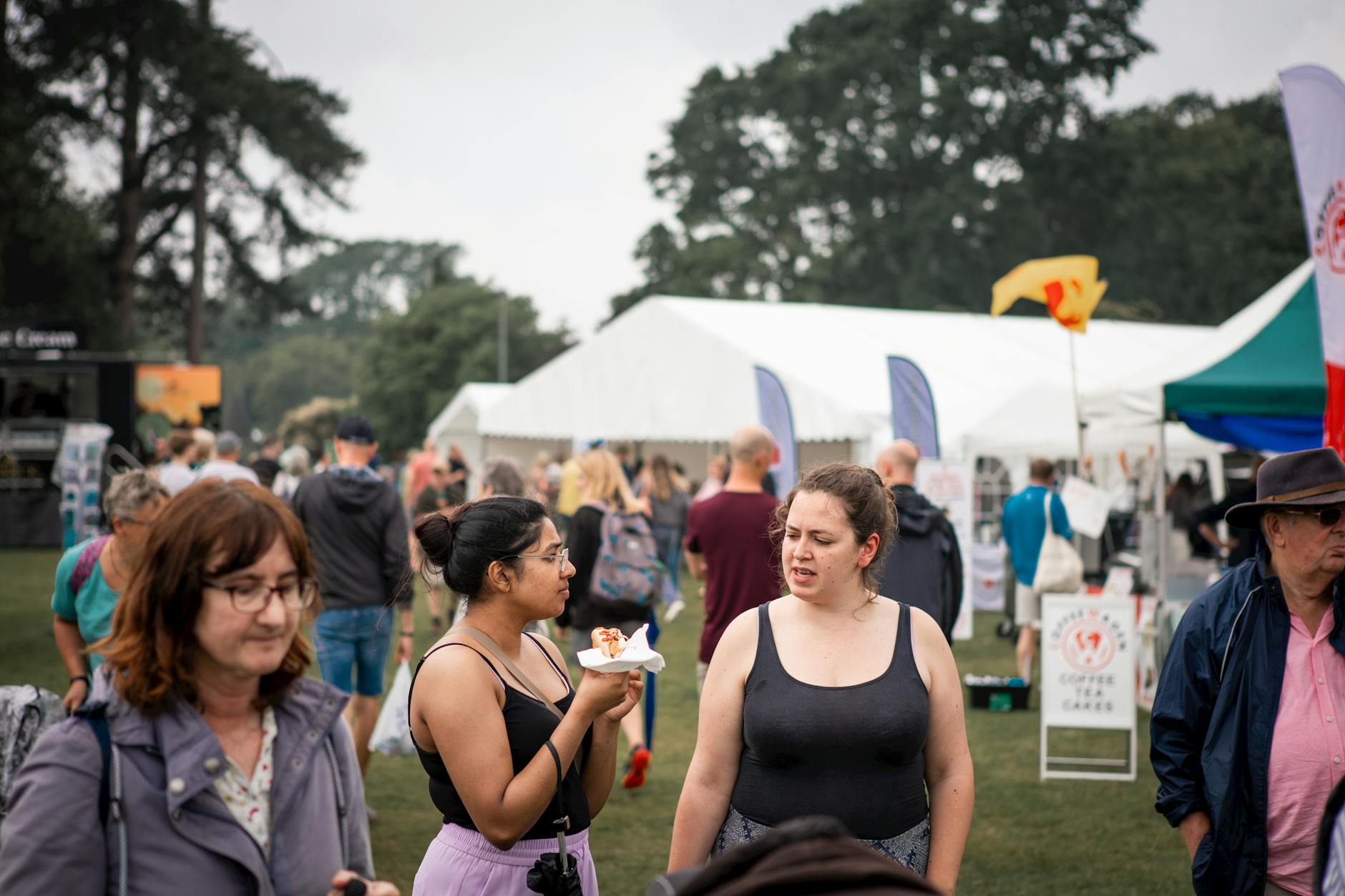
Cheltenham runs four major arts festivals a year plus a food festival, and they are the town’s strongest claim on your calendar. Between them they bring in most of the names you would otherwise have to go to London for.
| Festival | When | What it is |
|---|---|---|
| Jazz Festival | Late April / early May | Montpellier Gardens marquees plus town-wide fringe |
| Science Festival | June | The biggest of its kind in the UK; strong on family events |
| Food and Drink Festival | 19–21 June 2026 | Montpellier Gardens, producers and demonstrations |
| Music Festival | July | Classical and contemporary, Pittville Pump Room and the Town Hall |
| Literature Festival | October | Ten days, several hundred events — the oldest in the world |
Book accommodation for the Literature Festival months ahead; it fills the town more completely than anything except the racing. Our Cotswolds festivals guide covers the wider regional calendar, and the food festivals guide has the rest of the year’s eating.
Cheltenham Racecourse
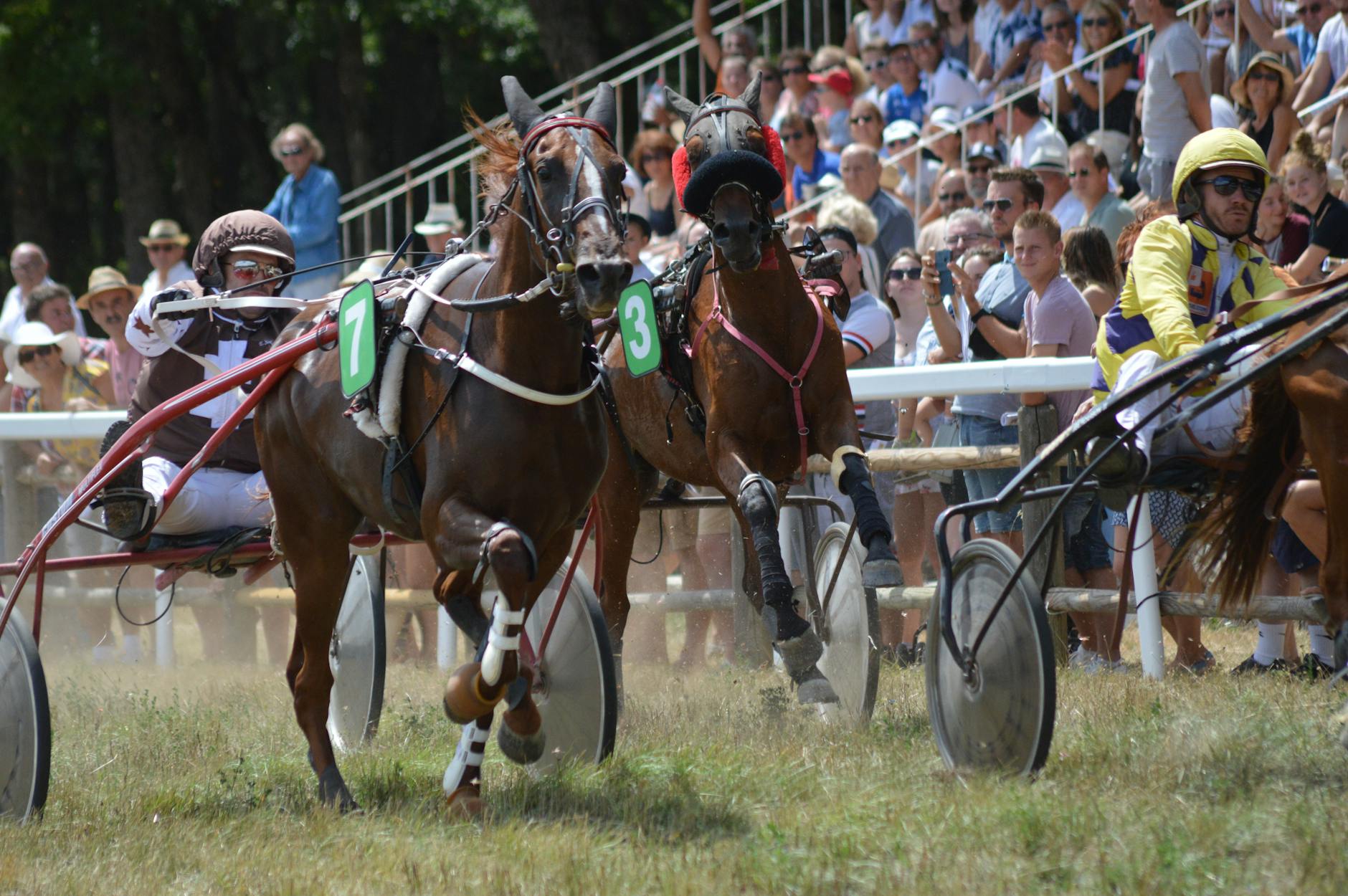
Prestbury Park sits a mile and a half north of the centre with Cleeve Hill rising behind it, and it is the home of British jump racing. The Cheltenham Festival in March is four days that culminate in the Gold Cup, draws around 250,000 people across the week, and turns the entire county into a logistics problem. The atmosphere at the first-race roar on the Tuesday is genuinely unlike anything else in British sport.
If you want to go racing without that, the November Meeting and the New Year’s Day fixture are far easier: tickets are a fraction of the price, you can park, and you will actually see the horses. There is a free racecourse-to-town shuttle on major fixtures, and the Cheltenham Racecourse station on the steam railway runs on some race days.
The honest verdict on Festival week: unless you have tickets and accommodation already, avoid the whole area in mid-March. Room rates triple, restaurants stop taking non-residents, and the roads around the racecourse are solid from mid-morning.
Eating and drinking
This is Cheltenham’s other genuine claim, and the reason a lot of people base themselves here. The town has the deepest restaurant scene between Bristol and Birmingham, and the concentration is in three places: Montpellier for smarter dining and wine bars, the Suffolks for neighbourhood restaurants and small plates, and Regent Street and the Brewery Quarter for volume and chains.
The practical point is availability. In the villages you are choosing between two pubs, one of which stops serving at eight. In Cheltenham you can eat well on a Monday in February at nine o’clock at night, which sounds trivial until it is your third evening and the village kitchen has closed. Our best restaurants in the Cotswolds guide and the fine dining guide have specific recommendations; book Friday and Saturday in Montpellier a week ahead in summer.
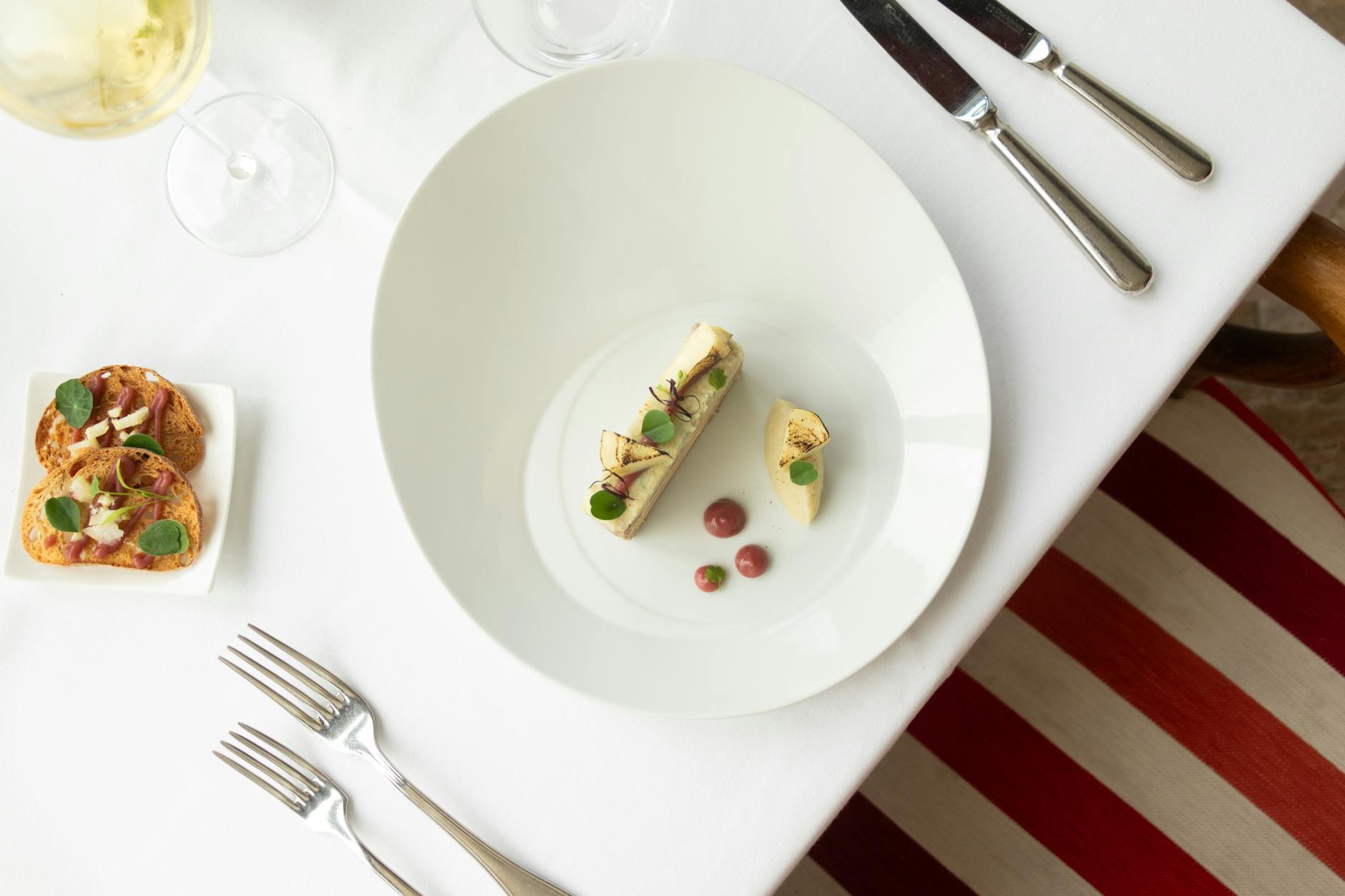
For coffee and cake, the independents in the Suffolks are better value than the Promenade; for afternoon tea, the Regency hotels on the Bayshill Road side do the full version. Cheltenham also has a decent run of independent breweries and taprooms on the edges of town — see the breweries and distilleries guide.
Shopping in brief
The Promenade and Montpellier hold the town’s independents — galleries, jewellers, one very good bookshop and a run of homeware — while the High Street and the Regent Arcade are the standard national chains, and honestly not worth crossing town for. Cavendish House on the Promenade was the town’s department store for nearly two centuries. For the full comparison with Stow, Tetbury, Burford and the rest, our market towns shopping guide is the place to go.
Parks, green space and the hills
Cheltenham is unusually green for its size. Pittville Park is the big one, with two boating lakes and the Pump Room at its head. Montpellier Gardens and Imperial Gardens run either side of the Promenade and are where the festival marquees go up. Sandford Parks Lido is a 50-metre heated outdoor pool from 1935 — a properly good survival, open through the warmer months; check the season dates before you pack a towel.
The real draw, though, is the escarpment behind the town.
- Leckhampton Hill — twenty minutes’ drive or a stiff walk from the centre, with the Devil’s Chimney, a limestone pinnacle left standing by quarrymen, hanging over the town. The best short walk in Cheltenham.
- Cleeve Hill — at 330 metres the highest point in the Cotswolds, five miles north-east, with a golf course, Bronze Age earthworks and views to the Malverns and, on a clear day, the Black Mountains.
- Crickley Hill — country park with Neolithic and Iron Age remains and a wooded scarp edge, on the road towards Gloucester.
- The Cotswold Way passes just to the east of the town on its way from Chipping Campden to Bath; the Cleeve Hill and Leckhampton sections are among the best day stretches on the whole route.
Our Cotswold Way guide and the circular walks guide have routes; several start within a bus ride of the Promenade.
Getting to Cheltenham and getting around
By train. Cheltenham Spa has direct GWR services to London Paddington in around two and a quarter hours, plus fast links to Bristol, Birmingham and the south-west via CrossCountry. The station is a fifteen-minute walk or a short bus ride west of the centre. Full detail in our Cotswolds by train guide.
By air. Birmingham and Bristol are both roughly an hour and a quarter by road, and Heathrow is about two hours; our nearest airport guide compares them on transfers and cost.
By car. Junction 11 of the M5 puts you on the edge of town. Do not try to park on the Promenade; use the multi-storeys off the High Street or the Regent Arcade and walk.
Onward buses. The 801 and 802 run to Winchcombe, Broadway, Bourton-on-the-Water, Stow-on-the-Wold and Moreton-in-Marsh, which makes Cheltenham a workable base without a car — with the standard Cotswold caveat that Sunday services are thin. Timetables in the bus routes guide.
Day trips from Cheltenham
| Destination | Distance | By bus? |
|---|---|---|
| Winchcombe and Sudeley Castle | 8 miles | Yes, 606 / W |
| Broadway and Broadway Tower | 15 miles | Yes, 606 |
| Bourton-on-the-Water | 16 miles | Yes, 801 |
| Gloucester Cathedral | 9 miles | Yes, frequent |
| Cirencester | 17 miles | Yes, 51 |
| Tewkesbury Abbey | 10 miles | Yes, 41 / 71 |
| Chipping Campden | 21 miles | Change at Broadway |
Cheltenham with children
Better than you would guess from the architecture. Pittville Park has two boating lakes, a large playground and a small aviary, and it is free. Sandford Parks Lido in summer is a genuine treat — a 1930s open-air 50-metre pool with a paddling pool and a lawn to collapse on. The Wilson runs proper family trails rather than a token clipboard, and the Science Festival in June is the single most child-friendly event in the region’s calendar.
Beyond the town, the Gloucestershire Warwickshire Steam Railway leaves from Cheltenham Racecourse station and runs fourteen miles up to Broadway through the escarpment — a two-and-a-half-hour round trip and the easiest win of any Cheltenham day with under-tens. Our family days out guide and the playgrounds guide cover the rest.
Where to stay in Cheltenham
Montpellier and Lansdown are the best areas — Regency townhouse hotels, walking distance to everything, quiet at night. Pittville is a little further out and often better value for the same standard of building. The town centre near the Brewery Quarter is cheapest and noisiest. Avoid anything on the ring road unless you are driving everywhere anyway.
Expect £110–£160 for a decent mid-range double with breakfast, rising to £180–£260 in July and August and to genuinely absurd levels in Festival week. Our luxury hotels guide, boutique hotels guide and where to stay guide all cover Cheltenham properties.
Is Cheltenham worth visiting?
Yes — but be clear about what you are getting. If you have come to England for stone cottages, packhorse bridges and sheep, Cheltenham will feel like a mild bait-and-switch, and you should treat it as a base rather than a destination: sleep here, eat here, drive fifteen minutes uphill each morning.
If, on the other hand, you like architecture, want a town that works in the rain, care about eating well, or are travelling by public transport, Cheltenham is comfortably the best-equipped place in the region and it is not close. A day spent on the Regency walk, The Wilson and Montpellier is a genuinely good day out, and one that almost no visitor to the Cotswolds bothers to have.
What it is not is charming in the way Chipping Campden is charming. It is handsome, urban and slightly grand, and it will not pretend otherwise.
Frequently asked questions about Cheltenham
Is Cheltenham in the Cotswolds?
It sits directly against the western escarpment and is universally treated as a Cotswold town, but the Cotswolds National Landscape boundary runs along the hills behind it rather than through the town itself. In practice, everyone — including the local tourist board — counts it in.
How long do you need in Cheltenham?
One full day covers the Regency walk, The Wilson and Montpellier comfortably. Two to three nights makes sense if you are using it as a base for the northern Cotswolds, Gloucester and the Cotswold Way.
What is Cheltenham famous for?
Three things: the racecourse and the March Festival, its Regency spa architecture, and its arts festivals — particularly the literature festival, which is the oldest in the world. It is also the home of GCHQ, whose circular headquarters on the western edge of town is known locally as the Doughnut.
What are the best free things to do in Cheltenham?
The Wilson museum, the whole Regency walk from the Promenade through Montpellier to Pittville, the Pump Room exterior, Pittville and Montpellier Gardens, and the climb up Leckhampton Hill to the Devil’s Chimney. See our free things to do guide for more across the region.
Is Cheltenham a good base for the Cotswolds?
It is the best base if you want restaurants, trains and rainy-day options, and the worst if you want to step out of your hotel into open countryside. Moreton-in-Marsh, Stow-on-the-Wold or Winchcombe are better for that; Cheltenham wins on everything else.
When should you avoid Cheltenham?
Mid-March, during the four days of the Cheltenham Festival, unless you are going racing. Room rates triple, restaurants fill months ahead and the roads around Prestbury Park are gridlocked. The Literature Festival in October is busy but manageable.
Can you visit Cheltenham without a car?
Easily. It has the best rail connections in the region and the 801 and 802 buses reach the classic north Cotswold villages. Sunday services are the weak point.
Use Cheltenham the way locals use it — as the town you come down off the hills for. If you are planning the wider trip, our guide to the Cotswold towns compares it with the other fifteen, the complete Cotswolds travel guide is the starting point for a first visit, and the best time to visit will tell you which month suits what you want. For a day out from here, the Sudeley Castle guide covers the easiest and best of the trips north.
Bridgerton never filmed in Cheltenham, but walk through Montpellier on a sunny afternoon and you could be forgiven for thinking it had: this is the Cotswolds’ finest Regency townscape, built in exactly the years the series is set. If the show brought you here, our guide to the Bridgerton filming locations in the Cotswolds covers the places where it actually was shot, from Blenheim to Badminton.
Photo Credits
The Pittville Pump Room: The Pittville Pump Room, Cheltenham, UK, front elevation by GarfieldJAustin, CC BY-SA 4.0, via Wikimedia Commons.
Neptune’s Fountain on the Promenade: Neptune Fountain (29849023488) by Reading Tom from Reading, UK, CC BY 2.0, via Wikimedia Commons.
Leave a Reply