This article contains advertising. My booking links are routed through a partner that adds commission tracking automatically, so if you book through one I earn a commission from the provider, at no extra cost to you. It never affects what I recommend. Affiliate disclosure
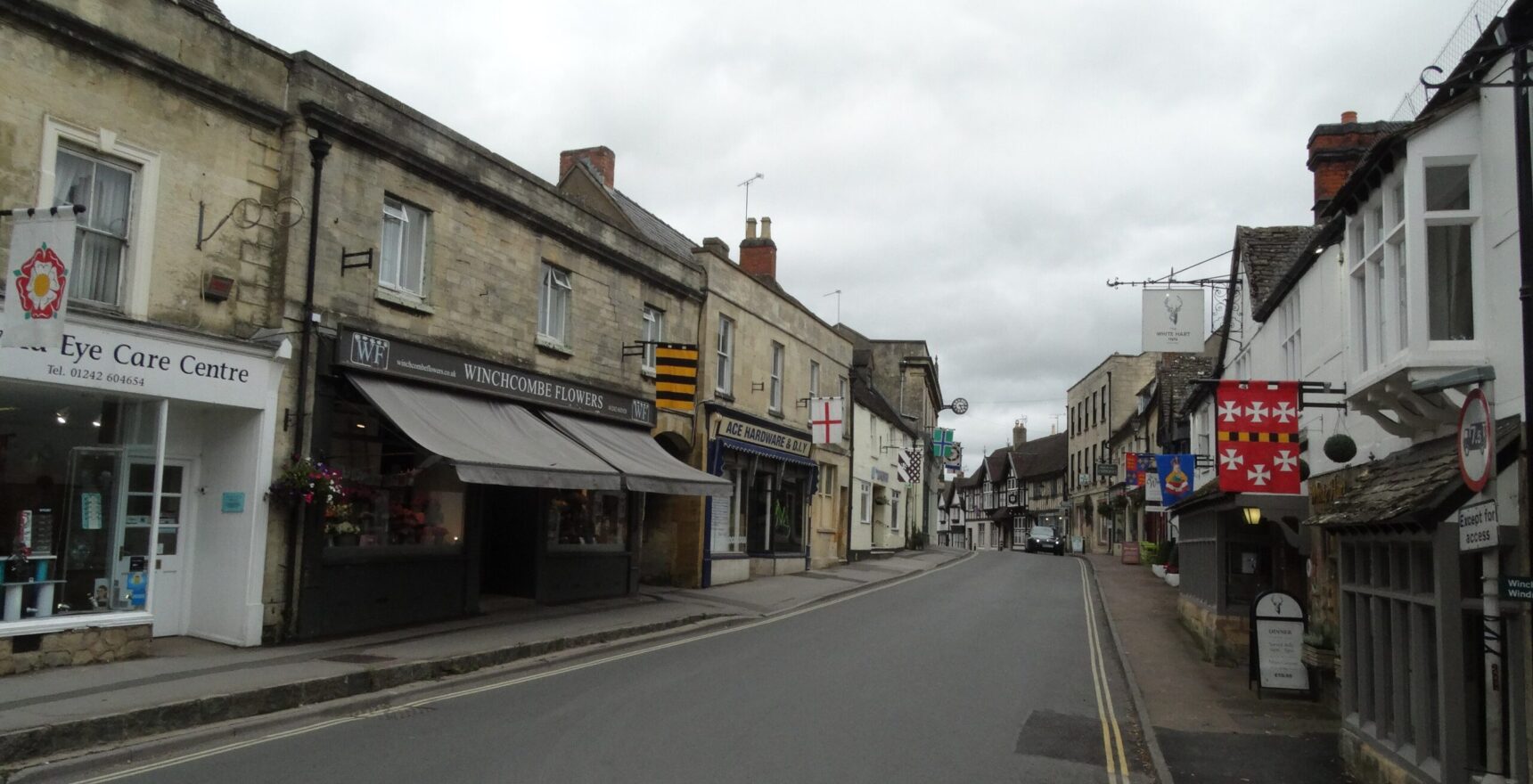
Look up at the church of St Peter as you come along the High Street and count the faces. There are around forty carved grotesques along the parapet — a bishop, a boy pulling a hideous expression, a creature with a mouth full of teeth — and they were paid for by fifteenth-century wool money on a church that stands in a town of four and a half thousand people. Then look past them, up at the escarpment behind, and you can see the path climbing to a Neolithic burial mound that was already three thousand years old when the Romans arrived.
That vertical stack is what makes Winchcombe Cotswolds worth more than the hour most visitors give it. This was the capital of its own Anglo-Saxon shire, then the site of one of the great English abbeys, then a wool town, then a tobacco-growing experiment, and it is now the undisputed walking capital of the region: five long-distance paths cross here and there are more waymarked routes leaving this High Street than any other in the Cotswolds.
It is also, and this matters, still a working town. There is a hardware shop, a butcher and a chemist. Among the Cotswold towns, Winchcombe is the one where the best thing to do is put your boots on.
Winchcombe at a glance
| Detail | |
|---|---|
| Population | About 4,500 |
| Main draws | Sudeley Castle, Belas Knap, Hailes Abbey, the Cotswold Way |
| Free to see | St Peter’s church, Belas Knap, the town centre, all the walking |
| Long-distance paths | Cotswold Way, Winchcombe Way, Gloucestershire Way, Wardens’ Way, St Kenelm’s Way |
| Nearest station | Cheltenham Spa, 8 miles (or Winchcombe on the steam railway) |
| Bus | 606 from Cheltenham, roughly hourly Mon–Sat |
| Typical double room | £110–£155 mid-range |
| Time needed | A full day, or two or three nights if you are walking |
Prices and times checked September 2026 — confirm before you travel.
A town that used to be a county
Winchcombe was the capital of Winchcombeshire, a short-lived Anglo-Saxon shire that existed in its own right in the early eleventh century before being folded into Gloucestershire. The reason it mattered was the abbey: founded around 798 by Coenwulf, King of Mercia, and later the shrine of St Kenelm, a boy-king said to have been murdered by his sister’s tutor and whose cult drew pilgrims from across England for six hundred years.
The abbey was one of the richest in the west of England. It is also, today, completely gone. The Dissolution took it in 1539 and the townspeople took the stone, so there is nothing to visit — a few fragments in the church, an outline in a field, and street names. Winchcombe’s odd, slightly stranded feel, a town too grand for its size sitting at the end of a valley, is the abbey’s absence.
What survived is St Peter’s church, rebuilt in the 1460s with wool money and abbey money together, a single-period Perpendicular building with a wide light nave and those forty grotesques outside. Inside is an altar cloth traditionally said to have been embroidered by Katherine of Aragon, and a pair of hefty medieval doors. Entry is free; give it twenty minutes and take a pair of binoculars for the parapet.
Sudeley Castle
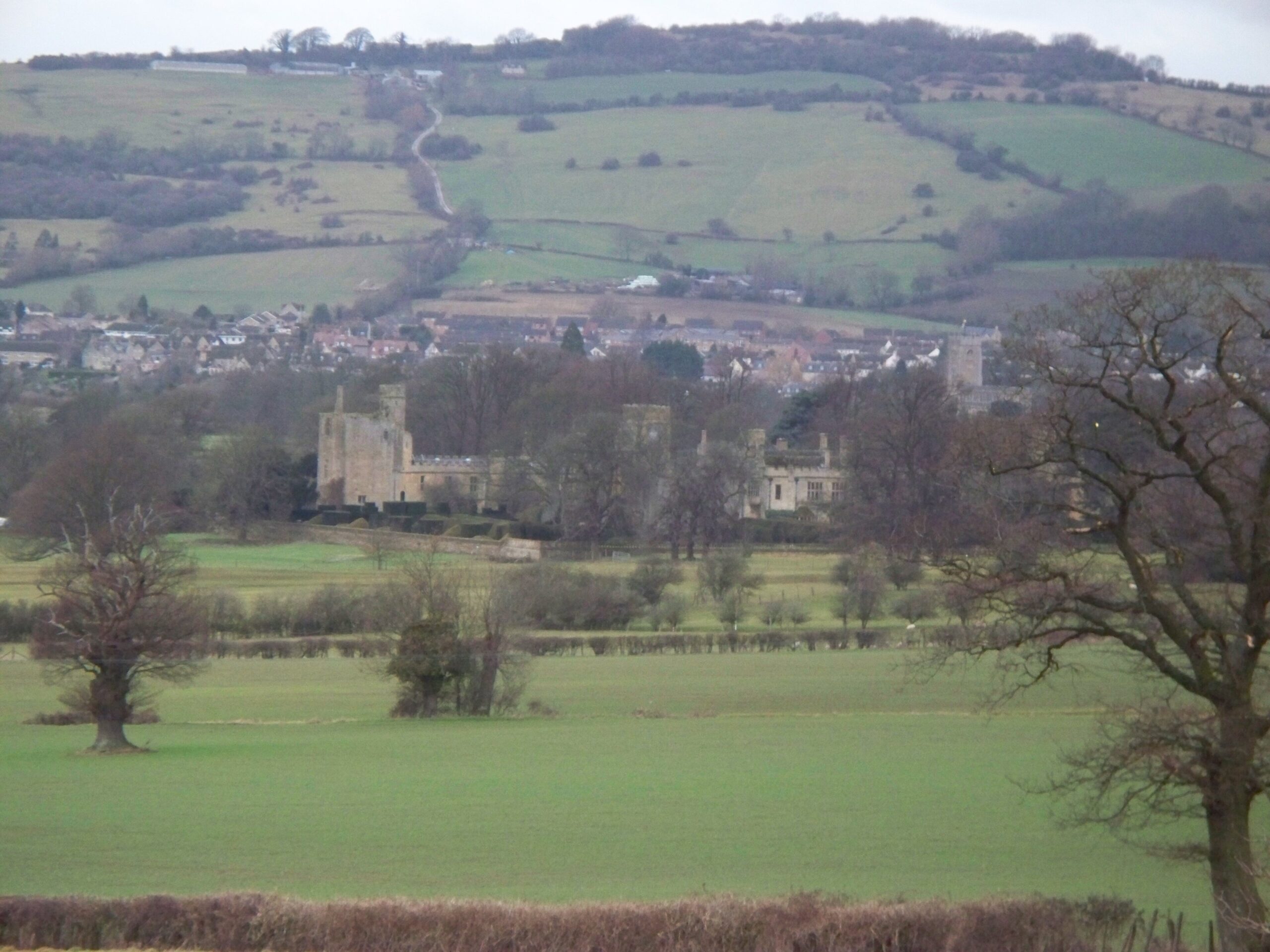
Ten minutes’ walk from the High Street and the reason most people come. Sudeley is the only private castle in England with a queen buried in its grounds: Katherine Parr, Henry VIII’s sixth and surviving wife, lived here after his death, married Thomas Seymour, gave birth here and died of childbed fever in 1548. She lies in St Mary’s Chapel in the gardens, and the tomb is genuinely moving in a way that castle interiors usually are not.
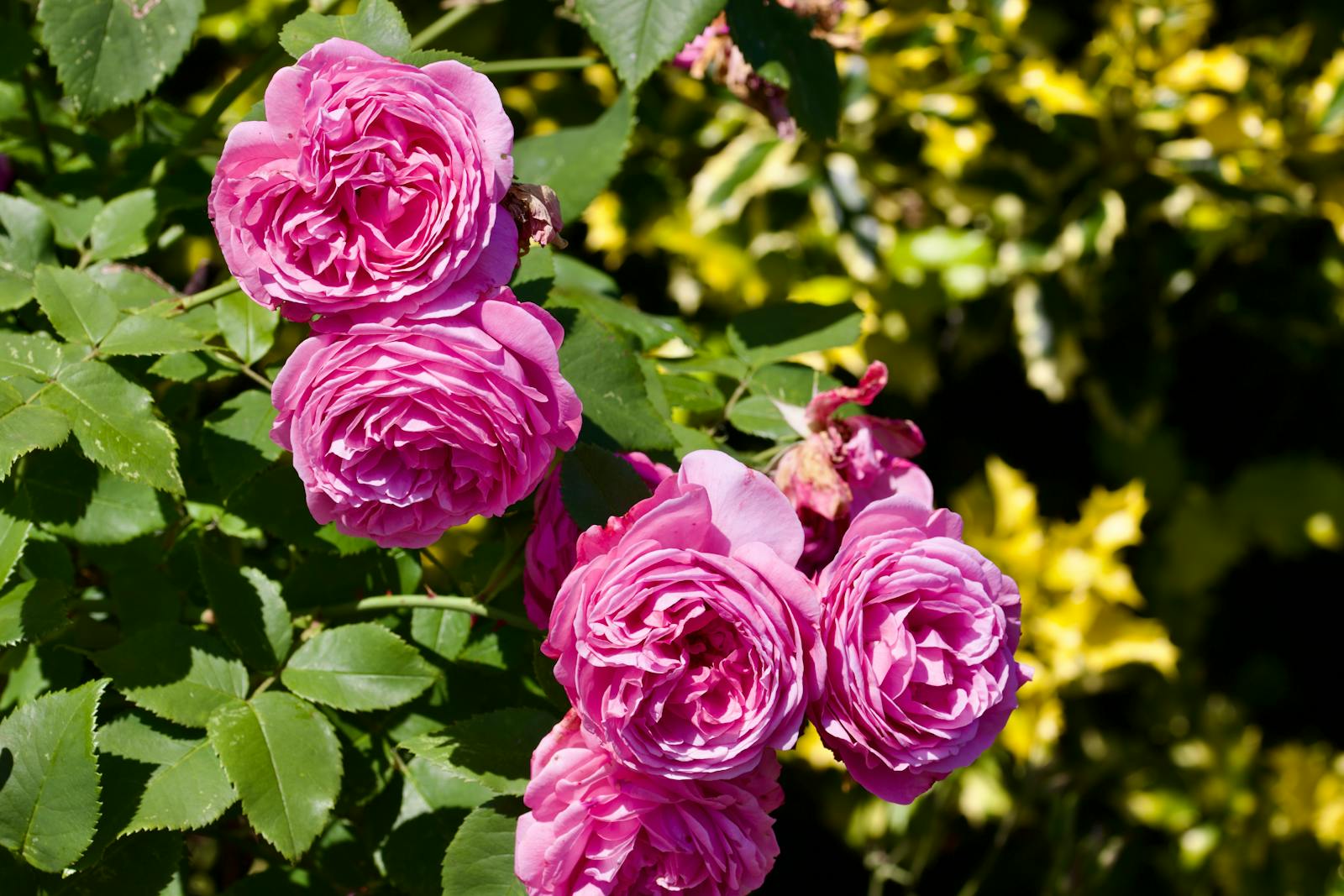
The house itself is half ruin and half lived-in family home — the great Tudor banqueting hall stands roofless with the tracery still in the windows, while the range beside it is inhabited and only partly open. The ten gardens are the real strength, particularly the Queen’s Garden with its double yew hedges and old roses, at its best in June and July.
Opening is seasonal and the house and gardens sometimes open on different schedules, so check the castle’s own site before you plan a day around it. Our Sudeley Castle guide has the detail on tickets, timings and what is worth your time inside, and the stately homes guide puts it alongside Blenheim and the rest.
Belas Knap
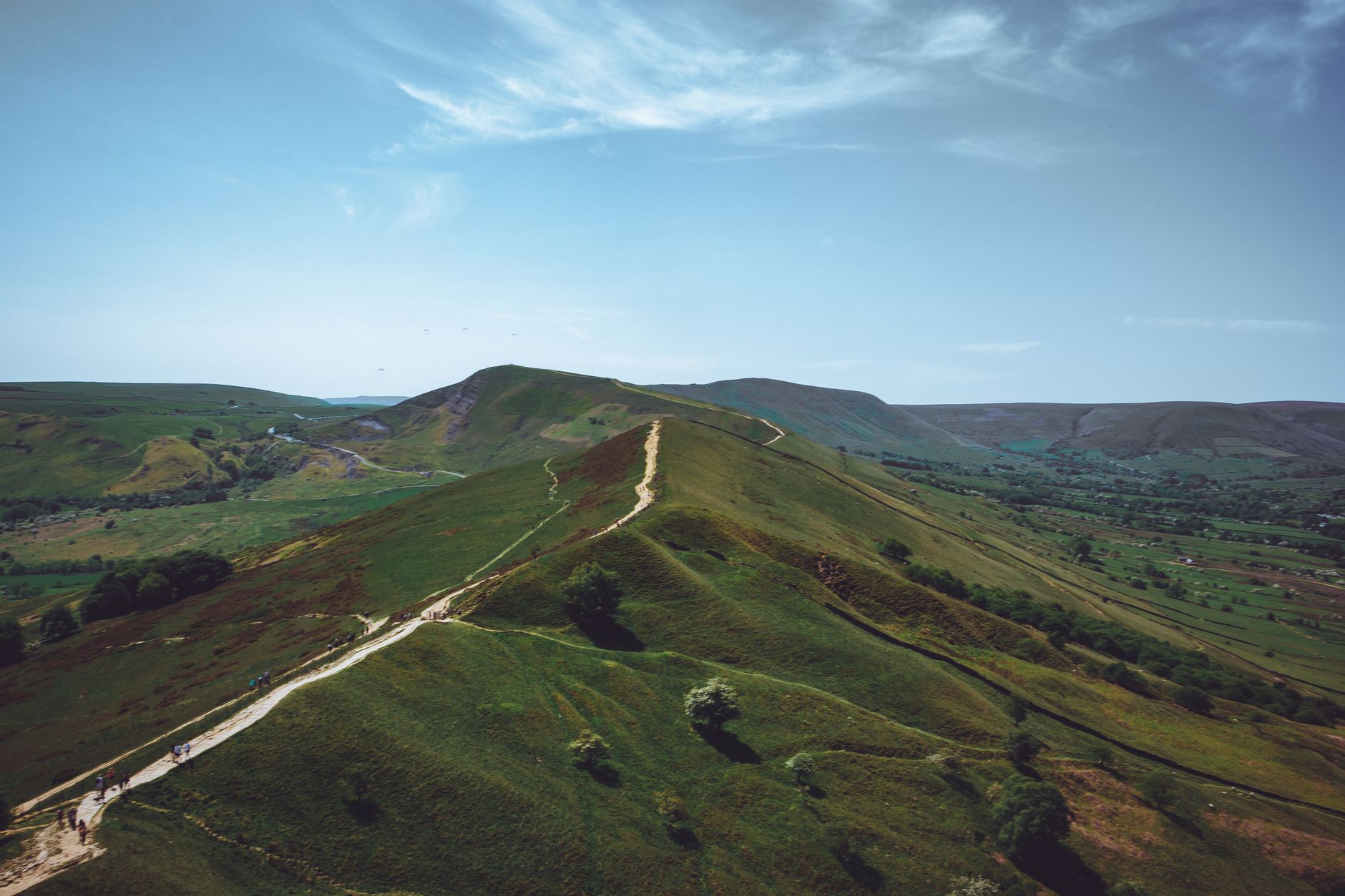
The best free thing in Winchcombe and one of the best in the Cotswolds. Belas Knap is a Neolithic long barrow of around 3000 BC, sitting on the ridge above the town at about 300 metres — 180 feet long, turf-covered, with a superb drystone false entrance at the north end: a pair of curving horns of masonry enclosing a doorway that leads nowhere, built to fool something. The four actual burial chambers open off the sides, and the remains of some thirty-eight people were found in them.
It is free, unstaffed, open at all hours and in the care of English Heritage. Getting there is the point: about a mile and a half from the town, all of it uphill, on a steep path off the Cotswold Way, and it takes forty minutes each way at a decent pace. The view back over Winchcombe and Sudeley from the top is the best in the northern Cotswolds and there is very often nobody else there.
Wear boots — the last field is chalky and slick after rain — and take the walk seriously in winter. It is not a car-park attraction and that is exactly what makes it good.
Hailes Abbey
Two miles north-east, and the ruin that Winchcombe’s own abbey isn’t. Hailes was founded in 1246 by Richard, Earl of Cornwall, brother of Henry III, in thanks for surviving a shipwreck, and it became one of the great pilgrimage destinations of medieval England on the strength of a phial said to contain the Holy Blood of Christ. Chaucer’s Pardoner swears by it in The Canterbury Tales, which tells you how well known it was — and the relic was declared a fake at the Dissolution.
What is left is a beautiful low ruin of cloister arcades and foundations in a green bowl of the hills, with a small museum of carved bosses and floor tiles. It is quiet, atmospheric and takes about forty-five minutes. Hailes church across the lane, older than the abbey, has fourteenth-century wall paintings and is usually unlocked and empty.
Eating and drinking in Winchcombe
Winchcombe feeds walkers, which shapes the whole offer: portions are large, kitchens open earlier than in the villages, and nobody minds mud. The High Street and North Street between them hold several genuinely old inns, a bakery, a butcher who still makes his own pies, a deli and a couple of cafés that will fill a flask.
The town punches above its weight at the top end too — there is more serious cooking here than a place of 4,500 people has any right to, largely because Cheltenham is close enough to send diners out for the evening but far enough that they want somewhere to stay. Book Friday and Saturday nights in summer, and check kitchen times on a Sunday evening, when several places close after lunch. Our best pubs guide and dog-friendly pubs guide cover the area — this is good dog country and the pubs know it.
One practical note that matters more here than elsewhere: if you are walking to Belas Knap or Hailes, buy lunch in town before you set off. There is nothing at either end, and the last shop shuts earlier than you think.
Winchcombe through the year
| Season | What it is like |
|---|---|
| February–March | Quiet and cheap; Sudeley usually still closed; the paths are heavy going but Belas Knap is at its most atmospheric |
| April–May | The best walking of the year, the walking festival, bluebells in the woods below the escarpment |
| June–July | Sudeley’s gardens at their peak, long evenings, the busiest the town gets — which is still not very busy |
| September–October | The quiet pick. Beech colour on the hangers, empty paths, rooms noticeably cheaper |
| December | Santa specials on the steam railway; the town itself goes to sleep |
Our best time to visit guide compares the region month by month.
Walking from Winchcombe
This is the town’s real claim, and it is not marketing. Five waymarked long-distance routes pass through, the Cotswold Way runs down the High Street, and the town holds a walking festival in May.
| Walk | Distance | What you get |
|---|---|---|
| Belas Knap circular | 4 miles | The long barrow, the ridge, views over Sudeley |
| Winchcombe to Hailes Abbey | 5 miles round | Abbey ruin, Salter’s Lane, easy going |
| Winchcombe to Cleeve Hill | 7 miles one way | The highest point in the Cotswolds at 330 m |
| Winchcombe to Broadway | 12 miles | A full Cotswold Way day stage, ending at the Tower |
| Winchcombe Way | 42 miles | A figure-of-eight in two halves, both starting here |
| Spoonley Wood | 4 miles | The overgrown remains of a Roman villa in the woods |
The classic day, if you only do one: up to Belas Knap, along the ridge, down to Sudeley and back into town for a pint. Four miles, two thousand years, one pub. Our Cotswold Way guide, circular walks guide and pub walks guide have routes, and the Cotswold Way accommodation guide covers staying here mid-trail.
The steam railway
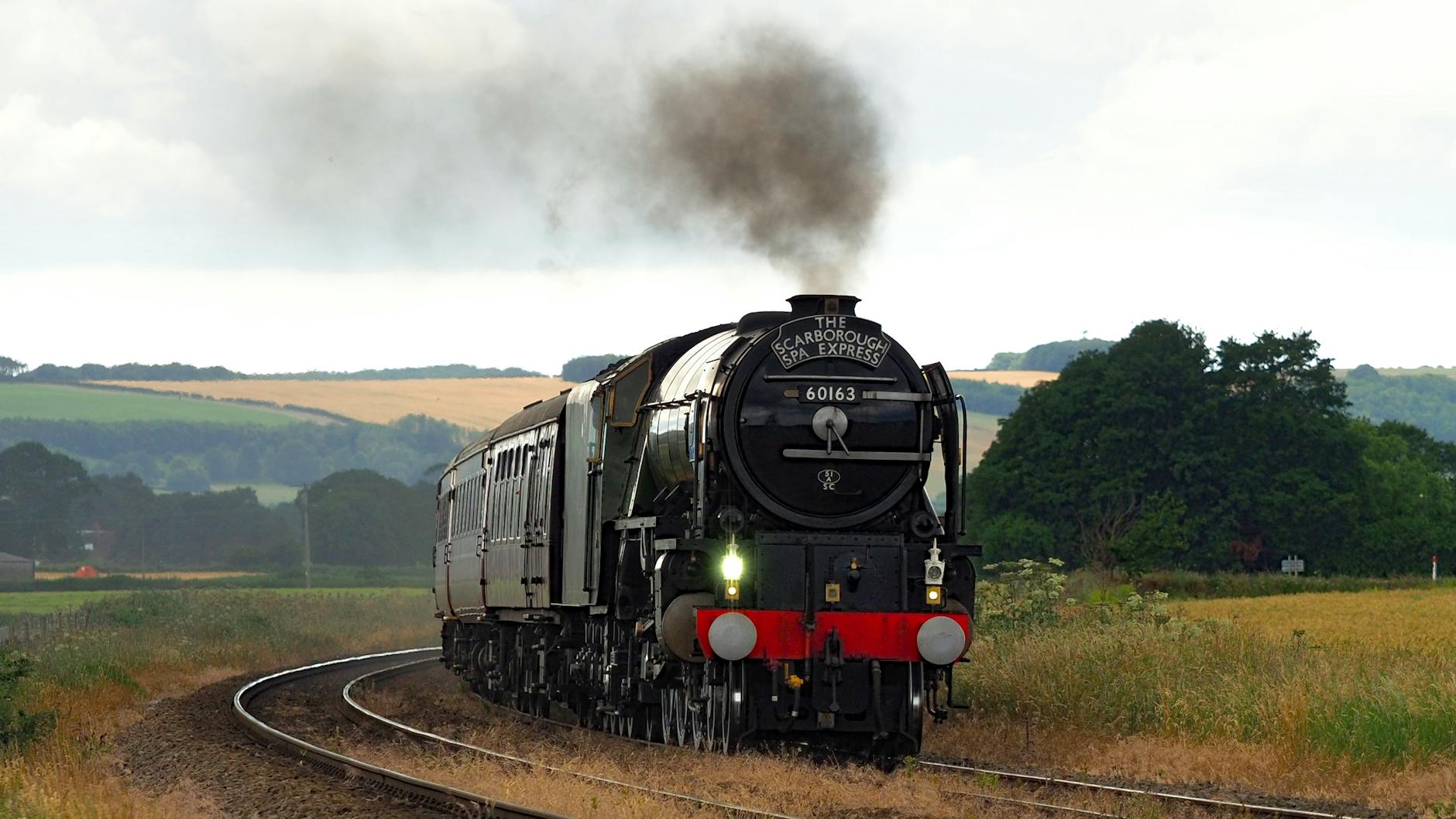
The Gloucestershire Warwickshire Steam Railway runs fourteen miles along the foot of the escarpment from Broadway to Cheltenham Racecourse, and Winchcombe station — a mile out of town at Greet — is its operational heart, with the workshops and the carriage sheds. The run north to Broadway takes you through Greet Tunnel, the longest on any heritage line in Britain, and the views west across the Vale of Evesham are the best from any train in the region.
A round trip takes two and a half to three hours. Services run most weekends year-round and daily in high summer, with special timetables at Christmas; check the railway’s own site before travelling. It is the easiest way to link Winchcombe with Broadway without a car, and by some distance the most enjoyable.
Other things to do in Winchcombe
- Winchcombe Pottery — founded in 1926 and one of the oldest working craft potteries in Britain, still throwing and firing in the traditional English slipware line. The shop is open most weekdays; you can usually see work in progress. It is a mile north of the centre.
- Winchcombe Museum — small, volunteer-run, in the old town hall, with a good local archaeology collection and a slightly startling display of police uniforms.
- The town’s inns — several genuinely old ones on the High Street and North Street, doing proper walkers’ food. See our historic pubs guide.
- Farmers’ market — a monthly market brings producers into the centre; check the current date before making a special trip.
- Sudeley’s grounds alone — in some seasons the gardens open without the house, which is cheaper and, honestly, the better half.
The tobacco story
In the seventeenth century Winchcombe grew tobacco commercially — genuinely, in fields around the town — until the government suppressed the trade to protect the Virginia colonies and sent troops to trample the crop. Tobacco Close is still a street name. It is the sort of detail that tells you more about a place than another paragraph about honey-coloured stone.
Getting to Winchcombe
By bus. The 606 runs from Cheltenham roughly hourly Monday to Saturday and continues to Broadway, which makes Winchcombe one of the easier Cotswold towns to reach without a car. Sunday services are limited. See the bus routes guide.
By train. Cheltenham Spa is the nearest mainline station, eight miles away, with direct services from London Paddington in about two and a quarter hours — then the 606. Alternatively take the steam railway from Cheltenham Racecourse. Our Cotswolds by train guide has the connections.
By car. Winchcombe is on the B4632 between Cheltenham and Broadway. There is a pay-and-display car park on Back Lane behind the High Street, plus limited on-street parking. It fills by mid-morning on summer weekends.
Where to stay
Winchcombe punches above its weight for beds because of the Cotswold Way — several old coaching inns with rooms, a good run of B&Bs used to walkers arriving muddy at four o’clock, and a couple of smarter options out towards Sudeley. Expect £110–£155 for a mid-range double with breakfast.
It is a strong base if walking is your priority and a reasonable one otherwise: Cheltenham is twenty minutes, Broadway fifteen, Stow and Bourton half an hour, and Chipping Campden about forty minutes. Our B&B guide and where to stay guide cover the area.
Is Winchcombe worth visiting?
Yes, if you will walk. Winchcombe’s High Street is handsome but it is not Chipping Campden and it never will be — the buildings are good rather than extraordinary, there is traffic through the middle, and an hour will exhaust the shopping. If you drive in, look at the church, buy a sandwich and drive out, you will wonder what the fuss was.
Spend a day on foot and it becomes one of the two or three best towns in the region. Belas Knap, Sudeley, Hailes and the Cleeve Hill ridge are all within a morning’s walk of the same car park, they span five thousand years between them, three of the four are free, and you will share them with almost nobody. That combination does not exist anywhere else in the Cotswolds.
What to skip: nothing much, though Winchcombe Museum is fifteen minutes rather than an hour, and Sudeley in early spring can be thin if the gardens have not come on yet.
Frequently asked questions about Winchcombe
What is Winchcombe famous for?
Sudeley Castle, where Katherine Parr lived and is buried; Belas Knap long barrow on the ridge above; and being the walking capital of the Cotswolds, with five long-distance paths meeting in the town. It was also the capital of its own Anglo-Saxon shire.
How long does it take to walk to Belas Knap?
About forty minutes each way from the town centre, roughly a mile and a half, and steeply uphill most of the way. Allow two hours for the round trip with time at the top, and wear proper footwear.
Is Belas Knap free?
Yes. It is in the care of English Heritage, unstaffed and open at any reasonable hour, with no charge. There is limited roadside parking at Corndean Lane if you would rather not walk up from the town.
Can you walk from Winchcombe to Sudeley Castle?
Yes — it is about ten minutes on a signed footpath from the top of the High Street, and walking in is more pleasant than driving to the car park.
Is Winchcombe a good base for the Cotswolds?
For walkers it is the best in the region. For general sightseeing it is good rather than ideal: Cheltenham, Broadway and Stow are all within half an hour, but Cirencester, Burford and the southern Cotswolds are an hour or more.
How do you get to Winchcombe without a car?
Take a train to Cheltenham Spa, then the 606 bus, which runs roughly hourly Monday to Saturday and continues to Broadway. The steam railway from Cheltenham Racecourse is the scenic alternative on operating days.
What is there to do in Winchcombe when it rains?
Honestly, not a great deal in the town itself — the church, the small museum, the pottery and the pubs. Sudeley’s house is indoors when it is open, and Cheltenham is twenty minutes away with museums and restaurants. Our rainy day guide has options.
When is the best time to visit Winchcombe?
Late May to early July: Sudeley’s gardens are at their peak, the walking festival runs in May, the paths are dry and the escarpment is at its best. October is the quiet alternative, with good colour on the beech hangers.
Come with boots, leave the car in the Back Lane car park and give the town a whole day. From here, the Sudeley Castle guide covers the castle in full, our guide to the Cotswold towns compares Winchcombe with the fifteen others, the Broadway guide covers the town at the other end of the steam line, and the north Cotswolds itinerary strings the whole area together.
If Winchcombe station looks familiar, it may be because Father Brown’s suspects keep catching trains from it. The restored station on the steam railway is one of several Father Brown locations around the town, alongside the church at Sudeley Castle. Our guide to Father Brown filming locations maps the rest, from Blockley to Broughton Castle.
Photo Credits
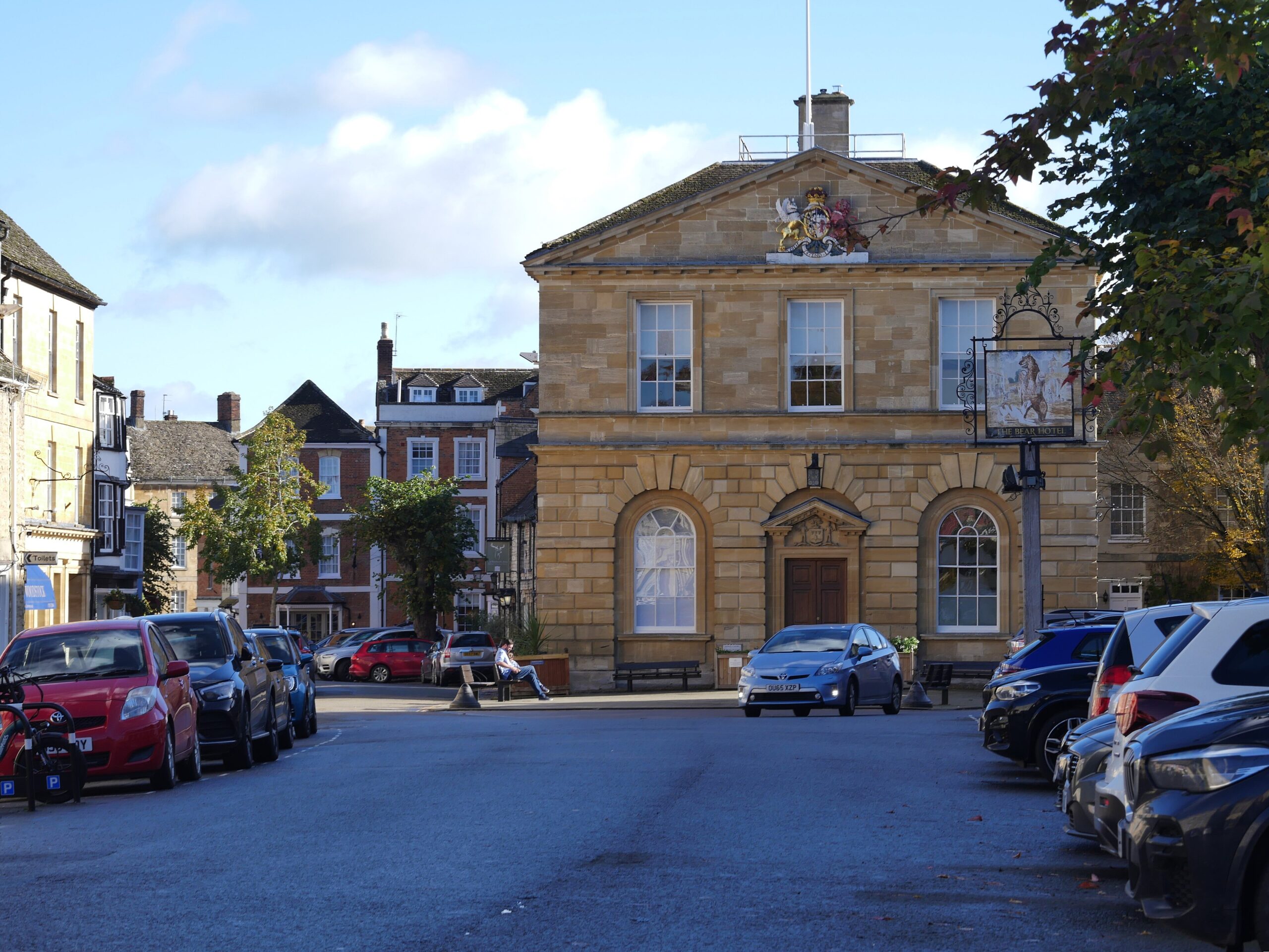
Winchcombe High Street: Winchcombe – View NE along High St – geograph.org.uk – 5618980 by Colin Park, CC BY-SA 2.0, via Wikimedia Commons.
Sudeley Castle below the escarpment, with Winchcombe beyond: Sudeley Castle – geograph.org.uk – 1700279 by Michael Dibb, CC BY-SA 2.0, via Wikimedia Commons.
Leave a Reply