Some places make you stop in your tracks the moment you see them, and Blenheim Palace is firmly one of them. You approach through the little town of Woodstock, pass under an unassuming archway, and then the whole baroque spectacle opens up in front of you: a vast honey-and-grey palace, a triumphal bridge, a glittering lake and parkland rolling away to the horizon. It is the only non-royal country house in England grand enough to be called a palace, and after many visits I still get that same jolt of disbelief every single time.
This complete Blenheim Palace guide covers everything you need to plan your visit, from its remarkable history and the rooms and gardens you should not miss, to tickets, opening times, the best time to visit and how to get there. A quick note on geography first: Blenheim sits in Woodstock, Oxfordshire, on the eastern edge of the Cotswolds rather than deep within the hills. It is easily combined with a Cotswolds trip, and it is comfortably the most spectacular of the region’s things to do, so I would not dream of leaving it off any itinerary.
Why Visit Blenheim Palace?
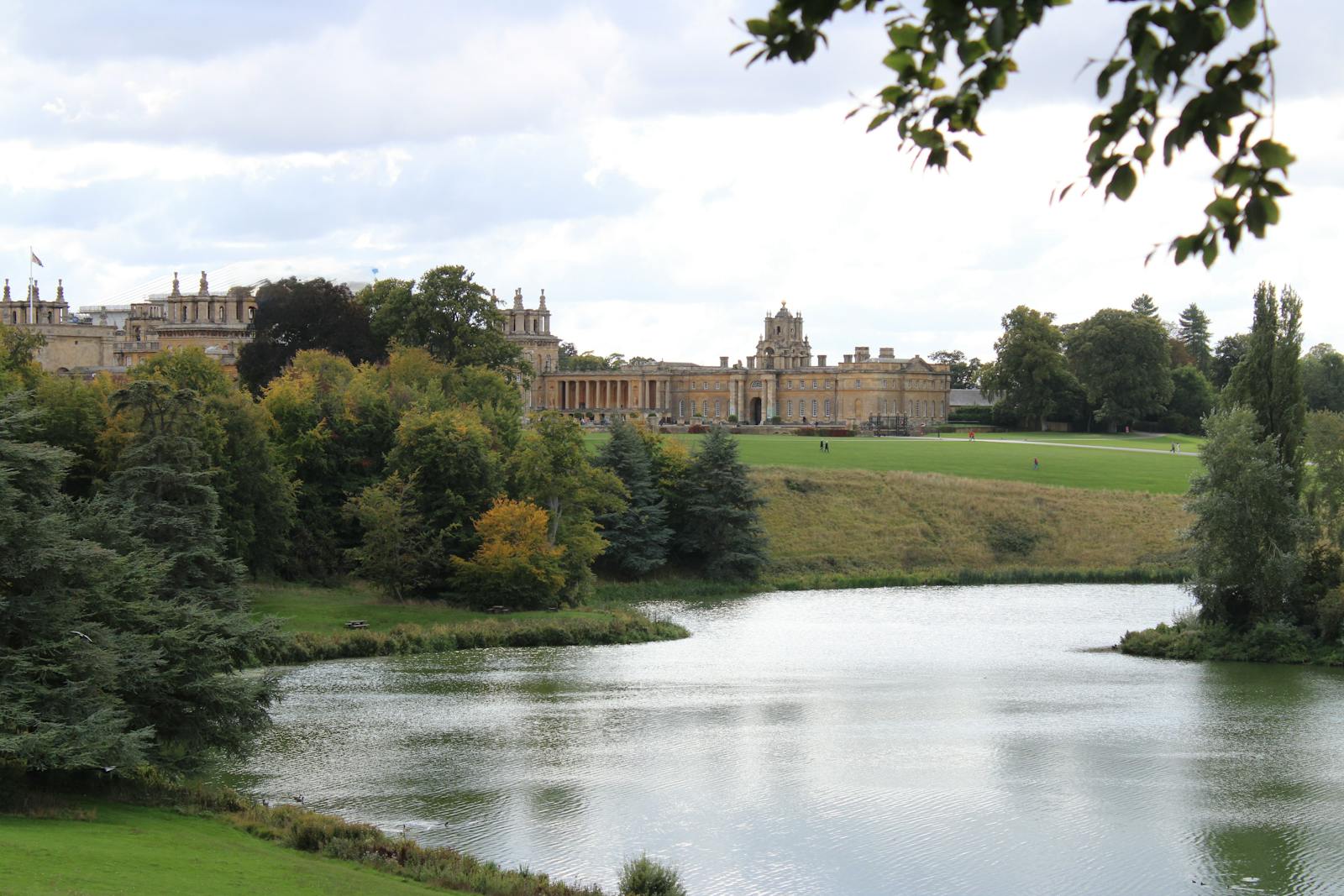
Blenheim wears its superlatives lightly, but they are worth spelling out. It has been a UNESCO World Heritage Site since 1987, recognised as a masterpiece of English Baroque architecture. It is the ancestral home of the Dukes of Marlborough and, most famously of all, the birthplace of Sir Winston Churchill, who was born here on 30 November 1874. Add 2,000 acres of parkland landscaped by the greatest of all English garden designers, and you have a day out that works on almost every level: history, architecture, gardens, family fun and simple jaw-dropping spectacle.
What I love most is how much variety is packed into one estate. You can spend the morning in opulent State Rooms hung with tapestries, lose the children in an enormous adventure playground after lunch, get lost (literally) in one of the world’s largest hedge mazes, and still have time for a walk by the lake before closing. It rewards a full day, and many visitors come back again and again.
A Short History: Vanbrugh’s Baroque Masterpiece
Blenheim owes its existence to a battle. In 1704, John Churchill, the 1st Duke of Marlborough, led the allied armies to a decisive victory over the French at the Battle of Blenheim, and a grateful Queen Anne and nation rewarded him with a royal manor and the money to build a palace in its place. The result, designed by the playwright-turned-architect Sir John Vanbrugh with Nicholas Hawksmoor and built between 1705 and 1722, is the boldest statement of English Baroque ever raised.
It has been the seat of the Dukes of Marlborough ever since, and the Churchill connection runs right through its story. Sir Winston was born in a modest ground-floor room here, proposed to his wife Clementine in the estate’s Temple of Diana, and chose to be buried not in the grand palace but in the simple churchyard at nearby Bladon, within sight of his birthplace. Visiting his grave at St Martin’s Church in Bladon, a short trip from the palace, makes a quietly moving addition to the day. You can read more about the wider story in our guide to Cotswolds history and heritage.
Inside the Palace: State Rooms & the Churchill Exhibition
The interior more than lives up to the exterior. The grand State Rooms are a procession of marble, gilt and priceless tapestries, including the famous Blenheim Tapestries that depict the Duke’s military campaigns, and the breathtaking Long Library running some 180 feet along the west front. The painted ceiling of the Great Hall, soaring 67 feet above you, sets the tone the moment you step inside.
Beyond the State Rooms, several included exhibitions are well worth your time. The Churchill Exhibition gathers letters, paintings and personal effects in the very room where he was born. “Blenheim Palace: The Untold Story” is an immersive, theatrical walk through 300 years of history narrated by the ghost of a former housekeeper, which younger visitors tend to love. And “Life Below Stairs” reveals the world of the servants who kept this enormous house running. Allow at least a couple of hours to do the inside justice.
The Gardens & Park: Capability Brown’s Masterwork
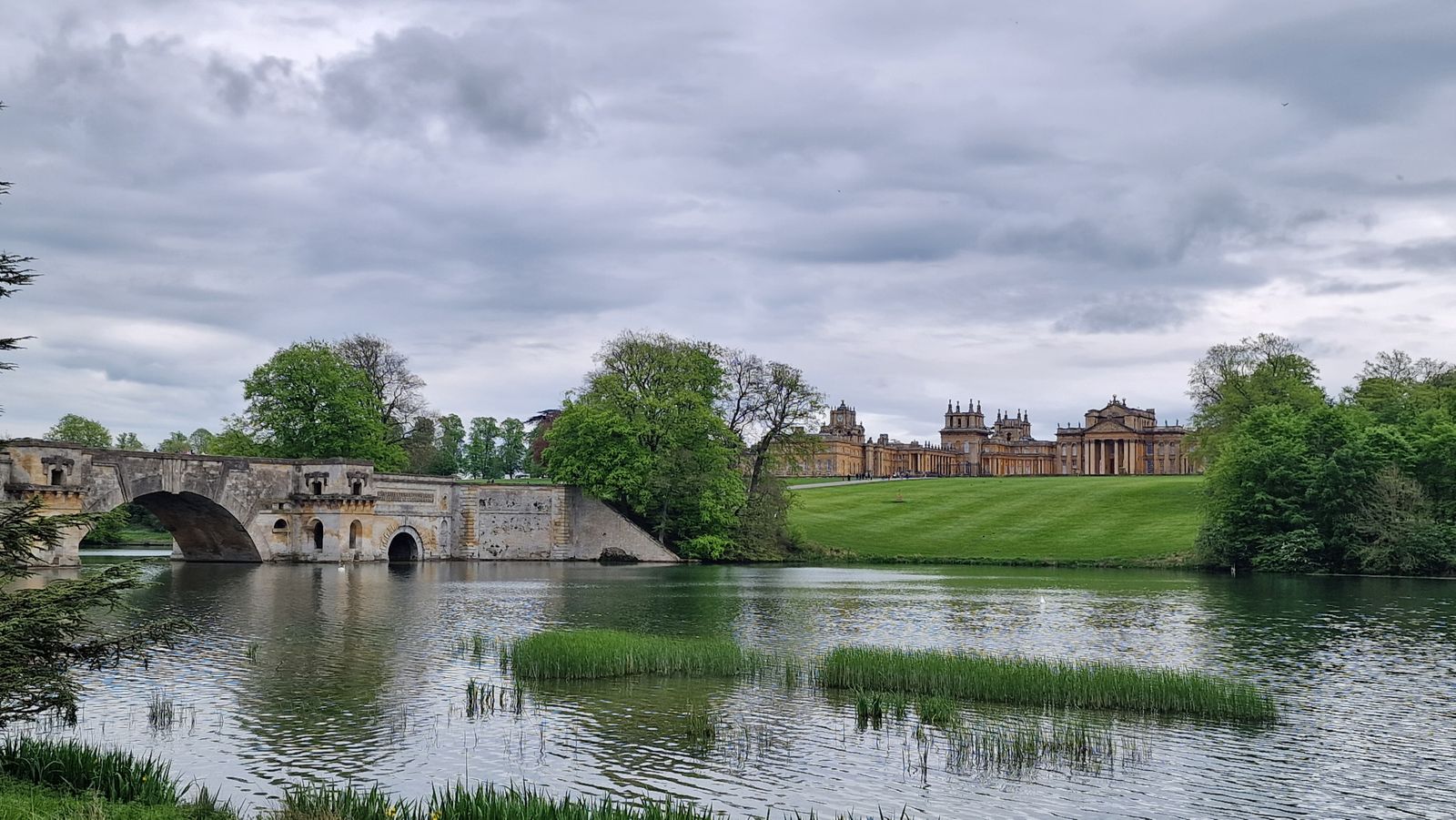
If anything rivals the palace, it is the landscape around it. From the 1760s the legendary Lancelot “Capability” Brown reshaped the grounds, damming the River Glyme to create the magnificent lake that Vanbrugh’s Grand Bridge now appears to float upon. The view across the water to the bridge and palace is one of the most photographed in England, and rightly so.
Closer to the house, the Formal Gardens reward unhurried exploration: the Italian Garden, the symmetrical Water Terraces inspired by Versailles, the Secret Garden’s winding paths and the fragrant Rose Garden. Beyond them stretch more than 2,000 acres of “Capability” Brown parkland, perfect for a long walk, a picnic by the lake, or simply finding a quiet spot away from the crowds. Keen walkers will find plenty more inspiration in our guide to walking in the Cotswolds.
Family Fun: The Maze, Miniature Train & Adventure Play
Blenheim is one of the best big days out in the area for families, which is why it features in our guide to the Cotswolds with kids. The hub of the fun is the Walled Garden, reached on foot or aboard Winston the miniature train that trundles down from the palace. There you will find the Marlborough Maze, one of the world’s largest symbolic hedge mazes, with over 3,000 yew trees laid out in a pattern of cannon, flags and trumpets celebrating the Duke’s victories. Alongside it sit the Butterfly House and, for an extra ticket, a huge Adventure Play area that can happily absorb energetic children for an hour or two.
Tickets, Prices & the Free Annual Pass
Here is the single most useful thing to understand about visiting Blenheim: when you buy a standard Palace, Park & Gardens ticket, your admission is treated as a donation and is automatically converted into a 12-month Annual Pass at no extra cost, so you can return as many times as you like for a year. It is one of the best-value tickets in the country if you live within striking distance, and a lovely bonus even for visitors.
As a guide to 2026-season pricing (always check the official website for the latest), the main ticket tiers are roughly:
- Palace, Park & Gardens — around £41 adult, £24 child, £110 family (the all-rounder, and the one that converts to an annual pass).
- Park & Gardens only — around £31 adult, £15 child, £85 family (great value if you mainly want the grounds, gardens and maze).
- Palace & Play — around £51 adult, £41 child, £165 family (adds the Adventure Play area for families).
Children under three go free. A genuinely worthwhile money-saver: arrive by train, bus or bike and you can claim 20% off Palace, Park & Gardens tickets with the code GREEN20 (show proof on arrival). If you are watching the budget, our guide to the Cotswolds on a budget has more tips like this.
Opening Times & the Best Time to Visit
The Park usually opens daily from around 9.00am, with the Palace itself opening at 10.30am and last admission to the State Rooms in the late afternoon. Hours are shorter in winter and there are occasional closures for private events, so it always pays to check the opening-times page before you set off.
As for timing, each season has its charms. Spring brings tulips to the Water Terraces and blossom across the park. Summer is liveliest, with festivals, jousting and open-air events (and the biggest crowds). Autumn sets the parkland ablaze with colour and is my personal favourite for a quiet weekday walk. And in the run-up to Christmas, Blenheim hosts a spectacular illuminated light trail after dark. To plan around the seasons more broadly, see our guide to the best time to visit the Cotswolds.
How to Get to Blenheim Palace
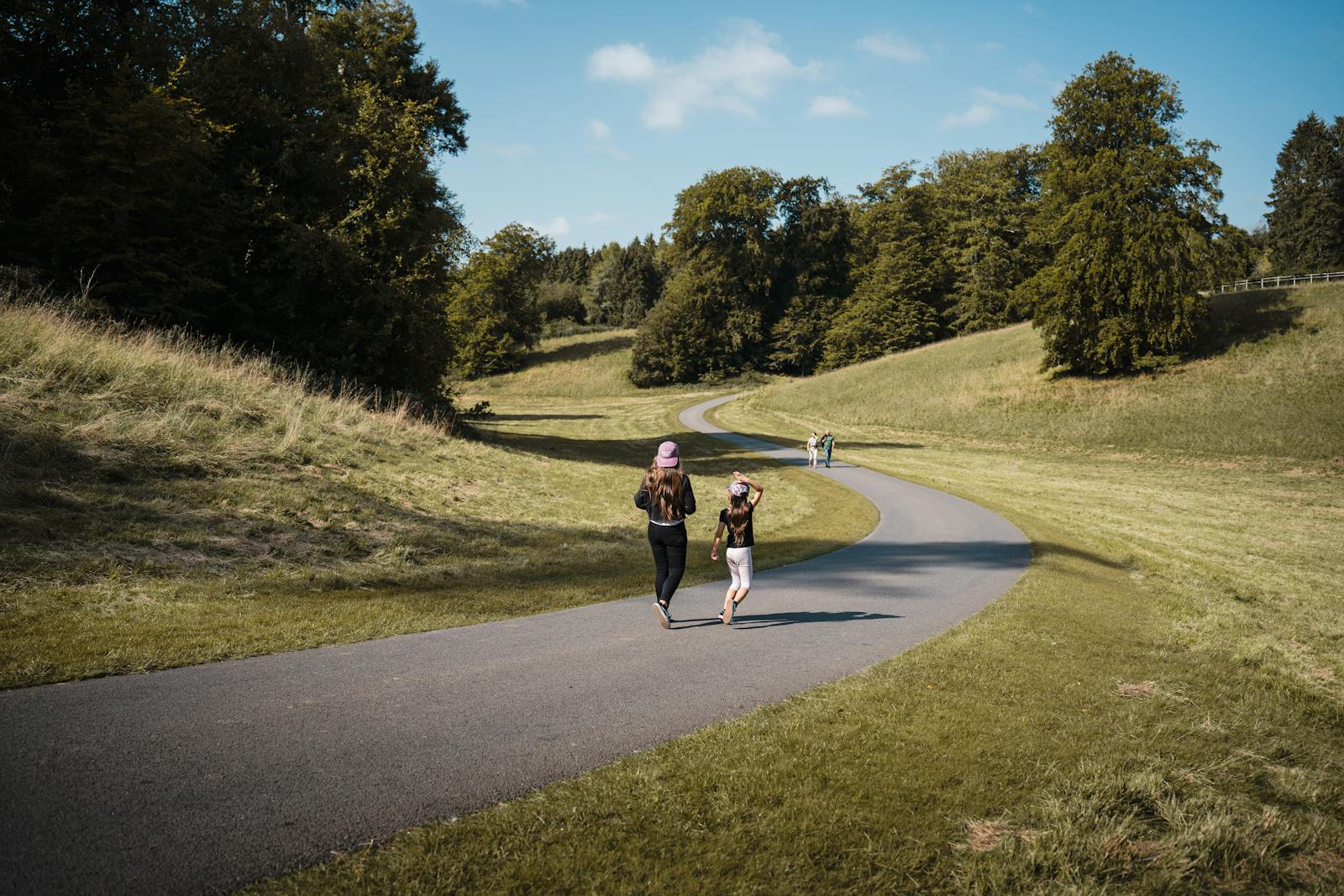
Blenheim sits on the edge of Woodstock, about eight miles north-west of Oxford, with the postcode OX20 1UL. By car it is straightforward, roughly 20 minutes from Oxford, and there is free on-site parking (a charge applies only at a few special events).
By public transport, the nearest railway station is Hanborough, about two miles away, while frequent trains also serve Oxford and Oxford Parkway. From Oxford or Oxford Parkway, the Stagecoach S3 or S7 bus runs to Woodstock close to the palace gates, and remember that arriving car-free unlocks that 20% GREEN20 discount. If you are coming from further afield in the region, our guide to getting to and around the Cotswolds will help you plan the journey.
A House Saved by an American Heiress
For all its grandeur, Blenheim has not always been secure. The colossal cost of building and maintaining the palace left generations of the Marlborough family struggling, and by the late 19th century the house and its treasures were in real jeopardy. The rescue came, famously, through marriage: in 1895 the 9th Duke of Marlborough wed the American railroad heiress Consuelo Vanderbilt, whose vast dowry helped restore the palace and its grounds. It was a union of money and title typical of the “Gilded Age”, and though the marriage itself was unhappy, the Vanderbilt fortune undeniably helped save Blenheim for the nation.
The 9th Duke also reshaped the formal gardens you see today, commissioning the French landscape architect Achille Duchêne to create the magnificent Water Terraces on the palace’s west side in the early 20th century. So while Vanbrugh built the bones of Blenheim and Capability Brown softened its parkland, much of its formal beauty is a later, Edwardian flourish, a reminder that great houses are never truly finished but constantly evolving.
Events at Blenheim Through the Year
Blenheim runs one of the busiest events calendars of any house in the country, and timing your visit to coincide with something special can make a memorable day even better. Spring sees the famous tulips bloom on the Water Terraces. Summer is the liveliest season, with highlights that often include a flower show, a food festival, live jousting and open-air concerts and theatre in the grounds. Autumn brings glorious colour to the parkland and quieter weekdays for walking.
The headline winter event is the spectacular after-dark Christmas light trail, which winds through the gardens past dazzling illuminations, usually from late November into the new year (it is ticketed separately). Because the programme changes each year, and some events mean parts of the estate are closed or busier than usual, it always pays to check the official what’s-on calendar when you plan. For more seasonal ideas across the region, see our guide to Cotswolds events and festivals.
Eating, Shopping & Making a Day of It
There is no need to bring a packed lunch unless you want to. The estate has several places to eat, from the elegant Orangery Restaurant overlooking the Italian Garden to more relaxed cafés and a pizzeria in the Walled Garden, plus a well-stocked gift shop. That said, the parkland is also perfect for a picnic by the lake if the weather is kind.
To make a full day of it, combine Blenheim with the handsome town of Woodstock right on its doorstep, which has antique shops, tearooms and historic coaching inns, or push on into the wider Cotswolds. Blenheim pairs especially well with a visit to nearby Burford, the “Gateway to the Cotswolds”, or with the city of Oxford just down the road. For a second grand house with a completely different, more intimate character, our guide to Sudeley Castle makes the perfect follow-up, and you will find more ideas among our Cotswolds itineraries.
Accessibility & Practical Tips
Blenheim is large, so a little forward planning helps everyone enjoy it. Much of the palace and gardens is accessible, with Blue Badge parking near the entrance, a free shuttle and accessible routes through the main State Rooms and grounds, though the historic building inevitably has some steps. Wear comfortable shoes, as you will cover a lot of ground between the palace, the formal gardens and the Walled Garden, and allow time to walk (or take the miniature train) between them.
Arrive earlier in the day to enjoy the State Rooms before they get busy, then move outdoors as the day warms up. If you are visiting with children, build in plenty of time for the Adventure Play area and maze towards the end, when little legs are flagging. And do hold on to your ticket: with the free annual-pass conversion, you may well want to come back and see Blenheim in a different season.
Frequently Asked Questions
Is Blenheim Palace in the Cotswolds?
Blenheim is in Woodstock, Oxfordshire, on the eastern edge of the Cotswolds rather than within the hills themselves. It is only about 20 minutes from Oxford and is very easily combined with a Cotswolds trip, which is why it appears on almost every list of the region’s top attractions.
Why is Blenheim Palace famous?
It is a UNESCO World Heritage Site, a masterpiece of English Baroque architecture, the seat of the Dukes of Marlborough, and the birthplace of Sir Winston Churchill in 1874. Its Capability Brown park and lake are also among the finest in England.
How much are Blenheim Palace tickets?
For the 2026 season, a Palace, Park & Gardens ticket is around £41 adult, £24 child and £110 family, with cheaper Park & Gardens-only tickets available. Admission usually converts free into a 12-month annual pass. Always check the official website for current prices.
How long do you need at Blenheim Palace?
Allow at least half a day, and a full day if you want to see the State Rooms, exhibitions, formal gardens, maze and (for families) the Adventure Play area without rushing. Many visitors find a whole day passes easily.
Can you visit Churchill’s grave near Blenheim?
Yes. Sir Winston Churchill is buried in the churchyard of St Martin’s Church in nearby Bladon, a short drive or bus ride from the palace, alongside other members of his family. It is a simple, moving spot that makes a fitting end to a Blenheim visit.
Make a Day of It
Blenheim Palace is the kind of place that can fill a whole day on its own, but it also pairs beautifully with the surrounding area, from the antique shops of Woodstock to the wider Cotswolds beyond. For another unforgettable historic house with a very different character, see our guide to Sudeley Castle, and browse the rest of our 50 best things to do in the Cotswolds to build the perfect trip around it.