If you have ever watched Countryfile on a Sunday evening, you already know Adam Henson, and his Cotswold Farm Park is exactly the warm, hands-on, gloriously muddy day out you would hope for. Tucked into the rolling hills near Guiting Power, this is a working farm with a serious conservation mission and a wonderful knack for letting children (and their grown-ups) get up close to rare and friendly farm animals. On a sunny spring morning, with new lambs bleating in the barn, there are few happier places in the region.
This Cotswold Farm Park guide tells you everything you need to plan a visit: the Henson family story, the rare breeds you will meet, the hands-on activities and play areas, the brilliant seasonal events, where to stay on site, and the practical details on tickets, pre-booking and getting there. It is one of the most genuinely family-friendly things to do in the Cotswolds, and a firm favourite with younger visitors.
The Henson Story: From Joe to Adam
Cotswold Farm Park was founded in 1971 by Joe Henson, a farmer with a pioneering passion for saving Britain’s rare and traditional farm breeds from extinction. Joe was a founder of the Rare Breeds Survival Trust, and the farm became one of the first places in the country where the public could meet these animals and learn why they matter. Today it is run by his son, the broadcaster and farmer Adam Henson, together with his business partner Duncan Andrews, and that conservation mission still sits right at its heart.
That heritage is what gives the farm park its character. This is not a generic petting zoo but a genuine working farm with a story to tell, and you will find living descendants of the very breeds that shaped this landscape, including the Cotswold Lion, the long-fleeced sheep whose wool made the medieval Cotswolds rich. You can read more about that history in our guide to Cotswolds history and heritage.
Meet the Rare Breeds
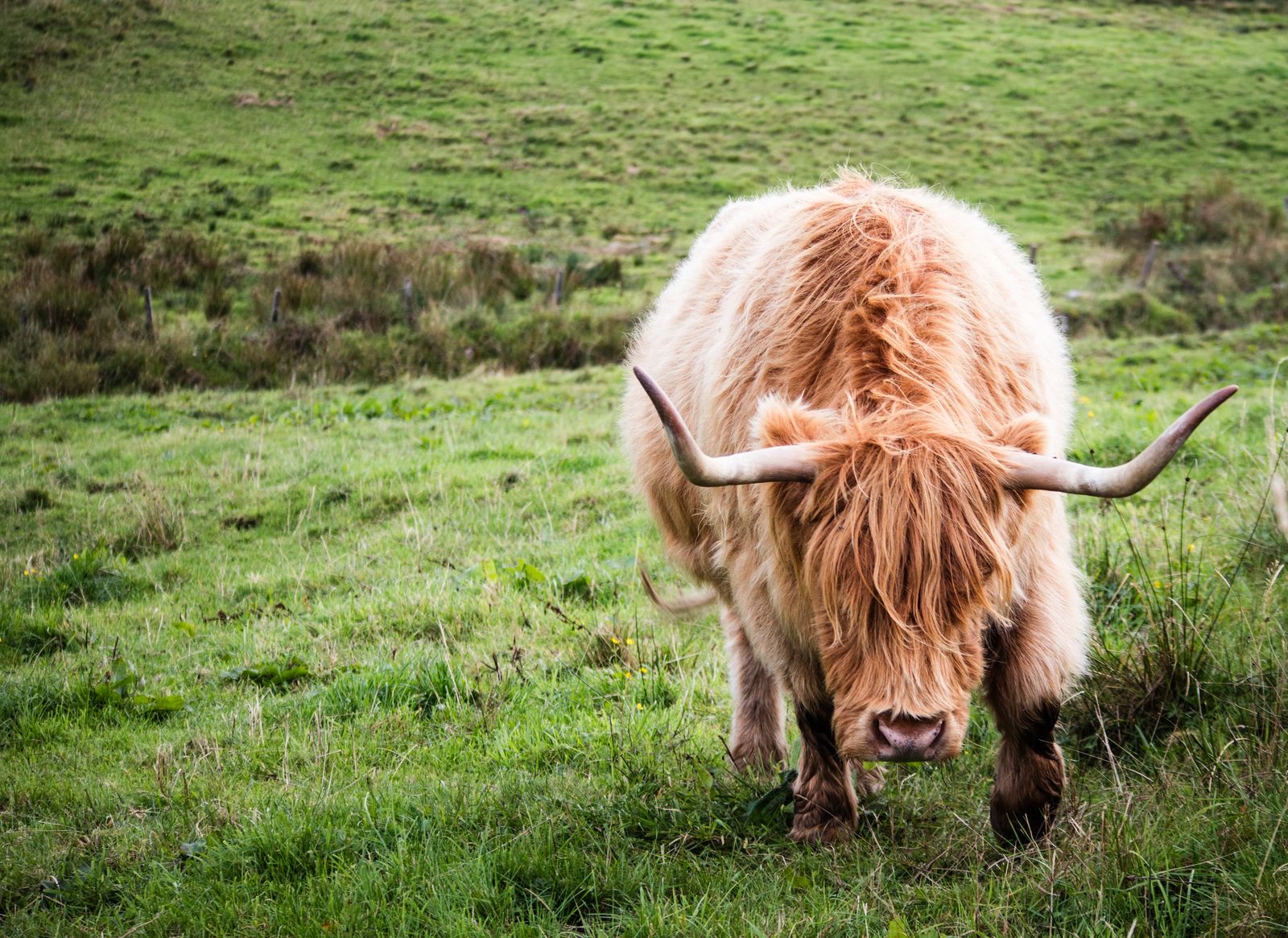
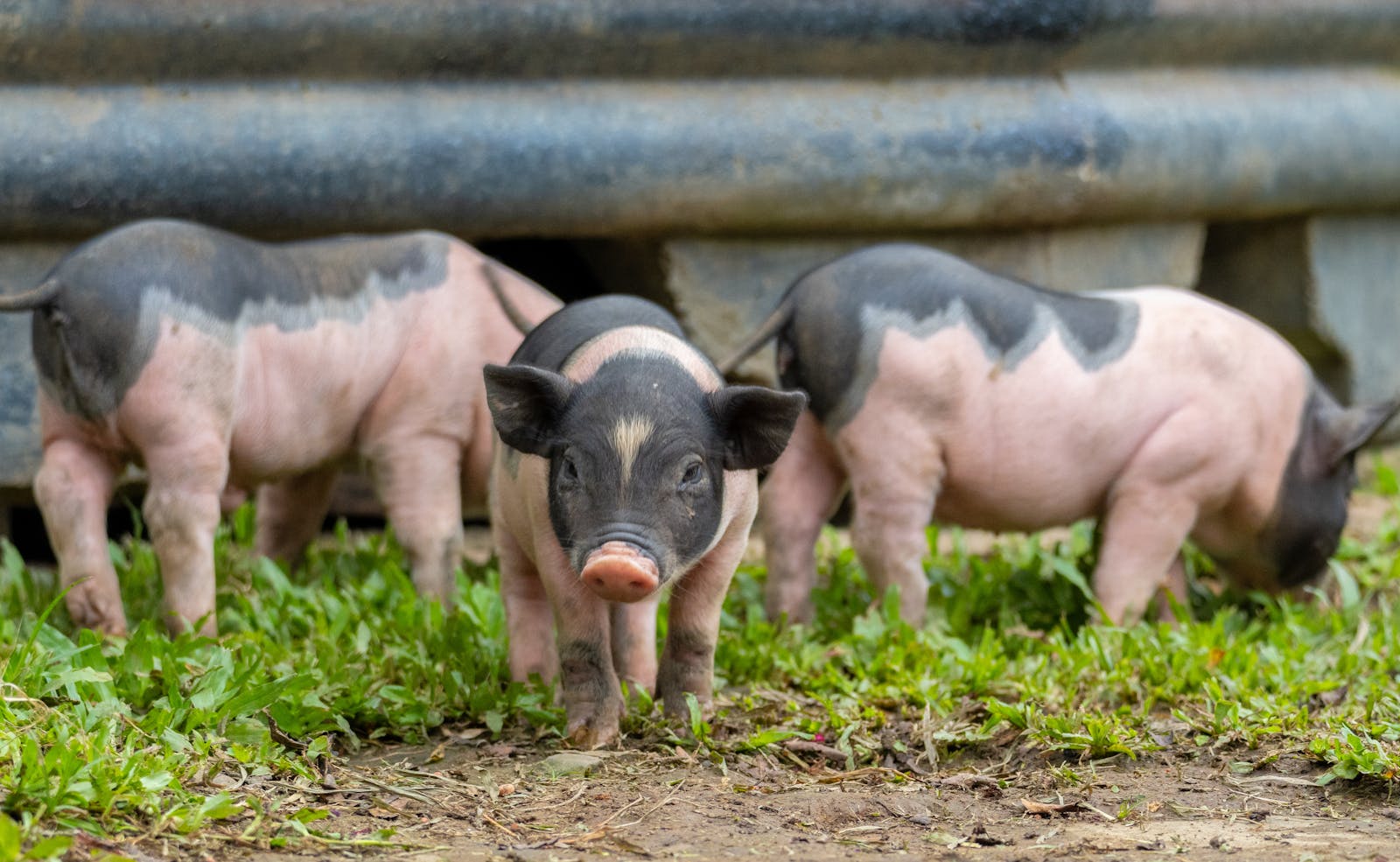
The animals are, of course, the main event. Following the Rare Breeds Walkway, you will meet more than 50 flocks and herds, arranged almost like a living history of British farming. Shaggy Highland cattle with their enormous horns are perennial favourites, alongside Gloucestershire Old Spot pigs, Middle White pigs, friendly donkeys and a host of traditional sheep breeds, including those famous Cotswold Lions.
What makes it special is how hands-on it all is. In the Discovery Barn (the “Touch Barn”) children can handle chicks, rabbits and guinea pigs, and on the walkway you can buy animal feed to hand to the eager residents. It is the kind of gentle, real-world encounter with animals that so many children rarely get, and it tends to leave a lasting impression.
Hands-On Family Fun
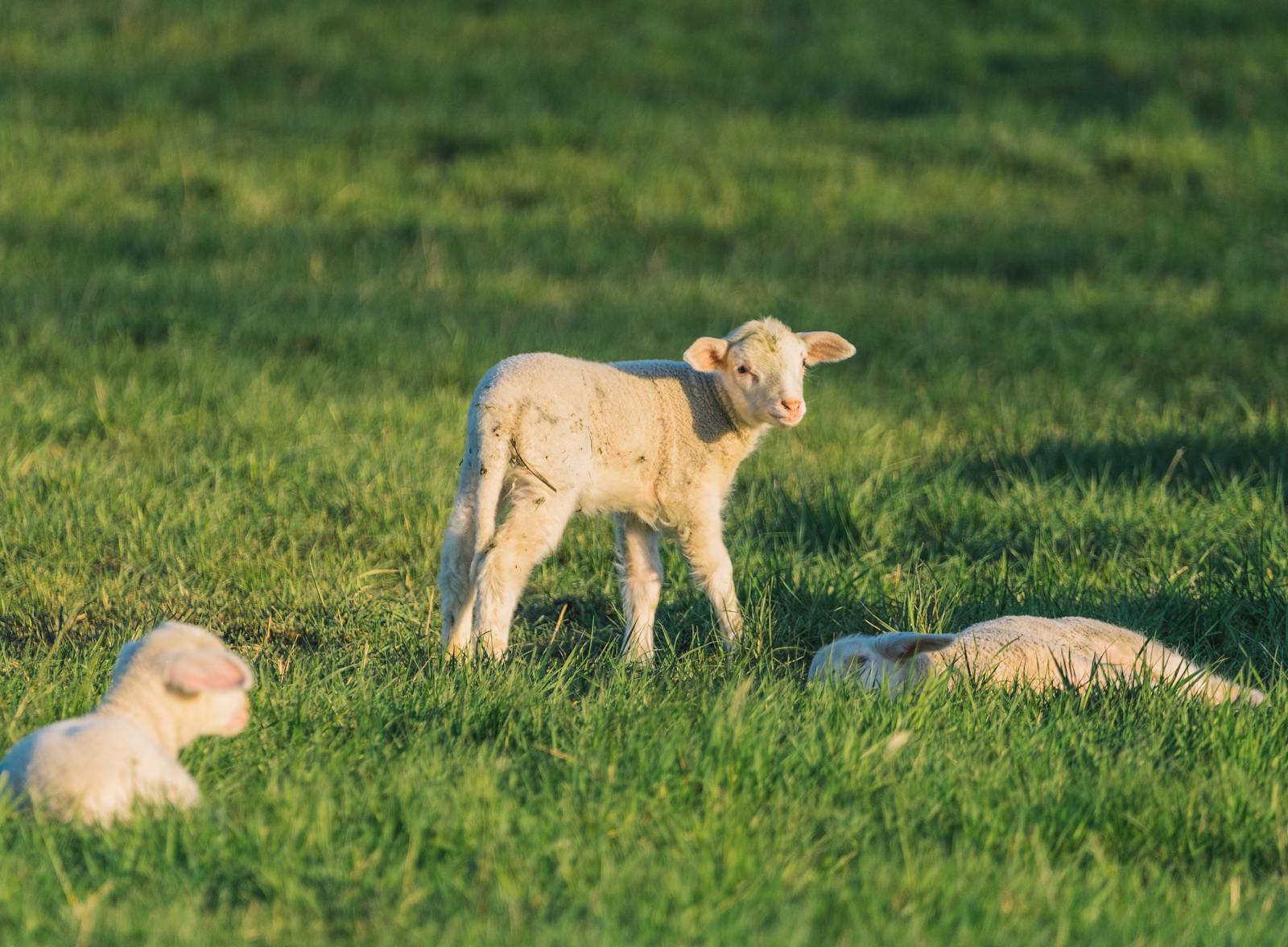
Beyond the animals, there is more than enough to fill a day of play, which is why the farm park appears in our guide to the Cotswolds with kids. The undoubted highlight in spring is bottle-feeding lambs and goat kids in the Animal Barn, which usually happens at 11.30am and 3.30pm and is included with admission, an experience small children adore.
For burning off energy there are huge bouncy “jumping pillows”, a zip wire, sandpits, pedal and electric tractors, and an indoor Adventure Barn for wet-weather play. In summer a quiz-style maze opens, where children answer rare-breed questions to find their way through, and seasonal tractor-and-trailer rides trundle out across the farm. There is also a gentle two-mile Wildlife Walk for those who fancy stretching their legs in the surrounding countryside, which links nicely with our guide to outdoor activities in the Cotswolds.
Seasonal Highlights: Lambing, Shearing & More
One of the joys of a working farm is that there is always something different happening, and Cotswold Farm Park runs a packed seasonal calendar. Lambing Live in spring (typically through the February to April school holidays) is the big draw, with the chance to see newborn lambs and even live births. Late spring brings sheep-shearing demonstrations, summer adds the maze and colourful flower fields, and October is all about the hugely popular pick-your-own pumpkin patch.
Throughout the year there are themed weekends celebrating everything from Highland cows to pigs and donkeys. Because the programme changes constantly, it is well worth checking the farm’s events calendar when you plan your trip, so you can time your visit around something special.
Stay Over: Camping, Glamping & Lodges
One of the loveliest things about Cotswold Farm Park is that you can stay the night. The on-site accommodation ranges from camping and touring pitches to comfortable glamping safari tents and cabins and, at the top end, luxury dog-friendly lodges complete with wood-fired hot tubs. Waking up in the middle of the Cotswold countryside, with the farm on your doorstep, is a real treat, and it makes the farm park a destination in its own right rather than just a day trip.
Prices vary by season and type, so check the farm’s holidays pages for the latest. For other ideas on where to base yourself, see our guide to where to stay in the Cotswolds.
Tickets, Pre-Booking & Opening Times
A couple of practical points make a big difference here. First, all visitors must pre-book online (except members and on-site holiday guests), so do not just turn up. Second, pricing is dynamic, meaning it varies by day and season; booking in advance and visiting on a term-time weekday secures the lowest rates. As a guide, online prices start from around £9.45 for adults and £8.10 for children aged 4 to 15, but always check the official site for the exact cost on your chosen date.
A lovely touch for families with toddlers is Toddler Tuesdays, when children aged 2 and 3 go free on term-time Tuesdays. The farm is generally open daily from around February to December, with hours that vary by season (often 9.30am to 4pm on weekdays and later at weekends), so confirm the times for your visit. For more savings ideas, see our guide to the Cotswolds on a budget.
Getting There, Eating & Accessibility
Cotswold Farm Park sits between the hamlets of Guiting Power and Kineton, near Stow-on-the-Wold (postcode GL54 5FL, though older satnavs may do better with GL54 5UG, then follow the brown tourist signs). Parking is free. A car is much the easiest way to get here, as public transport is limited; our guide to getting around the Cotswolds has more.
On site, the Ox Shed Restaurant serves hot food and snacks (and can be visited without a park ticket), and there is a gift shop. The farm is well set up for accessibility, with accessible walkways and a Changing Places facility, and it is dog-friendly across much of the site. After your visit, the handsome town of Stow-on-the-Wold is just a few minutes away for a wander and a cup of tea.
Why Rare Breeds Matter
It is worth pausing on the idea at the heart of Cotswold Farm Park, because it makes a visit so much more meaningful. Over the last century, modern intensive farming has favoured a handful of highly productive breeds, and dozens of traditional British farm animals, hardy, characterful breeds perfectly suited to their local landscapes, came close to disappearing altogether. Joe Henson and a small group of like-minded farmers founded the Rare Breeds Survival Trust in the 1970s precisely to stop that happening, and the farm park was one of the first places to put these animals in front of the public.
So when you meet the Cotswold Lion sheep, the Gloucestershire Old Spot pig or the Highland cow here, you are looking at living history, and at a conservation success story. Many of these breeds have been brought back from the brink, and the farm continues to play an active role in keeping their bloodlines alive. It is a genuinely uplifting thing to explain to children as you wander the walkway, and it turns a fun day out into something that quietly matters.
A Year at the Farm Park
Because it is a real working farm, Cotswold Farm Park changes with the seasons, and it is worth knowing what each one brings so you can time your visit. Spring (February to April) is the headline season, with Lambing Live: newborn lambs, bottle-feeding and the chance to witness live births, which is an unforgettable experience for children. Late spring and early summer bring sheep-shearing demonstrations and the first warm-weather play.
Through high summer the maze opens, the flower fields come into bloom, and the long days are perfect for tractor rides and outdoor play. Autumn is all about the hugely popular pick-your-own pumpkin patch in October and the golden colour of the surrounding countryside, while the run-up to Christmas often brings festive activities before the farm winds down for its winter break. Whenever you come, check the farm’s events calendar first, as there is usually a themed weekend or seasonal highlight to build your day around. Our guide to the best time to visit the Cotswolds can help with the wider picture.
Tips for Visiting with Young Children
This is a farm park built with families firmly in mind, but a few tips will help the day run smoothly. Aim to arrive for one of the bottle-feeding sessions (usually 11.30am and 3.30pm) as these are the undoubted highlight for little ones. Dress everyone for mud and changeable weather, including wellies in spring and autumn, and remember the indoor Adventure Barn is a lifesaver if it rains.
Don’t miss Toddler Tuesdays in term time, when children aged 2 and 3 go free, and take advantage of the Wildlife Walk if you have older children with energy to burn. There is hand-washing throughout (important after handling animals), baby-changing and a Changing Places facility, and the Ox Shed restaurant for hot meals and snacks. With a little planning, families can very happily spend a full day here. For more family inspiration, see our guide to the Cotswolds with kids.
Food, Facilities & the Wider Area
On site, the Ox Shed Restaurant serves hot food, cakes and drinks (and can be visited without a park ticket), there is a gift shop stocked with farm produce and toys, and free parking makes arrival easy. The farm is well set up for accessibility, with accessible walkways and a Changing Places facility, and it is dog-friendly across much of the site, which is a real bonus for visitors travelling with a four-legged friend.
The farm park sits in some of the prettiest countryside in the north Cotswolds, so it is easy to build a wider day or weekend around it. The handsome town of Stow-on-the-Wold is just a few minutes away, and the much-loved village of Bourton-on-the-Water, with its model village and Birdland, is close enough to combine on a family trip. With the farm’s own on-site accommodation, you can even make it the centrepiece of a proper countryside break. For another superb animal day out, see our guide to Cotswold Wildlife Park.
Staying Over: The Full Farm Experience
One of the things that sets Cotswold Farm Park apart from a typical day attraction is that you can make it the heart of a whole holiday. The on-site accommodation ranges from camping and touring pitches for those who like to be close to nature, through comfortable glamping safari tents and cabins, to genuinely luxurious lodges with wood-fired hot tubs and all the trimmings. Several options are dog-friendly, so the whole family, four-legged members included, can come along.
Waking up in the middle of the Cotswold countryside, with the farm and its animals on your doorstep and miles of walking from the gate, is a real treat, and it turns the farm park from a half-day stop into a destination in its own right. Staying over also means you can enjoy the farm early and late, when day visitors have gone, and explore the surrounding hills at a gentle pace. Prices vary by season and type, so check the farm’s holidays pages for the latest, and see our guide to where to stay in the Cotswolds for more ideas.
Planning the Perfect Day
To get the very best from your visit, start with the practicalities: pre-book your tickets online (this is required and gets you the cheapest rates), aim for a term-time weekday if you want the lowest prices and smallest crowds, and arrive in good time for the first bottle-feeding session of the day. Pack for the great British weather in layers, with wellies for the muddy bits, and bring a change of clothes for younger children who will inevitably find the nearest puddle.
Beyond that, the secret is simply to slow down and let the children set the pace. This is a place to handle a guinea pig, watch a sheepdog work, bottle-feed a lamb and bounce until you are exhausted, the kind of simple, hands-on countryside day that creates lasting memories. Round it off with a walk on the Wildlife Walk or a cup of tea in the Ox Shed, and you have one of the warmest family days out the Cotswolds can offer.
Frequently Asked Questions
Who owns Cotswold Farm Park?
It was founded in 1971 by Joe Henson and is now run by his son, the BBC Countryfile presenter Adam Henson, together with his business partner Duncan Andrews. Conserving rare farm breeds remains central to the farm’s purpose.
Do you need to book Cotswold Farm Park in advance?
Yes. All visitors except members and on-site holiday guests must pre-book online. Booking ahead also secures the cheapest prices, as admission is priced dynamically by day and season.
How much is Cotswold Farm Park?
Online prices start from around £9.45 for adults and £8.10 for children aged 4 to 15, with toddlers and seniors at different rates; weekends and school holidays cost more. Check the official website for prices on your chosen date.
When is lambing at Cotswold Farm Park?
Lambing Live runs in spring, typically across the February to April school holidays, with bottle-feeding and the chance to see live births. Sheep-shearing demonstrations usually follow in late spring and early summer.
Can you stay overnight at Cotswold Farm Park?
Yes. The farm offers camping and touring pitches, glamping safari tents and cabins, and luxury lodges with hot tubs, so you can stay right beside the farm in the heart of the countryside.
Plan Your Visit
With its rare breeds, hands-on activities and brilliant seasonal events, Cotswold Farm Park is one of the warmest family days out the region has to offer. Combine it with the nearby town of Stow-on-the-Wold, or for more animal adventures see our guide to Cotswold Wildlife Park. There is plenty more to discover among our 50 best things to do in the Cotswolds.