The Cotswolds is one of the great gardening regions of England, and once you start visiting its gardens it becomes wonderfully hard to stop. Within a short drive of one another you will find a world-famous Arts and Crafts masterpiece, the only complete rococo garden in the country, an Indian-inspired water garden that helped shape Brighton Pavilion, and a scattering of secret valley plots that barely make the guidebooks. Mild weather, fertile soil and centuries of money and craftsmanship have left this corner of England extraordinarily rich in beautiful gardens.
This guide to the best gardens to visit in the Cotswolds covers the unmissable big names and the lesser-known gems, with a clear sense of what makes each one special and when to see it at its best. It pairs perfectly with our guide to things to do in the Cotswolds, and whether you are a serious plantsperson or simply love a beautiful afternoon out, there is a garden here with your name on it.
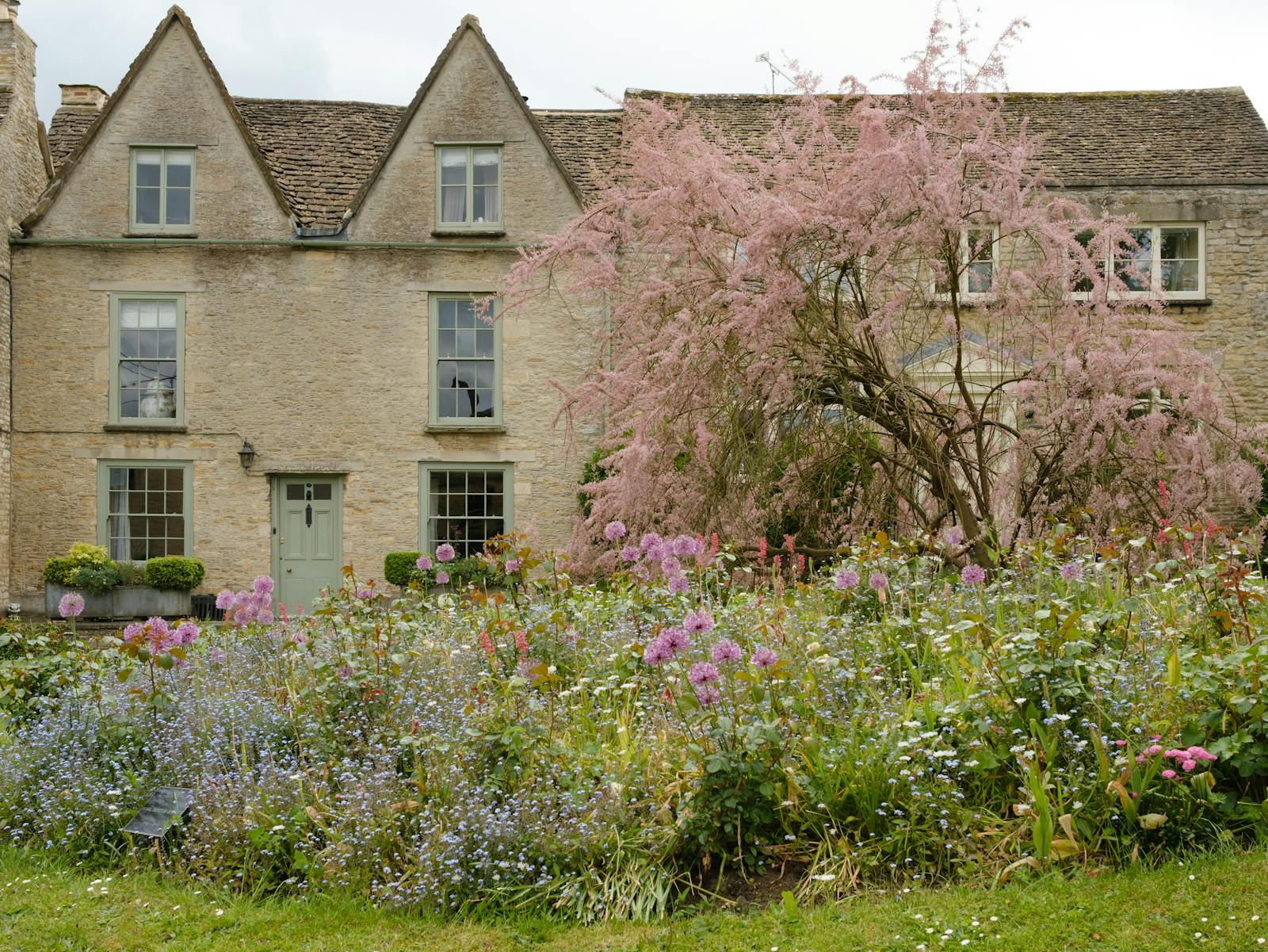
Hidcote Manor Garden: The Arts & Crafts Masterpiece
If you see only one Cotswold garden, make it Hidcote. Created from 1907 by the American-born horticulturist Major Lawrence Johnston, near Chipping Campden, it is one of the most influential gardens in the world and the National Trust’s first garden-only property. Its genius lies in the idea of “garden rooms”: a series of intimate, hedged enclosures, each with its own character and planting, from the fiery Red Borders to the cool, formal White Garden and the tranquil Bathing Pool Garden.
It is a place to wander slowly, turning a corner to find each new room revealed like a surprise. Hidcote is at its most spectacular from May to September, with the Red Borders peaking in late summer. As a National Trust property, it is free to members, and it sits very close to the lovely town of Chipping Campden.
Kiftsgate Court: Three Generations & a Giant Rose
Directly across the lane from Hidcote, and the perfect pairing for a single day, lies Kiftsgate Court Gardens. Where Hidcote is grand and famous, Kiftsgate is more personal and, to my mind, every bit as lovely. It was created by three generations of women from the same family, and it tumbles down a steep hillside in a series of terraces with sweeping views over the Vale of Evesham.
Its most famous resident is the enormous Kiftsgate rose, reputedly the largest rose in Britain, which froths over its supports in a cloud of white blossom each summer. A sleek modern water garden adds a contemporary note. Kiftsgate is at its peak in June and July and opens fewer days than Hidcote, so check before you go, but combining the two makes for a truly memorable day of garden visiting.

Painswick Rococo Garden: Britain’s Only Rococo Garden
Hidden in a secret valley near Painswick, the Painswick Rococo Garden is a genuine one-of-a-kind: the only complete surviving rococo garden in the country. Laid out in the flamboyant, theatrical style of the 1740s, it is all winding paths, playful ornamental buildings, a serpentine maze and surprising vistas, a garden designed for pleasure and amusement rather than horticultural seriousness.
Its most magical moment comes in late winter, when the valley fills with one of the finest displays of snowdrops in the Cotswolds, a wonderful reason to visit in January or February when most gardens are closed. It is a delightful, quirky and slightly mischievous place, quite unlike anywhere else.
Sezincote: An Indian Palace in the Cotswolds
For sheer surprise, nothing beats Sezincote, a few miles west of Moreton-in-Marsh. Built in 1805 in the exotic Mughal style of northern India, complete with onion dome, minarets and peacock-tail windows, this astonishing house is said to have inspired the Prince Regent’s Royal Pavilion in Brighton. Its water garden is just as exotic, with a series of pools, a grotto, a Hindu temple to the sun god Surya and a serpent-entwined fountain, set against classic Cotswold parkland.
The garden is generally open from spring to autumn, with house tours on more limited days in the warmer months. It is one of the most unexpected and romantic places in the whole region, and a highlight of our guide to the romantic Cotswolds.
Batsford Arboretum: Maples, Magnolias & Cherries
Near Moreton-in-Marsh, Batsford Arboretum is one of the largest private tree collections in the country, with around 2,900 trees spread across some 56 acres of hillside. It holds a renowned collection of Japanese maples, magnolias and pines, along with a national collection of Japanese flowering cherries, and it is laid out in a romantic, wild-garden style with streams, a Japanese rest house and bronze deer.
Batsford has two glorious seasons: spring, for the magnolias, cherries and carpets of daffodils, and autumn, for the maples blazing red and gold. With a garden centre and café on site and the market town of Moreton-in-Marsh nearby, it makes an easy and rewarding day out. If you love trees, do not miss our full guide to nearby Westonbirt Arboretum too.
Sudeley Castle & Snowshill Manor
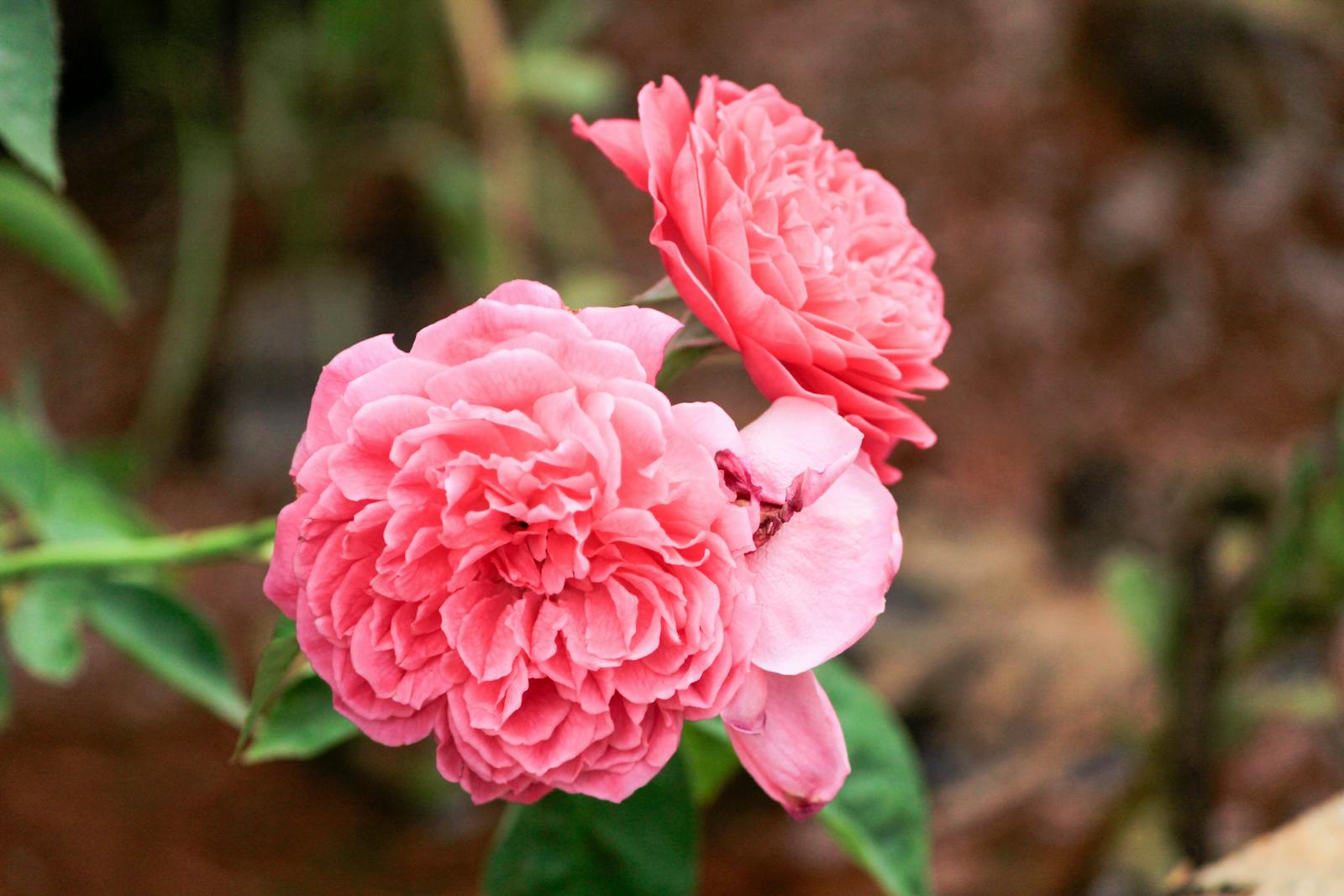
Two of the region’s finest gardens come attached to historic houses. Sudeley Castle, near Winchcombe, boasts ten award-winning gardens, the jewel being the Queens’ Garden, a Victorian recreation of an Elizabethan parterre framed by towering yew hedges and filled with old-fashioned roses. (A common myth worth busting: Sudeley is privately owned, not National Trust.)
Up in the hills, the National Trust’s Snowshill Manor has a wonderful Arts and Crafts garden designed by the eccentric collector Charles Paget Wade as a series of outdoor “rooms” with hidden vistas, ponds and a famous model harbour, all painted in his signature soft blue-green. Both are gardens with real character and a story to tell.
Hidden Gems: Misarden, Bourton House, Mill Dene & Cerney House
Beyond the famous names lie some of my favourite gardens of all, quieter places where you can often have the borders almost to yourself.
- The Garden at Miserden (near Stroud) — a classic Cotswolds Arts and Crafts garden with some of the longest herbaceous borders in private hands, yew topiary attributed to Sir Edwin Lutyens, and glorious views over a deer park.
- Bourton House Garden (Bourton-on-the-Hill) — a multi-award-winning three-acre garden of exuberant, exotic planting around an 18th-century manor and a magnificent medieval tithe barn.
- Mill Dene Garden (Blockley) — a romantic plantsman’s garden tumbling down a steep valley around a former watermill, with a stream, millpond and fragrant rose walk.
- Cerney House Gardens (North Cerney) — an informal, deeply romantic Victorian walled garden full of old roses, herbs and a celebrated winter snowdrop display.
National Trust vs Private Gardens
It is worth knowing how the gardens are run before you plan, as it affects both cost and opening. Among the gardens here, Hidcote and Snowshill Manor are National Trust, so members enter free. The rest, including Kiftsgate, Painswick Rococo, Sezincote, Batsford, Sudeley and the hidden gems above, are privately owned or run by charitable trusts and charge their own separate admission. If you are visiting several National Trust properties on your trip, membership can quickly pay for itself; for other ways to manage costs, see our guide to the Cotswolds on a budget.
Best Cotswold Gardens by Season
One of the joys of the Cotswolds is that there is a wonderful garden to visit in almost every month. Here is a quick guide to timing your visit, which works alongside our month-by-month guide to the best time to visit the Cotswolds.
- Winter (Jan–Feb): snowdrops at Painswick Rococo Garden, Batsford and Cerney House.
- Spring (Mar–May): magnolias, cherries and bluebells at Batsford; tulips and fresh borders everywhere.
- Summer (Jun–Aug): peak season for roses and herbaceous borders, the Kiftsgate rose, Hidcote, Sudeley’s Queens’ Garden and Miserden.
- Autumn (Sep–Nov): the maples and late borders, with Batsford spectacular for autumn colour.
The Cotswolds’ Great Gardening Heritage
The Cotswolds did not become a garden-lover’s paradise by accident. The combination of a mild climate, well-drained limestone soil and, crucially, centuries of wealth from the medieval wool trade gave the region both the means and the setting for great gardens. In the early 20th century it also became a powerhouse of the Arts and Crafts movement, whose ideals of craftsmanship and harmony with the landscape shaped gardens like Hidcote and Snowshill and influenced designers across the country.
That tradition continued through figures such as the celebrated plantswoman Rosemary Verey, whose garden at Barnsley House near Cirencester became one of the most influential of the late 20th century, admired and copied around the world. To walk the Cotswold gardens today is to trace a living history of English garden design, from formal Tudor knots and 18th-century follies to Arts and Crafts rooms and contemporary planting, often all within a few miles of one another.
More Gardens Worth Seeking Out
The Cotswolds is so rich in gardens that even a long list leaves treasures out. A few more well worth your time include:
- Rodmarton Manor (near Cirencester) — a beautiful and authentic Arts and Crafts house and garden, with its own series of hedged “rooms”, troughery and topiary.
- Barnsley House (near Cirencester) — Rosemary Verey’s famous garden, now part of a hotel, with its celebrated laburnum walk and potager.
- The water garden at Stanway House (near Winchcombe) — home to the tallest gravity-fed fountain in the world; see our guide to Stanton and Stanway.
- Cotswold Lavender (Snowshill) — rows of fragrant purple lavender open to visitors in high summer.
- Abbey House Gardens (Malmesbury, on the southern edge) — a romantic riverside garden famous for its enormous rose collection.
Many smaller private gardens also open their gates a few days each year through the National Garden Scheme, raising money for charity. These “open days” are a wonderful, often overlooked way to see hidden gardens that are otherwise closed to the public, frequently with home-made cakes and tea thrown in, so it is always worth checking what is opening near you during your visit.
Tips for Planning a Garden Tour
A few practical pointers will help you make the most of a garden-focused trip. First, check opening days carefully: the big National Trust gardens open most days in season, but many private gardens open only on selected days or by appointment, so build your itinerary around the ones with the tightest schedules (Kiftsgate is a classic example). Second, group gardens by area to minimise driving, the cluster around Chipping Campden (Hidcote, Kiftsgate) and the cluster near Moreton-in-Marsh (Batsford, Bourton House, Mill Dene, Sezincote) are especially easy to combine.
Third, think about membership: if you plan to visit several National Trust gardens, membership quickly pays for itself, and the Royal Horticultural Society and Historic Houses schemes offer free entry to other gardens. Finally, wear comfortable shoes, take a flask for the smaller gardens that may not have a café, and allow more time than you think, because beautiful gardens have a way of slowing you down in the loveliest possible manner. For help shaping a longer trip, see our Cotswolds itineraries.
Photographing the Gardens
The Cotswold gardens are a photographer’s dream, and a little timing makes all the difference. As with the villages, the soft light of early morning and late afternoon flatters flowers and foliage far more than harsh midday sun, and gardens are usually at their quietest just after opening. Overcast days, far from being a problem, are often ideal for capturing the true colours of blooms without blown-out highlights.
Most gardens welcome personal photography, but do check the rules and always be considerate of other visitors enjoying the peace. For more on capturing the region at its best, see our guide to the best photography spots in the Cotswolds.
A Garden-Lover’s Weekend
If you want to build a whole weekend around the gardens, the north Cotswolds makes the perfect base. Spend your first day around Chipping Campden, combining Hidcote and Kiftsgate (which sit opposite each other) with a wander around the town itself. On the second day, head for the Moreton-in-Marsh area to take in Batsford Arboretum, exotic Sezincote and the award-winning Bourton House Garden, all within a few miles of one another.
Add Sudeley Castle’s ten gardens near Winchcombe, or Painswick Rococo Garden in the south, and you have a varied, beautiful itinerary that showcases the full range of Cotswold gardening, from formal grandeur to playful 18th-century whimsy. Stay somewhere central and you will barely need to drive more than half an hour between treasures.
Accessibility & Facilities
Accessibility varies from garden to garden, and it is worth a quick check before you set out. The larger gardens, such as Hidcote, Batsford and Westonbirt, generally have accessible paths, facilities and cafés, while some of the smaller, hillier private gardens (Kiftsgate’s steep terraces, for example) are harder going for those with limited mobility. Most gardens have a tearoom or café, but the tiniest gems may not, so it never hurts to carry a flask and a snack.
Wear sturdy, comfortable footwear, as grass paths can be wet, and bring a hat and sunscreen in summer, as some gardens offer little shade. With a little planning, though, the gardens of the Cotswolds are an accessible joy for almost everyone, and one of the very best reasons to visit the region.
Frequently Asked Questions
What is the most famous garden in the Cotswolds?
Hidcote Manor Garden, the National Trust’s Arts and Crafts masterpiece of “garden rooms” near Chipping Campden, is the best known. It is often visited on the same day as neighbouring Kiftsgate Court, which sits just across the lane.
Which Cotswold gardens are National Trust?
Hidcote and Snowshill Manor are the main National Trust gardens in the Cotswolds. Most others, including Kiftsgate, Painswick Rococo, Sezincote, Batsford and Sudeley Castle, are privately owned and charge separate admission.
Where can I see snowdrops in the Cotswolds?
Painswick Rococo Garden is famous for its February snowdrop displays, and Batsford Arboretum and Cerney House Gardens also have lovely winter snowdrops, making them rewarding places to visit early in the year.
Can you visit Hidcote and Kiftsgate on the same day?
Yes. Hidcote and Kiftsgate sit directly opposite each other near Chipping Campden, so many visitors combine the two. Just check Kiftsgate’s opening days first, as it opens fewer days than Hidcote.
What is the best time of year to visit Cotswold gardens?
Late spring to summer (May to July) is the peak for roses and herbaceous borders. For something different, visit in February for snowdrops at Painswick, or in autumn for the spectacular tree colour at Batsford.
Plan Your Garden Tour
From the world-famous rooms of Hidcote to a secret valley of snowdrops, the gardens of the Cotswolds reward a whole holiday of exploration. Combine a few using our Cotswolds itineraries, and discover where they sit among our 50 best things to do in the Cotswolds.