The Cotswolds may be famous for its scenery, but reach for an umbrella on a grey afternoon and you will discover a region that punches well above its weight for museums. From one of Britain’s finest collections of Roman mosaics to a beloved children’s TV car, a Victorian police cell and a treasure-house of Arts and Crafts design, the museums here are a joy, and they make perfect rainy-day refuges when the hills disappear into the mist.
This guide to the best Cotswolds museums is grouped by theme, so whether you are a history buff, an art lover, a family looking to escape a downpour or simply curious about the quirkier corners of local life, you will find somewhere to suit. It works alongside our wider guide to things to do in the Cotswolds, and I have flagged which museums are free and which are best for a wet day.
Step Into Roman Britain
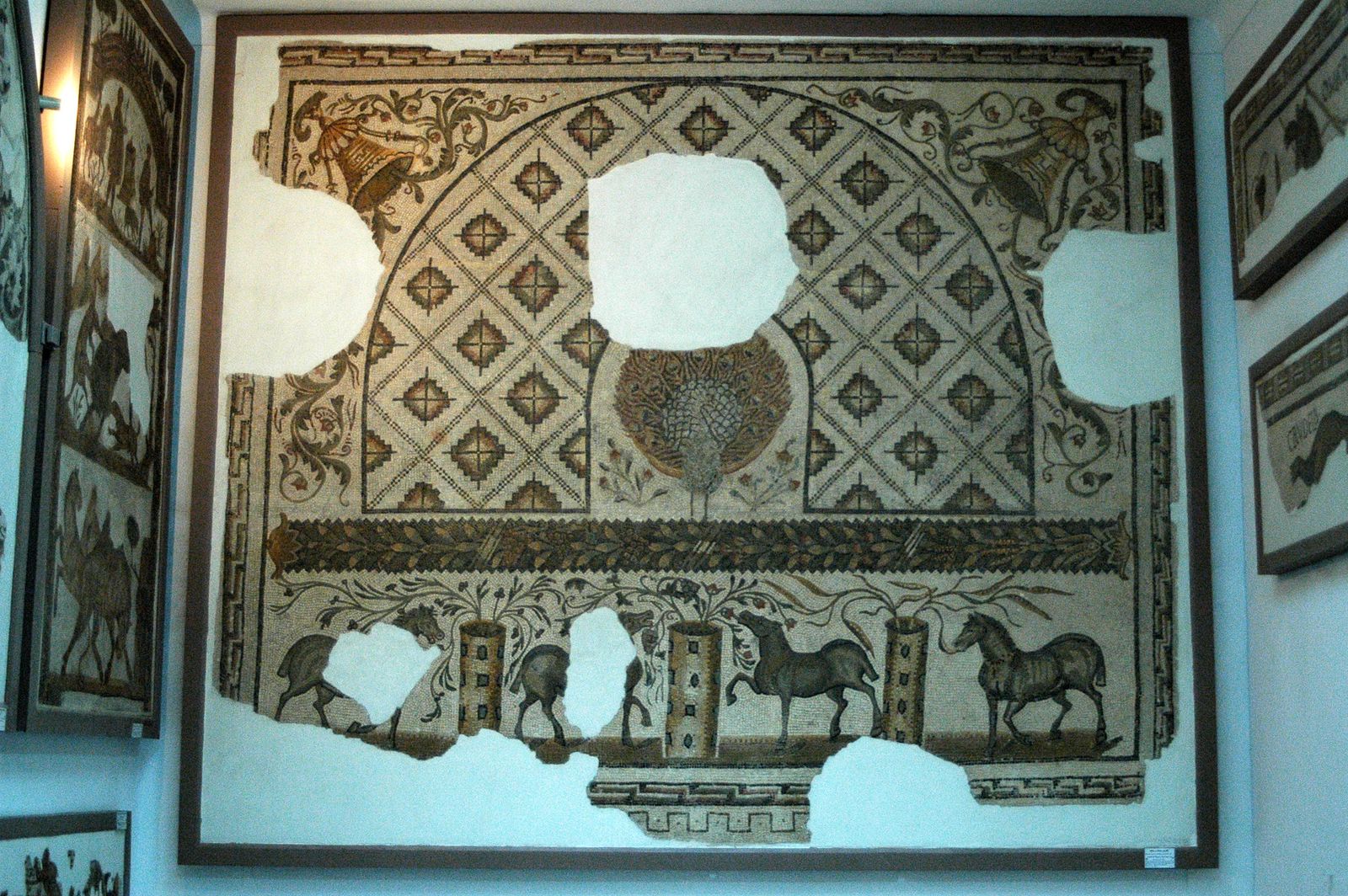
The Cotswolds was at the heart of Roman Britain, and its Roman heritage makes for some of its most fascinating museums. The standout is the Corinium Museum in Cirencester, which tells the story of Corinium Dobunnorum, the second-largest town in Roman Britain after London. Its collection of Roman mosaics is among the finest in the country, including the celebrated Hunting Dogs and Orpheus mosaics, and lively, interactive displays make it a great choice for families. Entry is modest (around £8.40, with concessions), and it is wonderfully weatherproof.
A short drive away near Yanworth, Chedworth Roman Villa (National Trust) is one of the largest and best-preserved Romano-British villas in the country, with superb mosaics, two bath houses and an ingenious underfloor heating system, much of it now sheltered under modern cover. And in Cirencester itself, the grassy earthworks of the Cirencester Amphitheatre (English Heritage) are free to explore in the open air. Together they bring the region’s Roman past vividly to life; for the bigger picture, see our guide to Cotswolds history and heritage.
Art & the Arts and Crafts Movement
The Cotswolds was a cradle of the Arts and Crafts movement, the design philosophy inspired by William Morris that prized handmade craftsmanship over mass production. Its spiritual home is The Wilson, Cheltenham Art Gallery & Museum, which holds an internationally important collection of Arts and Crafts furniture and metalwork by makers such as C.R. Ashbee and Ernest Gimson, many of whom worked in nearby villages like Chipping Campden. Entry is free (a donation is suggested). Do check ahead before a special trip, however, as the gallery has periods of refurbishment that can affect what is on display.
For something more hands-on, New Brewery Arts in Cirencester occupies a converted Victorian brewery and combines a contemporary craft gallery with working maker studios, a craft shop and a café. It is free to browse and a lovely, creative place to shelter from the rain.
Quirky & Unusual Collections
Some of the most memorable Cotswolds museums are also the most unexpected. In Moreton-in-Marsh, the small but characterful Wellington Aviation Museum is packed with Second World War aircraft memorabilia, recalling the town’s wartime RAF connections. In Tetbury, the Police Museum and Courtroom, housed in the original Victorian police station, gaol and magistrates’ court, lets you peer into the cells and includes a remarkable collection of antique handcuffs and restraints, and it is free to visit.
Over in Burford, the volunteer-run Tolsey Museum tells the story of this ancient wool town from a handsome medieval building, while the Museum in the Park in Stroud (also free) celebrates local history with everything from one of the world’s first lawnmowers, a Stroud invention, to dinosaur bones. These are the kind of small, lovingly curated places that give the Cotswolds so much of its character.
Transport & Family Favourites
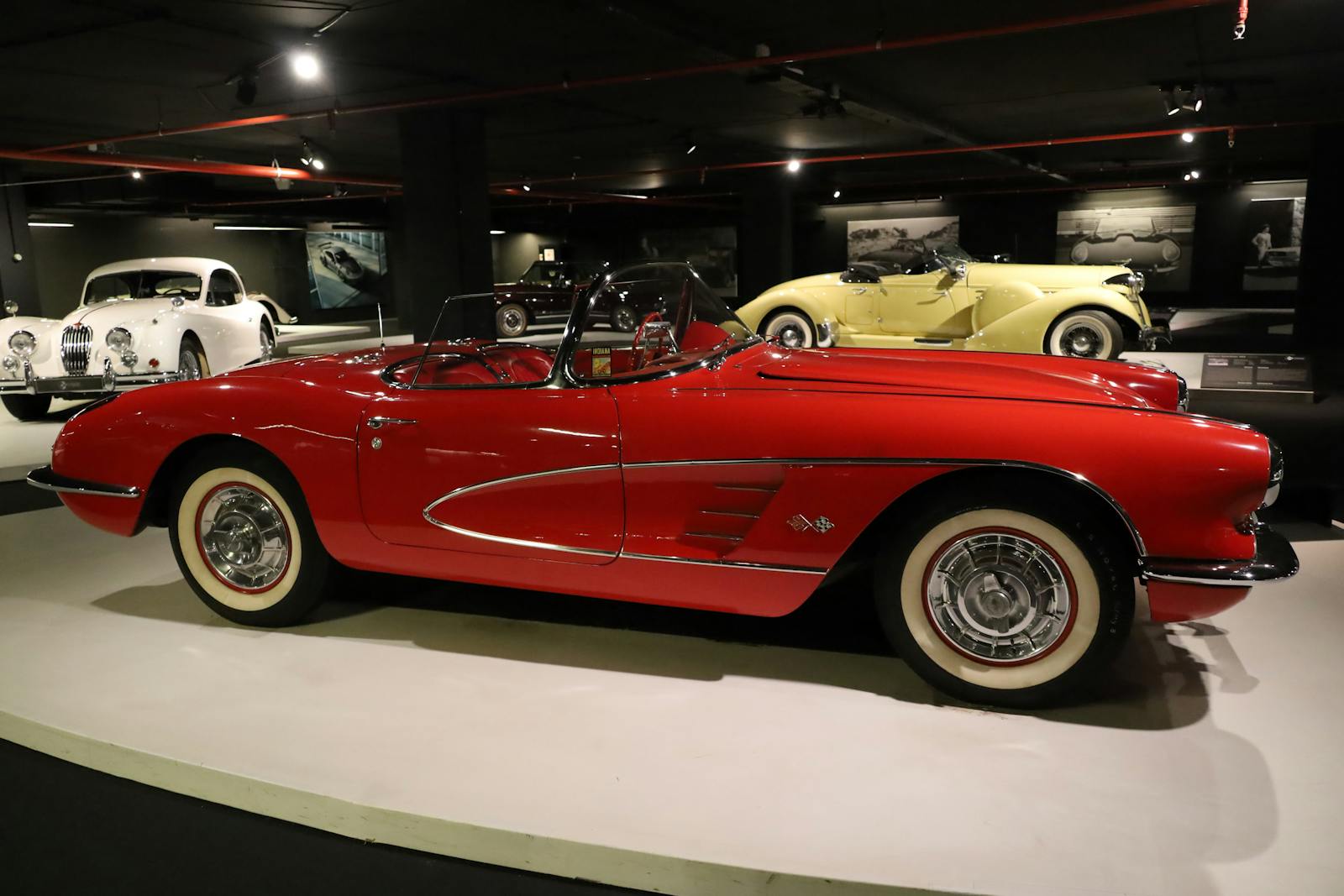
For a guaranteed family winner, head to the Cotswold Motoring Museum & Toy Collection in Bourton-on-the-Water. Its collection of vintage cars, motorcycles, caravans, enamel signs and old toys is a nostalgic delight for all ages, but the real star for younger visitors is Brum, the little car from the much-loved BBC children’s television series, who lives here and is on display every day. It is one of the best rainy-day attractions in the region, and a highlight of our guide to the Cotswolds with kids.
Just beyond the Cotswolds proper, Cogges Manor Farm near Witney combines a historic manor house, a working farm and an adventure playground (and was a filming location for Downton Abbey), while the city of Gloucester offers the National Waterways Museum in its historic docks, telling the 200-year story of Britain’s canals. Both are excellent additions if you are exploring the eastern or western edges of the region.
The Cotswolds & the Arts and Crafts Movement
It is worth understanding just how important the Cotswolds was to one of the great movements in British design. In the early 1900s, the designer C.R. Ashbee moved his Guild of Handicraft from the East End of London to Chipping Campden, bringing dozens of craftsmen and their families to the Cotswolds to live and work according to Arts and Crafts ideals. Others, like the furniture designer Ernest Gimson and the Barnsley brothers, settled in the villages around Sapperton, drawn by the same belief in honest materials and handmade quality.
That legacy is woven through the region to this day, and a “museum visit” here can easily become a wider Arts and Crafts trail. See the movement’s masterpieces at The Wilson in Cheltenham, then visit the Court Barn Museum in Chipping Campden (dedicated to local craft and design), and round it off at a working contemporary craft centre like New Brewery Arts in Cirencester. It is a richer, more thematic way to explore the area’s culture, and one that most visitors never think to follow.
Roman Cotswolds in More Depth
The Cotswolds was one of the most prosperous corners of Roman Britain, and its museums let you get genuinely close to that history. Roman Cirencester, or Corinium, was second in size only to London, and the Corinium Museum’s mosaics, tombstones and everyday objects bring that lost town vividly back to life. It is the perfect place to start before exploring the physical remains out in the landscape.
From there, the great villa at Chedworth shows how the Roman elite lived in the countryside, with its mosaics, bath houses and that ingenious underfloor heating, while the grassy earthworks of the Cirencester Amphitheatre hint at the scale of public life in Corinium. Together they make a wonderful themed day for anyone fascinated by ancient history, and they tie in beautifully with our guide to Cotswolds history and heritage.
More Museums & Collections to Discover
Beyond the headline names, the wider area holds plenty more to reward the curious. In the historic docks at Gloucester, the National Waterways Museum tells the 200-year story of Britain’s canals, with hands-on exhibits, a café and seasonal boat trips that are great for families. Nearby, the Soldiers of Gloucestershire Museum traces the proud military history of the county’s regiments.
On the eastern edge of the Cotswolds, Cogges Manor Farm near Witney blends a historic manor house, a working farm and an adventure playground, and will be familiar to fans of Downton Abbey as a filming location. And in the smaller towns you will find a host of tiny, lovingly run local museums, from Burford’s Tolsey to Stroud’s Museum in the Park, each telling the story of its own patch of the Cotswolds. The lesson, as ever in the region, is that even the smallest towns can spring a delightful surprise.
Museums for Families
Several of the region’s museums are brilliantly geared towards children. The Cotswold Motoring Museum in Bourton-on-the-Water, with its vintage cars, old toys and the much-loved character Brum, is the obvious family favourite, and sits in a village packed with other attractions. The Corinium Museum uses interactive displays and dressing-up to bring Roman life to life for younger visitors, while the National Waterways Museum in Gloucester has hands-on exhibits and boat trips.
For families, museums are also the perfect answer to a rainy afternoon, providing a warm, dry, engaging way to spend a few hours when the weather closes in. Pair a museum with a play in the park or a hot chocolate in a tearoom and you have a winning wet-weather plan. Our guide to the Cotswolds with kids has many more ideas.
Planning Your Visit: Tickets & Tips
A little planning goes a long way with the region’s museums. Opening hours at the larger museums (Corinium, The Wilson, the Motoring Museum) are generous and fairly reliable, but the smaller, volunteer-run museums often open only a few days a week and close in winter, so always check before you set out. Many of the free museums welcome donations, which genuinely help keep these small institutions going.
If you are visiting several paid attractions, look into whether National Trust or English Heritage membership makes sense, as it covers sites like Chedworth Roman Villa and Cirencester Amphitheatre. And remember that museums make the perfect plan B when the famously changeable Cotswold weather turns: pairing an indoor museum with a market town wander is a reliable recipe for a good day whatever the forecast. For more ways to keep costs down, see our guide to the Cotswolds on a budget.
A Day of Cotswold Culture
One of the nicest ways to enjoy the region’s museums is to weave one into a wider day of culture rather than treating it as a standalone stop. In Cirencester, for example, you can spend the morning at the Corinium Museum, walk to the great wool church of St John the Baptist, browse the independent shops and New Brewery Arts, and still have time for the open-air amphitheatre, all within a compact, walkable town. In Cheltenham, The Wilson sits among the elegant Regency streets, perfect for a stroll and a coffee.
Bourton-on-the-Water packs in the Motoring Museum, Birdland, the Model Village and a riverside green, making it ideal for families who want plenty of options in one place. Building a day this way means a shower of rain never derails your plans: you simply duck indoors to a museum and pick the walking back up when it clears.
Beyond the Museums: Historic Houses & Sites
If your interest in the Cotswolds is its history, do not stop at the museums, because the region is essentially an open-air museum in its own right. The great houses, Blenheim Palace and Sudeley Castle chief among them, are living repositories of art and history, while ancient sites such as the Rollright Stones, Belas Knap long barrow and the Roman remains scattered across the landscape connect you directly to the people who lived here thousands of years ago.
Combining a museum with a historic house or an ancient monument makes for a richer, more rounded day, and helps you understand how the objects in the cases relate to the landscape outside. The Cotswolds rewards exactly this kind of joined-up curiosity, where a Roman mosaic in a museum case suddenly makes sense once you have stood in the villa it came from.
Why the Cotswolds Rewards the Curious
What makes the museums of the Cotswolds so special is not any single blockbuster collection but the sheer variety and the human scale of them. From a world-class hoard of Roman mosaics to a beloved children’s television car, from cutting-edge contemporary craft to a Victorian police cell, they tell the story of this landscape and the people who have shaped it over two thousand years. Many are small, free or volunteer-run, kept alive by people who simply love their subject, and that passion is infectious.
So next time the famous Cotswold weather turns, or you simply fancy a change from villages and views, seek one out. You may well find that the hour you ducked inside to escape the rain becomes one of the most memorable of your trip.
Free Museums Worth Visiting
One last tip for budget-conscious visitors: several of the region’s most enjoyable museums are completely free to enter, asking only for a donation. The Wilson in Cheltenham, the Museum in the Park in Stroud, the Tolsey Museum in Burford and the quirky Tetbury Police Museum all welcome you in without charge, as does the open-air Cirencester Amphitheatre. They prove you do not need to spend a penny to enjoy the region’s history and culture.
If keeping costs down is a priority for your trip, pair these free museums with the region’s many other no-cost attractions, which we cover in full in our guide to free things to do in the Cotswolds.
The Best Cotswolds Museums for a Rainy Day
If the weather turns, these indoor museums are your reliable friends. For a quick reference, here are my top picks by category:
- Best for history: the Corinium Museum (Cirencester) and Chedworth Roman Villa (mostly under cover).
- Best for art: The Wilson (Cheltenham) and New Brewery Arts (Cirencester).
- Best for families: the Cotswold Motoring Museum (Bourton-on-the-Water) and Cogges Manor Farm (Witney).
- Best free museums: The Wilson, the Tolsey Museum (Burford), the Museum in the Park (Stroud) and Tetbury Police Museum.
- Best quirky visit: the Wellington Aviation Museum (Moreton-in-Marsh) and Tetbury’s Police Museum and Courtroom.
A quick practical tip: opening times at the smaller, volunteer-run museums can be limited and seasonal, so always check before you set out, especially in winter.
Frequently Asked Questions
What is the best museum in the Cotswolds?
The Corinium Museum in Cirencester is widely regarded as the standout, thanks to its outstanding collection of Roman mosaics and artefacts. The Wilson in Cheltenham is the top choice for art lovers, with its internationally important Arts and Crafts collection.
Are there free museums in the Cotswolds?
Yes. The Wilson (Cheltenham), the Tolsey Museum (Burford), the Museum in the Park (Stroud) and the Tetbury Police Museum are all free to enter, with donations welcomed. The open-air Cirencester Amphitheatre is also free.
What are the best Cotswolds museums for a rainy day?
The Corinium Museum, The Wilson, the Cotswold Motoring Museum in Bourton-on-the-Water and New Brewery Arts in Cirencester are all indoor and weatherproof, making them ideal when the weather turns.
Where can I see Brum the car?
Brum, the little car from the BBC children’s series, lives at the Cotswold Motoring Museum & Toy Collection in Bourton-on-the-Water and is on display every day the museum is open.
Is Chedworth Roman Villa worth visiting?
Yes. It is one of the best-preserved Roman villas in Britain, with beautiful mosaics, bath houses and underfloor heating, much of it sheltered under cover. It is free for National Trust members and a fascinating, family-friendly day out.
Plan Your Visit
From Roman mosaics to a much-loved television car, the museums of the Cotswolds offer history, art and a good dose of the unexpected, whatever the weather. Combine a museum or two with the surrounding towns and villages, and see where they fit among our 50 best things to do in the Cotswolds as you plan your trip.